Oculus

Search documents
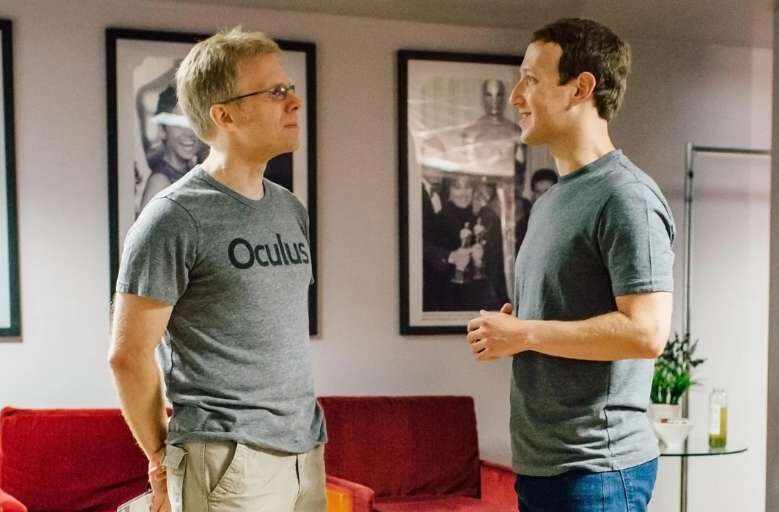
十年前邮件分歧看Meta元宇宙困局:卡马克 vs 扎克伯格
Sou Hu Cai Jing· 2026-01-20 00:43
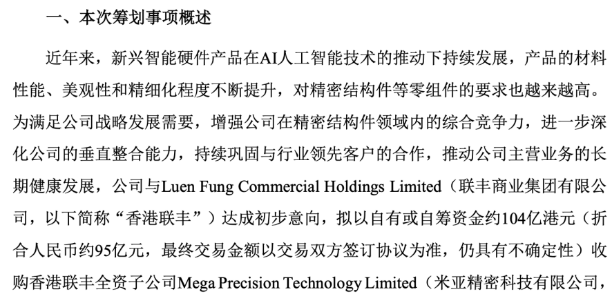
Core Insights - Meta's ten-year journey into the metaverse has faced significant challenges, resulting in over $70 billion in losses, layoffs, studio closures, and a strategic pivot towards AI and practical technology initiatives like smart glasses [1][9] - Despite setbacks, the existence of successful VR applications like "Gorilla Tag" and VRChat indicates that real social experiences in virtual reality are achievable, diverging from Meta's grand vision [1][9] Strategic Vision: Divergence Between Leaders - Mark Zuckerberg views VR/AR as the next major computing platform, aiming to reduce Meta's reliance on Apple and Google, while John Carmack emphasizes starting small with high-quality VR applications rather than building a vast ecosystem [2][4] - Zuckerberg's strategic goals include establishing a strong position in the next computing wave, while Carmack warns against the pitfalls of overambitious plans that may not yield immediate user benefits [2][4] Ecosystem Development: Acquisition vs. Collaboration - Zuckerberg argues for acquiring Unity to enhance Meta's VR strategy, believing it crucial for increasing platform service adoption and mitigating risks of being outpaced by competitors [5][6] - In contrast, Carmack advocates for leveraging existing successful companies' work rather than attempting to control all aspects of the ecosystem, suggesting collaboration with established services like Netflix [6][10] Technical Approach: Operating System and Practicality - Zuckerberg acknowledges the need for significant investment in hardware and systems to accelerate VR/AR development, while Carmack opposes the necessity of a proprietary operating system, arguing it could become a burden [7][12] - Carmack emphasizes the importance of focusing on user experience and practical applications rather than abstract technological frameworks [7][12] Cultural Perspective: Innovation vs. User-Centricity - Zuckerberg highlights the importance of innovation for Meta's brand, asserting that success in VR/AR will enhance the company's reputation and attract talent [8][30] - Carmack critiques the company's culture, noting a disconnect between product development and user needs, suggesting that Meta's focus on media over user experience has hindered its progress [8][10] Retrospective Analysis: Lessons from Past Communications - The emails from 2015 foreshadowed Meta's challenges in the metaverse, with Zuckerberg's vision of VR/AR as a dominant platform facing underestimation of technical challenges and timelines [9][10] - Carmack's warnings about the risks of ambitious projects and the need for a user-focused approach have proven prescient, highlighting the importance of practical solutions over grand narratives [9][10]


曾经盛极一时的VR、元宇宙,现在怎么样了?
Feng Huang Wang· 2026-01-15 10:47
Core Insights - Meta has conducted a new round of layoffs, affecting over 1,000 employees, primarily in the Reality Labs department responsible for VR/AR hardware and metaverse projects [1][2][4] - The company is shifting its focus from the ambitious metaverse vision to more practical applications like AI smart glasses, indicating a strategic retreat from its previous investments in immersive digital environments [2][4][12] - The metaverse, once seen as the future of interaction, is now viewed as a failed concept, with significant financial losses reported in Meta's metaverse initiatives [3][7][11] Company Strategy - Meta's layoffs represent a significant strategic withdrawal from the metaverse vision that CEO Mark Zuckerberg has promoted since 2014, with plans to cut about 10% of the Reality Labs workforce, which consists of approximately 15,000 employees [4][12] - The company has invested heavily in the metaverse, with losses exceeding $60 billion since 2020, and Reality Labs alone has accumulated losses of over $70 billion since 2021 [7][12] - The focus is now on developing AI technologies and products, with plans to produce over 10 million AI glasses by 2026, reflecting a shift in priorities towards more immediate technological advancements [14][16] Industry Trends - The concept of the metaverse is being redefined, with Gartner predicting that by 2026, 30% of organizations will be ready with products and services for the metaverse [14] - The competition is shifting from VR to mixed reality (MR) and lightweight AI glasses, with major companies like Meta and ByteDance entering the market with new products [14][15] - The industry is witnessing a consolidation of efforts towards AI integration, with Meta establishing a new department called "Meta Computing" to enhance its infrastructure and capabilities in AI [16][17]
Meta元宇宙部门狂裁千人:一醒来就收到邮件,刚入职也未能幸免
猿大侠· 2026-01-15 04:11
Core Viewpoint - Meta is significantly downsizing its metaverse operations by cutting over 1,000 jobs in the Reality Labs division, marking a strategic shift towards AI and wearable technology [2][6][31]. Group 1: Job Cuts and Resource Reallocation - Meta is laying off approximately 10% of its Reality Labs employees, which translates to over 1,000 positions being eliminated [6]. - The resources saved from these layoffs will be redirected towards emerging fields such as AI hardware and wearable devices [4][31]. - The layoffs were unexpected for many employees, including those who had recently joined the company [7][9]. Group 2: Changes in VR Strategy - Meta has closed three notable VR game studios, indicating a fundamental shift in its VR content strategy [12]. - The VR fitness app Supernatural will halt new content development, focusing only on maintaining existing operations [13]. - The company will pivot from heavy in-house content development to relying on third-party developers and partners, aiming to reduce costs and market risks [13]. Group 3: Financial Context and Strategic Shift - Reality Labs has incurred cumulative losses exceeding $70 billion since 2021, prompting the need for financial restructuring [20]. - The unexpected market success of Ray-Ban Meta smart glasses has influenced the reallocation of resources towards more profitable ventures [21]. - The competitive landscape has changed, with other companies like Microsoft and Disney scaling back their metaverse initiatives, leaving Meta to bear the market education costs alone [26]. Group 4: Focus on AI and Infrastructure - Meta is shifting its focus from the metaverse to AI, with AGI being identified as a core future goal [31]. - A new department called "Meta Computing" has been established to oversee the company's infrastructure development [31]. - The integration of generative AI technology into existing applications aims to enhance advertising efficiency and provide stable cash flow for future investments [32]. Group 5: Hardware and User Interaction Changes - The positioning of hardware has fundamentally changed, with smart glasses being redefined as AI assistants [34]. - Meta is moving away from traditional VR interactions to a new standard based on visual recognition and voice commands [35]. - The goal is to create a wearable AI assistant that users can interact with naturally, without manual input [36].

Meta元宇宙部门狂裁千人:一醒来就收到邮件,刚入职也未能幸免
量子位· 2026-01-14 11:19
Core Viewpoint - Meta is significantly scaling back its metaverse ambitions by laying off over 1,000 employees from its Reality Labs division, reallocating resources towards AI hardware and wearable devices instead [2][3][5]. Group 1: Layoffs and Strategic Shift - Meta is cutting approximately 10% of its Reality Labs workforce, which translates to over 1,000 job losses [5]. - The layoffs are part of a broader strategy to reduce investment in the metaverse, with resources redirected to emerging fields like AI and wearable technology [3][29]. - The company has closed three notable VR game studios, indicating a fundamental shift in its VR content strategy [11]. Group 2: Financial Context - Reality Labs has incurred cumulative losses exceeding $70 billion since the company's pivot to the metaverse in 2021, highlighting the unsustainable nature of its current business model [18][19]. - The financial strain has prompted management to take drastic measures to restore overall financial health [19][28]. Group 3: New Strategic Focus - Meta is transitioning from a metaverse-first approach to a comprehensive focus on AI, with AGI identified as a core future goal [29]. - A new department, "Meta Computing," has been established to oversee infrastructure development necessary for this AI-centric strategy [29]. - The company aims to integrate generative AI technology into its applications, enhancing advertising efficiency and providing stable cash flow for future investments [30]. Group 4: Hardware and User Interaction Changes - The positioning of hardware has fundamentally changed, with smart glasses being redefined as "sensors" for AI assistants [32]. - Meta is moving away from traditional VR interactions, adopting a new standard based on visual recognition and voice commands [33]. - The goal is to create a wearable AI assistant that users can interact with naturally, without manual input [34].

Bridgewater, D.E. Shaw among top hedge fund gainers of 2025
Yahoo Finance· 2026-01-02 22:11
Group 1: Hedge Fund Performance - Bridgewater Associates' Pure Alpha II macro fund achieved a record return of 34% in 2025, marking its best performance ever, while the All Weather strategy rose by 20% [2] - D.E. Shaw's flagship multistrategy Composite hedge fund gained 18.5%, and its Oculus fund surged by an estimated 28.2% [2] - Michel Massoud's Melqart Opportunities Fund experienced a significant increase of 45%, while Millennium Management's multistrategy hedge fund gained 10.5% [3] - Citadel's flagship hedge fund posted a 10.2% increase, marking the first year since 2020 that Millennium outperformed Citadel's Wellington fund [4] - AQR Capital Management's multistrategy offering returned 19.6% in 2025 [7] Group 2: Market Conditions and Influences - The hedge fund industry overall is on track for its best returns in at least five years, driven by surging US stocks, precious metals, and volatility in bond and currency markets influenced by trade wars [4] - The market uncertainty fueled by tariffs created a favorable environment for traders, contributing to the strong performance of various hedge funds [1] Group 3: Bridgewater Associates' Strategic Changes - Bridgewater has undergone significant changes under the leadership of CEO Nir Bar Dea since 2023, including personnel changes and asset reductions aimed at improving performance [5] - The firm's AIA Labs fund, which utilizes machine learning for decision-making, raised over $5 billion and recorded an 11% increase last year [6] - The gains in Bridgewater's Pure Alpha II fund represent a recovery from annualized returns of less than 3% from 2012 to 2024 [6]
Bridgewater, D.E. Shaw Among Top Hedge Fund Gainers of 2025
Yahoo Finance· 2026-01-02 19:26
Core Insights - Bridgewater Associates' flagship money pool achieved record gains, with its Pure Alpha II macro fund returning 34% in 2025, marking its best performance ever [2][6] - D.E. Shaw & Co.'s strategies also performed exceptionally well, with its flagship multistrategy Composite hedge fund gaining 18.5% and Oculus achieving an estimated 28.2% [2] - Overall, hedge funds experienced strong gains, with industry returns projected to be the best in at least five years, driven by surging US stocks and market volatility [5] Group 1: Performance Highlights - Bridgewater's All Weather strategy rose 20% last year, contributing to the firm's double-digit returns across strategies [2][6] - Michel Massoud's Melqart Opportunities Fund surged 45%, while Millennium Management gained 10.5% and ExodusPoint achieved an 18% increase, its highest since inception [3][4] - AQR Capital Management's multistrategy offering returned 19.6% in 2025, showcasing the competitive landscape among hedge funds [8] Group 2: Strategic Changes and Management - Bridgewater has undergone significant changes under CEO Nir Bar Dea since 2023, including personnel changes and asset reductions aimed at improving performance [6] - Ray Dalio, the billionaire founder of Bridgewater, has completely exited the firm, selling his remaining stake and stepping down from the board [6][7] - The firm's AIA Labs fund, which utilizes machine learning for decision-making, raised over $5 billion and was up 11% last year [7]
Meta豪掷6000亿押注AI:28岁天才少年能否改写科技巨
Sou Hu Cai Jing· 2025-12-12 23:09
Core Insights - Meta is shifting its focus from the metaverse to AI, with a significant budget reallocation of $600 billion over the next three years, primarily directed towards AI initiatives led by Alexandr Wang [2][3] Group 1: Leadership Changes and Internal Dynamics - Alexandr Wang, a 28-year-old talent from ScaleAI, has been appointed by Mark Zuckerberg to lead a team that has rapidly recruited nearly 100 top AI talents from companies like OpenAI and Google [3] - The rise of Wang's team has sparked backlash from veteran executives, with 17 high-level departures from the metaverse core team, including John Carmack, who criticized the shift towards an "AI dictatorship" [3][4] Group 2: Financial Performance and Strategic Shift - Meta's Reality Labs, focused on the metaverse, reported a 39% year-over-year revenue decline in Q1 2024, while AI advertising systems saw a 28% revenue increase [3] - Zuckerberg announced that 75% of the infrastructure investment will now be directed towards AI, effectively reallocating $450 billion initially intended for the metaverse to Wang's "TBD Lab" [3] Group 3: Project Adjustments and Future Directions - The Meta smart glasses project has seen a reduction of 300 engineers, who have been reassigned to AI voice assistant development, and the launch of the AR glasses Project Nazare has been indefinitely postponed [4] - The new AI glasses, "Orion," will incorporate models developed by Wang's team, indicating a strategic pivot towards AI-driven products [4] Group 4: Competitive Landscape and Innovation - In the context of an AI arms race, Meta aims to differentiate itself by focusing on vertical breakthroughs in social scenarios, as highlighted by Wang's development of "SocialGPT," which has increased Instagram engagement by 47% during testing [5] - The competitive landscape includes major players like Microsoft-OpenAI and Google's DeepMind, with Meta seeking to carve out its niche in the evolving AI market [5] Group 5: Power Dynamics and Historical Parallels - Discussions among tech elites suggest that Zuckerberg's actions mirror historical corporate power struggles, reminiscent of Steve Jobs' ousting of John Sculley at Apple [6] - The internal resource allocation has been restructured to prioritize AI, leading to the sidelining of various VR projects, which are now considered "digital ruins" [6] - The ongoing transformation at Meta reflects a critical moment in tech history, with parallels drawn to past failures of companies like Yahoo and Microsoft in adapting to new technological paradigms [6]
Meta Platforms Has Lost $73 Billion on Reality labs. Are Its Spending Cuts Enough for META Stock?
Yahoo Finance· 2025-12-05 16:58
Core Insights - The metaverse, once seen as a major digital innovation frontier, is facing a slowdown in investor enthusiasm and adoption, prompting Meta Platforms to reassess its ambitious vision [1] - Meta's Reality Labs division has incurred cumulative losses of $73 billion since its inception, making it the largest investor in the metaverse [2] - CEO Mark Zuckerberg is reducing the metaverse budget by approximately 30% to focus on more profitable projects, despite Meta's core advertising business performing well [3] - The critical question for investors is whether cutting Reality Labs spending will improve Meta's outlook and justify its high stock price, or if the metaverse investment has failed to the extent that cuts won't aid stock recovery [4] Company Overview - Meta Platforms operates Facebook, Instagram, WhatsApp, and Oculus, and is a leading digital advertising and AI company, reaching 3.5 billion users monthly [5] - The company's market capitalization is around $1.6 trillion, with its stock experiencing volatility; it peaked near $796 in mid-August before retreating to the mid-$600s by December [6] - Year-to-date, Meta's stock has increased by approximately 14% due to rising ad spending from U.S. and international advertisers, although it has seen some profit-taking after a strong performance [6] Valuation Insights - Meta's forward price/earnings ratio is about 25x, which is significantly higher than the broader tech sector median of around 15x, indicating that investors are paying a premium for its growth expectations [7] - These elevated valuation multiples suggest market confidence in Meta's ability to continue growing ad revenue and monetizing new AI features, but they also imply limited room for error if the company underperforms [7]
从Meta Connect 2025年度大会,探寻扎克伯格的单点击穿时刻
Sou Hu Cai Jing· 2025-09-21 19:36
Core Insights - The central theme of the article revolves around Meta's launch of the Meta Ray-Ban Display smart glasses at the Connect 2025 event, which signifies a shift towards a new computing platform and reflects Mark Zuckerberg's long-term vision for the company [1][2]. Group 1: Product Launch and Features - The Meta Ray-Ban Display smart glasses integrate three key breakthroughs: waveguide display technology for real-time information display, a neural wristband for silent input through muscle signals, and real-time scene AI for enhanced environmental understanding [2]. - Zuckerberg emphasized that these smart glasses are not just an AI assistant but represent the ultimate form of future digital social interaction [2]. Group 2: Strategic Vision and Historical Context - Zuckerberg's transition from Facebook to Meta in 2021 is viewed as a second entrepreneurial venture aimed at creating a new computing platform, with smart glasses at its core [3][4]. - The article outlines Zuckerberg's history of strategic decisions, including the acquisition of Oculus for $2 billion in 2014, which was an early bet on virtual reality [8]. Group 3: Market Dynamics and Technological Trends - The slowdown of mobile internet growth and the challenges posed by privacy policy changes have pressured Meta to seek new entry points into the market [10][11]. - Zuckerberg believes that the next generation of human-computer interaction will shift from looking down at phones to looking up at the world, with smart glasses being the most viable replacement for smartphones [14][15]. Group 4: Strategic Methodology - The article discusses Zuckerberg's strategic approach, which includes focusing on a single breakthrough point (smart glasses), sustained investment in Reality Labs, and creating a platform flywheel for self-sustaining growth [20][21][27]. - This methodology aligns with the concept of "single point breakthrough," emphasizing the importance of identifying and dominating a critical area to drive future growth [25][28].

“砍单”后遗症未消,歌尔股份推百亿并购,果链依赖或将加深
Zheng Quan Zhi Xing· 2025-07-29 06:18
Core Viewpoint - Goer Group (歌尔股份) plans to acquire 100% equity of Hong Kong Mia Precision Technology and Changhong Industrial for approximately 104 billion HKD (around 95 billion RMB) to strengthen its position in the precision components sector, aiming to improve its overall profitability through high-margin business [1][2][4]. Acquisition Details - The acquisition is still in the planning stage, requiring further due diligence and evaluation, indicating some uncertainty in the transaction [4]. - The target companies, Hong Kong Mia and Changhong Industrial, have significant technical expertise in metal/non-metal material processing and precision surface treatment, with a combined revenue of approximately 91.1 billion HKD last year [4]. Business Structure and Financials - Goer Group's main business segments include precision components, smart acoustic systems, and smart hardware, with projected revenues for 2024 being 150.51 billion RMB, 262.96 billion RMB, and 571.99 billion RMB respectively [4]. - The gross margin for the precision components business is expected to reach 21.51% in 2024, while the gross margins for smart acoustic systems and smart hardware are both below 10% [4]. Dependency on Apple Supply Chain - The acquisition is seen as a move driven by the "Apple supply chain" logic, as both target companies are core suppliers for Apple, potentially increasing Goer Group's reliance on Apple [5][6]. - As of Q1 2025, Goer Group's cash reserves will significantly decrease post-acquisition, raising concerns about its ability to cover short-term debts, given its short-term borrowings and liabilities totaling 162.03 billion RMB [6]. Performance Recovery - Goer Group's revenue for 2024 was 1009.54 billion RMB, a year-on-year increase of 2.41%, with a net profit of 26.65 billion RMB, marking a 144.93% increase, although still below the 2021 level of 42.75 billion RMB [8]. - In Q1 2025, the company reported a revenue decline of 15.57% to 163.05 billion RMB, despite a net profit increase of 23.53% [8]. Expansion into VR/AR and AI Glasses - Goer Group is actively expanding into VR/AR and AI glasses markets, having acquired a 3D sensing system and micro-nano optical device supplier to enhance its technology in the VR sector [9]. - The company is pursuing multiple R&D projects related to AR and AI glasses, expressing confidence in the future market for AI smart glasses [9]. Market Challenges - The global VR headset market has seen a significant decline, with a 12% year-on-year drop in 2024, and a 23% decrease in Q1 2025, attributed to weak consumer demand [10]. - The AI glasses market, while gaining attention, is still in its early stages, facing challenges in achieving widespread adoption due to limitations in hardware and software capabilities [10].