SPHBM4

Search documents
HBM 4,新标准
半导体芯闻· 2025-12-15 10:17
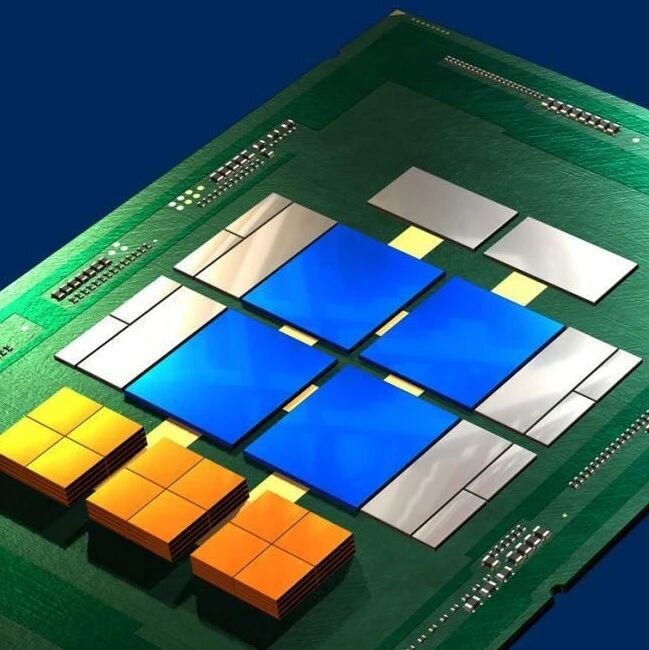
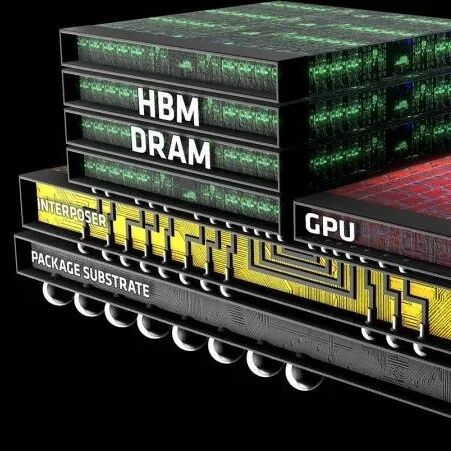
Core Viewpoint - The semiconductor industry is developing a new type of High Bandwidth Memory (HBM) called SPHBM4, which aims to reduce design complexity and manufacturing costs while maintaining performance similar to existing HBM products. This development could significantly impact companies like Samsung Electronics and SK Hynix, as well as the broader ecosystem including TSMC and NVIDIA [3][6]. Group 1: SPHBM4 Development - JEDEC is in the final stages of developing the SPHBM4 standard, which utilizes the same DRAM as HBM4 but serializes I/O pins at a 4:1 ratio, reducing the number of I/O pins from 1024 to 512 while still supporting the same bandwidth [3][4]. - The SPHBM4 standard is expected to be released in the coming months, according to Eliyan, a U.S. semiconductor startup that supports the new standard [4][5]. Group 2: Technical Aspects - SPHBM4's performance relies on stable interconnect technology that can achieve over four times the transmission speed per I/O pin, which is crucial for its operation [4]. - The introduction of SPHBM4 will necessitate a redesign of the substrate chip responsible for memory controller functions, as the I/O pin count will be significantly reduced [5]. Group 3: Packaging and Cost Implications - The intermediary layer, which connects HBM and the printed circuit board (PCB), can simplify connections due to the reduced number of I/O pins, allowing for the use of organic intermediary layers instead of more expensive silicon layers [5]. - The adoption of organic intermediary layers is expected to lower packaging manufacturing costs while allowing for more flexible designs, potentially increasing overall storage capacity [5]. Group 4: Market Uncertainty - The commercialization of SPHBM4 remains uncertain, as the standard is still under development and may undergo changes or even be rejected by the JEDEC board [6]. - Major tech companies are currently focused on enhancing both the speed and density of HBM, indicating that SPHBM4 may be one of several attempts to reduce manufacturing costs for AI accelerators based on HBM technology [6].


便宜的HBM4,来了
半导体行业观察· 2025-12-14 03:34
Core Viewpoint - JEDEC is nearing the completion of the SPHBM4 standard, which aims to provide HBM4-level bandwidth with a narrower 512-bit interface, higher capacity, and lower integration costs through compatibility with traditional organic substrates. However, it is unlikely to replace GDDR memory [2][4]. Group 1: SPHBM4 Overview - SPHBM4 proposes to reduce the HBM4 memory interface width from 2048 bits to 512 bits while maintaining the same total bandwidth through a 4:1 serialization method [4]. - The design of SPHBM4 prioritizes performance and capacity over power consumption and cost, making it less suitable for gaming GPUs compared to GDDR7 [6]. Group 2: Cost and Integration Challenges - Although SPHBM4 is cheaper than HBM4 or HBM4E, it still requires stacked HBM DRAM chips, which are larger and more expensive than commodity DRAM ICs, leading to potential cost increases when replacing multiple GDDR7 chips with a single SPHBM4 chip [6]. - The integration of SPHBM4 on traditional organic substrates allows for 2.5D integration without expensive silicon interposers, potentially lowering costs and increasing design flexibility [8]. Group 3: Technical Considerations - SPHBM4 aims to achieve four times the memory capacity of HBM4 under the same chip conditions, but practical design often involves trade-offs between memory capacity, computational power, and chip functionality [5]. - The complexity of a 512-bit memory bus remains a challenge, but JEDEC's support for traditional organic substrates may alleviate some layout constraints in large packages [8].