Urus

Search documents
纯电动踩刹车,全球超跑企业加回发动机
第一财经· 2026-03-06 16:19
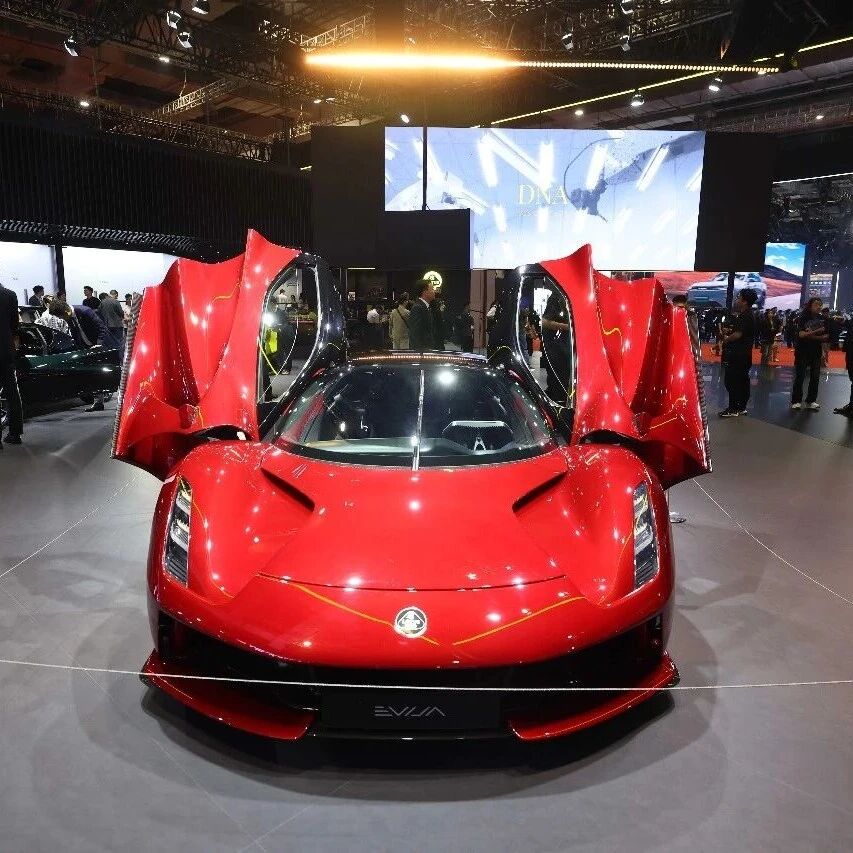
Core Viewpoint - Lotus Cars has shifted its electric strategy from "aggressive pure electric" to "pragmatic hybrid" with the launch of its first plug-in hybrid model, "FORME" [3] Group 1: Lotus Cars' Strategy - In 2018, Lotus announced the "Vision80" revival plan, committing to full electrification with the introduction of pure electric models like Evija, Eletre, and Emeya [3] - CEO Feng Qingfeng stated that the global market environment is complex, leading to a reassessment of their all-electric strategy, which was deemed overly aggressive [3] - The company will pursue both pure electric and hybrid models moving forward, with no plans for the next generation of pure combustion engine vehicles [3] Group 2: Industry Trends - Lotus is not alone; many supercar manufacturers have recently slowed their electrification strategies [4] - Lamborghini has halted the development of the pure electric Lanzador and shifted to hybrid versions for its new Urus model, with all models now offering hybrid options [5] - Ferrari is still advancing its electric projects but has reduced its electric vehicle sales target for 2030 from 40% to 20%, with the remaining sales to be filled by combustion vehicles [5] - Porsche has also announced a slowdown in its electrification process, delaying some pure electric models and focusing on more combustion and hybrid options [5][6]

VWAGY's Lamborghini Drops EV Launch, Accelerates PHEV Strategy
ZACKS· 2026-02-26 17:21
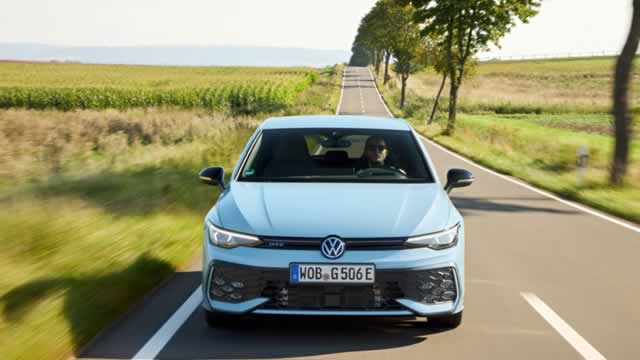
Core Insights - Lamborghini has abandoned plans for its first fully electric vehicle (EV), indicating a significant change in its electrification strategy due to limited customer interest in electric supercars [1][10] Electrification Strategy - The Lanzador, initially introduced as a preview of Lamborghini's electric future, will now be developed as a plug-in hybrid (PHEV) instead of a fully electric model [2][4] - The decision to pivot to a PHEV strategy is influenced by the emotional appeal of traditional performance cars, particularly the sound and driving experience of combustion engines [3][7] - Lamborghini aims for a fully hybrid lineup by 2030, using PHEV technology to balance emission regulations with its performance heritage [6][7] Market Assessment - The company has put other potential EV projects, including a fully electric Urus, on hold, planning to reassess the EV market around 2030 [5][10] - Current models like the Revuelto, Urus, and Temerario already incorporate hybrid technology, allowing Lamborghini to reduce emissions while maintaining brand excitement [6][7]
兰博基尼调整电动化路线,已近乎放弃纯电
Guan Cha Zhe Wang· 2026-02-24 09:59
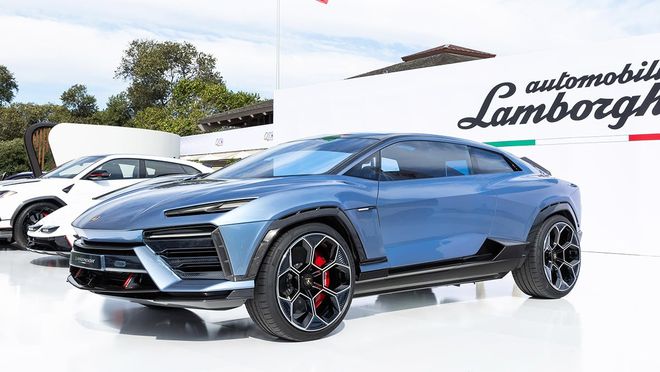
Core Viewpoint - Lamborghini has adjusted its electric vehicle strategy, shifting the Lanzador concept car from a fully electric model to a plug-in hybrid electric vehicle (PHEV) format due to slow acceptance of electric vehicles among target customers [1][3]. Group 1: Strategic Adjustments - The Lanzador, initially planned as a pure electric vehicle, will now be launched as a PHEV, with its release date pushed from 2028 to 2029 [1][3]. - Lamborghini's CEO, Stephan Winkelmann, stated that investing heavily in pure electric development is financially irresponsible given the current market maturity [3]. - The planned pure electric version of the Urus has also been halted, with the next generation of Urus set to debut in 2029 as a plug-in hybrid [3]. Group 2: Current and Future Models - Lamborghini plans to launch the Urus plug-in hybrid version by the end of 2024, while its supercars, Temerario and Revuelto, will only offer hybrid powertrains [3]. - The company is also set to introduce a fourth model that will utilize hybrid technology [3]. Group 3: Industry Comparison - In contrast to Lamborghini's cautious approach, several supercar brands are accelerating their electric vehicle plans, with Ferrari, Bentley, and Rolls-Royce all set to release their first electric models between 2023 and 2026 [4].
全系车型混动化首年 兰博基尼交付量再创历史新高
Xin Lang Cai Jing· 2026-01-24 13:24
Core Insights - The luxury car market is expected to slow down significantly by 2025 due to the dual pressures of electrification and geopolitical fluctuations, yet Lamborghini is projected to deliver over 10,000 units, setting a new historical record [1] - Lamborghini's hybrid strategy has proven effective, with a slight increase in global deliveries from 10,687 units in 2024 to 10,747 units in 2025, showcasing its successful transition to hybrid models [1] - Lamborghini's CEO emphasizes the company's focus on sustainable growth rather than merely chasing sales peaks, reflecting a strategic response to market dynamics and customer expectations [1] Hybridization Strategy - Lamborghini has completed the hybridization of its entire model lineup, becoming the first ultra-luxury brand to offer a full range of hybrid vehicles, including Revuelto, Urus, and Temerario [2] - The introduction of high-performance hybrid models like the V10 HPEV Revuelto and the plug-in hybrid Urus SE has been well-received by consumers, contributing to improved sales performance [2] - The upcoming V8 HPEV model, Temerario, is set to start deliveries in January 2026, with existing orders already covering approximately 12 months [3] Market Performance - In 2025, Lamborghini's deliveries were strong across all three major regions: Europe, the Middle East, and Africa (4,650 units), the Americas (3,347 units), and the Asia-Pacific region (2,750 units) [1] - The company has experienced a significant shift in its customer demographic, with a younger average customer age of around 35 in China, contrasting with traditional luxury car buyers [6] - The Urus model has attracted over 70% of new customers since its launch, indicating its strong market appeal and the brand's ability to tap into a younger consumer base [6] Industry Trends - The luxury car market is undergoing a transformation, with a notable decline in imported car sales in China, which are expected to reach a ten-year low of 480,000 to 500,000 units in 2025, down 29.7% year-on-year [5] - Chinese consumers are shifting their focus from foreign luxury brands to domestic high-end brands, emphasizing value for money and practical needs, which poses challenges for foreign luxury brands [5] - Lamborghini's CEO notes that the market is increasingly favoring comfort-oriented vehicles over performance models, reflecting changing consumer preferences in urban environments [4] Future Outlook - Lamborghini plans to continue its hybrid strategy, with the next-generation Urus model set to launch in 2029 as a plug-in hybrid rather than a fully electric vehicle, indicating a cautious approach to electrification [7] - The brand's focus on maintaining product exclusivity and a competitive product matrix has been crucial in navigating the challenges posed by geopolitical and macroeconomic factors [2]
Lamborghini CEO on tariffs: 'For us, free trade is the right approach'
CNBC Television· 2025-08-21 11:55
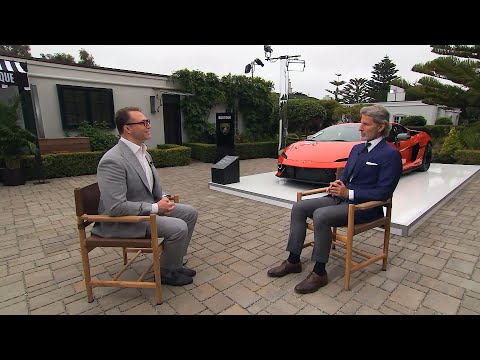
Market Trends & Strategy - Lamborghini emphasizes regionalization over globalization, recognizing the growth in high-net-worth individuals globally, including in previously untapped markets like China [7][8] - The company aims to avoid market saturation by maintaining a global sales view across its 56 markets and 186 dealers, given the context of 80 million cars delivered annually worldwide [9] - Lamborghini is strategically expanding its model lineup from two to three models, with the Urus SUV contributing significantly to volume growth [5][10] - The brand is considering a fourth model, a Gran Turismo (GT) car, to fill a gap in the supercar market [14] - Lamborghini is delaying the all-electric vehicle timeline due to flattening EV demand, opting for a plug-in hybrid Urus successor [29][30] Brand & Customer Profile - Lamborghini sales have increased at least fivefold in the last 20 years, driven by unique brand elements and limited-edition cars that appreciate in value [5][6] - The company's clients, predominantly male entrepreneurs, value the "made in Italy" heritage and typically own at least five cars, with Reuelto owners averaging ten cars [16][17] - The average Lamborghini buyer is under 45 years old, with a significant portion in Asia around 30 years old, including both second-generation wealth and self-made entrepreneurs [18] - Lamborghini is actively working to attract more female buyers through targeted events like "She Drives a Lambo" and by leveraging the Urus's broader appeal [20][21] External Factors - Lamborghini emphasizes the importance of free trade for its global operations, given its small size and exclusive brand positioning [23][24] - The company acknowledges the complexities of tariffs but remains committed to finding a balance between its interests and customer value [26]
保时捷的中国困境
远川研究所· 2025-08-14 13:14
Core Viewpoint - Porsche's sales in China have significantly declined, with a projected drop to 56,000 units in 2024, marking a 28% year-on-year decrease, after previously being the largest single market for the brand [6][17][31]. Group 1: Sales Performance and Market Position - In 2021, Porsche achieved a peak sales figure of 95,000 units in China, contributing one-third of its total sales [6][17]. - The Cayenne and Macan models accounted for approximately 60% of Porsche's sales in China since 2015 [11][14]. - The brand's sales average in China has decreased from 1.06 million to 930,000 yuan over the past three years, indicating a loss of market positioning [37]. Group 2: Electric Vehicle Strategy - Porsche has been aggressive in its electric vehicle (EV) transition, with plans for electric and hybrid models to make up 50% of total sales by 2025 and over 80% by 2030 [24][22]. - The Taycan, Porsche's first all-electric model, surpassed 40,000 units in global sales in 2021, becoming the best-selling model after the SUVs [24][18]. - The company has invested heavily in battery technology and partnerships to support its electric vehicle strategy, including the establishment of a joint venture for battery production [23][22]. Group 3: Challenges in Transition - Porsche faces significant challenges in its transition to electric vehicles, particularly due to reliance on the Volkswagen Group for software and electronic architecture, which has encountered delays [30][27]. - The development of the E3 electronic architecture has faced setbacks, impacting the launch timelines of new models like the Macan EV [30][28]. - The competitive landscape in the electric vehicle market has intensified, with domestic brands capturing over 60% of the market share, further complicating Porsche's position [37][31]. Group 4: Brand Positioning and Market Dynamics - Porsche occupies a unique position between luxury and premium segments, which exposes it to greater competitive pressures, especially in a rapidly evolving market [34][37]. - The brand's pricing strategy has been challenged by the aggressive pricing of electric vehicles, leading to a structural disruption in its pricing model [32][31]. - As competitors lower prices, Porsche's middle-ground positioning risks losing brand value, which could have long-term implications for its market strategy [37][34].