Watsonx

Search documents
Seagate vs. IBM: Which Enterprise Storage Stock is the Better Bet?
ZACKS· 2026-03-27 17:55
Core Insights - The global data explosion driven by AI, cloud computing, IoT, and analytics is reshaping the enterprise storage industry, with the enterprise storage market projected to grow steadily due to digital transformation and rising data demands [1] Group 1: Seagate Technology Holdings plc (STX) - Seagate is a focused data storage company known for HDDs, SSDs, and storage solutions for data centers and enterprise environments [2] - Seagate is benefiting significantly from the AI boom, with surging demand for high-capacity storage driven by AI models requiring massive datasets [4] - The company has achieved record financial performance and expects continued revenue and profit growth, with capacity fully allocated through 2026 [4][6] - Seagate's HAMR technology is a key competitive advantage, supporting lower total cost of ownership for hard drives compared to alternative storage technologies [5] - The introduction of the Mozaic 4+ platform, supporting capacities of up to 44TB, positions Seagate for long-term growth in mass storage [6] - Seagate generates strong cash flow, allowing for innovation investments and shareholder returns, with expectations for free cash flow to remain within 4-6% of revenues in fiscal 2026 [7] - Seagate's stock surged 346% in a year, reflecting strong growth and valuation profiles [8][16] Group 2: International Business Machines Corporation (IBM) - IBM operates in a dynamic environment with strong demand in key sectors, focusing on hybrid cloud, AI software, and consulting [10] - The company's cumulative generative AI business has surpassed $12.5 billion, driven mainly by consulting and supported by software [11] - IBM's strategy aims to help clients develop AI tailored to their specific needs, supported by acquisitions that enhance its hybrid cloud and automation capabilities [11] - The company anticipates strong momentum into 2026, driven by a shift toward software-led growth and increased adoption of AI and hybrid cloud solutions [12] - IBM's stock fell 0.9% over the past year, indicating different growth and valuation profiles compared to Seagate [8][16] Group 3: Comparative Analysis - The choice between Seagate and IBM depends on investment style; Seagate offers direct exposure to data infrastructure, while IBM focuses on platforms and services for long-term value extraction [24] - Investors may prefer Seagate for higher upside tied to data storage demand, while IBM may appeal to those seeking stable and diversified revenues [24] - Seagate currently holds a Zacks Rank 2 (Buy), while IBM has a Zacks Rank 3 (Hold), suggesting Seagate may be a better pick based on Zacks Rank [24]



IBM Reinvents Data Processing With NVIDIA
NVIDIA· 2026-03-18 15:48
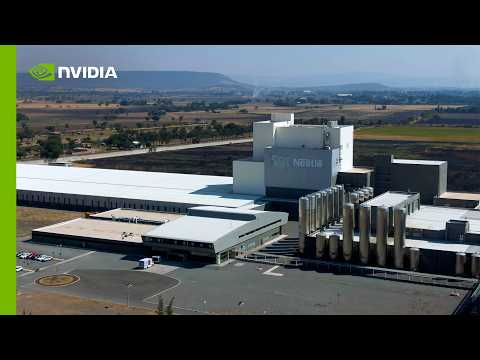
60 years ago, IBM introduced the system 360, the first modern platform for generalpurpose computing, launching the computing era. Then SQL, a declarative language to query data without requiring the computer to be instructed stepby step. And the data warehouse, each the foundations of modern enterprise computing.Today, IBM and NVIDIA are reinventing data processing for the era of AI by accelerating IBM Watsonx. Data SQL engines with NVIDIA GPU computing libraries. Data is the ground truth that gives AI cont ...

AI冲击蓝巨人,IBM股价单日暴跌超13%
Sou Hu Cai Jing· 2026-02-23 23:02
Core Viewpoint - IBM's stock has experienced a significant decline due to concerns over artificial intelligence capabilities, particularly following a blog post from Anthropic that highlights the potential of its Claude Code to automate parts of COBOL modernization [2][3]. Group 1: Stock Performance - IBM's stock fell by 13.2% after Anthropic's announcement, making it the worst performer in the S&P 500 index on that day [3]. - Since early February, IBM's stock has dropped a total of 26.8%, potentially marking its worst month since December 1992 [3]. - The stock also recorded its largest single-day drop since March 12, 2020 [3]. Group 2: COBOL and AI Impact - COBOL, a programming language introduced in the 1960s, supports 95% of ATM transactions in the U.S. and is critical for sectors like banking, travel, and insurance [3]. - Anthropic's blog claims that Claude Code can identify code dependencies and risks that human teams might take months to discover, allowing for COBOL modernization in months instead of years [4]. - IBM's dominance in the COBOL space has been a key pillar for its infrastructure and consulting business, with its Z mainframe business seeing a 48% year-over-year revenue increase in the last quarter, the highest in 20 years [4]. Group 3: Competitive Landscape - IBM has been viewed as a quiet winner in the AI space, with projected revenues from generative AI exceeding $12.5 billion by the end of 2025 [4]. - The market's preference for capital-light tech companies has led to IBM's valuation exceeding that of Microsoft [4]. - Anthropic's announcement directly challenges traditional COBOL modernization consulting models by automating tasks that previously required extensive consulting personnel [4]. Group 4: IBM's AI Development - IBM is also developing its own AI tools to assist in COBOL modernization, with its Watsonx platform aimed at converting COBOL code to Java and helping technicians understand existing COBOL code [5].

The Zacks Analyst Blog AbbVie, RTX, International Business Machines, EVI Industries, and Rocky Mountain Chocolate Factory
ZACKS· 2026-02-18 09:10
Core Insights - The Zacks Equity Research team has highlighted several stocks, including AbbVie Inc., RTX Corp., International Business Machines Corp., EVI Industries, Inc., and Rocky Mountain Chocolate Factory, Inc. in their Analyst Blog [1][2] AbbVie Inc. (ABBV) - AbbVie shares have increased by 13.8% over the past six months, while the Zacks Large Cap Pharmaceuticals industry has gained 29.5% [4] - The company exceeded fourth-quarter estimates for both earnings and sales, successfully managing the loss of exclusivity for Humira by launching new immunology drugs, Skyrizi and Rinvoq, which are performing well [4][5] - AbbVie's neuroscience portfolio is also contributing to revenue growth, with robust net sales growth reported in 2025, marking the second full year post-Humira's loss of exclusivity [5] RTX Corp. (RTX) - RTX shares have outperformed the Zacks Aerospace - Defense industry, gaining 29.2% compared to 11.7% over the past six months [6] - The company reported fourth-quarter earnings and revenues that surpassed estimates, benefiting from strong orders for defense products from the Pentagon and foreign allies [6][7] - RTX's backlog reached $268 billion as of December 31, 2025, supported by improving global commercial air traffic [8] International Business Machines Corp. (IBM) - IBM shares have risen by 10.8% over the past six months, while the Zacks Computer - Integrated Systems industry has gained 61.4% [9] - The company reported strong fourth-quarter results, with adjusted earnings and revenues exceeding estimates, driven by growth in hybrid cloud, AI-powered automation, and enterprise consulting [9][10] - IBM is focusing on its Watsonx platform for AI capabilities and quantum technology, although it faces challenges from traditional business weaknesses and high debt levels [11] EVI Industries, Inc. (EVI) - EVI shares have outperformed the Zacks Industrial Services industry, increasing by 24.4% over the past year [12] - The company reported a 24% revenue increase in the December quarter and a 20% rise for the first six months of FY26, with gross margin expanding to approximately 31% [12][13] - Despite solid revenue growth, net income has dipped due to rising SG&A expenses, and the company faces increased working capital demands [14] Rocky Mountain Chocolate Factory, Inc. (RMCF) - Rocky Mountain shares have outperformed the Zacks Retail - Restaurants industry, gaining 51.1% over the past year [15] - The company is focusing on margin improvement, with manufacturing gross margin rising to 21.4% from 10%, and EBITDA turning positive [15][16] - However, Rocky Mountain faces liquidity risks and high-cost debt, which could impact its operational stability [17]




Does SOUN's New Partnership Signal a Turning Point for Enterprise AI?
ZACKS· 2026-01-22 15:35
Core Insights - SoundHound AI, Inc. (SOUN) has formed a partnership with Bridgepointe Technologies, which could significantly enhance its enterprise-scale adoption of AI solutions, moving beyond its traditional focus on voice AI [1][11] Partnership and Implementation - Bridgepointe serves as a trusted advisor to over 12,000 enterprises, providing SoundHound with a crucial implementation channel that it previously lacked [2] - The collaboration aims to address integration complexities and unclear ROI that often hinder AI adoption in enterprises, positioning SoundHound as a solutions enabler rather than just a product provider [2] Financial Implications - The partnership is expected to drive higher-value, recurring revenue through platforms like Amelia 7 and Autonomics, which could lead to improved deal sizes, longer contract durations, and better revenue visibility for SoundHound [3] - Successful adoption driven by Bridgepointe could support margin expansion as AI agents replace manual workflows in customer service and IT operations [3] Competitive Positioning - The partnership enhances SoundHound's competitive stance against larger enterprise AI players by focusing on fast ROI and operational automation, rather than experimental AI deployments [4] - SoundHound's strategy aims to meet the demand for cost savings, efficiency, and resilience in enterprise AI solutions [4] Market Strategy and Growth - While execution risks remain, the partnership strengthens SoundHound's go-to-market strategy and indicates a more mature growth phase [5] - If adoption scales as planned, the alliance with Bridgepointe could lead to sustainable enterprise AI revenues for SoundHound [5] Competitive Landscape - SoundHound faces competition from established players like IBM and ServiceNow, which have strong enterprise relationships and comprehensive consulting services [6][7] - IBM's Watsonx and AI automation portfolio are formidable competitors, but SoundHound's Amelia 7 offers faster deployment and time-to-value [7] - ServiceNow's AI-driven workflow capabilities are widely adopted, but SoundHound's Autonomics platform differentiates itself by being tool-agnostic and adaptable across various IT environments [8] Price Performance and Valuation - SoundHound's shares have decreased by 41.7% over the past three months, compared to a 10.7% decline in the industry [9] - The forward 12-month price-to-sales ratio for SoundHound is 18.98, higher than the industry's 15.12 [14]


Will IBM's Purported Confluent Buyout Spur the Growth Engine?
ZACKS· 2025-12-08 15:55
Core Insights - IBM is planning to acquire Confluent, Inc. for approximately $11 billion to enhance its cloud and data services, particularly in real-time data streaming [1][7] - The acquisition is expected to modernize IBM's streaming data and cloud-native data offerings, potentially increasing its client base by providing both traditional and real-time data services [2][7] Company Strategy - IBM is heavily investing in AI to make it scalable for enterprises, exemplified by the launch of Watsonx, which aims to enhance productivity through powerful foundation models [2] - The partnership with SAP focuses on integrating generative AI into retail and consumer-packaged goods sectors to accelerate digital transformation and productivity [3] Competitive Landscape - IBM faces significant competition from Microsoft and Amazon, with Microsoft’s Azure cloud business growing rapidly and making substantial investments in AI infrastructure [4] - Amazon Web Services (AWS) is expanding its infrastructure, having added 3.8 gigawatts of power capacity in the last year, and is advancing in custom AI hardware development [5] Financial Performance - Over the past year, IBM shares have increased by 33.9%, while the industry has seen a growth of 64.4% [6] - Earnings estimates for 2025 and 2026 have risen by 2.4% to $11.39 and 2.3% to $12.23, respectively, over the past 60 days [8] Valuation Metrics - IBM currently has a forward price-to-sales ratio of 4.1, which is below the industry average [10]

Forget Rigetti Computing and Buy This Safer Quantum Stock Instead
The Motley Fool· 2025-12-06 16:30
Group 1: Quantum Computing Market Overview - Rigetti Computing has seen a significant increase in stock price, trading up 667% over the past year, despite a 57% drop from its all-time highs in October [1] - Quantum computing stocks are gaining attention due to their potential to outperform traditional computing, with expectations of commercialization in the future [2] Group 2: Risks and Comparisons - Pure-play quantum stocks like Rigetti are considered high-risk due to their multibillion-dollar market caps and minimal revenue, suggesting a preference for more stable investments [4] - IBM is highlighted as a safer investment option, being a well-established company with a diverse business model beyond quantum computing [5][11] Group 3: IBM's Quantum Computing Initiatives - IBM has introduced its advanced quantum system, the IBM Nighthawk, featuring 120 qubits and 218 next-generation tunable couplers, positioning itself as a leader in quantum computing [6] - The company anticipates producing quantum computers at scale by 2029, which could solve problems beyond the capabilities of traditional computers [9] Group 4: Financial Performance and Growth - IBM has experienced a stock increase of over 37% this year, reflecting investor confidence in its transformation and growth strategies [11] - The company generates substantial revenue from its software, consulting, and hardware sectors, providing a solid foundation while also offering exposure to quantum computing advancements [12]

IBM财报解读:估值合理但上涨潜力有限
美股研究社· 2025-11-27 14:24
Core Viewpoint - IBM's valuation is significantly lower compared to large tech companies, which reassures analysts. The company remains a meaningful allocation in the overall IT portfolio, not for valuation expansion, but as a defensive buffer that provides dividends while analysts position themselves in SaaS and large tech stocks [1]. Financial Performance - IBM has demonstrated strong execution in its AI, hybrid cloud, and IBM Z infrastructure business lines, achieving stable growth in revenue, profit margins, and free cash flow. However, since April, the stock has risen significantly, leading analysts to question whether there are any new changes not yet priced in [2]. - The core software business growth is maintaining a double-digit level, albeit slightly below the fourth quarter of 2024 [3]. - The Red Hat business continues to grow, but the growth rate has slightly slowed from 16%-17% to approximately 14% [4]. - Consulting business revenue has stabilized, shifting from a year-over-year decline of 2% to a growth of 2% [6]. - Infrastructure support business revenue is flat or slightly increased, contributing stability to total revenue and EBITDA, but without significant acceleration in trends [7]. Business Segments - The automation business has made significant progress, with growth accelerating from about 15% to approximately 24%, indicating potential for substantial margin improvement [7]. - Data and AI business growth has also increased moderately, from 4%-5% in Q4 2024 to 8% currently [7]. - The hybrid infrastructure business has rebounded significantly, with IBM Z business reversing from a 20% year-over-year decline to a 61% growth in Q3 2025 [7]. - The narrative around automation, AI, and IBM Z reflects a bullish sentiment in the market, with most optimistic expectations being reasonable [7]. Revenue and EBITDA Insights - The overall revenue growth guidance for 2025 exceeds 5%, suggesting a year-over-year growth of about 3% in Q4, which is a slowdown compared to the nearly double-digit growth in the first two quarters [9]. - EBITDA growth is positive, with a year-over-year increase of approximately 21% in Q3 2025, compared to 7%-8% in Q3 2024 [10]. - Since April, IBM's valuation has increased by 20%-25%, from about 14.5 times to approximately 17.5 times forward EBITDA [11]. Investment Logic - The current investment logic for IBM remains consistent with that of April, indicating a reasonable valuation. The potential uplift from AI business is promising, but the best-case scenario for EBITDA improvement seems to be already priced in [17]. - The AI business focuses on enterprise-level solutions, integrating AI into software, consulting, and infrastructure to drive incremental growth and margin improvement, but faces competition from large tech companies and specialized AI providers [17]. - The dividend yield and defensive attributes of IBM make it a quality stock to hold, but analysts do not recommend adding new funds given the missed opportunity from April to October [17].

靠 AI,企业怎么才赚钱?IBM CEO:先别迷信技术
3 6 Ke· 2025-11-05 01:59
Core Insights - The core idea presented by IBM CEO Arvind Krishna is that AI should not be viewed merely as a tool but as a member of the team, necessitating a complete restructuring of organizational processes to realize its value [5][8][26] - IBM aims to achieve an annual productivity increase of $4.5 billion through AI and automation by the end of 2025 [2][26] Group 1: AI as an Employee - Krishna emphasizes that treating AI as a mere tool leads to superficial implementations that fail to deliver real value [4][6] - AI should be integrated into workflows with clearly defined roles and responsibilities, similar to onboarding a new employee [6][8] - Many companies invest heavily in AI without altering their organizational structures, resulting in ineffective outcomes [6][8] Group 2: Organizational Focus - Krishna advocates for a focused approach where the entire company aligns around a few core AI initiatives rather than spreading resources thinly across multiple projects [9][10] - The successful acquisition of Red Hat for $34 billion is cited as a strategic move that transformed IBM into a platform company, enabling better integration of AI solutions [11][15] - Watsonx, IBM's enterprise AI and data platform, is designed to help clients scale AI implementations based on IBM's internal experiences [12][15] Group 3: Value Creation through AI - The primary measure of AI success should be the ability to produce more rather than simply reducing headcount [16][18][20] - Krishna argues that AI should enhance productivity and allow teams to accomplish tasks that were previously unmanageable [17][20] - The focus should be on creating new value rather than merely saving costs, with an emphasis on deploying AI effectively to achieve tangible business results [20][22] Group 4: Decision-Making Framework - Krishna's decision-making process involves collaborative discussions with various stakeholders to assess the viability of AI investments [24][25] - He emphasizes the importance of building a network of diverse perspectives within and outside the organization to inform strategic decisions [25][26] - The success of AI initiatives is attributed to a comprehensive understanding of organizational readiness rather than just technological capabilities [26][27]
From Punch Cards to Cloud: IBM's 114-Year Evolution
ZACKS· 2025-10-21 17:31
Core Insights - Tech stocks, particularly in areas like quantum computing, hybrid cloud, and storage solutions, have shown strong performance this year, with IBM positioned to benefit from this trend [1][4] - IBM's Watsonx AI platform is gaining traction across various industries, indicating a robust long-term growth potential driven by analytics, cloud computing, and security [2] Company Evolution - IBM has evolved from its origins in 1911 as the Computing-Tabulating-Recording Company to a leader in cloud and data platforms, significantly enhanced by the acquisition of Red Hat [3] - The company offers a wide range of advanced technology solutions, including quantum computing, enterprise software, and microelectronics [3] Market Demand and Strategy - There is a growing demand for complex infrastructure strategies, leading companies to adopt cloud-agnostic and interoperable multi-cloud management approaches, which IBM supports through its integration of HashiCorp's cloud software [4] - IBM's commitment to R&D, investing around 7-8% of its revenue annually, is expected to drive future profitability and high-value opportunities [5] Quantum Computing - IBM is a pioneer in quantum technology, generating approximately $1 billion in bookings related to its quantum computing business, showcasing its leadership in this field [6] Financial Performance and Outlook - IBM is currently ranked 2 (Buy) by Zacks and is part of the top 9% of the Zacks Computer – Integrated Systems industry group, indicating strong market performance expectations [7] - The company has a history of beating earnings estimates, with a trailing four-quarter average earnings surprise of 6.3% and consistent EPS performance since early 2023 [9] - For the upcoming Q3 earnings report, the Zacks Consensus EPS Estimate is $2.43 per share, reflecting a 5.7% year-over-year growth, with projected revenues of $16.1 billion, a 7.5% increase [10] Earnings Surprise Prediction - IBM has a +0.14% Earnings ESP, suggesting a potential for another earnings beat in the upcoming Q3 results [13]