XBOT冰淇淋机器人

Search documents
“物理AI”成CES热议新词
Jing Ji Ri Bao· 2026-01-09 21:57
Core Insights - The 2026 CES in Las Vegas highlighted "Physical AI" as a key term, indicating a shift in AI technology focus from algorithms to real-world applications [1][4] - NVIDIA's CEO emphasized "Physical AI" in his keynote, suggesting its importance in enabling autonomous systems to perceive, understand, and act in the physical world [1][4] Group 1: Definition and Applications of Physical AI - "Physical AI" refers to the capability of systems like cameras, robots, and autonomous vehicles to operate in the physical world, moving beyond mere information provision to actively changing environments [1][4] - Various companies showcased applications of "Physical AI," including home robots that assist with chores and public life solutions like urban infrastructure models that integrate AI for energy management and facility inspections [2][3] Group 2: Industry Perspectives on Physical AI - Qualcomm's China Chairman noted that "Physical AI" and "Personal AI" are evolving simultaneously, with the former focusing on real-world applications in vehicles and robotics [3] - Lenovo's CEO described "Physical AI" as "machines with brains," highlighting the transition of robots from simple mechanical tasks to complex decision-making capabilities [3] Group 3: Industry Consensus and Future Directions - The rise of "Physical AI" reflects a broader industry consensus that AI is becoming integral to real-world production, life, and public scenarios, serving as a bridge between digital and physical realms [4]
记者手记|“物理AI”成为美消费电子展热议新词
Sou Hu Cai Jing· 2026-01-09 11:40
Core Insights - The 2026 Consumer Electronics Show (CES) in Las Vegas highlights "Physical AI" as a key trend, reflecting a shift in AI technology development and industry focus [1][5][10]. Group 1: Definition and Importance of Physical AI - "Physical AI" refers to enabling autonomous systems like cameras, robots, and self-driving cars to perceive, understand, reason, and execute complex actions in the physical world [5][10]. - Unlike previous AI discussions focused on algorithms and computing power, "Physical AI" emphasizes the integration of AI into robots, autonomous vehicles, and smart devices, allowing them to actively change their environments [5][14]. Group 2: Industry Applications and Innovations - At CES, various demonstrations showcased "Physical AI" in action, including smart robots navigating spaces, self-driving concept cars, and smart home devices executing commands accurately [5][9]. - Companies like Hisense and Xiaomi presented products such as companion robots and AI-driven cleaning devices, illustrating the practical applications of "Physical AI" in everyday life [9][10]. Group 3: Industry Perspectives and Future Directions - Industry leaders, such as Qualcomm and BOE, noted that "Physical AI" is evolving alongside "Personal AI," with applications expanding into wearables, personal devices, and public life scenarios [10][14]. - The integration of display technology and sensors is expected to enhance the capabilities of "Physical AI," leading to machines that not only perform tasks but also think and collaborate [14].

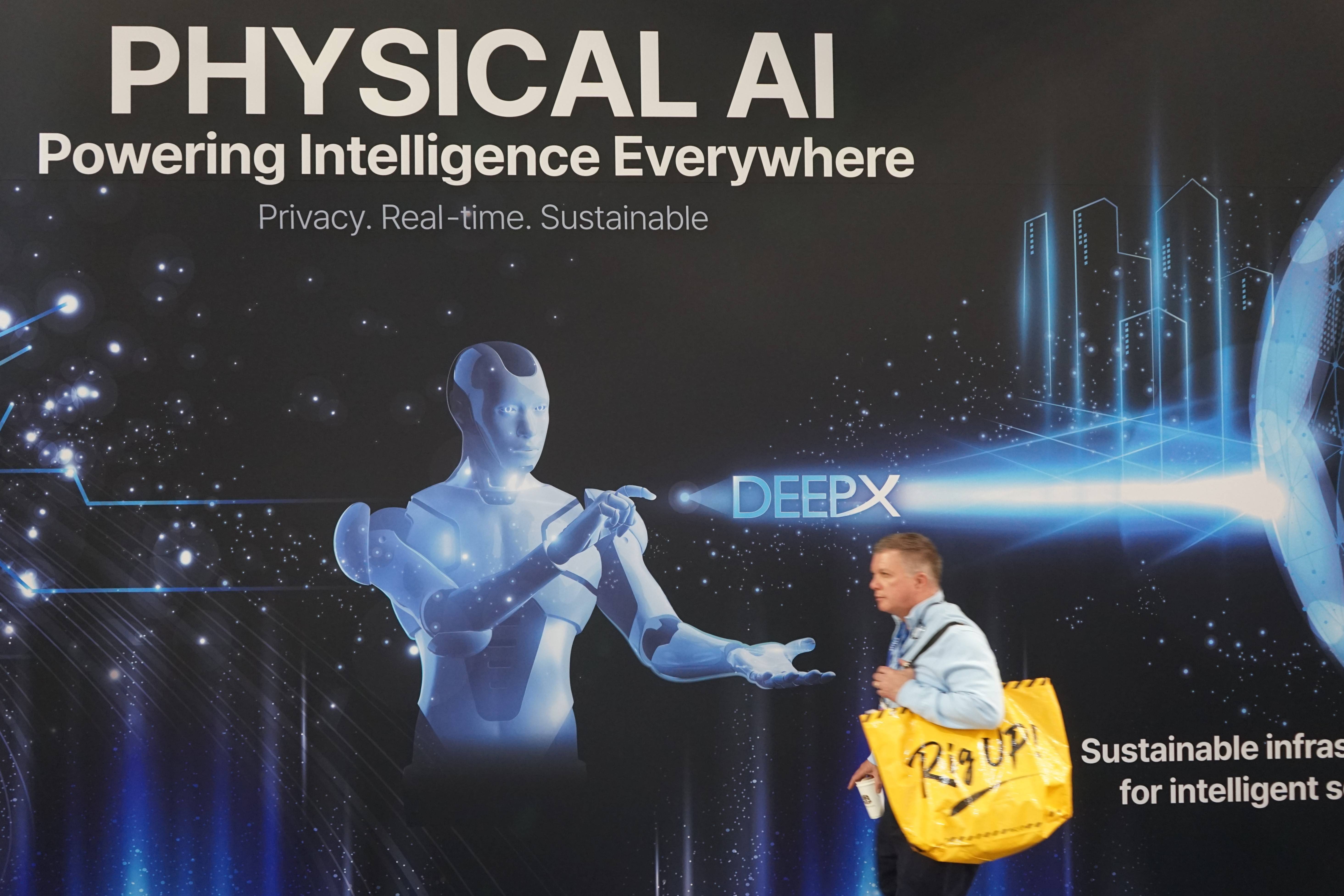
记者手记|“物理AI”成为CES热议新词
Xin Hua She· 2026-01-08 10:32
Core Insights - The term "Physical AI" emerged as a key topic at CES 2026, reflecting a shift in the focus of AI technology development and industry interests [1][4] - Physical AI refers to the ability of autonomous systems, such as cameras, robots, and self-driving cars, to perceive, understand, reason, and execute complex actions in the physical world [1][3] Group 1: Industry Trends - Physical AI is characterized by its integration into robots, self-driving cars, smart devices, and industrial equipment, enabling machines to actively participate in and alter their environments [1][4] - The presence of intelligent robots, autonomous vehicles, and smart home devices at CES illustrates the practical application of Physical AI in everyday life [2][4] Group 2: Company Perspectives - Qualcomm's China Chairman highlighted the simultaneous evolution of "Personal AI" and "Physical AI," with the latter advancing into real-world applications like automobiles and robotics [3] - BOE Technology Group's executive noted that the deep integration of display technology and sensors will enhance the application possibilities of Physical AI [3] - Lenovo's CEO emphasized that Physical AI represents "machines with brains," indicating a transition from mere mechanical execution to machines capable of perception, understanding, and decision-making [3]

当咖啡机器人席卷CES:一场商用具身智能的消费革命
Tai Mei Ti A P P· 2026-01-08 05:24
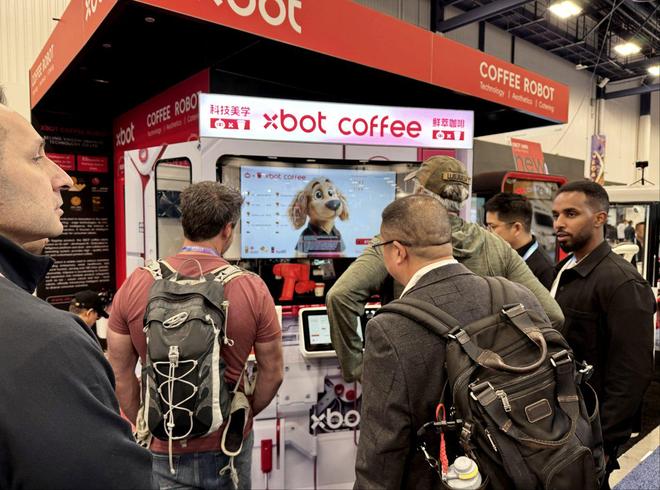
Core Insights - The CES 2026 showcased the XBOT coffee robot from Yingzhi Technology, which attracted significant attention for its practical application in consumer scenarios, marking a milestone in the commercialization of embodied intelligence [2][4] - The XBOT has achieved impressive sales figures, with 600 units deployed and 4 million cups of coffee sold, demonstrating a successful entry into high-frequency consumer markets [4] Technology and Innovation - XBOT is not just a coffee machine but a sophisticated robot capable of making high-quality coffee, utilizing a complete technology loop from data collection to algorithm calibration [5] - The robot can replicate the precision of human baristas, with a consistency error of ±0.3g compared to ±2g for human baristas, and can produce two cups of coffee in 110 seconds, exceeding 500 cups per day [5] - The robot's ability to create intricate latte art is achieved through advanced motion capture technology and a digital twin system, allowing for precise replication of barista techniques [5][6] Product Features - XBOT can produce over 30 types of coffee drinks and offers personalized options based on customer preferences, utilizing an AI-driven model to adjust recipes in real-time [8] - The robot features a 43-inch interactive screen and an AI digital persona, enhancing user engagement and emotional connection [11] Market Strategy - The product's design philosophy combines technology and aesthetics, focusing on emotional value, which is crucial for user experience [9][11] - The pricing strategy has seen significant reductions, with the initial model priced at 600,000 yuan, now down to 189,000 yuan for the Lite version, while improving functionality by 50% [12] Industry Impact - XBOT's deployment across various commercial settings, including real estate and cultural venues, has reached over 600 units globally, with plans to exceed 3,000 units by 2026 [14] - The robot's capabilities extend beyond coffee, with potential applications in other food and beverage categories, indicating a scalable model for future consumer products [15] Future Vision - The deployment of XBOT robots in high-traffic areas aims to create a data ecosystem that captures consumer behavior, enhancing service personalization and operational efficiency for businesses [17] - The company envisions a significant transformation in the offline consumer ecosystem, positioning itself at the forefront of a multi-trillion-dollar market for intelligent upgrades [18]