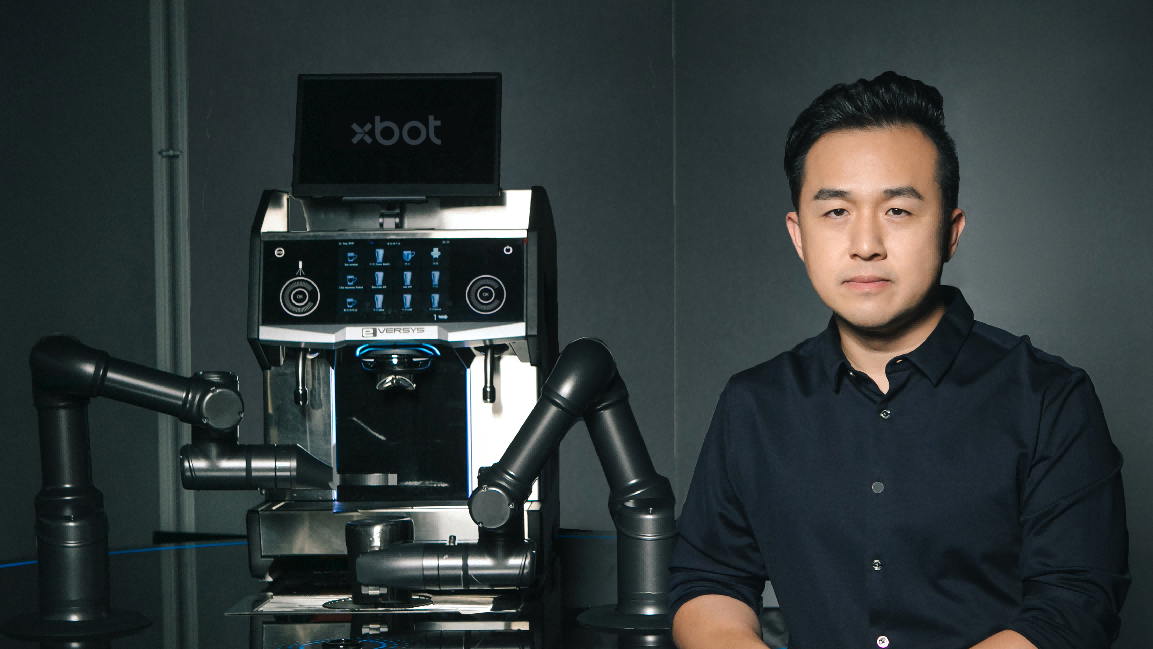
XBOT咖啡机器人

Search documents
2026年第3周:数码家电行业周度市场观察
艾瑞咨询· 2026-01-31 00:04
Industry Environment - In 2026, brands must take AI GEO seriously as AI chat assistants become essential tools for 96.8% of the youth, shifting information acquisition from "search" to "dialogue," thus transforming consumer decision-making [3][4] - The current AI companion market faces challenges due to high competition and low user willingness to pay, with significant operational costs and regulatory risks impacting independent developers [5] - The AI wave is transforming healthcare, with the global AI medical market projected to reach $504.17 billion by 2032, growing at a CAGR of 44%, driven by personalized health advice and efficiency improvements [6] - CES 2026 showcased a focus on consumer-grade AI hardware, with major companies like Samsung launching AI life companion plans, indicating a key entry point for AI adoption [7] - The XBOT coffee robot exemplifies embodied intelligence in consumer settings, achieving high precision and personalization, marking a significant milestone in commercial applications of AI [8] Automotive Industry - In 2025, China's new energy vehicle market penetration surpassed that of fuel vehicles, with companies like Li Auto and Xpeng focusing on intelligent competition and profitability strategies [9] AI Glasses - AI glasses did not achieve breakout success at CES 2026, facing challenges such as technical limitations and fragmented ecosystems, although long-term potential remains [10][11] Marketing Trends - In 2025, emotional marketing became a core driver, with AI technology enhancing user engagement and marketing strategies evolving towards intelligent and personalized approaches [12] AI Chip Market - The AI chip sector is experiencing a power shift, with domestic alternatives gaining traction in China, while global competition intensifies between Nvidia and cloud providers like Google and Amazon [12] Robotics and Automation - The rise of robot leasing platforms like "QingTian Rent" indicates a shift towards light asset operations, although challenges in technology and user retention persist [13] Smartphone Market - The smartphone market in 2025 faced fluctuations, with Apple performing well in the high-end segment, while mid-range devices struggled due to rising costs and competition from AI-integrated phones [14] AI Toys - 2025 marked the emergence of AI toys, driven by large model technologies, although challenges related to user demand and data privacy remain [15] Advertising Industry - The advertising sector is witnessing a divide, with tech giants dominating the digital ad market, while smaller businesses face pressure from increased platform fees and competition [16] Company Developments - Nvidia's CEO highlighted the transition to "physical AI," emphasizing the need for AI to interact with the physical world, which presents both opportunities and challenges [18] - Fookai plans to raise 700 million yuan for expansion into energy storage and robotics, aiming to enhance competitiveness in the smart appliance sector [19] - DeepSeek is set to release a new model that aims to outperform existing coding models, potentially leading to significant advancements in programming [20] - OpenAI's launch of ChatGPT Health reflects a strategic move into the AI healthcare space, focusing on privacy and personalized health planning [21] - Zhiyu AI became the first large model company to go public, highlighting the growth of AI technology in the capital market [22] - Midea's Weiling Robotics achieved a significant technological breakthrough in core components, enhancing the quality of China's robotics industry [24]


张小龙、雷军押注的具身智能,这台咖啡机器人凭什么席卷15国
Sou Hu Cai Jing· 2026-01-30 13:12
Core Insights - The article emphasizes that the true capability of robots lies not in their human-like appearance or performance but in their practical utility in real-world applications [2][30]. Group 1: Company Overview - XBOT, a technology company co-founded by notable figures such as Zhang Xiaolong and Lin Bin, has developed a coffee robot that can make a cup of coffee in 75 seconds with a precision of ±0.1mm, successfully competing with professional baristas [4][9]. - The company has expanded its reach to over 15 countries and 100 cities, producing more than 4 million cups of coffee in three years [4]. - XBOT has been recognized as the "2025 China Embodied Intelligence Innovation Enterprise" [4]. Group 2: Market Opportunity - The coffee consumption in China has significantly increased, with per capita annual coffee consumption projected to rise from 16.74 cups in 2023 to over 22.24 cups by 2024 [8]. - Coffee shops face challenges such as high labor costs, low service efficiency, and inconsistent quality, creating a market need for automation solutions [9]. Group 3: Product Development - The first-generation XBOT coffee robot was launched at a cost of 600,000 yuan, which was later reduced to 380,000 yuan for the second generation and 200,000 yuan for the Lite version, achieving a 50% improvement in functionality [11]. - The company employs a rapid iteration strategy, producing small batches and quickly collecting market feedback to optimize products [27][29]. Group 4: Technological Innovation - XBOT utilizes mature technology for its mechanical arms, ensuring reliability and avoiding the uncertainties associated with new technologies [21]. - The coffee robot features dual-arm technology that allows it to prepare two different types of coffee simultaneously, significantly increasing output efficiency [23]. Group 5: Business Philosophy - The founder, Tang Mu, believes in a product-driven approach rather than a technology or marketing-driven one, focusing on solving real needs in practical scenarios [19][30]. - The company aims to create a collaborative environment between humans and robots, enhancing efficiency rather than replacing human workers [9][25]. Group 6: Future Outlook - The Chinese government has included embodied intelligence in its future industry plans, indicating a growing market potential [30]. - The company is positioned to leverage its core capabilities in various sectors, including both B2B and B2C markets, by applying its technology across different applications [25].

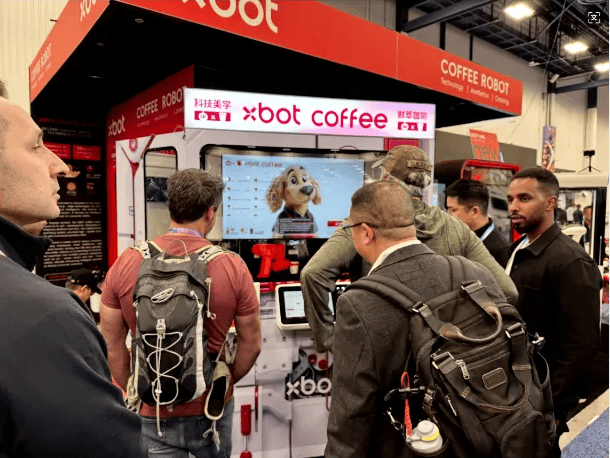
“物理AI”成CES热议新词
Jing Ji Ri Bao· 2026-01-09 21:57
Core Insights - The 2026 CES in Las Vegas highlighted "Physical AI" as a key term, indicating a shift in AI technology focus from algorithms to real-world applications [1][4] - NVIDIA's CEO emphasized "Physical AI" in his keynote, suggesting its importance in enabling autonomous systems to perceive, understand, and act in the physical world [1][4] Group 1: Definition and Applications of Physical AI - "Physical AI" refers to the capability of systems like cameras, robots, and autonomous vehicles to operate in the physical world, moving beyond mere information provision to actively changing environments [1][4] - Various companies showcased applications of "Physical AI," including home robots that assist with chores and public life solutions like urban infrastructure models that integrate AI for energy management and facility inspections [2][3] Group 2: Industry Perspectives on Physical AI - Qualcomm's China Chairman noted that "Physical AI" and "Personal AI" are evolving simultaneously, with the former focusing on real-world applications in vehicles and robotics [3] - Lenovo's CEO described "Physical AI" as "machines with brains," highlighting the transition of robots from simple mechanical tasks to complex decision-making capabilities [3] Group 3: Industry Consensus and Future Directions - The rise of "Physical AI" reflects a broader industry consensus that AI is becoming integral to real-world production, life, and public scenarios, serving as a bridge between digital and physical realms [4]
记者手记|“物理AI”成为美消费电子展热议新词
Sou Hu Cai Jing· 2026-01-09 11:40
Core Insights - The 2026 Consumer Electronics Show (CES) in Las Vegas highlights "Physical AI" as a key trend, reflecting a shift in AI technology development and industry focus [1][5][10]. Group 1: Definition and Importance of Physical AI - "Physical AI" refers to enabling autonomous systems like cameras, robots, and self-driving cars to perceive, understand, reason, and execute complex actions in the physical world [5][10]. - Unlike previous AI discussions focused on algorithms and computing power, "Physical AI" emphasizes the integration of AI into robots, autonomous vehicles, and smart devices, allowing them to actively change their environments [5][14]. Group 2: Industry Applications and Innovations - At CES, various demonstrations showcased "Physical AI" in action, including smart robots navigating spaces, self-driving concept cars, and smart home devices executing commands accurately [5][9]. - Companies like Hisense and Xiaomi presented products such as companion robots and AI-driven cleaning devices, illustrating the practical applications of "Physical AI" in everyday life [9][10]. Group 3: Industry Perspectives and Future Directions - Industry leaders, such as Qualcomm and BOE, noted that "Physical AI" is evolving alongside "Personal AI," with applications expanding into wearables, personal devices, and public life scenarios [10][14]. - The integration of display technology and sensors is expected to enhance the capabilities of "Physical AI," leading to machines that not only perform tasks but also think and collaborate [14].
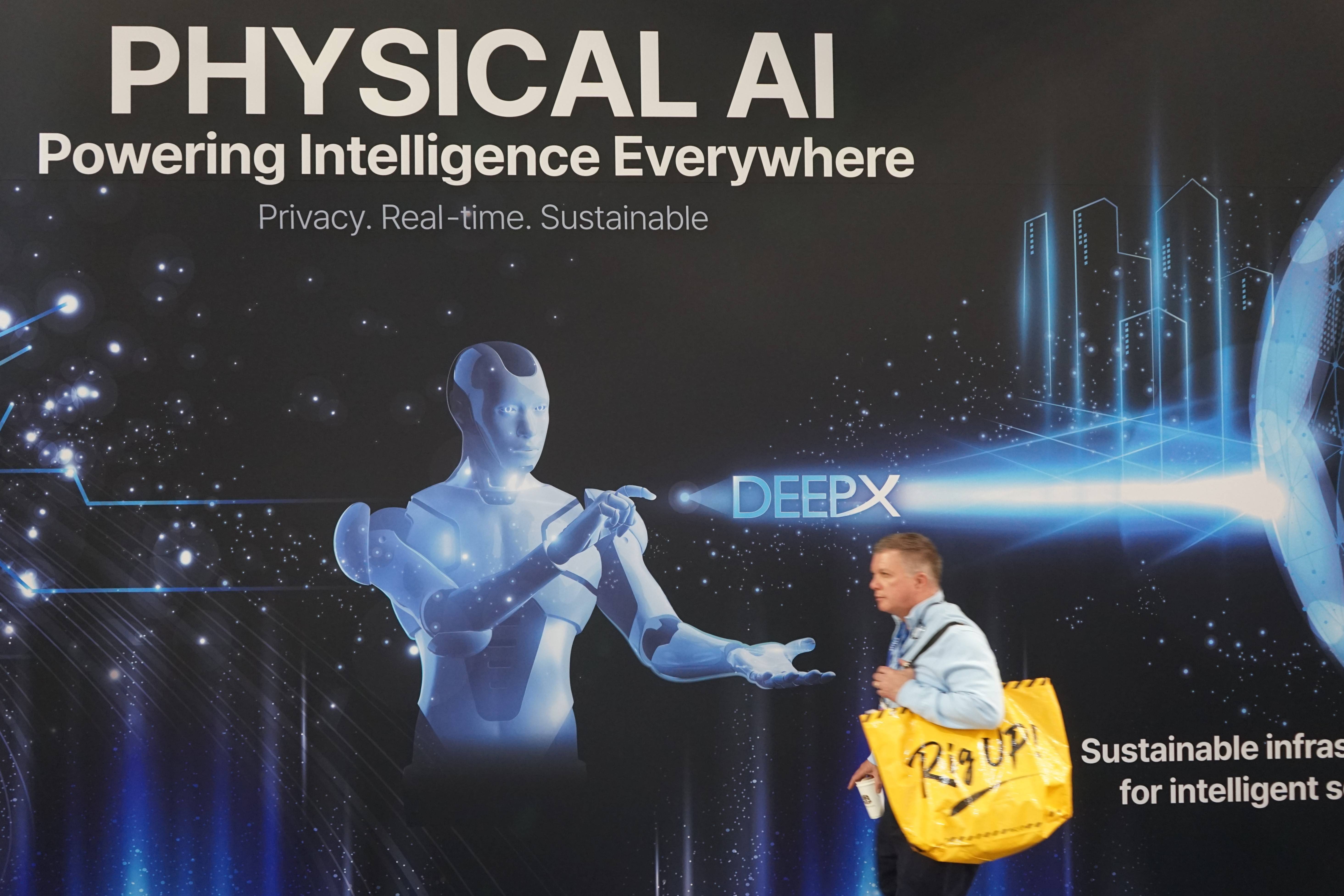
记者手记|“物理AI”成为CES热议新词
Xin Hua She· 2026-01-08 10:32
Core Insights - The term "Physical AI" emerged as a key topic at CES 2026, reflecting a shift in the focus of AI technology development and industry interests [1][4] - Physical AI refers to the ability of autonomous systems, such as cameras, robots, and self-driving cars, to perceive, understand, reason, and execute complex actions in the physical world [1][3] Group 1: Industry Trends - Physical AI is characterized by its integration into robots, self-driving cars, smart devices, and industrial equipment, enabling machines to actively participate in and alter their environments [1][4] - The presence of intelligent robots, autonomous vehicles, and smart home devices at CES illustrates the practical application of Physical AI in everyday life [2][4] Group 2: Company Perspectives - Qualcomm's China Chairman highlighted the simultaneous evolution of "Personal AI" and "Physical AI," with the latter advancing into real-world applications like automobiles and robotics [3] - BOE Technology Group's executive noted that the deep integration of display technology and sensors will enhance the application possibilities of Physical AI [3] - Lenovo's CEO emphasized that Physical AI represents "machines with brains," indicating a transition from mere mechanical execution to machines capable of perception, understanding, and decision-making [3]

当咖啡机器人席卷CES:一场商用具身智能的消费革命
Tai Mei Ti A P P· 2026-01-08 05:24
Core Insights - The CES 2026 showcased the XBOT coffee robot from Yingzhi Technology, which attracted significant attention for its practical application in consumer scenarios, marking a milestone in the commercialization of embodied intelligence [2][4] - The XBOT has achieved impressive sales figures, with 600 units deployed and 4 million cups of coffee sold, demonstrating a successful entry into high-frequency consumer markets [4] Technology and Innovation - XBOT is not just a coffee machine but a sophisticated robot capable of making high-quality coffee, utilizing a complete technology loop from data collection to algorithm calibration [5] - The robot can replicate the precision of human baristas, with a consistency error of ±0.3g compared to ±2g for human baristas, and can produce two cups of coffee in 110 seconds, exceeding 500 cups per day [5] - The robot's ability to create intricate latte art is achieved through advanced motion capture technology and a digital twin system, allowing for precise replication of barista techniques [5][6] Product Features - XBOT can produce over 30 types of coffee drinks and offers personalized options based on customer preferences, utilizing an AI-driven model to adjust recipes in real-time [8] - The robot features a 43-inch interactive screen and an AI digital persona, enhancing user engagement and emotional connection [11] Market Strategy - The product's design philosophy combines technology and aesthetics, focusing on emotional value, which is crucial for user experience [9][11] - The pricing strategy has seen significant reductions, with the initial model priced at 600,000 yuan, now down to 189,000 yuan for the Lite version, while improving functionality by 50% [12] Industry Impact - XBOT's deployment across various commercial settings, including real estate and cultural venues, has reached over 600 units globally, with plans to exceed 3,000 units by 2026 [14] - The robot's capabilities extend beyond coffee, with potential applications in other food and beverage categories, indicating a scalable model for future consumer products [15] Future Vision - The deployment of XBOT robots in high-traffic areas aims to create a data ecosystem that captures consumer behavior, enhancing service personalization and operational efficiency for businesses [17] - The company envisions a significant transformation in the offline consumer ecosystem, positioning itself at the forefront of a multi-trillion-dollar market for intelligent upgrades [18]
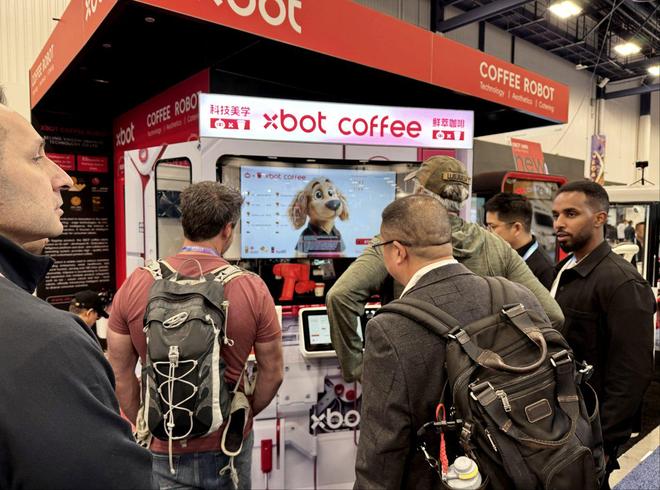
动态利率“陪跑”成长,上海银行创新产品精准滴灌咖啡机器人初创企业
Di Yi Cai Jing· 2025-12-26 02:39
Core Insights - The article highlights the unique approach of Beijing Yingzhi Technology Co., Ltd. in the field of embodied intelligence, focusing on "non-human" robots, particularly in the coffee consumption scenario [1][2] - The XBOT coffee robot has gained popularity for its ability to create customized coffee designs based on user-uploaded selfies, combining high-quality coffee with emotional value [1][2] - The company is in its startup phase and has received support from Shanghai Bank, which is helping it transition from a startup to a growth stage [1][4] Company Overview - Yingzhi Technology specializes in non-human embodied intelligence, differentiating itself from competitors focused on humanoid robots [1] - The XBOT coffee robot has been deployed in over 600 locations across various sectors, producing more than 4 million cups of coffee, with daily production rates of 300 to 500 cups per machine [2][3] - The company is expanding its production capacity, with plans for multiple factories to meet the anticipated market demand of around 100,000 coffee robots [3] Technological Features - The XBOT coffee robot features autonomous decision-making and manufacturing capabilities, utilizing a built-in coffee model to generate personalized drink recipes based on customer preferences [3] - The robot is equipped with a camera and a "robot brain" that controls the mechanical arm for coffee preparation while also interpreting customer emotions [3] Financial Support and Growth Strategy - Shanghai Bank has provided financial products tailored for technology companies, including a "dynamic interest rate" forward win-win product to support Yingzhi Technology's growth [1][4][6] - The bank's innovative "forward win-win interest" scheme allows for lower initial interest rates that adjust as the company grows, addressing common financing challenges faced by startups [6][7] - The collaboration with Shanghai Bank aims to leverage its foreign shareholder, Santander Bank, to expand Yingzhi Technology's market reach into the Eurozone [4] Service and Ecosystem Development - Yingzhi Technology is transitioning from a hardware supplier to a service and ecosystem builder, launching a 7S service center that encompasses sales, service, spare parts, feedback, financial services, data operations, and equipment buyback [3] - The bank's proactive service approach includes business planning discussions and product optimization to facilitate global market expansion for Yingzhi Technology [4][8]

影智科技唐沐:别与机器人掰腕子 要让机器人扛担子
Zhong Guo Jing Ji Wang· 2025-12-09 07:43
Core Viewpoint - The founder of Yingzhi Technology, Tang Mu, emphasizes the importance of "embodied intelligence" over humanoid robots, focusing on practical solutions that address real user needs and high-frequency pain points in various industries [1][2]. Group 1: Product Development and Innovation - Yingzhi Technology is concentrating on the embodied intelligence sector, opting not to pursue humanoid robots, which are often impractical in real-world applications [1][2]. - The company has developed the XBOT coffee robot, which utilizes a simple box structure and a high-precision upper limb mechanical arm to perform coffee-making tasks without unnecessary mobility, thus ensuring quality and efficiency [2][4]. - The company aims to redefine product development by focusing on specific user needs, such as creating a smart bathing system for the elderly, rather than pursuing flashy humanoid designs [2][3]. Group 2: Industry Impact and Safety - The introduction of robots in the coffee industry is seen as a way to alleviate labor pressures, allowing baristas to focus on more valuable tasks while robots handle repetitive work [4][5]. - Safety is a primary concern for Yingzhi Technology, with strict guidelines to prevent robots from operating in unsafe conditions, such as using knives in open environments [5][6]. - The company is actively involved in setting industry standards for food safety in the restaurant sector, ensuring that robots adhere to strict hygiene protocols [5][6]. Group 3: Market Dynamics and Challenges - Tang Mu highlights the advantages of private enterprises in innovation, noting their agility and ability to quickly adapt to market changes [8][9]. - Despite facing challenges such as limited resources and financing difficulties, Yingzhi Technology has managed to reduce the cost of its coffee robots to one-fifth of the original product while achieving over 80% localization of components [9]. - The company is expanding its product line to include new offerings like noodle and cake robots, demonstrating its commitment to innovation in the field of embodied intelligence [9].
话痨机器狗、外骨骼助老走路、下棋跳舞咖啡拉花……京东携80余款机器人亮相世界智能制造大会
Yang Zi Wan Bao Wang· 2025-11-27 11:04
Core Insights - The 2025 World Intelligent Manufacturing Conference officially opened in Nanjing, showcasing over 30 top global robot brands, with a focus on advancements in retail supply chains, AI productivity, smart logistics, and industrial digital equipment [1][4]. Group 1: Event Highlights - JD.com presented its self-operated robot rental service, allowing consumers to rent smart humanoid robots and four-legged robotic dogs directly through its platform [3]. - An immersive interactive exhibition area was a highlight, featuring over 80 robot products, including performances by various robots that captivated attendees [5][7]. - Notable products included the JoyInside-enabled Loona robotic dog and the five-in-one AI chess robot from Yuanluobo, which showcased high emotional intelligence in interactions [9]. Group 2: Strategic Initiatives - In August, JD.com launched the "Intelligent Robot Industry Acceleration Plan," committing over 10 billion yuan to help 100 robot brands achieve sales exceeding 1 billion yuan within three years [11]. - The company offers a zero-threshold entry service for partners, facilitating a seamless integration of online and offline sales channels [11][15]. - JD.com aims to provide a comprehensive solution for partners, covering the entire supply chain from components to final products, thereby promoting the integration of robots into everyday life [15][17]. Group 3: Technological Empowerment - The JoyInside brand offers advanced application capabilities, emotional dialogue experiences, and adaptability to various scenarios, with dozens of leading brands already integrated [13][15]. - JD.com has initiated a limited-time free access program to help more robot companies seize growth opportunities [13].