
陪伴机器人Beta

Search documents
从概念到落地,“物理AI”的“ChatGPT时刻”来了吗
Xin Hua Wang· 2026-01-16 02:31
Core Insights - The "physical AI" era has arrived, as highlighted by NVIDIA's CEO Jensen Huang at the recent CES, indicating a transformative impact on industries such as manufacturing, logistics, and transportation [1] - The development of "physical AI" is expected to face multiple challenges despite its potential to reshape various sectors [1] Group 1: Definition and Mechanism - "Physical AI" builds upon generative AI by understanding 3D spatial relationships and physical laws, enabling robots to execute actions based on real-world data from sensors [2] - The three core elements of "physical AI" are data, platforms, and models, which involve creating a digital twin of real environments for virtual training [5] Group 2: Market Potential and Applications - The market for "physical AI" is projected to reach trillions of dollars by 2030, impacting sectors like manufacturing, logistics, healthcare, and autonomous driving [8] - "Physical AI" enhances the capabilities of machines, allowing them to perceive their environment and adapt to changing conditions, such as autonomous robots navigating complex warehouse environments [8][10] Group 3: Challenges and Risks - Creating high-precision physical simulation environments is costly and complex due to the need for multi-source data integration [13] - Discrepancies between simulated and real-world environments can lead to increased error rates during deployment, affecting operational efficiency [13][15] - The potential for decision-making errors in "physical AI" systems could result in significant operational risks, including material waste and safety incidents [15]

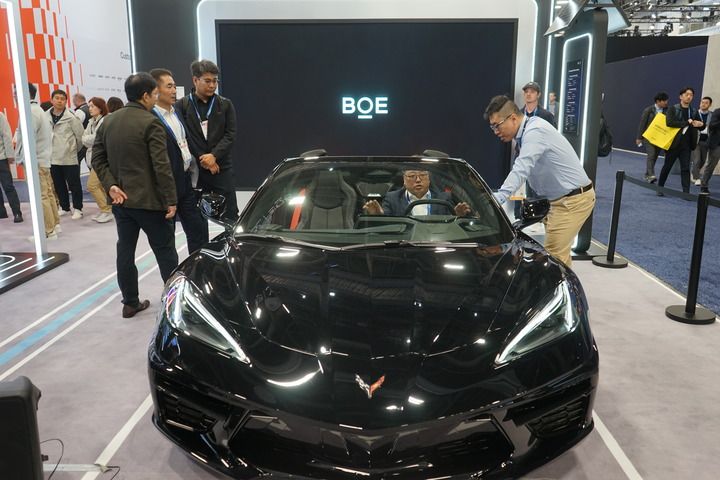
“物理AI”成CES热议新词
Jing Ji Ri Bao· 2026-01-09 21:57
Core Insights - The 2026 CES in Las Vegas highlighted "Physical AI" as a key term, indicating a shift in AI technology focus from algorithms to real-world applications [1][4] - NVIDIA's CEO emphasized "Physical AI" in his keynote, suggesting its importance in enabling autonomous systems to perceive, understand, and act in the physical world [1][4] Group 1: Definition and Applications of Physical AI - "Physical AI" refers to the capability of systems like cameras, robots, and autonomous vehicles to operate in the physical world, moving beyond mere information provision to actively changing environments [1][4] - Various companies showcased applications of "Physical AI," including home robots that assist with chores and public life solutions like urban infrastructure models that integrate AI for energy management and facility inspections [2][3] Group 2: Industry Perspectives on Physical AI - Qualcomm's China Chairman noted that "Physical AI" and "Personal AI" are evolving simultaneously, with the former focusing on real-world applications in vehicles and robotics [3] - Lenovo's CEO described "Physical AI" as "machines with brains," highlighting the transition of robots from simple mechanical tasks to complex decision-making capabilities [3] Group 3: Industry Consensus and Future Directions - The rise of "Physical AI" reflects a broader industry consensus that AI is becoming integral to real-world production, life, and public scenarios, serving as a bridge between digital and physical realms [4]
记者手记|“物理AI”成为美消费电子展热议新词
Sou Hu Cai Jing· 2026-01-09 11:40
Core Insights - The 2026 Consumer Electronics Show (CES) in Las Vegas highlights "Physical AI" as a key trend, reflecting a shift in AI technology development and industry focus [1][5][10]. Group 1: Definition and Importance of Physical AI - "Physical AI" refers to enabling autonomous systems like cameras, robots, and self-driving cars to perceive, understand, reason, and execute complex actions in the physical world [5][10]. - Unlike previous AI discussions focused on algorithms and computing power, "Physical AI" emphasizes the integration of AI into robots, autonomous vehicles, and smart devices, allowing them to actively change their environments [5][14]. Group 2: Industry Applications and Innovations - At CES, various demonstrations showcased "Physical AI" in action, including smart robots navigating spaces, self-driving concept cars, and smart home devices executing commands accurately [5][9]. - Companies like Hisense and Xiaomi presented products such as companion robots and AI-driven cleaning devices, illustrating the practical applications of "Physical AI" in everyday life [9][10]. Group 3: Industry Perspectives and Future Directions - Industry leaders, such as Qualcomm and BOE, noted that "Physical AI" is evolving alongside "Personal AI," with applications expanding into wearables, personal devices, and public life scenarios [10][14]. - The integration of display technology and sensors is expected to enhance the capabilities of "Physical AI," leading to machines that not only perform tasks but also think and collaborate [14].
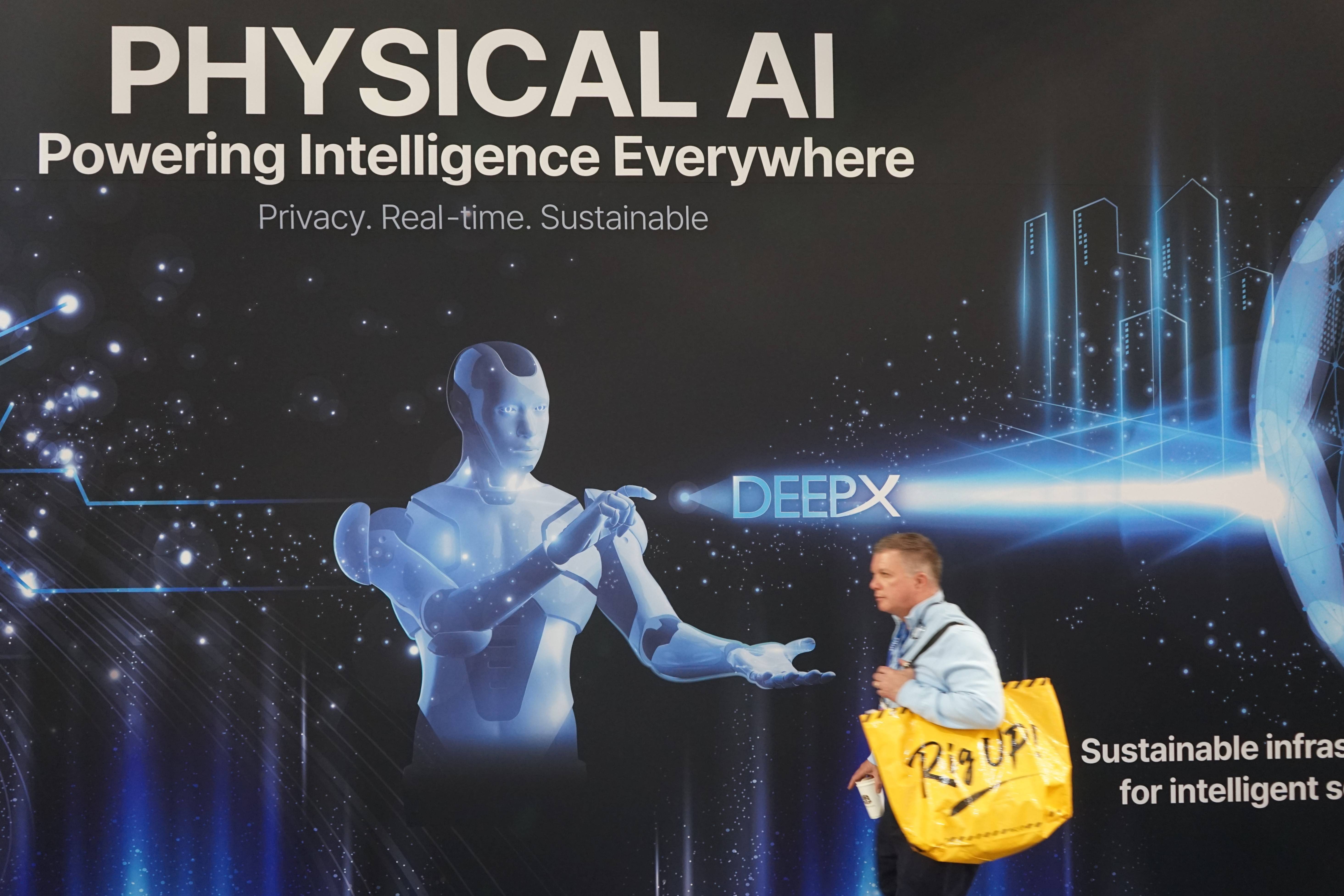
从显示到全屋:海信以RGB为核,AI驱动智慧生活场景全覆盖
Xin Jing Bao· 2026-01-09 04:18
Core Insights - The CES 2026 marks a pivotal shift in AI technology from conceptual showcases to practical applications in everyday scenarios, with Hisense leading the way in display technology and AI advancements [1] - Hisense's long-term investments in AI algorithms, hardware development, and scene adaptation have positioned the company to capitalize on the current breakthroughs in embodied intelligence [1][8] - Hisense's products create a dual adaptation system between technology and scenarios, indicating a strong alignment with national strategic directions and industry trends [1] Group 1: Display Technology Innovations - Hisense unveiled the world's first 116-inch next-generation RGB-Mini LED TV at CES 2026, establishing a new standard for immersive visual experiences [2] - The company has transitioned from being a technology follower to a rule-maker in the display industry, achieving over 90% market share in the high-end 85-inch TV segment during the 2025 Double 11 shopping festival [2][3] - Hisense's RGB technology, which includes self-developed RGB light-emitting chips and AI picture quality chips, has led to significant advantages in color accuracy, brightness, and energy efficiency [2][3] Group 2: AI and Smart Ecosystem Development - Hisense is not only focusing on hardware but is also deeply exploring software ecosystems and scene experiences, evolving televisions into indispensable companions that understand user intentions [4][5] - The company is leveraging its role as the official sponsor of the 2026 FIFA World Cup to launch customized products that integrate cutting-edge technology into fans' daily lives, enhancing the overall experience [5][6] - Hisense aims to create a comprehensive smart home ecosystem powered by AI, integrating various appliances and technologies to enhance user experience across different household scenarios [6] Group 3: Embodied Intelligence and Future Growth - Hisense is actively developing embodied intelligence, showcasing robots that serve as companions in homes and efficient employees in commercial settings, marking a significant step towards practical applications of AI [7][8] - The company’s experience in display technology and home appliances provides a solid foundation for the development of embodied intelligence, emphasizing both technological advancement and practical applicability [8] - Hisense's exploration in this field positions it as a key player in the smart home and smart city sectors, opening up new avenues for future growth [8][9]

记者手记|“物理AI”成为CES热议新词
Xin Hua She· 2026-01-08 10:32
Core Insights - The term "Physical AI" emerged as a key topic at CES 2026, reflecting a shift in the focus of AI technology development and industry interests [1][4] - Physical AI refers to the ability of autonomous systems, such as cameras, robots, and self-driving cars, to perceive, understand, reason, and execute complex actions in the physical world [1][3] Group 1: Industry Trends - Physical AI is characterized by its integration into robots, self-driving cars, smart devices, and industrial equipment, enabling machines to actively participate in and alter their environments [1][4] - The presence of intelligent robots, autonomous vehicles, and smart home devices at CES illustrates the practical application of Physical AI in everyday life [2][4] Group 2: Company Perspectives - Qualcomm's China Chairman highlighted the simultaneous evolution of "Personal AI" and "Physical AI," with the latter advancing into real-world applications like automobiles and robotics [3] - BOE Technology Group's executive noted that the deep integration of display technology and sensors will enhance the application possibilities of Physical AI [3] - Lenovo's CEO emphasized that Physical AI represents "machines with brains," indicating a transition from mere mechanical execution to machines capable of perception, understanding, and decision-making [3]
