asundexian

Search documents
JPM医疗年会Day1-2回顾:从中国管线到全球竞争格局
GLP1减重宝典· 2026-01-15 15:45
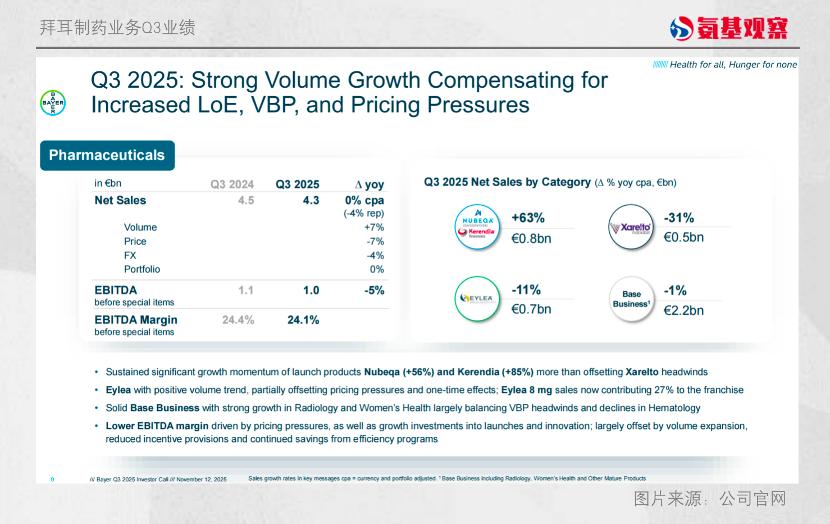
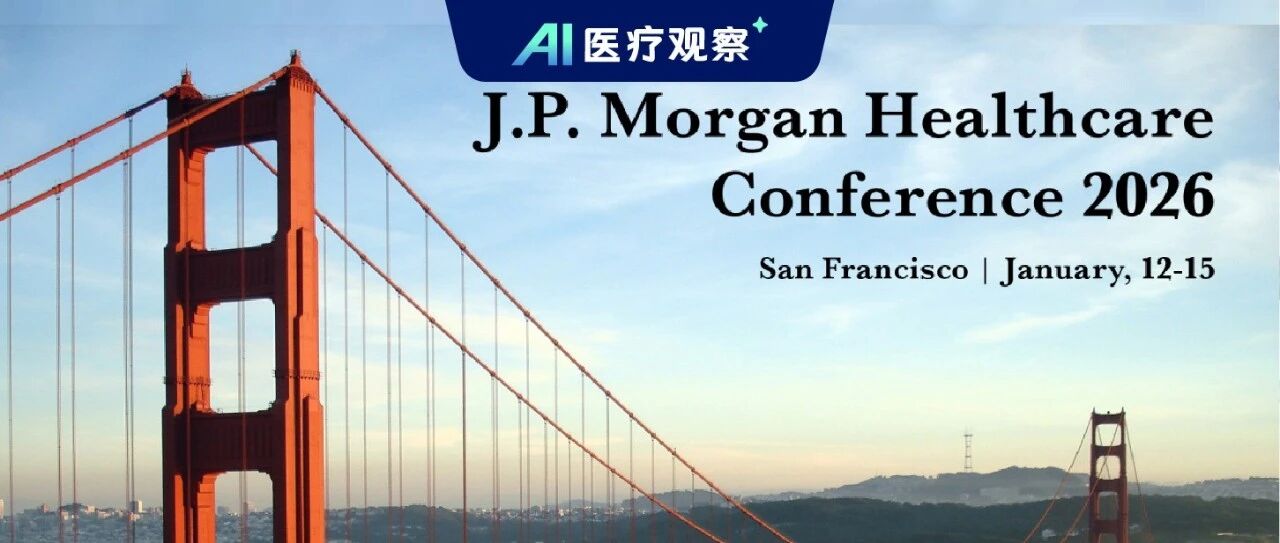
Core Insights - The JPM Healthcare Conference 2026 highlighted a significant shift in the narrative surrounding Chinese innovation assets, which are increasingly recognized as critical components for multinational pharmaceutical companies' long-term growth strategies [4][5][24] - The conference emphasized the importance of clinical advancement efficiency and global development pace for Chinese pharmaceutical companies, marking the entry of their innovation pipelines into the core narratives of multinational firms as just the beginning [24] Group 1: Chinese Companies' Innovations - Chinese companies are now being integrated into the core strategies of multinational pharmaceutical firms, moving beyond previous "single-point licensing" narratives to being key contributors in oncology, neuroscience, and metabolic diseases [5][9] - Notable collaborations include SystImmune's BL-B01D1, which has a potential total deal value of $800 million with Bristol-Myers Squibb, and the KarXT project, which is prioritized for development in the psychiatric pipeline [5][7] - The partnership between 3SBio and Pfizer on the PD-1 and VEGF bispecific antibody SSGJ-707 is highlighted as a significant transaction, indicating its strategic importance in the next-generation oncology immunotherapy landscape [7][9] Group 2: Multinational Companies' Strategies - Multinational companies are focusing on a 2030 pricing framework, with strategic decisions revolving around which assets will shape the next industry reshuffle [10][24] - Bristol-Myers Squibb plans to launch 10 new drugs by 2030, emphasizing a multi-pillar approach to mitigate risks associated with patent cliffs [10][12] - Vertex Pharmaceuticals and Madrigal Pharmaceuticals are adopting a focused strategy on single disease areas, with Madrigal positioning itself as a leader in the MASH field and Vertex concentrating on cystic fibrosis and gene therapy [12][15] Group 3: Market Dynamics and Challenges - The second day of the conference shifted focus to practical execution challenges, including competition in metabolic diseases, patent expirations, and supply chain management [16][24] - Eli Lilly expressed uncertainty regarding the market performance of its oral GLP-1 candidate, while Novo Nordisk acknowledged significant competitive pressures and emphasized direct patient channel management [16][18] - Bayer updated its assessment of patent expirations for Xarelto and Eylea, indicating a gradual approach to managing revenue impacts while relying on new product launches for future growth [18][19] Group 4: Supply Chain and Manufacturing - The importance of local manufacturing capabilities was underscored, with Samsung Biologics discussing its U.S. production capacity to meet growing demand [21][24] - Companies like Teva and Sandoz are focusing on the strategic value of biosimilars in light of upcoming patent expirations, indicating a long-term structural adjustment rather than a short-term fix [19][21]

Bayer Accelerates Growth With siRNA, AI Deals and Pipeline Progress
ZACKS· 2026-01-09 15:20
Core Insights - Bayer AG has entered a collaboration and global licensing agreement with Soufflé Therapeutics to develop a heart-targeted siRNA therapy for a rare form of dilated cardiomyopathy, enhancing its position in next-generation genetic medicines [1][9] - Soufflé Therapeutics' proprietary platform enables cell-selective delivery of siRNA therapies, potentially reducing off-target effects and the need for frequent dosing [2][9] - Bayer is also enhancing its R&D capabilities through a strategic collaboration with Cradle to integrate AI technology into its therapeutic antibody pipeline [4][5][6] - Bayer's AskBio has received FDA acceptance for its IND application for AB-1009, a gene therapy for late-onset Pompe disease, advancing into a phase I/II study [7][8] Bayer's Strategic Collaborations - The collaboration with Soufflé Therapeutics aims to bolster Bayer's cardiovascular portfolio and leverage Soufflé's capabilities in the siRNA space [3][9] - Bayer's partnership with Cradle focuses on deploying AI for protein engineering, aiming to accelerate lead generation and optimization [4][5] - Cradle's platform will support Bayer's antibody scientists in integrated design and testing cycles [6] Recent Developments and Performance - Bayer's stock has surged 123.7% over the past year, significantly outperforming the industry growth of 20.9% [11] - New drug approvals, including prostate cancer drug Nubeqa and kidney disease drug Kerendia, have contributed to Bayer's strong performance, offsetting declines in Xarelto sales [13][14] - Recent FDA approvals for elinzanetant and Hyrnuo have further strengthened Bayer's product offerings [14][15] - Bayer's pipeline progress includes the acceptance of a new drug application for gadoquatrane and positive results from the OCEANIC-STROKE Study for asundexian [16][17]

国信证券:FXI抑制剂有望成为下一代抗凝药物 建议关注恒瑞医药(600276.SH)
智通财经网· 2025-12-15 02:59
Group 1 - The global anticoagulant market exceeds $20 billion, with existing anticoagulants posing additional bleeding risks while preventing thrombosis. There is room for improvement in both efficacy and safety of these drugs [1] - FXI/FXIa inhibitors are expected to become safer alternatives to current anticoagulants, as they specifically target the intrinsic coagulation pathway, potentially reducing bleeding risks while maintaining anticoagulant efficacy [1] - No FXI/FXIa inhibitors have been approved yet, but several candidates, including Novartis' abelacimab, Bayer's asundexian, and BMS/Johnson & Johnson's milvexian, are in registration clinical trials [1] Group 2 - Bayer's asundexian has shown superior efficacy in phase 3 clinical trials for secondary stroke prevention, marking it as the first FXI/FXIa inhibitor to meet key clinical endpoints [1] - FXI/FXIa inhibitors demonstrate significant safety advantages over DOACs, particularly in patients at high risk of bleeding, and are expected to challenge standard treatments in various indications [1] - FXI small nucleic acid drugs, still in early development, show promising early pharmacokinetic and pharmacodynamic data, with potential for improved patient compliance due to less frequent dosing [2]

国信证券:FXI抑制剂有望成为下一代抗凝药物 建议关注恒瑞医药
Zhi Tong Cai Jing· 2025-12-15 02:59
Group 1 - The global anticoagulant market exceeds $20 billion, with existing anticoagulants posing additional bleeding risks while preventing thrombosis. There is room for improvement in both efficacy and safety of these drugs [1] - FXI/FXIa inhibitors are expected to become safer alternatives to current anticoagulants, as they specifically target the intrinsic coagulation pathway, potentially reducing bleeding risks while maintaining anticoagulation efficacy [1] - No FXI/FXIa inhibitors have been approved yet, but various drug forms, including monoclonal antibodies and small molecules, are in clinical stages, with several candidates like Novartis' abelacimab and Bayer's asundexian undergoing registration trials [1] Group 2 - Bayer's asundexian has achieved superior efficacy in phase 3 clinical trials for secondary stroke prevention, marking it as the first FXI/FXIa inhibitor to meet key clinical endpoints [2] - FXI/FXIa inhibitors demonstrate significant safety advantages over DOACs, particularly in patients with high bleeding risks, suggesting a competitive edge in these populations [2] - FXI small nucleic acid drugs, still in early development, show promising early pharmacokinetic and pharmacodynamic data, indicating effective FXI activity suppression and potential for improved patient compliance with a quarterly injection schedule [3]
寻找未被满足的临床需求(4):FXI抑制剂有望成为下一代抗凝药物
Guoxin Securities· 2025-12-14 15:01
Investment Rating - The report maintains an "Outperform" rating for the industry [1] Core Insights - The global anticoagulant market exceeds $20 billion, primarily driven by stroke prevention in atrial fibrillation patients, with other indications including VTE prevention after knee/hip replacement and prevention of ischemic complications in myocardial infarction [2][5] - FXI/FXIa inhibitors are expected to become safer anticoagulants, as they target the intrinsic pathway of coagulation, potentially reducing bleeding risks while maintaining efficacy [2][21] - Several FXI/FXIa inhibitors are in clinical stages, with promising safety profiles demonstrated in various indications, including Bayer's asundexian achieving key clinical endpoints in secondary stroke prevention [2][26] - FXI small nucleic acid drugs may offer differentiated competitive advantages, with early-stage clinical data showing effective FXI activity suppression and potential for improved patient compliance [2][26] Summary by Sections Anticoagulant Drugs: Applications and Market Size - Anticoagulants are used in various medical scenarios, with a global market size exceeding $20 billion, driven by stroke prevention in atrial fibrillation patients [5][7] - Current anticoagulants include DOACs and low molecular weight heparins, with existing drugs presenting bleeding risks alongside their efficacy [5][21] FXI Inhibitors as Next-Generation Anticoagulants - FXI inhibitors are positioned to challenge standard treatments, with clinical trials indicating superior safety profiles compared to existing DOACs [2][26] - Notably, Bayer's asundexian has shown efficacy in secondary stroke prevention, marking a significant advancement in the field [2][69] Domestic FXI Small Nucleic Acid Drug Development Progress - Domestic companies are advancing in FXI small nucleic acid drug development, with promising early clinical results indicating effective FXI suppression and potential for improved dosing schedules [2][26] Investment Recommendations - FXI/FXIa inhibitors are projected to represent an upgrade and complement to existing anticoagulants, with a potential market space exceeding $10 billion [2][26] - The report suggests focusing on companies like HengRui Medicine, which is leading in domestic FXI monoclonal antibody development [2][26]



Bayer Stock Up as Government Backs Supreme Court Review in Roundup Case
ZACKS· 2025-12-03 18:46
Core Insights - Bayer's shares increased by 12.1% following the Solicitor General's support for a Supreme Court review of its Roundup weedkiller case, indicating potential positive influence on the court's consideration of Bayer's petition [1][9] - The company has faced numerous lawsuits related to Roundup, with significant litigation costs incurred due to allegations that glyphosate, the active ingredient, caused cancer [2][3] Litigation Overview - Bayer acquired Roundup through the 2018 buyout of Monsanto, which has been the subject of multiple lawsuits alleging cancer risks associated with glyphosate [2] - As of October 15, 2025, 28 Roundup-related trials have concluded, with Monsanto winning 17 cases, while plaintiffs received compensatory damages in the others [4] - Bayer has reserved $7.6 billion (€6.5 billion) for glyphosate litigation as of September 30, 2025, accounting for potential settlements and appeals [7] Recent Developments - Bayer filed a petition with the U.S. Supreme Court in April 2025, seeking clarification on federal versus state law regarding failure-to-warn claims in glyphosate litigation [5] - In June 2025, the U.S. Supreme Court requested the Solicitor General's opinion on the case, while Bayer settled approximately 17,000 claims [6] Financial Performance - Bayer's stock has surged 101.3% year-to-date, significantly outperforming the industry growth of 16.1%, driven by new drug approvals and positive pipeline developments [8] - Key drugs such as Nubeqa and Kerendia are contributing to growth in Bayer's pharmaceuticals division, offsetting declines in Xarelto sales [10] Drug Approvals and Pipeline Progress - The European Commission approved elinzanetant for treating vasomotor symptoms associated with menopause, expanding Bayer's product offerings [12] - The FDA granted accelerated approval to Hyrnuo for specific lung cancer treatments, further enhancing Bayer's portfolio [13] - Bayer's pipeline candidate asundexian showed promising results in a late-stage study for secondary stroke prevention, with plans for global marketing authorization applications [14][15]
口服FXIa抑制剂asundexian预防脑卒中复发III期成功:创新药周报20251130-20251130
Huachuang Securities· 2025-11-30 14:27
Investment Rating - The report indicates a positive investment outlook for the oral FXIa inhibitor asundexian, particularly following its successful Phase III trial results for preventing recurrent strokes [21][25]. Core Insights - The oral FXIa inhibitor asundexian has shown significant efficacy in reducing the risk of ischemic stroke in patients with non-cardioembolic ischemic stroke or high-risk transient ischemic attack, achieving its primary efficacy and safety endpoints in the OCEANIC-STROKE study [21][25]. - The report highlights the potential of FXI inhibitors to provide safer anticoagulation options with lower bleeding risks compared to traditional anticoagulants [9][10]. - The report discusses the diverse potential indications for FXI/XIa inhibitors, including prevention of venous thromboembolism (VTE) in orthopedic surgeries, stroke prevention in atrial fibrillation patients, and treatment of cancer-associated VTE [13][10]. Summary by Sections Section 1: Focus on Innovative Drugs - The report reviews the recent advancements in innovative drugs, particularly in the anticoagulant space, emphasizing the role of FXI inhibitors [4][5]. Section 2: Mechanism of Action - FXIa plays a crucial role in pathological thrombus formation while having a limited role in hemostasis, making it an ideal target for developing safer anticoagulants [9][10]. Section 3: Clinical Development Progress - Asundexian has successfully completed Phase III trials, while other FXIa inhibitors like milvexian have faced challenges, including trial terminations due to efficacy concerns [30][33]. - The report details the ongoing clinical trials for various FXI inhibitors, including those by companies like Bayer, BMS, and Regeneron, highlighting their respective stages of development and potential applications [20][39][45]. Section 4: Market Potential - The report underscores the significant market potential for FXI inhibitors, given the high incidence of stroke and VTE, with approximately 12 million people affected by stroke annually worldwide [25][21].
BMY Wins EC Nod for Label Expansion of CAR T Cell Therapy Breyanzi (Revised)
ZACKS· 2025-11-27 09:46
Core Insights - Bristol Myers Squibb (BMY) received European Commission approval for Breyanzi, expanding its label to include treatment for adult patients with relapsed or refractory mantle cell lymphoma (MCL) after at least two lines of systemic therapy, including a Bruton's tyrosine kinase (BTK) inhibitor [1][9] Group 1: Breyanzi Approval and Indications - The latest approval marks the fourth for Breyanzi in Europe, which is already approved for several other indications including relapsed or refractory diffuse large B-cell lymphoma (DLBCL) and high-grade B-cell lymphoma (HGBCL) [2] - Breyanzi is indicated for patients who relapsed within 12 months of first-line chemoimmunotherapy or are refractory to it, as well as for those with relapsed or refractory DLBCL, PMBCL, and FL3B after two or more lines of therapy [3] Group 2: Clinical Trial Results - The approval is based on the TRANSCEND NHL 001 trial results, where 82.7% of patients responded to Breyanzi, with 71.6% achieving a complete response, and 41.2% of patients maintained their response at 24 months [4][9] Group 3: Pipeline Expansion and Market Impact - Bristol Myers is focusing on expanding its pipeline due to the negative impact of generics on its legacy portfolio, including Revlimid and Pomalyst [5] - The company’s shares gained 3.3% following positive data from Bayer's cardiovascular candidate asundexian, which may boost investor confidence in BMY's own cardiovascular candidate, milvexian [6][8] Group 4: Discontinuation of Librexia Study - Bristol Myers and Johnson & Johnson decided to discontinue the late-stage Librexia study for milvexian after an interim analysis indicated it was unlikely to meet primary efficacy endpoints, although two other studies for milvexian will continue [10][11]
BMY Wins EC Nod for Label Expansion of CAR T Cell Therapy Breyanzi
ZACKS· 2025-11-25 20:06
Core Insights - Bristol Myers Squibb (BMY) received European Commission (EC) approval for Breyanzi (lisocabtagene maraleucel), expanding its label to include treatment for adult patients with relapsed or refractory mantle cell lymphoma (MCL) after at least two lines of systemic therapy, including a Bruton's tyrosine kinase (BTK) inhibitor [2][10] - This marks the fourth approval for Breyanzi in Europe, which is already approved for several other lymphoma types [3][4] Approval Details - The latest EC approval is based on the MCL cohort results from the TRANSCEND NHL 001 trial, where 82.7% of patients responded to Breyanzi, and 71.6% achieved a complete response [5][10] - Sustained clinical benefits were observed, with 50.8% of patients remaining in response at 24 months [5][10] Pipeline Expansion - Bristol Myers is actively seeking to expand its pipeline due to the negative impact of generics on its legacy products like Revlimid, Pomalyst, Sprycel, and Abraxane [6] - The approval of new drugs and label expansions for existing drugs is expected to diversify its portfolio [6] Market Reaction - Shares of BMY increased by 3.3% following positive news from Bayer regarding its cardiovascular candidate asundexian, which met primary efficacy and safety endpoints in a late-stage study [7][9] - The success of Bayer's study has raised investor optimism for BMY's cardiovascular candidate, milvexian, in secondary stroke prevention [9] Study Discontinuation - Bristol Myers and Johnson & Johnson announced the discontinuation of the late-stage Librexia study for milvexian after an interim analysis indicated it was unlikely to meet primary efficacy endpoints [11] - However, two other late-stage studies for milvexian are set to continue, with top-line data expected in 2026 [12]
拜耳“爬坑”
3 6 Ke· 2025-11-25 12:19
Core Viewpoint - Bayer is experiencing a significant turnaround in 2025, with its stock price increasing over 59% year-to-date, making it the top performer among established multinational corporations (MNCs) [1] Group 1: Financial Performance - Bayer's stock price surged by 10.91% following the announcement of the successful Phase III trial of its FXIa inhibitor, asundexian, which significantly reduced the risk of stroke recurrence without increasing major bleeding rates [2][5] - The company has seen a dramatic recovery from a market capitalization decline of over 70% since its peak in 2015, with current market value at approximately €34.6 billion [6] - Bayer's pharmaceutical segment is expected to benefit significantly from asundexian, with projected annual sales reaching €3 billion if approved [5] Group 2: Product Development - Asundexian's success marks the first successful Phase III trial for FXIa inhibitors, providing a much-needed boost to Bayer's pharmaceutical pipeline [4][5] - Bayer has also received FDA approval for Elinzanetant, expected to achieve peak annual sales exceeding €1 billion, and Acoramidis, which has rapidly captured about 50% of the new brand prescription market share in Germany [11] Group 3: Strategic Reforms - Bayer has initiated the Dynamic Shared Ownership (DSO) reform to streamline operations, aiming for annual cost savings of approximately €2 billion by 2026 [6][7] - The company has reduced its workforce by 13% as part of its restructuring efforts, with a total of 13,500 employees laid off since early 2024 [7] - Bayer's strategy has shifted from a broad approach to a more focused one, concentrating on four core areas: oncology, cardiovascular, neurology, and rare diseases [11] Group 4: Future Outlook - Bayer's "must-win battle" plan aims to restore growth in its pharmaceutical business by launching new drugs and optimizing operations by 2027 [10][12] - The company faces ongoing challenges, including managing litigation and debt, which will be critical for its long-term success [13]