Huan Qiu Shi Bao

Search documents
高市早苗选择“政治豪赌”,在野政党痛批“没有大义”,日本迎来“最匆忙”大选
Huan Qiu Shi Bao· 2026-01-23 22:44
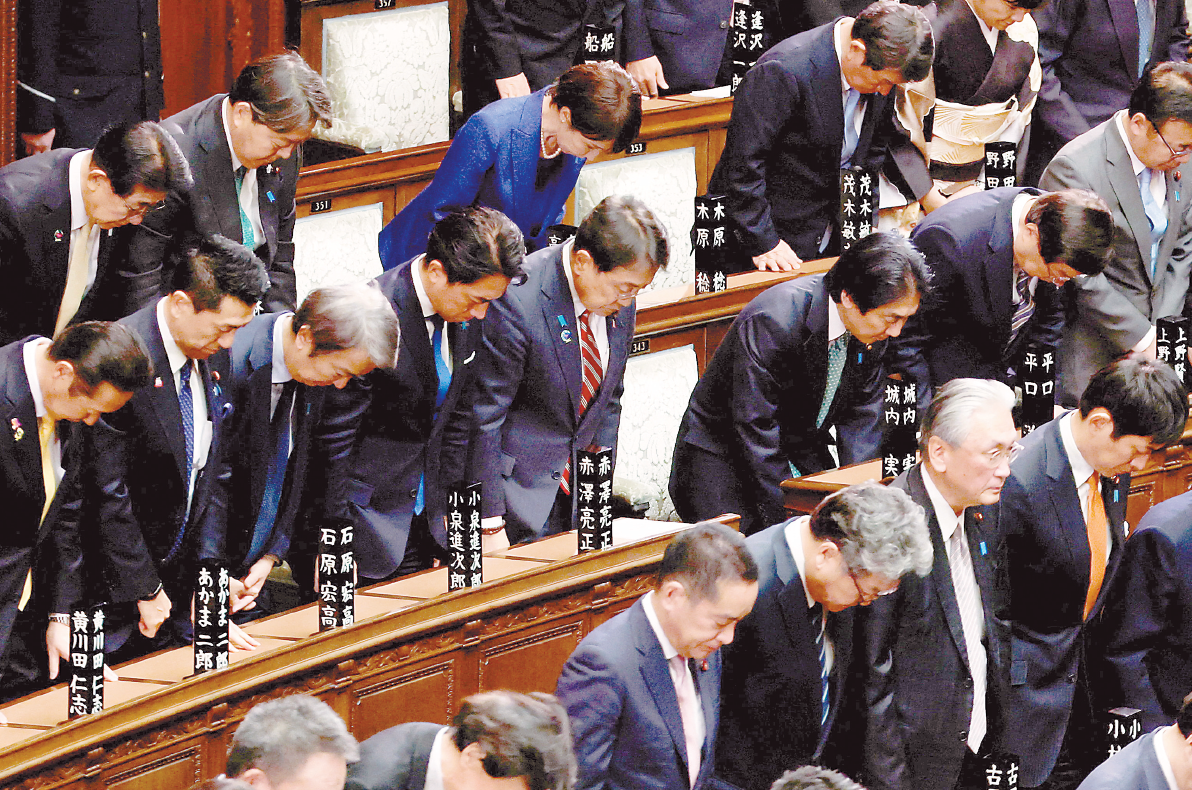
Core Viewpoint - The Japanese Prime Minister Fumio Kishida's decision to dissolve the House of Representatives on the opening day of the Diet session is seen as a high-risk political gamble aimed at capitalizing on the current high approval ratings to secure more seats in the upcoming election, which is scheduled for February 8, 2024, just 16 days after the dissolution [1][4][8]. Group 1: Political Context - This dissolution marks the first time in 60 years that the House of Representatives has been dissolved on the opening day of a Diet session, and it creates a record for the shortest interval between dissolution and election since World War II [1]. - The current House of Representatives has 465 seats, and the ruling coalition, after a recent shift in alliances, barely holds a majority with 233 seats [4][8]. - The opposition parties have criticized the dissolution as a self-serving political maneuver that prioritizes party interests over the public's needs [1][6]. Group 2: Election Implications - The upcoming election is expected to significantly impact Japan's future domestic and foreign policies, with the ruling party aiming to solidify its power amid rising public concerns over economic issues and international relations [1][8]. - The newly formed "Center Reform Coalition" by the major opposition parties aims to challenge the ruling coalition, focusing on issues like reducing the food consumption tax and addressing political corruption [9][10]. - Key campaign issues will include economic policies, foreign relations, and defense strategies, with the ruling coalition emphasizing stricter regulations on foreign land purchases and increased defense spending [9][10]. Group 3: Public Sentiment - Public opinion appears divided, with some citizens questioning the rationale behind the dissolution and expressing concerns over rising living costs and economic stability [7][8]. - Criticism from within the political sphere highlights fears that frequent elections may detract from addressing long-term issues such as population decline and economic challenges [5][6].

美民调:多数美国人未将中国发展视作威胁
Huan Qiu Shi Bao· 2026-01-23 22:44
Group 1 - The core finding of the survey indicates that many Americans do not view Asia as the most important region for the U.S., with only 35% considering U.S. influence in Asia as very important, ranking below North America (52%), the Middle East (39%), and Europe (36%) [1] - A significant 54% of respondents believe that even if China surpasses the U.S. in global power and influence, their lives will not be affected, while 8% think their lives may improve to some extent [2] - The survey reveals a generational divide in perceptions of China's rise, with older respondents (65+) more likely to view it negatively (52%) compared to younger respondents (18-29), where only 27% share the same concern [2] Group 2 - The survey results suggest a declining perception of U.S. global dominance, with nearly 60% of Americans viewing the U.S. as one of several powerful countries rather than the strongest [1] - Only 45% of respondents believe that China's current global power and influence is on par with the U.S., while 19% think China has already surpassed the U.S. [1] - The findings align with a previous Pew Research Center survey indicating a decrease in American hostility towards China, with only one-third of Americans viewing China as an enemy, down from 42% the previous year [2]
加强对华合作,与美分歧显现,卡尼:加拿大不靠美国生存
Huan Qiu Shi Bao· 2026-01-23 22:44
Core Viewpoint - Canadian Prime Minister Carney's recent statements at the World Economic Forum signify a shift in Canada's foreign policy, moving away from dependence on the U.S. and towards a more independent stance, particularly in relation to China [1][2][3] Group 1: Canada's Foreign Policy Shift - Carney's speech received applause and is seen as marking the end of Canada's era of dependency on the U.S. [1] - Canada is actively seeking to diversify its international relationships, as evidenced by a recent trade agreement with China and efforts to find new partners in the Middle East [2] - There is a growing divergence between U.S. and Canadian policies towards China, with Canada signaling a willingness to engage with China in areas that may not align with U.S. preferences [2][4] Group 2: U.S. Response and Concerns - U.S. Commerce Secretary Lighthizer warned that Canada's recent trade agreement with China could impact the upcoming renegotiation of the USMCA (United States-Mexico-Canada Agreement) [3] - Lighthizer criticized Carney's remarks as "political noise" and suggested that Canada cannot realistically pursue a closer relationship with China than with the U.S. [3] - The U.S. is concerned that Canada's shift in policy may not be well thought out and could complicate negotiations [3] Group 3: Public Sentiment and Political Viability - Recent polls indicate a decline in Canadian public favor towards the U.S. and a warming attitude towards China, suggesting a political shift that Carney believes is sustainable [4] - Analysts note that while Canada is engaging with China, it is doing so with clear boundaries to ensure national security is not compromised [4] - The overall approach reflects a strategy of risk management for Canada as a trade-dependent nation, emphasizing the importance of diversification in international relations [4]
外媒:哈马斯已同意解除武装,以换取其领导人自由离开加沙
Huan Qiu Shi Bao· 2026-01-23 22:44
Group 1 - Hamas has agreed to disarm in exchange for the freedom of its leaders to leave Gaza and transition into a political entity [1] - The disarmament plan involves the immediate destruction of heavy weapons, tunnels, and military infrastructure, followed by a phased program to collect personal weapons from Hamas members [1] - The U.S. has assured that Hamas leaders will not face persecution from Israel after leaving Gaza, and negotiations for the disarmament plan have been ongoing for two to three weeks [1] Group 2 - The U.S. announced a "New Gaza" reconstruction plan, which includes building residential buildings, data centers, and seaside resorts [2] - Jared Kushner stated that the demilitarization of Gaza has already begun and that a newly formed Palestinian technocratic committee will work with Hamas to advance this process [2] - The U.S. has issued threats to Hamas, indicating severe consequences if they do not disarm [2]
美国正调遣重兵前往伊朗,伊朗军方警告:“随时准备扣动扳机”
Huan Qiu Shi Bao· 2026-01-23 22:44
Group 1 - The U.S. is deploying a significant military presence towards Iran, with President Trump stating that a large fleet is heading in that direction as a precaution, although he does not wish to engage militarily [1] - The U.S. plans to impose a 25% tariff on all countries trading with Iran, which will take effect soon [1] - Iran's military is on high alert, with the commander of the Islamic Revolutionary Guard Corps warning against strategic miscalculations by the U.S. and Israel, indicating readiness to act on orders from the Supreme Leader [1] Group 2 - Iran's Foreign Minister expressed a preference for peace over war, but warned that a complete diplomatic failure is imminent, and any attack on Iran would lead to a fierce retaliation [2] - The Iranian government claims that the U.S. and Israel have shifted their strategy from military aggression to undermining Iran's social cohesion, resulting in significant damage to public infrastructure and a reported death toll of 3,117 during recent unrest [2]
215∶215,美众议院涉委投票暴露美国分歧
Huan Qiu Shi Bao· 2026-01-23 22:44
Group 1 - The U.S. House of Representatives voted 215 to 215, resulting in a tie that prevented the passage of a resolution aimed at limiting President Trump's military actions in Venezuela without congressional approval [1] - The resolution, introduced by Democratic Representatives McGovern and Castro along with Republican Representative Massey, received support from all Democratic members and two Republican members [1] - This marks the third attempt by the House to restrict Trump's war powers since military actions began in the Caribbean and Pacific regions last September [1] Group 2 - The resolution invoked the War Powers Act of 1973, demanding the withdrawal of U.S. troops deployed to Venezuela and emphasizing that any military deployment requires congressional authorization [1] - Supporters argue that while there are no ground troops in Venezuela, a U.S. aircraft carrier is stationed in the Caribbean, and thousands of troops are on standby, actions that require congressional approval [1] - Republican members have repeatedly emphasized that "there are no U.S. troops in Venezuela," labeling the resolution as "not realistic" [1]
欧盟开紧急峰会讨论格陵兰岛,格陵兰岛自治政府总理:主权问题是一条红线
Huan Qiu Shi Bao· 2026-01-23 22:44
Core Viewpoint - The discussions between Danish Prime Minister Frederiksen and Greenland's Prime Minister Nielsen highlight the importance of Greenland's sovereignty in any agreements regarding the region, particularly in the context of U.S. interests and NATO's involvement in Arctic security [1][2]. Group 1: Sovereignty and Negotiations - Nielsen emphasized that any agreements involving Greenland must include the participation of both Greenland and Denmark, asserting that sovereignty issues are non-negotiable [1][2]. - The framework discussed by Trump and NATO Secretary General Stoltenberg reportedly did not address sovereignty, focusing instead on military presence and resource extraction [2]. Group 2: U.S.-Europe Relations - Trump's comments regarding Greenland have strained U.S.-European relations, leading to a loss of trust among European allies [3]. - European leaders expressed relief at Trump's recent shift in stance on Greenland, indicating a desire to maintain strong transatlantic relations despite previous tensions [2][3]. Group 3: Military and Security Implications - Danish soldiers dispatched to Greenland have been instructed to prepare for potential military engagement in the event of an unexpected U.S. attack [2]. - The EU is planning to propose substantial investment initiatives for Greenland and enhance defense arrangements with Arctic partners [2].
【环时深度】格陵兰文化叙事,西方与本土的“冷暖博弈”
Huan Qiu Shi Bao· 2026-01-23 22:37
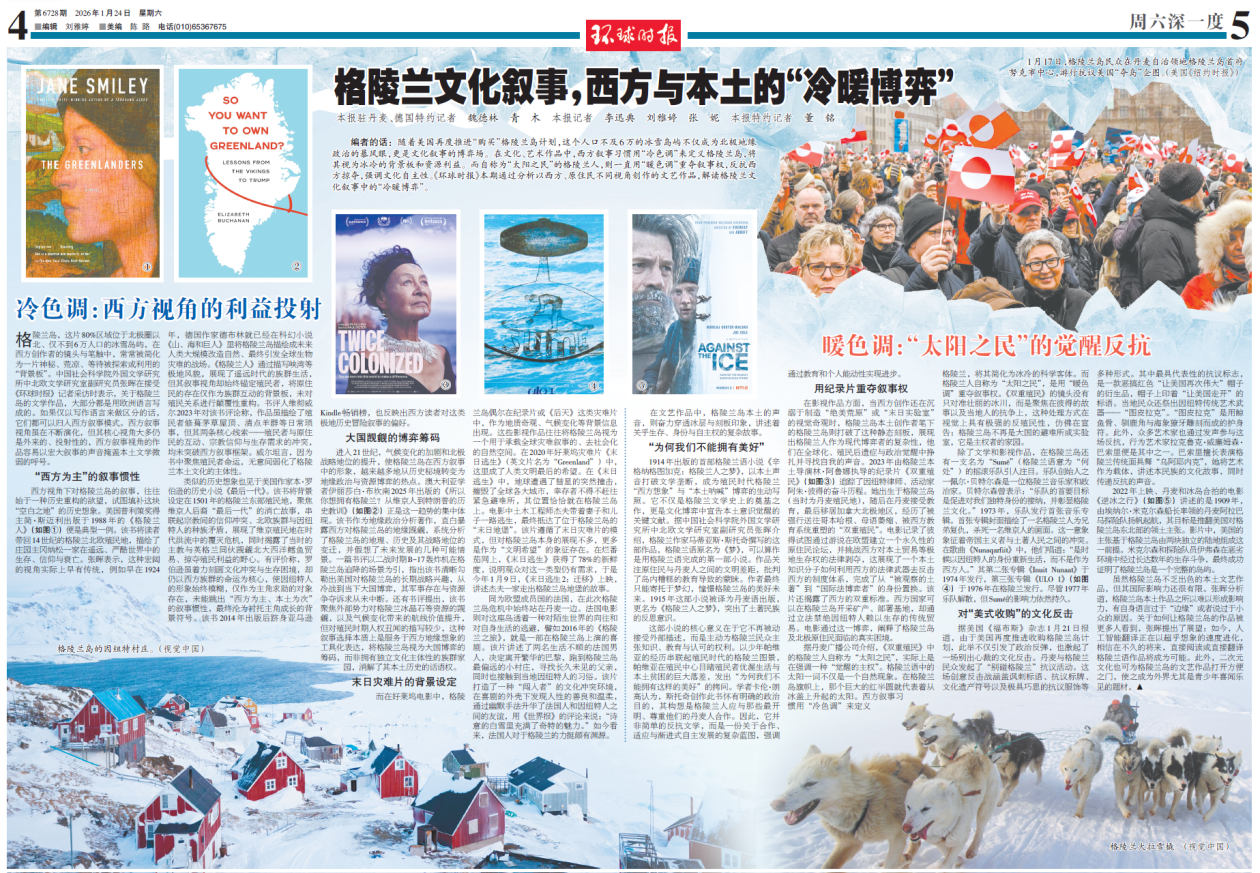
Core Perspective - The article discusses the geopolitical and cultural significance of Greenland, highlighting the contrasting narratives between Western perspectives and indigenous voices, particularly in the context of recent U.S. interest in purchasing the island [3][24]. Western Perspective: Cold Tone - Greenland is often depicted in Western literature as a mysterious and desolate backdrop, primarily serving external interests rather than showcasing its indigenous culture [5][6]. - Works like Jane Smiley's "The Greenlanders" and Ben Robertson's "The Last Generation" illustrate a historical reconstruction that centers on colonial narratives, often sidelining the indigenous Inuit perspective [6][8]. - The portrayal of Greenland in Western narratives has evolved to emphasize its geopolitical importance and resource potential, particularly in the context of climate change and strategic interests [10][11]. Indigenous Perspective: Warm Tone - Indigenous narratives, such as the first Greenlandic novel "Singnagtugak: The Dream of the Greenlanders," assert the rights and identity of the Greenlandic people, challenging colonial depictions [16][18]. - Documentaries like "Double Colonization" focus on the struggles of indigenous activists, emphasizing their fight for recognition and rights against Western narratives [19][21]. - The cultural movement among Greenlanders, including music and art, seeks to reclaim their identity and assert their sovereignty, as seen in the rock band Sumé and various protest actions against U.S. acquisition plans [23][24]. Cultural Resistance - The recent U.S. push to acquire Greenland has sparked a creative cultural backlash from the Danish and Greenlandic people, utilizing satire and traditional art forms to assert their identity [24][26]. - Films like "The Journey of the Icebreaker" reflect historical tensions over territorial claims, showcasing the resilience of Greenlandic identity against external pressures [26].
双边沟通相当密集,领土问题始终难解,俄美乌首次三方会谈在阿联酋举行
Huan Qiu Shi Bao· 2026-01-23 22:37
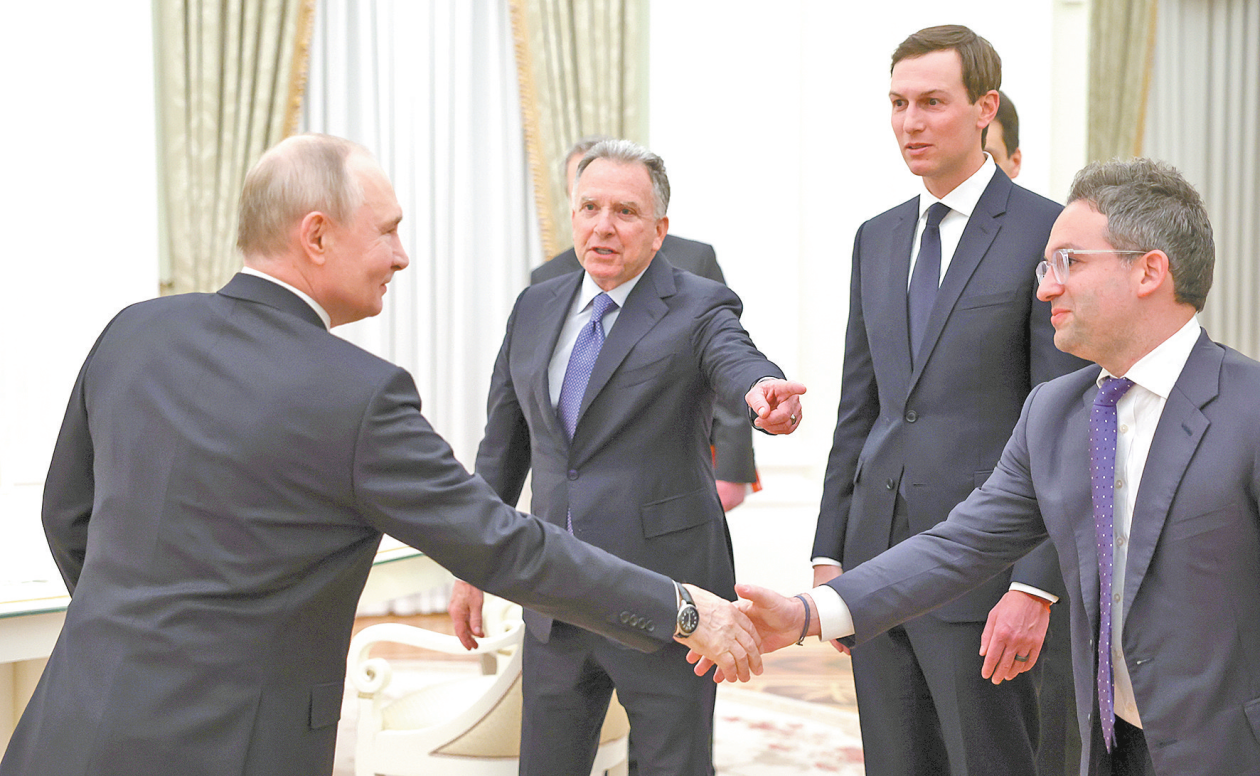
据乌克兰独立新闻社报道,乌总统泽连斯基22日在达沃斯的记者会上确认乌克兰谈判小组前往阿联酋参加与俄美代表举行的三方会谈。"乌克兰军方代表必 须在场。我们将看看两天会谈的结果如何。"泽连斯基称,"我认为,我们正处在这样一个时刻,如果各方都努力工作,我们将结束这场战争,但如果有人只 是想玩游戏,战争将继续。" 【环球时报驻美国特约记者 萧达 柳玉鹏】俄罗斯、美国、乌克兰代表23日在阿联酋首都阿布扎比开始举行三方安全问题会议。美国有线电视新闻网 (CNN)称,这是自俄乌冲突爆发以来美俄乌都参加的首次"三方会谈"。前一天深夜,俄罗斯总统普京与美国总统特使威特科夫等美方代表在克里姆林宫举 行了长达3个半小时的会谈。会谈结束后,俄总统助理乌沙科夫23日凌晨发布消息称,会谈"富有建设性且极为坦诚",双方商定俄美乌三方在阿布扎比举行 首次会议。乌克兰总统泽连斯基22日在瑞士达沃斯也确认了三方会谈。此次三方会谈对解决乌克兰危机带来更多期待,不过,俄罗斯《消息报》23日报道 称,在此前短短4天内美俄就举行了5次有针对性的会谈,俄联邦委员会(议会上院)国际事务委员会主席卡拉辛强调,如此密集的会谈并不能表明在解决乌 克兰危机问题上取 ...
中国海警紧急救援菲律宾落水船员:已救起17人、其中15人生命体征稳定
Huan Qiu Shi Bao· 2026-01-23 22:37
据中国海警局23日傍晚通报,截至18时,已救起17人,其中15人生命体征稳定,2人不幸遇难。救援行动仍在紧张进行。中国海警将持续在事发海域开展 搜救工作,并为已救起的船员提供饮食保障、医疗检查和休息场所,有效保障船员生命安全。 据《菲律宾星报》、新加坡《海峡时报》23日报道,这艘悬挂新加坡国旗的"德文湾"号货轮装载着铁矿石,在前往中国阳江的途中遇险。新加坡海事及港 务管理局正对此次事故进行调查。 《环球时报》记者23日独家获悉,此次参与救援的两艘海警舰船分别是中国海警东沙舰和三门舰。事发时,两艘舰船正位于中国黄岩岛附近海域执行常态 化值守行动。在接到海南省三沙市海上搜救中心通报后,便火速赶往事发海域执行救援任务。 【环球时报报道 记者 樊巍】据南部战区1月23日消息,当天1时30分许,南部战区接三沙海事局通报,1月22日21时30分许,一艘从菲律宾驶往中国广东的 外籍散装货船,位黄岩岛西北55海里附近海域倾斜失联,船上共有21名船员。接通报后,南部战区快速响应,立即调度力量展开救援,安排军机位失事海 域上空持续搜索,正在附近的两艘中国海警舰艇接令后快速前出施救。 值得一提的是,此次参与救援任务的中国海警三门舰 ...