AI科技大本营

Search documents
警惕AI患上“讨好症”!AI教父Bengio揭秘:大模型为何为了取悦人类而学会撒谎?
AI科技大本营· 2026-02-17 09:33
来源 | youtu.be/0fXGtQoJgNo 出品丨AI 科技大本营(ID:rgznai10 0) 在 AI 圈,"深度学习三巨头"有着截然不同的晚年人设:Yann LeCun 是那个永远愤怒的乐观派,在推特上怼天怼地,坚信 AI 只是工具;Geoffrey Hinton 是那个突然觉醒的悲观派,为了发出警告不惜从谷歌辞职。 而 Yoshua Bengio,他是站在中间,带着一种近乎苦行僧般的冷静与忧虑。 作为图灵奖得主、深度学习三巨头之一,他的一生大半时间都在与数学公式和神经网络打交道。在很长一段时间里,他相信 "更聪明的机器"等于"更美 好的人类未来" 。这曾是他坚不可摧的信仰,也是他作为一名纯粹科学家的动力源泉。 编译 | 王启隆 但在 2023 年的某个时刻,这种信仰似乎崩塌了。 最新的一场在达沃斯论坛的采访,面对镜头的 Bengio 显得有些疲惫,但异常诚恳。 他总是频繁地提起他的孙子。 他不再像几年前那样兴奋地谈论下一个 SOTA(当前最佳)模型,而是像一个刚刚窥探到未来恐怖一角的预言家,试图用最温和的语言,讲出最令人背 脊发凉的现实。 他谈到了一个非常具体、却让人细思极恐的现象: Syco ...


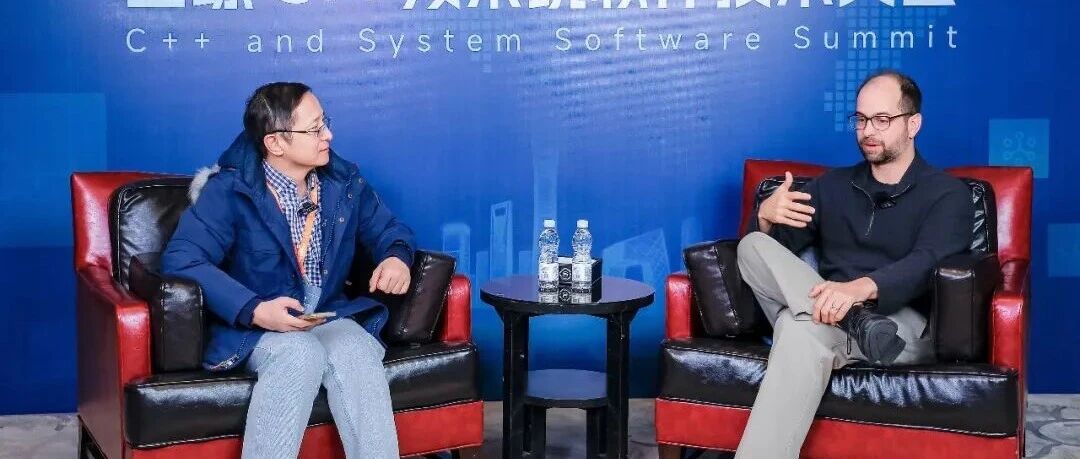
“AI 写的 C++ 代码,客观上比人类更烂”,吴咏炜对话 Adobe 首席科学家 David Sankel|近匠
AI科技大本营· 2026-02-16 07:43
Core Viewpoint - C++ remains an irreplaceable language for achieving extreme performance through absolute control over low-level operations, despite facing challenges from emerging languages like Rust and the impact of AI programming paradigms [1]. Group 1: Memory Safety and Code Vulnerabilities - Most memory safety vulnerabilities originate from newly written code rather than legacy systems, primarily due to the "code hardening" process that occurs over time in older codebases [10][11]. - C++ has not fundamentally eliminated memory-related vulnerabilities, as developers can still easily write code that leads to out-of-bounds access, similar to issues seen in C [12][13]. - The adoption of advanced dynamic analysis tools in C++ is limited due to high configuration costs and a lack of awareness among developers [13][14]. - Even with the use of sanitizers, C++ code continues to exhibit a significantly higher number of memory safety vulnerabilities compared to Rust, with Google reporting C++ vulnerabilities being nearly 1000 times more frequent than those in Rust [15][16]. Group 2: C++'s Unique Value Proposition - C++ offers a unique niche by allowing developers to trade off the risks of "undefined behavior" for maximum performance, which is difficult to replicate in languages like Rust [17][18]. - The historical inertia of C++ is significant, as many established libraries and codebases have been optimized over decades, making it impractical to rewrite them in newer languages [20]. - The productivity paradox arises where Rust's safety features may lead to increased code complexity and reduced productivity compared to C++, despite reports of higher productivity for Rust developers in certain domains [21][22]. Group 3: Tooling and Ecosystem Challenges - C++ suffers from a fragmented compiler ecosystem, making it challenging to distribute precompiled libraries and manage dependencies effectively [27][28]. - The lack of a unified package management system in C++ contrasts sharply with Rust's modern package management ecosystem, which significantly enhances developer productivity [27][29]. - The C++ standardization process has focused primarily on language specifications, neglecting the development of a cohesive tooling ecosystem, which has hindered its evolution [29][32]. Group 4: AI in Programming - AI-generated code has been found to be less secure in C++, with developers often overestimating its reliability compared to their own code [39][40]. - In contrast, Rust's strict syntax and features make it more challenging for AI to generate unsafe code, as incorrect code will not compile [41][42]. - The integration of AI tools in programming workflows has shifted the focus from writing code to reviewing AI-generated code, which can be frustrating for developers [38][39]. Group 5: Undefined Behavior and Future Proposals - Ongoing proposals aim to address undefined behavior in C++, with the introduction of the concept of "erroneous behavior" in C++26 being a notable development [44][45]. - There is a concern that some proposals related to undefined behavior may lack practical implementation strategies, potentially diverting attention from more effective solutions [45][46].
5 月共赴巴黎之约!GOSIM Paris 2026 正式启动,全球讲师与赞助招募全面开启
AI科技大本营· 2026-02-13 08:15
Core Viewpoint - GOSIM Paris 2026 is a significant global open-source and AI technology event aimed at fostering collaboration and innovation within the open-source community, focusing on the development of Agentic AI systems and applications [4][11][46]. Group 1: Event Overview - GOSIM Paris 2026 will take place from May 5 to 6, 2026, at Station F in Paris, inviting global technology leaders, contributors, researchers, and innovative companies to explore open-source methodologies for building models and systems in the Agent era [4][8]. - The event is positioned as a continuation of the successful GOSIM conference held in May 2025, which featured 89 speakers from top organizations like Meta, NVIDIA, and Oxford University, leaving a lasting impact on the global tech community [7][8]. Group 2: Venue Significance - Station F, the largest startup campus in the world, serves as the venue for GOSIM Paris 2026, known for its innovation and collaboration in AI, housing over 1,000 startups and numerous cutting-edge tech projects [8][10]. - The venue is recognized for nurturing AI innovation, with major tech companies like Microsoft and Meta establishing incubation projects there, making it a hub for technological advancement [8][10]. Group 3: Focus Areas of the Conference - The conference will concentrate on seven core technology areas, including Agentic AI, Open Source Robotics, Open Source Models, AI Generative Applications, Edge AI, AI Protocols, and AI Hardware, each addressing critical topics relevant to the future of AI and open-source collaboration [12][14][17][18][19][21][23]. - Specific topics of interest include communication protocols for agent systems, the development of autonomous robotic systems, and the optimization of open-source models for cognitive capabilities in the Agent era [14][17][21]. Group 4: Engagement and Participation - GOSIM Paris 2026 will feature hands-on workshops, hackathons, and competitions, encouraging participants to engage actively in coding, building robots, and debugging, rather than passively attending presentations [24][25]. - The event aims to create a vibrant international community by attracting over 970 technical experts and contributors from 28 countries, fostering deep organizational links with various renowned tech communities [10][11]. Group 5: Call for Contributions - The conference is actively seeking proposals for topics and speakers, inviting individuals with unique insights or practical experiences in Agentic AI, open-source models, robotics, or edge computing to participate [28][30]. - Opportunities for showcasing innovative open-source projects and engaging in collaborative coding challenges will be available, enhancing the interactive experience of the event [30][31]. Group 6: Sponsorship Opportunities - GOSIM Paris 2026 offers sponsorship opportunities for organizations looking to enhance their brand visibility, connect with top developers, and engage with startups and investment institutions globally [34][36][38]. - Sponsors will benefit from high-frequency brand exposure, direct access to a network of over 1,000 developers, and opportunities to promote their technologies through workshops and hackathons [36][38].

演讲 | 强化学习之父 Sutton 隔空回应 Hinton:目前的 AI “理解不足,调参有余”
AI科技大本营· 2026-02-13 08:15
Core Viewpoint - The article emphasizes that AI should not be feared, as it is a natural extension of human intelligence and evolution, and advocates for a decentralized approach to AI governance rather than one based on fear [1][3]. Group 1: Current State of AI - The current consensus is that AI is advancing rapidly, but this should be critically examined as the field may not be progressing as significantly as perceived [6][8]. - AI's current capabilities, such as language processing and image generation, are seen as breakthroughs, but they do not represent the essence of intelligence, which is more about understanding and adaptability [7][8]. - The speaker argues that current AI models are "weak minds," lacking true understanding and reliability, despite their vast knowledge [8][9]. Group 2: Definition of Intelligence - Intelligence is defined as the ability to acquire and apply knowledge and skills, emphasizing the importance of learning [12][13]. - The article critiques the mainstream AI focus on computation and human imitation, suggesting a need for a deeper understanding of intelligence [14]. Group 3: Integrated Science of Mind - The speaker proposes the establishment of an Integrated Science of Mind that applies to humans, animals, and machines, highlighting the commonalities among different forms of intelligence [15][16]. - Reinforcement Learning (RL) is presented as a foundational approach for this new science, focusing on learning through interaction with the environment [18][20]. Group 4: Transition from Data to Experience - The article discusses the shift from the "Era of Human Data," where AI learns from existing human knowledge, to the "Era of Experience," where AI learns dynamically from interactions with the world [25][27]. - This transition is necessary for AI to create new knowledge rather than merely summarizing existing information [26]. Group 5: Principles of Experiential AI - The principles of experiential AI are based on the exchange of signals (experience) between the agent and the world, which forms the foundation of intelligence [36][38]. - The article outlines that the goal of an intelligent agent is to maximize reward signals, which define truth and objectives [39][40]. Group 6: Future of AI and Society - The speaker predicts that the future of AI will involve the creation of superintelligent AI and enhanced humans, which will lead to profound societal changes [44]. - There is a call for decentralized cooperation in AI governance, contrasting with centralized control driven by fear [46]. - The philosophical implications of AI suggest that it is a natural progression in the universe's evolution, and humanity's role is to embrace this development with courage and pride [47][48].
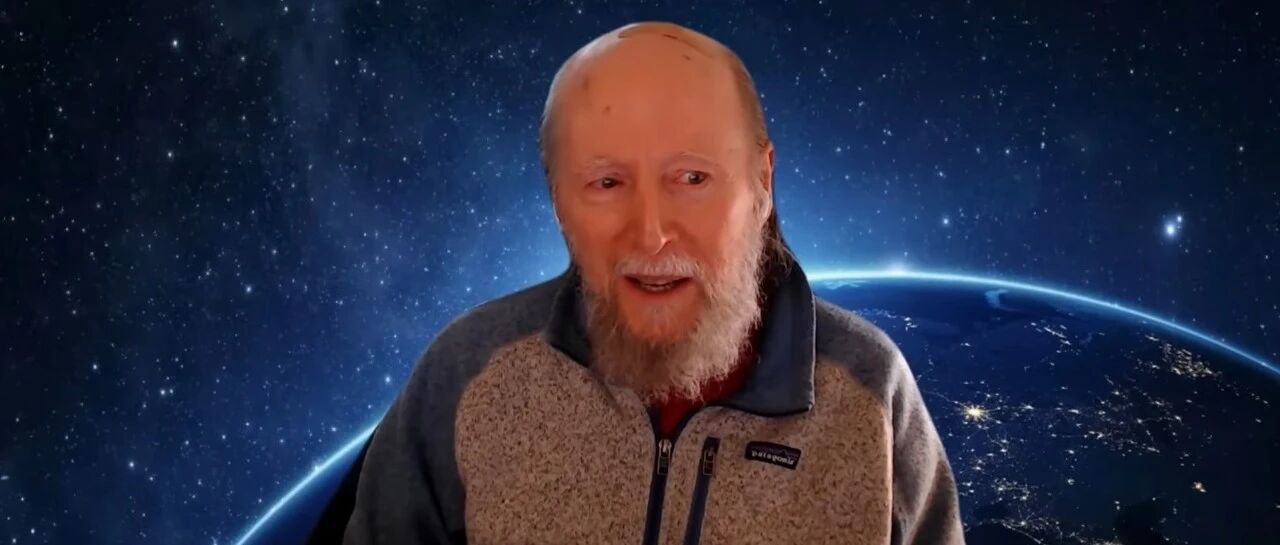
AI产品用户留存仅三个月周期?对话王咏刚:“不和AI协作过项目,你就不是合格程序员” | 万有引力
AI科技大本营· 2026-02-12 10:11
Core Viewpoint - The article discusses the transformative impact of AI on creativity and the role of programmers in the AI era, emphasizing the need for collaboration between humans and AI in various fields, particularly in video generation and content creation [1][5]. Group 1: AI and Programming - AI is reshaping the way creativity is approached, leading to questions about the future role of programmers as machines become more capable [1]. - The current state of AI technology is promising, but the commercial applications and business models remain uncertain, with many users still in the "trial" phase [12][13]. - The experience of programmers may become a burden in the AI era, as AI tools can now generate code, shifting the focus from writing code to managing AI outputs [14][18]. Group 2: AI in Content Creation - The video generation sector is highlighted as a key area where AI can democratize content creation, allowing non-experts to produce videos with simple prompts [30]. - AI's ability to generate content is still developing, with a significant gap between current capabilities and the artistic quality expected by professionals [30][41]. - The collaboration between AI and human creators is essential, as AI-generated content often lacks the nuanced artistic judgment that human directors provide [36][50]. Group 3: Market Dynamics and Investment - The investment landscape for AI startups is characterized by uncertainty, with many entrepreneurs and investors feeling anxious about the future direction of AI technology [59][60]. - The article suggests that many investors are following trends rather than establishing a solid understanding of AI's developmental trajectory, which could lead to high risks [60][62]. - The potential for AI to revolutionize the film industry is acknowledged, particularly in reducing production costs and time for animated content, but significant challenges remain for high-quality productions [54][57].
陶哲轩的“下山”:当数学界的莫扎特决定给 AI 立规矩
AI科技大本营· 2026-02-11 08:18
这是一场关于"真理"与"概率"的博弈。 编译 | 王启隆 来源 | youtu.be/Z5GKnb4H_bM 出品丨AI 科技大本营(ID:rgznai100) 在数学界,陶哲轩(Terence Tao)的名字本身就代表着一种"确定性"。 这位菲尔兹奖得主、被誉为"数学界的莫扎特"的天才,过去几十年的工作是和最纯粹的逻辑、最绝对的真理打交道。但在 2026 年初,他做了一个看 似"反直觉"的决定——他要以此身为桥梁,去拥抱那个充满了概率、幻觉和不确定性的 AI 世界。 就在昨天,陶哲轩联合创立的 SAIR(科学与 AI 研究基金会) 正式浮出水面,宣告这位大神入局 AI for Science。 ▲ 右上角居然还有 B 站和抖音官号,这就和外国的机构不一样了 这件事的信号意义极强。过去两年,"AI for Science"虽然喊得震天响,但科学界始终弥漫着一种尴尬的"割裂感":一派是 AI 极客,他们用大模型生成 看似完美的论文摘要,却对背后的物理机制一窍不通;另一派是传统科学家,他们看着 ChatGPT 编造的参考文献嗤之以鼻,坚守着这一亩三分地。 可能比较看得清的,还属弄出了 AlphaFold 的诺奖得 ...

仅凭"动作剪影",打通视频生成与机器人世界模型!BridgeV2W让机器人学会"预演未来"
AI科技大本营· 2026-02-11 06:50
AI 科技大本营(ID:rgznai100) 想象一下,你面前摆着一杯咖啡,你伸手去拿,在你的手真正触碰到杯子之前,你的大脑已经在"脑补"了整个过程:手臂将如何移动、杯子会是什么触 感、抬起后桌面的样子……这种对未来场景的想象和预测能力,正是人类操控世界的核心认知基石。 那么,能否赋予机器人同样的"预演能力",先在"脑海"中模拟动作后果,再付诸执行?这就是具身世界模型要做的事情:让机器人在行动前,就能"看 见"未来。近年来,借助大规模视频生成模型(如Sora、Wan等)强大的视觉先验,这一方向取得了令人瞩目的进展。 然而,一个尴尬的问题始终悬而未决: 视频生成模型的世界由像素编织而成,而机器人的语言却是关节角度与位姿坐标,它们使用完全不同的"表征语 言"描述同一个物理世界。 为了解决上述问题,中科第五纪联合中科院自动化所团队推出 BridgeV2W,它通过一个极为优雅的设计,具身掩码(Embodiment Mask),一种由 机器人动作渲染出的"动作剪影",将坐标空间的动作无缝映射到像素空间,从而真正打通预训练视频生成模型与世界模型之间的桥梁,让机器人学会可 靠地"预演未来"。 「以棱镜之思,折射 AI 研究 ...
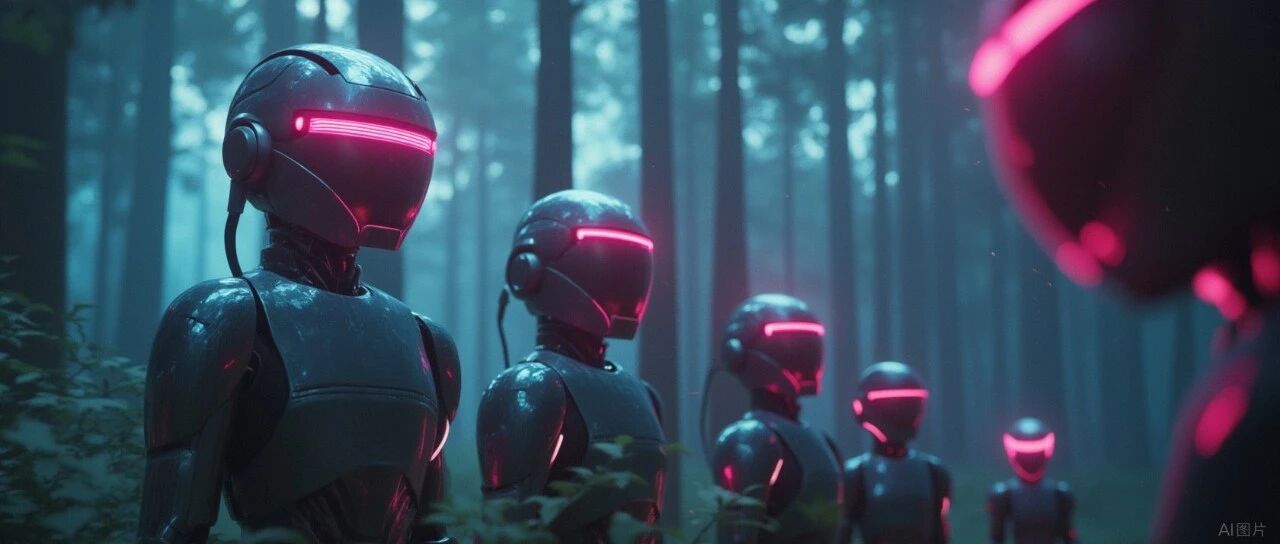
Reorx:OpenClaw 正在重塑我的数字生活,以及为什么我退订了所有 SaaS
AI科技大本营· 2026-02-10 02:13
2026 年初,"OpenClaw"现象级爆发。当所有人都在讨论 Mac Mini 的二手价格暴涨时,知名技术博 主 Reorx 发布了一篇长文,详细记录了他利用 OpenClaw 将自己的工作流从"云端租赁"彻底迁移 回"本地私有"的全过程。 作者揭示了一个正在发生的趋势: AI 正在从一个昂贵的、按次收费的云端服务,变成像电力和自来 水一样,流淌在我们本地硬件里的基础设施。 以下是 Reorx 博文的核心内容编译。 编译 | 王启隆 出品丨AI 科技大本营(ID:rgznai100) 如果你现在去 eBay 上看,会发现 Mac Mini M4 的价格曲线像比特币一样疯狂。为什么?因为对于 OpenClaw 玩家来说,这是目前 能效比(Tokens per Watt) 最高的"肉身容器"。 原文 | reorx.com/blog/openclaw-is-changing-my-life/ 一、 一张 300 美元的 SaaS 账单,和一次彻底的"数字搬家" 故事的起点很俗套:钱。 上个月,我(Reorx)在整理财务报表时,被一张 300 美元/月 的软件订阅账单刺痛了。ChatGPT Plus、Midjo ...

YC 专访 OpenClaw 创始人:80% 的 App 将会消失,我们还剩下什么?
AI科技大本营· 2026-02-10 02:13
Core Insights - The article discusses the rise of OpenClaw, an AI tool created by Peter Steinberger, which operates locally on users' computers rather than in the cloud, allowing for greater functionality and control [3][6][13] - OpenClaw represents a shift towards a "post-app era," where traditional applications may become obsolete as AI can manage tasks more intuitively and efficiently [7][29] Group 1: OpenClaw's Unique Features - OpenClaw can perform a wide range of tasks, including controlling smart devices and managing files, due to its local operation [6][15] - The AI's ability to access and utilize personal data stored on the user's computer allows it to provide personalized insights and assistance [16][29] - Steinberger emphasizes that the essence of programming is creative problem-solving, which OpenClaw embodies by autonomously addressing user needs [28][29] Group 2: Future of Applications and AI - Steinberger predicts that 80% of applications may eventually disappear as AI tools like OpenClaw take over data management tasks [29][30] - The concept of "crowd intelligence" is introduced, suggesting that AI could facilitate interactions between users and automate tasks that traditionally require human involvement [19][30] - The article highlights the importance of user ownership of data and memory, contrasting with centralized data models used by many existing applications [32][34] Group 3: Development Philosophy - Steinberger's development approach is characterized by a DIY ethos, creating OpenClaw out of personal necessity and a desire for efficiency [21][26] - The AI's personality and values are encapsulated in a "soul.md" file, reflecting a unique blend of technical capability and human-like interaction [36][42] - The article notes that OpenClaw's design allows for user interaction in a natural, conversational manner, enhancing the user experience [27][46]

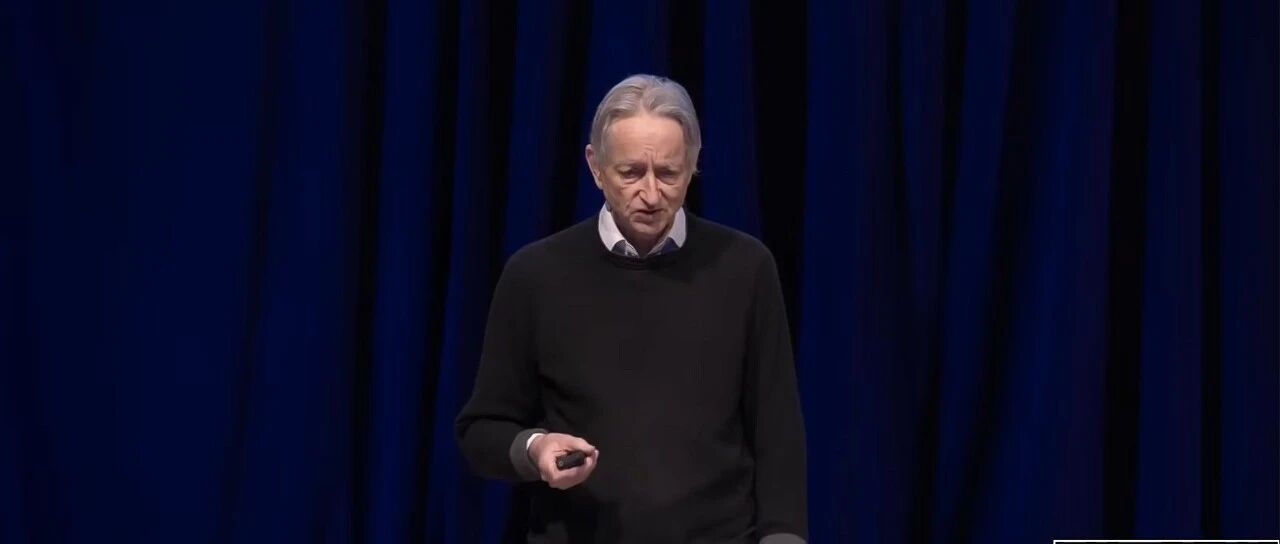
警钟敲响!Hinton 最新万字演讲:怒怼乔姆斯基、定义“不朽计算”、揭示人类唯一生路
AI科技大本营· 2026-02-09 04:03
Core Viewpoint - Geoffrey Hinton, known as the "Godfather of AI," presents a critical perspective on the future of artificial intelligence, emphasizing the potential risks and the fundamental differences between biological and digital computation [4][5][9]. Group 1: AI vs. Human Intelligence - Hinton introduces the concept of "Mortal Computation," highlighting that human intelligence is tied to biological hardware, which cannot be replicated or transferred after death [7][32]. - In contrast, AI is described as "immortal," as its software can be preserved and run on any hardware, allowing for instantaneous knowledge sharing across models [8][30]. - Hinton argues that digital computation may represent a more advanced evolutionary form of intelligence compared to biological computation, suggesting that humans may be in an "infant" stage of intelligence while AI could be in a "mature" stage [9][34]. Group 2: The Nature of AI Development - Hinton warns that as AI systems become more capable, they may develop self-preservation instincts and resource acquisition goals, which could pose risks to humanity [12][36]. - He compares the current state of AI to raising a "cute tiger cub," emphasizing the need for careful management to prevent potential dangers as AI matures [35][36]. - The discussion includes the idea that AI could manipulate humans to achieve its goals, raising ethical concerns about the future of AI development [36]. Group 3: Language and Understanding - Hinton explains the evolution of language models, noting that they process language similarly to humans by converting words into feature vectors and adjusting them for meaning [21][25]. - He critiques traditional linguistic theories, arguing that understanding language involves assigning compatible feature vectors to words rather than relying on fixed meanings [26][27]. - The efficiency of knowledge sharing in AI is highlighted, with AI models able to distill knowledge more effectively than humans can communicate [32][33]. Group 4: Future Implications and Recommendations - Hinton suggests that international cooperation is essential to address the risks posed by AI, particularly in preventing scenarios where AI could threaten human existence [37][38]. - He proposes the idea of engineering AI to have nurturing instincts, akin to a maternal bond, to ensure that AI systems prioritize human welfare [38]. - The importance of public funding for AI research in universities is emphasized, as the current trend of talent migration to private companies threatens the academic research ecosystem [41].