起点锂电

Search documents
百亿级锂盐订单落地!碳酸锂冲击12万元/吨
起点锂电· 2025-12-23 10:40
靴子落地, 盛新锂能与 中创新航合作持续推进! 12月19日, 盛新锂能发布公告称, 公司与中创新航就锂盐产品业务合作拟签署《2026—2030年合作框架协议》, 中创新航在2026年至 2030年期间向公司采购锂盐产品20万吨 ,具体年度采购量将在双方签订的子订单中进行约定。 据了解, 盛新锂能 主要业务为锂矿采选、基础锂盐和金属锂产品的生产与销售,2025半年报显示,公司 已建成 锂盐产能13.7万吨/年 (碳 酸锂、氢氧化锂、 氯化锂等 )和金属锂产能500吨/年。 在与中创新航的合作中, 若采购产品全部为碳酸锂,以当前11万元/吨价格计算,合作规模将达到220亿元; 若采购产品全部为 氢氧化锂, 以当前8.7万元/吨价格计算,合作金额也将达到170亿元以上。 可以作为对比的是,2024年 盛新锂能实现营收为45.8亿元,这一新订单规模大约是其 2024年全年营收的3.7-4.8倍,为期业绩奠定增长趋 势。 事实上,今年以来,动力及储能市场保持高速增长,尤其在储能端,海内外市场持续爆发,储能电池供不应求,为保证产品交付,动储电池企 业早已通过入股或长单合同进行中上游材料的锁定。 在此市场高增、中游抢单的 ...



逸飞激光:整线智能装备持续创新 赋能全极耳圆柱电池规模化制造
起点锂电· 2025-12-23 07:57
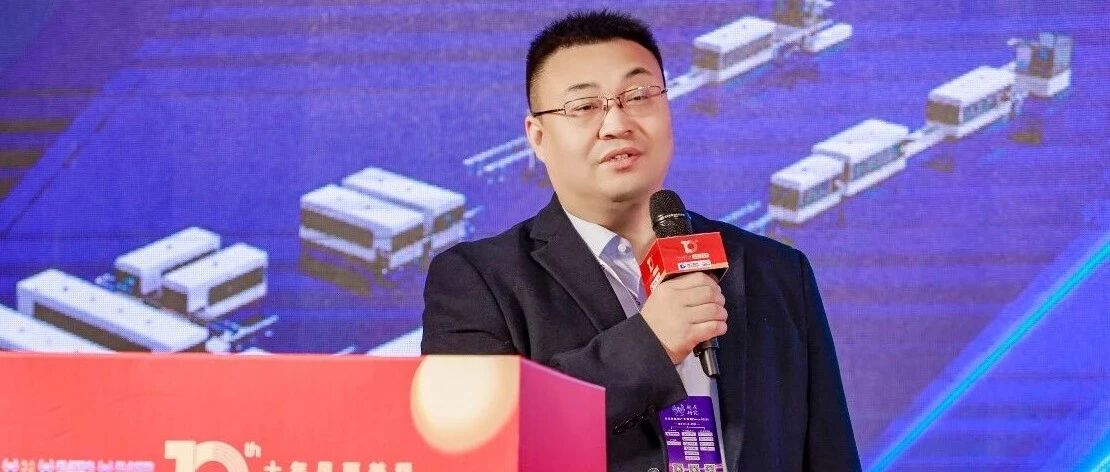
Core Viewpoint - The cylindrical battery market is experiencing rapid growth and has entered a phase of large-scale intelligent manufacturing, with Yifei Laser providing innovative solutions for packaging and module production, achieving a maximum single-line capacity of over 25 GWh [1][4]. Group 1: Market Trends and Innovations - The cylindrical battery has entered a stage of large-scale production, with applications expanding beyond traditional fields to include lightweight power, engineering machinery, electric ships, humanoid robots, and AIDC [4][5]. - The market has shifted from policy-driven to market-driven, which is beneficial for industry development and brings more vitality to the sector [4][5]. - Data indicates that cylindrical battery production is experiencing long-term stable growth after a period of technological uncertainty [4][5]. Group 2: Technological Advancements - Yifei Laser has been involved in the innovation and development of equipment and processes for cylindrical battery manufacturing since 2009, achieving key breakthroughs in processes such as ear formation and current collector welding [5][8]. - The company has accumulated over 400 patents and intellectual property rights in the cylindrical battery field, indicating a strong technological foundation [11][12]. Group 3: Product Solutions and Customization - Yifei Laser offers a range of solutions for cylindrical batteries, including various sizes and structures, and has developed products for both large and small cylindrical batteries [11][12]. - The company provides customized solutions based on client needs, including three main types of production lines: linear, flexible turret, and magnetic levitation, each suited for different production requirements [14][16]. Group 4: Efficiency and Sustainability - The new generation of production lines has achieved a 16% reduction in floor space and a 30% decrease in the number of personnel required for line inspection, enhancing operational efficiency [20][21]. - The company has implemented designs that reduce equipment size by up to 46% and overall energy consumption by 20%, supporting the transition to green factories and sustainable development [21][22]. Group 5: Research and Development Platform - Yifei Laser has established a collaborative innovation platform to support continuous innovation in technology, processes, and equipment, involving upstream suppliers and downstream customers [25][26]. - The company’s engineering technology research institute has invested in over 200 sets of equipment and has undertaken nearly 200 innovation projects, focusing on the development and testing of new products [25][26][29].
多氟多新能源:2025年全极耳大圆柱电芯出货超10GWh 引领行业发展!
起点锂电· 2025-12-23 03:11
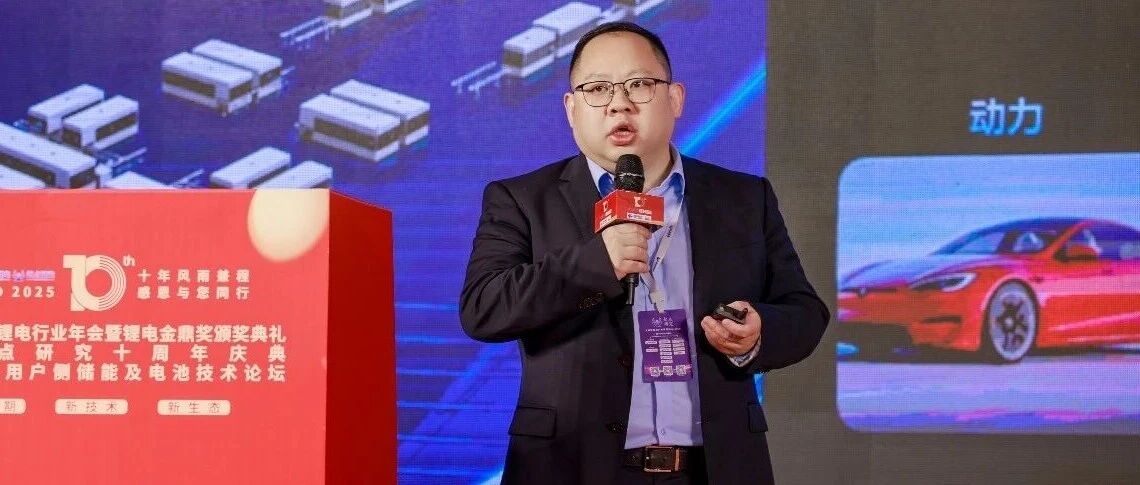
Core Viewpoint - The large cylindrical battery is positioned as a leading choice in the industry, showcasing significant advantages in safety and economic efficiency, with a projected shipment volume of 10 GWh by 2025 for the company, leading the market development [1][3]. Group 1: Technology and Market Trends - The evolution of large cylindrical batteries began with the 18450 model, advancing to the 21700, and the introduction of the 4680 full-tab battery by Tesla in 2020, culminating in a total shipment volume of 100 GWh, with lithium iron phosphate contributing 50 GWh [3]. - From 2020 to 2025, the shipment volume of lithium iron phosphate large cylindrical batteries is expected to grow from 0.5 GWh to 60 GWh, with an annual growth rate exceeding 400% [3]. - The company aims to enhance battery performance through technological integration, improving thermal stability, reducing manufacturing costs, and ensuring long life [3][5]. Group 2: Manufacturing and Cost Efficiency - The manufacturing process of large cylindrical batteries is optimized for reliability, with a focus on reducing risks associated with cutting and dust contamination, which can lead to short circuits [5]. - The cost of manufacturing cylindrical batteries is currently between 0.025 to 0.03 per GWh, making it the most cost-effective option in the industry [5]. - The company has achieved a production yield exceeding 98% over a six-month period, reflecting improvements in manufacturing efficiency [7]. Group 3: Application and Market Expansion - The large cylindrical batteries are versatile, suitable for various applications including passenger vehicles (EVs and PHEVs), with compatibility for 15 different vehicle models [9]. - The new national standards require batteries to last at least 10 years or 250,000 kilometers, with a minimum of 80% capacity retention after 3,000 cycles [10]. - The company is expanding its product offerings to include home storage and portable power solutions, with specific models designed for outdoor use [11]. Group 4: Future Market Outlook - The global market for large cylindrical batteries is projected to exceed 50 billion by 2025 and reach 200 billion by 2027 [16]. - The company operates with a strategic focus on developing new materials and orderly growth in lithium batteries, with production bases established both domestically and internationally [19]. - The company aims to become the number one provider of full-tab large cylindrical batteries in the market [21].

绵阳创明 总经理 田秀君:小动力小储能市场的新格局,定义大圆柱电池新标准
起点锂电· 2025-12-23 02:25
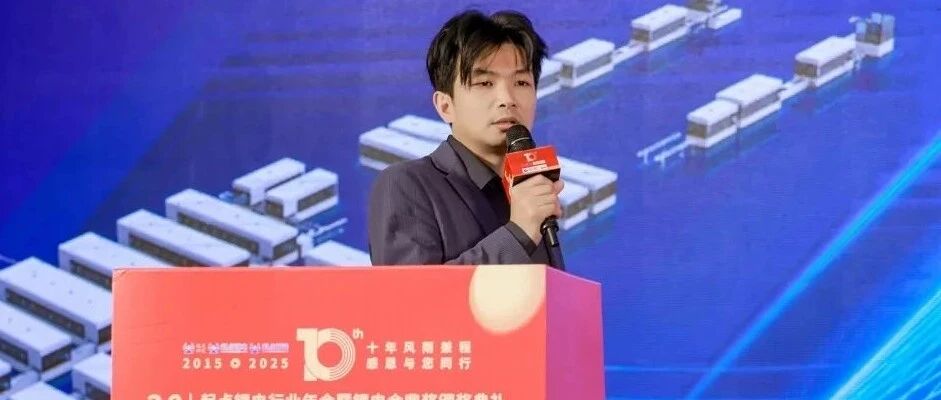
Market Outlook - The power battery market is dominated by three major players (C, B, L) holding 60% market share, with little expected change in the near future [3] - The small power market is projected to experience strong growth from 2024 to 2025, driven by national policy support and emerging industries such as low-altitude economy and smart robotics [3] - The energy storage market is also showing significant growth, with small energy storage expected to account for 20% to 30% of the total energy storage market, creating new demands for batteries [3] Industry Trends - The upgrade of small power and small energy storage industries will impose higher requirements on battery performance, particularly for long endurance in small power applications and higher voltage demands in home storage [4] - The market for small power and small energy storage remains diverse, allowing for technological competition rather than price competition [4] - The square battery format is gaining traction due to lower costs associated with larger sizes, while soft-pack batteries are becoming less favorable in small power and small energy storage markets [4] Battery Technology - The cylindrical battery format has five key advantages: high energy density, cost-effectiveness, strong structural integrity, flexibility in application, and better consistency compared to square and soft-pack batteries [5] - The company emphasizes the importance of precision and refined product design to enhance competitiveness, focusing on product positioning, design optimization, and quality control [8][10] Product Development - The company has defined several standard models for cylindrical batteries, aiming to meet diverse market needs with a focus on high capacity and low internal resistance [11] - The product lineup includes various series (32, 40, 46, 60) with capacities ranging from 15Ah to 50Ah, covering all application scenarios between 0 to 10 degrees of electricity [11] - The company is also exploring solid-state battery technology, utilizing layered oxides to enhance safety and performance, while acknowledging that pure solid-state solutions will take time to develop [11][12] Production Efficiency - The company is implementing full-chain optimization to improve cost-effectiveness, focusing on integrated design and automated production processes to enhance battery consistency and reduce quality costs [10][13] - Advanced automation and digitalization are being employed to ensure high production efficiency and stringent environmental control, minimizing contamination risks during battery manufacturing [13] Company Overview - The company, established in collaboration with the Chinese Academy of Sciences, has over 20 years of experience in cylindrical battery research and manufacturing, ranking among the top five in the new power and large cylindrical battery sectors [14] - The company operates three main business segments and four production bases, focusing on high-capacity products and small power/small energy storage solutions [14]
450亿动力电池大单告吹“背后”
起点锂电· 2025-12-22 09:39
Core Viewpoint - LG Energy Solution has received a termination notice from Ford regarding a battery supply order worth 9.6 trillion KRW (approximately 45.84 billion RMB), primarily due to changes in market conditions and electric vehicle demand forecasts [3][4]. Group 1: Order Termination Details - The terminated order was originally planned to start supplying in 2027 and is valued at approximately 54.5% of LG Energy Solution's total revenue for the first three quarters of this year, which is about 17.6 trillion KRW [3][4]. - The canceled order represents about 30% of LG Energy Solution's projected total revenue of 25.6 trillion KRW for 2024 [3][4]. - The contract termination affects a 75GWh order, while a separate 34GWh contract remains active [9]. Group 2: Ford's Strategic Adjustments - Ford announced a strategic shift, planning to write down approximately $19.5 billion in assets due to restructuring its electric vehicle business, which includes halting production of several electric vehicle models [10]. - The decision to cancel certain electric vehicle models is attributed to changes in U.S. policies, which have diminished the competitiveness of electric vehicles in the market [11][12]. - Ford's electric vehicle sales in November dropped by 42.6% year-on-year, reflecting a broader decline in the U.S. electric vehicle market [12][13]. Group 3: Focus on Energy Storage - Ford is reallocating investments from unprofitable electric vehicle projects to more lucrative areas, particularly energy storage [15]. - The company plans to invest approximately $2 billion over the next two years to expand its energy storage business, targeting a production capacity of 20GWh by 2027 [18]. - Ford aims to produce lithium iron phosphate batteries and energy storage systems, leveraging its existing manufacturing facilities [19]. Group 4: Industry Trends - Other automakers, such as Tesla and General Motors, are also expanding their energy storage offerings, indicating a shift in focus within the automotive industry towards energy solutions [20][21]. - The automotive sector is increasingly recognizing the importance of energy storage as a significant growth area, especially in light of rising electricity demands in the U.S. and Europe [22].


27GWh电池项目签约山东!
起点锂电· 2025-12-22 09:37
Core Viewpoint - The global energy storage market is experiencing explosive growth, with a significant increase in demand for energy storage projects expected by 2025, particularly in overseas markets such as the Middle East and Australia. Battery companies are facing rising order volumes, leading to an inevitable need for capacity expansion [2]. Group 1: Project Developments - On December 19, the government of Feicheng, Shandong Province, signed a cooperation agreement for a 27GWh battery production project with Pengcheng Infinite and Ruineng Power, involving a total investment of 5.5 billion yuan. The project will utilize advanced automated production lines to manufacture 500Ah+ large-capacity energy storage cells [3]. - The project aims to achieve an annual output value exceeding 8 billion yuan and will attract upstream and downstream battery materials and core component enterprises, forming a large-scale new energy industry cluster [3]. Group 2: Company Collaborations and Strategies - The project adopts a light asset model where Ruineng is responsible for factory construction and Pengcheng Infinite for leasing operations, jointly exploring the energy storage terminal market. Ruineng Power has extensive experience in energy storage system integration and operation, while Pengcheng Infinite focuses on new energy sectors and is the first domestic company with technology and service authorization from CATL [4]. - Pengcheng Infinite has developed various types of energy storage cells, including 280Ah, 314Ah, and 587Ah, with advantages such as long life, high safety, and efficiency, achieving a round-trip efficiency (RTE) of 94.9% and a cycle life of up to 12,000 times [5]. Group 3: Future Expansion Plans - In 2025, Pengcheng Infinite plans to expand its energy storage business significantly, having signed major cooperation agreements, including a strategic partnership with a subsidiary of CATL for an expected annual cooperation volume exceeding 500MW [6][7]. - The company has also signed agreements for a total of over 15GWh of energy storage equipment with multiple partners and is involved in large-scale projects, including a 2GWh shared energy storage demonstration project [8][10]. - To meet growing customer orders and the trend towards larger capacity energy storage cells, Pengcheng Infinite is expanding its production capacity with new generation large-capacity cell production lines and has initiated the construction of a 27GWh manufacturing base in Yibin, Sichuan, with an investment of approximately 4.5 billion yuan, expected to be operational by 2026 [10].

1.7亿!宁德时代、国联研究院等成立新公司
起点锂电· 2025-12-22 09:37
Group 1 - The establishment of Guolian Xincai (Beijing) Technology Co., Ltd. on December 16, with a registered capital of 172.29 million yuan [2] - The company operates in various fields including electronic materials R&D, manufacturing and sales of electronic equipment, new material technology R&D, battery sales, and recycling of used power batteries from new energy vehicles [2] - The company is jointly funded by four enterprises, with China United Automotive Power Battery Research Institute Co., Ltd. as the largest shareholder holding 35% [2] Group 2 - The company has a diverse business scope that includes resource recycling technology R&D and promotion services [2] - Other shareholders include Contemporary Amperex Technology Co., Ltd. with 34%, China General Research Institute for Nonferrous Metals with 21%, and Beijing Caixin Heying Technology Partnership (Limited Partnership) with 10% [2]

赣锋锂电增资至31.8亿
起点锂电· 2025-12-22 09:37
Group 1 - Jiangxi Ganfeng Lithium Battery Technology Co., Ltd. has recently increased its registered capital from approximately 2.51 billion RMB to about 3.18 billion RMB [2] - The company was established in June 2011 and is engaged in the research, production, and sales of lithium-ion power batteries, fuel cells, energy storage batteries, supercapacitors, battery management systems, and related equipment [2] - Shareholders of the company include Ganfeng Lithium, Hubei Xiaomi Changjiang Industrial Fund Partnership (Limited Partnership), and Hainan Jimu Venture Capital Co., Ltd. [2] Group 2 - A summary of recent lithium battery news includes the commencement of a 10GWh lithium battery R&D and manufacturing base phase II project [3] - XINWANDA plans to establish a complete production line for mobile energy storage vehicles [3] - Dafu Technology intends to sell 49% of its stake in Dasheng Graphite for 206 million RMB [3]

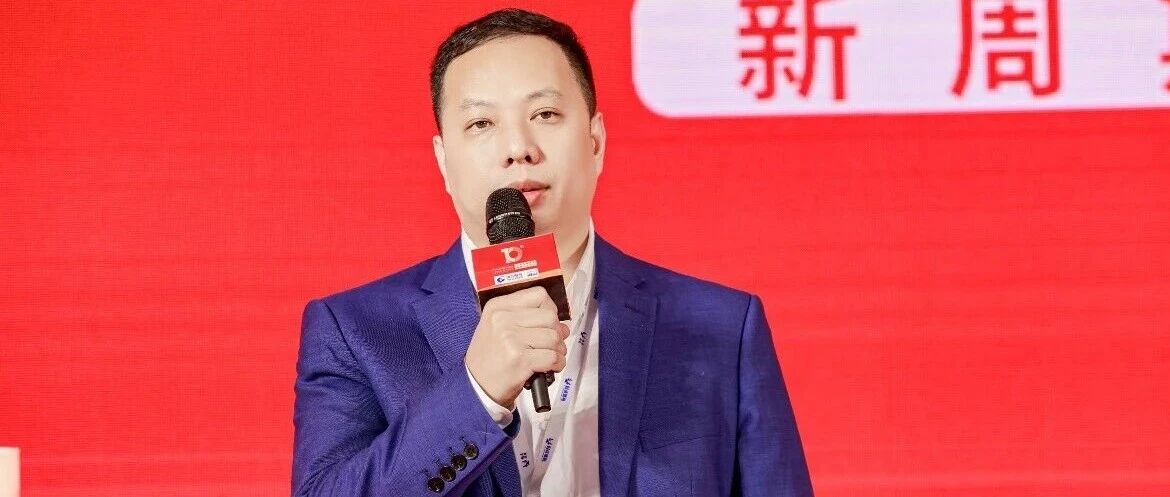
起点研究 董事长 李振强:新能源电池新周期新技术新生态新格局正加速形成!
起点锂电· 2025-12-22 09:37
Core Viewpoint - The Chinese new energy battery industry has experienced significant growth over the past decade, evolving from a market size of several billion to a trillion-dollar industry, with hundreds of listed companies now involved in the sector [2]. Group 1: Opportunities and Challenges - The penetration rate of new energy vehicles in China has surpassed 50%, with recent figures indicating around 60% for passenger cars, suggesting substantial growth potential, especially in commercial vehicles where penetration remains low [3]. - The global penetration rate of new energy vehicles is approximately 20%, indicating a potential for two to three times growth in the future [3]. - The energy storage market has seen explosive growth this year, with an increase of over 70% to 80%, and this trend is expected to continue, particularly in emerging storage markets such as AI storage and household storage [3]. Group 2: Industry Dynamics - The past two to three years have been challenging for the Chinese lithium battery industry, but the second half of this year shows a significant improvement, with leading manufacturers in both energy storage and automotive batteries operating at full capacity [4]. - Material suppliers are also experiencing high capacity utilization rates, exceeding 90% across various segments, indicating the end of the adjustment cycle and a positive outlook for growth in the next two to five years [5]. - However, rising raw material prices, with increases exceeding 50% and some materials over 200%, pose significant challenges for battery manufacturers in terms of supply chain management and cost control [5]. Group 3: Market Trends - The industry is shifting towards larger battery sizes and capacities, with a growing number of major players and increased competition, leading to rapid consolidation within the market [9]. - The new energy sector is undergoing a significant transformation, with the past decade laying the foundation for new technologies and products, including solid-state batteries and sodium batteries, which are expected to emerge as key innovations [9]. - The price of lithium carbonate has surged, with recent futures prices approaching 110,000, aligning with earlier predictions made when prices were around 50,000 to 60,000, based on cost dynamics and market growth expectations [9][10].
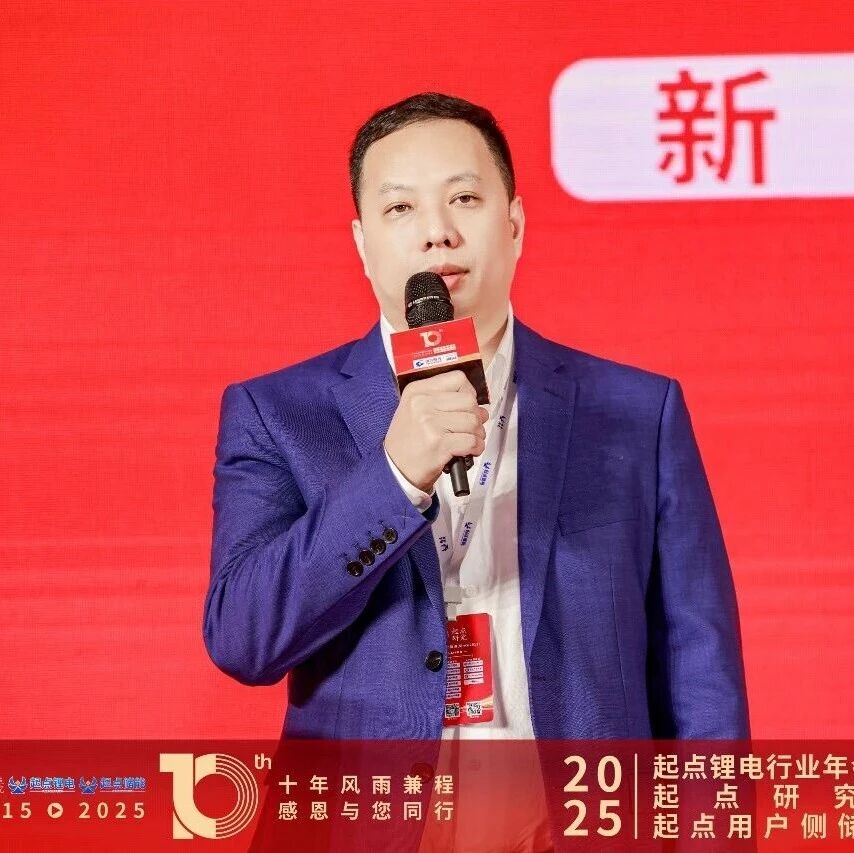
起点研究 董事长 李振强:新能源电池新周期新技术新生态新格局正加速形成!
起点锂电· 2025-12-22 09:33
Core Viewpoint - The Chinese lithium battery industry has experienced significant growth over the past decade, evolving from a market worth several billion to a trillion-yuan industry, with hundreds of related listed companies now existing [2]. Group 1: Opportunities and Challenges - The penetration rate of new energy vehicles in China has surpassed 50%, with recent figures suggesting it is around 60%, particularly in passenger vehicles. However, there remains substantial growth potential in commercial vehicles, especially heavy trucks, where penetration is still low [3]. - Globally, the penetration rate of new energy vehicles is approximately 20%, indicating a potential for two to three times growth in the future [3]. - The energy storage market has seen explosive growth this year, with an increase of over 70% to 80%, and this trend is expected to continue, particularly in emerging storage markets such as AI storage and household storage [3]. Group 2: Industry Dynamics - The past two to three years have been challenging for the lithium battery industry, but the second half of this year has shown a significant improvement, with leading manufacturers in both energy storage and automotive batteries operating at full capacity [4]. - Material utilization rates among the top ten material companies have exceeded 90% in various segments, indicating the end of the adjustment cycle and a positive outlook for growth in the next two to five years [5]. - However, rising raw material prices, with increases exceeding 50% for many components and over 200% for some, pose significant challenges for battery manufacturers in terms of supply chain management and cost control [5]. Group 3: Market Trends - The industry is shifting towards larger battery sizes and capacities, with a growing number of major players entering the market, leading to increased competition and consolidation [9]. - The industry is undergoing a significant transformation, with the past decade laying the foundation for new technologies and products to emerge in the next decade, including solid-state batteries and sodium batteries [9]. - The price of lithium carbonate has surged, with recent futures prices approaching 110,000, aligning with earlier predictions made when prices were around 50,000 to 60,000, based on cost dynamics and market growth expectations [9][10].