思宇MedTech

Search documents
167亿!迈瑞2025半年报出炉
思宇MedTech· 2025-08-28 04:09
Core Viewpoint - The company reported a significant decline in revenue and net profit for the first half of 2025, attributed to cyclical adjustments in the domestic market, but anticipates recovery in the latter half of the year [1][3][10]. Financial Performance - The company achieved operating revenue of 16.743 billion yuan, a decrease of 18.45% year-on-year [2] - Net profit attributable to shareholders was 5.069 billion yuan, down 32.96% compared to the previous year [2] - The net cash flow from operating activities fell by 53.83% to 3.922 billion yuan [2] - Basic earnings per share decreased by 33% to 4.184 yuan [2] - Total assets increased by 3.76% to 58.775 billion yuan, while net assets attributable to shareholders rose by 8.88% to 39.041 billion yuan [2] Domestic Market Challenges - The decline in domestic performance is primarily due to a delayed bidding cycle and the impact of policy changes in the medical device market [3] - The company expects the negative effects of the bidding delays to gradually diminish in the second half of 2025, with a potential recovery in domestic business [3][10] International Business Growth - International business grew by 5.39% year-on-year, now accounting for approximately 50% of total revenue [4] - The international in-vitro diagnostics segment showed double-digit growth, with the chemiluminescence product line exceeding 20% growth [4] - The company is expanding its market share in high-end medical devices globally, which helps offset domestic declines [4][7] Business Segment Performance - All three main business segments (in-vitro diagnostics, life information and support, and medical imaging) experienced year-on-year declines, but with notable structural differences [5] - In-vitro diagnostics revenue was 6.424 billion yuan, down 16.11% [6] - Life information and support revenue was 5.479 billion yuan, down 31.59% [6] - Medical imaging revenue was 3.312 billion yuan, down 22.51% [6] R&D Investment - The company maintained high R&D investment, totaling 1.77 billion yuan, which is 10.61% of revenue [8] - The focus on AI and automation in product development aims to enhance competitiveness in high-end markets [8] Market and Industry Context - The report reflects the cyclical adjustments in the medical device industry, with short-term pressures from policy changes and competition, but long-term growth prospects remain strong [9] - The company is well-positioned in international markets, particularly in developing countries and high-end segments in Europe and the U.S. [9] Conclusion - The company's performance in the first half of 2025 indicates a phase of adjustment rather than decline, with expectations for recovery driven by international growth and ongoing R&D efforts [13]



再启IPO!国产运动医学龙头转战港股
思宇MedTech· 2025-08-28 04:09
Core Viewpoint - Beijing Tianxing Medical Co., Ltd. is shifting its IPO strategy from the Sci-Tech Innovation Board to the Hong Kong Stock Exchange, reflecting broader industry trends and pressures in the domestic medical device market [2][10][12] Group 1: Company Overview - Tianxing Medical, established in 2017, focuses on comprehensive clinical solutions in sports medicine, covering various joint surgeries and extending into rehabilitation and prevention [3] - By 2024, Tianxing Medical has become the largest domestic sports medicine company in China, with 47 approved products, including 11 first-of-their-kind domestic products [4] Group 2: Financial Performance - From 2022 to 2024, the company's revenue grew from 147 million RMB to 327 million RMB, with a compound annual growth rate exceeding 40% [6] - Net profit increased from 40.34 million RMB in 2022 to 95.39 million RMB in 2024, indicating a doubling of profit scale [6] - The gross profit margin has remained high, with rates of 68.7%, 70.3%, and 71.7% from 2022 to 2024, further increasing to 73.7% in the first five months of 2025 [8] Group 3: Market Context - The sports medicine market in China was valued at approximately 6.09 billion RMB in 2023, projected to grow to 13.05 billion RMB by 2030, with a compound annual growth rate of about 11.5% [14] - The inclusion of high-value consumables in national procurement has led to an average price reduction of 74%, accelerating the domestic replacement process [14] Group 4: IPO Journey - Tianxing Medical's initial attempt to list on the Sci-Tech Innovation Board faced regulatory scrutiny, leading to a halt in the review process due to concerns over its "hard technology" attributes [11][12] - The decision to pursue a Hong Kong listing is part of a broader trend where companies seek more flexible capital markets that accommodate growth-oriented firms [13] Group 5: Strategic Implications - The shift to the Hong Kong market allows Tianxing Medical to tap into a more accommodating environment for innovative medical device companies, which is crucial for its international expansion strategy [16] - The company's rapid growth and market penetration reflect its strong position in the domestic sports medicine sector, but ongoing challenges from policy and competition remain [18]

营收下滑,出海增长,集采压力下的半年报|微创脑科学
思宇MedTech· 2025-08-27 16:10
Core Viewpoint - MicroPort NeuroScience Co., Ltd. is facing challenges in revenue and profit decline while maintaining positive profitability and shareholder dividends amidst a competitive landscape in the neuro-interventional medical device sector [2][5]. Financial Data Overview - For the first half of 2025, the company reported revenue of 383 million RMB, a decrease of approximately 6.2% from 408 million RMB in the same period last year [4][7]. - Gross profit was 281 million RMB, down about 4.7% year-on-year, while net profit fell by 33.8% to 92.73 million RMB from 140.08 million RMB [6][7]. - Earnings per share decreased to 0.16 RMB from 0.25 RMB in the previous year [6][7]. - Research and development expenses were reduced by 23.4% to 37.04 million RMB, indicating a strategic adjustment in response to revenue pressures [6][7]. - Cash and cash equivalents stood at 562 million RMB, down from 623 million RMB at the end of 2024, but still reflecting a relatively strong cash position [6][7]. - The board declared an interim dividend of 0.05 HKD per share, lower than the previous year's 0.08 HKD [6][7]. Business Performance - The company has supported over 250,000 neuro-interventional surgeries, benefiting more than 570,000 patients [8]. - The product lines include the NUMEN® series of coils, which continue to grow rapidly, while the Tubridge® stent has seen revenue decline due to price reductions from centralized procurement [13]. - New products like the NeuroHawk Medibox™ and WAVE-track™ have quickly entered clinical use, enhancing market penetration [13]. International Expansion - International business has shown strong growth, with overseas revenue reaching 47.1 million RMB, a year-on-year increase of 67.4% [14]. - The company has expanded its presence to 34 countries, including nine of the top ten countries for global neuro-interventional surgeries [14]. - Direct sales models have been established in South Korea and the UK, leading to significant volume increases [14]. Industry and Policy Context - China faces a significant stroke burden, with approximately 3.4 million new cases annually, representing a quarter of the global total [15]. - The centralized procurement policy implemented in May 2025 has created notable price pressures, but the National Healthcare Security Administration emphasized the importance of clinical value and quality [15]. - The acceleration of DRG/DIP reforms is expected to favorably impact the inclusion of clinically valuable treatment devices in insurance coverage [15]. Insights and Implications - The company is navigating a phase of simultaneous growth and pressure, adjusting strategies in response to domestic procurement challenges while expanding internationally [11][12]. - The product portfolio, including coils, drug-eluting stents, and thrombectomy devices, supports the company's competitive position [16]. - International expansion is anticipated to provide growth flexibility, particularly in emerging markets in Europe and Asia [16]. - The dual pressures of refined insurance payments and normalized procurement suggest that innovation and international expansion may become common strategies for Chinese neuro-interventional companies [16].
重启IPO!国产超声“小巨人”再闯关
思宇MedTech· 2025-08-27 02:18
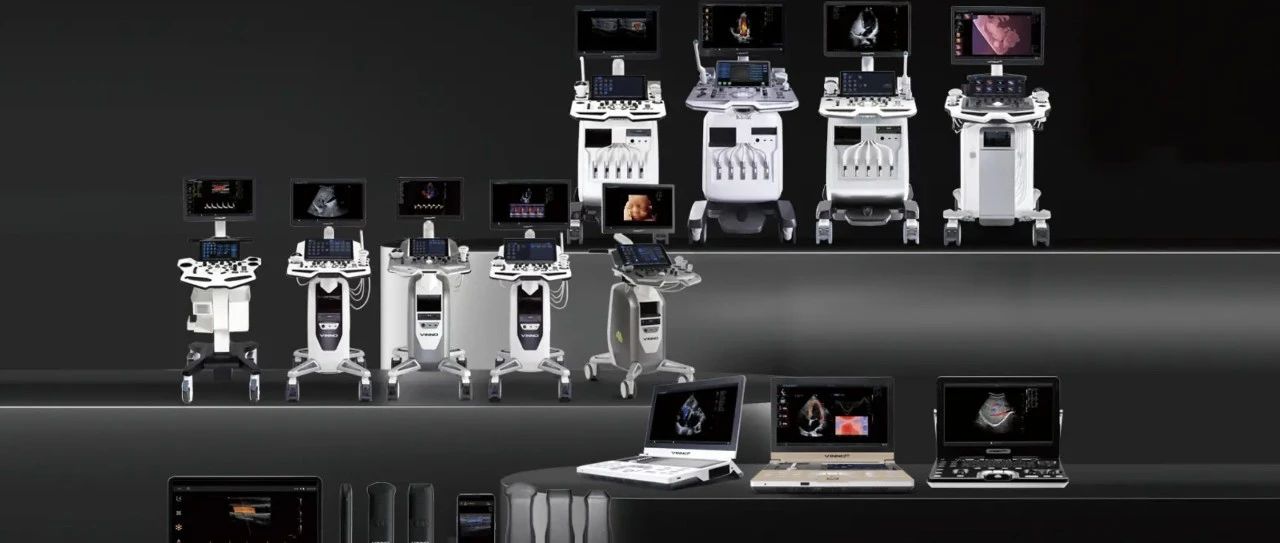
Group 1 - The core viewpoint of the article is that Feiyinuo Technology Co., Ltd. is making a renewed attempt to go public after previously withdrawing its IPO application, reflecting changes in the competitive landscape and capital logic of the domestic ultrasound industry [1][3][11] Group 2 - Feiyinuo signed a counseling agreement with Huatai United Securities on August 14, 2025, and had its listing application accepted by the Jiangsu Securities Regulatory Bureau on August 25, 2025, indicating a strategic shift in its approach to the capital market [3][4] - The company previously attempted an IPO in December 2022, aiming to raise 1.122 billion yuan for various developmental projects, but withdrew its application in June 2023 due to financial losses and external uncertainties [4][5] Group 3 - From 2019 to 2021, Feiyinuo's revenue grew from 270 million yuan to 440 million yuan, but it reported a net loss of 8.84 million yuan in the first half of 2022, which significantly impacted its IPO prospects [5][10] - The company's gross margin declined from 57.35% in 2019 to 51.02% in the first half of 2022, indicating a downward trend in profitability [5][10] Group 4 - Established in 2010, Feiyinuo focuses on the research, development, production, and sales of digital color ultrasound diagnostic equipment, with a product range that includes various clinical applications [6][7] - The company has developed a diverse product matrix and has established a presence in nearly 400 tertiary hospitals across China, with international sales accounting for over 60% of its revenue [9][11] Group 5 - Feiyinuo faces challenges such as profitability stability, competitive pressure, and ongoing litigation risks, particularly related to a lawsuit from General Electric regarding trade secrets [10][11] - The global ultrasound market is projected to reach $9 billion by 2027, with the Chinese market expected to grow to approximately 20 billion yuan by 2024, driven by domestic substitution and upgrades in grassroots medical equipment [11][12] Group 6 - The article emphasizes that Feiyinuo's IPO journey reflects broader trends in the domestic medical technology sector, where financial stability, compliance risks, and competitive positioning are critical for success [13][15] - The company must focus on maintaining profitability, resolving litigation issues, and differentiating itself in a competitive landscape dominated by larger players like Mindray and Akira Medical [15]
前雅培高管加盟GE,战略落子意味几何?
思宇MedTech· 2025-08-27 02:18
Core Viewpoint - The appointment of Ivan Martinez as Chief Strategy Officer at GE HealthCare signals a strategic shift towards enhancing the company's execution capabilities in mergers, collaborations, and digital transformation [2][12]. Group 1: Background of Ivan Martinez - Ivan Martinez has a diverse background, starting his career in consulting at PwC and Accenture, which provided him with strategic and business architecture skills [4]. - His nine years at McKinsey involved leading revenue growth and digital transformation projects in the healthcare sector, giving him a deep understanding of the industry's complexities [4]. - At Abbott, he held various strategic roles, gaining practical experience in mergers, acquisitions, and innovation, marking his transition from consultant to operator [5]. Group 2: Current Context of GE HealthCare - GE HealthCare has been independent for two years, focusing on establishing its strategic direction in AI and imaging while building an ecosystem through acquisitions [6]. - The acquisition of MIM Software in 2024 exemplifies GE's strategy to enhance its imaging capabilities by integrating algorithms and workflows, moving from hardware sales to comprehensive solutions [6][7]. - The company has ranked first in FDA AI authorizations for four consecutive years, indicating its strong technological foundation in digital healthcare and smart diagnostics [6]. Group 3: Expectations from Martinez's Appointment - The company may pursue more precise acquisitions, focusing on specific clinical pathways rather than broad targets, leveraging Martinez's experience in licensing and collaboration [8]. - Strategic communication is expected to become more scenario-based, emphasizing practical applications in clinical settings rather than broad platform statements [9]. - Cross-departmental collaboration is likely to improve, with Martinez potentially establishing a metrics system to track the commercialization of AI functions and workflow activation rates [10]. Group 4: Industry Context - GE HealthCare's strategic adjustments reflect a broader trend among major medical device companies like Siemens and Philips, which are also hiring executives with backgrounds in business development and digitalization to adapt to slowing hardware growth [11]. - The evolving landscape necessitates leaders who understand transactions, clinical scenarios, and digitalization, indicating a shift in the profile of executives in the medical device industry [11].


最新!2款创新器械获批上市!
思宇MedTech· 2025-08-26 07:26
Core Insights - The article highlights the approval of two innovative medical devices in China: the "Fully Automatic Cell Morphology Analyzer" by Shenzhen Mindray Bio-Medical Electronics Co., Ltd. and the "X-ray Computed Tomography Equipment" by Neusoft Medical Systems Co., Ltd. [1][2] Group 1: Product Overview - The Fully Automatic Cell Morphology Analyzer is designed for classifying and counting white blood cells and nucleated red blood cells from human peripheral blood samples, enhancing accuracy in identifying abnormal samples through advanced imaging and deep learning technologies [3]. - The X-ray Computed Tomography Equipment, NeuViz P10, is noted as China's first photon counting CT and the world's first 8cm wide photon counting CT, utilizing a novel detection method for improved resolution and lower radiation doses [9][11]. Group 2: Company Profiles - Mindray Medical, established in 1991 and headquartered in Shenzhen, is the largest medical device manufacturer in China, with a global presence in 31 countries and a strong focus on patient monitoring, in vitro diagnostics, and medical imaging systems [5]. - Neusoft Medical, founded in 1998, is a core medical imaging equipment company under Neusoft Group, providing a wide range of imaging solutions and services, and has products in over 110 countries [12]. Group 3: Financial Performance - In 2024, Mindray reported an annual revenue of 36.73 billion yuan, a year-on-year increase of 5.1%, with a net profit of 11.67 billion yuan, reflecting a growth of 0.7% [7]. - For the first quarter of 2025, Mindray's revenue was 8.24 billion yuan, showing a decline of 12% year-on-year, with a net profit of 2.63 billion yuan, down 16.7% [7].

5.7亿!创纪录融资背后:一场关于男性健康的新赌局
思宇MedTech· 2025-08-26 02:58
Core Viewpoint - ProVerum has successfully completed a $80 million Series B funding round to advance its ProVee system, a novel treatment option for benign prostatic hyperplasia (BPH) patients, positioned between medication and surgery [2][3]. Company and Team - ProVerum was founded by two researchers from Trinity College Dublin, Conor Harkin and Ríona Ní Ghriallais, who identified a gap in treatment options for BPH patients [4][5]. - The company has a small team of approximately 30 people, focusing on integrating material engineering, urology, and industry transformation to expedite product development [5]. Product and Technology - ProVee is a "reversible" prostate stent designed to alleviate symptoms of BPH, which significantly impacts patients' quality of life [6][10]. - The stent addresses a significant treatment gap between medication and surgery, providing a less invasive option for patients [6][24]. - ProVee's design avoids common issues associated with traditional metal stents, such as encrustation and irritation, and is adaptable to various anatomical structures [15][19]. Clinical Trials and Market Significance - The ProVIDE study, a multi-center, randomized, double-blind trial, included 221 BPH patients and demonstrated significant improvements in symptoms and safety [19][21]. - Results showed that patients receiving ProVee experienced a notable reduction in International Prostate Symptom Score (IPSS) and improved urinary flow rates without serious adverse events [21][24]. - ProVee aims to fill the "middle layer" treatment space, reducing the burden on patients and healthcare systems by offering a simple outpatient procedure [23][24]. Industry Observation - The global BPH patient population exceeds 94 million, with many not receiving effective treatment, highlighting a substantial market opportunity for ProVee [24][25]. - ProVee's unique features, such as reversibility and outpatient applicability, position it favorably against existing treatments like UroLift and Rezūm [25][27]. Conclusion - ProVerum's ProVee stent represents a potential breakthrough in BPH treatment, aiming to redefine patient experiences and fill a critical gap in the market between medication and surgical options [25][27].

数亿元!放疗技术完成Pre-A轮融资
思宇MedTech· 2025-08-26 02:58
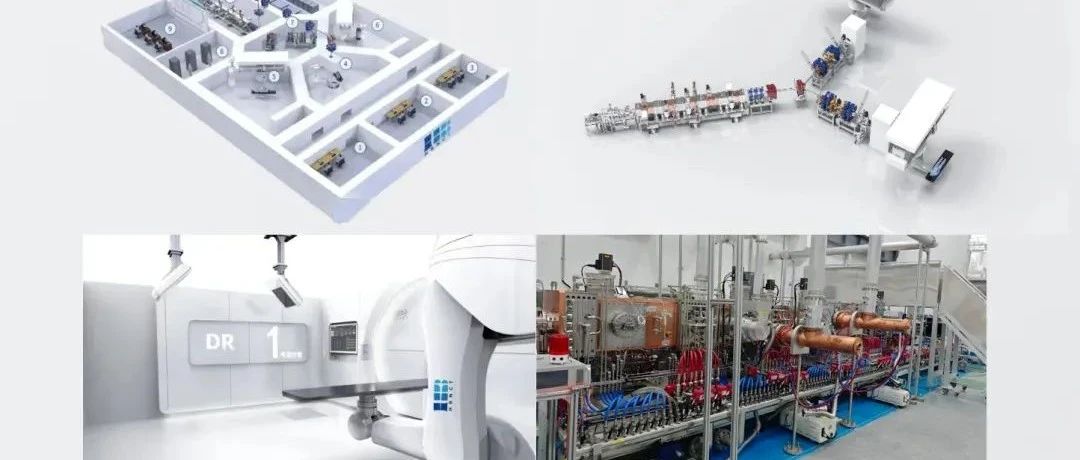
Core Viewpoint - Huaborn Neutron Technology Co., Ltd. has completed a multi-hundred million RMB Pre-A round financing, indicating strong market confidence in Boron Neutron Capture Therapy (BNCT) as a promising treatment method [2][11]. Company Overview - Established in 2023 and headquartered in Hangzhou, Zhejiang, Huaborn Neutron is a national high-tech enterprise focused on the research, production, and application of accelerator-driven BNCT technology [3]. - The company was founded by Wang Sheng, a renowned neutron scientist, and has assembled a team of experts across various disciplines including nuclear physics, software, control, mechanics, pharmacy, clinical medicine, and materials science [3]. Main Products and Technologies - Huaborn Neutron has developed the HyBorSys® BNCT full-process solution, which includes an accelerator neutron source system, boron drugs, and a treatment planning system (TPS), achieving a complete closed-loop for BNCT technology [4]. - The BNCT equipment utilizes a high-current proton RFQ accelerator and long-life solid lithium target technology, ensuring high power stability and a target lifespan that is globally leading (>1500 mA·h) [6]. - The company has established a research and development system for boron drug synthesis, significantly improving product quality and reducing production costs [7]. - The domestically developed TPS can model based on multi-modal imaging data from patients, simulating dose distribution using Monte Carlo particle transport programs for precise prediction and individualized treatment planning [9]. Current Status and Future Prospects - The HyBorSys® demonstration device has completed medical device registration inspection, and the boron drug is about to enter the IND application stage [10]. - BNCT is recognized as a significant breakthrough in the field of radiotherapy, gradually moving towards clinical application, with Huaborn Neutron achieving independent breakthroughs in devices, drugs, and software within two years [11]. - The recent financing round, attracting several hundred million RMB, reflects the capital market's high recognition of BNCT as a cutting-edge therapy [11].
顶尖医院的前瞻性押注:HIT之后,下一个重点是质子治疗?
思宇MedTech· 2025-08-25 04:08
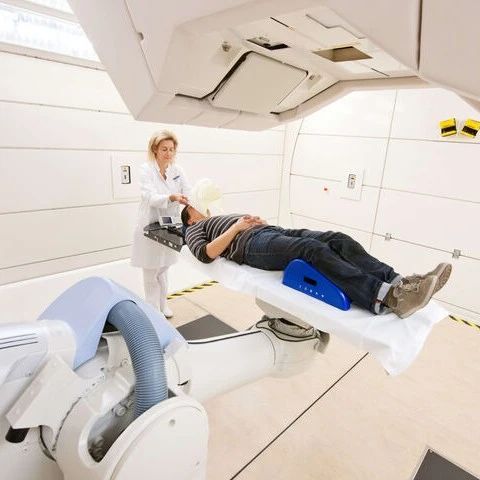
Core Viewpoint - Heidelberg University Hospital (UKHD) is making a strategic investment in the IBA Proteus® ONE compact proton therapy system, expected to be operational by mid-2030, reflecting a long-term vision for enhancing treatment capabilities and patient care [2][5][25]. Financial Model and Decision Logic - UKHD views the proton therapy system as a long-term asset rather than a short-term cash flow generator, anticipating returns from direct medical service income, research funding, and enhanced brand competitiveness [5][8][20]. - The hospital has demonstrated that high-investment equipment can achieve cost recovery through accumulated patient volume and interdisciplinary collaboration over time [4][6]. - The decision to invest now for future capabilities is based on a comprehensive financial model that considers long-term patient growth, insurance policy trends, and research output potential [11][12][23]. Patient Demographics and Clinical Needs - The increasing incidence of cancer, particularly in sensitive areas like head and neck tumors, highlights a growing demand for advanced treatment options such as proton therapy [12][13]. - Pediatric patients, who are particularly vulnerable to radiation side effects, benefit significantly from proton therapy, driving further investment in this area [13][14]. - UKHD's collaboration with research institutions enhances its ability to attract funding and conduct cutting-edge clinical trials, reinforcing its position in the market [15][16]. Management Approach and Investment Decisions - UKHD employs a structured governance framework that includes strategic analysis, medical controlling, and financial management to ensure thorough evaluation of major investments [17][18]. - The hospital's financial model typically spans 10-15 years, allowing for a long-term perspective on investments in medical technology [19][20]. - Regional integration and collaboration with other hospitals enhance UKHD's capacity to manage large investments and improve equipment utilization [21][24]. Summary Insights for Hospital Managers - The case of UKHD illustrates the importance of long-term vision in major equipment investments, emphasizing the need to evaluate potential returns over a decade or more rather than focusing solely on short-term financial outcomes [25][26]. - The strategic foresight demonstrated by UKHD serves as a reminder for healthcare institutions to align their investments with future patient needs and market trends [27][29].
5.8亿收购!AI医疗巨头加码肿瘤大模型
思宇MedTech· 2025-08-25 04:08
Core Viewpoint - The acquisition of Paige by Tempus AI for approximately $81.25 million is a strategic move that significantly enhances Tempus's capabilities in the AI medical field, particularly in oncology, by integrating Paige's extensive pathology data and FDA-approved applications into Tempus's existing multi-modal model strategy [2][11]. Group 1: Paige's Unique Assets - Paige has accumulated nearly 7 million digital pathology slides and corresponding clinical data, making it a leader in pathology AI with exclusive data resources [3][5]. - The company has developed one of the world's first foundational pathology models based on 2.3 million whole slides and has partnered with Microsoft to create PRISM2, which connects pathology images with language models [5]. - Paige's AI tools have received FDA 510(k) approval and breakthrough device designation, allowing them to integrate into clinical workflows effectively [5][10]. Group 2: Tempus's Ambitions - Tempus has built a vast multi-modal database, including genomic testing results and real-world clinical data from over 5 million patients, as well as imaging resources [6][8]. - The company aims to create a comprehensive multi-modal foundational model that covers the entire cancer diagnosis and treatment chain, with a recent $200 million collaboration with AstraZeneca and Pathos AI to achieve this goal [8][10]. Group 3: Industry Observations - The acquisition signals a shift in the AI medical landscape towards resource integration, where data and compliance are becoming more critical than algorithm performance [11][12]. - The combination of Paige's pathology data and Tempus's molecular and clinical data creates a complete tumor database, establishing a "data loop" that will be difficult for competitors to replicate [12][13]. - The case highlights the challenges faced by domestic companies in the AI medical field, emphasizing the need for long-term data accumulation, clinical integration, and compliance to achieve commercial value [14][15].