思宇MedTech

Search documents
数百万融资!数智化睡眠平台企业完成天使轮
思宇MedTech· 2026-01-07 03:52
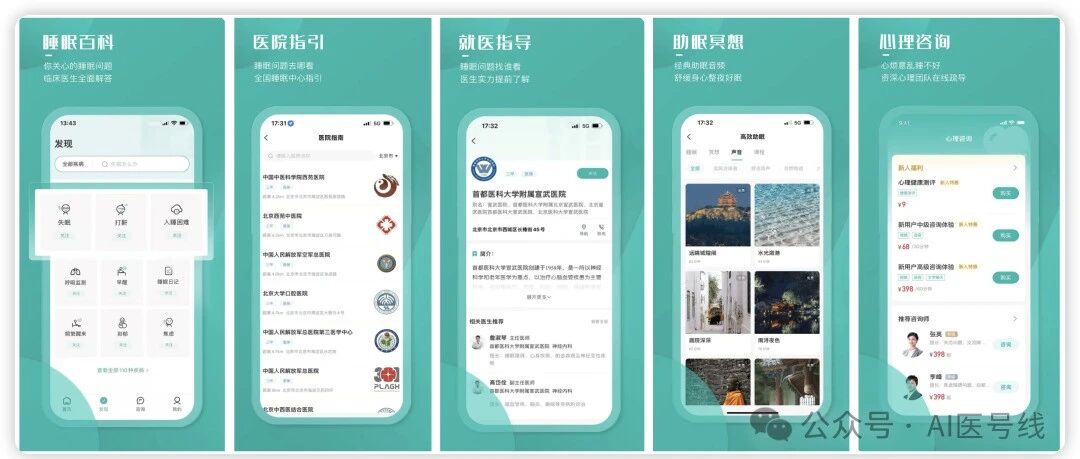
Core Viewpoint - Beijing Xiaozhu Sleep Technology Co., Ltd. has completed a multi-million RMB angel round financing, which will be used for upgrading professional service systems, team expansion, and market development to strengthen its comprehensive service capabilities in the field of sleep medicine digitization [2] Market Background - The demand for sleep health is rising, becoming a public health issue due to the "Healthy China" strategy, accelerated life pace, aging population, and the overlap of chronic diseases and mental health issues. The global market for sleep disorders is projected to reach approximately $28 billion by 2025, with a compound annual growth rate of 7%-10% over the next decade [3] - Sleep medicine is transitioning from a marginal specialty focused on detection and single-point treatment to a more systematic approach emphasizing long-term management and service collaboration [3] Industry Trends - The focus of sleep medicine centers is shifting from merely having detection capabilities to integrating diagnostic processes, long-term patient management, and coordination of services both within and outside medical institutions. Enhancing patient compliance and optimizing follow-up efficiency are common challenges faced by medical institutions in sleep specialty construction [6] - The sleep economy in China is still in an expansion phase, covering various aspects such as medical diagnosis, monitoring equipment, and health management. Digital and intelligent solutions for medical institutions are becoming essential tools to improve the efficiency and quality of sleep specialty services, providing new entry points for related companies [6] Company Overview - Founded in 2022, Xiaozhu Sleep focuses on providing solutions for the digitization of sleep medicine. The company serves sleep medicine centers and specialty departments, offering a digital platform and supporting solutions that cover business management, data integration, and decision-making assistance [7] - Unlike single software or hardware suppliers, Xiaozhu Sleep emphasizes a combination of "technology + professional services." The company has developed multiple quickly deployable digital solutions tailored to clinical workflows to support daily diagnosis, monitoring, and management [7] Collaboration and Expansion - Xiaozhu Sleep is expanding its industry partnerships, collaborating with various companies in the sleep and health sectors to integrate software systems, hardware devices, and AI capabilities, aiming to build a collaborative service system covering key aspects of diagnosis, monitoring, and management. This model helps reduce integration costs for medical institutions in sleep specialty construction and enhances the efficiency of solution implementation [9] Implementation and Growth - Through deep cooperation with medical institutions, Xiaozhu Sleep has successfully established a path from technology implementation to actual use, having served 150 hospitals across multiple provinces and cities in China, achieving replication in different levels of medical institutions [10] - The recent angel round financing will allow Xiaozhu Sleep to focus on strengthening service system capabilities, team expansion, and market development, further enhancing its delivery and support capabilities in the field of sleep medicine digitization [10] Observations - The complexity of sleep medicine lies not only in the diseases themselves but also in the reliance on long-term monitoring, cross-scenario management, and multidisciplinary collaboration. This makes single-point tools or devices often inadequate in addressing systemic issues in sleep specialty construction [11] - Xiaozhu Sleep's chosen path centers on medical scenarios, advancing through a combination of digital platforms and professional services. The key to its future development lies not only in the growth of customer numbers but also in the sustained and stable operation of its solutions across different types of medical institutions, reflecting long-term value in real diagnostic processes [11]

20亿!国产脑机接口独角兽拿下全球第二大单笔融资
思宇MedTech· 2026-01-07 03:52
Core Viewpoint - The article highlights the significant financing of approximately 2 billion RMB by Strong Brain Technology, marking it as the second-largest disclosed financing in the global brain-computer interface (BCI) sector after Neuralink, drawing attention from both capital markets and the industry [2][3]. Financing Overview - Strong Brain Technology completed a financing round of about 2 billion RMB on January 6, 2026, with a diverse investor base including financial investors, industrial capital, and strategic investors such as IDG, Huaden International, and Lens Technology [2][14]. - This financing round reflects a continued interest in Strong Brain Technology's existing technology routes and product advancements, indicating confidence in the company's future [3][15]. - The company has a history of securing substantial capital, having previously completed multiple financing rounds, including a 20 million USD B round in 2025 and a 30 million USD Pre-B round [13][14]. Company and Product Development - Founded in February 2015, Strong Brain Technology has evolved into a key player in the BCI field, focusing on non-invasive BCI technology [7][9]. - The company has developed high-precision EEG signal acquisition and analysis technologies, achieving mass production of solid gel electrode materials in 2017, which improved the stability and accuracy of EEG signal collection [9]. - Strong Brain Technology has launched several BCI-related products, including smart bionic hands and legs, and a brain-machine intelligent sleep aid, with some products receiving FDA and CE certifications for international market entry [11][12]. Clinical and Market Progress - Strong Brain Technology's smart bionic hand is the first BCI product in China to receive FDA approval, allowing it to enter over 30 countries and regions by 2025 [12]. - The company holds over 200 core patents in the BCI field, with approximately 60% being invention patents, positioning it favorably in the domestic patent landscape [12]. Policy and Industry Support - The Chinese government has issued implementation opinions to promote innovation and development in the BCI industry, aiming for breakthroughs in key technologies by 2027 and establishing a robust industrial ecosystem by 2030 [16][17]. - Local governments, including Beijing and Shanghai, have introduced action plans to accelerate the application of BCI technologies across various sectors by 2030 [18][19]. Standardization and Ecosystem Development - The National Medical Products Administration released the first industry standard for BCI medical devices, effective January 1, 2026, to unify terminology and support regulatory and industrial collaboration [22]. - Various regions are also advancing infrastructure development to support BCI product research and application [23].

落子济南!迈瑞成立全资子公司
思宇MedTech· 2026-01-06 08:28
Core Viewpoint - The establishment of Jinan Mindray Technology Co., Ltd. is a strategic move to enhance Mindray's regional operational capabilities and align with the growing focus on precision medicine and high-end medical equipment in Jinan [2][6][7]. Group 1: Company Structure and Strategy - Mindray Medical has established a wholly-owned subsidiary, Jinan Mindray Technology Co., Ltd., with a registered capital of 20 million yuan, located in the Jinan Precision Medicine Industrial Park [2]. - The subsidiary's business scope includes technical services, manufacturing of instruments and meters, and production and sales of Class I medical devices, along with relevant licenses for Class II and III medical devices [2]. - Jinan Mindray Technology is positioned as a comprehensive regional node within Mindray's global operational framework, contributing to manufacturing, technical services, and import-export activities [5][6]. Group 2: External Environment and Collaboration - Jinan has been actively promoting industrial clustering around precision medicine and high-end medical equipment, creating a favorable policy and resource environment for companies like Mindray [6]. - A strategic cooperation framework agreement was signed between the Jinan municipal government and Mindray Medical in September 2025, focusing on medical industry collaboration and precision medicine development [6]. Group 3: Implications for Future Operations - The establishment of Jinan Mindray Technology does not indicate a clear business shift but reflects Mindray's ongoing efforts to enhance regional nodes within its existing framework [7]. - As leading medical device companies transition from "single product competition" to "systematic operations," the foundational layout of Jinan Mindray Technology is expected to improve collaborative efficiency and execution capabilities in the future [8].


最新并购!医械巨头切入左心耳封堵赛道
思宇MedTech· 2026-01-06 08:28
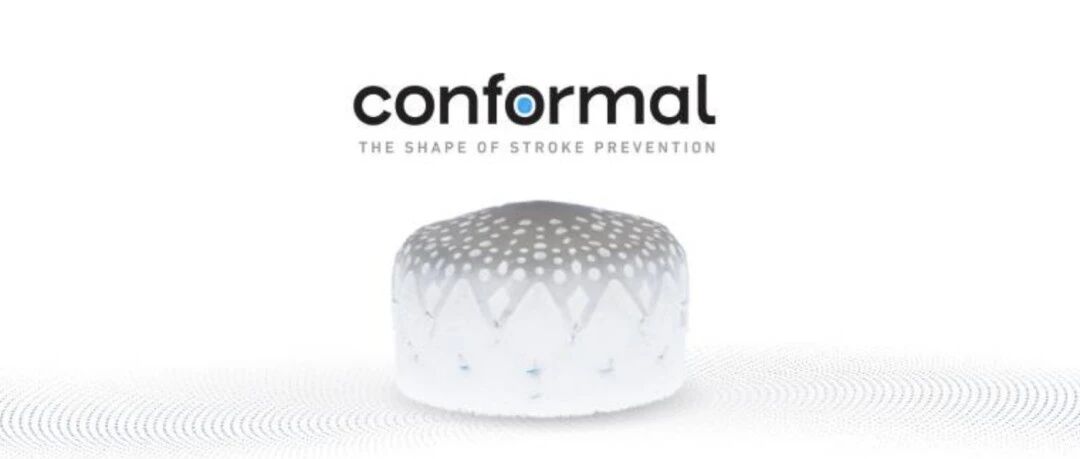
Core Viewpoint - W. L. Gore & Associates has announced the acquisition of Conformal Medical, which is focused on the development of the CLAAS® AcuFORM™ left atrial appendage occlusion (LAAO) system, marking a significant expansion into the structural heart intervention field [2][10]. Clinical Demand: Long-term Challenges in Atrial Fibrillation and Stroke Prevention - LAAO is an intervention aimed at non-valvular atrial fibrillation (AFib) patients to reduce the risk of stroke caused by thrombus formation in the left atrial appendage, potentially replacing long-term oral anticoagulant therapy [3]. - The number of AFib patients in the U.S. is expected to exceed 12 million by 2030, with many facing high bleeding risks from anticoagulants, leading to increased interest in one-time intervention solutions [3]. Product Introduction: CLAAS AcuFORM Design Concept - The CLAAS® AcuFORM™ system is currently in clinical research and aims to occlude the left atrial appendage to reduce thrombus formation risk [4]. - It features a nitinol inner framework combined with a proprietary foam matrix structure, designed to accommodate a wide range of left atrial appendage anatomies with only two product specifications [5]. Clinical Progress: From Early Applications to Key Studies - Conformal Medical has secured funding to support the development and clinical trials of the CLAAS AcuFORM system, including a $32 million expansion in Series D funding aimed at patient enrollment for the CONFORM pivotal clinical trial [6]. - The CONFORM study will evaluate the safety and efficacy of the CLAAS AcuFORM system and compare it with commercially available LAAO devices, providing essential clinical evidence for future FDA submissions [6]. Gore's Accumulation in Cardiovascular and Material Science - W. L. Gore & Associates has over 50 years of experience in the cardiovascular and surgical solutions sector, with more than 50 million products implanted [8]. - The acquisition of Conformal Medical is seen as a strategic move to enhance Gore's existing vascular and cardiac product offerings [8]. Conformal Medical's Technical Positioning - Conformal Medical focuses on developing devices for stroke prevention, aiming to simplify the LAAO procedure and reduce reliance on anesthesia and imaging resources [9]. - The collaboration with Gore is expected to accelerate Conformal's product development and regulatory processes [9]. Conclusion: Observations on the Technology and Pathways Behind the Acquisition - Gore's acquisition of Conformal Medical reflects a common strategy among large medical technology firms to supplement innovation pipelines and enter adjacent market segments [10]. - The LAAO technology is evolving from "clinically feasible" to "simplified processes and scalable applications," with ongoing clinical research and regulatory progress expected to validate its effectiveness [10].
最新!7款医疗器械进入创新通道
思宇MedTech· 2026-01-06 08:28
Core Viewpoint - The article highlights the recent approval of seven innovative medical devices by the National Medical Products Administration, indicating a growing focus on medical technology innovation in China [1]. Group 1: Company Profiles - Zhihui Heart Medical Technology Co., Ltd., a subsidiary of Peijia Medical Group, focuses on the development and production of shock wave therapy systems for complex vascular diseases, with a total investment of 450 million yuan and projected annual revenue of 500 million yuan upon completion [3]. - General Electric Medical Systems (Tianjin) Co., Ltd. is a major MRI production base for GE globally, with plans to invest 500 million yuan in a research center over the next five years, enhancing its capabilities in superconducting magnets and high-field MRI technology [6]. - Shandong Weigao Orthopedic Materials Co., Ltd. specializes in orthopedic medical devices and has a comprehensive product line, being one of the leading companies in the domestic orthopedic industry [7]. - Henan Randshitan Gene Technology Co., Ltd. focuses on gene diagnosis and treatment technology, with a recent patent application for a kit that detects drug metabolism genes [8]. - Shanghai Huanqing Medical Technology Co., Ltd. is developing an innovative ventricular assist device for acute heart failure treatment, with plans for clinical trials following successful animal testing [9]. - Suzhou Hechun Medical Technology Co., Ltd. specializes in chronic disease management devices, including an innovative insulin pump and a closed-loop artificial pancreas system [10]. - Yuanxin Technology (Shenzhen) Co., Ltd. is the only company developing iron-based absorbable vascular stents, with significant funding rounds and clinical approvals in multiple regions [11]. Group 2: Product Approvals - Seven innovative medical devices have been approved for special review, reflecting the regulatory support for advancements in medical technology [1]. - The devices include a shock wave valve treatment system, MRI systems, and various orthopedic and gene testing products, showcasing a diverse range of applications in the medical field [4][8][10].
活动报名!医疗器械IPO招股书解读、上市前后传播合规实践
思宇MedTech· 2026-01-05 04:38
Core Viewpoint - The article emphasizes the importance of the IPO stage for medical device companies, highlighting that these companies often feel hesitant to communicate during this critical period [2]. Summary by Sections IPO Documentation and Communication - The article discusses the contents of the prospectus and the information that can be interpreted and utilized, as well as the communication limitations for companies before and after going public [3]. - It raises questions about the roles of marketing and branding departments during this phase, indicating a lack of systematic guidance and reliance on experiences from investment banks and listing teams [3]. Event Information - An organized event for a small group of participants is scheduled for January 15, 2026, in Shanghai, focusing on IPO-related discussions for medical device companies [4]. - The event is free but requires registration, which will be reviewed [4]. Agenda and Participants - The agenda includes self-introductions, a presentation by a guest speaker, and open discussions, targeting market/brand leaders from companies planning or undergoing IPOs, as well as management and strategic personnel [6]. - The guest speaker will cover three main topics: the readability of medical device prospectuses, compliance boundaries for communication before and after IPO, and executable promotional strategies for companies [7]. Key Topics of Discussion - The article outlines the basic structure and key modules of a prospectus, what different roles (marketing, investment, partners) typically focus on, and the distinction between factual statements and potentially misused content [7]. - It also addresses what can be communicated and what should be avoided, along with common pitfalls in promotional activities [7]. - The differences in risks before and after the IPO stage are highlighted, along with recommendations for effective communication strategies during the IPO process [7].

数千万融资!国产心腔内超声企业完成A轮
思宇MedTech· 2026-01-05 04:38
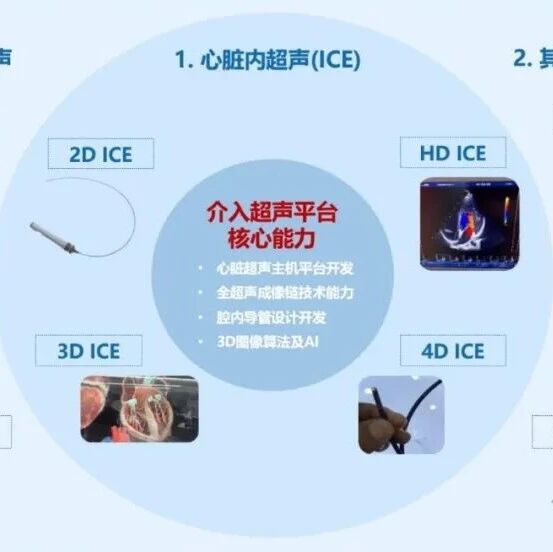
近日, 冰晶智能宣布完成数千万人民币 A 轮融资 。本轮投资方为 江夏科投 、 盛科智造 , 天超资本 、 大桉资本 (DAION CAPITAL)担任本轮财务顾问。公司表示,本轮融资资金将主要用于生产基地建设、运营投入及流动资金补充。 # ICE 市场前景及概况 心腔内超声( ICE )是一种 将相控阵超声成像和心脏导管术进行融合的经皮血管介入超声影像技术 。 ICE 具有 实时超声成像 、 不受成像窗限制 以及 良好耐受性 等优点。在手术实施过程中只需局部麻醉,调弯操作灵活,超 声影像全程可视,帮助临床医生获取心腔内的解剖结构,实时监测术中并发症,并进行多普勒血流评估。 近年来,随着结构性心脏病和心律失常疾病介入诊疗技术的快速发展,对术中影像的要求越来越高,随着 ICE 技术的适用范 围越来越广, ICE 导管逐渐成为心脏介入医生的 " 黄金眼 " 。 产品采用了业 内 首创的新一代声能转换系统 ,可有效提升信号采集、传输效率及图像清晰度;同时,HD-ICE系统采用了 国产首创的高清心脏图像专用处理系统 ,运用业内最新的算法技术,有更快的成像速度,从而可以满足更多的临床需求。 ▲公司相关产品线 在临床层面 ...
中国创新医疗器械榜:75款【2025年度盘点】
思宇MedTech· 2026-01-05 04:38
Core Insights - The article discusses the approval of 75 innovative medical devices in China by December 31, 2025, highlighting a shift towards products that follow verifiable clinical pathways and replicable product systems [2]. Overview - Domestic products: 63 items - Imported products: 12 items - Domestic medical devices account for over 80% of the total, with imported products mainly in high-complexity and high-clinical-barrier segments, reflecting "filling-type innovation" [3]. Technical Field Distribution - The cardiovascular field remains the "main battlefield," driven by high disease prevalence and continuous evolution in intervention methods and operational techniques [5]. - Other fields like ophthalmology, neurology, and oncology, while fewer in number, exhibit high technical barriers and clear clinical pathways, characterized by a "few but refined" approach [7]. Approval Rhythm - The approval of innovative devices shows a clear "rhythm" throughout the year, indicating a shift from "periodic concentration release" to "normalized operation" in the innovation channel [9]. - Peaks in approvals were noted in April and December, with other months maintaining a stable release rhythm [11]. Regional Distribution - Innovative medical devices are highly concentrated in regions with dense industrial and research resources, indicating that regional innovation ecosystems (universities, hospitals, capital, manufacturing capabilities) are crucial for the development of innovative devices [12]. Trend Judgments - Three clear trends for innovative medical devices in 2025: - The innovation threshold is shifting from "technically feasible" to "clinically applicable" [14]. - Single-point innovations are insufficient for long-term value; systemic solutions are becoming mainstream [15]. - The evaluation logic for innovation is increasingly focusing on real-world value, with clinical applicability, stability, and learning curves becoming as important as technological advancement [16].

个性化修补为什么重要?从一款本土化聚醚醚酮颅骨修补系统看重建能力的升级
思宇MedTech· 2026-01-04 03:08
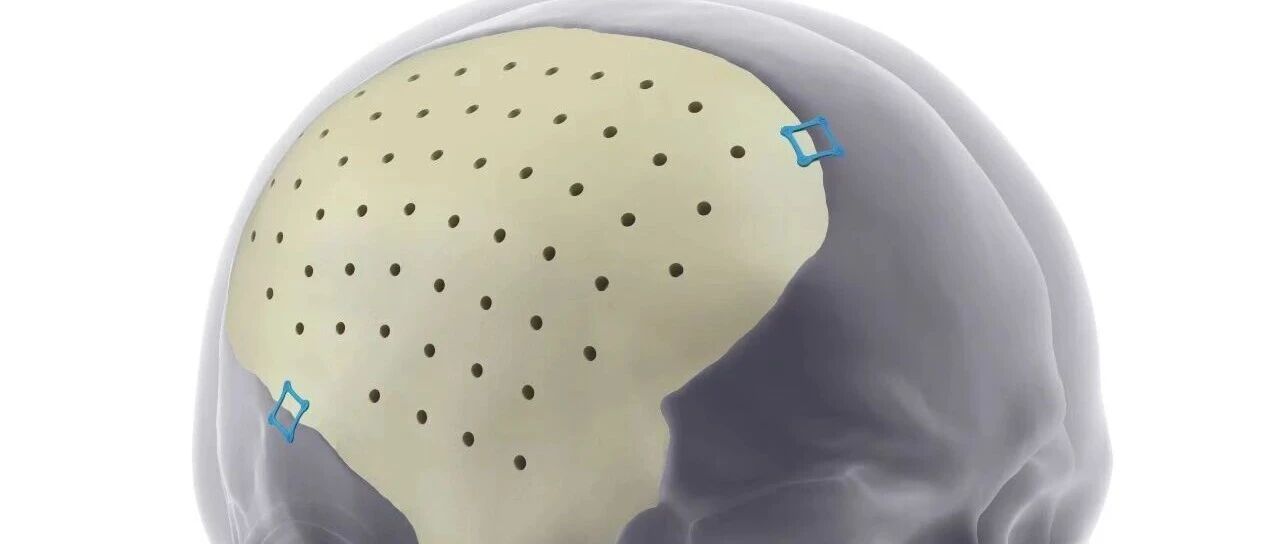
Core Viewpoint - The article emphasizes that cranioplasty is not merely a "patch surgery" but a complex integration of structure and morphology, where the final aesthetic outcome and long-term stability are crucial for patient satisfaction [1][3]. Group 1: Clinical Pain Points - Cranioplasty is often viewed as a "structural repair," but it involves a comprehensive challenge related to geometry, mechanics, and long-term stability [2]. - Irregular defect shapes can lead to "secondary asymmetry" during surgery, as manual adjustments to materials often fail to ensure edge continuity [2]. - Key contour areas are highly sensitive to "millimeter-level errors," which can affect tactile and visual outcomes for patients [2][4]. - Long-term stability is a core indicator of treatment efficacy, with factors like material absorption, thermal expansion, and mechanical stability influencing the durability of the reconstruction [5]. Group 2: Material System - Polyether ether ketone (PEEK) is increasingly chosen for craniomaxillofacial reconstruction due to its long-term clinical validation and alignment with cranioplasty needs [6]. - PEEK's elastic modulus closely matches that of cortical bone, allowing for a more natural edge transition and tactile experience for patients [6]. - The material is non-absorbent and corrosion-resistant, maintaining shape stability over time, which is critical for preventing "secondary changes" in appearance [6]. - PEEK exhibits excellent imaging compatibility, producing minimal artifacts in CT/MRI scans, which is vital for long-term follow-up of patients [7]. - The material possesses sufficient mechanical strength to provide predictable structural support, especially in large defects or load-bearing areas [7]. Group 3: Product Features - The newly approved localized patient-matched PEEK cranioplasty system builds on an established engineering framework, utilizing high-quality materials with over 20 years of clinical experience [9]. - The system allows for anatomical-level restoration of curvature, moving from manual sculpting to digital modeling, which resolves many shape-related issues preoperatively [11]. - The design includes a gradual thinning transition at the defect edges, enhancing tactile and aesthetic outcomes, which is difficult to achieve through manual methods [12]. - Surface roughness is controlled to balance early stability and long-term safety, ensuring a smooth interface with surrounding tissues [14]. - The layout of fixation holes is designed to meet both mechanical requirements and surgical habits, facilitating predictable surgical actions [14]. Group 4: Localization Significance - The localization of the PEEK cranioplasty system enhances accessibility to high-quality reconstruction options, allowing for clearer execution conditions in clinical settings [15]. - A defined delivery schedule supports surgical planning, making personalized implants a routine choice rather than an exception [16]. - Local design teams ensure accurate implementation of design intentions, improving interface stability and reducing risks associated with micro-movements [18]. - The production system is not a simple replication but a transfer of existing international standards, ensuring consistent quality across different regions [21].
收藏!2026年39场医疗器械会议全梳理
思宇MedTech· 2026-01-04 03:08
对医疗器械公司来说,市场部的核心战场往往在会场上:新品亮相、学术教育、专家共识、渠道触达。 2026年已至,哪些大会必须参加?哪些论坛值得布局? 思宇MedTech整理了39场医疗器械相关会议,供市场部参考(更多大会信息还在陆续发布中,我们后续会有更完整 的版本) 2026年生物医学工程、智能感知技术与医学应用国际学术会议 会议时间:2026年1月9–11日 会议地点:沈阳 第十届神经学与神经外科国际研讨会 会议时间:2026年1月9–11日 会议地点:三亚 2026年西湖心血管病临床进展研究大会 会议时间:2026年1月16–17日 会议地点:杭州 2026年3月 第三届全球生物医药大会 会议时间:2026年3月19日 会议地点:北京中关村会议中心 会议时间:2026年3月21–23日 会议地点:厦门 2026医学装备展览会 会议时间:2026年3月26–29日 会议地点: 重庆 2026年4月 CMEF 春季(中国国际医疗器械博览会) 会议时间:2026年4月9–12日 会议地点:上海 "第二十六届国际眼科学学术会议"与"第二十六届国际视光学学术会议"(COOC 2026) 会议时间:2026年4月9–1 ...