思宇MedTech

Search documents
最新!又3款创新医疗器械获批!
思宇MedTech· 2026-01-31 01:10
近日, 国家药品监督管理局(NMPA)批准了 慧扬医疗科技(苏州)有限公司 的 射频穿刺发生器 ( 国械注准20263010216 )、 上海微创电生理医疗科 技股份有限公司 的 一次性使用心腔内超声成像导管 ( 国械注准20263060230 )和 杭州微引科技有限公司 的 CT引导穿刺手术定位系统 ( 国械注准 20263010251 ) , 3项创新医疗器械注册申请。 截至目前,我国上市的创新医疗器械累计达到 3 98 项 。 该产品由射频主机、脚踏开关及中性电极线组成,与一次性使用射频房间隔穿刺针配合使用,利用射频电流的热效应用于右心房至左心房的房间隔穿刺。 该产品利用射频能量穿透房间隔,穿刺无需较大机械力,提高了操作的安全性。该产品的上市为患者提供了更多的治疗选择。 # 慧扬医疗 | 索引号 | XZXK-2026-10019 | 主题分类 | | --- | --- | --- | | 标题 | 射频穿刺发生器获批上市 | | | 发布日期 | 2026-01-29 | | | 396 | 射频穿刺发生器 | 慧扬医疗科技(苏州) 有限公司 | 2026-1-29 | 江苏 | 国械注准 2026 ...



为什么这场可穿戴技术科技大会,值得医疗产业关注?免费门票限量换领!
思宇MedTech· 2026-01-30 01:32
Core Insights - The WT | Wearable Technologies Conference will return to Hong Kong on March 4-5, 2026, focusing on the integration of wearable technology into the medical field, emphasizing practical applications and industry challenges [1][2] - The conference aims to create a platform for dialogue among government, industry, academia, and investment sectors to foster collaboration and innovation in wearable medical technology [1][2] Group 1: Conference Overview - The WT conference will serve as an international B2B platform, emphasizing the industrialization of wearable medical technology from concept validation to large-scale application [1] - The event will feature a diverse lineup of speakers, including leaders in research, engineering, regulation, and industry, highlighting the international and industry-oriented nature of the conference [6][7] Group 2: Agenda and Topics - The two-day agenda will cover interconnected health management, disease prevention, and the role of artificial intelligence in wearable ecosystems [10][12] - Specific topics include continuous monitoring of vital signs, rehabilitation applications, and the engineering challenges in medical device manufacturing [12][14] Group 3: Innovation World Cup - The Innovation World Cup has attracted over 200 medical technology projects, providing a platform for teams to showcase their innovations and connect with industry experts [16][17] - Award-winning projects will have opportunities to access resources from the Hong Kong Science Park and advance commercialization efforts [16][17]
42亿!医械巨头完成重磅收购
思宇MedTech· 2026-01-30 01:32
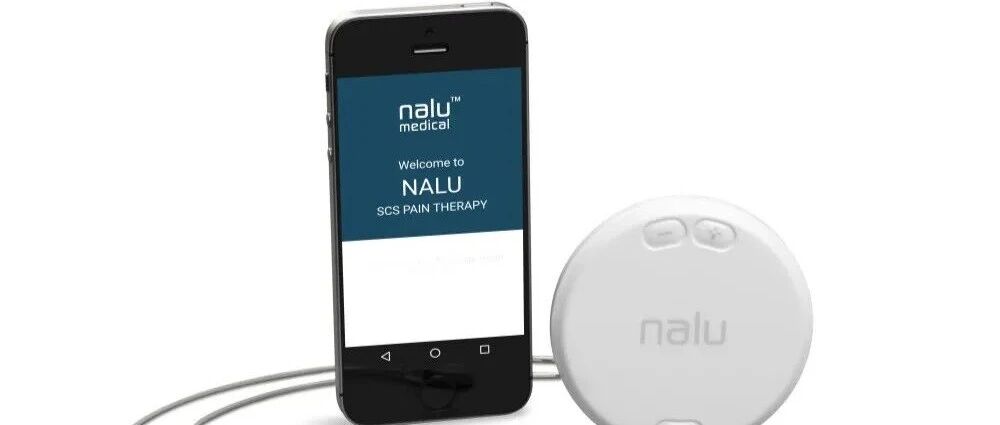
Core Insights - Boston Scientific has completed the acquisition of Nalu Medical for approximately $600 million in cash, which includes the purchase of remaining shares after previously holding a strategic investment since 2017 [2][6] - Nalu Medical specializes in spinal and peripheral nerve stimulation technologies aimed at chronic neuropathic pain patients, utilizing low-intensity electrical pulses to modulate pain signals before they reach the brain [5][6] - The acquisition is part of Boston Scientific's broader strategy to enhance its portfolio in interventional therapy and pain management, following a series of significant acquisitions in recent years [7][9] Nalu Medical's Product Technology and Business Expectations - Nalu's peripheral nerve stimulation system received FDA approval in 2019 and was further approved for full-body MRI scans in 2025, indicating regulatory progress [6] - The company introduced a miniaturized wearable external power source and completed a $50 million growth funding round in 2025 [6] - Nalu is expected to generate over $60 million in revenue in 2025, with a projected year-on-year growth of over 25% in 2026 [6] Financial Impact and Strategic Positioning - The acquisition is anticipated to have a minimal impact on adjusted earnings per share in 2026, with a gradual positive effect starting in 2027, although there may be short-term dilution on GAAP earnings due to amortization and acquisition-related expenses [6] - Boston Scientific's recent acquisitions, including a $14.5 billion deal for Penumbra and others, reflect a strategic focus on expanding capabilities in interventional treatment and nerve modulation [7][11] Industry Background - The acquisition of Nalu Medical aligns with Boston Scientific's ongoing efforts to strengthen its position in the chronic pain treatment and minimally invasive intervention sectors, which are critical areas of development in the medical technology industry [9][13] - Nalu's innovative features, such as a battery-free micro-implantable pulse generator and smartphone-based treatment control, highlight advancements in pain management technology [10]

2025中国手术机器人获批年报
思宇MedTech· 2026-01-30 01:32
Core Viewpoint - The article provides a comprehensive overview of the approval status of surgical robots in China for the year 2025, highlighting the concentration of approvals in specific categories and the steady pace of regulatory processes throughout the year [2][5][9]. Summary by Sections 1. Approval by Category - The approval of surgical robots in 2025 shows a highly concentrated structure, with orthopedic surgical robots leading in the number of approvals, significantly surpassing other categories. Other categories such as puncture, endoscopic, and natural orifice approaches are in the second tier with single-digit approvals. Vascular intervention and neurosurgery products have relatively few approvals, indicating they are still in early development stages [5][9][10]. 2. Approval by Time - The distribution of approvals throughout 2025 indicates a stable and uniform rhythm, with no significant concentration in any single quarter or short-term window. Monthly fluctuations in approval numbers were minor, suggesting a normalization of the approval process rather than a surge driven by specific policy changes or concentrated applications [7][10][12]. 3. Annual Trend Assessment - The overall characteristics of surgical robot approvals in 2025 can be summarized as follows: - The number of approvals has maintained a steady pace without significant acceleration or inflection points, indicating a trend towards stable output rather than rapid expansion [10][11]. - The structural differentiation among categories is clear, with orthopedic products continuing to dominate the approvals [11][12]. - The approval rhythm has normalized, focusing more on specific products and application scenarios rather than short-term bursts of activity [12].
京津冀“3+N”联盟脑膜报量火热进行中,迈普医学“双证”出击助推精准填报
思宇MedTech· 2026-01-29 03:29
Core Viewpoint - The article discusses the upcoming large-scale procurement of medical consumables for hard brain (spinal) membrane patches in the Beijing-Tianjin-Hebei region, highlighting the innovative products developed by Guangzhou Maipu Regenerative Medicine Technology Co., Ltd. and their competitive advantages in the market [2][4][16]. Group 1: Procurement Announcement - The Tianjin Medical Procurement Center announced the initiation of a large-scale procurement for hard brain (spinal) membrane patches, requiring public medical institutions to participate [2]. - The procurement will cover products registered as medical devices in China, specifically those classified under the National Medical Insurance Bureau's code C040301118 [2]. Group 2: Product Development and Innovation - Guangzhou Maipu has focused on the innovation of biomaterials, successfully developing two products: Rui Mo® absorbable hard brain (spinal) membrane patch and Rui Kang® hard brain (spinal) membrane patch using polylactic acid and additive manufacturing technology [5][7]. - Rui Mo® is noted as the first successfully industrialized bio-additive manufactured artificial hard brain (spinal) membrane in China, recognized in the Ministry of Science and Technology's 2018 list of innovative medical device products [7]. Group 3: Product Advantages - The brain membrane product series has undergone over ten years of clinical testing, establishing itself as a trusted choice in neurosurgery due to its technological biomimicry, safety, and advanced manufacturing processes [9]. - The products support both suturing and adhesive application methods, enhancing surgical efficiency and adaptability to different clinical scenarios [10]. - The use of non-animal-derived materials minimizes virus risks, and the products are designed to degrade in line with tissue repair, reducing the risk of long-term complications [12]. Group 4: Competitive Bidding Advantages - In the upcoming procurement, Maipu's brain membrane products demonstrate significant bidding advantages, including dual certification for both Rui Mo® and Rui Kang®, ensuring reliability and stability compared to competitors with single certifications [14]. - The product range covers various sizes and price points, accommodating different clinical needs and cost control objectives, from small area to large area applications [17]. - The procurement process for the Beijing-Tianjin-Hebei "3+N" alliance has begun, with Maipu's products entering a critical market validation phase [16].

一年五地,一套体系:开立如何把国际内镜教学跑成“长期项目”
思宇MedTech· 2026-01-29 03:29
Core Viewpoint - The article emphasizes the importance of systematic training and collaboration in the field of endoscopy, particularly through the "Belt and Road Friendship International Endoscopy Academy" project initiated by Kaili Medical, which aims to enhance the skills of endoscopists across multiple countries [2][4][6]. Group 1: Training and Educational Initiatives - In 2025, Kaili Medical will conduct a series of training activities in five cities: Nanchang, Beijing, Zunyi, Shanghai, and Xi'an, attracting over 50 endoscopists from 11 countries [4][6]. - The training program includes a comprehensive curriculum that covers complex procedures, emphasizing standardized teaching frameworks to ensure high-quality and consistent educational content [6][8]. - The training structure consists of theoretical lectures, observational procedures, hands-on practice, and case discussions, allowing participants to master skills and apply them effectively in clinical settings [8]. Group 2: Talent and Technical Empowerment - Kaili Medical is building a dual empowerment system combining talent and technology to facilitate the learning and replication of complex endoscopic procedures [9]. - The training emphasizes a closed-loop design of "theory-observation-practice-review," enabling participants to develop a comprehensive understanding and practical application of procedures [9][12]. - The new generation of smart endoscopy platform, iEndo, is integrated into the teaching and clinical processes, ensuring that the equipment meets the demands of high-intensity training and continuous use [13][19]. Group 3: Technological Advancements - iEndo features advanced imaging capabilities, including super-resolution imaging and adaptive lighting, which enhance the clarity and detail of images during procedures [17][19]. - The system architecture of iEndo employs a multi-core heterogeneous design, ensuring stable and high-quality imaging during complex tasks [19]. - AI is embedded in the workflow as an assistant, providing visual prompts and support without interfering with the clinician's judgment, thus enhancing the overall efficiency of the procedures [21][20]. Group 4: Long-term Collaboration and Impact - The training initiatives are not just about knowledge transfer; they aim to establish a long-term collaborative platform among international physicians, fostering shared experiences and learning across different healthcare systems [12][24]. - The approach taken by Kaili Medical reflects a shift towards a more structured and sustainable model of international medical collaboration, integrating training methods and diagnostic logic into global partnerships [22][24].


强强联合!美敦力与迈瑞深化战略合作
思宇MedTech· 2026-01-29 03:29
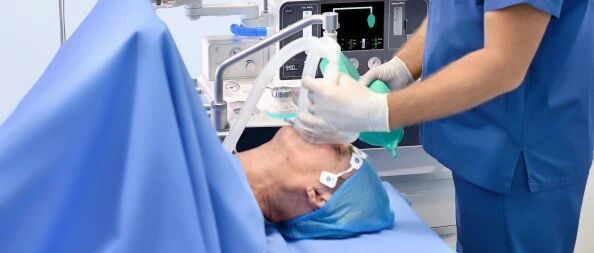
Core Insights - Medtronic and Mindray are expanding their strategic partnership in patient monitoring technology from traditional hospital settings to Ambulatory Surgery Centers (ASCs) in the U.S. This aims to simplify access and integration of advanced monitoring technologies, enhance clinical efficiency, and improve patient care quality while reducing operational costs [2][10] - The collaboration reflects a shift in the healthcare monitoring technology landscape, adapting to the changing service delivery models in the medical field [2][10] Technical Foundation: Core Technologies and Applications in Perioperative Monitoring - Patient monitoring devices are essential infrastructure in modern healthcare, used for real-time tracking of physiological parameters such as blood oxygen saturation, carbon dioxide levels, and brain activity, particularly in surgery, critical care, and anesthesia management [5][6] - These technologies are crucial for assessing patient condition changes and supporting clinical decision-making [6] Strategic Extension: Adapting to ASC Scenarios - Previously, Medtronic and Mindray collaborated primarily in hospital settings focused on critical care and perioperative environments. The new partnership extends to ASCs, indicating a shift from high-intensity, complex scenarios to low-invasiveness, operational efficiency, and cost-sensitive outpatient settings [7][10] - ASCs emphasize ease of use, procurement convenience, and efficient support rather than solely complex monitoring capabilities, prompting suppliers to rethink market positioning and product offerings [7][10] Industry Impact and Collaborative Value - This partnership not only involves product integration but may also reshape equipment selection, clinical operations, and service support standards in the ASC sector [12] - For medical device manufacturers, this collaboration signifies that large technology suppliers are entering more niche markets through joint solutions. For ASC providers, integrated monitoring product offerings can lower procurement and training costs while enhancing clinical efficiency [12]


2025年净利超20亿!九安医疗最新业绩预告
思宇MedTech· 2026-01-28 02:40
Core Viewpoint - Jiuan Medical's 2025 performance forecast indicates a net profit of 2.02 to 2.35 billion yuan, representing a year-on-year growth of 21.05% to 40.83% [2][3]. Group 1: Performance Overview - The company expects to maintain a high profit level in 2025, with net profit projected to exceed 2 billion yuan, significantly above pre-pandemic levels [6]. - This voluntary performance forecast, although unaudited, signals Jiuan Medical's strong profitability for 2025 [6]. Group 2: Revenue and Profit Discrepancy - Despite the profit growth, Jiuan Medical's revenue is under pressure, with a notable decline in revenue from government orders related to the pandemic and a significant drop in sales of testing kits [5][6]. - The company's operating revenue for the current period is reported at approximately 765 million yuan, down 43.35% from the previous year [7]. Group 3: Profit Sources - The increase in net profit is primarily attributed to the performance of the asset management business and stable demand for testing kits and home healthcare electronic products [11]. - Investment income and fair value changes are becoming increasingly significant in the profit structure, indicating a shift from reliance on medical product sales to asset management and investment returns [13]. Group 4: Structural Implications - Jiuan Medical's current business model is evolving into a hybrid structure that combines healthcare product sales with substantial financial asset management capabilities [14][15]. - This structural change suggests that profit stability is more dependent on asset allocation performance rather than solely on product sales or market demand [16]. Group 5: Industry Context - Jiuan Medical's performance forecast represents a non-typical profit model within the healthcare industry, highlighting the need for market participants to differentiate between traditional growth paths and those driven by asset management capabilities [19]. - The sustainability of this profit structure and its resilience to market fluctuations will require further analysis following the annual report [19].


开年首笔超1亿美元融资!一家创新影像软件企业
思宇MedTech· 2026-01-28 02:40
Core Viewpoint - 4DMedical has successfully raised over $100 million (approximately AUD 150 million) in a new round of institutional funding, aimed at accelerating the deployment of its core product CT:VQ™ in the U.S. market and enhancing R&D investments to solidify its technological advantage in software-based pulmonary imaging [1][2]. Financing Purpose: Systematic Investment for "Scaled Deployment" - The funding will focus on commercial expansion within U.S. academic medical centers and large health systems, promoting the use of CT:VQ in multidisciplinary settings such as radiology and respiratory departments [3]. - The company aims to strengthen customer success, training, and technical support systems to help hospitals integrate CT:VQ into existing imaging workflows, increasing sustained usage rather than remaining at a single-point deployment [3]. - Continuous R&D investment will enhance 4DMedical's capabilities in functional lung imaging, expanding its product portfolio and deepening its platform, thereby increasing the technical barriers in software-based pulmonary assessment [3]. - Post-financing, 4DMedical reported a cash position exceeding $130 million (approximately AUD 200 million), supporting its U.S. expansion strategy and growing installed base [3]. What is CT:VQ: Enabling Lung Function Assessment with Conventional CT - CT:VQ is 4DMedical's core product, a software that provides lung ventilation-perfusion (V/Q) functional imaging based on conventional chest CT, delivered via a SaaS model [4]. - Unlike traditional V/Q imaging that relies on nuclear medicine or enhanced scans, CT:VQ uses non-enhanced chest CT data to generate quantitative ventilation and perfusion results, providing functional information that conventional CT cannot directly offer [5]. - CT:VQ can be integrated into existing hospital imaging infrastructures without the need for new scanning equipment, allowing for rapid deployment leveraging the extensive CT installed base in the U.S. [5]. Financing Progress: Deployment in Top Medical Centers within 4 Months - 4DMedical highlighted the rapid deployment of CT:VQ, which was installed in several top U.S. academic medical centers, including Stanford, Cleveland Clinic, University of Miami, and UC San Diego Health, within just four months post-FDA approval [7]. - This adoption pace reflects the genuine demand from clinicians for "quantitative, actionable, functional imaging information" and indicates a high level of maturity in IT integration and workflow adaptation for CT:VQ [7]. Commercialization Conditions: FDA Approval, Payment Pathways, and Ecosystem Collaboration - CT:VQ has received FDA 510(k) approval, making it the first and currently the only non-enhanced V/Q imaging technology based on CT globally [9]. - The product has been confirmed for reimbursement under the U.S. Medicare system, allowing for additional payment under Category III CPT codes, which provides a commercial basis for integration into routine clinical operations [10]. - 4DMedical's product is designed for seamless integration with existing hospital infrastructures, and the company has established a partnership with Philips to support broader market outreach [10]. Conclusion - The recent funding round is significant for 4DMedical, reflecting market recognition of its technology and the CT:VQ product, as well as the commercial progress and growth potential achieved in the U.S. market [11]. - With institutional funding and a stronger balance sheet, 4DMedical plans to continue expanding the clinical adoption of CT:VQ, accelerate R&D efforts, deepen partnerships, and advance its global footprint in software-based pulmonary imaging [11][12].

亏损降幅60%!华大智造2025年业绩预告
思宇MedTech· 2026-01-28 02:40
Core Viewpoint - The company, BGI Genomics (stock code: 688114.SH), has released its earnings forecast for 2025, indicating a significant reduction in losses compared to the previous year, driven by operational improvements and favorable currency exchange impacts [2][4]. Financial Performance - The company expects a net profit attributable to shareholders of between -221 million to -273 million yuan for 2025, a notable improvement from a loss of 601 million yuan in the previous year, representing a year-on-year reduction of approximately 54.56% to 63.22% [4]. - After excluding non-recurring gains and losses, the anticipated net profit is projected to be between -322 million to -397 million yuan, compared to a loss of 653 million yuan last year, indicating a year-on-year improvement of about 39.18% to 50.67% [4]. Reasons for Performance Changes - The company has implemented measures focused on "quality improvement, efficiency enhancement, and return on investment," leading to a decrease in overall costs compared to the previous year [5]. - Currency exchange gains from holding foreign currency monetary items have increased due to fluctuations in the US dollar and euro [5]. - The company has reversed tax provisions related to previous years' uncertain tax disputes, resulting in a reduction in income tax expenses [5]. Company Overview - BGI Genomics is a domestic manufacturer focused on core tools and high-end equipment in life sciences, primarily engaged in gene sequencing and related laboratory automation equipment [6]. - The company emphasizes independent research and development, providing foundational technical equipment and systematic solutions for research institutions, clinical testing laboratories, and industrial clients [6]. Business Segments Gene Sequencing Business - The gene sequencing business is the core segment, continuously upgrading products and reagents to enhance sequencing efficiency, coverage, and application adaptability [7]. - In 2024, the company plans to launch the next-generation sequencing reagent StandardMPS 2.0, along with upgrades to several core sequencing platforms, enhancing their applicability across various research and clinical needs [9]. Laboratory Automation Business - The company is advancing towards systematic and intelligent upgrades in laboratory automation, focusing on key processes such as sample handling, experimental execution, and data analysis [10]. - New products like αLabStudio, αLabRobot, and αCube are being introduced to improve sample management efficiency and experimental stability [12]. New Business Segment - The new business segment focuses on multi-omics tools, ultrasound imaging, and intelligent robotics, aiming to meet cutting-edge research and clinical transformation needs [13][15]. - The company is expanding its capabilities in cell omics, spatiotemporal omics, and proteomics, enhancing high-throughput data collection and analysis [15][16].