思宇MedTech

Search documents
最新!前飞利浦大中华区总裁履新
思宇MedTech· 2025-09-01 03:39
北京和上海活动报名: 第三届全球手术机器人大会 2025医疗器械研发创新论坛 2025年8月29日, 百洋医药(303015.SZ) 发布董事会换届公告,提名 原飞利浦(中国)投资有限公司总裁 何国伟 (Ho Kwok Wai Andy) 为公司第四届董事会独 立董事候选人。 公告虽为常规人事信息披露,但在业内看来,这一调整具有鲜明的战略指向:百洋医药正试图在创新医疗器械领域加速转型,而引入具备国际化履历和深厚行业经 验的高管,将为公司拓展新业务、对接全球资源提供助力。 # 国际化履历与 战略 价值 何国伟自2015年至2024年担任 飞利浦大中华区总裁 ,近十年间主导了飞利浦在中国的本土化战略。他推动研发、制造和销售全链条的本地化转型,将跨国企业的 创新技术与中国临床实践深度结合,并深度参与医疗体系建设。在飞利浦任内,他见证了国内医疗设备市场的快速扩张与结构性调整,同时推动了影像、监护、家 用健康等多条产品线的落地。 这一履历对百洋医药而言具有直接价值。百洋近年来持续加码创新医疗器械,但在高端装备领域仍处于追赶阶段。何国伟熟悉跨国公司在中国市场的管理逻辑,也 了解国产企业在供应链、价格和合规方面的竞争路径。 ...

RDN百亿市场强势崛起!百心安与蓝帆医疗携手逐鹿全球市场新蓝海
思宇MedTech· 2025-09-01 03:39
Core Viewpoint - The RDN (Renal Denervation) market is on the verge of explosive growth, driven by new guidelines and reimbursement decisions in the U.S. that include RDN as a treatment for resistant hypertension, indicating a significant commercial opportunity for the sector [3][4]. Group 1: Market Potential and Growth - The RDN market is projected to grow at a compound annual growth rate (CAGR) of 22% from 2023 to 2028, making it one of the fastest-growing segments in the medical device field [3]. - The long-term market potential for RDN in China is expected to exceed 10 billion yuan [3]. Group 2: Technological Developments - Recent FDA approvals for RDN products from Recor Medical and Medtronic mark a turning point for the technology, providing differentiated options in ultrasound and radiofrequency ablation [4]. - The introduction of the Iberis® RDN system by Bai Xin An, which is the only device approved for both transradial and transfemoral access, represents a significant innovation in the RDN space [5][6]. Group 3: Competitive Landscape - Chinese companies like Xinmai Medical, Meili Weiye, and Antong Medical have received approvals for their RDN products, showcasing the innovative capabilities of domestic firms [5]. - Blue Sail Medical, through its subsidiary Blue Sail Bosheng, has established a comprehensive international sales network, covering over 8,000 hospitals in more than 100 countries, positioning itself as a key player in the global market [6][10]. Group 4: International Expansion - The Iberis® RDN system has already seen successful clinical applications in various provinces in China and has completed its first commercial procedure in Europe [8]. - Collaborations between Chinese companies and international partners, such as Bai Xin An and Blue Sail Medical, are facilitating the entry of RDN products into overseas markets, with significant progress in countries like Germany, Spain, and Italy [9][11]. Group 5: Future Outlook - The RDN technology is set to lead a new era in hypertension treatment, with a vast unmet clinical need indicating substantial future market potential [11]. - Continuous innovation and international clinical collaborations are expected to enhance the global presence of Chinese RDN products, allowing them to capture a significant share of the high-end medical device market [11].


完整议程发布!免费参会名额开抢!第三届全球手术机器人大会
思宇MedTech· 2025-08-31 00:10
Event Overview - The Third Global Surgical Robotics Conference will be held on September 5-6, 2025, at the Zhongguancun Autonomous Innovation Demonstration Zone Exhibition Center in Beijing [2]. - The event is organized by MedRobot and the Robotics Lecture Hall, with support from various medical and engineering institutions [2]. Conference Agenda Highlights - The conference will feature a series of speeches and discussions from industry leaders, including topics on surgical robotics, AI integration, and innovative medical technologies [3][4]. - Keynote speeches include "Intelligent Surgery, The Future is Here" and "Exploration of Intelligent Autonomous Execution in Orthopedic Surgical Robots" [3][4]. - A roundtable forum will include experts from major hospitals and investment firms discussing the future of surgical robotics [3]. Focus Areas - The conference will cover advancements in minimally invasive surgery and the role of AI in enhancing surgical procedures [5]. - Discussions will also address the challenges and opportunities in the international market for Chinese medical robotics [4][5]. - Specific sessions will focus on the integration of 3D printing in surgical training and the development of flexible surgical robots for early cancer diagnosis [4]. Registration Information - Attendees can register for the event with a discount code and are encouraged to book travel arrangements early due to potential congestion [5][6]. - Ticket options include professional tickets for two days of attendance and lunch, as well as general admission tickets [6].

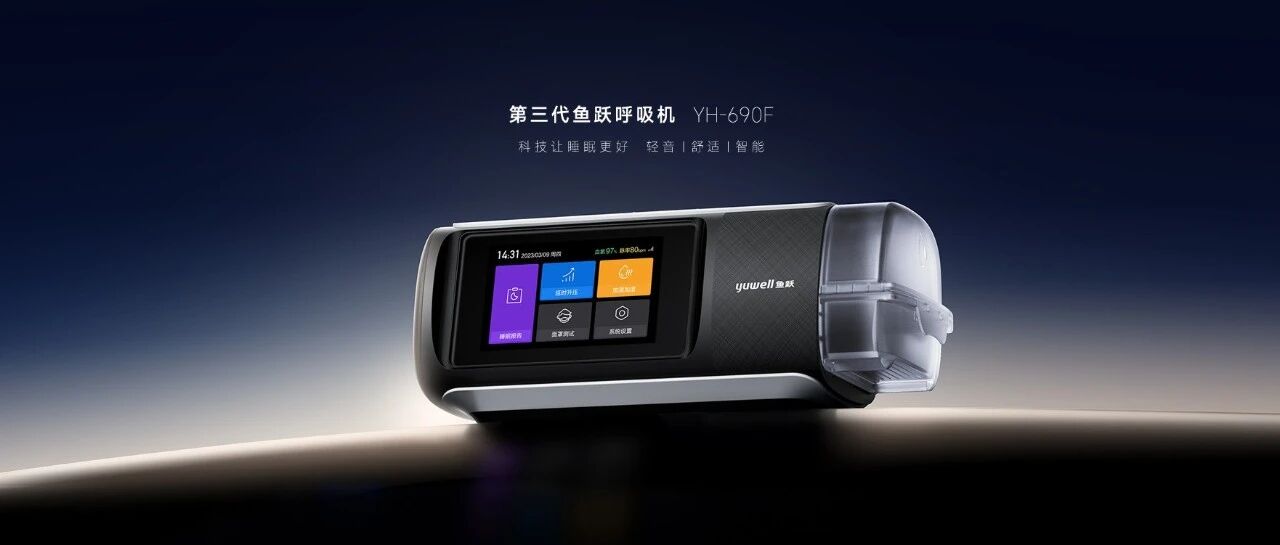
营收46亿,净利12亿!鱼跃医疗半年报里的稳与缓
思宇MedTech· 2025-08-31 00:10
Core Viewpoint - Yuyue Medical's half-year report highlights a strong cash position but slower profit growth, indicating a need for new profit drivers in the future [5][41][44] Financial Performance - The company achieved operating revenue of 4.66 billion yuan, a year-on-year increase of 8.16% [8] - Net profit attributable to shareholders was 1.20 billion yuan, up 7.37% year-on-year, while the net profit after deducting non-recurring gains and losses fell by 5.22% to 913 million yuan [8][14] - Operating cash flow net amount reached 1.17 billion yuan, a significant increase of 15.13% compared to the previous year [3][15] - The total assets amounted to 16.53 billion yuan, reflecting a year-on-year growth of 5.64% [15] - Cash and cash equivalents at the end of the period were 7.23 billion yuan, accounting for 44% of total assets [15][39] Business Segments - The family consumer medical segment remains stable, while clinical rehabilitation equipment has shown double-digit growth, becoming a key revenue driver [17][21] - Domestic revenue was 3.39 billion yuan, growing by 4.94%, while overseas revenue reached 1.27 billion yuan, up 19.12% [22] - The clinical rehabilitation segment's revenue was 9.87 billion yuan, with a year-on-year increase of 18.52%, indicating a shift towards hospital clinical applications [35][36] Research and Development - R&D expenses for the first half of 2025 were 274 million yuan, a year-on-year increase of 17.26%, with an R&D expense ratio of 5.89% [23][24] - The company holds a total of 1,414 patents, including 380 invention patents, primarily in respiratory therapy and blood glucose monitoring [27] Observations and Future Outlook - The company is characterized by strong cash flow and a solid financial structure, but faces challenges in profit growth and increasing accounts receivable [41][42] - Key areas to watch include the growth of clinical rehabilitation, expansion in overseas markets, and the effectiveness of R&D investments in creating differentiated products [45]

请尽快报名:第三届中国整形外科创新转化大赛
思宇MedTech· 2025-08-30 00:10
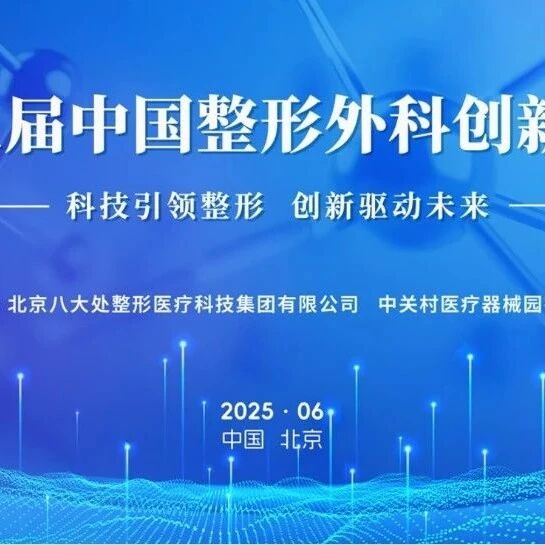
Core Viewpoint - The "Third China Plastic Surgery Innovation Transformation Competition" has commenced, inviting participation from enterprises, universities, and medical teams related to plastic surgery and medical aesthetics [1][5]. Event Overview - The competition theme is "Technology Leads Plastic Surgery, Innovation Drives the Future" [1]. - The event is organized by Beijing Baidachu Plastic Surgery Medical Technology Group Co., Ltd. and Zhongguancun Medical Device Park Co., Ltd. [1]. Participation Requirements - Participants must be from medical institutions, universities, research institutions, or teams planning to establish innovative enterprises [5]. - Projects should focus on plastic surgery, medical aesthetics, biomedicine, medical devices, diagnostic reagents, or medical services [5]. - Innovations must significantly enhance the existing industry standards [5]. Evaluation Mechanism - The judging panel consists of clinical experts (60%) and transformation experts (40%) [5]. - Key evaluation criteria include innovation, technical feasibility, market potential, team capability, and transformation potential [6]. Awards Structure - Various awards are available, including honors for outstanding performance in technology innovation and market application [7]. - The final competition offers cash prizes and service packages for the top three projects, with the first prize being 50,000 yuan and additional support services valued at 300,000 yuan [8]. Concept Validation Center - The Baidachu Plastic Surgery Concept Validation Center is the first one-stop service platform in China focused on the transformation of plastic surgery technology achievements [10]. - The center provides comprehensive lifecycle services from concept incubation to product launch, including technical support, transformation acceleration, and compliance management [10].
60亿营收、近20%研发占比!联影半年报亮出硬实力
思宇MedTech· 2025-08-30 00:10
Financial Performance: Steady Improvement - The company reported a revenue of 6.016 billion yuan, a year-on-year increase of 12.79%, indicating steady expansion [5][6] - The net profit attributable to shareholders was 998 million yuan, up 5.03%, while the net profit excluding non-recurring items reached 966 million yuan, growing by 21.01% [5][6] - Operating cash flow turned positive at 48.76 million yuan, recovering from a negative 625 million yuan in the same period last year [5][6] R&D and Products: High Investment and Technical Depth - R&D expenses reached 1.14 billion yuan, accounting for 18.95% of revenue, maintaining a high level compared to industry peers [7] - The company leads several key national R&D projects, showcasing its capability in high-end imaging equipment [7] - The focus on self-developed core components establishes competitive advantages beyond just product offerings [7] Industry Environment: Policy Opportunities and Market Space - There is a pressing demand for medical equipment upgrades, supported by national policies promoting modernization [8][9] - The Chinese medical imaging equipment market is projected to grow from 53.7 billion yuan in 2020 to nearly 110 billion yuan by 2030, with a compound annual growth rate of approximately 7.3% [8] - The shift from single-device demand to comprehensive solutions aligns with the company's capabilities [9] Competitive Landscape: Competing with International Giants - The company’s product line now matches that of international leaders like GE Healthcare and Siemens, covering a wide range of medical imaging technologies [10][11] - It has achieved breakthroughs in high-end fields, establishing itself as a full-line competitor rather than a partial alternative [11] - The competitive focus is shifting from performance metrics to overall delivery capabilities and clinical reputation [11] Strategy and Globalization: Focus and Expansion - The company is advancing its global layout while concentrating on core business areas, divesting non-core assets [12][14] - It has established multiple R&D and production sites to support international sales and service [13][17] - The strategy of "globalization + focus" aims to maintain a sustainable expansion model in a high-investment environment [14][18]


骨科巨头最新任命!当医生走进公司战略层
思宇MedTech· 2025-08-29 05:01
Core Viewpoint - The appointment of two prominent orthopedic surgeons as Chief Medical Advisors at Zimmer Biomet signifies a strategic alignment with the company's focus on joint replacement and shoulder/elbow/sports medicine, indicating a shift towards integrating clinical expertise into corporate strategy [2][6][12]. Group 1: Background of the Appointees - Jonathan M. Vigdorchik is a leading figure in joint reconstruction, specializing in hip and knee replacements, with extensive experience in complex cases [2][9]. - Anand M. Murthi is a key voice in shoulder and elbow surgery, responsible for a significant number of surgeries and training programs for young surgeons at MedStar Hospital [4][9]. - Both appointees are established clinical and academic leaders in the orthopedic field, bringing valuable insights directly into Zimmer Biomet's strategic decision-making [6][9]. Group 2: Strategic Logic Behind the Appointments - The appointments are not random but are closely aligned with Zimmer Biomet's business priorities, representing a "strategic pairing" to maintain core business and explore new growth areas [7][10]. - Vigdorchik's expertise will help the company refine its next-generation products in personalized implants and precise planning tools, while Murthi's role will enhance market penetration in the shoulder, elbow, and sports medicine sectors [14][15]. Group 3: Industry Implications - The establishment of Chief Medical Advisor positions at Zimmer Biomet signals a new trend in the orthopedic industry where the integration of physician insights into strategic decisions is becoming crucial for competitive advantage [12][13]. - This shift indicates that physicians are evolving from mere technical users to strategic participants in the development of medical devices, highlighting a change in competitive logic towards a closed-loop system of research, education, and clinical application [15]. - The collaboration model is transitioning from short-term advisory roles to long-term strategic partnerships, reflecting a deeper integration of clinical expertise into corporate strategies [15].
近亿元融资!超导磁体领军企业完成A轮
思宇MedTech· 2025-08-29 05:01
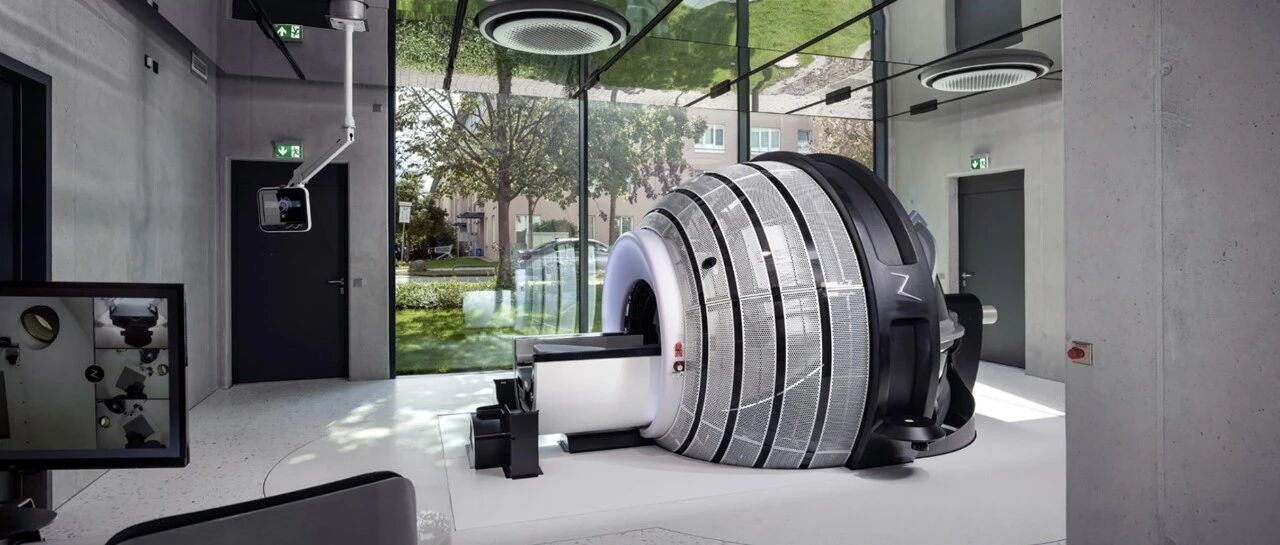
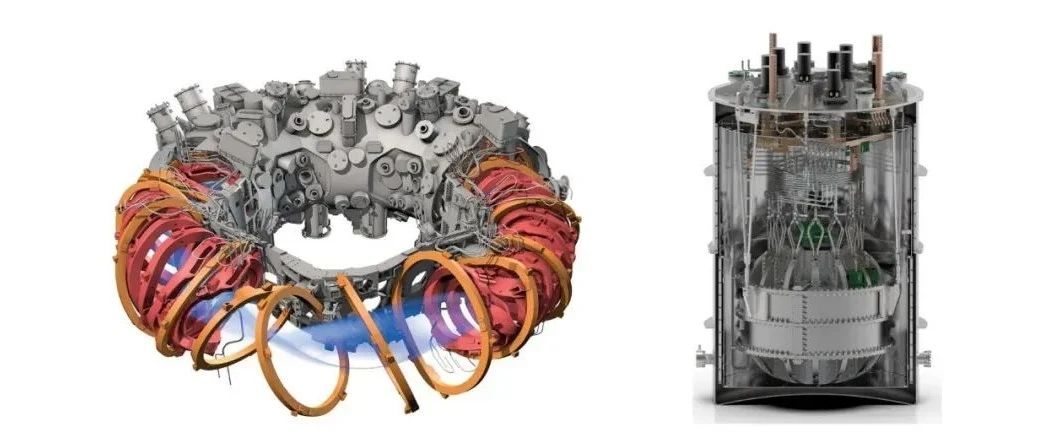
Core Viewpoint - Suzhou Pusiying Medical Technology Co., Ltd. has completed nearly 100 million yuan in Series A financing, which will be used to accelerate the industrialization of its low-helium siphon cooling technology PhaseXCool® in superconducting magnet devices, including MRI equipment, industrial magnetic crystal growth systems, and precision scientific instruments [2][8]. Group 1: Company Overview - Pusiying aims to become a platform-level technology company capable of creating extreme physical environments such as ultra-low temperatures, high vacuum, and strong magnetic fields [5][6]. - The company has core technological advantages in electromagnetic and thermal field coupling simulation design, low-temperature engineering technology in the liquid helium region, and extensive practical experience in engineering mass production and self-developed components [6][8]. Group 2: Technological Innovations - The MRI core component's superconducting magnet requires operation in extreme low-temperature environments below -268.95 degrees Celsius (4.2K). Traditional methods rely heavily on liquid helium, which poses a significant bottleneck for domestic MRI development due to over 95% import dependency and rising prices [8][9]. - Pusiying has developed a 1.5T/930mm large temperature aperture low-liquid-helium superconducting magnet system, reducing the lifecycle liquid helium demand by over 90% and eliminating the need for refills throughout its lifetime [8][9]. - The PhaseXCool® technology requires only 1% of the liquid helium compared to traditional methods, allowing for flexible replacement with nitrogen or argon as cooling media, thus adapting to various low-temperature needs [9][10]. Group 3: Market Position and Collaborations - The company has established partnerships with several leading medical device groups and is advancing the development of next-generation high-field magnets to support the localization of high-end medical equipment and accessibility for grassroots hospitals [10][11]. - Pusiying's core technology is not limited to low-temperature superconducting magnets for medical applications but can also be applied to high-temperature superconducting materials in liquid nitrogen temperature ranges, showcasing strong extensibility [11]. Group 4: Cost and Safety Advantages - The technology revolutionizes costs by eliminating the need for liquid helium refills, reducing overall operational costs by 50%, and significantly lowering procurement and maintenance barriers for hospitals [14]. - The closed-loop system provides automatic fault protection, eliminating the risk of liquid helium leakage and reducing downtime recovery time to one-third of traditional equipment [14]. Group 5: Future Prospects - Pusiying is collaborating with Fudan University to develop a high-field mass spectrometry magnet system and is involved in joint research projects for high-temperature superconducting materials, addressing domestic needs for high-field magnet applications [11][18]. - The company is expected to leverage its technological advantages to achieve breakthroughs in both medical and industrial fields, aspiring to become a world-class technology company alongside Oxford Instruments and Bruker [18].
千万级融资!创新械企完成pre-A轮
思宇MedTech· 2025-08-29 05:01
Core Viewpoint - The article discusses the innovative vascular coupler developed by Avasa, which aims to revolutionize the time-consuming and skill-intensive process of vascular anastomosis in microsurgery, potentially transforming surgical practices and improving patient outcomes [2][21]. Clinical Pain Points - Microsurgery has advanced over 60 years, enabling complex procedures like tumor reconstruction and organ transplants, but the vascular anastomosis remains a challenging and time-consuming step, often taking 45-60 minutes [4][11]. - The demand for skilled microsurgeons exceeds supply, creating a bottleneck in surgical procedures [5]. Product and Technical Value - Avasa's vascular coupler is a device under 5 millimeters that simplifies the anastomosis process, allowing surgeons to connect blood vessels in minutes rather than hours [6][11]. - The device enhances efficiency, safety, and accessibility, reducing ischemia time and the risk of complications [11][19]. R&D and Entrepreneurial Journey - The founder, Nandoun Abeysekera, transitioned from a surgical resident to an entrepreneur after recognizing the inefficiencies in vascular suturing during surgeries [10][13]. - The development process involved extensive iterations and feedback from over 100 microsurgeons, with 89% expressing a strong need for such a device [13]. Financing and Capital Logic - Avasa's pre-A funding round of $2.8 million was led by Movac, a prominent venture capital firm, indicating strong investor confidence in the product's potential to address a significant clinical need [14][16]. - The backing from experienced investors suggests that the vascular coupler could redefine surgical practices in microsurgery [14][16]. Industry Observation - The introduction of standardized tools like the vascular coupler could mark a pivotal shift in microsurgery, similar to advancements seen in other surgical fields [17]. - The company is preparing for FDA submission and commercialization within 18 months, indicating a strategic approach to market entry [18][20]. Clinical and Market Potential - The vascular coupler could significantly increase the accessibility of complex reconstructive surgeries, with applications in various medical fields [19]. - In China, the high volume of surgical cases combined with a limited number of microsurgeons highlights the urgent need for standardized tools to bridge the gap between demand and supply [20].

报名!医疗器械创新入院闭门交流会
思宇MedTech· 2025-08-28 06:35
Group 1 - The article discusses the upcoming closed-door exchange meeting aimed at supporting medical device companies in understanding the capital's medical innovation policies and promoting the integration of quality products with clinical scenarios [2][4]. - The meeting is scheduled for September 5, 2025, at Haidian Hospital, focusing on deep dialogue between companies and policy makers, with participation limited to CEOs or core executives from medical device firms [2][4]. - The agenda includes a project tour showcasing innovative medical devices, followed by presentations from government officials on support policies and pathways for implementation [2][4]. Group 2 - The article highlights various technological frontiers and innovation trends in the medical device sector, including advancements in cardiovascular, neurological, orthopedic, and respiratory systems [5]. - It also covers recent financing events and strategic acquisitions in both domestic and international markets, indicating a dynamic investment landscape within the medical technology industry [5]. - The article mentions the upcoming Third Global Surgical Robot Conference scheduled for September 4-5, 2025, emphasizing the ongoing growth and interest in surgical robotics [5].