思宇MedTech

Search documents
最新解读!第六批高值医用耗材国家集采开标
思宇MedTech· 2026-01-14 07:19
Core Viewpoint - The sixth batch of national organized high-value medical consumables centralized procurement has introduced significant changes in procurement rules, emphasizing systematic governance rather than merely price reduction [2][12]. Group 1: Drug-Coated Balloons (DCB) - DCB has been officially included in the national procurement, reflecting a clear policy logic that aligns with previously procured coronary and peripheral vascular stents [3]. - All 42 DCB products submitted by 32 companies were selected, indicating a focus on maintaining clinical options and technological integrity while reducing costs [4]. Group 2: Urological Interventions - The inclusion of urological intervention consumables marks a significant development, as this area has long been considered a "blank zone" for centralized procurement due to its complexity [5]. - In this round, 195 companies submitted 454 products, with 398 products selected, covering essential instruments such as guidewires and ureteral catheters, showcasing a shift towards managing complex consumables [6]. Group 3: Key Rule Changes - The procurement process has introduced group bidding based on the demand size of medical institutions and their national supply capabilities, ensuring clinical continuity rather than imposing a uniform standard [9]. - A pricing coefficient for differentiated products with certain functional innovations has been established, allowing for a more nuanced approach to pricing that recognizes clinical value [9]. - The handling of extreme low pricing has changed, with the baseline for price calculations set at 65% of the average selected price, discouraging practices that disrupt the overall pricing structure [10]. Group 4: Evolution of Procurement Role - Since 2020, six batches of high-value medical consumables procurement have been completed, covering nine categories and 142 types of consumables, indicating a shift from rapid cost control to more refined governance objectives [12][14]. - The new procurement framework aims to balance price, quality, supply, and clinical continuity, moving away from a singular focus on price to a more comprehensive regulatory approach [14].


医疗检验标准化赋能分级诊疗:从制度到技术的IVD市场全链条解析
思宇MedTech· 2026-01-14 07:19
Core Viewpoint - The article emphasizes the importance of standardization and mutual recognition in medical testing as a key direction for China's hierarchical diagnosis and treatment reform, reshaping the development landscape of the medical testing industry and presenting new market opportunities and challenges for IVD manufacturers [2][3]. Group 1: Hierarchical Medical System - China's medical hierarchical system is structured into a "three-level, nine-grade" system, categorizing hospitals into three levels, each further divided into three grades, with tertiary hospitals having an additional special grade [5]. - Each level of hospital has distinct functional characteristics: - Primary hospitals focus on community health services, managing common diseases and public health [6]. - Secondary hospitals serve as regional medical centers, providing specialized services and handling referrals from primary hospitals [6]. - Tertiary hospitals offer comprehensive medical services, including advanced specialty care and research, and serve as training centers [6]. Group 2: Policy and Development Trends - The hierarchical diagnosis and treatment system is a core component of China's medical reform, with a target of establishing 3,099 tightly-knit county medical communities by November 2025, covering 9.24 billion people [7]. - Specific regional goals have been set, such as in Henan Province, aiming for 65% of medical services to be provided at the grassroots level by 2025 [7]. Group 3: Hospital Distribution and Trends - As of the end of 2024, there are 1,093,551 medical institutions in China, with 38,710 hospitals. The growth rate of hospitals has slowed to 0.93%, primarily due to a significant slowdown in the growth of private hospitals [8]. - Tertiary hospitals are experiencing rapid growth, with an increase of 256 hospitals in 2024, reflecting a trend of concentrating quality medical resources at higher levels [8]. Group 4: Testing Department Standards and Equipment Requirements - Different levels of hospitals have varying standards and requirements for their testing departments, directly impacting the demand structure for IVD products [9]. - The construction and equipment standards for testing departments vary significantly across hospital levels, with tertiary hospitals requiring the most advanced and comprehensive equipment [10]. Group 5: IVD Demand Decoding - Primary hospitals are moving towards integrated and simplified equipment needs, with a focus on upgrading outdated devices and ensuring compliance with new standards [12]. - Secondary hospitals require modular and mid-level automated equipment to meet both routine and specialized testing demands, with a growing emphasis on laboratory information management systems [15]. - Tertiary hospitals focus on high-throughput and cutting-edge platforms, emphasizing the need for comprehensive automation and integration to support clinical research and advanced diagnostics [18]. Group 6: Revenue Structure Analysis - In 2023, the examination and testing revenue for secondary public hospitals accounted for approximately 30% of their total revenue, while for tertiary hospitals, it constituted about 29.59% of their medical service revenue [22]. - The income structure varies significantly across hospital levels, with primary hospitals relying on basic testing projects, secondary hospitals benefiting from specialized projects, and tertiary hospitals driving revenue growth through high-value specialized projects [23][24]. Group 7: Market Transformation in Primary Care - The focus of enhancing primary healthcare institutions is shifting from mere equipment updates to deeper system standardization and centralized operations [26]. - Standardization in testing is driven by the need for result mutual recognition and cost control, making standardized reagents and quality control systems essential for primary healthcare institutions [28]. - The "medical community" model is changing procurement and supply methods, leading to a market shift towards centralized purchasing and integrated solution offerings [30][31].

D轮融资达6.8亿!闭环胰岛素泵再扩融资规模
思宇MedTech· 2026-01-14 07:19
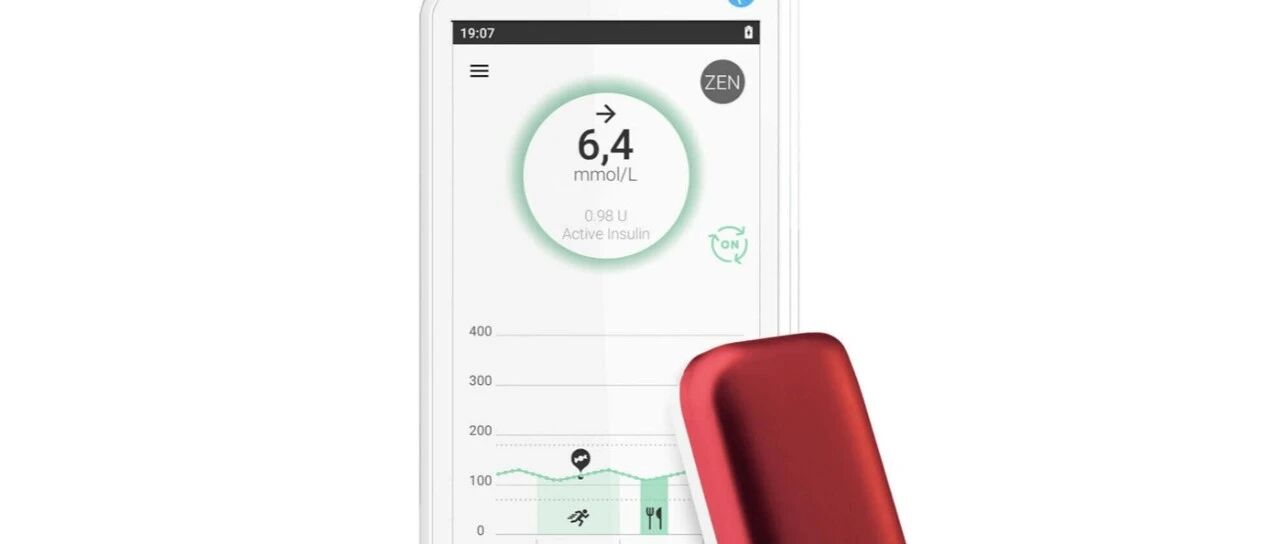
Core Insights - ViCentra, a European medical device company, has completed a second close of its Series D funding round, raising an additional $13 million, bringing the total to $98 million (approximately 680 million RMB) [2][3] - The new funding will primarily be used to expand manufacturing capabilities, enhance commercialization efforts in Germany, the Netherlands, and France, and accelerate preparations for the next-generation Kaleido insulin patch pump system's entry into the U.S. market [3][5][6] Funding Utilization - The additional funds will be allocated to three main areas: 1. Expansion of manufacturing capacity to meet growing market demand and support future regional expansion [5] 2. Deepening commercialization efforts in core European markets, particularly Germany, which is the second-largest insulin pump market globally [5][6] 3. Preparing for market entry in the U.S., a competitive but large insulin delivery market [6] Product Focus - ViCentra's core product is the Kaleido insulin patch pump system, designed as a wearable insulin delivery device that combines medical performance with personal technology attributes [7][9] - The Kaleido system is noted for being one of the smallest, lightest, and most precise delivery systems in its category, featuring an aluminum casing and offering up to 10 color options [9] Market Environment - The insulin delivery device market is entering a new phase of technological and product replacement, with patch pumps becoming one of the fastest-growing segments due to their flexibility and ease of use [11][12] - In Europe, the market dynamics differ from the U.S., with a focus on long-term treatment costs and sustainability, favoring products with durability and material advantages [13] - The integration of automated insulin delivery systems (AID) with continuous glucose monitoring (CGM) systems is becoming a significant competitive factor, shifting the market focus from hardware performance to comprehensive system capabilities [13]
美敦力出手,与脑机接口初创企业达成合作
思宇MedTech· 2026-01-13 04:09
2026年1月12日, Precision Neuroscience 宣布与 Medtronic 达成战略合作 , 将其 柔性薄膜脑机接口(Layer 7) 与 Medtronic 旗下的 术中导航系统 StealthStation 集成,联合开发"结构–功能同步可视化"的术中解决方案。 这并非又一场资本助推下的"脑机概念联名",而是围绕 脑手术中结构识别与功能识别的系统性整合 ,试图搭建起一个可应用于临床路径、可闭环的数据 系统。本文将聚焦此次合作的技术构成、预期场景与行业意义。 # 合作 框架: 从术中 工具集成,到术中决策 支持系 统 根据官方信息,此次合作的核心在于两大技术平台的整合: Precision Neuroscience 的 Layer 7 脑机接口(BCI) 在脑科学技术持续升温的背景下,一项跨界合作正在释放出更具临床落地潜力的信号。 该产品为一款 超薄柔性皮层电极阵列 ,厚度仅为头发丝的五分之一,内嵌 1024 个电极,能够以高空间分辨率贴合大脑皮层表面,捕捉神经信号。 其设 计强调 微创植入 与 大面积覆盖 之间的平衡,定位于瘫痪患者的"思想控制"辅助设备。2024年4月,该产品已获得 ...


近亿元!AI医疗企业完成战略融资
思宇MedTech· 2026-01-13 04:09
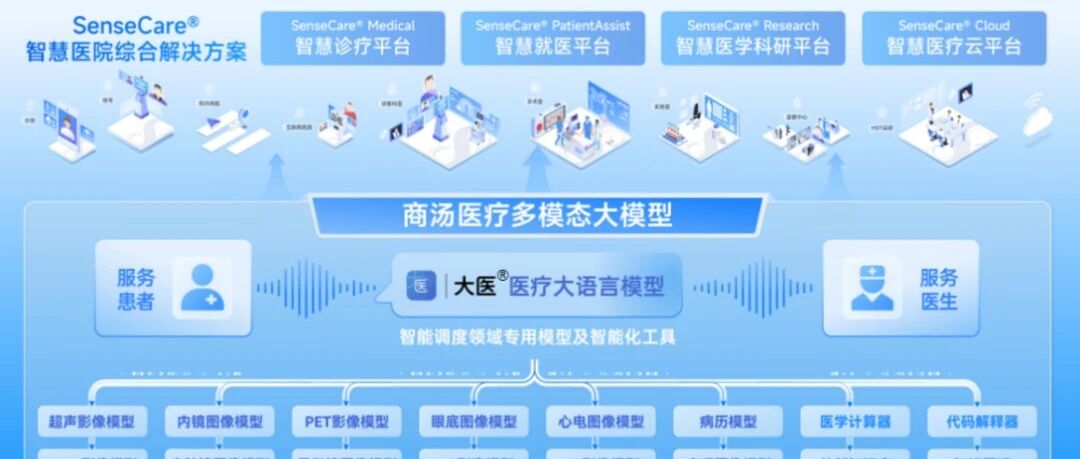
Core Viewpoint - The article highlights the strategic investment of nearly 100 million yuan by Henan Huirong Artificial Intelligence Industry Investment Fund into SenseTime Medical, marking a significant step in the implementation of the "AI + healthcare" strategy in the Central China region [2]. Market Background - The AI healthcare industry in China is transitioning from technology validation to value validation, with a market size of approximately 10.7 billion yuan in 2023, reflecting a year-on-year growth of over 50% [3]. - The demand for AI in healthcare is shifting from focusing on single diagnostic capabilities to emphasizing system-level tools that support cross-departmental and cross-process collaboration [3]. Company Positioning - SenseTime Medical is positioned as a provider of "smart hospital system-level solutions driven by large medical models," utilizing its self-developed clinical-grade medical language model, "SenseTime DaYi," as the core [4]. - The company's technical approach is based on a "general-special integration" architecture aimed at enhancing diagnostic efficiency and resource allocation without replacing physician decision-making [4]. Products and Cases - SenseTime Medical has developed over 40 AI modules within the SenseCare system, covering various clinical areas such as pulmonary, cardiac, and oncological diagnostics, with the AI-assisted diagnostic system improving departmental efficiency by 30% to 50% [7]. - The intelligent surgical planning system automates 3D reconstruction and lesion localization based on medical imaging, providing multiple surgical options and supporting pre-surgical simulations and post-surgical evaluations [8]. - In the Henan region, SenseTime Medical has participated in the construction of a remote medical system at Zhengzhou University First Affiliated Hospital, addressing challenges faced by grassroots medical institutions in diagnosing complex cases [9]. Key Signals and Future Focus - The introduction of regional industrial capital signals a shift towards "regional collaboration and system implementation" in AI healthcare, emphasizing the integration of AI capabilities into real medical processes [12]. - The focus for SenseTime Medical will be on regional replication capabilities, depth of hospital usage, and sustainability of the business model, which will determine its long-term position in the AI healthcare competitive landscape [12].
波科开年收购!瞄准胫神经刺激这一细分赛道
思宇MedTech· 2026-01-13 04:09
Core Insights - Boston Scientific has announced the acquisition of Valencia Technologies, focusing on bladder dysfunction treatment, particularly the eCoin® implantable tibial nerve stimulation (ITNS) system, marking its entry into a high-growth segment [2][6]. Technology Breakdown - The eCoin® system offers a novel physical intervention mechanism for treating urgency urinary incontinence (UUI), which is a symptom of overactive bladder (OAB). Traditional treatments often have significant side effects or poor adherence [4]. - Key features of the eCoin system include: - Coin-sized design with an integrated approach, eliminating the need for long wires [5]. - Minimally invasive implantation at the ankle, performed under local anesthesia in an office setting [5]. - Automated adjustment mechanism that stimulates the tibial nerve intermittently to modulate bladder control [5]. Clinical Validation - The eCoin system received FDA approval in 2022, targeting UUI patients who are intolerant or unresponsive to conservative treatments. A pivotal clinical trial showed a 68% response rate, with patients experiencing at least a 50% reduction in urinary incontinence episodes [6][10]. Strategic Rationale - Boston Scientific's acquisition of Valencia is seen as a strategic move to build a comprehensive neuromodulation matrix combining sacral nerve modulation (SNM) and ITNS, positioning itself in a high-growth adjacent market [6][9]. - The integration of eCoin into Boston Scientific's existing pelvic health sales channels is expected to facilitate rapid market penetration [8]. Competitive Landscape - The ITNS market is characterized by competition among key players, including Medtronic and Laborie. Boston Scientific's acquisition is a strategic response to strengthen its position against these competitors [9][12]. - The eCoin system's advantages include high patient adherence due to its automated operation and minimal invasiveness compared to traditional SNM procedures [11]. Financial Aspects - The financial details of the acquisition have not been disclosed, but Valencia had previously raised $35 million in funding, indicating a rising valuation [10]. - The transaction is expected to close in the first half of 2026, with minimal impact on Boston Scientific's adjusted EPS for that year, although some dilution may occur under GAAP [10]. Engineering Perspective - The success of the eCoin system is attributed to its ability to balance power and size, addressing engineering challenges in the development of implantable devices [14]. Conclusion - The acquisition of Valencia by Boston Scientific underscores a core strategy of expanding into disruptive technologies that are outpatient, minimally invasive, and user-friendly, thereby broadening treatment options for bladder dysfunction [14].


路演报名:药、械项目融资路演活动
思宇MedTech· 2026-01-12 04:18
Core Viewpoint - The article discusses an upcoming investment roadshow organized by the Zhongguancun Lianxin Biomedicine Industry Alliance and Siyu MedTech, aimed at connecting investors with projects in the biomedicine and medical device sectors [4][6]. Group 1: Event Details - The roadshow will take place on January 29, 2026, at 14:00, and will be conducted both online via Tencent Meeting and in-person [4]. - The event is free of charge and serves as a public service for alliance members, with a project vetting process in place to ensure quality [6]. - Projects eligible for participation range from angel to Series C funding stages, covering fields such as biomedicine, medical devices, and medical aesthetics [4][6]. Group 2: Investor Participation - A curated list of investors will be invited to the roadshow, including reputable institutions with relevant investment experience [4][7]. - The organizer will facilitate connections between interested investors and project CEOs after the roadshow concludes [4]. Group 3: Registration Process - Interested projects can register by filling out a form linked at the end of the article or by scanning a provided QR code [5][6]. - Registration is subject to approval, ensuring that only vetted projects participate in the roadshow [6].

近5亿融资!肺部神经调控系统完成A轮
思宇MedTech· 2026-01-12 04:18
Core Viewpoint - Spiro Medical has completed a $67 million (approximately 470 million RMB) Series A funding round to support the development of its Pulmonary Neuromodulation (PNM) system, aimed at treating respiratory diseases such as asthma [2][10]. Group 1: Funding and Development - The funding will be utilized for the ongoing research and clinical studies necessary to meet regulatory requirements in the U.S. [2][10]. - Post-funding, the company's primary focus will be on engineering improvements and clinical validation of the PNM system [2][10]. Group 2: Technology Overview - Neuromodulation technology aims to adjust nerve signal transmission through implanted or non-implanted devices to improve specific disease-related nerve functions [4][6]. - The PNM system is designed to directly influence nerve pathways related to respiratory function, potentially reducing reliance on conventional medications for asthma [6][8]. Group 3: Clinical Progress - Spiro Medical has completed an early exploratory clinical study, which indicated that the PNM technology could control asthma symptoms without medication, improving quality of life for some participants [10]. - The company holds three authorized patents, establishing a foundational intellectual property base for future development [10]. Group 4: Company Profile - Spiro Medical, based in Irvine, California, focuses on developing the PNM system for treating respiratory diseases, particularly asthma [12]. - The PNM system integrates implanted medical devices, neuromodulation technology, and digital tools, aiming for a minimally invasive approach to affect airway reactivity [12]. Group 5: Future Directions - The company plans to continue product development and clinical validation centered on asthma, while also exploring applications for chronic cough and chronic obstructive pulmonary disease (COPD) [12][13]. - The completion of the funding round is seen as a critical support for the exploration of this emerging technology, although its long-term clinical value and applicable patient demographics require further data [13].

15亿出售!全球首个无缝合全降解大口径血管闭合器
思宇MedTech· 2026-01-12 04:18
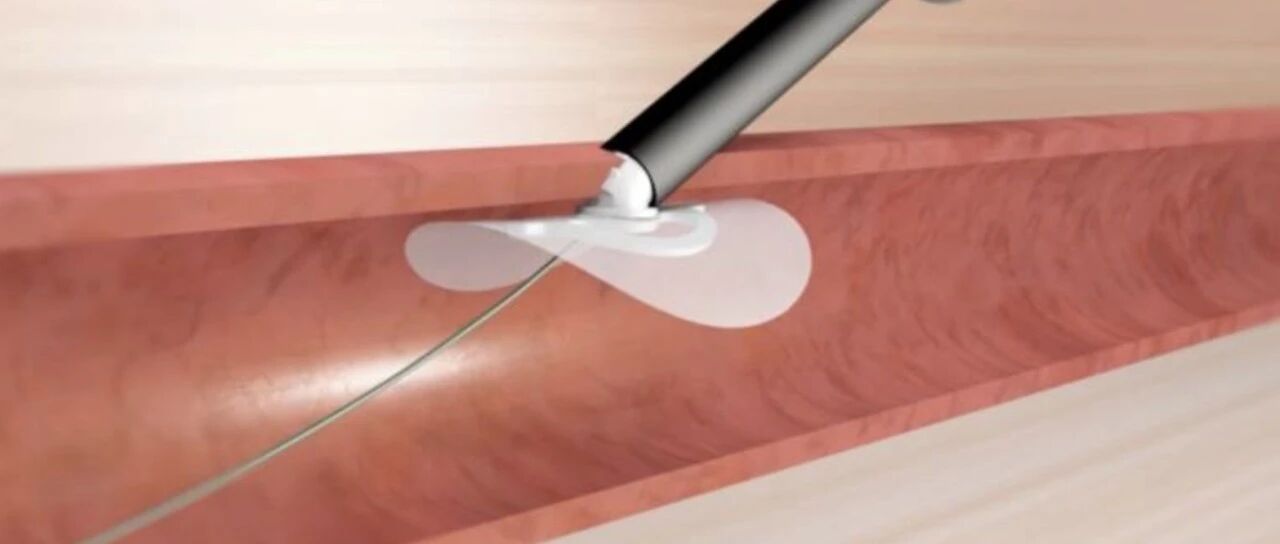
Core Viewpoint - Haemonetics has completed the acquisition of Vivasure Medical, enhancing its interventional technology portfolio with Vivasure's PerQSeal Elite large-bore vascular closure system, which is crucial for structural heart disease and vascular interventions [2][8]. Group 1: Acquisition Details - The acquisition was completed for approximately €100 million (about $116 million) as an upfront payment, with a potential contingent consideration of up to €85 million (about $98.9 million), totaling €185 million (approximately 1.5 billion RMB) based on future sales growth and milestones [2]. - The funding for the acquisition came from Haemonetics' own cash reserves, marking a strategic shift towards high-growth interventional technologies after divesting its whole blood business [2][9]. Group 2: Product Focus - Vivasure's PerQSeal Elite system is positioned in the high-barrier and clinically demanding niche of large-bore vascular closure, described as the world's first sutureless, fully bioabsorbable synthetic implant for large-bore vascular closure, suitable for puncture sites up to 26F [4]. - Unlike traditional external closure methods, PerQSeal Elite utilizes an internal closure pathway, deploying a proprietary absorbable patch to achieve closure, which is particularly beneficial for calcified vessels and complex anatomical conditions [6]. Group 3: Clinical and Regulatory Progress - The PerQSeal Elite system received CE marking in April 2025, expanding its indications to include large-bore venous closure, and a PMA application was submitted to the FDA in June 2025 based on clinical data from studies including PATCH and ELITE [7]. - The ELITE study demonstrated a significant safety profile with a major complication rate of 0% during a 30-day follow-up, supporting the system's operational safety and efficacy in complex interventional scenarios [7]. Group 4: Strategic Implications - The acquisition of Vivasure is part of Haemonetics' broader strategy to shift focus from capital-intensive traditional segments to high-value interventional consumables, emphasizing critical components in interventional procedures [8][9]. - The growing demand for procedures like transcatheter aortic valve replacement (TAVR) and transcatheter mitral valve repair/replacement (TMVR) highlights the importance of safe closure of large-bore access sites, which directly impacts postoperative complications and overall treatment efficiency [8].

活动报名!医疗器械IPO招股书解读、上市前后传播合规实践
思宇MedTech· 2026-01-11 01:06
Core Viewpoint - The article emphasizes the importance of the IPO stage for medical device companies, highlighting that these companies often feel hesitant to communicate during this critical period [2]. Summary by Sections IPO Preparation and Communication - The article discusses the contents of the prospectus and the types of information that can be interpreted and utilized [3]. - It raises questions about the ability of companies to communicate externally before and after the IPO, and what roles the marketing and branding departments should play during this phase [3]. Event Information - An organized event for a small group of participants is scheduled for January 15, 2026, in Shanghai, focusing on IPO-related discussions [4]. - The event is hosted by organizations including Siyu MedTech and aims to facilitate dialogue among industry professionals [4]. Agenda and Participants - The agenda includes self-introductions, a presentation by a guest speaker, and open discussions [6]. - The target audience includes market/brand leaders from companies planning or undergoing IPOs, as well as management and strategic personnel [6]. Key Topics of Discussion - The guest speaker will cover three main areas: the readability of medical device prospectuses, compliance boundaries for corporate communication before and after the IPO, and actionable promotional strategies for companies [7]. - The article outlines the basic structure and key modules of a prospectus, detailing what different roles (marketing, investment, partners) typically focus on [8]. Compliance and Risk Management - It highlights the distinction between factual statements and those that may be misused, as well as what can be communicated versus what should be avoided [8]. - The article discusses common scenarios where promotional activities may cross compliance lines and the differences in risk before and after the IPO [8].