WitsView睿智显示

Search documents
友达、群创等5家面板厂公布11月营收
WitsView睿智显示· 2025-12-09 10:42
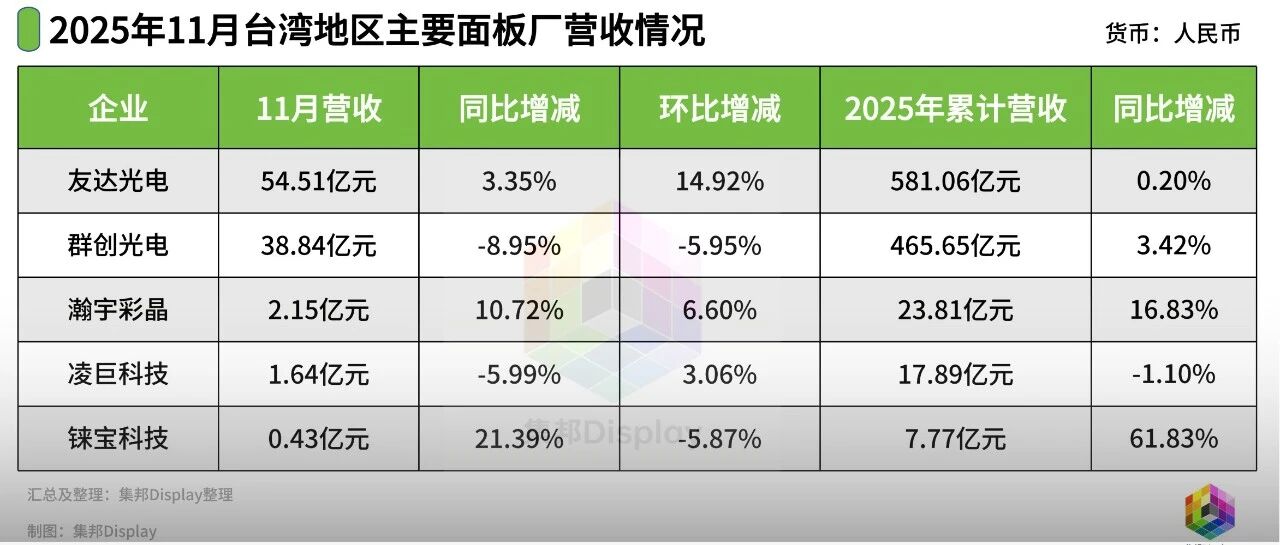
Core Viewpoint - The revenue performance of Taiwanese panel manufacturers in November 2025 shows a mixed trend, with some companies experiencing growth while others continue to face challenges. [1][2] Revenue Summary - AUO reported a revenue of RMB 5.451 billion in November, with a year-on-year increase of 3.35% and a month-on-month increase of 14.92% [1][2] - Innolux's revenue fell to RMB 3.884 billion, down 8.95% year-on-year and 5.95% month-on-month, indicating increased market pressure [1][2] - HannStar's revenue rose to RMB 215 million, reflecting a year-on-year growth of 10.72% and a month-on-month increase of 6.60% [1][2] - Lianjia's revenue decreased to RMB 164 million, with a year-on-year decline of 5.99% and a slight month-on-month increase [1][2] - Ralco's revenue reached RMB 43 million, showing a significant year-on-year growth of 21.39% [1][2] Market Dynamics - The revenue changes in November indicate a market recovery and differentiation among companies, contrasting with the overall decline seen in October [1][2] - The small and medium-sized market is showing signs of recovery, with HannStar and Lianjia experiencing slight improvements [2] Company Developments - AUO is actively engaged in technology innovation and business integration, collaborating with various partners to develop new systems and optimize operations [3][4] - Ralco is considering acquiring a stake in Anke Optoelectronics, focusing on technology and business collaboration [5] Future Outlook - The fourth quarter is typically a slow season for the panel industry, but demand for TV panels remains stable, with expectations of price stabilization in December [6] - The anticipated price increases in panel products are expected to positively impact company revenues, particularly for AUO and Ralco [6]

昀光科技完成A轮融资,正式启动12英寸硅基OLED产线建设
WitsView睿智显示· 2025-12-09 10:42
Core Viewpoint - Nanjing Yunguang Technology Co., Ltd. has completed its Series A financing round, which will primarily be used for the construction of a new 12-inch silicon-based OLED production line and the ongoing research and development of next-generation near-eye display products, accelerating the company's transition to large-scale production and global competition [1]. Group 1: Company Overview - Yunguang Technology specializes in near-eye display technology solutions, focusing on the independent research, manufacturing, and sales of silicon-based micro-displays, with full-stack capabilities from driver chip design to mass production of micro-OLED panels [4]. - The company's silicon-based OLED series products have entered mass production, covering sizes from 0.13 to 1.32 inches, applicable in AI+AR, AR, and VR/MR fields [4]. Group 2: Production Capacity and Financing - The 8-inch silicon-based OLED production line was officially launched in April 2023, with an annual design capacity of 200,000 display modules and a monthly wafer production capacity of approximately 1,000 [4]. - Since 2023, Yunguang Technology has completed four rounds of financing, with the highest disclosed single-round financing amount reaching tens of millions of yuan [4]. Group 3: New Production Line and Future Capacity - With the completion of the latest financing round, the company has officially initiated the construction of a new 12-inch silicon-based OLED production line, which will have a planned building area of approximately 40,000 square meters, enhancing the full-process capabilities from driver chip design to silicon-based OLED panel manufacturing and module integration [5]. - Once completed, the new production line is expected to achieve an annual capacity of approximately 60,000 12-inch wafers, corresponding to the output of about 80 million 0.13-inch OLED micro-displays or about 4 million 1.32-inch micro-displays, supporting the annual demand for tens of millions of AI glasses and millions of VR/MR headsets, providing critical support for the large-scale industrialization of silicon-based OLEDs [6].

京东方或将再采购8.6代OLED设备
WitsView睿智显示· 2025-12-09 10:42
Core Viewpoint - Avaco, a South Korean display equipment manufacturer, is likely to secure a follow-up order for the second phase of BOE's 8.6-generation OLED production line, following a letter of intent (LOI) from BOE [1] Group 1: Business Developments - Avaco has received a purchase intention letter from BOE for the procurement of vapor deposition logistics equipment for the second phase of its OLED production line [1] - The B16 production line, located in Chengdu, Sichuan, China, is crucial for BOE's strategy in the tablet and laptop OLED market, with a planned capacity of 32,000 units per month [1] - Avaco's performance has rebounded significantly this year, with double-digit growth in both revenue and profit for the first three quarters, attributed to the successful delivery of the first phase project and the procurement opportunity for the second phase [1] Group 2: Technical Strengths - Avaco possesses sputtering coating equipment and vacuum logistics systems, along with expertise in atomic layer deposition (ALD) technology and related automation logistics technology for OLED packaging [4] - The product line of Avaco covers various display technologies, including LCD, OLED, and next-generation Micro LED [4] Group 3: Market Position and Strategy - Avaco has historically been a core supplier for the "LG system," having established a close partnership with LG Display since its inception [4] - To reduce reliance on a single customer and address cyclical fluctuations in the display industry, Avaco has been actively diversifying its customer base, focusing on the Chinese market [4] - In addition to BOE, Avaco is also engaging with other Chinese panel manufacturers such as TCL Huaxing and Tianma [4] Group 4: Business Expansion - Avaco is expanding its business beyond the display sector, transitioning towards lithium battery manufacturing equipment in response to the slowdown in display panel investments [4] - The company has successfully developed roll presses and slitters for battery electrode manufacturing, leveraging its expertise in rolling and precision handling, and has begun supplying to major battery manufacturers like LG Energy Solution [4]


安徽芯视佳12英寸Micro OLED产线成功点亮
WitsView睿智显示· 2025-12-08 11:59
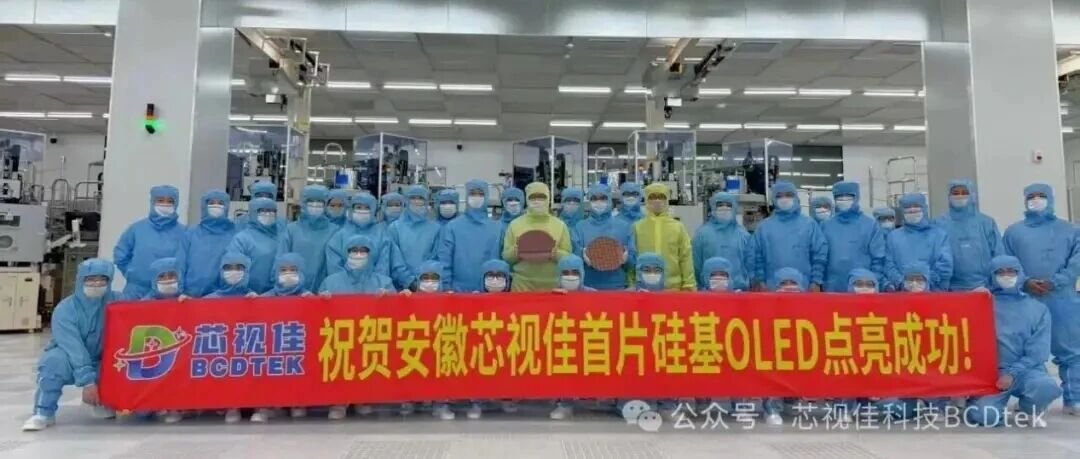
Core Viewpoint - The company, Chipview, has successfully lit up its 12-inch Micro OLED production line (K2 project), marking a new phase in the commercialization of silicon-based OLED products [1]. Group 1: Product Details - The newly lit product features a screen size of 0.49 inches, a resolution of 1920x1080, and a full-color brightness exceeding 3000 nits. After passing reliability tests, it will soon be supplied in bulk to customers [2]. - Chipview specializes in the research and development of silicon-based OLED microdisplay technology, providing silicon-based OLED microdisplay devices and flexible AMOLED display modules for various applications, including VR/AR, electronic viewfinders, special applications, automotive, and mobile portable smart devices [2]. Group 2: Production Capacity and Investment - The company has invested 100 million yuan in its K1 factory located in Huainan, which began production in April 2023, primarily manufacturing silicon-based OLED microdisplays, flexible OLED smartphone screens, and automotive display modules, with an annual output value expected to reach 200 million yuan [2]. - The K2 project has a total investment of 1.5 billion yuan, with the first phase starting construction in June 2023 in Huainan, aiming for a monthly production capacity of 4,000 12-inch wafers, mainly for Micro OLED microdisplays used in AR/VR/MR applications [2]. - Additionally, Chipview is expanding its capacity with the establishment of the K3 factory in Fengcheng, Jiangxi, which was officially set up in November this year [2]. Group 3: Future Plans - The company plans to invest 1 billion yuan in a project focused on high-end OLED module manufacturing, which will be executed in two phases: the first phase aims for an annual production of 12 million flexible OLED modules with two fully automated production lines, while the second phase targets 2.5 million silicon-based OLED display modules, also with two fully automated production lines. The first phase is expected to be operational by the end of December 2025, with a projected annual output value exceeding 1 billion yuan upon full production [4]. - Chipview aims to continuously optimize product performance, enhance production line capabilities, and collaborate with industry partners to promote the industrialization of Micro OLED technology, contributing to the innovative development of the global new display industry [4].
友达:Micro LED成本每2年降低50%
WitsView睿智显示· 2025-12-08 09:33
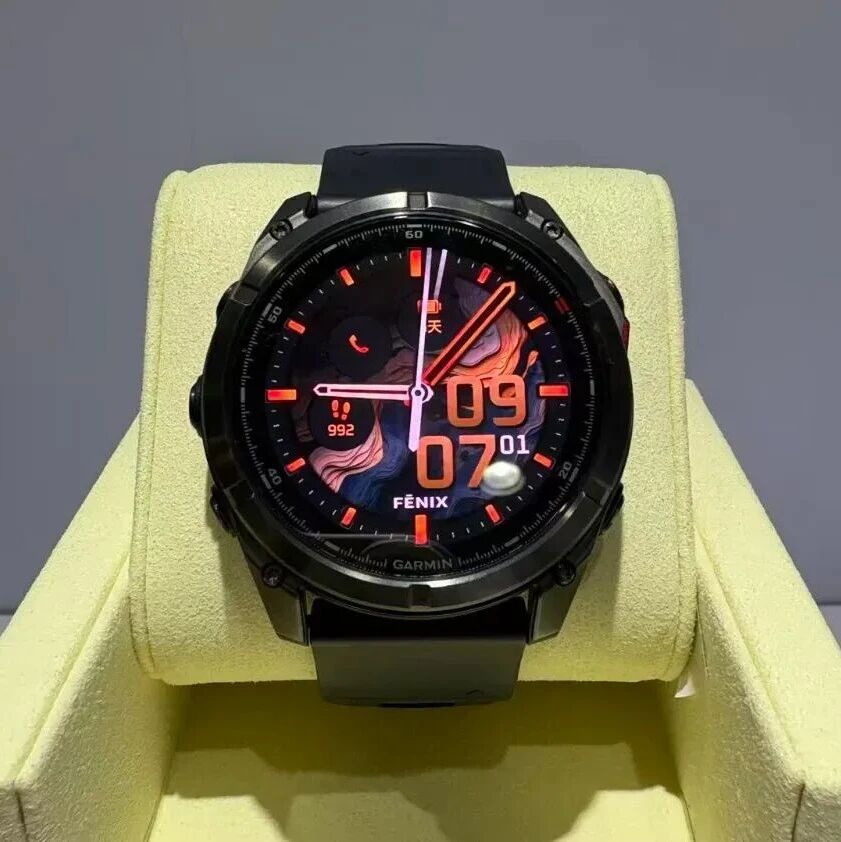
Core Viewpoint - AUO (友达光电) is undergoing a significant transformation from a traditional display panel manufacturer to a vertically integrated solution provider, focusing on three pillars: Display Technology, Mobility Solutions, and Vertical Solutions, driven by AI and sustainability initiatives [3][4][8]. Group 1: Business Transformation - The display business is expected to decrease to less than 50% of total revenue as AUO diversifies its operations into automotive and other sectors [3][11]. - AUO has optimized its product structure internally and expanded externally through acquisitions, such as the purchase of automotive parts manufacturer BHTC, to enhance its business scope [4][19]. - The company has established three subsidiaries focusing on different areas: AUO Display +, AUO Mobility Solutions Corporation, and ADTTech, to drive strategic development [4][8]. Group 2: Product Innovations - At the "Smart AUO Exhibition," the company showcased a range of innovative display products utilizing LTPS, Mini LED, and Micro LED technologies, including various specialized displays for medical and automotive applications [6][10]. - The smart mobility business, which includes in-car displays and control systems, is projected to grow by 20% in revenue in 2024, supported by strong customer demand and new projects [8][19]. Group 3: Market Position and Strategy - AUO's revenue from smart mobility and vertical solutions has reached 44% of total revenue, with a target to exceed 50% by 2027 [11]. - The company is leveraging its existing strengths in semiconductor manufacturing and automation to gain a competitive edge in the Micro LED market, focusing on niche applications in automotive and healthcare [12][14]. - AUO's acquisition of BHTC is aimed at enhancing its service capabilities in the European and American automotive markets, with expectations of significant revenue growth from this segment [19][23]. Group 4: Technological Advancements - Micro LED costs are expected to decrease by 50% every two years, driven by advancements in chip size reduction and manufacturing processes [18]. - AUO has achieved a 95% equipment connectivity rate and a 90% data cloud coverage in its smart manufacturing initiatives, significantly improving production efficiency [26][28]. Group 5: Sustainability Efforts - AUO is committed to building a green and resilient industrial ecosystem, having received national recognition for its digital and green development achievements [28].
京东方精电子公司等国内3个显示项目传最新动态
WitsView睿智显示· 2025-12-08 09:33
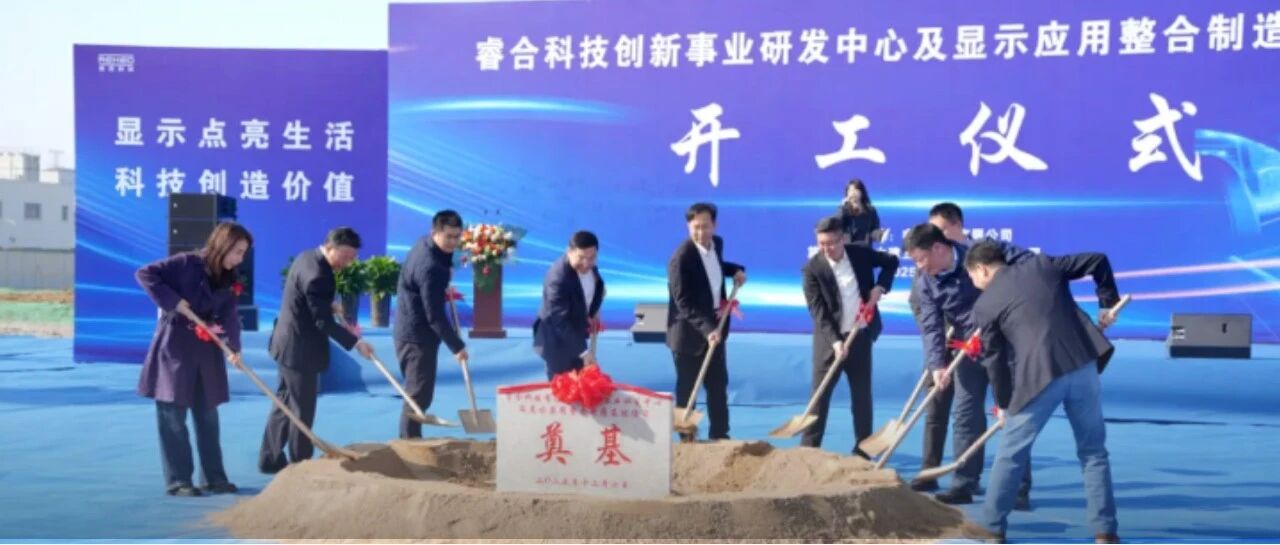
Group 1: Company Developments - Ruhi Technology has laid the foundation for its new headquarters and display application integration manufacturing base in Hefei High-tech Zone, with a total investment of 1 billion yuan, aiming for an annual production capacity of 3 million display modules and 600 tons of optical silicone materials [2][4] - BlueDai Technology has established its second subsidiary in Thailand for touch display business, named TOP GROUP TECHNOLOGY (THAILAND) CO., LTD., with a registered capital of 1 million Thai Baht, marking a significant step in its strategic layout for dual business bases in Thailand [5][7][8] - A new production project by Aihui Saimai Technology is under construction in Anhui Province, with a total investment of 500 million yuan, focusing on Mini LED modules and terminal display screens, aiming for an annual production of 5 million display modules [9][11] Group 2: Industry Trends - The projects mentioned involve advancements in Mini LED backlight modules, automotive displays, and touch display applications, indicating a growing trend in the display technology sector [1][4][9] - The establishment of production bases in Thailand by BlueDai Technology reflects a strategic move to enhance its capabilities in touch display and power transmission businesses, aligning with the industry's shift towards international expansion [5][8] - The focus on Mini LED technology and smart display solutions by companies like Saimai Technology and Ruhi Technology highlights the increasing demand for advanced display technologies in various applications, including automotive and consumer electronics [4][9][11]

跳票到2027年?Meta新型MR眼镜或再延期
WitsView睿智显示· 2025-12-08 09:33
Core Viewpoint - Meta is delaying the release of its new mixed reality (MR) glasses, codenamed "Phoenix," from the second half of 2026 to the first half of 2027 to ensure a higher quality user experience and address significant changes in core user experience [1][4]. Group 1: Delay Reasons - The delay is attributed to the need for more time to refine details and ensure a reliable final product, as stated by Meta's Reality Labs VP Maher Saba [1][4]. - The decision to postpone is not aimed at adding new features but rather to enhance the quality of the existing experience [4]. Group 2: Product Design and Features - The MR glasses are reported to resemble Apple's Vision Pro and will utilize a split "Puck" power supply design, despite internal concerns about the external power source [1]. - The design considerations include weight, comfort, and overheating risks, leading to the retention of the external power solution [1]. Group 3: Future Plans - Meta plans to release a limited edition wearable device, codenamed "Malibu 2," in 2026, alongside a new generation of Quest headsets focused on immersive gaming with significant functional upgrades [4].


索尼RGB Mini LED电视参数曝光
WitsView睿智显示· 2025-12-08 09:33
Core Insights - Sony is expected to launch new Bravia 7 II and Bravia 9 II series Mini LED TVs in early 2026, featuring the patented "True RGB" technology which significantly enhances brightness, contrast, and color accuracy [1] - The Bravia 9 II series will be the first to implement True RGB technology, available in sizes of 75, 85, and 98 inches, with a peak brightness of up to 4000 nits [1] - The Bravia 7 II series will include 65, 75, and 85-inch models, featuring 5100 Mini LED dimming zones and a peak brightness range of 2000 to 2500 nits, catering to mainstream home size requirements [1] Market Overview - In 2025, several brands including Hisense, TCL, and Samsung are set to release multiple RGB Mini LED TV products, indicating a growing market for RGB Mini LED TVs as Sony and LG Electronics are also expected to launch related products [2]

价格评论丨12月电视面板价格有望提前止跌
WitsView睿智显示· 2025-12-06 01:03
Core Viewpoint - TrendForce's December panel price forecast indicates stable prices for TV and monitor panels, while laptop panel prices are expected to decline for certain sizes [1][4][5]. Group 1: TV Panels - Demand for TV panels remains stable as some brand clients anticipate that panel prices have reached their bottom, leading to increased orders [4]. - The production and utilization rates of panel manufacturers are expected to remain strong due to this demand, creating a potential atmosphere for price increases [4]. - December's price trend for TV panels in sizes ranging from 32 inches to 65 inches is expected to stabilize [4]. Group 2: Monitor Panels - The demand for LCD monitor panels has weakened overall, despite some brand clients increasing their orders [5]. - Panel manufacturers are reluctant to make significant price concessions, and most brand clients are accepting stable prices [5]. - In December, the price for the 23.8-inch VA Open Cell panel is expected to decline by $0.2, while other sizes are anticipated to remain stable [6]. Group 3: Laptop Panels - The demand for laptop panels is expected to remain as previously anticipated, with memory shortages and price increases not significantly impacting panel procurement [7]. - Some brand clients are actively requesting more price concessions from panel manufacturers, indicating that previous discount strategies are no longer sufficient [7]. - For December, prices for IPS laptop panels are expected to decline by $0.1 to $0.2, while low-end TN models are anticipated to remain stable [7].

奇瑞押注,汽车显示芯片企业曦华科技递表港交所
WitsView睿智显示· 2025-12-05 07:19
Core Viewpoint - XiHua Technology, an automotive chip company, has submitted its listing application to the Hong Kong Stock Exchange, with Agricultural Bank of China International as the sole sponsor [1]. Group 1: Company Overview - XiHua Technology focuses on edge AI chips and solutions, with products applied in major automotive OEMs and globally recognized consumer electronics brands across various application scenarios, including consumer electronics and automotive [5]. - The company’s edge AI chips and solutions utilize an integrated stack of dedicated processors to execute AI inference at the sensor or display device level [5]. Group 2: Financial Performance - The company has shown a growth trend in revenue, with operating income projected to increase from 86.68 million yuan in 2022 to 244 million yuan in 2024, representing a compound annual growth rate (CAGR) of 67.8% [5]. - As of the first three quarters of 2025, the business is divided into two main segments: smart display chips and solutions, generating 206 million yuan (85.6% of total revenue), and smart cockpit and MCU solutions, generating 34.6 million yuan (14.4% of total revenue) [5]. Group 3: Market Position and Valuation - The company’s valuation has risen from 187 million yuan in 2020 to 2.84 billion yuan, following nine rounds of financing, with investors including Huiyou Capital, Hongtai Fund, and others [5]. - The Scaler chip, primarily used for image processing in smartphones and automotive cockpit displays, is expected to have a shipment volume of approximately 37 million units in 2024 [5].