自动驾驶之心

Search documents
不及预期的diffusion多模态轨迹输出,能否胜任自动驾驶VLA的角色?
自动驾驶之心· 2025-09-07 23:34
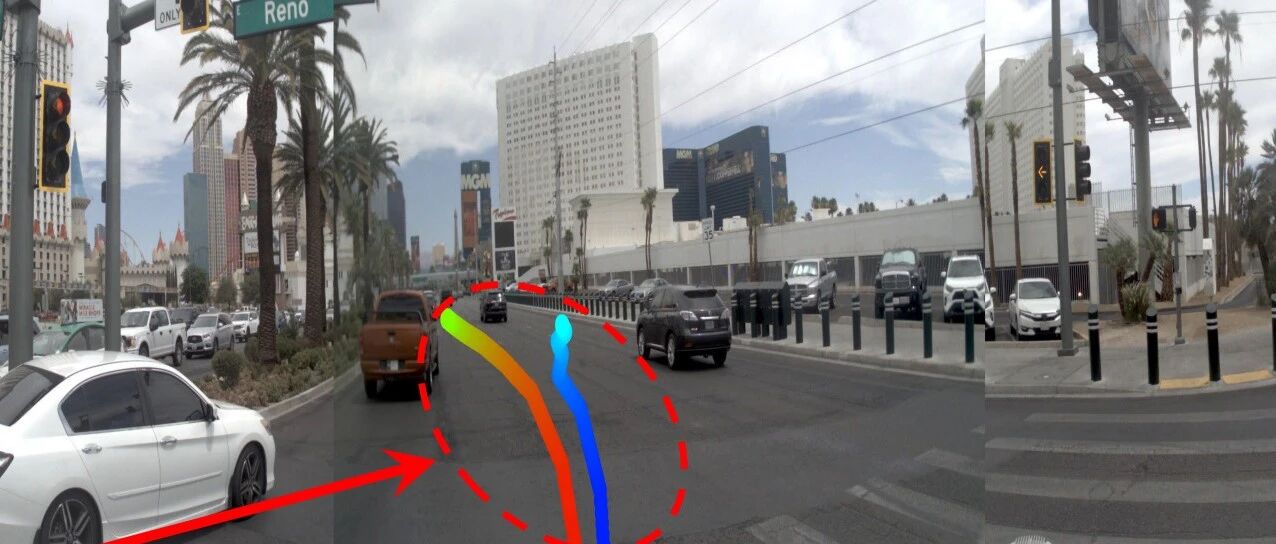
Core Viewpoint - The article discusses the evolution and current state of autonomous driving paradigms, focusing on the transition from end-to-end systems to Vision-Language-Action (VLA) frameworks and the challenges faced in achieving effective multi-modal trajectory outputs [2][3][11]. Group 1: End-to-End Systems - The end-to-end autonomous driving network directly maps raw sensor inputs to control commands, eliminating traditional processing steps and maximizing information retention [4]. - Iterative practices in engineering involve clustering bad cases and retraining models, but this often leads to new issues arising from updates [8]. - Tesla's "daily update model" offers a solution by continuously evolving the model through the integration of bad cases into training samples [9]. Group 2: Emergence of Dual Systems - The introduction of large language models (LLMs) has led to the rapid adoption of the "end-to-end + VLM" dual system approach, which enhances generalization in zero-shot and few-shot scenarios [11]. - Early VLMs focused on recognizing specific semantics, and the EMMA architecture incorporates reasoning to assist in vehicle control [12]. Group 3: VLA and Diffusion Framework - The VLA framework outputs driving commands that are processed by a diffusion decoder to generate safe and smooth vehicle trajectories [16]. - Current challenges in the VLA + diffusion architecture include subpar multi-modal trajectory outputs, the "brain split" issue between VLA and diffusion systems, and the quality of single-modal trajectories [18][19]. - The alignment of language and action (LA alignment) remains a critical challenge, as the practical value of language models in autonomous driving is still uncertain [19]. Group 4: Future Directions - Future work should focus on scalable system solutions that leverage data advantages and enhance the capabilities of foundational models through reinforcement learning [20][22]. - The "generate + score" paradigm has proven effective in other domains, and the next steps involve optimizing trajectory quality through self-reflection mechanisms [22].

TrackAny3D:一个模型通吃所有3D单目标跟踪!
自动驾驶之心· 2025-09-07 23:34
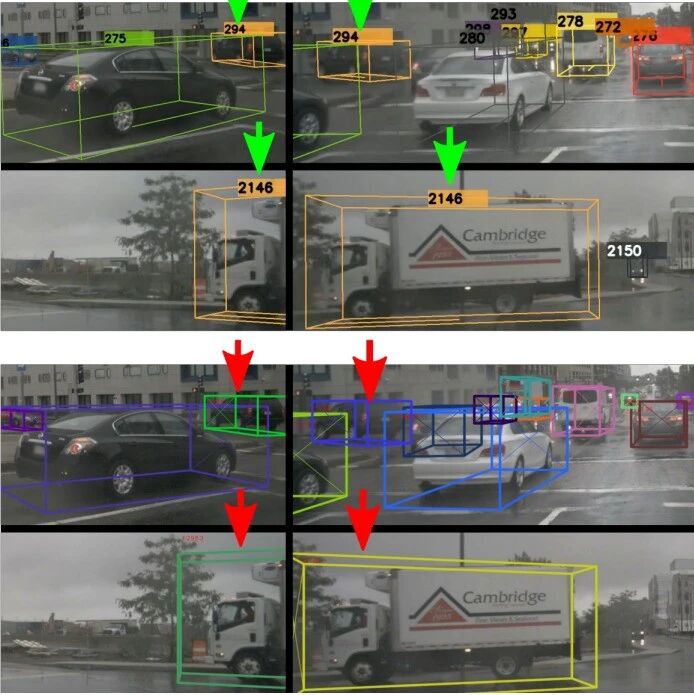
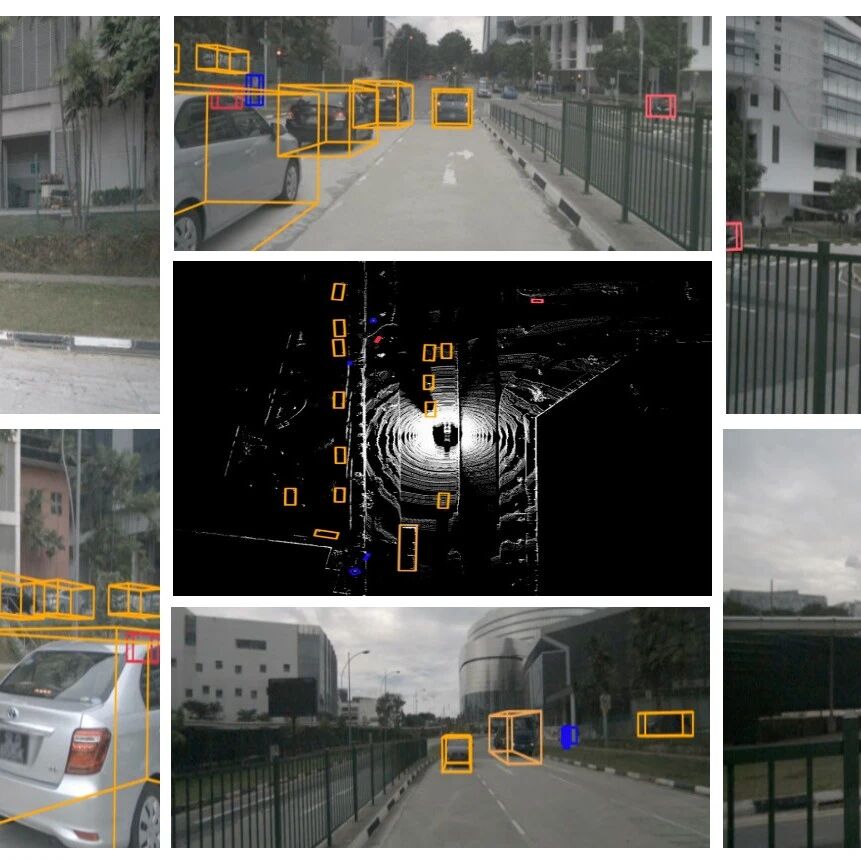
来源 | 极市平台 点击下方 卡片 ,关注" 自动驾驶之心 "公众号 戳我-> 领取 自动驾驶近30个 方向 学习 路线 >>自动驾驶前沿信息获取 → 自动驾驶之心知识星球 本文只做学术分享,如有侵权,联系删文 导读 TrackAny3D 首次把大规模预训练 3D 点云模型搬进单目标跟踪任务,用轻量适配器+几何专家混合网络,让一套模型无需类别微调即可"通吃"汽车、行人、自 行车等全部类别。新设计的时间令牌与动态掩码加权机制,把静态预训练特征升级为连贯的时序表达,在 KITTI、NuScenes、Waymo 上刷新类别统一设定的 最佳成绩。 01 引言 基于点云的3D SOT是指在动态三维场景中持续定位特定目标的任务。该任务在自动驾驶与移动机器人等多个领域展现出广阔的应用前景。与利用丰富纹理 和色彩信息的RGB图像跟踪方法不同,基于3D雷达的单目标跟踪主要依赖于稀疏且不规则的点云数据来估计目标的三维空间位姿。 论文标题: TrackAny3D: Transferring Pretrained 3D Models for Category-unified 3D Point Cloud Tracking 这种对几何 ...
当导师让我去看多模态感知研究方向后......
自动驾驶之心· 2025-09-07 23:34
Core Viewpoint - The article discusses the ongoing debate in the automotive industry regarding the safety and efficacy of different sensor technologies for autonomous driving, particularly focusing on the advantages of LiDAR over radar systems as emphasized by Elon Musk [1]. Summary by Sections Section 1: Sensor Technology in Autonomous Driving - LiDAR provides significant advantages such as long-range perception, high frame rates for real-time sensing, robustness in adverse conditions, and three-dimensional spatial awareness, addressing key challenges in autonomous driving perception [1]. - The integration of multiple sensor types, including LiDAR, radar, and cameras, enhances the reliability of autonomous systems through multi-sensor fusion, which is currently the mainstream approach in high-end intelligent driving production [1]. Section 2: Multi-Modal Fusion Techniques - Traditional fusion methods are categorized into three types: early fusion, mid-level fusion, and late fusion, each with its own strengths and weaknesses [2]. - The current cutting-edge approach is end-to-end fusion based on Transformer architecture, which leverages cross-modal attention mechanisms to learn deep relationships between different data modalities, improving efficiency and robustness in feature interaction [2]. Section 3: Educational Initiatives - There is a growing interest among graduate students in the field of multi-modal perception fusion, with many seeking guidance and mentorship to enhance their understanding and practical skills [2]. - A structured course is offered to help students systematically grasp key theoretical knowledge, develop practical coding skills, and improve their academic writing capabilities [5][10]. Section 4: Course Structure and Outcomes - The course spans 12 weeks of online group research followed by 2 weeks of paper guidance, culminating in a 10-week maintenance period for the research paper [21]. - Participants will gain insights into classic and cutting-edge research papers, coding implementations, and methodologies for selecting topics, conducting experiments, and writing papers [20][21].
自动驾驶黄埔军校,4000人死磕技术的地方~
自动驾驶之心· 2025-09-07 03:08
Core Viewpoint - The article emphasizes the importance of creating an engaging learning environment in the field of autonomous driving and AI, aiming to bridge the gap between academia and industry while providing valuable resources for students and professionals [1]. Group 1: Community and Resources - The community has established a comprehensive platform for knowledge exchange in autonomous driving, covering academic, industrial, and job-seeking aspects [1][14]. - The platform offers access to cutting-edge academic content, industry roundtables, open-source code solutions, and timely job information, significantly reducing the time needed for research [2][12]. - Members can engage with industry leaders and experts, facilitating discussions and inquiries related to their fields [2][20]. Group 2: Learning Pathways - The community has organized over 40 technical routes for various applications in autonomous driving, catering to both beginners and advanced practitioners [2][8]. - Detailed learning pathways include topics such as perception, simulation, and planning control, allowing members to quickly grasp essential concepts and technologies [14][15]. - The platform provides a well-structured entry-level technical stack and roadmap for newcomers, as well as valuable industry frameworks and project proposals for those already engaged in research [10][12]. Group 3: Collaboration and Networking - The community comprises members from renowned universities and leading companies in the autonomous driving sector, fostering a collaborative environment for knowledge sharing [14]. - Regular live sessions and discussions with industry experts are held, allowing members to stay updated on the latest advancements and job opportunities in the field [20][80]. - The platform encourages networking among peers, enhancing professional connections and collaboration opportunities within the autonomous driving ecosystem [12][81].
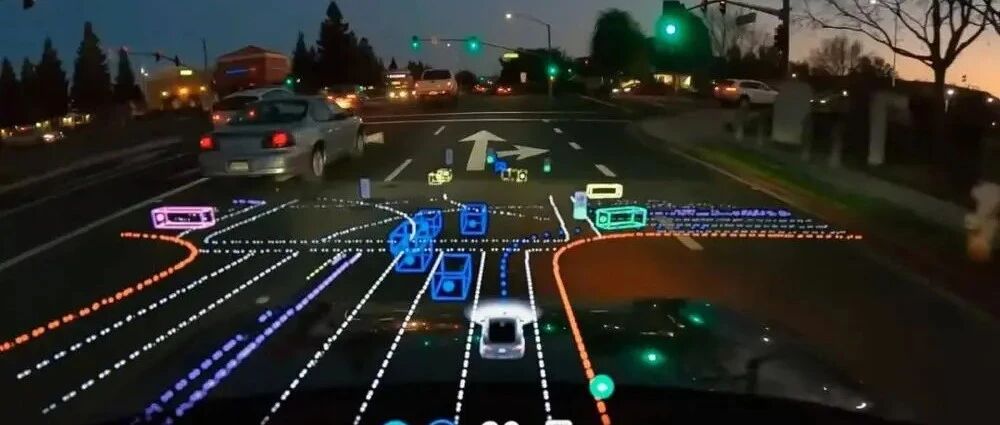
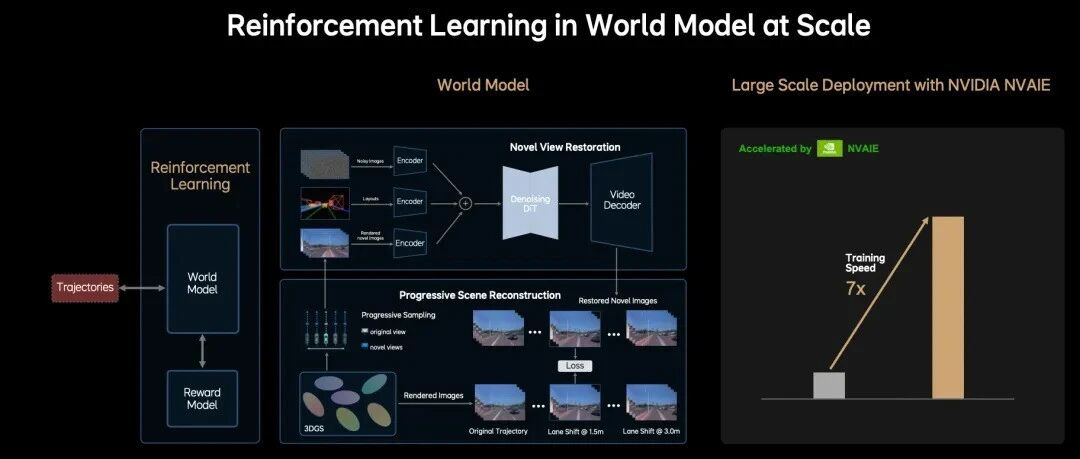
理想汽车智驾方案World model + 强化学习重建自动驾驶交互环境
自动驾驶之心· 2025-09-06 16:05
Core Viewpoint - The article discusses the integration of World Model and Reinforcement Learning to enhance closed-loop simulation in autonomous driving, aiming to surpass human driving capabilities and improve safety and reliability [3]. Group 1: Limitations and Solutions - Traditional vehicle architectures hinder end-to-end training, leading to ineffective information transfer in reinforcement learning [5]. - The lack of realistic interactive environments has resulted in models that are prone to biases and inaccuracies due to insufficient scene realism and small-scale construction [5]. - The ideal solution combines real data 3D reconstruction with noise addition to train generative models, enhancing their ability to generate diverse scenes [5]. Group 2: DrivingSphere Framework - DrivingSphere is the first generative closed-loop simulation framework that integrates geometric prior information, creating a 4D world representation that combines static backgrounds and dynamic objects [8]. - The framework addresses issues of open-loop simulation lacking dynamic feedback and traditional closed-loop simulation's visual realism and data compatibility [10]. - DrivingSphere consists of three main modules: Dynamic Environment Composition, Visual Scene Synthesis, and Closed-Loop Feedback Mechanism [12]. Group 3: Dynamic Environment Composition - This module constructs a 4D driving world with static backgrounds and dynamic entities, utilizing the OccDreamer diffusion model and action dynamics management [13]. - The 4D world representation is stored in an occupancy grid format, allowing unified modeling of spatial layouts and dynamic agents [16]. Group 4: Visual Scene Synthesis - This module converts 4D occupancy data into high-fidelity multi-view videos, focusing on dual-path conditional encoding and ID-aware representation [19]. - The use of VQVAE for mapping 3D occupancy data enhances reconstruction accuracy through a combination of loss functions [20]. Group 5: Closed-Loop Feedback Mechanism - The closed-loop feedback mechanism enables real-time interaction between the autonomous driving agent and the simulated environment, facilitating a "agent action - environment response" cycle [23]. - This mechanism supports an iterative process of "simulation - testing - optimization," allowing for the identification and correction of algorithmic flaws [23].

自动驾驶中有“纯血VLA"吗?盘点自动驾驶VLM到底能起到哪些作用~
自动驾驶之心· 2025-09-06 16:05
Core Viewpoint - The article discusses the challenges and methodologies involved in developing datasets for autonomous driving, particularly focusing on the VLA (Visual Language Action) model and its applications in trajectory prediction and scene understanding [1]. Dataset Handling - Different datasets have varying numbers of cameras, and the VLM model can handle this by automatically processing different image token inputs without needing explicit camera counts [2] - The output trajectories are based on the vehicle's current coordinate system, with predictions given as relative (x, y) values rather than image coordinates, requiring additional camera parameters for mapping to images [6] - The VLA model's output format is generally adhered to, but occasional discrepancies occur, which are corrected through Python programming for format normalization [8][9] Trajectory Prediction - VLA trajectory prediction differs from traditional methods by incorporating scene understanding capabilities through QA training, enhancing the model's ability to predict trajectories of dynamic objects like vehicles and pedestrians [11] - The dataset construction faced challenges such as data quality issues and inconsistencies in coordinate formats, which were addressed through rigorous data cleaning and standardization processes [14][15] Data Alignment and Structure - Data alignment is achieved by converting various dataset formats into a unified relative displacement in the vehicle's coordinate system, organized in a QA format that includes trajectory prediction and dynamic object forecasting [18] - The input data format consists of images and trajectory points from the previous 1.5 seconds to predict future trajectory points over 5 seconds, adhering to the SANA standard [20] Community and Resources - The "Autonomous Driving Heart Knowledge Planet" community focuses on cutting-edge technologies in autonomous driving, covering nearly 40 technical directions and fostering collaboration between industry and academia [22][24] - The community offers a comprehensive platform for learning, including video tutorials, Q&A sessions, and job opportunities in the autonomous driving sector [28][29]
自动驾驶之心开学季火热进行中,所有课程七折优惠!
自动驾驶之心· 2025-09-06 16:05
Group 1 - The article introduces a significant learning package for the new academic season, including a 299 yuan discount card that offers a 30% discount on all platform courses for one year [3][5]. - Various course benefits are highlighted, such as a 1000 yuan purchase giving access to two selected courses, and discounts on specific classes and hardware [3][6]. - The focus is on cutting-edge autonomous driving technologies for 2025, particularly end-to-end (E2E) and VLA (Vision-Language Alignment) autonomous driving systems [5][6]. Group 2 - End-to-end autonomous driving is emphasized as a core algorithm for mass production, with a notable mention of the competition sparked by the UniAD paper winning the CVPR Best Paper award [6][7]. - The article discusses the challenges faced by beginners in mastering multi-modal large models and the fragmented nature of knowledge in the field, which can lead to discouragement [7][8]. - A course on automated 4D annotation algorithms is introduced, addressing the increasing complexity of training data requirements for autonomous driving systems [11][12]. Group 3 - The article outlines a course on multi-modal large models and practical applications in autonomous driving, reflecting the rapid growth and demand for expertise in this area [15][16]. - It mentions the increasing job opportunities in the field, with companies actively seeking talent and offering competitive salaries [15][16]. - The course aims to provide a systematic learning platform, covering topics from general multi-modal large models to fine-tuning for end-to-end autonomous driving applications [16][18]. Group 4 - The article emphasizes the importance of community and communication in the learning process, with dedicated VIP groups for course participants to discuss challenges and share insights [29]. - It highlights the need for practical guidance in transitioning from theory to practice, particularly in the context of real-world applications and job readiness [29][31]. - The article also mentions the availability of specialized small group courses to address specific industry needs and enhance practical skills [23][24].
谈谈Diffusion扩散模型 -- 从图像生成到端到端轨迹规划~
自动驾驶之心· 2025-09-06 11:59
Core Viewpoint - The article discusses the significance and application of Diffusion Models in various fields, particularly in autonomous driving, emphasizing their ability to denoise and generate data effectively [1][2][11]. Summary by Sections Introduction to Diffusion Models - Diffusion Models are generative models that focus on denoising, where noise follows a specific distribution. The model learns to recover original data from noise through a forward diffusion process and a reverse generation process [1][2]. Applications in Autonomous Driving - In the field of autonomous driving, Diffusion Models are utilized for data generation, scene prediction, perception enhancement, and path planning. They can handle both continuous and discrete noise, making them versatile for various decision-making tasks [11]. Course Overview - The article promotes a new course titled "End-to-End and VLA Autonomous Driving," developed in collaboration with top algorithm experts. The course aims to provide in-depth knowledge of end-to-end algorithms and VLA technology [15][22]. Course Structure - The course is structured into several chapters, covering topics such as: - Comprehensive understanding of end-to-end autonomous driving [18] - In-depth background knowledge including large language models, BEV perception, and Diffusion Model theory [21][28] - Exploration of two-stage and one-stage end-to-end methods, including the latest advancements in the field [29][36] Learning Outcomes - Participants are expected to gain a solid understanding of the end-to-end technology framework, including one-stage, two-stage, world models, and Diffusion Models. The course also aims to enhance knowledge of key technologies like BEV perception and reinforcement learning [41][43].
为什么多模态感知会是自驾不可或缺的方案...
自动驾驶之心· 2025-09-06 10:01
Core Viewpoint - The article discusses the ongoing debate in the automotive industry regarding the safety and efficacy of different sensor technologies for autonomous driving, particularly focusing on the advantages of LiDAR over radar systems as emphasized by industry leaders like Elon Musk [1]. Summary by Sections Section 1: Sensor Technology and Safety - LiDAR provides long-range perception, real-time sensing through high frame rates, and robustness in adverse conditions, addressing key challenges in autonomous driving perception [1]. - The integration of multiple sensor types, including LiDAR, radar, and cameras, enhances the reliability of autonomous systems through multi-sensor fusion [1]. Section 2: Multi-Modal Fusion Techniques - Traditional fusion methods include early fusion, mid-level fusion, and late fusion, each with its own advantages and challenges [2]. - The current trend is moving towards end-to-end fusion based on Transformer architectures, which allows for more efficient and robust feature interaction by learning deep relationships between different data modalities [2]. Section 3: Educational Initiatives - The article outlines a course designed to help students master multi-modal perception fusion, covering classic and cutting-edge research, coding implementations, and writing methodologies [4][5]. - The course aims to provide a structured understanding of the field, enhance practical coding skills, and guide students in writing and submitting research papers [5][6]. Section 4: Course Structure and Content - The course spans 12 weeks of online group research followed by 2 weeks of paper guidance, focusing on various aspects of multi-modal sensor fusion and its applications in autonomous driving [26]. - Key topics include traditional modular architectures, the evolution of multi-modal fusion, and the application of Transformer models in perception tasks [19][25]. Section 5: Resources and Support - Students will have access to datasets, baseline codes, and guidance on research ideas, ensuring a comprehensive learning experience [26]. - The program emphasizes academic integrity and provides a structured evaluation system to track student progress [26].
自动驾驶秋招大批量开始了(蔚小理/博世/地平线等)
自动驾驶之心· 2025-09-05 16:03
Group 1 - The autumn recruitment for the autonomous driving industry has begun, with companies like Weilai, Xiaopeng, Bosch, Horizon, and Momenta announcing recruitment events [1] - An autonomous driving autumn recruitment mutual assistance group has been established for individuals to join and exchange information [1]