HAICHANG HLDG(02255)

Search documents
北京海昌海洋公园全面进入工程建设阶段,预计2027年投入运营
Bei Jing Shang Bao· 2025-12-15 13:40
Group 1 - The Beijing Haichang Ocean Park project has entered the construction phase, involving foundation work, installation of the thickest acrylic windows in the country, and integration of various marine systems [1] - The total construction area of the park is approximately 160,000 square meters, designed as a fifth-generation ocean museum that includes a hotel, aquarium, and supporting facilities, expected to be completed and operational by 2027 [1] - The park's design resembles a "giant sailing ship" and features multiple main attractions across eight themed zones, including a large modern theater for aquatic performances and interactive experiences with marine animals [1] Group 2 - The Beijing Haichang Ocean Park fills a gap in high-end marine cultural tourism in Beijing, catering to family, educational, and research visitor needs [2] - Once completed, the park is expected to create a complementary effect with the Beijing Universal Resort and other regional projects, enhancing the area's appeal as a new major tourist destination [2]
海昌海洋公园:北京海昌海洋公园项目已全面进入工程建设阶段 目前各项建设顺利推进
Zhi Tong Cai Jing· 2025-12-15 12:42
Core Viewpoint - The Beijing Haichang Ocean Park project has entered the construction phase, with significant progress in various construction activities and operational preparations [1][2] Group 1: Project Development - The project involves the installation of the thickest acrylic windows in the country, large pool leak-proofing, and integration of multiple marine systems [1] - The total construction area of the Beijing project is approximately 160,000 square meters, including a hotel, aquarium, and supporting facilities, expected to be completed and operational by 2027 [1] - The project is a collaboration between the company and Beijing Tongzhou Urban Construction Operation Group, with construction managed by Beijing Tongzhou Whale Navigation Real Estate Development Co., Ltd. [1] Group 2: Strategic Importance - The Beijing project is a key municipal project included in the core cultural and tourism planning of the Beijing urban sub-center, benefiting from regional cultural tourism development policies [2] - As the first large indoor marine theme park built in Beijing since 2000, the project aims to fill the gap in high-end marine tourism offerings in the city [2] - Upon completion, the project is expected to create a complementary effect with the Beijing Universal Resort and other regional projects, enhancing the tourism landscape and driving new consumption in the area [2]
海昌海洋公园(02255):北京海昌海洋公园项目已全面进入工程建设阶段 目前各项建设顺利推进
智通财经网· 2025-12-15 12:39
Core Viewpoint - The Beijing Haichang Ocean Park project has entered the construction phase, with significant progress in various construction activities and operational preparations [1][2] Group 1: Project Overview - The Beijing project covers a total construction area of approximately 160,000 square meters, including a hotel, aquarium, and supporting facilities, expected to be completed and operational by 2027 [1] - The project is designed as a fifth-generation oceanarium, integrating ecology, science popularization, research, interaction, performance, art, and themed hotels [1] - The project will feature multiple main exhibits distributed across eight thematic zones, offering various interactive performances, water curtain shows, and music and visual activities [1] Group 2: Strategic Importance - The Beijing project is a key municipal project included in the core cultural and tourism planning of the Beijing urban sub-center, benefiting from regional cultural tourism development policies [2] - As the first international-level ocean cultural tourism project in the sub-center, it will receive official resources to support its construction and operation [2] - The project aims to fill the gap in high-end ocean cultural tourism offerings in Beijing, catering to family and educational tourism demands [2] Group 3: Collaborative Development - The project is a collaboration between the company and Beijing Tongzhou Urban Construction Operation Group, with construction managed by Beijing Tongzhou Whale Navigation Real Estate Development Co., Ltd. [1] - The company will provide brand output, product planning, design, and biological input, while being responsible for overall operational management post-completion [1]
海昌海洋公园(02255.HK):北京海昌海洋公园项目已全面进入工程建设阶段
Ge Long Hui· 2025-12-15 12:37
Core Viewpoint - The Beijing Haichang Ocean Park project has entered the construction phase, with various foundation construction equipment currently in operation, and is expected to be completed and operational by 2027 [1][2] Group 1: Project Overview - The Beijing project covers a total construction area of approximately 160,000 square meters, including a hotel, aquarium, and supporting facilities [1] - It is designed as a fifth-generation ocean park, integrating ecology, science popularization, research, interaction, performance, art, and themed hotels [1] - The project will feature multiple main exhibits distributed across eight themed zones, offering various interactive performances, water curtain shows, and music and visual activities [1] Group 2: Strategic Importance - The project is a key municipal project in Beijing, included in the core cultural and tourism project planning of the Beijing urban sub-center, benefiting from regional cultural tourism development policies [2] - As the first large indoor ocean theme park built in Beijing since 2000, it aims to fill the gap in high-end ocean tourism offerings in the city, catering to family and educational tourism demands [2] - Upon completion, the project is expected to create a complementary effect with the Beijing Universal Resort, enhancing regional tourism synergy with other local projects [2]
海昌海洋公园(02255) - 自愿性公佈北京海昌海洋公园的最新进展
2025-12-15 12:25
香港交易及結算所有限公司及香港聯合交易所有限公司對本公佈的內容概不負責,對其準確性 或完整性亦不發表任何聲明,並明確表示概不就因本公佈全部或任何部分內容而產生或因依賴 該等內容而引致的任何損失承擔任何責任。 HAICHANG OCEAN PARK HOLDINGS LTD. 海昌海洋公園控股有限公司 (於開曼群島註冊成立之有限公司) (股份代號:2255) 自願性公佈 北京海昌海洋公園的最新進展 建議本公司股東及潛在投資者於買賣本公司證券時務請謹慎行事。 承董事會命 海昌海洋公園控股有限公司 本公告乃由海昌海洋公園控股有限公司(「本公司」,連同附屬公司統稱為「本集 團」)自願刊發,旨在向本公司的股東及潛在投資者公開本集團旗下主題公園的最 新進展。 本公司欣然宣佈,北京海昌海洋公園項目(「北京項目」)已全面進入工程建設階 段。目前,若干台地基施工設備正在作業,建設將涉及國內最厚亞克力視窗安 裝、超大水池防滲漏作業、多個海洋專項系統集成安裝等工作;運營籌備工作穩 步推進,演藝產品、展陳設計等工作亦深化中。 北京項目坐落於北京城市副中心文旅區北部產業帶,緊鄰北京環球影城度假區 (「北京環影」)和北京地鐵7號線高樓金 ...
海昌海洋公园再涨逾9% 郑州海昌与河南省科技馆达成战略合作 三亚新演艺项目开业
Zhi Tong Cai Jing· 2025-12-15 07:55
Core Viewpoint - Haichang Ocean Park (02255) has seen a significant increase in stock price, rising over 9% and currently trading at 0.51 HKD with a transaction volume of 39.79 million HKD, following strategic partnerships aimed at enhancing educational and tourism experiences [1] Group 1: Strategic Partnerships - Zhengzhou Haichang Ocean Park has signed a strategic cooperation agreement with the Henan Science and Technology Museum on December 10, focusing on "ocean + science" to create a new paradigm of experiential science education [1] - The collaboration aims to shift science communication from static to dynamic practices, establishing a new benchmark for "integration of science education and cultural tourism" [1] Group 2: New Developments - Sanya Haichang Dream Ocean City has partnered with Sanya Manpu Cultural Tourism Development Co., Ltd. to launch the "See Sanya" immersive night tour project, which officially opened on December 6 [1] Group 3: Financial Clarifications - Several financial asset income rights products under the "Xiangyuan System" have faced maturity defaults on the Zhejiang Financial Center platform [1] - Xiangyuan's three listed companies, including Xiangyuan Cultural Tourism (600576), Jiaojian Co., Ltd. (603815), and Haichang Ocean Park, have quickly clarified that the defaulted financial products are unrelated to the listed companies, with the actual controller Yu Faxiang assuming joint guarantee responsibilities for the related payment obligations [1]
港股异动 | 海昌海洋公园(02255)再涨逾9% 郑州海昌与河南省科技馆达成战略合作 三亚新演艺项目开业
智通财经网· 2025-12-15 07:54
Core Viewpoint - Haichang Ocean Park (02255) has seen a significant increase in stock price, rising over 9% and currently trading at 0.51 HKD with a transaction volume of 39.79 million HKD, following strategic partnerships aimed at enhancing educational and tourism experiences [1] Group 1: Strategic Partnerships - Zhengzhou Haichang Ocean Park has signed a strategic cooperation agreement with the Henan Science and Technology Museum on December 10, focusing on "ocean + science" to create a new paradigm of experiential science popularization [1] - The collaboration aims to shift science communication from static dissemination to dynamic practice, establishing a new benchmark for "integration of science education and cultural tourism" [1] Group 2: New Developments - Sanya Haichang Dream Ocean City has partnered with Sanya Manpu Cultural Tourism Development Co., Ltd. to introduce the "See Sanya" immersive night tour experience, which officially opened on December 6 [1] Group 3: Financial Clarifications - Concerns arose regarding the "Xiangyuan system" as several financial asset income rights products faced maturity without payment on the Zhejiang Financial Center platform [1] - Haichang Ocean Park, along with other listed companies under the Xiangyuan system, quickly clarified that the financial products in question are unrelated to the listed companies, and the controlling shareholder Yu Faxiang will bear joint guarantee responsibilities for the related payment obligations [1]
号称年化4%-5%的“低风险”金融产品突然爆雷,众多投资者踩雷,规模上百亿
Mei Ri Jing Ji Xin Wen· 2025-12-13 06:46
Core Viewpoint - A financial product redemption crisis has emerged involving Zhejiang Zhejin Asset Operation Co., Ltd. and its affiliated company, Xiangyuan Holdings Group, leading to significant investor losses and liquidity issues due to the underlying real estate assets' poor performance [1][3][10]. Group 1: Crisis Overview - The crisis began on November 28, 2025, when multiple financial asset income rights products guaranteed by Xiangyuan Holdings failed to redeem as scheduled, affecting over 200 products with a total transaction scale exceeding 10 billion [1][3]. - The expected annual return of these "low-risk" products ranged from 4% to 5%, with underlying assets linked to Xiangyuan's real estate accounts receivable [1][8]. - As of December 5, 2025, Xiangyuan Holdings reported total assets of approximately 60 billion, covering 40 billion in liabilities, but faced a liquidity crisis due to 30 billion in unsold real estate assets and the cancellation of Zhejin Center's trading qualifications [1][10]. Group 2: Investor Reactions and Company Response - Investors expressed frustration over the lack of communication and clarity regarding redemption plans, with many reporting that their expected returns were not received within the promised timeframe [4][10]. - On December 6, 2025, a meeting was scheduled for investors at Xiangyuan's headquarters, but the location was changed, and no representatives were present to address concerns [4][10]. - By December 9, 2025, investors were informed that a special task force had been established to coordinate with local government for asset disposal, but no specific redemption plan had been provided [10][11]. Group 3: Company Background and Financial Health - Xiangyuan Holdings, led by Chairman Yu Faxiang, has a diverse portfolio including several publicly listed companies and real estate projects across multiple regions [6][22]. - The company has faced significant challenges in its real estate ventures, with many projects reported as stalled or underperforming, leading to its inclusion on a list of companies with ongoing overdue debts [12][22]. - As of December 2025, Xiangyuan Holdings had substantial pledges on its assets, including shares in its subsidiaries, indicating a precarious financial situation [22][23]. Group 4: Regulatory and Market Context - The Zhejin Center, as a trading service platform, has stated it does not bear any responsibility for the risks associated with the financial products, highlighting the regulatory challenges faced by such platforms [24][25]. - The Zhejiang provincial financial management authority announced the cancellation of Zhejin Center's financial asset trading qualifications, reflecting a broader trend of regulatory tightening on similar platforms [26][29]. - Legal experts have noted that the structure of the financial products involved in this crisis may constitute a form of self-financing that transfers internal risks to external investors, raising concerns about compliance and investor protection [28][29].

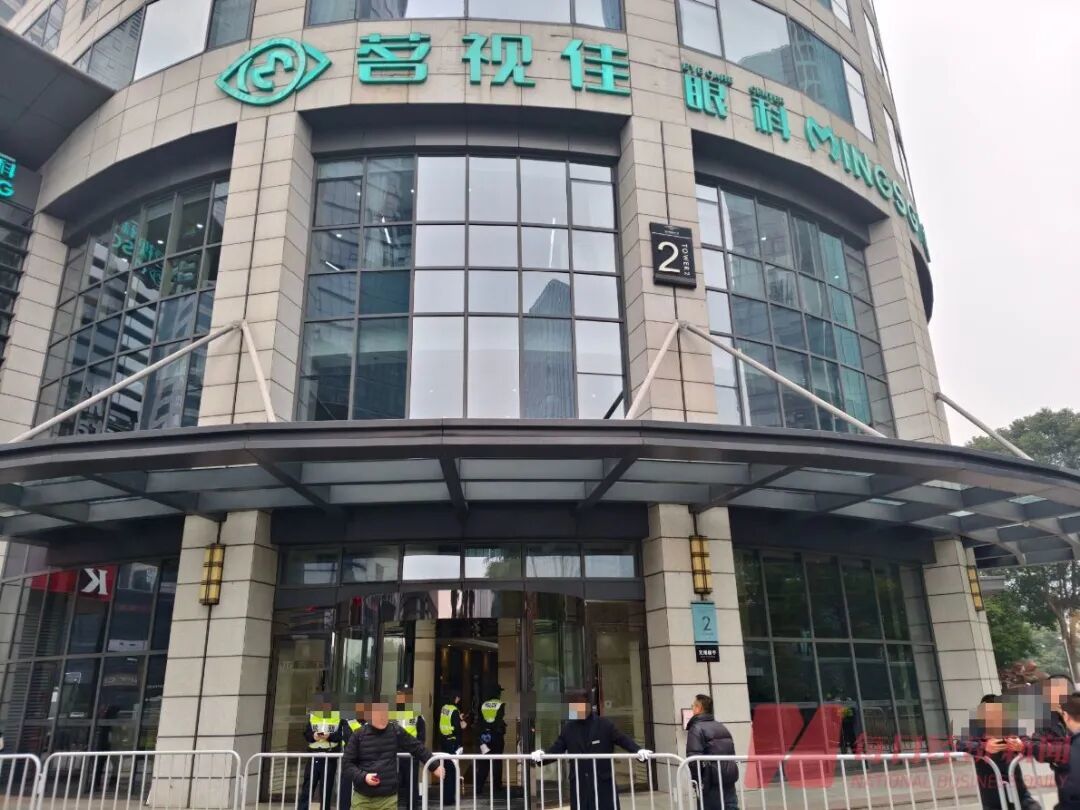
号称年化4%~5%的“低风险”金融产品突然爆雷,众多投资者“踩雷”,规模上百亿元!“祥源系”多地项目几近停工,背后浙商大佬陷危机
Mei Ri Jing Ji Xin Wen· 2025-12-13 06:31
Core Viewpoint - A financial product redemption crisis has emerged involving Zhejiang Zhijin Asset Operation Co., Ltd. and its affiliated company, Xiangyuan Holdings Group, with over 200 financial asset income rights products unable to meet redemption obligations, totaling over 10 billion yuan [1][3][11]. Group 1: Crisis Overview - The crisis began on November 28, 2025, when investors reported that expected returns were not credited as scheduled [3][11]. - The total scale of the pending redemption funds exceeds 10 billion yuan, with products maturing between December 2025 and April 2026 [1][3]. - The underlying assets of these products are primarily accounts receivable from various real estate projects associated with Xiangyuan Holdings [1][4]. Group 2: Company Financials - Xiangyuan Holdings has total assets of approximately 60 billion yuan, which can cover 40 billion yuan of total liabilities, but faces a liquidity crisis due to 30 billion yuan of unsold property value [1][3]. - The expected annualized return on the affected financial products ranges from 4% to 5% [1][8]. Group 3: Investor Response - Investors have expressed dissatisfaction with the handling of the crisis, as many have not received their expected returns within the promised timeframe [3][11]. - A communication meeting was held on December 11, 2025, where investors demanded a clear timeline for redemption and updates on asset recovery efforts [11][13]. Group 4: Regulatory and Market Context - The Zhejiang Financial Management Bureau announced the cancellation of Zhijin Center's financial asset trading qualifications, which has impacted its ability to facilitate redemptions [27][30]. - The crisis highlights the risks associated with non-standard financing arrangements and the concentration of risk within the same controlling entity [29][30]. Group 5: Company Assets and Liabilities - Xiangyuan Holdings has significant assets tied up in real estate projects, many of which are reportedly stalled or facing execution orders due to unpaid debts [16][23]. - The company has pledged a substantial portion of its shares in listed companies as collateral, indicating financial strain [24][26]. Group 6: Market Implications - The incident reflects broader challenges in the real estate sector, particularly for companies heavily reliant on financial products for liquidity [1][23]. - The situation may lead to increased scrutiny of similar financial asset trading platforms and their regulatory frameworks [27][30].

祥源系爆雷前夕耗资近23亿收购海昌海洋公园 均陷资金链困局
Xin Lang Cai Jing· 2025-12-12 09:24
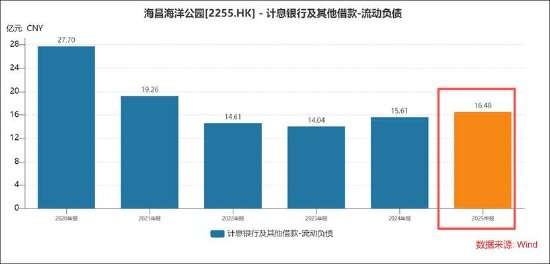
出品:新浪财经上市公司研究院 文/夏虫工作室 核心观点:随着母公司爆雷,祥源系上市公司为何遭市场用脚投票?上市公司的澄清公告能否将母公司 体外风险"切割"干净?相关风险又是否可能传导至上市公司?值得注意的是,祥源系爆雷前夕,其耗资 近23亿收购海昌海洋公园,其究竟是对其助力还是拖累?需要指出的是,海昌海洋公园的资金链压力也 不小。 近日,祥源控股因在浙江金融资产交易中心发行的多款金融产品逾期兑付引发旗下上市公司股价地震。 至此,我们疑惑的是,随着母公司债务危机爆雷,祥源系上市公司为何遭市场用脚投票?上市公司的澄 清公告能否将母公司体外风险"切割"干净?相关风险又是否可能传导至上市公司? 爆雷前夕耗资近23亿收购海昌海洋公园 6月2日晚间,海昌海洋公园(02255.HK)发布公告称,已经与认购人(祥源控股集团旗下一全资境外 公司)和祥源控股集团签订认购协议,按认购价每股0.45港元配发及发行51亿股新股份,总代价22.95亿 港元。若本次交易能够顺利完成,祥源控股将间接持有海昌海洋公园38.6%股份,成为其新的控股股 东。 根据公告,祥源控股集团将以其内部资金缴付其对嵊州市祥源合伙企业及安徽源胤祥合伙企业的注资 ...