BANK COMM(601328)

Search documents
交通银行前三季度实现归母净利699.94亿元,同比增长1.90%
Bei Jing Shang Bao· 2025-10-30 13:38
北京商报讯(记者 宋亦桐)10月30日,交通银行发布2025年三季度报告,数据显示,2025年1—9月, 该行实现营业收入1996.45亿元,同比增长1.80%;实现净利润(归属于母公司股东)699.94亿元,同比 增长1.90%;年化平均资产回报率和年化加权平均净资产收益率分别为0.62%和8.48%,同比分别下降 0.03个百分点和下降0.58个百分点。 资产质量方面,截至报告期末,交通银行不良贷款余额1145.51亿元,较上年末增加28.74亿元,增幅 2.57%;不良贷款率1.26%,较上年末下降0.05个百分点;拨备覆盖率209.97%,较上年末上升8.03个百 分点;拨备率2.65%,较上年末上升0.01个百分点。 细分来看,2025年1—9月,交通银行实现利息净收入1286.48亿元,同比增加18.52亿元,增幅1.46%; 在营业收入中的占比64.44%,同比下降0.21个百分点。2025年1—9月,交通银行净利息收益率1.20%, 同比下降8个基点。 ...
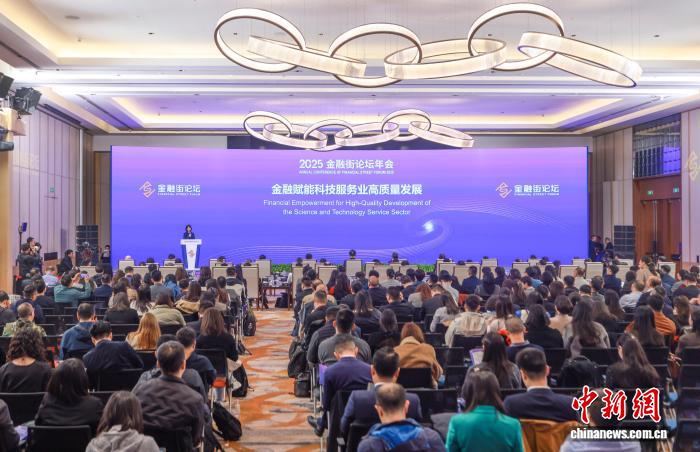
中外嘉宾在京共论金融赋能科技服务业高质量发展
Zhong Guo Xin Wen Wang· 2025-10-30 13:26
Core Insights - The forum emphasized the importance of financial empowerment in enhancing the quality of development in the technology service industry, which is seen as a bridge between technological innovation and industrial innovation [1][3]. Group 1: Industry Growth and Financial Empowerment - The technology service industry in China has shown positive growth, with enterprises above designated size achieving an average annual revenue growth of 12.3% from 2019 to 2023 [3]. - The transaction value of technology contracts is expected to exceed 6.8 trillion yuan in 2024, surpassing the "14th Five-Year Plan" target ahead of schedule [3]. - Beijing's VC/PE investment reached 103.8 billion yuan from January to August this year, marking a 19.4% year-on-year increase, with early-stage investments growing by 51% [4]. Group 2: Policy and Structural Initiatives - The Ministry of Industry and Information Technology aims to promote high-quality development in the technology service sector by enhancing service diversity and optimizing resource allocation [3]. - Key reforms include building a national integrated technology market and promoting a "pay after use" model for technology achievements to facilitate technology transfer [3]. - The establishment of a unified national technology transaction service platform and the cultivation of leading incubators are part of the strategy to gather more technological innovation resources [3]. Group 3: Financial Institutions' Role - Financial institutions like the Bank of Communications are exploring service models that integrate financial support with technological and industrial innovation, with a total financing scale in the technology sector exceeding 1.7 trillion yuan [5]. - The bank is innovating credit products and utilizing big data to accurately assess enterprise needs, creating a comprehensive service matrix that includes equity, debt, leasing, and custody [5]. Group 4: International Collaboration and Innovation - The Hong Kong Productivity Council highlighted the role of internationalization in supporting mainland enterprises to explore new growth avenues through professional services and talent networks [6]. - Discussions at the forum included the need for continuous financial empowerment for the industrialization of new technologies, emphasizing the importance of long-term capital support [6].

交通银行(601328) - 交通银行第十一届董事会第二次会议决议公告
2025-10-30 12:33
股票代码:601328 股票简称:交通银行 编号:临 2025-069 交通银行股份有限公司 第十一届董事会第二次会议决议公告 交通银行股份有限公司(以下简称"交通银行"或"本行")董事会及全体董事保证本 公告内容不存在任何虚假记载、误导性陈述或者重大遗漏,并对其内容的真实性、准确性和 完整性承担法律责任。 一、董事会会议召开情况 本行第十一届董事会第二次会议于 2025 年 10 月 30 日以现场和视频相结合 的方式,在上海和北京召开。任德奇董事长主持会议。会议应出席董事 15 名, 亲自出席董事 13 名,殷久勇执行董事、艾栋非执行董事因公务原因无法出席会 议,分别书面委托任德奇董事长、穆国新非执行董事代为参会。部分高管列席会 议。会议召开符合《中华人民共和国公司法》和《交通银行股份有限公司章程》 的规定。 二、董事会会议审议情况 (一)关于 2025 年第三季度报告及业绩公告的决议 会议审议批准了《关于 2025 年第三季度报告及业绩公告的议案》,同意按照 有关监管规定予以公开披露。 6 名独立董事发表如下独立意见:同意。 (同意 15 票,反对 0 票,弃权 0 票) 1 该议案已经董事会审计委员会 ...
交通银行:第三季度净利239.78亿元 同比增长2.46%
Ge Long Hui A P P· 2025-10-30 12:10
Core Insights - The company reported a third-quarter revenue of 66.277 billion yuan, representing a year-on-year growth of 3.92% [1] - The net profit attributable to shareholders for the third quarter was 23.978 billion yuan, showing a year-on-year increase of 2.46% [1] - For the first three quarters, the company achieved a total revenue of 199.645 billion yuan, with a year-on-year growth of 1.80% [1] - The net profit attributable to shareholders for the first three quarters reached 69.994 billion yuan, reflecting a year-on-year increase of 1.90% [1]
国有六大行,三季报出炉
财联社· 2025-10-30 12:09
Core Insights - The six major state-owned banks in China, including Industrial and Commercial Bank of China (ICBC), Agricultural Bank of China, Bank of China, China Construction Bank, Postal Savings Bank of China, and Bank of Communications, have released their third-quarter financial reports, showing varied performance in revenue and net profit growth [1][2]. Group 1: Financial Performance - ICBC reported a third-quarter revenue of 201.886 billion yuan, a year-on-year increase of 2.42%, and a net profit of 101.805 billion yuan, up 3.29%. For the first three quarters, revenue reached 610.968 billion yuan, growing by 1.98%, with a net profit of 269.908 billion yuan, an increase of 0.33% [1]. - Agricultural Bank of China achieved third-quarter revenue of 180.981 billion yuan, a 4.30% year-on-year increase, and a net profit of 81.349 billion yuan, up 3.66%. For the first three quarters, revenue was 550.774 billion yuan, growing by 1.87%, with a net profit of 220.859 billion yuan, an increase of 3.03% [1]. - Bank of China reported third-quarter revenue of 162.201 billion yuan, a 0.58% increase year-on-year, and a net profit of 60.069 billion yuan, up 5.09%. For the first three quarters, revenue was 491.204 billion yuan, growing by 2.69%, with a net profit of 177.66 billion yuan, an increase of 1.08% [1]. - China Construction Bank's third-quarter revenue was 179.429 billion yuan, a decline of 1.98%, while net profit increased by 4.06% to 95.808 billion yuan. For the first three quarters, revenue was 573.702 billion yuan, growing by 0.82%, with a net profit of 258.446 billion yuan, an increase of 0.52% [2]. - Bank of Communications reported third-quarter net operating income of 66.561 billion yuan, a year-on-year increase of 4.23%, and a net profit of 23.978 billion yuan, up 2.46%. For the first three quarters, net operating income was 200.059 billion yuan, growing by 1.86%, with a net profit of 69.994 billion yuan, an increase of 1.9% [2]. - Postal Savings Bank of China achieved third-quarter revenue of 85.634 billion yuan, a 2.48% year-on-year increase, and a net profit of 27.334 billion yuan, up 1.23%. For the first three quarters, revenue was 265.08 billion yuan, growing by 1.82%, with a net profit of 76.562 billion yuan, an increase of 0.98% [2].




交通银行(601328) - 交通银行股份有限公司募集资金管理办法
2025-10-30 12:00
交通银行股份有限公司募集资金管理办法 (2025 年修订) 第一章 总则 第一条 为规范交通银行股份有限公司(以下简称"本 公司")募集资金的管理和使用,最大限度地保障投资者的 利益,保证募集资金的安全,提高募集资金的使用效率, 根据《中华人民共和国公司法》《中华人民共和国证券法》 《上市公司证券发行注册管理办法》《上市公司募集资金监 管规则》《上海证券交易所股票上市规则》《上海证券交易 所上市公司自律监管指引第 1 号——规范运作》等有关法 律、法规和《交通银行股份有限公司章程》的相关规定, 并结合本公司的实际情况,制定本办法。 第二条 本办法适用于本公司通过发行股票或者其他 具有股权性质的证券,向投资者募集并用于特定用途的资 金监管,但不包括本公司为实施股权激励计划募集的资金 监管。 第三条 本公司应按照信息披露的募集资金用途和股 东会、董事会决议及审批程序使用募集资金,并按要求披露 募集资金的使用情况。 第二章 募集资金存储 第四条 募集资金应当存放于经董事会批准设立的专 项账户集中管理。募集资金专户不得存放非募集资金或用 作其它用途。 — 1 — 第五条 本公司应当在募集资金到账后一个月内与保 荐人或 ...
交通银行:前三季度净利润同比增长1.90%
Xin Lang Cai Jing· 2025-10-30 11:50
Core Insights - The core viewpoint of the article is that Bank of Communications has reported its financial performance for the third quarter of 2025, showing modest growth in both revenue and net profit compared to the previous year [1] Financial Performance Summary - In the third quarter, the company achieved an operating income of 66.277 billion yuan, representing a year-on-year increase of 3.92% [1] - The net profit attributable to shareholders of the parent company for the third quarter was 23.978 billion yuan, reflecting a year-on-year growth of 2.46% [1] - For the first three quarters of 2025, the total operating income reached 199.645 billion yuan, which is a year-on-year increase of 1.80% [1] - The net profit attributable to shareholders of the parent company for the first three quarters was 69.994 billion yuan, showing a year-on-year growth of 1.90% [1]
交通银行(601328) - 2025 Q3 - 季度财报
2025-10-30 11:40
交通银行股份有限公司(以下简称"交通银行"或"本行")董事会及全体董事保证本 公告内容不存在任何虚假记载、误导性陈述或者重大遗漏,并对其内容的真实性、准确性和 完整性承担法律责任。 股票代码:601328 股票简称:交通银行 交通银行股份有限公司 2025 年第三季度报告 重要内容提示: 本行董事会及董事、高级管理人员保证季度报告内容的真实、准确、完 整,不存在虚假记载、误导性陈述或重大遗漏,并承担个别和连带的法律责任。 本行第十一届董事会第二次会议于 2025 年 10 月 30 日审议批准了本行及 附属公司("本集团")2025 年第三季度报告。 本行负责人任德奇先生、主管会计工作负责人周万阜先生及会计机构负 责人马泽泉先生保证季度报告中财务信息的真实、准确、完整。 本季度报告中的财务报表未经审计。 一、主要财务数据 (一)主要会计数据和财务指标 截至 2025 年 9 月 30 日("报告期末"),本集团按照中国会计准则要求编 制的主要会计数据和财务指标如下: 1 | 主要会计数据 | 2025 年 9 | 月 30 日 | 2024 年 12 月 31 日 | 增减(%) | | --- | --- ...
金融活水精准滴灌 赋能科技服务业高质量发展
Zhong Guo Jin Rong Xin Xi Wang· 2025-10-30 11:35
Core Insights - The 2025 Financial Street Forum focused on "Financial Empowerment for High-Quality Development of the Technology Service Industry," highlighting the increasing role of finance in enhancing the technology service sector in China [1][2]. Group 1: Industry Development - The technology service industry has seen significant growth, with enterprises achieving an average annual revenue growth of 12.3% from 2019 to 2023 [1]. - The transaction volume of technology contracts exceeded 6.8 trillion in 2024, surpassing the "14th Five-Year Plan" target ahead of schedule [1]. Group 2: Government Initiatives - The Ministry of Industry and Information Technology aims to promote high-quality development in the technology service sector through various measures, including enhancing mechanisms for technology market integration and reforming technology achievement payment systems [2]. - Plans include building a national unified technology trading service platform and fostering a professional team of technology managers to create a conducive environment for industry growth [2]. Group 3: Financial Sector Involvement - The Bank of Communications has surpassed 1.7 trillion in total financing for the technology sector, emphasizing the importance of innovative credit products and data-driven decision-making [3]. - The bank aims to create a comprehensive service matrix that includes equity, debt, leasing, and custodial services to support the technology service industry [3]. Group 4: Collaborative Efforts - Various stakeholders, including government, industry, and academia, discussed the importance of a virtuous cycle between technology, industry, and finance during the forum [4]. - The establishment of the "Technology Achievement Transformation Zone" and the launch of the "Torch Entrepreneurship Incubation Collaborative Network" were key highlights of the event [5]. Group 5: International Perspectives - Experts emphasized the need for long-term capital support for the industrialization of new technologies and the role of international networks in helping domestic companies explore new growth avenues [4][6].
多家银行调整黄金积存金购买规则
21世纪经济报道· 2025-10-30 11:35
Group 1 - The article discusses the recent volatility in gold prices, with fluctuations reaching nearly $500 per ounce, and current spot gold prices above $3900 per ounce [1] - Several banks, including Bank of Communications and Agricultural Bank of China, are shifting to a floating mechanism for gold accumulation plans, allowing investment amounts to adjust with real-time gold prices [3][4] - The article highlights that despite the trend towards floating mechanisms, many banks still maintain fixed investment thresholds, with recent adjustments in minimum investment amounts across various banks [4][5] Group 2 - In Q3, global gold demand reached a record high of 1313 tons, a 5% year-on-year increase, with total demand exceeding $100 billion for the first time [6][8] - Central bank gold purchases have slowed but remain strong at 186 tons for the quarter, with total purchases for the year at 694 tons, consistent with the previous year [8] - The article notes a 12% decline in gold jewelry consumption, yet its total value increased by 13% to over $360 billion, indicating a shift towards lighter gold products [8]