
ZTE(000063)

Search documents
002445,重大资产重组!明起复牌
证券时报· 2026-03-08 14:05
Key Points - The article discusses the potential investment opportunities and risks in various sectors, including AI, energy, and finance [1][7][9][10][11][15][16]. Group 1: AI and Cybersecurity - The Ministry of Industry and Information Technology has identified security risks associated with the OpenClaw AI system, particularly in default or improper configurations, which could lead to network attacks and information leaks [7]. - Users are advised to verify public exposure, permissions, and credential management when deploying OpenClaw, and to implement security mechanisms such as identity authentication and data encryption [7]. Group 2: Energy Sector - Kuwait Petroleum Company has implemented "preventive cuts" in oil production and refining due to regional tensions, while stating readiness to resume normal production when conditions allow [8]. - Zhongnan Culture plans to acquire a 57.3% stake in Jiangyin Sulong Thermal Power, which is expected to enhance its business layout in the energy sector and improve brand recognition [9]. - Huapei Power has terminated its plan to acquire 100% of Meichuang Zhiguan due to issues with the target company's pledged shares, leading to a halt in the major asset restructuring [10]. Group 3: Financial Regulations - The China Securities Regulatory Commission has released new regulations on short-term trading, effective from April 7, 2026, which clarify the identification and calculation standards for holding and trading points [5][6]. - The regulations aim to support market development while ensuring compliance and preventing illegal benefits from information advantages [5]. Group 4: Market Trends - Citic Securities highlights the upward price risks in lithium due to supply disruptions, despite an increase in lithium prices since 2026, driven by strong battery demand and declining inventory levels [15]. - The report suggests that the Chinese resource and traditional manufacturing sectors have significant revaluation potential, advocating for exposure to sectors with strong supply constraints [16].






中兴通讯(000063):盈利能力短期承压,算力领域实现跨越式增长
CMS· 2026-03-08 12:37
Investment Rating - The report maintains a "Strong Buy" rating for the company [3] Core Views - The company's revenue for 2025 reached 133.895 billion yuan, a year-on-year increase of 10%, while net profit attributable to shareholders decreased by 33% to 5.618 billion yuan [1][8] - The company's profitability is under short-term pressure, with a significant decline in net profit due to various factors, including a decrease in revenue from operator networks and changes in product mix [7] - The company has achieved a leap in the computing power sector, with revenue growth of approximately 150% year-on-year, contributing to 24.6% of total revenue [7] - The company is actively responding to the slowdown in domestic 5G investment and is focusing on global expansion, maintaining a leading competitive position in core products [7] Financial Data and Valuation - Total revenue is projected to grow from 121.299 billion yuan in 2024 to 196.738 billion yuan in 2028, with a compound annual growth rate (CAGR) of approximately 14% [8][14] - The company's net profit is expected to recover from 5.618 billion yuan in 2025 to 8.696 billion yuan by 2028, reflecting a growth rate of 18% [8][14] - The price-to-earnings (PE) ratio is projected to decrease from 31.8 in 2025 to 20.6 in 2028, indicating a potential improvement in valuation [15]
大厂总部扎堆落子深圳
21世纪经济报道· 2026-03-08 10:09
Core Viewpoint - Shenzhen is experiencing a surge in headquarters projects, with a total of 832 major projects planned for 2026, amounting to an investment of 3.2 trillion yuan, highlighting the city's focus on developing a robust headquarters economy [1][15]. Group 1: Local Enterprises Expanding Headquarters - Major local companies are significantly increasing their investments in headquarters projects, including Tencent's "Internet+" Future Technology City and DJI's Global Headquarters for Intelligent Aviation Systems [1][5]. - The "Internet+" Future Technology City by Tencent is set to cover an area of 809,000 square meters, with a total built area exceeding 3 million square meters, expected to accommodate over 80,000 employees [4]. - DJI's new headquarters project, located in the Shenzhen Bay Super Headquarters Base, aims to create a hub for intelligent aviation systems, enhancing the company's R&D and operational capabilities [6][8]. Group 2: External Enterprises Establishing Presence - External companies are increasingly establishing headquarters in Shenzhen, with notable projects including Douyin's (TikTok) Pan-Video Technology R&D Headquarters and JD Group's comprehensive headquarters project [10][13]. - Douyin's project will support the development of core products and services, including AI and SaaS platforms, contributing to the digital economy in Shenzhen [10]. - JD Group's headquarters project is expected to attract around 200 upstream and downstream enterprises, creating nearly 10,000 high-end jobs and fostering an e-commerce ecosystem [13][15]. Group 3: Strategic Importance of Shenzhen - Shenzhen's complete hard technology ecosystem and efficient resource allocation make it an attractive location for companies to establish headquarters, facilitating rapid and effective resource mobilization [2][8]. - The city's strategic position and favorable business environment are recognized by both local and external enterprises, driving significant investments in headquarters projects [15].




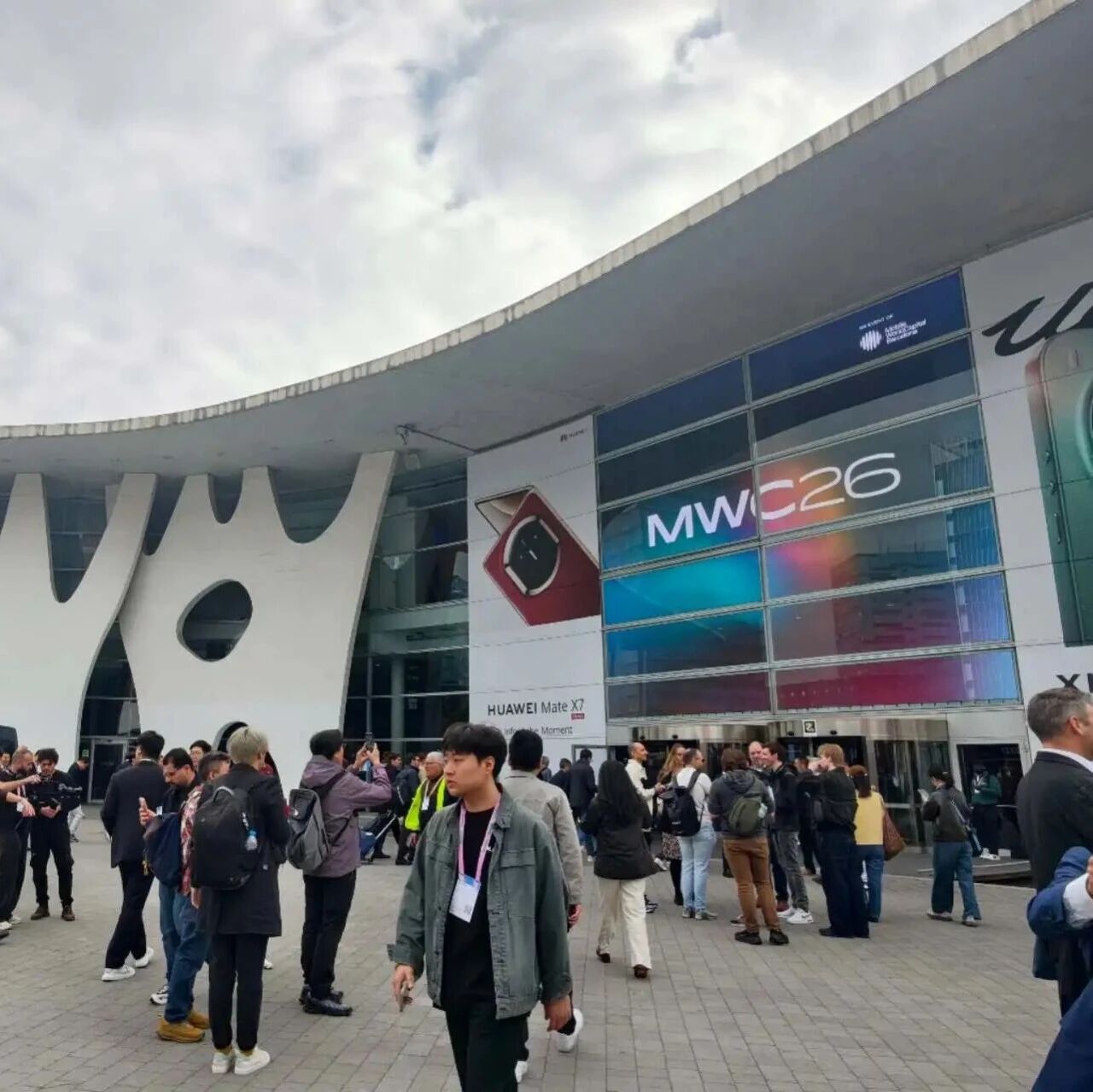
MWC落幕:无网化与网络智能,6G开启“下一代网络”起点
第一财经· 2026-03-07 12:02
Core Viewpoint - The article discusses the significance of 6G and AI in shaping the future of digital economy and smart society, highlighting China's proactive approach in 6G development and the global telecommunications industry's focus on AI and 6G during the Mobile World Congress 2026 [3][4]. Group 1: 6G Development - China has initiated its 6G layout, with the technology first mentioned in the government work report in 2025 and the second phase of 6G technology testing starting in January 2026 [3]. - The global telecommunications industry showcased future network forms at the Mobile World Congress 2026, emphasizing AI and 6G as central themes [4][5]. - The expected timeline for 6G standardization is around 2030, with initial devices anticipated to be available by 2029 [18][19]. Group 2: AI and Computing Power - AI and computing power have become the main focus of the Mobile World Congress 2026, with AI capabilities being integrated into various devices and networks [6][7]. - Companies like Huawei and NVIDIA are positioning themselves in the AI computing infrastructure space, with Huawei showcasing its supernode computing cluster and NVIDIA collaborating with telecom giants to build AI-native 6G networks [8][9]. - The demand for computing power is rising, leading to a shift from single-machine performance to system-level architecture capabilities in AI data centers [8]. Group 3: Network Structure Evolution - The traditional network structure is evolving as devices gain computing capabilities, allowing for direct communication and collaborative computing among devices, potentially reducing reliance on centralized networks [10][16]. - The concept of "device-to-device" communication and satellite communication is being explored to enhance network coverage and capabilities, especially in areas with weak or no network [16][17]. - The rise of lightweight applications, such as offline games, demonstrates a shift towards less network-dependent experiences, enhancing user engagement [14][15]. Group 4: Industry Competition - The competition in the telecommunications industry is intensifying as the focus shifts from speed to the integration of network, computing, and cloud services, with 6G expected to be the starting point for this next-generation network [20]. - The rapid growth of AI devices and applications is challenging the existing communication structure, necessitating new solutions to meet increasing demands for low latency and reliability [19].


伊朗发射导弹,夜袭“林肯”号航母,“福特”号被调往红海;国际油价站上90美元!美油涨超12%,布油涨9%;长城汽车董事长致歉丨每经早参
Mei Ri Jing Ji Xin Wen· 2026-03-07 00:02
Group 1: Oil Market - International oil prices have surged significantly, with U.S. crude oil rising over 14% to a peak of $92.61 per barrel, closing at $91.27 per barrel, while Brent crude oil increased by 8.76% to $92.89 per barrel [5][11] - The rise in oil prices is attributed to geopolitical tensions, particularly the military actions involving Iran and the U.S. [5][11] Group 2: Economic Policies and Forecasts - The National Development and Reform Commission (NDRC) expects this year's GDP increment to exceed 6 trillion yuan, providing strong support for employment stability, improving people's livelihoods, and mitigating risks [3] - The People's Bank of China plans to flexibly and efficiently utilize various monetary policy tools, including reserve requirement ratio (RRR) cuts and interest rate reductions, to promote stable economic growth and reasonable price recovery [3] Group 3: Corporate Developments - ZTE Corporation announced a projected revenue of 133.9 billion yuan for 2025, with a net profit of 5.6 billion yuan, reflecting a year-on-year decline of 33.32% [14] - SoftBank is reportedly seeking up to $40 billion in loans primarily for investment in OpenAI, marking a significant strategic move in the AI sector [15] - Google plans to reduce its app store commission from 30% to 20% for standard in-app purchases and to 10% for subscription services, which may alter the competitive landscape in the mobile app ecosystem [16] Group 4: Regulatory Changes - The China Securities Regulatory Commission (CSRC) has issued new regulations on short-term trading to facilitate long-term capital market participation, effective from April 7, 2026 [9] - The Ministry of Finance has allocated 100 billion yuan to promote domestic demand through a package of six policies, with a focus on supporting private investment and consumer spending [4] Group 5: Market Reactions - U.S. stock markets saw declines, with the Nasdaq dropping 1.59%, the S&P 500 down 1.33%, and the Dow Jones falling 0.95%, influenced by broader market trends and specific corporate performances [2][5] - Chinese concept stocks mostly rose, with the Nasdaq Golden Dragon China Index increasing by 0.69%, driven by gains in companies like JD.com and Xpeng Motors [2][5]


陆家嘴财经早餐2026年3月7日星期六
Wind万得· 2026-03-06 23:21
Group 1 - The People's Bank of China will implement a moderately loose monetary policy this year, utilizing various tools such as reserve requirement ratio cuts and interest rate reductions to ensure ample market liquidity and align social financing scale with economic growth and price level expectations [3] - The China Securities Regulatory Commission (CSRC) will introduce two new measures: deepening the reform of the ChiNext board with more inclusive listing standards and optimizing the refinancing mechanism to enhance efficiency for high-quality listed companies [4][11] - The global energy market has been severely impacted by the near "standstill" of commercial transportation in the Strait of Hormuz, with significant price increases in oil and natural gas [5][7] Group 2 - The National Development and Reform Commission (NDRC) expects this year's GDP increment to exceed 6 trillion yuan, supporting employment stability and risk prevention [8] - The Ministry of Finance announced a more proactive fiscal policy, with total expenditures exceeding 30 trillion yuan and new government bond issuance reaching a record high of 11.89 trillion yuan [9] - The CSRC has released new regulations on short-term trading, effective from April 7, 2026, to enhance market stability [12] Group 3 - The A-share market showed a mixed performance, with major indices experiencing fluctuations, while the Hong Kong stock market rebounded strongly [13][14] - The development of REITs in China is seen as a golden opportunity, with strong interest from various enterprises [14] - The CSRC is focusing on enhancing the stability and vitality of the capital market through various reforms and support measures [11][12]






中兴通讯(00763) - 海外监管公告 二零二五年年度审计报告;二零二五年度内部控制审计报告;二零...
2026-03-06 13:36
香港交易及結算所有限公司及香港聯合交易所有限公司對本公告的內容概不負責,對其準確 性或完整性亦不發表任何聲明,並明確表示,概不對因本公告全部或任何部份內容而產生或 因倚賴該等內容而引致的任何損失承擔任何責任。 ZTE CORPORATION 中興通訊股份有限公司 (於中華人民共和國註冊成立的股份有限公司) (股份代號:00763) 海外監管公告 本公告乃根據香港聯合交易所有限公司證券上市規則第13.10B條而作出。 茲載列中興通訊股份有限公司(「本公司」)在深圳證券交易所網站發布的《二零 二五年年度審計報告》、《二零二五年度內部控制審計報告》、《二零二五年度非 經營性資金佔用及其他關聯資金往來情況的專項說明》,僅供參閱。 承董事會命 方榕 董事長 深圳,中國 二零二六年三月六日 於本公告日期,本公司董事會包括執行董事:徐子陽;非執行董事:方榕、閆俊武、 諸為民、張洪;獨立非執行董事:莊堅勝、王清剛、徐奇鵬;以及職工董事:李妙娜。 中兴通讯股份有限公司 已审财务报表 2025年度 中兴通讯股份有限公司 目 录 | | | 页 次 | | --- | --- | --- | | 一、 | 审计报告 | 1-7 | ...
中兴通讯(00763) - 海外监管公告 关於对2025年度会计师事务所履职情况评估报告;董事会审计...
2026-03-06 13:31
海外監管公告 本公告乃根據香港聯合交易所有限公司證券上市規則第13.10B條而作出。 茲載列中興通訊股份有限公司(「本公司」)在深圳證券交易所網站發布的《關於 對 2025 年度會計師事務所履職情況評估報告》、《董事會審計委員會對會計師事務 所履行監督職責情況的報告》,僅供參閱。 香港交易及結算所有限公司及香港聯合交易所有限公司對本公告的內容概不負責,對其準確 性或完整性亦不發表任何聲明,並明確表示,概不對因本公告全部或任何部份內容而產生或 因倚賴該等內容而引致的任何損失承擔任何責任。 ZTE CORPORATION 中興通訊股份有限公司 (於中華人民共和國註冊成立的股份有限公司) (股份代號:00763) 承董事會命 方榕 董事長 深圳,中國 二零二六年三月六日 於本公告日期,本公司董事會包括執行董事:徐子陽;非執行董事:方榕、閆俊武、 諸為民、張洪;獨立非執行董事:莊堅勝、王清剛、徐奇鵬;以及職工董事:李妙娜。 中兴通讯股份有限公司 关于对 2025 年度会计师事务所履职情况评估报告 中兴通讯股份有限公司(简称"公司")聘请安永华明会计师事务所(特殊普 通合伙)(简称"安永华明")作为公司 2025 年度 ...
中兴通讯(00763) - 海外监管公告 二零二五年度利润分配预案;关於“质量回报双提升”行动方案的...
2026-03-06 13:29
香港交易及結算所有限公司及香港聯合交易所有限公司對本公告的內容概不負責,對其準確 性或完整性亦不發表任何聲明,並明確表示,概不對因本公告全部或任何部份內容而產生或 因倚賴該等內容而引致的任何損失承擔任何責任。 ZTE CORPORATION 中興通訊股份有限公司 (於中華人民共和國註冊成立的股份有限公司) (股份代號:00763) 海外監管公告 本公告乃根據香港聯合交易所有限公司證券上市規則第13.10B條而作出。 中兴通讯股份有限公司 二〇二五年度利润分配预案 本公司及董事会全体成员保证信息披露的内容真实、准确和完整,没有虚假记载、误导性陈 述或重大遗漏。 茲載列中興通訊股份有限公司(「本公司」)在深圳證券交易所網站發布的《二零 二五年度利潤分配預案》、《關於"質量回報雙提升"行動方案的進展公告》、《二 零二五年度內部控制評價報告》,僅供參閱。 承董事會命 方榕 董事長 深圳,中國 二零二六年三月六日 於本公告日期,本公司董事會包括執行董事:徐子陽;非執行董事:方榕、閆俊武、 諸為民、張洪;獨立非執行董事:莊堅勝、王清剛、徐奇鵬;以及職工董事:李妙娜。 证券代码(A/H):000063/00763 证券简称 ...
中兴通讯(00763) - 海外监管公告 二零二五年度独立非执行董事述职报告;董事会关於独立非执行董...
2026-03-06 13:26
香港交易及結算所有限公司及香港聯合交易所有限公司對本公告的內容概不負責,對其準確 性或完整性亦不發表任何聲明,並明確表示,概不對因本公告全部或任何部份內容而產生或 因倚賴該等內容而引致的任何損失承擔任何責任。 ZTE CORPORATION 方榕 董事長 深圳,中國 二零二六年三月六日 於本公告日期,本公司董事會包括執行董事:徐子陽;非執行董事:方榕、閆俊武、 諸為民、張洪;獨立非執行董事:莊堅勝、王清剛、徐奇鵬;以及職工董事:李妙娜。 本公告乃根據香港聯合交易所有限公司證券上市規則第13.10B條而作出。 茲載列中興通訊股份有限公司(「本公司」)在深圳證券交易所網站發布的《二零 二五年度獨立非執行董事述職報告》、《董事會關於獨立非執行董事獨立性情況的 專項意見》,僅供參閱。 中興通訊股份有限公司 承董事會命 (於中華人民共和國註冊成立的股份有限公司) (股份代號:00763) 海外監管公告 ...