Basf(BASFY)

Search documents
BASF Sales, Profit Fall on Adverse Currency Effects, Lower Prices
WSJ· 2025-10-29 07:29
Core Insights - Customer buying behavior across nearly all industries and regions remains cautious [1] Industry Summary - The cautious buying behavior indicates a potential slowdown in consumer spending, which could impact overall industry performance [1]


行业聚焦:全球生物基多元醇市场头部企业份额调研(附Top 10 厂商名单)
QYResearch· 2025-10-29 02:52
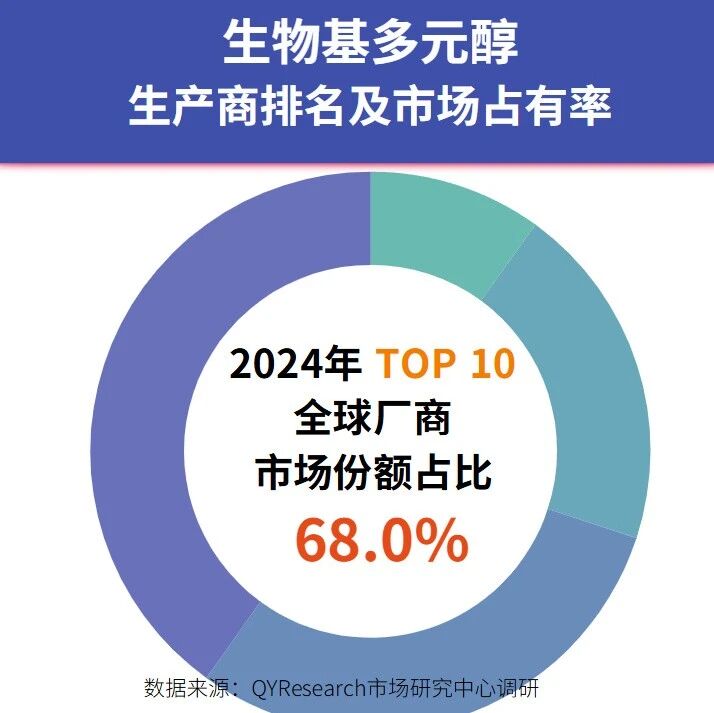
Core Viewpoint - The bio-based polyols market is projected to reach $2.2 billion by 2031, with a compound annual growth rate (CAGR) of 7.7% from 2025 to 2031, driven by sustainability and environmental concerns [3]. Market Overview - Bio-based polyols are derived from renewable natural resources like vegetable oils, offering advantages such as sustainability, low carbon footprint, and environmental friendliness compared to traditional petroleum-based polyols [1]. - The market is primarily divided into two categories: polyether polyols and polyester polyols, with polyether polyols dominating the market due to their superior reactivity and mechanical properties [1][10]. Raw Materials and Supply Chain - Key raw materials for bio-based polyols include soybean oil, castor oil, canola oil, and palm oil, sourced from major suppliers like ADM, IOI Group, and Wilmar, ensuring a stable supply chain [5]. - The average product gross margin for bio-based polyols typically ranges from 15% to 30% depending on product type and application [5]. Applications and Market Segmentation - The automotive sector is the largest application area for bio-based polyols, accounting for approximately 28.1% of the market share, followed by furniture, construction, and packaging industries [14]. - Polyether polyols represent about 78% of the market share, with castor oil polyols expected to hold around 38% of the market by 2024 due to their unique performance advantages [10]. Geographic Distribution - North America is the largest consumer market for bio-based polyols, holding a 42% share, supported by advanced technology and policy frameworks [16]. - The growth of the market is fueled by increasing global environmental awareness and the demand for sustainable materials, particularly in the automotive and construction sectors [16]. Market Drivers - The rising emphasis on reducing greenhouse gas emissions and achieving carbon neutrality is driving the adoption of bio-based polyols [17]. - Government policies promoting renewable chemicals and green materials are facilitating industry growth [17]. - Continuous demand for polyurethane foams in various sectors is propelling the bio-based polyols market [17]. Market Challenges - Production costs for bio-based polyols are generally higher than those for petroleum-based alternatives, limiting widespread adoption [19]. - Raw material price volatility due to climate change and crop yield fluctuations adds uncertainty to production costs [20]. - Performance consistency issues compared to traditional petroleum products may hinder their use in high-end applications [20]. - The supply chain and infrastructure for bio-based chemicals are still underdeveloped in some regions, affecting market expansion [21].
投资吸引力下降,内外部压力重重,巨量资金转移海外引德国担忧
Huan Qiu Shi Bao· 2025-10-27 22:55
Core Insights - The article highlights the alarming trend of German companies increasingly relocating investments overseas, with over €200 billion leaving Germany annually over the past five years, primarily due to high energy costs, external competition, and U.S. tariff policies [1][6][7]. Group 1: Investment Trends - 70% of energy-intensive companies in Germany are shifting investments abroad, with 31% actively moving production outside Europe and 42% preferring to invest in other European countries rather than Germany [1][4]. - The total outflow of investments from Germany has reached €34.52 billion over the past decades, with an average annual outflow exceeding €200 billion [6][7]. Group 2: Economic Challenges - The German economy is facing stagnation, with GDP expected to remain flat from the end of 2021 to the end of 2024, primarily due to a 4.2% decline in exports from 2022 to 2024 [2][3]. - The chemical giant Bayer reported a sixfold increase in net losses in Q2, amounting to €199 million, reflecting the broader struggles within the German industrial sector [2]. Group 3: Factors Influencing Investment Decisions - High energy costs driven by EU climate policies and rising carbon certificate prices are significant burdens for companies, leading to calls for the cancellation of CO2 fees [4][5]. - Political uncertainty and a lack of confidence in government reforms are causing businesses to hesitate in investing domestically, with 80% of surveyed companies expressing pessimism about improvements in the business environment [4][5]. Group 4: Global Competition - The U.S. tariff policies under the Trump administration are exerting additional pressure on Germany's energy-intensive industries, with companies like Schott adjusting their investment strategies to favor locations outside Germany [5][8]. - The competitive landscape is shifting, with emerging markets like China and India becoming more attractive for investment, as evidenced by BASF's new production facility in Guangdong, China [8].

IFF与巴斯夫两大巨头战略合作!加速酶技术在个人护理等应用
合成生物学与绿色生物制造· 2025-10-23 01:41
Core Viewpoint - BASF and IFF have formed a strategic partnership to accelerate the development of IFF's Designed Enzymatic Biomaterials™ (DEB) platform, focusing on high-performance, sustainable enzyme and bio-based polymer solutions for various applications, including fabric care, personal care, and industrial cleaning [2][6]. Group 1: Technological Collaboration - The DEB platform, launched in September, aims to commercialize unique polysaccharides that mimic natural components, replacing non-degradable ingredients in laundry formulations with bio-based solutions [5][6]. - The collaboration will expand the application of DEB technology into personal care, fabric washing, and industrial cleaning sectors [6]. Group 2: Innovation in Raw Materials Driven by Biotechnology - Enzymes are increasingly used in beauty and cleaning products, enhancing performance while reducing reliance on chemical ingredients, aligning with consumer demand for natural and eco-friendly products [6][7]. - In the beauty sector, enzymes facilitate biochemical reactions that improve skin conditions, with applications in exfoliation, antioxidant effects, anti-inflammation, whitening, and enhancing moisture retention [6][7]. Group 3: Market Trends and Growth - The anti-aging cosmetics market in China is projected to reach CNY 307.57 billion in 2024, growing by 17.2% year-on-year, while the whitening cosmetics market is expected to reach CNY 106.92 billion, with a growth rate of 6.0% [7]. - Recent advancements in biotechnology have led to the introduction of new bio-based raw materials, such as BASF's Verdessence Maize and Evonik's TEGOSOFT BC MB emulsifier, which significantly reduce carbon footprints compared to traditional chemical processes [9].


BASF & Xiaomi Team Up to Co-Create 100 Car Colors, Enhance Aesthetics
ZACKS· 2025-10-21 16:36
Core Insights - BASF Coatings has expanded its collaboration with Xiaomi to co-develop 100 car paint colors over the next three years, focusing on innovation and personalization in automotive design [1][8] - The collaboration aims to enhance Xiaomi's smart mobility through advanced coating technologies, including dual-layer clearcoats for vivid finishes [2][8] Product Development - The new colors include Velocity Red, Dawn Pink (Matte), Nightfall Rose, Buttercup Yellow, and Amethyst Purple, utilizing advanced dual-layer clearcoat technology for high saturation and various finishes [2][8] - BASF's full-layer coatings are being provided for Xiaomi's SU7 and YU7 models, incorporating e-coat, primer, basecoat, and clearcoat solutions [3][8] Market Performance - BASF's shares have increased by 6% over the past year, contrasting with a 29.7% decline in the industry [4]

巴斯夫,三大项目签约,投产!
DT新材料· 2025-10-21 16:05
Core Insights - BASF has made significant moves in October, including the signing and commissioning of three major projects related to new products such as neopentyl glycol (NPG), polyurethane, and engineering plastics, as well as the Zhanjiang integrated project and advancements in robotics and new clothing applications [2] Group 1: Neopentyl Glycol Production - A new NPG facility with an annual capacity of 80,000 tons was commissioned on October 20 at the Zhanjiang integrated base, increasing BASF's global NPG capacity from 255,000 tons to 335,000 tons [3] - BASF introduced a new low-carbon footprint NPG product named NEOL® NPG solution 90% rPCF AP, produced at the Zhanjiang base, which benefits from efficient production technology and the use of renewable energy [5] - The global NPG capacity is currently around 750,000 tons, with BASF being a major player with a capacity of 335,000 tons per year, followed by Wanhua Chemical, Luxi Chemical, and Tongling Qianyi [5] Group 2: Zhanjiang Integrated Project - On October 7, the butyl acrylate facility at the Zhanjiang integrated base was successfully commissioned, and all integrated petrochemical facilities have completed mechanical construction, marking the transition to operational readiness [6] Group 3: Robotics Sector Collaboration - On October 18, BASF signed a memorandum of understanding with Mingxin Xuteng New Materials Co., Ltd. to deepen collaboration in the robotics sector, focusing on optimizing material performance for robotic structures [7] - Mingxin Xuteng specializes in automotive interior materials and has been a key partner for BASF in the environmentally friendly leather materials sector since 2021 [8] Group 4: New Clothing Applications - On October 16, BASF signed a memorandum of understanding with LEMON Co., Ltd. to advance new clothing application solutions using BASF's Elastollan® thermoplastic polyurethane (TPU) to produce Freeflex® fibers [10] - Freeflex® nanofiber membranes are designed for extreme conditions, offering excellent waterproofing and breathability while being fully recyclable [12]
加码机器人产业布局 巴斯夫携手明新旭腾智启新赛道
Zheng Quan Ri Bao Wang· 2025-10-20 11:11
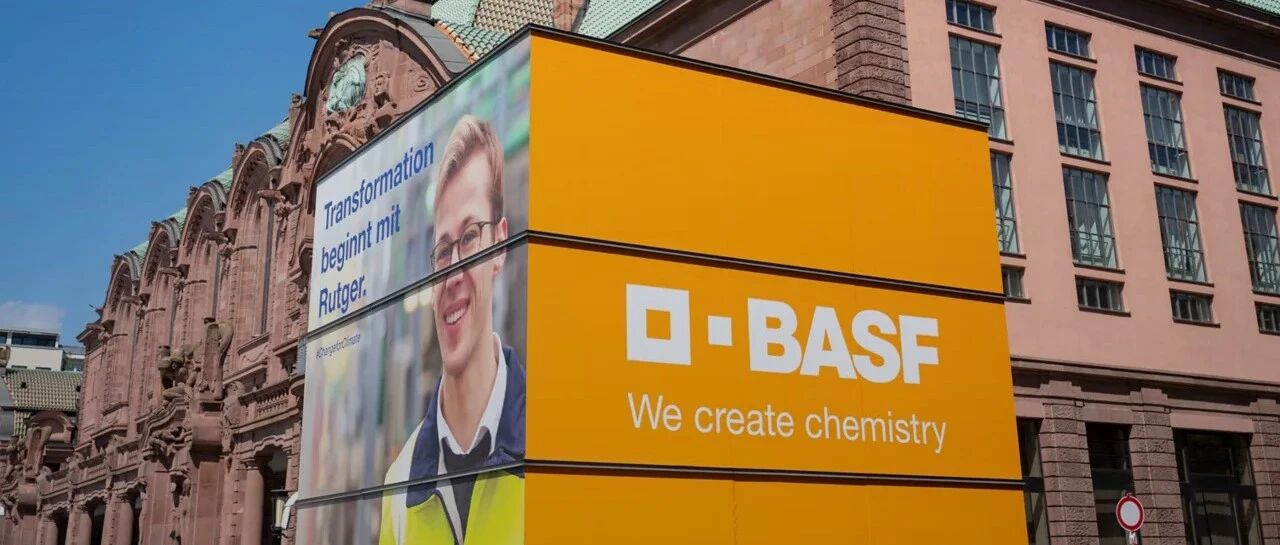
Core Insights - BASF SE has signed a Memorandum of Understanding (MoU) with Mingxin Xuteng New Materials Co., Ltd. to deepen its involvement in the robotics sector [1][2] - The collaboration aims to optimize the material performance of robotic components using innovative material combinations such as polyurethane, thermoplastic polyurethane, and engineering plastics [1][2] Company Overview - Mingxin Xuteng is a high-tech enterprise focused on the research, development, and sales of automotive interior materials, particularly in the field of genuine and eco-friendly leather [1] - BASF has been a significant partner for Mingxin Xuteng since 2021, particularly in the eco-friendly leather sector, leveraging its solvent-free synthetic leather material, Haptex [1] Strategic Vision - The chairman of Mingxin Xuteng expressed confidence in the growing integration of robotics into daily life, highlighting the strategic alignment between both companies regarding market potential [2] - BASF's senior director emphasized the company's technical expertise and experience in polyurethane and engineering plastics, which will contribute to the advancement of the robotics industry [2]

贝伦贝格下调巴斯夫目标价至37欧元
Ge Long Hui· 2025-10-14 04:45
Group 1 - Berenberg downgraded BASF Group's rating from "Hold" to "Sell" [1] - The target price for BASF was reduced from €44 to €37 [1]
企业价值77亿欧元!巴斯夫出售重要业务多数股权
Xin Lang Cai Jing· 2025-10-11 04:58
Core Viewpoint - BASF has reached a binding agreement to sell the majority stake of its coatings business to a global investment firm, Carlyle Group, and Qatar Investment Authority for an enterprise value of €7.7 billion, expected to be completed by Q2 2026 [1] Group 1: Transaction Details - The transaction involves BASF's automotive original equipment manufacturer (OEM) coatings, automotive refinish coatings, and surface treatment business [1] - The total valuation of BASF's coatings business, including previously divested decorative coatings, is projected to be €8.7 billion [1] - Post-transaction, BASF will retain a 40% stake in the coatings business and will receive approximately €5.8 billion in pre-tax cash proceeds [1] Group 2: Business Overview - BASF's coatings business includes advanced solutions for automotive OEM coatings, automotive refinish coatings, and surface treatment products for metal, plastic, and glass substrates across various industries [1] - The business has a geographical presence in Europe, North America, South America, and Asia-Pacific, with projected sales of approximately €3.8 billion in 2024 [1] Group 3: Strategic Implications - This transaction is a significant step in BASF's "Winning with Purpose" corporate strategy aimed at unlocking the value of its "self-managed" businesses [1] - BASF plans to collaborate closely with Carlyle to enhance customer orientation and support the future development of the coatings business through ongoing investments in commercial operations, innovation projects, and organizational structure [1]
634亿!巴斯夫,再出售业务
DT新材料· 2025-10-10 16:04
Core Insights - BASF has entered into a binding agreement with Carlyle Group and Qatar Investment Authority (QIA) for the sale of its automotive coatings and surface treatment business, valued at €7.7 billion (approximately ¥63.44 billion), expected to close in Q2 2026 [2] - This transaction follows the sale of BASF's decorative coatings business in Brazil, Suvinil, and together, these projects value BASF's entire coatings division at €8.7 billion, with an enterprise value multiple of approximately 13 times [2] - The sale is part of BASF's strategic initiative to unlock value from its "self-owned business," while retaining a 40% stake in the coatings business and receiving about €5.8 billion in pre-tax cash proceeds upon completion [2] Business Operations and Future Plans - Carlyle will collaborate closely with BASF's management to enhance customer orientation and support the future development of BASF's coatings business through continuous investment in operational capabilities and innovation [3] - On October 8, BASF announced the launch of a new production line at its facility in Dilovası, Turkey, aimed at producing low VOC dispersions for construction coatings, addressing the growing demand in Turkey, the Middle East, and North Africa [3] - The new production line will utilize green electricity and a quality balance approach to reduce carbon footprint [3] Strategic Restructuring - BASF is simultaneously divesting from large-scale but potentially slow-growing or highly competitive end markets while concentrating resources on higher-margin specialty chemicals and green technologies [4] - The company is enhancing the resilience of its coatings raw material supply chain through expansions and upgrades at various sites in China, including Zhanjiang, Shanghai, Nanjing, and Chongqing [4]