Basf(BASFY)

Search documents
巴斯夫湛江基地首船外贸产品启航!正式打通国际航运通道
Sou Hu Cai Jing· 2025-11-02 14:21
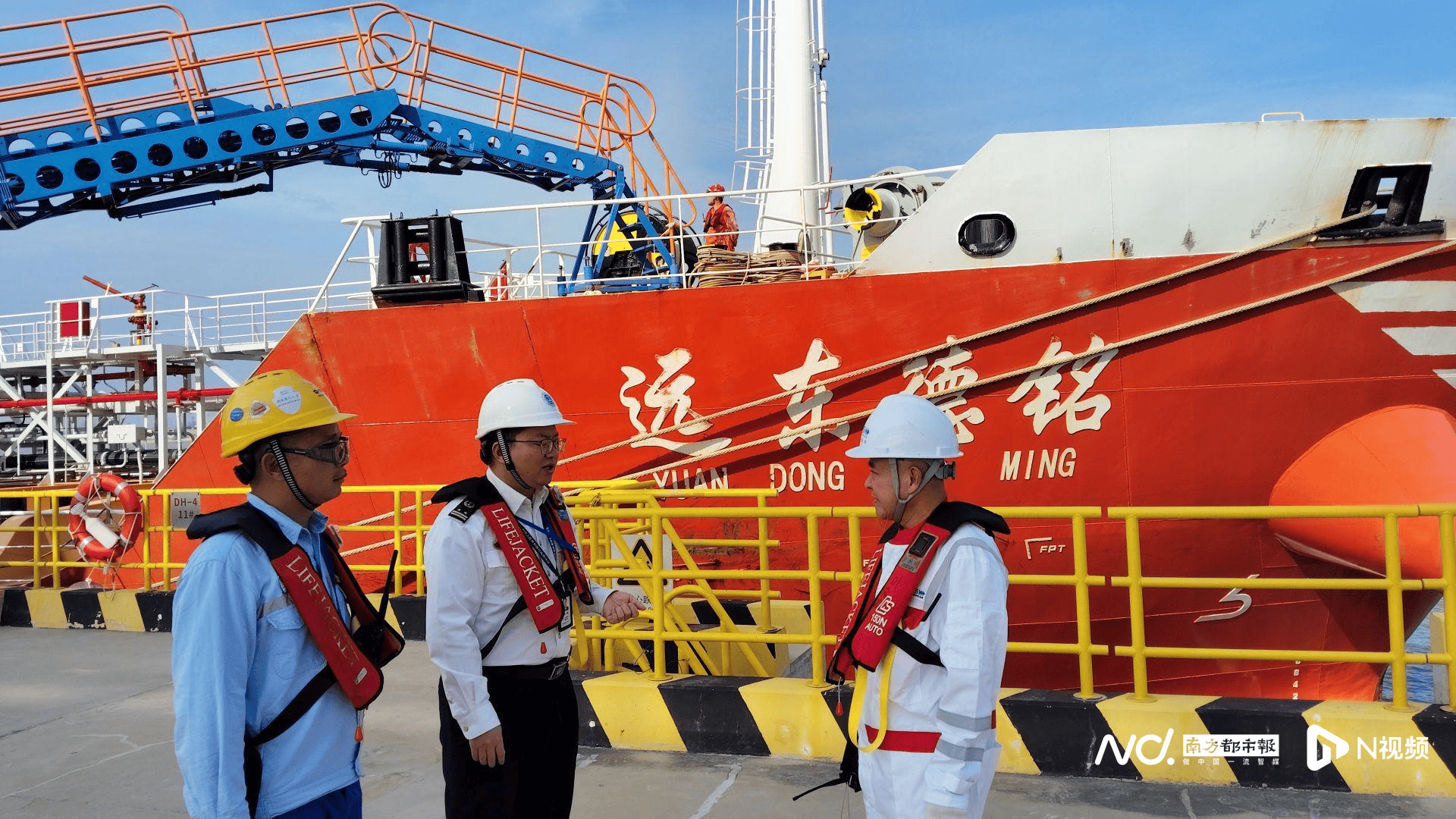
Core Insights - The successful loading and departure of the first foreign trade vessel "Yuan Dong De Ming" from BASF's Zhanjiang integrated base marks a significant milestone, officially opening international shipping channels for product exports globally [1][3]. Group 1: Project Overview - The Zhanjiang integrated base, with a total investment exceeding €10 billion, is BASF's third-largest integrated production site globally and the first wholly foreign-owned project in China's heavy chemical sector [3]. - The base's port facilities had previously welcomed the first foreign trade vessel in August 2025, completing input testing for equipment and raw materials [3]. Group 2: Operational Significance - The departure of the "Yuan Dong De Ming" vessel signifies the base's capability for "finished product output," establishing a complete international shipping function [3]. - The successful export of butyl acrylate, one of the first foreign trade order products, demonstrates the base's stable supply capacity and logistics support for international markets [3]. Group 3: Regional Impact - The establishment of the international shipping channel enhances Zhanjiang's position as a chemical hub in the Guangdong region and injects new momentum into the high-quality development of Guangdong's foreign trade [5]. - As more products reach international markets, Zhanjiang is expected to become a global supply hub for high-end chemical new materials [5].


巴斯夫湛江一体化基地首艘出口外贸船启航
Zhong Guo Xin Wen Wang· 2025-11-02 03:25
Core Points - The first export foreign trade vessel from BASF's Zhanjiang integrated base has set sail, marking a significant milestone for the facility [1][2] - The Zhanjiang port is expanding its business types by handling high-end chemical product exports, which supports the city's transition to an open economy and enhances the quality of regional foreign trade [2] Company Overview - BASF's Zhanjiang integrated base is the largest overseas investment project by BASF Group, with a total investment of €10 billion [2] - Construction of the base began in November 2019, with the first engineering plastics facility starting production in September 2022, increasing the annual output of modified engineering plastics by 60,000 tons [2] - The acrylic acid and ester area completed mechanical construction in July 2023, with the first batch of acrylic acid butyl ester products delivered in August 2023, and the factory has a designed annual capacity of approximately 400,000 tons [2] Infrastructure and Operations - The base's supporting terminal has four berths capable of accommodating vessels with a maximum deadweight tonnage of 120,000 [2] - To ensure the safe and efficient loading and unloading of the first export vessel, Zhanjiang maritime authorities implemented proactive measures, including assessing water conditions and providing optimal navigation routes [2]
外资持续重仓广东
2 1 Shi Ji Jing Ji Bao Dao· 2025-11-01 23:51
Core Insights - Amway's long-term investment in Guangdong highlights the province's attractiveness for foreign investment, with a total investment exceeding 2.2 billion yuan over 30 years [2] - Guangdong has established over 360,000 foreign-invested enterprises, with a 33.7% year-on-year increase in new foreign enterprises in the first nine months of this year [2][3] - The upcoming 2025 Guangdong-Hong Kong-Macao Greater Bay Area Global Investment Conference aims to enhance investment opportunities and attract global investors [3] Investment Trends - BASF's integrated project in Zhanjiang represents the largest single investment by the company, with a total investment of approximately 10 billion euros, expected to become its third-largest integrated production base globally [5] - Major foreign companies like SEW, ExxonMobil, and Unilever are investing in Guangdong, viewing it as a strategic hub linking the Chinese market with global resources [5] - Foreign investment in Guangdong is increasingly focused on advanced manufacturing and R&D, with 29.1% of actual foreign investment in the manufacturing sector in the first seven months of this year [9] Policy and Environment - Guangdong has implemented a series of policies to attract foreign investment, including tax incentives and financial rewards for R&D centers, with the highest reward reaching 150 million yuan [7] - The province's favorable business environment, including strong infrastructure and supportive governance, has instilled confidence in foreign investors [6][9] - Guangdong's "Five External Linkages" strategy aims to create a more open and diversified economic system, transitioning from factor openness to institutional openness [11] Future Outlook - The Greater Bay Area is expected to continue evolving as an innovation center, with plans to expand free trade zones and enhance cooperation with other regions [12] - The integration of foreign enterprises into local supply chains is expected to drive innovation and elevate the local industry to higher levels of competitiveness [10][11]
外资持续重仓广东
21世纪经济报道· 2025-11-01 23:45
Core Viewpoint - Guangdong has become a key destination for foreign investment, with significant growth in the number of foreign enterprises and actual foreign investment amounts, reflecting a favorable investment environment and strategic importance in the global supply chain [1][2][4]. Investment Trends - As of October this year, Guangdong has established over 360,000 foreign-invested enterprises, with 24,000 new foreign enterprises set up in the first nine months, marking a 33.7% year-on-year increase. The actual foreign investment reached 78.13 billion yuan, up 8.8% year-on-year, leading the nation in both metrics [1][2]. - The upcoming 2025 Guangdong-Hong Kong-Macao Greater Bay Area Global Investment Conference aims to further enhance investment opportunities, having previously signed 3,645 projects worth 7 trillion yuan over three sessions [2]. Foreign Investment Projects - BASF's Zhanjiang integrated base project, with a total investment of approximately 10 billion euros, is the largest single investment by the German company and will become its third-largest integrated production base globally [5]. - Other major foreign companies, including SEW Group, ExxonMobil, and Unilever, have also invested in large projects in Guangdong, viewing it as a strategic hub linking the Chinese market with global resources [5]. Policy Environment - Guangdong has implemented a series of policies to attract foreign investment, including the "Ten Measures for Foreign Investment" and "Twenty Measures for Investment Promotion," offering substantial financial incentives for R&D centers and headquarters [6][7]. - The province's governance philosophy emphasizes a business-friendly environment, which has been a significant factor in attracting foreign enterprises [6]. Sectoral Focus - There is a noticeable shift in foreign investment towards advanced manufacturing and R&D, with 29.1% of actual foreign investment in the manufacturing sector in the first seven months of this year [9]. - Foreign enterprises are increasingly integrating into local supply chains and innovation ecosystems, as seen with ZF's establishment of a R&D center in Guangzhou, focusing on smart driving technologies [9][10]. Economic Evolution - The role of foreign enterprises in Guangdong has evolved from mere capital investors to key participants in local innovation and supply chains, contributing to the region's industrial upgrading and innovation capabilities [10][11]. - Guangdong's "Five External Linkages" strategy aims to enhance its open economy by optimizing foreign trade structure and attracting foreign investment, reflecting a transition from factor-driven to institutional openness [12]. Future Outlook - As global supply chains are reshaped, Guangdong is positioned to transition from a manufacturing center to an innovation hub, with plans to expand free trade zones and attract more multinational companies to establish R&D centers [13].
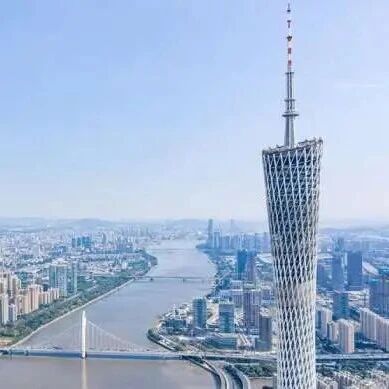
广州市政府与巴斯夫、西安交大签署成立协同创新中心备忘录
Guang Zhou Ri Bao· 2025-11-01 01:53
Core Insights - The Guangzhou government, BASF, and Xi'an Jiaotong University signed a memorandum to establish a collaborative innovation center, aiming to enhance cooperation in technology and industry [2][3] - The initiative aligns with Guangzhou's strategy to deepen reforms and expand high-level openness, focusing on technological innovation to boost the city's competitiveness [2] - BASF has been operating in China for 140 years and sees Guangzhou as a key market for expanding its digital, intelligent, and green development initiatives [2] Group 1 - The signing ceremony was attended by key figures including Guangzhou's mayor, BASF's chairman, and Xi'an Jiaotong University's vice president, highlighting the importance of this collaboration [2] - Guangzhou aims to optimize policy support and deepen services for enterprises to facilitate better development outcomes [2] - BASF expresses confidence in Guangzhou's development and plans to accelerate the development of new technologies and products while enhancing collaboration with local enterprises [2] Group 2 - The collaboration will explore paths for industry-academia-research synergy, promoting the transformation of scientific achievements and industrial upgrades [3] - This partnership is expected to significantly enhance Guangzhou's regional innovation capabilities and the competitive strength of local enterprises [3]
Sinopec and BASF Mutually Recognize Product Carbon Footprint Accounting Methods, Sets New Benchmark for Industry Standardization
Prnewswire· 2025-10-31 11:31
Core Insights - Sinopec and BASF have reached a mutual recognition agreement on carbon footprint accounting methods, setting a new benchmark for industry standardization [2][3][4] Group 1: Agreement and Methodology - The alignment on carbon footprint accounting methods was declared at the 2025 China International Petroleum and Chemical Conference [1][2] - A third-party certification body, TÜV Rheinland, confirmed that both companies' methodologies comply with international and national standards, leading to a formal consistency statement [4][5] Group 2: Industry Impact - This agreement enhances the comparability and transparency of carbon footprint data across regions and value chains, promoting coordinated carbon reduction efforts [5] - The collaboration contributes to the green, high-quality development of both Sinopec and BASF, as well as the wider industry [5] Group 3: Sinopec's Leadership - Sinopec has been a pioneer in product carbon footprint management, launching research in 2015 and achieving automated carbon footprint accounting for petroleum and chemical products in 2023 [6] - In 2024, Sinopec initiated China's first Carbon Footprint Alliance for the energy and chemical industry chain, collaborating with other major enterprises to reduce emissions [7] Group 4: National Standards Development - Since 2021, China has been building a carbon footprint management system, aiming to establish full life-cycle carbon footprint standards by 2027 [8]
大涨179%!巴斯夫核心业务超预期增长!
Xin Lang Cai Jing· 2025-10-31 01:31
Core Insights - BASF reported a decline in Q3 2025 sales to €15.23 billion, a decrease of 3.2% year-on-year, with net profit dropping by 40% to €172 million [1][2] - The decline in sales was attributed to adverse currency effects and price decreases, although surface treatment technology and agricultural solutions showed significant revenue increases [1][3] Financial Performance - Q3 2025 sales: €15.23 billion, down 3.2% from €15.74 billion in Q3 2024 [2] - Net profit: €172 million, down 39.9% from €287 million in Q3 2024 [2] - Adjusted EBITDA: €1.54 billion, down 4.8% year-on-year [2] - EBITDA margin before special items: 10.1% [2] Business Segment Performance - Surface Technologies sales: €2.30 billion, up 17.3% year-on-year, with EBITDA before special items increasing by 178.9% to €328 million [3][4] - Agricultural Solutions sales: €1.75 billion, down 5.4%, with EBITDA before special items rising by 63.3% to €80 million [3][4] - Nutrition & Care segment saw a significant EBITDA decline of 33.2% [3] Regional Sales Performance - Asia Pacific sales: €3.72 billion, slightly down 1.3%, with Greater China achieving €2.07 billion, up 5.1% [5][6] - European sales: €5.90 billion, a slight increase of 0.6% [6] Strategic Developments - BASF announced the sale of its automotive coatings business for €7.7 billion, retaining a 40% stake [6][7] - The company plans to reduce fixed costs by €150 million by 2028, up from an initial target of €100 million [7] - Recent partnerships include collaborations in smart energy storage and automotive materials innovation [8] Executive Changes - BASF appointed two new members to its executive board, effective May 1, 2026, as part of its ongoing strategic direction [9]
2025广东外资企业百强榜单发布,合计在粤投资304亿美元
Sou Hu Cai Jing· 2025-10-30 15:09
Core Insights - The "2025 Guangdong Top 100 Foreign Enterprises List" was released, featuring 100 multinational companies including BASF, ExxonMobil, Siemens, and Walmart, which collectively invested $30.4 billion in Guangdong, with the largest single investment exceeding $2.6 billion [1][2] - The event aimed to showcase the contributions of foreign enterprises to Guangdong's economic development and to enhance their confidence in investing in the region [1][2] Group 1: Investment Overview - The top 100 foreign enterprises have a total investment of $30.4 billion in Guangdong, with the largest investment exceeding $2.6 billion [1] - The manufacturing sector has the highest representation with 76 companies, while high-tech and knowledge-intensive industries account for over 70% of the listed companies [2] Group 2: Geographic and Sectoral Distribution - Foreign investors primarily come from the United States, Germany, Japan, Singapore, and regions such as Hong Kong and Taiwan, covering 16 countries and regions [2] - 90 of the listed companies are concentrated in the Pearl River Delta cities like Guangzhou and Shenzhen, while the remaining 10 are located in six cities in the less developed areas of Guangdong [2] Group 3: Special Lists - The "30 Years in Guangdong" list includes 43 companies that have invested in Guangdong for over 30 years, with 5 of them also appearing on the top 100 list [2] - The ESG Excellence Case List highlights 22 foreign enterprises' achievements in areas such as green manufacturing and social responsibility, promoting the integration of ESG principles into long-term competitiveness [2]


全球化工巨头出走德国:本土巨亏数十亿,却在中国复制核心基地
Sou Hu Cai Jing· 2025-10-29 09:36
Core Viewpoint - The article discusses the ongoing deindustrialization in Germany, drawing parallels to the historical Morgenthau Plan, highlighting the struggles of German companies like BASF and the broader implications for the German economy [1][11]. Group 1: BASF's Situation - BASF has been facing significant losses at its Ludwigshafen site, with billions of euros in deficits, while simultaneously investing in its integrated site in Zhanjiang, China, which is set to begin production by the end of 2025 with a total investment of approximately €10 billion [1]. - The new production facility for neopentyl glycol at the Zhanjiang site has an annual capacity of 80,000 tons, increasing BASF's global capacity from 255,000 tons to 335,000 tons [3]. - The integrated production model used in Zhanjiang mirrors the successful approach from Ludwigshafen, focusing on cost reduction and efficiency [3]. Group 2: Economic Challenges in Germany - The rising energy costs, particularly due to the cessation of Russian gas supplies, have significantly impacted German chemical companies, leading to a projected 25% to 30% increase in corporate bankruptcies by 2025 [5]. - A report from Creditreform indicates that the number of bankruptcies in Germany could reach a ten-year high in 2024, with an increase of 24.3%, totaling around 22,400 companies [5]. - The automotive sector is particularly hard-hit, with Volkswagen planning to cut over 700,000 units of production and Bosch announcing a reduction of approximately 22,000 jobs in Germany [7]. Group 3: Factors Driving Companies Abroad - German companies are relocating not just for cost reduction but also due to market factors, as China offers a complete industrial chain and a vast consumer market, significantly lowering logistics costs [9]. - The German government's energy policy failures, high labor costs, bureaucratic challenges, and burdens from the "green transition" have deteriorated the business environment in Germany [9]. - In contrast, China provides stable energy supplies, efficient government services, and robust infrastructure, making it an attractive destination for investment [9]. Group 4: Long-term Implications - BASF's commitment to using 100% renewable energy at its Zhanjiang site by 2025 reflects a long-term strategy in the Chinese market, indicating a shift in investment focus [11]. - The situation in Germany serves as a warning to other countries about the importance of maintaining a strong manufacturing base and stable industrial policies [11][13]. - The global shift in industrial dynamics emphasizes the necessity of complete supply chains, stable energy supplies, and favorable business environments for sustaining manufacturing advantages [13][14].
BASF Sales, Profit Fall on Adverse Currency Effects, Lower Prices
WSJ· 2025-10-29 07:29
Core Insights - Customer buying behavior across nearly all industries and regions remains cautious [1] Industry Summary - The cautious buying behavior indicates a potential slowdown in consumer spending, which could impact overall industry performance [1]