HWORLD(HTHT)

Search documents
华住创始人季琦:坚定看多中国,供给侧改革是中国酒店行业最大的机会
Guan Cha Zhe Wang· 2025-11-03 05:50
Group 1 - The core viewpoint is that the largest hotel group will emerge in China, driven by supply-side reform in the hotel industry [1] - As of 2024, the chain rate of hotels in China is 40%, compared to 72% in the US and 44% in the EU, indicating significant room for growth in China's hotel chain market [1][2] - The potential for growth exists in both first and second-tier cities as well as in third and fourth-tier county markets, with a particular emphasis on the substantial growth potential in third and fourth-tier cities [2] Group 2 - The hotel industry is experiencing increased pressure in the existing market due to a decrease in business travel and a rise in inbound tourism, highlighting the potential of the county tourism market [2] - The trend towards franchise hotels is expected to lower the cost of re-establishing franchises and brands, driving supply-side transformation in the industry [2] - The competition within the industry is seen as a norm that can lead to continuous improvement in supply-side dynamics, with a shift from single units to chains and from star ratings to brands [2] Group 3 - Huazhu Group is enhancing its product matrix, recently launching the Haiyou fully self-service hotel, which has a construction cost of 57,100 yuan per room and a total investment of 3 million yuan for 45 rooms [3] - The company introduced a new brand, "All Seasons Grand View," as part of its strategy to focus on brand development as a core competitive advantage [3] - The vision of Huazhu is to become the foundational infrastructure of the accommodation industry in China [3]

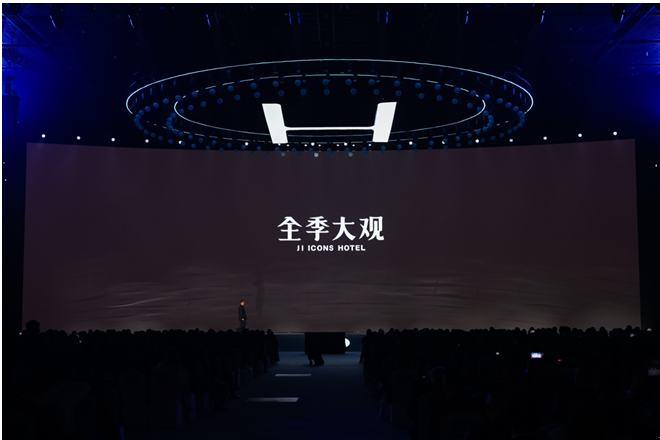
全季大观 华住(01179)20周年再造下一个世界级品牌
智通财经网· 2025-11-03 03:00
Core Viewpoint - The launch of the new brand "All Seasons Grand View" by Huazhu Group marks a strategic re-commitment to redefine the Chinese hotel industry for the next 20 years, emphasizing the importance of local culture and design in the hospitality sector [1][3][15] Group 1: Brand Development - The new brand "All Seasons Grand View" was unveiled at the 2025 Huazhu Partners Conference, celebrating Huazhu's 20th anniversary [1][3] - Huazhu's existing mid-range brand, All Seasons, has achieved a significant scale with nearly 3,500 locations nationwide, recognized as the fastest-growing mid-range hotel brand [3][5] - Huazhu's founder predicts that All Seasons and HanTing will rank among the top two single-brand hotels globally in the near future [3][5] Group 2: Market Positioning - The hotel industry is transitioning from rapid expansion to a focus on high-quality development, particularly in the mid to high-end market [7][8] - There is a notable disconnect between current hotel offerings and the actual needs of contemporary Chinese consumers, particularly in service and design [7][8] - The emergence of a "Chinese design" wave is seen as an opportunity for Huazhu to cater to the preferences of a new generation of Chinese consumers [5][8] Group 3: Strategic Vision - Huazhu aims to create a world-class brand rooted in Eastern culture, addressing the genuine needs of Chinese consumers [8][10] - The company emphasizes efficiency and scale as key competitive advantages, with over 12,000 hotels across 19 countries by 2025 [10][13] - The launch of All Seasons Grand View is positioned as a culmination of Huazhu's 20 years of experience and a starting point for future growth [10][15]

便宜的酒店,正在批量消失
远川研究所· 2025-11-02 13:16
Core Viewpoint - The economic hotel sector in China is facing significant challenges, with many brands, including budget hotels like Pod Inn, being forced to exit the market due to financial difficulties and declining performance metrics such as RevPAR (Revenue per Available Room) [5][6]. Group 1: Economic Hotel Sector Challenges - Pod Inn was delisted due to three consecutive years of negative net assets, highlighting the financial strain on budget hotels [5]. - The average room rate for budget hotels has decreased, with major players like Jinjiang, Shoulv, and Huazhu adding fewer budget hotels compared to mid-range and high-end options [5][6]. - The occupancy rates for mid-range hotels have surpassed those of budget hotels, indicating a shift in consumer preference towards higher-quality accommodations [5][6][26]. Group 2: Business Model Vulnerabilities - The business model of budget hotels is inherently fragile due to low pricing power and high reliance on occupancy rates for revenue [7][8]. - Budget hotels typically offer limited services, which restrict their ability to increase prices compared to mid-range hotels that provide additional amenities [7][8]. - The economic downturn has exacerbated the challenges faced by budget hotels, leading to a slower recovery compared to mid-range brands like Atour, which reported significant revenue growth [8][10]. Group 3: Market Dynamics and Trends - The hotel industry has seen a consolidation trend, with major chains increasing their market share and focusing on mid-range and high-end hotel segments [10][20]. - The chain hotel model has proven more resilient, with membership systems contributing significantly to revenue stability [17][20]. - The overall hotel supply remains high, particularly in the budget segment, leading to intensified competition and reduced profitability for budget hotels [29][32]. Group 4: Future Outlook - The shift towards mid-range hotels is expected to continue, driven by consumer preferences and the increasing market power of established hotel chains [31][34]. - The economic hotel segment may struggle to recover fully, as evidenced by declining demand and stagnant revenue growth despite increased marketing expenditures [32][34]. - Industry experts predict that mid-range hotels will dominate the market in the coming years, reshaping the competitive landscape of the hotel industry in China [34].



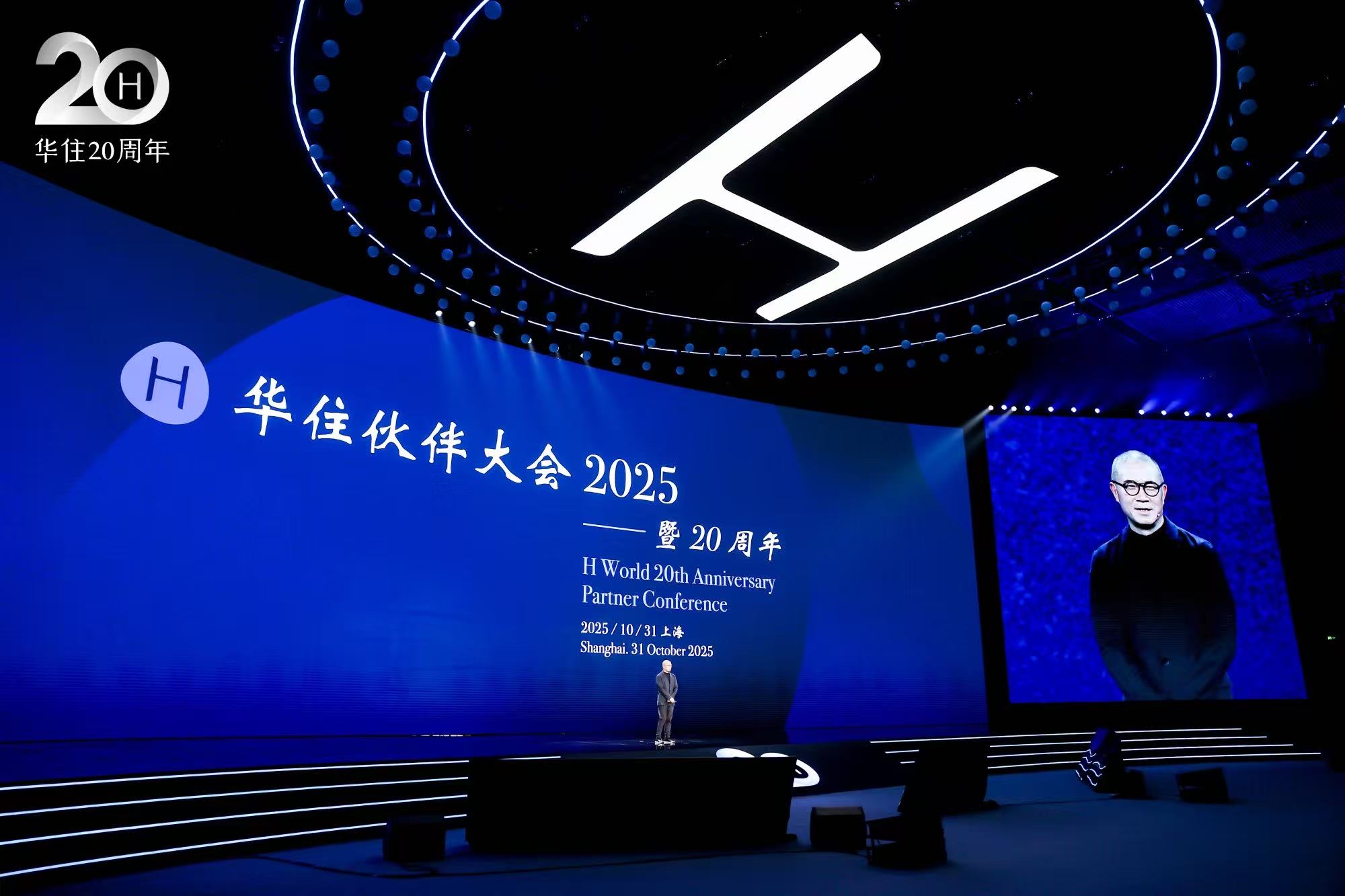
华住集团创始人季琦:酒店业迎来机遇叠加期 县域市场发展潜力巨大
Zheng Quan Shi Bao Wang· 2025-11-02 12:29
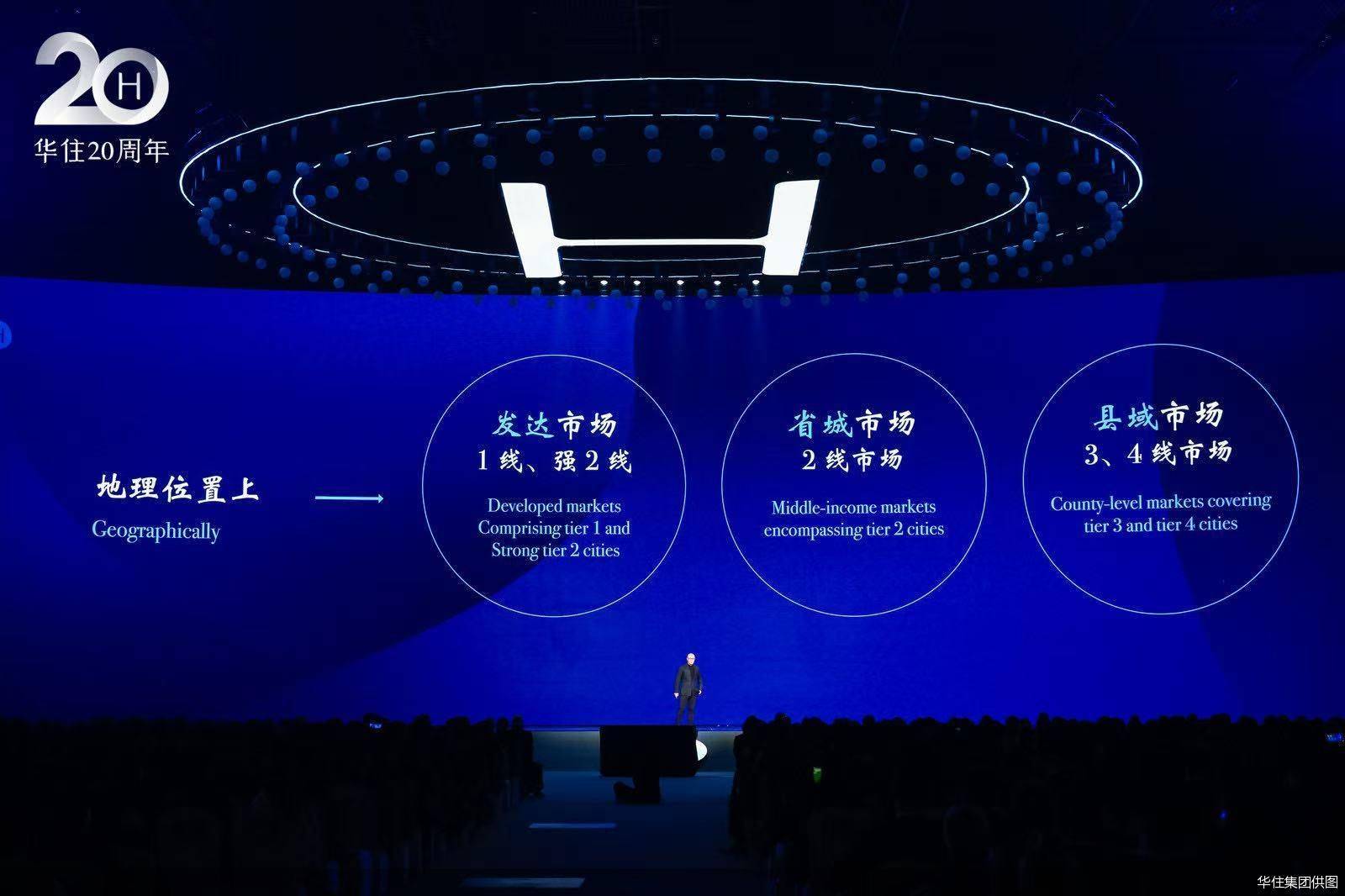
Core Insights - The hotel industry is experiencing unprecedented opportunities driven by market pressures, supply-side reforms, AI technology, and the potential of county markets [1] - The founder of Huazhu Group, Ji Qi, introduced the concept of "three markets" in the Chinese hotel industry, highlighting the distinct characteristics of developed markets, provincial cities, and county markets [1] - The middle-income group, exceeding 400 million people, is driving high-quality development in the hotel sector due to their pursuit of quality living [1] Market Dynamics - The increasing pressure in the stock market is prompting a return to the essence of investment, creating favorable conditions for rational investment [1] - Franchise investments are becoming a significant trend in the industry, with a focus on supply-side transformation [1] - The county market shows significant potential for growth, with a low chain rate compared to the national average, and improving infrastructure and consumption upgrades creating a conducive environment for hotel investment [1] Consumer Behavior - The hotel industry is witnessing parallel development across three consumer segments: luxury, middle-class, and budget consumers [1] - Younger consumers, who have grown up in affluent environments and possess a strong educational background, are demanding higher aesthetic standards in hotel products, significantly altering the competitive landscape [1] Company Milestones - Huazhu Group celebrated its 20th anniversary, having hosted over 2 billion guests and driven nearly 300 billion yuan in industry chain investments [2] - The company has established a comprehensive brand matrix covering various hotel categories, including national hotels, select services, lifestyle, high-end brands, and serviced apartments [2] Performance Metrics - The repurchase rate for franchisees of the All Seasons Hotel exceeds 30% [4] - The RevPAR (Revenue per Available Room) of Orange Crystal Hotels continues to lead the industry [4] - Intercity Hotels have achieved an annual growth rate of 155% [4]
华住季琦:掘金三大细分市场,让“中国服务”走向全球
Sou Hu Cai Jing· 2025-11-02 04:57
Core Insights - The core viewpoint of the article emphasizes the need for structural reforms in the Chinese hotel industry, focusing on three market dimensions and adhering to two sets of principles for high-quality development [1][4]. Group 1: Market Opportunities - The Chinese hotel industry benefits from a complete industrial system and excellent infrastructure, alongside a growing demand for quality living from the population [3]. - The hotel market should be understood through three dimensions: geographic (developed markets, provincial cities, and county markets), consumer segments (luxury, middle-class, and budget), and age demographics (youth, middle-aged, and seniors) [3][4]. - The county market shows significant potential due to lower chain rates compared to national averages, rapid infrastructure improvements, and notable consumption upgrades [3]. Group 2: Strategic Focus - The current state of the hotel industry reveals over 20 million rooms, ranking first globally, but faces challenges such as fragmentation and homogenization, with only 25% of hotels having over 40 rooms and a chain rate of 40% [4]. - New opportunities arise from existing pressures, including a return to investment fundamentals, brand-driven supply-side reforms, AI technology enhancements, and strong manufacturing support for cost-effective supply chains [4]. - The company emphasizes the importance of adhering to two sets of "three goods": investment aspects (good location, good rent, good product) and product aspects (good brand, good property, good quality) [4]. Group 3: Brand Development - The company has launched a new brand, "All Seasons Grand View," integrating Eastern aesthetics into travel experiences, aiming to elevate from hotels to lifestyle offerings [3]. - According to the 2025 ranking by HOTELS, the company ranks fourth globally, with its HanTing brand being the largest in scale and All Seasons ranked fourth [4]. - The company aims to lead with its brand strategy, promoting "Chinese service" globally and positioning hotels as essential spaces for a better life [4].

华住创始人季琦:供给侧改革是中国酒店行业最大的机会
Guo Ji Jin Rong Bao· 2025-11-02 02:01
Core Viewpoint - The largest hotel group is expected to emerge from China, with significant opportunities in the supply-side reform of the hotel industry [1]. Group 1: Market Potential - As of 2024, the chain rate of hotels in China is projected to be 40%, compared to 72% in the U.S. and 44% in the EU, indicating substantial room for growth in China's hotel chain market [2]. - The hotel industry in China has considerable potential for growth, particularly in third and fourth-tier cities, despite a decrease in business travel and an increase in inbound tourism [3]. Group 2: Industry Dynamics - The current market pressure is increasing due to a growing stock market, but the county-level tourism market presents significant opportunities [3]. - Competition within the industry is seen as a norm, with appropriate competition driving continuous supply-side improvements [3]. Group 3: Company Strategy - Huazhu Group is enhancing its product matrix, recently launching the Haiyou fully self-service hotel, which has a construction cost of 57,100 yuan per room and a total investment of 3 million yuan for 45 rooms [3]. - The company aims to establish itself as a brand-centric organization, aspiring to become the foundational infrastructure of China's accommodation industry [3].
华住集团季琦:酒店业增长空间在连锁化、品牌化、县域市场
Jing Ji Guan Cha Wang· 2025-11-01 14:43
Core Insights - The founder and chairman of Huazhu Group, Ji Qi, expressed a strong bullish outlook on China's hotel industry, predicting that the largest hotel group will emerge from China in the future [2] - Ji Qi emphasized the need for supply-side reforms in the hotel industry, focusing on chain development, brand enhancement, and expansion into lower-tier markets [2] Industry Overview - The Chinese hotel industry faces a "large but weak" issue, characterized by a vast number of hotel rooms but a low percentage of large, chain hotels. As of December 31, 2024, there are over 340,000 hotels and more than 17.64 million rooms in China, with small hotels (fewer than 70 rooms) making up 48.09% of the total [2] - The chain hotel rate in China is 40.09%, significantly lower than the over 70% rate in the United States [2] Market Segmentation - Ji Qi categorized the Chinese market into three tiers: developed markets (first-tier and strong second-tier cities), provincial markets (second-tier cities), and county markets (third and fourth-tier cities), highlighting the significant growth potential in county markets due to low chain hotel rates [3] - The market is also segmented by consumer spending power into luxury, middle-class, and budget segments, with over 400 million middle-income individuals driving high-quality development in the hotel industry [3] - Age demographics are another segmentation factor, with distinct consumption characteristics among youth (18-35 years), middle-aged (36-59 years), and seniors (60 years and above), particularly noting the higher aesthetic demands of younger consumers [3] Opportunities and Trends - The industry is entering a period of overlapping opportunities, driven by increased market pressure, the return of assets to their investment essence, and the rise of franchise models [3] - AI technology is expected to enhance customer experience and operational efficiency, while a strong manufacturing base can provide high-quality, cost-effective supply chains [3] - The potential of county markets is significant, with lower reset costs for franchise hotels due to deflation and the new normal [3] Business Developments - Huazhu Group recently launched a new brand, "All Seasons Grand View," featuring a design that incorporates Eastern aesthetics [4] - The company introduced the "Haiyou Fully Self-Service Hotel," with a construction cost of 57,100 yuan per room and a total investment of approximately 3 million yuan for 45 rooms, achieving a human-to-room ratio of 0.1 [4] - Ji Qi previously indicated that the future growth of the hotel industry lies in the franchise model, moving away from traditional developer and landmark models [4] Company Performance - In the first half of 2025, Huazhu Group reported total revenue of 11.8 billion yuan, a year-on-year increase of 3.5%, and a net profit of approximately 2.4 billion yuan, up 41.2% [6] - Adjusted EBITDA for the same period was 3.8 billion yuan, reflecting a 9% year-on-year growth [6]

华住推出新品牌“全季大观”
Sou Hu Cai Jing· 2025-11-01 14:25
Core Insights - Huazhu Group launched a new brand "All Seasons Grand" at the 2025 Huazhu Partners Conference, integrating Eastern aesthetic travel experiences into its existing All Seasons hotel framework [2] - The founder and chairman, Ji Qi, introduced the concept of three markets in the Chinese hotel industry, highlighting distinct characteristics of developed markets, provincial capital markets, and county markets [2][3] Market Analysis - From a regional perspective, the Chinese hotel market exhibits clear gradient characteristics, with the county market showing a low chain hotel penetration rate below the national average, indicating significant growth potential [2] - Infrastructure in these markets is rapidly improving, and there is a noticeable trend of consumption upgrading, creating a favorable external environment for hotel investments [2] Consumer Behavior - The analysis of consumer capacity reveals three parallel markets: luxury consumption, middle-class consumption, and budget consumption, with the middle-income group driving high-quality development in the hotel industry [2] - The new generation of consumers has diverse and personalized demands, focusing not only on basic accommodation functions but also on experiential and aesthetic values [2] Demographic Insights - Observing age demographics, the youth market (18-35 years), middle-aged market (36-59 years), and senior market (60 years and above) display distinctly different consumption characteristics [3] - The younger generation, raised in affluent environments with good education and international exposure, has higher aesthetic demands for hotel products, significantly altering the competitive landscape of the hotel industry [3] Future Goals - Huazhu aims to lead with its brands over the next 20 years, aspiring to be a top player in each market segment and to make "Chinese service" resonate globally [3] - The vision is to transform hotels into significant "beautiful spaces" that enhance travel experiences, rather than merely serving as places to stay when away from home [3]
华住集团创始人季琦:中国酒店三四线增长空间巨大
Sou Hu Cai Jing· 2025-11-01 13:50
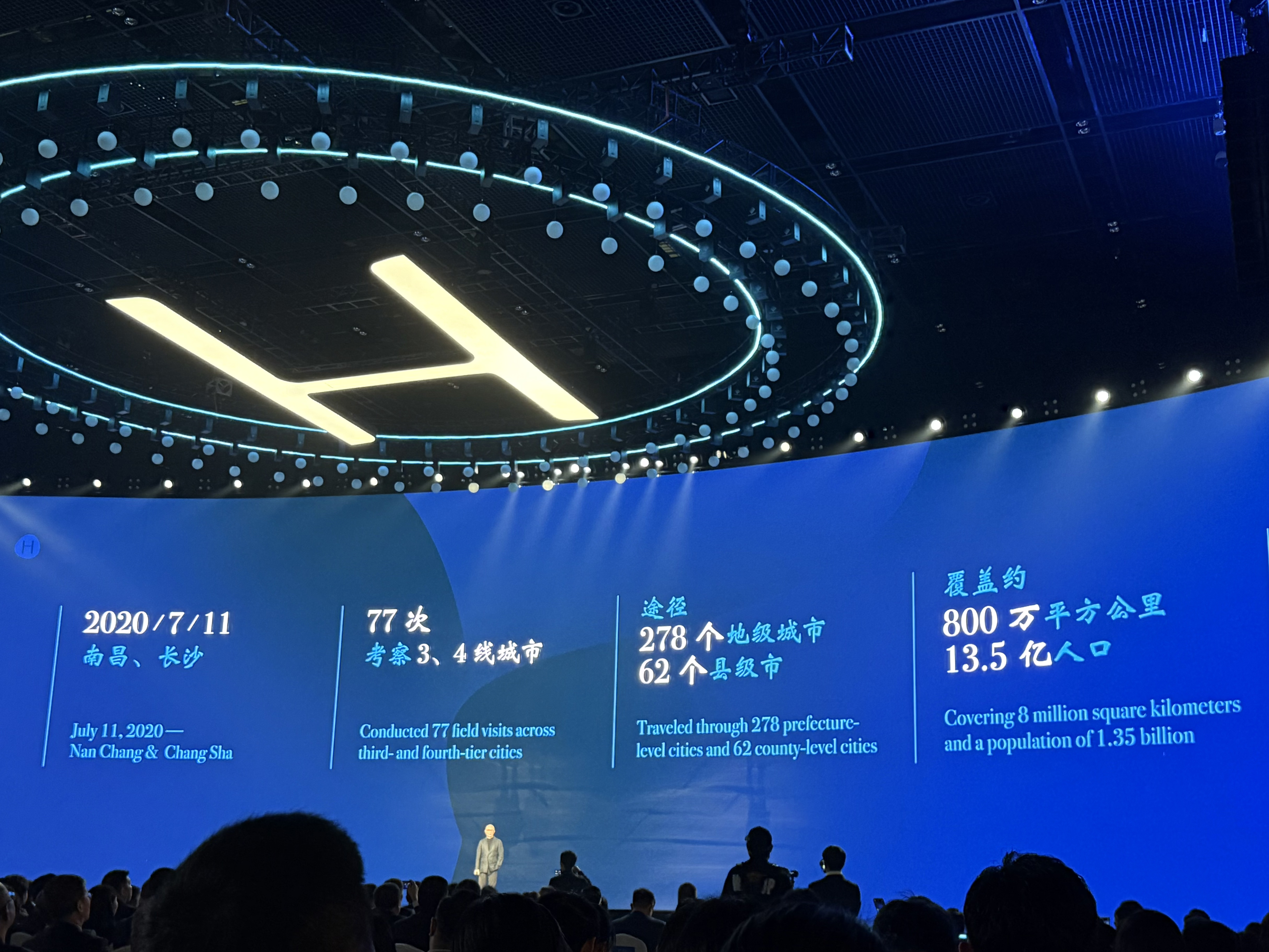
Core Insights - The hotel industry in China is shifting focus towards third and fourth-tier cities, similar to retail companies like Hema Fresh, indicating significant growth potential in these markets [1][3] - The hotel market's chain rate is projected to reach approximately 40% by 2024, highlighting ongoing opportunities for expansion across various city tiers [1][3] Company Overview - Huazhu Group, founded 20 years ago, has grown to become the fourth-largest hotel group globally, with its HanTing brand leading in room count at 359,475, and its All Seasons brand ranking fourth with 325,999 rooms [3] - The company has diversified its offerings across various hotel types, including economy, midscale, upscale, and serviced apartments, which supports its growth strategy [3] Market Dynamics - Despite having over 20 million hotel rooms, the chain rate in first-tier cities is only 40%, with even lower rates of 25% in third-tier cities and 14% in fourth-tier and below, indicating a fragmented market with significant room for improvement [3][4] - The demand side is experiencing changes, with a decrease in business travel but an increase in inbound tourism and leisure travel, driven by a growing middle-income group exceeding 400 million people [3][4] Industry Trends - The necessity for supply-side reform in the hotel industry is emphasized, focusing on transitioning from single units to chains, enhancing brand value, and improving cost efficiency [4] - The competitive landscape is shifting towards high-cost performance hotels that offer emotional value and service at reasonable prices, rather than solely luxury or low-cost options [4] - Huazhu is adopting modular design and integrated construction to reduce costs for new builds and renovations, while also incorporating technology like robots and self-service machines to enhance guest experience without increasing labor costs [4]

华住季琦:中国酒店业未来最大的机会在于供给侧改革
Di Yi Cai Jing· 2025-10-31 10:49
Core Insights - The Chinese county-level hotel market has significant potential, driven by factors such as a large population base, infrastructure development, and a growing tourism market, with supply-side reform being the biggest opportunity for the hotel industry in the future [1][3] Industry Overview - The chain rate of the Chinese hotel market is projected to be around 40% in 2024, indicating substantial opportunities for growth in the chain hotel sector, particularly in third and fourth-tier cities [3] - The hotel industry is experiencing a shift from simple expansion to focusing on high-cost performance hotels, including mid-range and tech-integrated self-service hotels, to provide better emotional value and service to customers [5] Company Developments - Huazhu Group plans to launch a new brand called "Huazhu Daguan" and expand its self-service hotel brand "Haiyou," which operates with a low staff-to-room ratio, significantly reducing labor costs [4] - The investment return for self-service hotels is relatively short, with new construction costs starting at approximately 57,000 yuan per room and renovation costs at around 25,000 yuan per room, making it a low-cost investment option [4] Market Dynamics - The hotel industry is transitioning into a stock competition era, where key operational metrics such as occupancy rates and average room rates are increasingly linked to city tiers, necessitating a focus on both revenue enhancement and cost optimization [5] - The rise of AI technology is expected to further enhance customer experience and operational efficiency in the hotel sector [3][5]