
HWORLD(HTHT)

Search documents
华住集团-S(1179.HK):Q3收入超预期 经营及开店持续向好 中长期成长潜力大
Ge Long Hui· 2025-11-21 13:36
Core Viewpoint - The company reported Q3 2025 earnings with revenue of 6.961 billion yuan, a year-on-year increase of 8.1%, and a net profit attributable to shareholders of 1.469 billion yuan, up 15.4% year-on-year, indicating better-than-expected revenue growth and improved profitability in domestic and DH segments [1][2] Financial Performance - Q3 2025 overall GMV reached 30.6 billion yuan, reflecting a year-on-year increase of 17.5% and a sequential improvement in growth rate [2] - Adjusted EBITDA for Q3 2025 was 2.513 billion yuan, up 18.9% compared to the previous quarter's 11.4% growth, with Legacy-Huazhu contributing 2.446 billion yuan, a 16.9% increase [2] - The company’s adjusted net profit for Q3 2025 was 1.520 billion yuan, representing a 10.8% increase [2] Operational Metrics - Q3 2025 showed significant recovery in operational metrics, with overall occupancy, ADR, and RevPAR showing minor declines compared to the previous year, indicating stabilization in the industry [3] - The company opened 750 new stores and closed 185, resulting in a net increase of 565 stores, with a notable acceleration in the mid-range segment [3] - The company aims to become a leader in the mid-to-high-end market by 2030, with a pipeline of 2,748 stores as of Q3 2025 [3] Strategic Initiatives - The company is focusing on optimizing pricing strategies, enhancing membership and supply chain capabilities, and expanding its mid-to-high-end brand matrix, as well as exploring high-end, lower-tier, and overseas markets for long-term growth [3]
纳斯达克中国金龙指数跌超0.5%
Xin Lang Cai Jing· 2025-11-20 16:17
Core Viewpoint - The Nasdaq China Golden Dragon Index has experienced a decline of over 0.5%, indicating a negative trend in the Chinese tech sector [1] Company Performance - Canadian Solar (阿特斯) saw a significant drop of 11.28% in its stock price [1] - Xinyi Technology (信也科技) reported a decrease of 7.94% [1] - NetEase Youdao (网易有道) fell by 6.21% [1] - Haidian Network (海天网络) experienced a decline of 5.82% [1] - Niu Technologies (小牛电动) dropped by 4.94% [1]




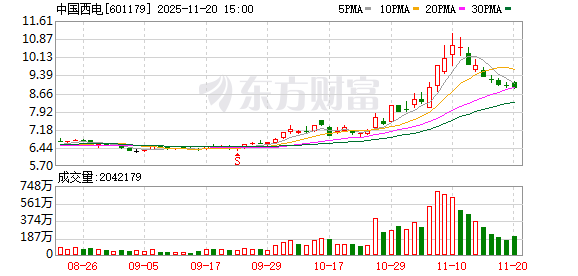
601179,第二大股东又要减持
Zhong Guo Ji Jin Bao· 2025-11-20 16:05
Core Viewpoint - General Electric Singapore plans to reduce its stake in China Xidian by up to 3%, which amounts to a maximum of 154 million shares, due to its operational needs [2] Group 1: Shareholding Changes - As of the announcement date, General Electric Singapore holds 359 million shares in China Xidian, representing 7% of the total share capital [2] - The planned reduction includes a maximum of 51.26 million shares through centralized bidding and 103 million shares through block trading [2] - From October 2024, General Electric Singapore has been continuously reducing its stake, with a total reduction of 3% in 2024, exceeding 150 million shares [3] Group 2: Market Performance - China Xidian's stock price was reported at 8.84 yuan per share as of November 20, with a market capitalization of 45.3 billion yuan [5] - The stock price had previously experienced a significant increase from October to early November 2025, breaking out of a long-term decline since its IPO price of 7.9 yuan per share in 2010 [4]


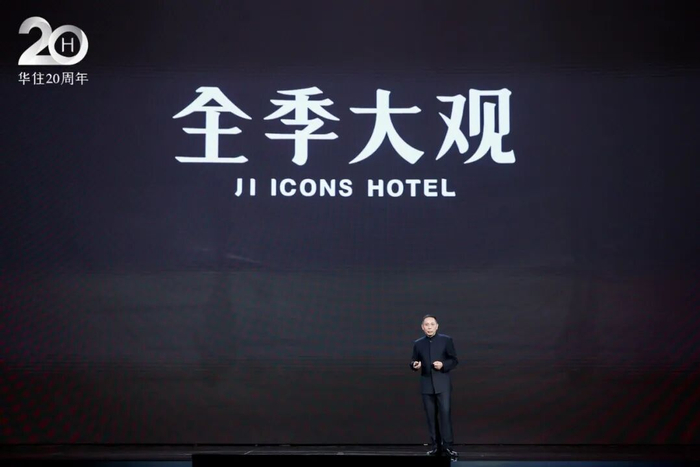
中国住宿新商机:东方文化崛起,“全季大观”来了
Di Yi Cai Jing· 2025-11-20 10:22
Core Insights - Huazhu Group has launched a new brand "All Seasons Grand View" to meet the evolving demands of Chinese travelers, emphasizing the integration of Eastern culture into the hospitality experience [1][6][10] Market Trends - There is a growing demand for culturally immersive experiences among travelers, with 73% of young travelers prioritizing local cultural elements in their accommodation choices [3][4] - The high-end hotel market in China is experiencing a supply-demand gap, with only 28% penetration in first-tier and new first-tier cities, compared to over 60% in Europe and the US [5][10] Brand Positioning - "All Seasons Grand View" aims to redefine the hotel experience by focusing on cultural aesthetics and emotional resonance, moving beyond traditional hospitality services [6][9] - The brand's design incorporates elements like water, clouds, pine, and tea, creating a unique aesthetic that resonates with Eastern cultural values [6][8] Competitive Advantage - Huazhu Group leverages its strong supply chain and technology to enhance operational efficiency, allowing for a superior customer service experience [10][12] - The brand will collaborate with renowned contemporary artists and experts to create a distinctive and immersive experience, addressing industry homogenization [8][9] Future Outlook - The launch of "All Seasons Grand View" is part of Huazhu's strategy to fill the gaps in the mid-to-high-end hotel market and capitalize on the growing demand for culturally rich experiences [5][10] - With a membership base of nearly 300 million, Huazhu Group is well-positioned to drive customer engagement and loyalty for the new brand [10][12]
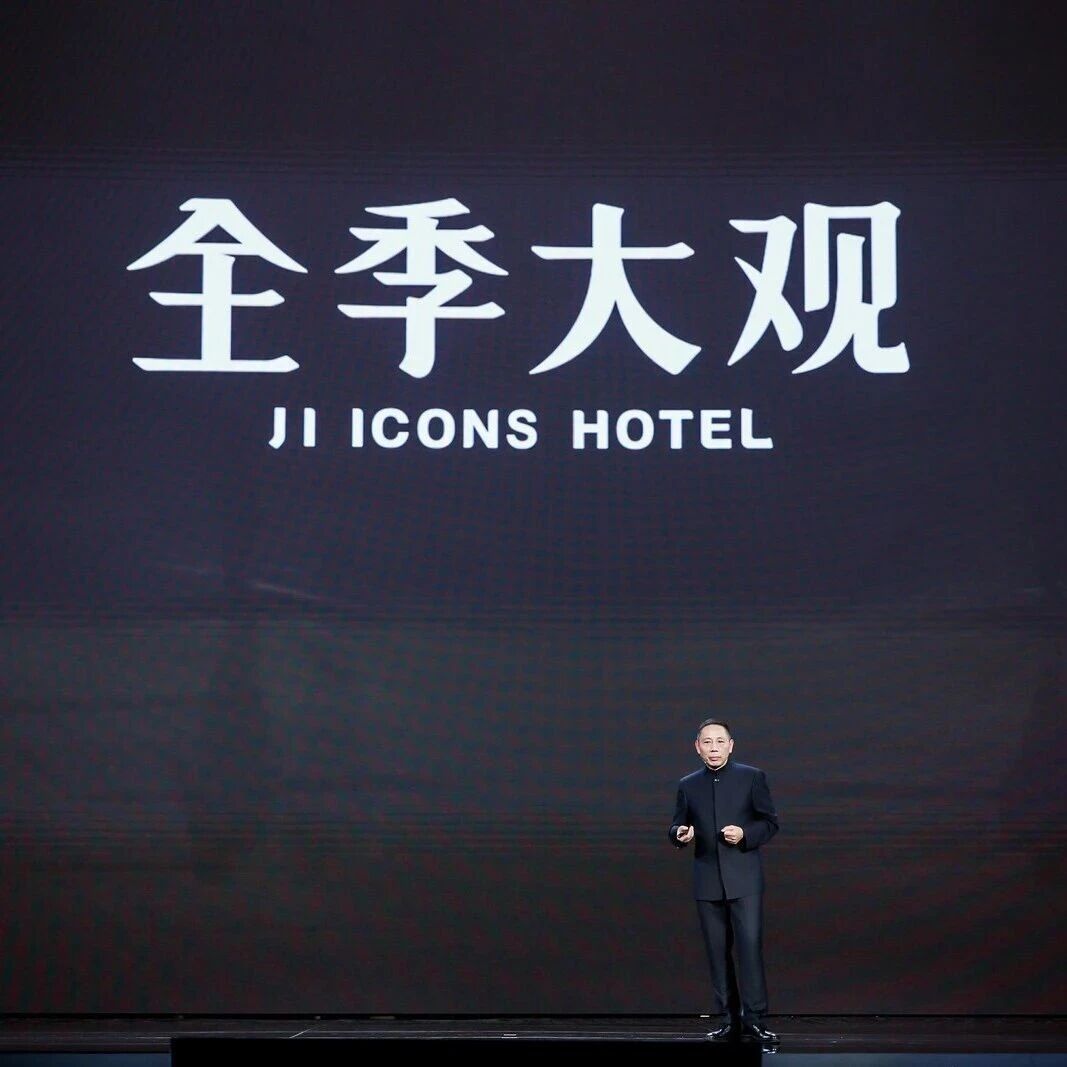
中国住宿新商机:东方文化崛起,“全季大观”来了
第一财经· 2025-11-20 10:06
Core Viewpoint - Huazhu Group has launched a new brand "All Seasons Grand View" to meet the evolving demands of Chinese travelers, reflecting a shift towards high-quality, culturally immersive hotel experiences [1][5][12]. Market Demand and Trends - There is a growing demand for hotel experiences that incorporate local culture, with 73% of young travelers prioritizing cultural elements in their accommodation choices [3][4]. - High-net-worth individuals also emphasize unique cultural experiences as a primary criterion for hotel selection, with 78% highlighting this preference [3]. - The emotional resonance and cultural identity in travel experiences are increasingly important, with 53% of consumers seeking deeper emotional connections during their stays [3]. Industry Transformation - The hotel industry is transitioning from rapid expansion to a focus on quality development, particularly in the mid to high-end market, where there is a significant gap in quality supply [4][12]. - The current market shows a low penetration rate of mid to high-end hotels in first-tier and new first-tier cities, at only 28%, compared to over 60% in Western markets [4]. Brand Positioning and Strategy - "All Seasons Grand View" aims to create a unique cultural experience rather than just a traditional hotel stay, focusing on elements like tea culture and artistic design [5][9]. - The brand will collaborate with contemporary Chinese artists and experts to differentiate itself from competitors and address industry homogenization [11]. Business Model and Competitive Advantage - Huazhu Group's extensive brand portfolio, including economy to high-end hotels, positions "All Seasons Grand View" as a key addition to its market coverage [12]. - The company leverages its strong supply chain and technology to enhance operational efficiency, allowing for a better customer service experience [14][17]. - Huazhu's membership program, with nearly 300 million members, provides a solid customer base for "All Seasons Grand View," enhancing its market potential [14][17]. Future Outlook - The launch of "All Seasons Grand View" is seen as a significant step for Huazhu Group, aiming to redefine the Chinese hotel industry and establish a world-class brand [17].
酒店巨头,正在瞄准县城
3 6 Ke· 2025-11-20 09:13
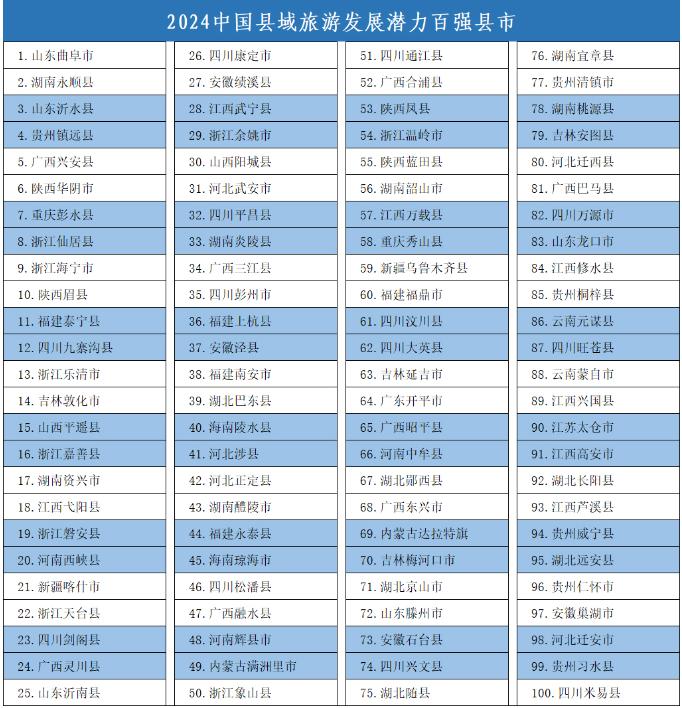
Core Insights - The article discusses the growing trend of hotel chains expanding into county-level cities in China, highlighting the potential for investment in these markets due to rising tourism and changing consumer preferences [2][10][11]. Industry Overview - County-level cities are becoming a new battleground for hotel giants, with chains like Hilton and Huazhu Group targeting these areas for expansion [2][10]. - In 2023, 1,866 county-level cities received a total of 5.08 million tourists, marking a year-on-year increase of 35.18% [2]. - The hotel market in these regions is characterized by lower operational costs compared to first and second-tier cities, making it an attractive investment opportunity [27][36]. Market Dynamics - The average occupancy rate for hotels in over 60 county-level cities exceeded 100% during peak periods, indicating strong demand [16]. - The hotel industry in lower-tier cities is experiencing a significant influx of capital, with 23,000 new hotels and 1 million new rooms expected to open in the first half of 2024, a year-on-year growth of 18% [25]. - The hotel chain penetration rate in third-tier cities is below 30%, presenting a substantial opportunity for growth [14]. Consumer Behavior - Consumers are increasingly seeking affordable travel options, with county-level cities offering lower prices for accommodations and dining compared to major urban centers [11][13]. - Enhanced transportation infrastructure, including a railway network covering 99% of cities with populations over 200,000, facilitates easier access to these destinations [11]. Competitive Landscape - Major hotel brands are rapidly expanding into lower-tier cities, with Huazhu Group aiming to establish a presence in every county by 2030 [6][10]. - International brands like InterContinental and Hilton are also targeting third-tier cities, with specific expansion plans in place [10][23]. Challenges and Considerations - Despite the opportunities, the hotel industry in county-level cities faces challenges such as lower service quality and operational difficulties due to less experienced staff [27][31]. - The need for effective management and oversight of franchise operations is critical to maintaining brand standards in these markets [31]. - The investment in hotel development is substantial, with a typical mid-range hotel requiring around 12 million yuan to establish, necessitating careful financial planning to ensure profitability [27][34].

华住三季度营业额306亿元同比增17.5%!新推全季大观
Nan Fang Du Shi Bao· 2025-11-20 05:59
Core Insights - Huazhu Group's financial performance for Q3 2025 shows a continuous enhancement in profitability and a membership base exceeding 300 million, with 74% of nights booked by members [1][9][10] Financial Performance - In Q3, Huazhu Group reported hotel revenue of 30.6 billion yuan, a year-on-year increase of 17.5% [4] - The group's total revenue reached 7 billion yuan, up 8.1% year-on-year; adjusted net profit was 1.52 billion yuan, increasing by 10.8% [4] - Adjusted EBITDA was 2.5 billion yuan, reflecting an 18.9% year-on-year growth [4] Hotel Operations - As of the end of Q3, Huazhu Group operated a total of 12,702 hotels globally, a 17.1% increase year-on-year, with 1,246,240 rooms, up 17.3% [4] - Huazhu China opened 749 new hotels in Q3, averaging about 250 openings per month, marking a quarterly record for the year [5] Membership Growth - The membership count increased by 17.3% year-on-year, surpassing 300 million, making it the largest in the world [6][9] - Member nights booked grew by 19.7% year-on-year, totaling over 66 million nights, with a direct booking ratio of 74% [9][10] Brand Development - Huazhu's mid-to-high-end hotel count exceeded 1,600, a 25.3% year-on-year increase [13] - The launch of the new brand "All Season Grand View" aims to enhance Huazhu's mid-to-high-end brand matrix, focusing on market demand and consumer expectations [13][14] Market Insights - The Chinese hotel market shows distinct tiered characteristics, with significant growth potential in lower-tier cities where chain hotel penetration is low [13] - The middle-income group, exceeding 400 million people, is driving high-quality development in the hotel industry, with diverse and personalized demands from younger consumers [14]
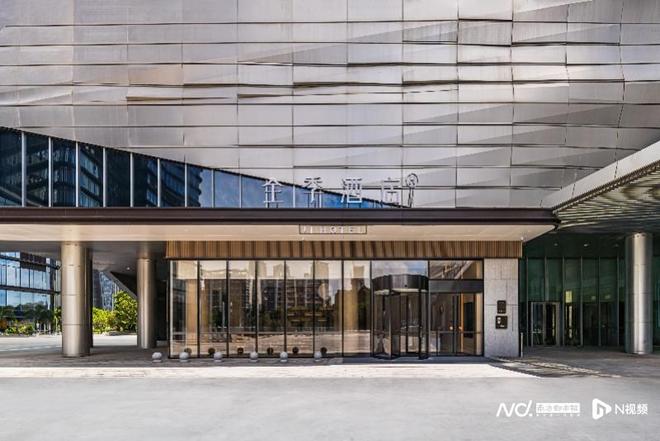
华住集团-S(01179.HK):三季度境内REVPAR企稳 年度至今新开酒店突破2000 家
Ge Long Hui· 2025-11-19 21:34
Core Insights - The company reported Q3 2025 revenue of 7 billion yuan, an 8.1% year-on-year increase, exceeding guidance [1] - Adjusted net profit for Q3 2025 was 1.52 billion yuan, up 10.8% year-on-year, with a net profit margin increase of 0.5 percentage points [1] - The company’s franchise business contributed 70% of gross profit, with a gross operating profit of 2.24 billion yuan, a 28.6% increase year-on-year [1] Financial Performance - Q3 2025 revenue growth was driven by stable leisure travel demand and effective store expansion, with domestic revenue increasing by 10.8% [1] - The company’s domestic hotel RevPAR was 256 yuan, a slight decrease of 0.1% year-on-year, while the overseas hotel RevPAR increased by 6.4% [2] - The company opened 749 new stores in Q3 2025, bringing the total new openings to over 2,000 for the year, with expectations to exceed the previous guidance of 2,300 openings [2] Strategic Developments - The company launched a new mid-to-high-end brand "全季大观" to enhance its brand portfolio, aiming to establish it as a benchmark following existing brands [2] - The company maintains a strong market position with significant potential for brand expansion and global reach [2]
华住(HTHT):中高端品牌全季大观推出,三季度业绩超预期
Shenwan Hongyuan Securities· 2025-11-19 15:01
Investment Rating - The report maintains a "Buy" rating for the company [5][6] Core Insights - The company reported third-quarter earnings that exceeded expectations, with a revenue of RMB 7 billion, representing a year-on-year increase of 8.1%, surpassing the previous guidance of 2%-6% [5] - The company continues to expand its mid-to-high-end brand strategy, launching a new brand "Quanjidaguang" [5] - The light-asset model is driving rapid expansion and improving profitability, with a significant increase in revenue from management franchise and licensing, which grew by 27.2% year-on-year to RMB 3.3 billion [5] Financial Data and Earnings Forecast - Revenue projections for the company are as follows: - 2023: RMB 21,882 million - 2024: RMB 23,891 million - 2025E: RMB 25,378 million - 2026E: RMB 26,562 million - 2027E: RMB 28,011 million - Net profit attributable to the parent company is forecasted as: - 2023: RMB 4,085 million - 2024: RMB 3,048 million - 2025E: RMB 4,740 million - 2026E: RMB 5,742 million - 2027E: RMB 6,259 million [5][6] - The company’s gross margin is expected to improve from 34% in 2023 to 41% by 2027 [5][6] Market Data - The company's closing price is USD 45.22, with a market capitalization of USD 1.38 billion [3] - The company has a total of 12,702 hotels in operation globally, with 124.6 million rooms [5]
华住(HTHT):中高端品牌“全季大观”推出,三季度业绩超预期
Shenwan Hongyuan Securities· 2025-11-19 13:55
Investment Rating - The report maintains a "Buy" rating for Huazhu (HTHT) [2][5] Core Insights - Huazhu's third-quarter performance exceeded expectations, with revenue reaching RMB 7 billion, a year-on-year increase of 8.1%, surpassing previous guidance of 2%-6% [5] - The company continues to expand its light-asset model, with a significant increase in revenue from management and franchise operations, which grew by 27.2% to RMB 3.3 billion [5] - The introduction of the new mid-to-high-end brand "Quanjing Daguan" aims to enhance the company's brand portfolio [5] Financial Data and Earnings Forecast - Revenue projections for Huazhu are as follows: - 2023: RMB 21,882 million - 2024: RMB 23,891 million - 2025E: RMB 25,378 million - 2026E: RMB 26,562 million - 2027E: RMB 28,011 million - Net profit forecasts are: - 2023: RMB 4,085 million - 2024: RMB 3,048 million - 2025E: RMB 4,740 million - 2026E: RMB 5,742 million - 2027E: RMB 6,259 million - The gross margin is expected to improve from 34% in 2023 to 41% by 2027 [4][6] Operational Highlights - As of the end of Q3 2025, Huazhu operates 12,702 hotels globally, with a total of 1.246 million rooms [5] - The company opened 749 new hotels in Q3 2025, aiming for a total of 2,300 new openings for the year [5] - The domestic RevPAR for Q3 2025 was RMB 256, showing a slight decline of 0.1% year-on-year, while the overseas RevPAR improved by 6.1% to €87 [5] Strategic Developments - The company is focused on enhancing its mid-to-high-end offerings and has launched the "Quanjing Daguan" brand to diversify its product line [5] - A dividend payment of approximately RMB 1.8 billion in Q3 reflects the company's confidence in future cash flows and commitment to shareholder returns [5]