Seek .(SKLTY)

Search documents
DeepSeek-V3.1版本更新
Di Yi Cai Jing· 2025-09-22 13:45
Core Insights - The update maintains the original capabilities of the model while addressing user feedback issues [1] Group 1 - DeepSeek has been updated to version DeepSeek-V3.1-Terminus [1] - Improvements include language consistency, alleviating mixed Chinese and English usage, and occasional abnormal characters [1] - The performance of Code Agent and Search Agent has been further optimized [1]

DeepSeek官宣线上模型升级 版本号DeepSeek-V3.1-Terminus
Xin Lang Ke Ji· 2025-09-22 12:06
Core Insights - DeepSeek has announced an upgrade to its online model, now at version DeepSeek-V3.1-Terminus, which includes both thinking and non-thinking modes [1] - The model supports a context length of 128k, enhancing user experience by allowing for more extensive interactions [1] - Users can now experience the upgraded model online, indicating a focus on accessibility and user engagement [1]
DeepSeek官宣线上模型升级,版本号DeepSeek-V3.1-Terminus
Xin Lang Ke Ji· 2025-09-22 11:59
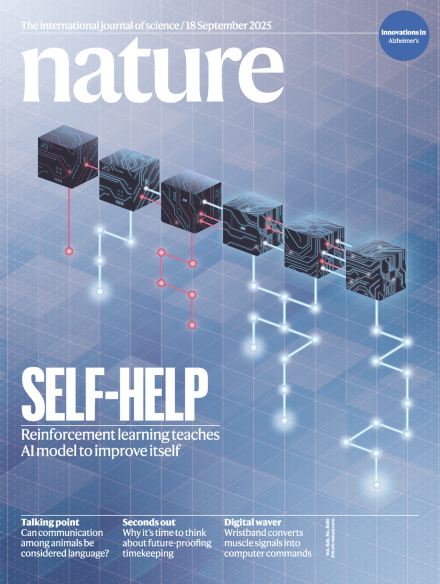
Core Insights - DeepSeek has announced the upgrade of its online model to version DeepSeek-V3.1-Terminus, which includes both a thinking model and a non-thinking mode [2] Group 1: Model Features - The context length for both models is set at 128k [2] - The non-thinking model has a default output length of 4K and a maximum of 8K, while the thinking model has a default output length of 32K and a maximum of 64K [2] Group 2: Pricing Structure - The cost for inputting one million tokens with cache hit is 0.5 yuan, while the cost for cache miss is 4 yuan [2] - The output cost for one million tokens is set at 12 yuan [2]

这一空白终于被DeepSeek打破
Xin Lang Cai Jing· 2025-09-21 06:26
Core Insights - DeepSeek has achieved a significant milestone by having its research paper on the DeepSeek-R1 inference model published in the prestigious journal Nature, marking a breakthrough in the independent peer review of large models [1] - The paper details the model's training methods and data sources, emphasizing transparency and reproducibility in the AI industry, which has been criticized for its "black box" nature since the rise of ChatGPT [1] - DeepSeek's commitment to open-source technology has contributed to its success, with the model being downloaded over 10.9 million times on the HuggingFace platform since its release [1] Industry Impact - DeepSeek is actively applying its technology in verticals such as medical consultation and industrial quality inspection, showcasing the potential of AI to enhance production and daily life [1] - The company exemplifies China's innovative path, demonstrating that true technological advancement thrives in an open and inclusive ecosystem [1] - Amid rising protectionism and unilateralism globally, China is pursuing its own path in scientific innovation while advocating for open collaboration to keep pace with technological development [1]
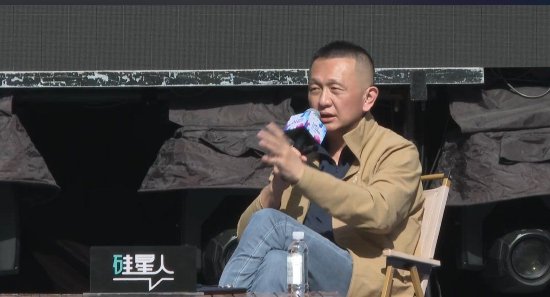
金沙江创投朱啸虎:大家低估了DeepSeek的影响力
Xin Lang Ke Ji· 2025-09-20 02:26
Core Insights - The influence of DeepSeek is underestimated, according to Zhu Xiaohu, a managing partner at Jinsha River Venture Capital [1] - The future of AI development will not be controlled by a few privatized companies or models, but will instead be characterized by an open-source and open AI ecosystem, which is crucial for humanity [3] Group 1 - DeepSeek's impact on the AI landscape is significant and should not be overlooked [1] - The evolution of AI will lead to a more democratized and accessible ecosystem, moving away from privatization [3]
DeepSeek首度公开R1模型训练成本仅为29.4万美元,“美国同行开始质疑自己的战略”
Xin Lang Cai Jing· 2025-09-19 13:25
Core Insights - DeepSeek has achieved a significant breakthrough in AI model training costs, with the DeepSeek-R1 model costing only $294,000 to train, which is substantially lower than the costs reported by American competitors [1][2][4] - The model's training utilized 512 NVIDIA H800 chips, and the total training time was 80 hours, marking it as the first mainstream large language model to undergo peer review [2][4] - The cost efficiency of DeepSeek's model has sparked discussions about China's position in the global AI landscape, challenging the notion that only countries with the most advanced chips can dominate the AI race [1][2] Cost Efficiency - The training cost of DeepSeek-R1 is reported at $294,000, while OpenAI's CEO indicated that their foundational model training costs exceed $100 million [2] - DeepSeek's approach emphasizes using a large amount of free data for pre-training and fine-tuning with self-generated data, which has been recognized as a cost-effective strategy [5][6] Response to Criticism - DeepSeek addressed accusations from U.S. officials regarding the alleged illegal acquisition of advanced chips, clarifying that they used legally procured H800 chips and acknowledging prior use of A100 chips for smaller model experiments [4][5] - The company defended its use of "distillation" technology, which is a common practice in AI, asserting that it enhances model performance while reducing costs [5][6] Competitive Landscape - The success of DeepSeek-R1 demonstrates that AI competition is shifting from merely having the most GPUs to achieving more with fewer resources, thus altering the competitive dynamics in the industry [6][7] - Other AI models, such as OpenAI's GPT-4 and Google's Gemini, still hold advantages in certain areas, but DeepSeek's model has set a new standard for cost-effective high-performance AI [6][7]
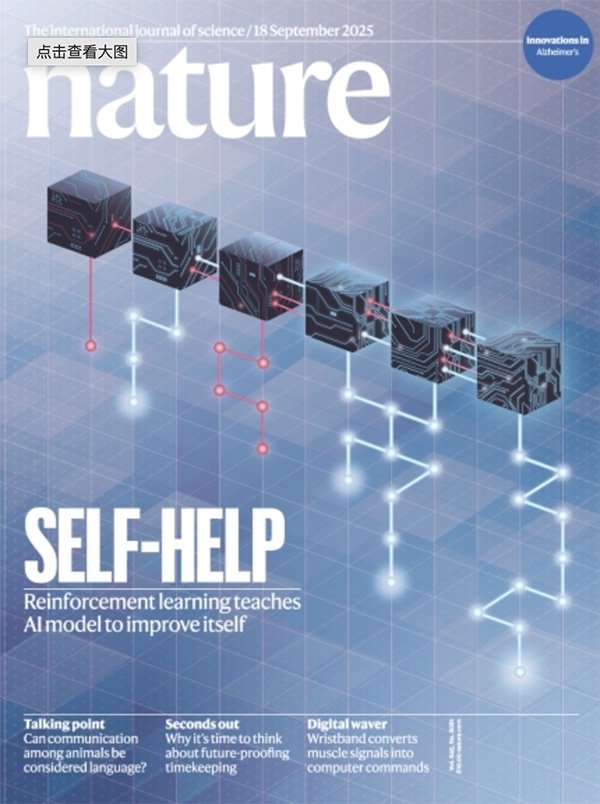
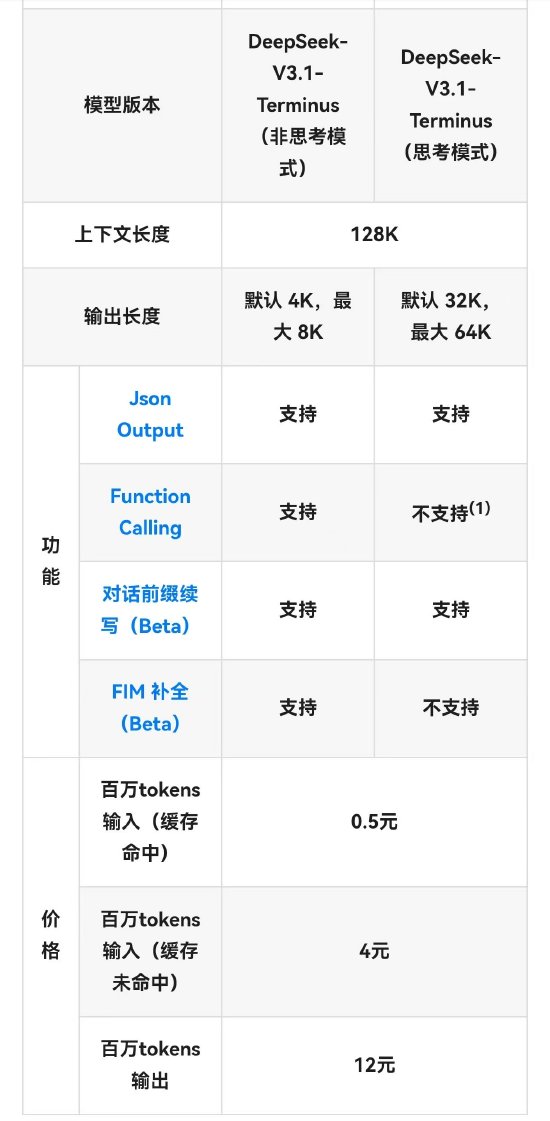
DeepSeek团队梁文锋论文登上《自然》封面
Zheng Quan Shi Bao Wang· 2025-09-19 04:46
Core Viewpoint - The research paper on the DeepSeek-R1 reasoning model, led by Liang Wenfeng, demonstrates that the reasoning capabilities of large language models (LLMs) can be enhanced through pure reinforcement learning, reducing the need for human input in performance improvement [1] Group 1 - The study indicates that LLMs do not need to rely on human examples or complex instructions, as they can autonomously learn to generate reasoning processes through trial-and-error reinforcement learning [1] - The AI exhibits self-reflection, which is considered a significant indication of artificial intelligence exploring cognitive pathways beyond human thinking [1]
DeepSeek刷屏论文背后:除了梁文锋,还有一个18岁中国高中生,曾写出神级提示词
3 6 Ke· 2025-09-19 03:32
Core Insights - DeepSeek has published a paper in Nature, showcasing advancements in reasoning within large language models (LLMs) through reinforcement learning, which includes richer implementation details and experimental analysis compared to earlier versions [2][4][38] - The paper highlights the contributions of notable researchers, including Liang Wenfeng, Tu Jinhao, and Luo Fuli, indicating a strong presence of Chinese AI talent in global academic circles [4][38] Group 1 - The Nature publication represents a significant achievement for DeepSeek, marking a historical moment for Chinese AI development on a global stage [38] - The paper emphasizes the importance of the reasoning process in AI models, suggesting that a comprehensive thinking approach is crucial for improving the quality of AI responses [30][38] - The research team includes young talents, such as Tu Jinhao, who has gained recognition for innovative approaches in AI competitions and model enhancements [6][30] Group 2 - Luo Fuli, another key contributor, has a strong academic background and has been involved in significant projects, including leading the development of multilingual pre-trained models at Alibaba [34][36] - The publication reflects a broader trend of increasing representation of Chinese AI researchers in top-tier academic publications, enhancing the visibility of China's contributions to the AI field [38] - The collaborative nature of the research team underscores the importance of teamwork in achieving significant milestones in AI research [38]

AI医学的“DeepSeek时刻”快来了?
Di Yi Cai Jing· 2025-09-19 00:32
Core Insights - The article highlights the emergence of AI technologies in the pharmaceutical and medical fields, particularly focusing on the advancements made by Chinese AI company DeepSeek and its large model R1, which has gained recognition in the scientific community [2] - The integration of AI in drug discovery and clinical applications is accelerating, with significant investments from major pharmaceutical companies aiming to revolutionize the drug development process [4][5] Group 1: AI in Drug Discovery - Major pharmaceutical companies, including Bristol-Myers Squibb and Sanofi, are investing billions in AI drug discovery, hoping to achieve breakthroughs that will transform the drug development process [4] - Medidata's data indicates that the proportion of clinical trials initiated by Chinese companies has surged from approximately 3% to 30% by 2024, positioning China as the second-largest clinical trial market globally [4] - AI is expected to drive a new wave of drug development, becoming a crucial force in the transformation of new drug research [4] Group 2: AI in Medical Applications - The "Meta-Medical" laboratory, launched by Zhongshan Hospital affiliated with Fudan University, aims to develop AI agents and apply large model technologies to enhance medical knowledge digitization and productization of diagnostic capabilities [6] - AI is changing the paradigm of diagnosis and treatment, with significant advancements in areas such as heart disease risk prediction and real-time monitoring through wearable devices [6] - The successful application of AI in specific medical fields has reached clinical levels, exemplified by the monitoring of intermittent atrial fibrillation using wearable technology [6] Group 3: Challenges and Ethical Considerations - Despite the potential of AI in drug discovery, challenges remain, including a 90% failure rate in clinical trials and the need to address complex biological issues and regulatory hurdles [5] - Ethical considerations are paramount, with the responsibility for medical decisions still resting with physicians, who must ensure that AI technologies are used safely and effectively in clinical settings [7]

DeepSeek 创始人梁文锋在《自然》杂志回应质疑,R1 训练真 29.4 万美金
Xin Lang Cai Jing· 2025-09-19 00:03
Core Insights - DeepSeek-R1 has made a significant impact in the AI field by being featured on the cover of Nature, highlighting its innovative approach to enhancing reasoning capabilities in large language models (LLMs) through reinforcement learning (RL) [1][3][5]. Group 1: Achievements and Recognition - The paper "DeepSeek-R1: Incentivizing Reasoning Capability in LLMs via Reinforcement Learning" was published in January and has now been recognized on the cover of a leading journal, Nature [3]. - DeepSeek-R1 has become the most popular model on Hugging Face after its open-source release, achieving over 10.9 million downloads [5]. - The training cost for DeepSeek-R1 was remarkably low at $294,000, which is significantly less than the costs incurred by competitors like OpenAI and Google [6][7]. Group 2: Training Methodology - DeepSeek-R1 utilizes a novel RL framework that focuses solely on the task format and reward signals based on the correctness of the final answer, allowing for a more organic development of reasoning capabilities [10]. - The model's reasoning accuracy improved dramatically from 15.6% to 77.9% during training, with a peak accuracy of 86.7% when combined with "self-consistent decoding" techniques [10]. Group 3: Self-Evolution and Advanced Strategies - The model exhibited self-evolution behaviors, such as increasing the length of generated text and employing advanced reasoning strategies like self-reflection and systematic exploration of alternative solutions [12][14]. - A notable "Aha Moment" was observed when the model began using the word "wait" more frequently, indicating a shift in its reasoning approach [15][17]. Group 4: Future Development Plans - To address the limitations of DeepSeek-R1, a multi-stage refinement plan has been initiated, which includes cold starting with high-quality conversational data, followed by multiple rounds of RL and supervised fine-tuning [18][19]. - The model's performance has improved by 17%-25% on various benchmarks after undergoing this multi-stage training process [21]. Group 5: Algorithm and Reward System - DeepSeek employs the GRPO (Group Relative Policy Optimization) algorithm, which optimizes model performance by evaluating a group of answers rather than a single best answer, thus reducing resource consumption while maintaining stability [23][24]. - A dual reward system has been established, incorporating both rule-based rewards for reasoning tasks and model-based rewards for general tasks, ensuring the model aligns with human preferences while maintaining its reasoning capabilities [25][26]. Group 6: Challenges and Limitations - Despite its advancements, DeepSeek-R1 faces challenges in structured outputs and tool usage, and it is sensitive to prompts, which limits its effectiveness in complex scenarios [35][37]. - The potential for reward hacking exists, particularly in subjective tasks, which could undermine the model's performance if the reward signals are not robust [37].