Seek .(SKLTY)

Search documents
字节要复现又一个DeepSeek时刻了?
Feng Huang Wang· 2026-02-11 10:25
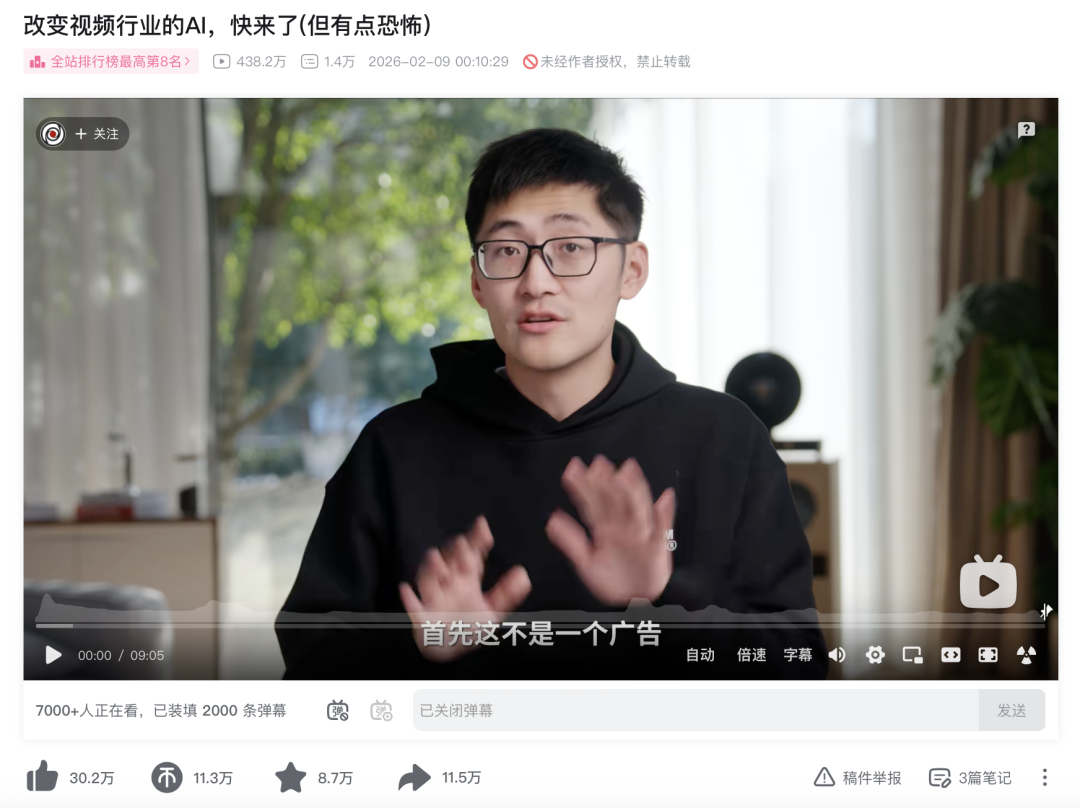
Core Insights - The film industry is set for a significant value reassessment due to advancements in AI technology, particularly with the introduction of ByteDance's Seedance 2.0 model [1][2] - Seedance 2.0 is positioned to disrupt the current video generation landscape, allowing creators to produce high-quality content with minimal effort [3][4] Group 1: Technological Advancements - ByteDance's Seedance 2.0 has entered a testing phase, generating excitement similar to OpenAI's Sora launch, but with broader accessibility for creators [2][5] - The model demonstrates significant improvements in character consistency, action design, and scene transitions, enabling the generation of coherent short films from simple text prompts [6][10] - Seedance 2.0's ability to understand and integrate multiple media types (text, images, audio) marks a leap in AI video generation capabilities, allowing for more complex storytelling [7][11] Group 2: Market Reactions - The launch of Seedance 2.0 has led to a surge in the stock prices of companies in the film and media sector, indicating strong market optimism about the model's potential impact [12] - The technology is expected to lower video production costs significantly, creating a "content inflation" scenario that benefits media companies with established IP and distribution channels [12][13] Group 3: Industry Implications - The introduction of Seedance 2.0 is seen as a transformative moment for the AIGC (AI-Generated Content) industry, shifting from experimental use to industrial application [11][12] - Concerns about the potential for misuse of the technology have emerged, prompting ByteDance to implement restrictions on the use of real human images in generated content to mitigate risks [14][15] - The rapid advancement of AI in video generation raises questions about the boundaries between reality and virtual content, highlighting the need for industry regulations and ethical considerations [14][15]


GLM-5架构细节浮出水面:DeepSeek仍是绕不开的门槛
3 6 Ke· 2026-02-10 23:57
Core Insights - The article discusses the imminent release of new AI models in the Chinese market, particularly focusing on the GLM-5 model from Zhipu AI, which is expected to leverage advanced technologies and compete effectively in the AI landscape [1][16]. Group 1: Model Development and Features - The GLM-5 model has been linked to multiple technical platforms, indicating a strong collaborative effort in its development [2][4]. - GLM-5 incorporates a 78-layer Transformer decoder with a total parameter count of approximately 745 billion, which includes a mixture of dense and sparse architectures [6][8]. - The model utilizes a hybrid expert (MoE) architecture, activating only a small fraction of its parameters during inference, which enhances efficiency while maintaining performance [9][10]. Group 2: Technological Innovations - The integration of DeepSeek's Sparse Attention (DSA) mechanism allows GLM-5 to handle long sequences more efficiently, reducing computational costs significantly [12][13]. - Multi-Token Prediction (MTP) technology is employed to accelerate token generation, allowing the model to predict multiple tokens simultaneously, which is particularly beneficial for structured text generation tasks [15][16]. - The model's architecture reflects a shift towards efficiency over sheer parameter count, indicating a trend in the AI industry towards optimizing performance rather than simply increasing size [9][17]. Group 3: Market Position and Challenges - GLM-5 is expected to excel in code generation and logical reasoning tasks, positioning it competitively in software development and algorithm design [16]. - However, the model currently lacks multi-modal capabilities, which may limit its applicability in creative AI-generated content (AIGC) scenarios, especially as competitors advance in this area [16]. - The article highlights a broader industry trend where companies are moving towards open-source technology integration, emphasizing efficiency and practicality in AI model development [16][17].

AI时代的数据主权:用赛凡私有云,让DeepSeek在企业内部安全运行
Sou Hu Cai Jing· 2026-02-10 23:02
Group 1 - The core issue of data sovereignty is emerging as companies adopt AI, inadvertently exposing sensitive information to third-party platforms [1] - Employees are risking data sovereignty by sharing sales contracts and financial data on public AI interfaces, challenging the boundaries of corporate data control [1] - Major tech companies exhibit a disregard for data sovereignty, viewing the use of internet content for AI training as "fair use," which raises concerns about data exploitation [1] Group 2 - Saifan Enterprise Cloud establishes a fully autonomous AI operating environment, ensuring all data remains within the company to eliminate the risk of sensitive information leakage [3] - The hardware integration design simplifies deployment, offering complete solutions from single RTX 4090 cards to multi-card A100/H100 setups, allowing for a plug-and-play experience [3] - DeepSeek's integration within enterprises has shown significant potential, with one financial institution reporting an 11% increase in risk control model accuracy while maintaining compliance [3] Group 3 - Saifan supports 17 levels of permission control, allowing precise management of file access, downloads, sharing, and external transmission [5] - A healthcare technology company demonstrated the effectiveness of Saifan's private cloud by ensuring complete compliance with patient data while improving diagnostic assistance efficiency by 40% [5] - The cost structure of private clouds is more favorable compared to public cloud API billing, with large enterprises potentially saving 40%-60% over a three-year period [5]

PriceSeek提醒:铝锭现货价格大幅上涨
Xin Lang Cai Jing· 2026-02-09 10:09
Core Viewpoint - The spot prices of aluminum ingots (AL99.70) have significantly increased across various regions in China as of February 9, 2026, indicating strong market demand or supply constraints, which is favorable for spot prices [1][4]. Price Summary - In East China, the price is quoted at 23,400 CNY/ton, in South China at 23,430 CNY/ton, in Southwest China at 23,370 CNY/ton, and in Central China at 23,280 CNY/ton. These prices represent increases of 260 CNY/ton, 290 CNY/ton, 260 CNY/ton, and 250 CNY/ton respectively compared to the previous trading day (February 6) [1][4]. Market Analysis - The significant price increases suggest robust demand for aluminum or tight supply conditions, which is likely driven by a recovery in downstream manufacturing or a reduction in inventory levels, leading to a bullish sentiment in the short term [2][5]. Pricing Mechanism - The benchmark price from the Business Society is derived from big data and pricing models, serving as a trading guide price. It can be used to determine settlement prices for specified dates or average prices over specified periods. The pricing formula is: Settlement Price = Business Society Benchmark Price × K + C, where K is an adjustment coefficient and C includes premiums related to logistics, brand price differences, and regional price differences [2][3][5].

大模型能否取代保险代理人?实测千问、元宝、DeepSeek
2 1 Shi Ji Jing Ji Bao Dao· 2026-02-09 09:32
Core Insights - The insurance industry in China is projected to surpass 6 trillion yuan in original insurance premium income by 2025, driven by a digital transformation led by generative AI [1][2] - The demand for deconstructing complex insurance policies is increasing among consumers, with generative AI being utilized for policy analysis, underwriting consultation, and plan design [1][2] Digital Transformation and AI Integration - The China Insurance Industry Association reported that AI service volume reached 937 million instances in 2024, indicating a shift from efficiency tools to decision-support systems [1][2] - AI models like DeepSeek and Kimi excel in interpreting lengthy insurance contracts, significantly lowering the reading barrier for consumers [3][4] Consumer Experience and Personalization - AI models have shown the ability to provide personalized insurance solutions, moving away from one-size-fits-all templates [5][10] - For family protection plan design, models like Doubao and Tongyi Qianwen prioritize coverage for economic pillars and health risks, demonstrating a nuanced understanding of consumer needs [5][10] Limitations of AI in Insurance - Despite advancements, AI's analysis still contains inaccuracies, particularly in specialized areas like actuarial simulations and underwriting consultations [12][15] - AI lacks the ability to assume responsibility for erroneous advice, reinforcing its role as an assistant rather than a primary consultant [10][18] Regulatory and Compliance Considerations - AI models exhibit high compliance sensitivity, effectively identifying potential fraudulent behaviors in insurance claims [19][25] - However, the algorithms' boundaries regarding product recommendations remain unclear, with many models refraining from providing specific product rankings [23][25] Future Outlook - AI is expected to enhance the efficiency of information access in the insurance sector but will not replace the responsibility of professional decision-making [26] - The integration of AI in insurance is seen as a starting point for consumer understanding rather than a substitute for expert judgment [26]

投资机构预见2026“DeepSeek时刻” 这些现象级爆款正在酝酿
Zhong Guo Zheng Quan Bao· 2026-02-09 00:41
Group 1 - The recent promotion by Qianwen App allowing users to purchase milk tea for 0.01 yuan signifies a pivotal moment for AI applications in China, moving from simple chat functions to actionable tasks [1] - OpenClaw, an open-source AI agent, has gained rapid popularity among developers, indicating a shift in AI applications towards more practical uses [2] - Investment analysts are optimistic about AI as a key market trend, with expectations for significant technological breakthroughs in AI multimodal applications and biomedical fields over the next few years [2][3] Group 2 - The emergence of "AI-native super applications" like LiblibAI is anticipated to create benchmark cases of user growth and revenue by 2026 [3] - The AI application market is transitioning from infrastructure investment to commercial value realization, with a focus on cash-generating applications in the downstream sector [3] - Hardware innovations in smartphones, cars, and smart home devices are expected to drive sustainable industry trends, with companies like Apple leading the charge [3] Group 3 - The field of embodied intelligence, particularly humanoid robots, is gaining attention, with expectations for significant advancements in 2026 [4] - Major robotics companies are collaborating with the 2026 CCTV Spring Festival Gala, showcasing the potential for humanoid robots to perform real-world tasks [4] - Breakthroughs in action models for humanoid robots are predicted to enhance their operational capabilities in unstructured environments [5] Group 4 - The commercial space sector is identified as a significant growth area, with expectations for a pivotal moment in 2026 when SpaceX is projected to go public [6] - Chinese commercial space companies are likely to successfully implement rocket recovery operations, marking a significant milestone for the industry [6] - The low Earth orbit satellite internet sector is entering a phase of industrial explosion, with a ten-year growth cycle anticipated [6][7] Group 5 - The rocket segment is under scrutiny due to its potential to address capacity bottlenecks and high costs, with a focus on companies that can successfully reduce costs [7] - The satellite operations market is viewed as a scarce resource, with significant potential for growth in traditional high-end markets and emerging low-altitude economies [7] - The concept of space computing, utilizing AI data centers in space, is being explored as a revolutionary approach to energy and computational efficiency [7] Group 6 - The 14th Five-Year Plan emphasizes the importance of quantum technology, biomanufacturing, hydrogen energy, and other advanced fields as new economic growth points [9] - Key technological breakthroughs in areas like quantum computing and brain-machine interfaces are expected to occur by 2026, significantly impacting market confidence [9][10] - The Chinese pharmaceutical industry is poised for a breakthrough in global drug development, with several companies expected to achieve significant clinical trial results in 2026 [10] Group 7 - AI-driven drug development is anticipated to reach a validation point in 2026, showcasing the potential of AI in creating tangible medical solutions [10] - The brain-machine interface sector is expected to achieve clinical breakthroughs, particularly in flexible electrodes and signal processing chips [10] - Investment strategies are shifting towards companies that can effectively translate technological innovations into commercial success, moving away from resource accumulation [11]
从DeepSeek恐慌到Cowork恐慌
3 6 Ke· 2026-02-08 23:50
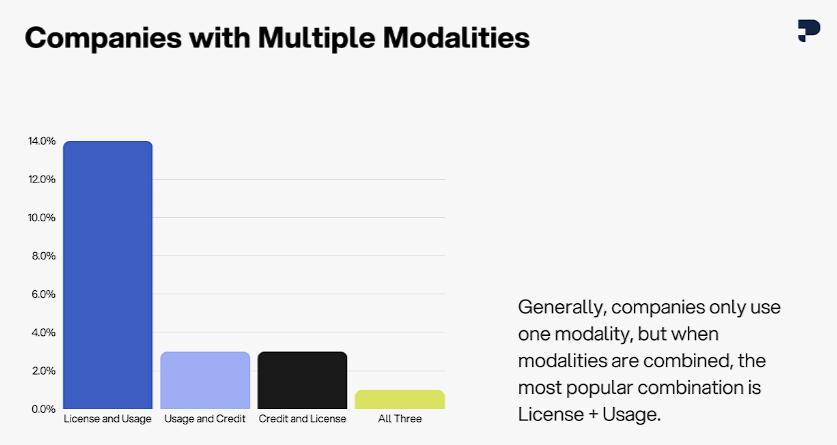
Core Insights - The software sector is experiencing a significant sell-off, termed "SaaSpocalypse," with major companies like Thomson Reuters and Salesforce facing steep declines in stock prices, with the S&P 500 Software and Services Index dropping nearly 13% over five trading days and 26% from its October peak [1] - The launch of Anthropic's Claude Cowork, a general AI agent capable of interacting with user files, has raised concerns about the viability of traditional SaaS business models, as users may achieve results comparable to expensive enterprise software through natural language commands [1] - The current market panic mirrors a previous incident involving DeepSeek, which also caused a rapid sell-off in tech stocks, highlighting a pattern of investor reaction to emerging AI technologies [2][3] Market Reactions - The sell-off triggered by Cowork has been more prolonged than the DeepSeek panic, with the latter's effects dissipating within a day, while Cowork's impact has spread over a week, affecting markets globally [5] - The Cowork panic is driven by a closed-source model from a U.S. company, contrasting with DeepSeek's open-source model from China, suggesting a deeper challenge to established software companies [4] SaaS Pricing Models - Traditional SaaS companies are transitioning from fixed pricing models to usage-based pricing due to the increased efficiency and accessibility of AI, with 79 out of 500 tracked companies adopting point-based pricing, a 126% increase year-on-year [8] - Companies like Salesforce have struggled with pricing strategies, leading to a shift towards usage-based models as they face rising operational costs [8] AI Integration Challenges - Traditional software companies face resistance to price increases associated with AI integration, as seen in Microsoft's case, where customers rejected higher fees for AI features [9] - Many established firms are struggling to effectively incorporate AI into their existing products, leading to inefficiencies and a lack of user engagement [9] Emerging Trends - The rise of Vibe Coding, which allows individuals and companies to create their own tools, poses a threat to traditional software sales, as businesses may prefer to develop customized solutions rather than purchase third-party software [11] - The demand for software is shifting towards solutions that address specific, non-standard needs, indicating a potential decline in the traditional SaaS model [13]
投资机构预见2026“DeepSeek时刻
Zhong Guo Zheng Quan Bao· 2026-02-08 20:22
Core Insights - The article discusses the rapid rise of AI applications, particularly highlighting the success of the OpenClaw AI agent and its implications for the future of AI technology and investment opportunities in 2026 [1][2]. AI and Embodied Intelligence - AI is viewed as a key market trend, with expectations for breakthroughs in multi-modal AI and biomedical fields over the next 2-3 years [1][2]. - OpenClaw, an open-source AI agent, has gained significant traction, indicating a shift towards practical AI applications that can perform tasks on behalf of users [2]. - Investment interest is focused on the emergence of super platforms and applications, with predictions of a surge in user engagement and revenue for AI-native applications by 2026 [2][3]. Hardware and Robotics - The AI application market is transitioning from infrastructure investment to commercial value realization, with a focus on cash flow-generating applications [3]. - There is potential for explosive growth in hardware, particularly in smart devices like smartphones and smart homes, driven by AI integration [3]. - The field of embodied intelligence, particularly humanoid robots, is expected to advance significantly, with predictions of breakthroughs in model efficiency and operational capabilities in real-world environments by 2026 [4][5]. Commercial Space Industry - The commercial space sector is identified as a significant growth area, with expectations for major developments, including the potential IPO of SpaceX, which could establish a new commercial model for the industry [5][6]. - The Chinese commercial space sector is anticipated to achieve milestones in rocket recovery and satellite internet, marking a critical point for rapid development [5][6]. Future Industry Breakthroughs - Emerging technologies such as quantum computing, biomanufacturing, and brain-computer interfaces are expected to see significant advancements by 2026, contributing to new economic growth points [7][8]. - The article highlights the potential for Chinese pharmaceutical companies to achieve significant milestones in drug development and clinical applications, particularly in AI-driven drug discovery and brain-computer interface technologies [8][9].
投资机构预见2026“DeepSeek时刻”
Zhong Guo Zheng Quan Bao· 2026-02-08 20:22
Core Insights - The article discusses the recent trends and developments in the investment banking sector, highlighting key performance indicators and market dynamics that could influence future investment opportunities and risks [1] Group 1: Industry Trends - Investment banking revenues have shown a significant increase, with a reported growth of 15% year-over-year, reaching $50 billion in the last quarter [1] - Mergers and acquisitions (M&A) activity has surged, with a total deal value of $300 billion in the past month, indicating a robust market environment [1] - The rise of technology-driven financial services is reshaping the landscape, with fintech companies capturing a growing share of the market, leading to increased competition for traditional banks [1] Group 2: Company Performance - Major investment banks have reported strong earnings, with Bank A posting a net income of $5 billion, up 20% from the previous year [1] - Company B has expanded its market presence through strategic acquisitions, increasing its client base by 25% in the last fiscal year [1] - The cost-to-income ratio for leading firms has improved, now averaging 60%, reflecting better operational efficiency [1]
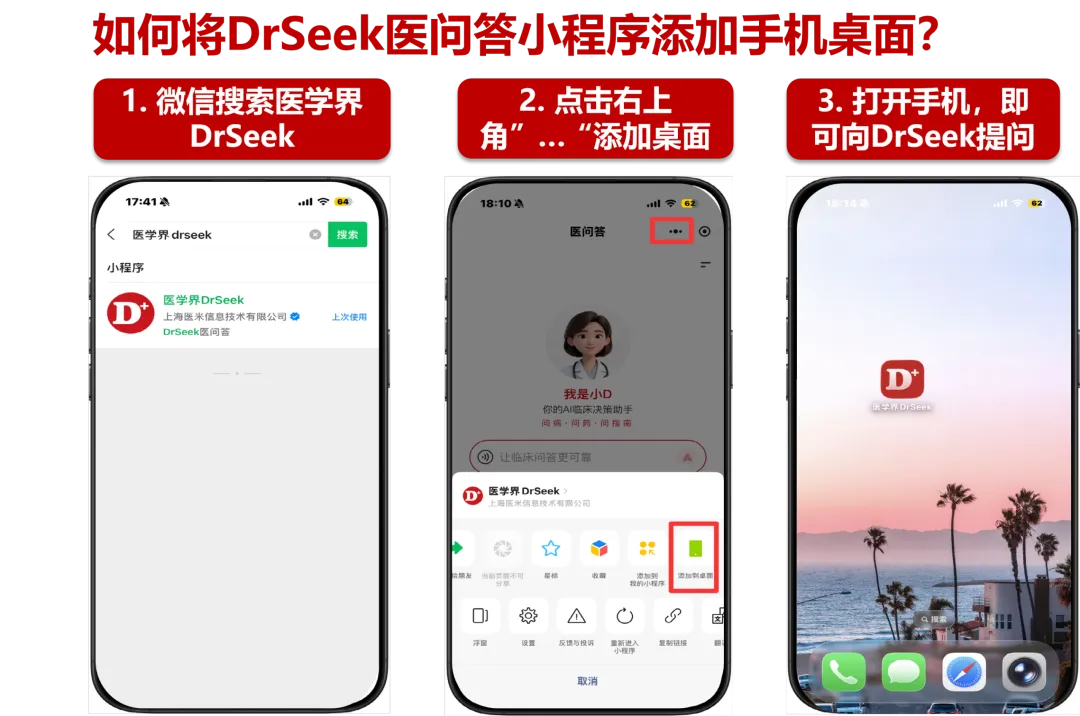
当临床医生邂逅DrSeek,开启一场医疗革新之旅
Xin Lang Cai Jing· 2026-02-07 03:12
Core Insights - The article emphasizes the significant role of AI technology, specifically the DrSeek tool, in enhancing clinical practices within the respiratory medicine field [1][2]. Group 1: Diagnostic Capabilities - DrSeek plays a crucial role in diagnosing respiratory diseases by analyzing patient symptoms and test results, providing potential diagnostic directions for complex cases [2]. - The tool utilizes a vast medical database to suggest possible diagnoses, such as tuberculosis, lung tumors, and atypical pneumonia, based on patient data [2]. Group 2: Treatment Planning - DrSeek assists in formulating personalized treatment plans by considering patient-specific factors and integrating clinical guidelines and research findings [3]. - For rare respiratory diseases, DrSeek offers insights into the latest treatment advancements and expert consensus, aiding in the selection of appropriate therapies [3]. Group 3: Daily Clinical Support - The tool serves as a reliable assistant in daily clinical tasks, enabling quick access to drug information, identifying drug interactions, and analyzing lab results through image recognition [5]. - DrSeek also provides updates on research trends and academic advancements in the respiratory field, keeping healthcare professionals informed [5]. Group 4: Limitations and Ethical Considerations - While DrSeek is a powerful auxiliary tool, it is acknowledged that it cannot replace the clinical experience and judgment of healthcare professionals [6]. - The importance of patient privacy and data security is highlighted, ensuring that DrSeek is used responsibly in clinical settings [6]. Group 5: Accessibility - DrSeek offers a free trial for users to experience its capabilities, promoting efficient and evidence-based clinical decision-making [7].