
Uber(UBER)

Search documents
晚报 | 10月27日主题前瞻
Xuan Gu Bao· 2025-10-26 14:49
Group 1: Brain-like Computing - The world's first brain-like computing device, "Zhi Zhe No. 1," has been launched, integrating supercomputing capabilities into a mini-fridge-sized device, providing a new path for energy efficiency in traditional supercomputing centers and intelligent computing clusters [1] - Brain-like computing simulates the structure and information processing mechanisms of the human brain, achieving efficient, low-energy, and interpretable intelligent processing through hardware and algorithmic innovation [1] - The development of brain-like chips and storage-computing integrated architecture is expected to break the traditional von Neumann bottleneck, significantly enhancing computing density and energy efficiency [1] Group 2: Warehousing and Logistics - The China Federation of Logistics and Purchasing has initiated a proposal to oppose "involution-style" competition in the warehousing industry, emphasizing the need for fair pricing based on production costs and market demand [2] - Warehousing operators are encouraged to focus on digital transformation through technology upgrades and process optimization to enhance operational efficiency and core competitiveness [2][3] - The warehousing and logistics industry is undergoing profound changes driven by e-commerce growth, manufacturing upgrades, and global supply chain restructuring, with a projected market size of 3.5 trillion yuan by 2030 [3] Group 3: Air Battery - The Ministry of Industry and Information Technology has highlighted the importance of technological innovation in the development of new battery materials, including all-solid-state batteries and metal-air batteries, to accelerate their industrialization [3] - Metal-air batteries, utilizing common metals like zinc and magnesium, offer advantages in energy density, charging time, range, environmental impact, and safety compared to lithium-ion batteries, indicating a broad application prospect [4] Group 4: Photoresist - A research team from Peking University has successfully analyzed the micro-3D structure and entanglement behavior of photoresist molecules in liquid environments, leading to a solution that significantly reduces photoresist defects in advanced chip manufacturing [4] - This breakthrough not only addresses long-standing issues in chip yield but also provides a powerful tool for in-situ research of chemical reactions at the atomic/molecular scale, promoting defect control and yield improvement in semiconductor manufacturing [4] Group 5: Large Aircraft - Brunei has approved its national airline to operate Chinese-made passenger aircraft, marking a significant legal foundation for the entry of Chinese jets into the Brunei market and reflecting recognition of China's aviation design capabilities [5] - China Commercial Aircraft Corporation predicts that by 2042, the global fleet of passenger aircraft will reach 48,455, with Chinese aircraft accounting for 9,969 units (21% of the total), indicating a potential shift in market dynamics [5] Group 6: Autonomous Driving - NVIDIA has announced a collaboration with Uber to develop autonomous driving technology, leveraging Uber's extensive real-world driving data to train NVIDIA's models [6] - This partnership aims to maintain leadership in the autonomous driving sector, with NVIDIA's infrastructure expected to accelerate development processes [6] Group 7: Multi-modal Applications - Ant Group is set to launch a new AGI multi-modal application called "Lingguang," featuring an "AGI camera" function that can recognize and understand the world [7] - The launch of "Lingguang" signifies Ant Group's entry into the AGI multi-modal space, with potential revenue projections of over 10 billion yuan within three years [7] Group 8: Macro and Industry News - China and the U.S. held trade discussions in Kuala Lumpur, reaching preliminary consensus on several important economic and trade issues [8] - As of September 30, China's total installed power generation capacity reached 3.72 billion kilowatts, a year-on-year increase of 17.5% [8] - The People's Bank of China will conduct a 900 billion yuan MLF operation to maintain liquidity in the banking system [8] - The stock private equity position index has risen to 79.68%, the highest this year, indicating increased market confidence [8]


Weekend Round-Up: Ford’s EV Forecast, Tesla’s Robotaxi Threat, Quantumscape’s Solid-State Vision And More… Weekend Round-Up: Ford’s EV Forecast, Tesla’s Robotaxi Threat, Quantumscape’s Solid-State Vis
Benzinga· 2025-10-26 13:01
Group 1: EV Market Insights - Ford's CEO Jim Farley predicts a slowdown in EV adoption in the U.S., estimating that EVs will only account for about 5% of the market in the near term due to policy changes and incentive rollbacks [2] - Despite the current slowdown, Farley believes that demand for affordable EVs will grow in the future [2] Group 2: Competitive Landscape - Tesla's robotaxis are viewed as a significant competitive threat to Uber, with investor Dan Ives highlighting Tesla's advancements in AI, autonomous technology, and robotics as a potential game-changer for the company [3] - General Motors reported strong Q3 results, with adjusted earnings per share of $2.80, surpassing the analyst consensus estimate of $2.31, leading to a sharp rise in its shares [5] - Tesla achieved a 12% year-over-year increase in Q3 revenue, exceeding Street consensus estimates, although profits fell despite record EV deliveries [6] Group 3: Technological Developments - QuantumScape's partnership with Volkswagen is expected to advance the development of solid-state batteries, which could enhance safety and charging speeds compared to traditional batteries [3]




Top Wall Street analysts pound the table for solid returns in these 3 stocks
CNBC· 2025-10-26 11:13
Core Insights - The stock market is currently experiencing volatility due to the U.S.-China trade war and earnings reports from major American companies, but there are opportunities for long-term returns in resilient companies [1] Company Summaries Pinterest - Pinterest (PINS) is set to announce its Q3 results on November 4, with a buy rating and a price target of $44 from TD Cowen analyst John Blackledge, while TipRanks' AI Analyst gives it an "outperform" rating with a price target of $40 [3][4] - Blackledge anticipates a 16.6% year-over-year revenue growth for Q3, aligning with consensus estimates, and expects EBITDA growth of 20% year-over-year, driven by cost leverage [4] - The analyst projects mid-teens revenue growth through the second half of 2025 and 2026, supported by the adoption of Pinterest's Performance+ campaign tools [5] Uber Technologies - Uber Technologies (UBER) has a buy rating from Evercore analyst Mark Mahaney, with a 12-month price target of $150, following a webinar discussing trends in rideshare and delivery [8] - Mahaney notes stable driver economics and strong demand for Uber's services, with pricing remaining high due to limited alternatives for consumers [9] - The company is focusing on enhancing ecosystem "stickiness" through incremental feature innovations, which are part of a broader strategy to create alternative income channels for drivers as autonomous vehicles grow in market share [11] General Motors - General Motors (GM) saw a 15% stock increase after beating revenue and earnings expectations, despite a slight sales decline, and raised its forward guidance due to lower-than-expected tariff impacts [12] - Mizuho analyst Vijay Rakesh reiterated a buy rating on GM, raising the price target to $76 from $67, while TipRanks' AI analyst has a price target of $66 [12] - GM is adjusting its electric vehicle plans to improve profitability, including selling its stake in a Michigan EV battery plant and transitioning its Orion plant to gas engine production by 2027 [14]

文远知行联合Uber在利雅得开放Robotaxi公众运营服务
Bei Ke Cai Jing· 2025-10-25 07:39
Core Insights - Autonomous driving technology company WeRide has partnered with Uber to launch Robotaxi public operation services in Riyadh, Saudi Arabia, marking the first deployment of autonomous vehicles on the Uber app in the country [1] Company Developments - WeRide has successfully initiated public Robotaxi services in a major city, indicating a significant milestone in the deployment of autonomous driving technology [1] - The collaboration with Uber enhances WeRide's visibility and operational capabilities in the Middle East market [1] Industry Trends - The launch of Robotaxi services in Saudi Arabia reflects the growing acceptance and integration of autonomous vehicles in urban transportation systems [1] - This development may signal a shift in regulatory and consumer attitudes towards autonomous driving in the region, potentially paving the way for further expansions [1]

宗馥莉重新启用娃哈哈|首席资讯日报
首席商业评论· 2025-10-25 03:52
Group 1 - The core strategy of Wahaha has shifted back to its original brand after a brief attempt to launch a new product line called "Wah Xiaozong," indicating potential sales challenges for the new brand [2] - The dairy industry in Henan province is set to receive support through financial incentives for large-scale milk processing companies, highlighting growth opportunities in the sector [3] - Nvidia and Uber are collaborating to advance autonomous vehicle technology, leveraging large-scale real driving data to enhance development [4] Group 2 - Li Auto confirmed that all passengers were safely evacuated from a vehicle that caught fire, and they are cooperating with fire department investigations [5] - A major investment in robotics is occurring as Meituan's affiliated company has acquired a stake in a robotics developer, indicating growth in the robotics sector [5] - Former Binance co-founder Zhao Changpeng has received a presidential pardon from Trump, which may impact the cryptocurrency landscape [6] Group 3 - Microsoft has distanced itself from developing AI services related to simulated pornography, emphasizing the potential dangers of such technologies [7] - California's billionaires may face a one-time 5% wealth tax aimed at raising funds for healthcare, which could significantly impact high-net-worth individuals in the state [8] - Federal judges acknowledged that AI-assisted drafting led to errors in court rulings, prompting a review of their processes [8] Group 4 - Intel reported a third-quarter revenue of $13.65 billion, a 2.8% year-over-year increase, and projected fourth-quarter revenue between $12.8 billion and $13.8 billion [9] - Meituan plans to issue dim sum bonds to raise between 9 billion and 10 billion RMB (approximately $1.26 billion to $1.4 billion), indicating a move to strengthen its financial position [10] - Apple is considering acquiring Warner Bros to expand its Apple TV streaming offerings, amidst competition from other major players [11]





陆家嘴财经早餐2025年10月25日星期六
Wind万得· 2025-10-24 22:43
Group 1 - President Xi Jinping will attend the APEC informal leaders' meeting in South Korea from October 30 to November 1, with potential discussions on a meeting between the Chinese and U.S. leaders [1] - The Central Committee emphasizes addressing "three rural issues" as a priority, projecting an estimated market space of around 10 trillion yuan over the next five years [1] - The focus on new urbanization is expected to require over 5 trillion yuan in investment for underground infrastructure during the 14th Five-Year Plan [1] Group 2 - The U.S. September CPI rose 3% year-on-year, the highest since January, but below market expectations of 3.1% [2] - The market has fully priced in two 25 basis point rate cuts by the Federal Reserve for the remainder of the year [2] Group 3 - Premier Li Qiang will attend multiple ASEAN meetings in Malaysia from October 27 to 28 [3] - The central bank aims to enhance the effectiveness of monetary policy and maintain stability in financial markets [3] - The State Administration of Foreign Exchange emphasizes the need for high-level opening in the foreign exchange sector and promoting the internationalization of the renminbi [3] Group 4 - The central bank will conduct a 900 billion yuan MLF operation on October 27, marking a net injection of 200 billion yuan for the month [4] - Various provinces have reported GDP data for the first three quarters, with Guangdong's GDP reaching 10.52 trillion yuan, a 4.1% increase [4] Group 5 - The China Securities Regulatory Commission emphasizes risk prevention and high-quality development in capital markets [5] - A-shares saw significant gains, with the Shanghai Composite Index rising 0.71% to 3950.31 points [5] - Hong Kong's Hang Seng Index closed up 0.74%, with notable strength in the semiconductor sector [5] Group 6 - 712 listed companies have disclosed share repurchase or increase loan plans, totaling a maximum loan amount of 152.48 billion yuan [6] - Domestic GPU leader Muxi Co. successfully passed IPO approval on the Sci-Tech Innovation Board, aiming to raise 3.904 billion yuan for R&D [6] Group 7 - The China Logistics and Purchasing Federation initiated an "anti-involution" campaign to combat low-quality competition in the warehousing industry [8] - The China Nonferrous Metals Industry Association stressed the importance of maintaining industry confidence and preventing "involution" [9] Group 8 - The People's Bank of China reported a decline in real estate loans, with a balance of 52.83 trillion yuan, down 0.1% year-on-year [10] - Hangzhou is implementing "home purchase + consumption voucher" subsidy activities to stimulate the housing market [10] Group 9 - JD.com, Meituan, and other companies are under investigation by market regulators for food safety and operational compliance issues [11] - The narrow passenger car retail market is expected to reach around 2.2 million units in October, with a projected 60% penetration rate for new energy vehicles [11] Group 10 - Morgan Stanley plans to allow institutional clients to use actual holdings of Bitcoin and Ethereum as loan collateral [12] - Xiaomi Auto announced a tax subsidy plan for customers who complete orders by November 30 [13] Group 11 - Ford's Q3 adjusted EPS was 45 cents, with sales up 9.3% to a record $50.5 billion, exceeding expectations [21] - Procter & Gamble reported Q1 adjusted EPS of $1.99, with revenue of $22.39 billion, both surpassing market expectations [21]





文远知行携手Uber在利雅得开放Robotaxi公众运营服务
Zhong Guo Jing Ji Wang· 2025-10-24 12:56
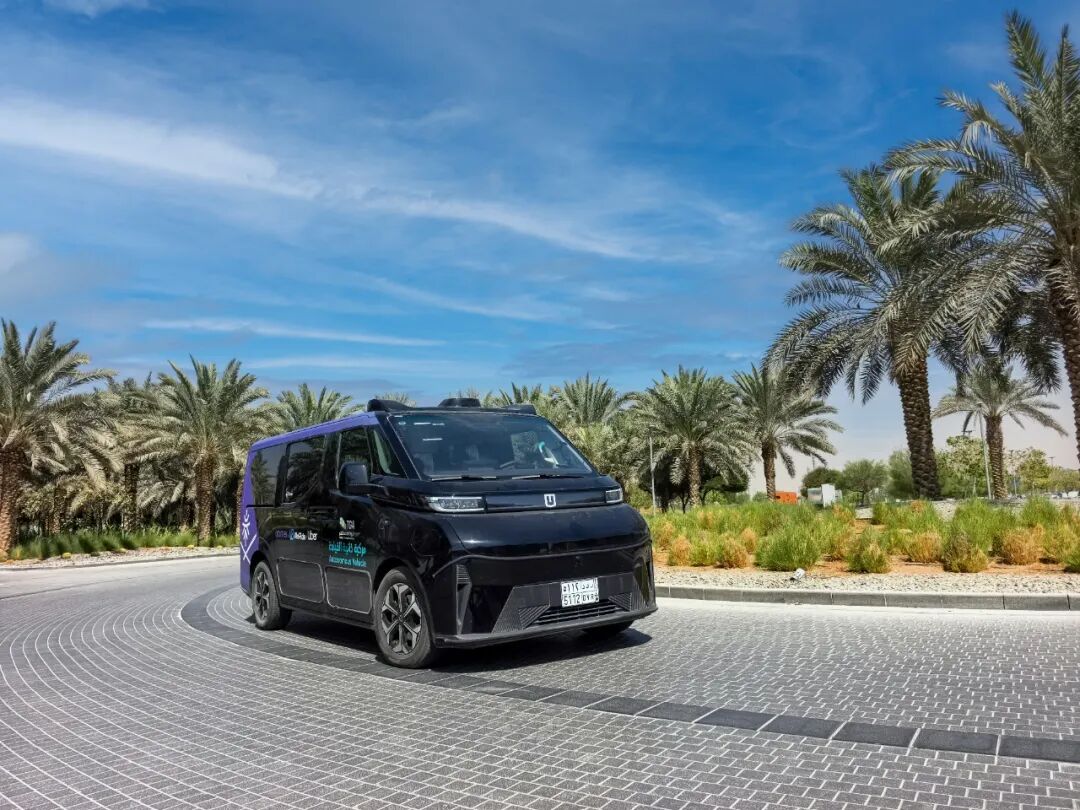
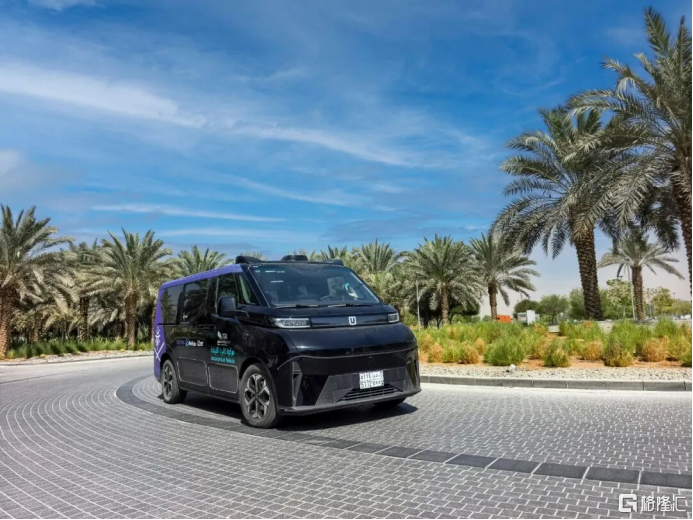
Core Insights - WeRide and Uber have launched Robotaxi public operation services in Riyadh, marking the first deployment of autonomous vehicles on the Uber app in Saudi Arabia, aligning with the country's Vision 2030 for smart and sustainable transportation [1][3] Company Developments - WeRide's new generation Robotaxi GXR is now available for Uber passengers traveling between Roshn Front and Princess Nourah University in Riyadh, showcasing the future of transportation in Saudi Arabia [3] - WeRide's CFO, Li Xuan, emphasized the significance of this collaboration with Uber as a milestone in global expansion and a key step towards intelligent and sustainable transportation in Saudi Arabia [3] - Uber's global head of autonomous driving and delivery, Sarfraz Maredia, highlighted the importance of this partnership in marking a new phase of development in the Middle East, focusing on safety and sustainability in transportation [3] Milestones Achieved - Since entering the Saudi market in May, WeRide has made significant progress, including the launch of the first Robotaxi trial operation service in Riyadh on July 23, and obtaining the first autonomous driving license in Saudi Arabia just five days later [4] - WeRide's Robotaxi is the only one to have passed the regulatory sandbox of the Saudi Traffic Authority (TGA), establishing itself as a leader in the autonomous driving sector in the region [4] - The partnership with Uber also extends to Abu Dhabi, where autonomous ride-hailing services are set to launch by the end of 2024 [4]
Market Digests Mixed Earnings, Geopolitical Diplomacy, and Inflation Outlook
Stock Market News· 2025-10-24 12:08
Corporate Earnings - Intel (INTC) shares surged 7.5% in pre-market trading after reporting stronger-than-expected earnings per share and revenue, along with solid forward guidance, boosting tech sentiment [2][3][8] - Deckers Brands (DECK) plummeted 12.5% in pre-market trading due to a light full-year revenue outlook and signs of waning demand in its core U.S. market, disappointing investors [3][8] - Ford Motor Company (F) saw its shares rise 4.5% after exceeding both EPS and revenue estimates, although it lowered its full-year adjusted EBIT and free cash flow outlook due to a recent supplier fire [3][8] Analyst Sentiment - Investment firm Stifel raised its target price for Uber Technologies (UBER) from $116 to $124, indicating growing analyst confidence in the company's future performance and growth trajectory [4][8] Geopolitical Developments - Dmitri Dmitriev, a special envoy for Russian President Putin, visited the U.S. for official talks shortly after new sanctions were imposed by the Trump administration, highlighting ongoing diplomatic engagement amidst geopolitical tensions [5][8] Economic Outlook - Upcoming U.S. Consumer Price Index (CPI) data is expected to show a hotter headline inflation rate, driven by a larger passthrough of tariffs and rising import costs, despite potential easing from slower inflation in shelter and travel categories [6][8] Domestic Policy - Discussions are reportedly underway for a potential yearlong extension of Affordable Care Act (ACA) credits, with Republican Representative Jeff Van Drew having spoken with President Trump about the matter [9][8]


沙特首个!文远知行携手Uber在利雅得开放Robotaxi公众运营服务
Ge Long Hui· 2025-10-24 11:55
Core Viewpoint - WeRide and Uber have launched Robotaxi public operation services in Riyadh, marking a significant milestone in the deployment of autonomous vehicles in Saudi Arabia, aligning with the country's Vision 2030 for innovative and sustainable transportation [1][4]. Group 1: Company Developments - WeRide's new generation Robotaxi GXR will be available for Uber passengers traveling between Roshn Front and Princess Nourah University in Riyadh [2]. - WeRide's CFO expressed pride in the collaboration with Uber, emphasizing the importance of this service for enhancing daily travel experiences and contributing to safer, greener, and more efficient urban environments in Saudi Arabia and beyond [4]. - Since entering the Saudi market in May, WeRide has achieved significant milestones, including the launch of the first Robotaxi trial operation service in Riyadh and obtaining the first autonomous driving license in Saudi Arabia [5]. Group 2: Industry Impact - The partnership with the Saudi Traffic Authority (TGA) and the deployment of autonomous vehicles represent a new phase in Uber's development in the Middle East, focusing on expanding driverless transportation services while ensuring safety and sustainability [4]. - Initial vehicles will be equipped with safety personnel to ensure a secure travel experience for passengers and pedestrians, laying the groundwork for fully autonomous operations in the future [4].
Billionaire Bill Ackman May Be the Next Warren Buffett -- He's Buying 2 Artificial Intelligence (AI) Stocks Hand Over Fist
The Motley Fool· 2025-10-24 08:24
Core Insights - Bill Ackman, a billionaire hedge fund manager, is investing heavily in Amazon and Uber, aiming to build a modern-day Berkshire Hathaway through his hedge fund, Pershing Square Capital [1][5][3] Group 1: Bill Ackman's Investment Strategy - Ackman has increased his stake in Howard Hughes by $900 million, viewing it as a platform for a high-returning holding company [3] - Ackman's hedge fund has reported a total return of 128% over the last five years, outperforming the S&P 500 by 14 percentage points [5] - Ackman has acquired 5.8 million shares of Amazon, making it the fourth largest holding in his portfolio at 9% [7] - Ackman has also purchased 30.3 million shares of Uber, which now constitutes 21% of his portfolio, making it his largest holding [7] Group 2: Amazon's Business Outlook - Amazon operates in three rapidly growing industries: e-commerce, advertising technology, and cloud computing, with a strong presence in North America, Western Europe, and the Middle East [9] - Amazon Web Services (AWS) is positioned to benefit from increasing demand for AI infrastructure, having developed custom chips and a range of AI cloud services [10] - The company has implemented over 1,000 generative AI applications to enhance its retail operations, improving profitability [11] - Wall Street anticipates Amazon's earnings to grow at 17% annually over the next three years, making its current valuation of 33 times earnings reasonable [12] Group 3: Uber's Business Model and Growth Potential - Uber operates the largest ride-sharing and one of the largest food delivery platforms globally, leveraging cross-promotion between services [14] - The company utilizes machine learning for operational efficiency and is well-positioned for partnerships in autonomous driving technology [15][16] - Wall Street projects Uber's earnings to increase at 26% annually over the next three years, with a current valuation of 16 times earnings, indicating a favorable investment opportunity [17]
