国星光电

Search documents
TrendForce 2026新型显示产业研讨会(DTS)报名正式启动
TrendForce集邦· 2026-03-03 08:24
自2025年以来,以生成式AI与空间计算为核心的科技浪潮,正以史无前例的深度与广度重塑千 行百业。从AI PC的算力爆发到智能座舱"第三空间"概念的深化,再到AR眼镜开启轻量化交互 的新纪元,显示技术正处在这场变革风暴的中心,从底层材料到应用生态迎来全维度的重构。 在技术演进的激烈交锋中,各主流技术路线迎来重要拐点: MLED中大尺寸:迈向体验革命与跨界应用 Mini LED背光技术攀上"RGB色彩"高峰。凭借极致的色彩纯度、万级分区控光与超高对比度, RGB Mini LED背光技术正备受终端品牌与全产业链的狂热期待,成为高端电视、专业显示 器,乃至电竞显示进阶的战略高地。 Micro LED迎来商业化落地与新利基点的开拓。随着COB技术的成熟、MiP技术的进步以及产 业链的协同,Micro LED在大尺寸商显及家用市场加速渗透。更具前瞻性的是,Micro LED已 开始在光通信等非显示应用领域寻得新的利基点,为产业开启了第二增长曲线。 OLED中大尺寸:国产化加速与全球竞逐 国产材料"加速跑"。随着核心专利与材料瓶颈的相继攻克,国产OLED材料产业逐渐步入"自主 可控、技术突破与产能扩张"并进的新阶段。 ...

国星光电2025年预亏,定增9.81亿布局Mini/Micro LED
Jing Ji Guan Cha Wang· 2026-02-24 01:28
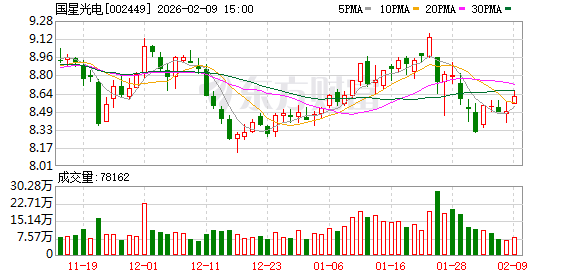
股东人数情况 公司拟向特定对象发行A股股票募集资金不超过9.81亿元,重点投向超高清显示Mini/Micro LED模组、 光电传感、智能车载器件等五大项目,以布局高增长赛道。该计划旨在通过产能升级与技术协同,推动 公司向高附加值解决方案提供商转型。 战略推进 新兴业务板块(如集成电路封装测试)收入占比稳步提升,叠加国家政策对新型显示技术的支持,公司 战略聚焦Mini/Micro LED、碳化硅等前沿领域,以应对行业周期波动。 经济观察网 根据公开信息,国星光电(股票代码:002449)近期有以下值得关注的事件动态,基于 2026年1月至2月的公告及市场数据整理: 业绩经营情况 公司于2026年1月23日发布业绩预告,预计2025年度归属于上市公司股东的净利润亏损1200万元至1700 万元,同比由盈转亏,主要受LED传统封装领域竞争加剧、产品价格下行及原材料成本上升影响。同 时,新兴业务如智能车载、光耦等处于市场导入期,业绩贡献尚未规模化释放。 定增股票 截至2026年1月30日,公司股东户数降至6.19万户,较前期减少2.67%,流通股户均持股量小幅上升。 以上内容基于公开资料整理,不构成投资建议。 ...

2025-2026年A股熊股名单曝光!这10只股票跌得最惨
Sou Hu Cai Jing· 2026-02-17 04:11
2025年2月到2026年2月,A股市场迎来了一轮强劲的上涨行情。 上证指数从3200点左右起步,一路攀升至4000点上方,累计涨幅达到25.58%。 深证成指的 表现更加抢眼,从11000点附近涨到15000点以上,涨幅高达38.84%。 创业板指更是从2200点飙升至3500点,涨幅接近59%。 科创50指数也不甘示弱,涨幅超过64%。 全市场5484只股票中,有4788只实现了上涨,上涨比例超过87%。 其中869只股票价格翻倍,更有100多只股票涨幅在2倍到20倍之间。 投资者们沉浸在赚钱的喜悦中,社交媒体上到处是晒收益的截图,券商营业部里开户排队的人群络绎不绝。 就在这一片欢腾的市场氛围中,却有700多只股票逆市下跌。 其中跌幅最大的10只股票,股价几乎全部腰斩,跌幅最小的也有42%。 这些股票所属行业各不 相同,有通信服务、环保设备、生物制品、零售、建筑装饰、食品加工、文化传媒、光伏设备、光学光电子等多个领域。 华星创业的股价从年内高点15.88元一路下跌到6.18元,区间跌幅达到63%。 这家通信服务行业的公司,曾经在2023年初达到20.95元的高点,如今股价已经跌回到三年前的水平。 公司20 ...




2026年中国智慧照明行业政策、产业链、市场规模、竞争格局及趋势研判:政策支持与技术迭代共同驱动,智慧照明应用场景不断拓宽[图]
Chan Ye Xin Xi Wang· 2026-02-16 01:07
Core Insights - The article emphasizes that smart lighting has evolved beyond basic visual needs to become a key component in enhancing quality of life and promoting energy efficiency in modern urban development [1] - The smart lighting market is rapidly growing due to advancements in IoT and LED technologies, with projections indicating a market size of 54.7 billion yuan in China by 2025 [1][8] - The integration of AI and big data will lead to higher levels of intelligence in smart lighting, enabling personalized and adaptive lighting solutions [1] Smart Lighting Industry Overview - Smart lighting refers to the intelligent control of lighting systems using technologies such as computer processing, wireless communication, and energy-efficient control devices [3] - It features functions like brightness adjustment, soft start, timing control, and scene setting, achieving safety, energy savings, comfort, and efficiency [3] Smart Lighting Industry Policies - The Chinese government has introduced various policies to support the development of the smart lighting industry, recognizing its role in smart city frameworks [4][5] - Recent initiatives include the Ministry of Industry and Information Technology's focus on smart home applications, including smart lighting [5] Smart Lighting Industry Value Chain - The upstream of the smart lighting value chain includes raw material suppliers and communication technology providers, while the midstream consists of related equipment and platforms [5] - The downstream applications cover smart homes, office and commercial spaces, public facilities, and automotive lighting [5] Smart Lighting Industry Development Trends - The industry is expected to see deeper integration with IoT, AI, big data, and edge computing, transitioning from simple lighting control to comprehensive environmental sensing and adaptive regulation [12] - There is a growing focus on health and personalized experiences, with smart lighting systems designed to cater to individual needs and preferences [13] - Sustainability will be a core principle, with a focus on low-carbon solutions throughout the product lifecycle, including the use of eco-friendly materials and energy-efficient designs [14] Key Companies in Smart Lighting Industry - Opple Lighting Co., Ltd. focuses on green energy-efficient smart lighting solutions and has seen a revenue decline of 3.92% in the first half of 2025, with a revenue of 3.183 billion yuan [10] - Sanan Optoelectronics Co., Ltd. reported a revenue increase of 16.55% in the first three quarters of 2025, reaching 13.817 billion yuan, and is involved in semiconductor materials and LED technology [11]


国星光电:截至2026年1月30日,公司股东户数为61854户
Zheng Quan Ri Bao· 2026-02-09 11:39
(文章来源:证券日报) 证券日报网讯 2月9日,国星光电在互动平台回答投资者提问时表示,截至2026年1月30日,公司股东户 数为61854户。 ...
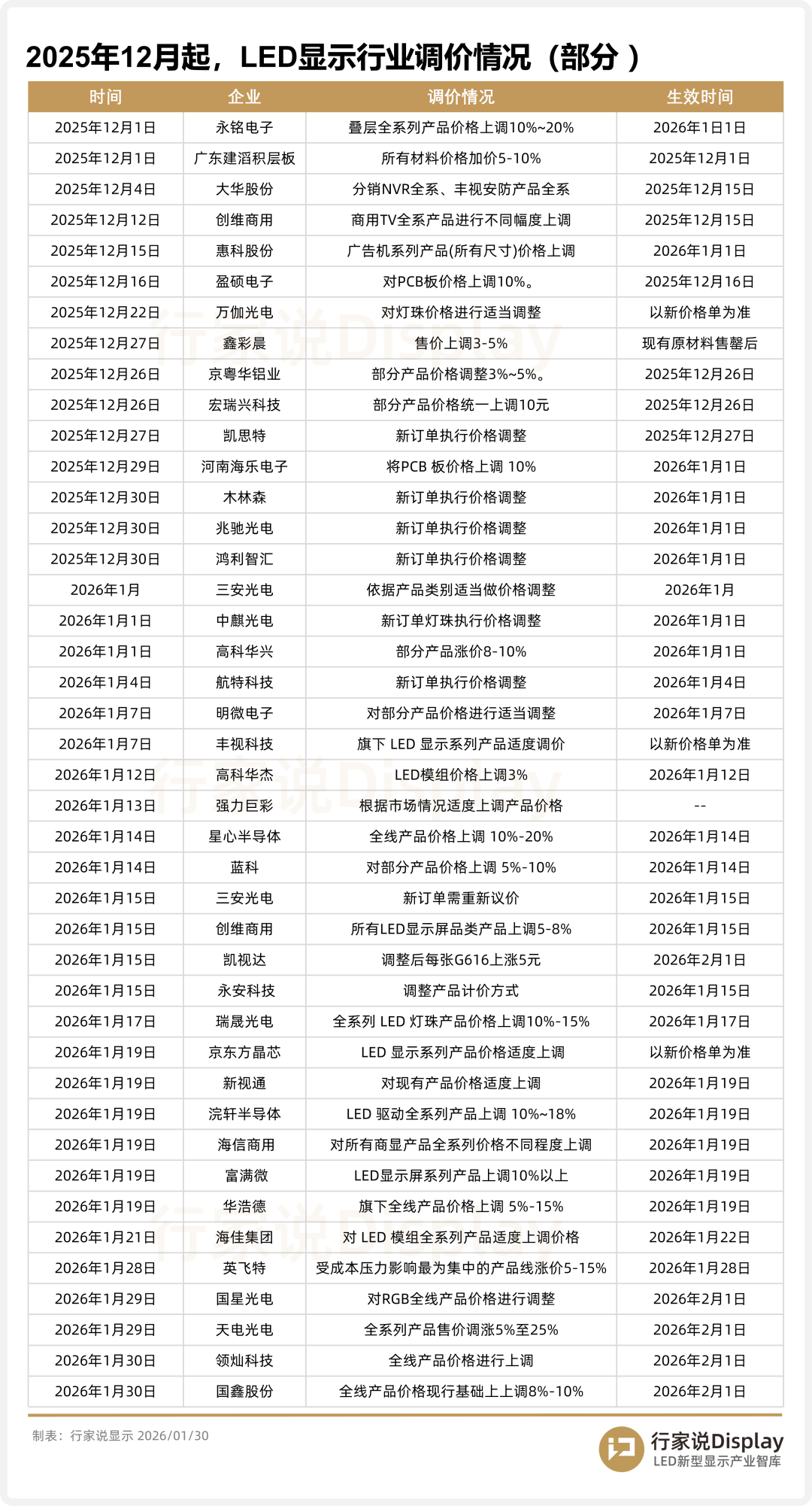
涨幅3-25%,国星、强力巨彩等近40家企业宣布调价
Xin Lang Cai Jing· 2026-01-30 10:24
Core Viewpoint - The recent surge in precious metal prices has led to significant price increases across nearly 40 companies in the LED display industry, with adjustments ranging from 3% to 25% [1][2][9]. Group 1: Price Increases - Starting from December 2025, over 30 LED display-related companies have announced price hikes due to rising costs of raw materials [3]. - Specific companies such as Yongming Electronics and Guangdong Jiantao have raised prices by 10%-20% and 5%-10% respectively [3]. - The price adjustments are a response to the unprecedented increases in the costs of precious metals, wafers, and other key materials [2][11]. Group 2: Material Cost Increases - In January 2026, gold prices increased by over 20%, silver by more than 60%, and copper by nearly 50% compared to early 2025 [2]. - Companies like Tian Dian Optoelectronics reported a 102% increase in precious metal costs, leading to significant losses and necessitating price adjustments [9]. - The overall cost of materials has escalated to a point where existing pricing structures are no longer sustainable for many firms [2][18]. Group 3: Industry Dynamics - The current price increase trend reflects a heightened sensitivity of the LED display industry to raw material costs, with a notable synchronization in price adjustments across companies [38]. - Larger firms may leverage their supply chain advantages to mitigate cost pressures, while smaller companies face challenges in maintaining competitive pricing [38]. - The ongoing price adjustments may lead to increased industry consolidation as companies adapt to the changing market landscape [38].



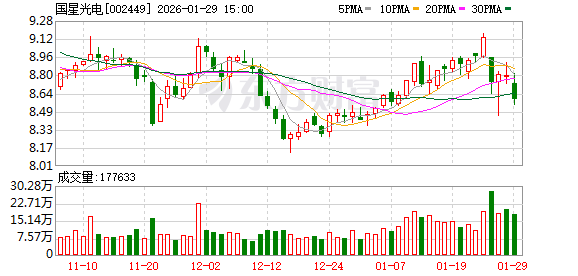
国星光电:截至2026年1月9日股东户数为63552户
Zheng Quan Ri Bao· 2026-01-29 12:48
(文章来源:证券日报) 证券日报网讯 1月29日,国星光电在互动平台回答投资者提问时表示,截至2026年1月9日,公司股东户 数为63552户。 ...
佛山照明:2025年全年净利润同比预减50.02%—59.66%
2 1 Shi Ji Jing Ji Bao Dao· 2026-01-28 10:23
南财智讯1月28日电,佛山照明发布年度业绩预告,预计2025年全年归属于上市公司股东的净利润为 18000.00万元—22300.00万元,同比预减50.02%—59.66%;预计2025年全年归属于上市公司股东的扣除 非经常性损益的净利润为6500.00万元—9750.00万元,同比预减0.26%—33.51%。业绩变动原因说明: 1、一方面,受全球宏观经济环境影响,照明行业市场需求不振。另一方面,铜、铝、锡等大宗商品价 格大幅上涨导致部分原材料价格也快速上涨;同时,因在建工程转固定资产,折旧费用增加,进一步压 缩了公司利润空间。2、受市场竞争激烈、原材料价格波动等因素影响,公司控股子公司佛山市国星光 电股份有限公司(以下简称"国星光电")经营业绩不及预期,经初步测算,公司预计对因收购国星光电 股权形成的商誉计提减值约3000万元—5000万元。3、经初步测算,2025年公司非经常性损益金额预计 为11500万元—13500万元,较上年同期34843.07万元下降较大,主要系2025年度公司资产处置净收益较 上期减少所致。2024年,公司因处置佛山市禅城区汾江北路南区地块,获得资产处置净收益29868.11 ...

佛山照明:预计2025年净利润同比下降50.02%-59.66%
Xin Lang Cai Jing· 2026-01-28 10:20
佛山照明公告,预计2025年度净利润为1.8亿元-2.23亿元,同比下降50.02%-59.66%。受全球宏观经济环 境影响,照明行业市场需求不振,同时铜、铝、锡等大宗商品价格大幅上涨,导致部分原材料价格快速 上涨,折旧费用增加,压缩了公司利润空间。公司控股子公司佛山市国星光电股份有限公司经营业绩不 及预期,预计对因收购国星光电股权形成的商誉计提减值约3000万元-5000万元。 ...
部分产品销售价格下降,国星光电2025年预亏1200万元至1700万元
Ju Chao Zi Xun· 2026-01-26 03:52
Core Viewpoint - The company, Guoxing Optoelectronics, is forecasting a significant net loss for the fiscal year 2025, transitioning from profit to loss due to intensified competition in the LED packaging industry and rising costs of key raw materials [2] Financial Performance - The net profit attributable to shareholders is expected to be a loss of 12 million to 17 million yuan, compared to a profit in the previous year [2] - Non-recurring gains and losses are projected to be between 25 million and 27 million yuan, a decrease from 43.29 million yuan in the same period last year [2] - The net loss, excluding non-recurring items, is estimated to be between 37 million and 44 million yuan, a significant increase from 823.67 thousand yuan in the previous year, representing a year-on-year decline of 549.21% to 634.19% [2] Industry Challenges - The primary reasons for the performance decline include intensified competition in the traditional LED packaging sector, leading to a decrease in sales prices for certain products, alongside high prices for precious metals and other key raw materials, which have exerted pressure on revenue and gross profit levels [2] Emerging Business Segments - Although new business areas such as smart wearables, optocouplers, and automotive applications are experiencing rapid growth, they are still in the market introduction phase and have not yet contributed significantly to overall performance [2] Strategic Initiatives - The company plans to continue enhancing quality and efficiency measures, accelerate market expansion and capacity implementation for emerging businesses, and actively pursue mergers and acquisitions to improve operational efficiency and core competitiveness from multiple dimensions including cost, technology, and market [2]