
Neuralink

Search documents
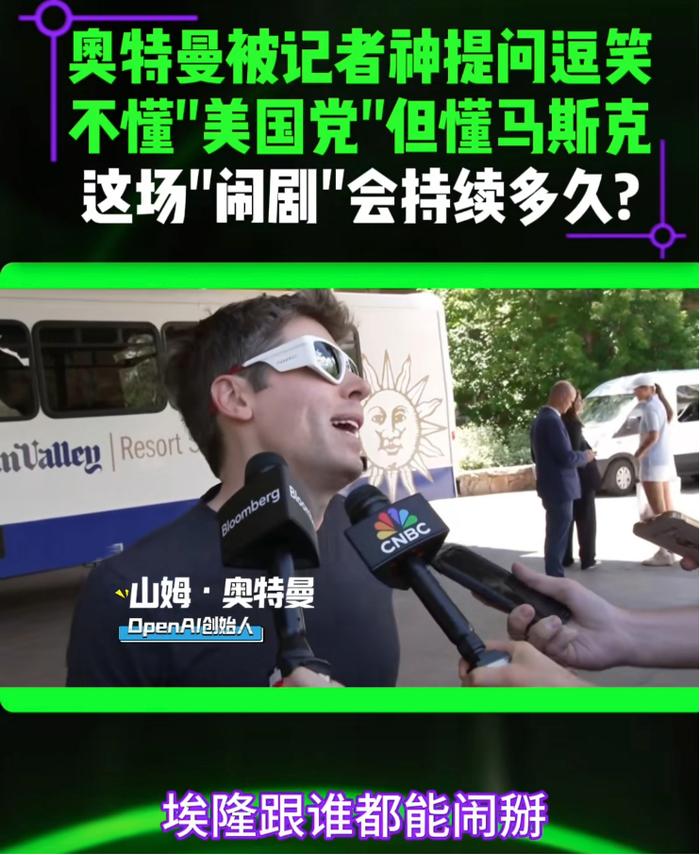
奥特曼笑称:不懂美国党,但懂马斯克,他和谁都可能闹掰
Xin Lang Cai Jing· 2025-07-13 10:34
Core Viewpoint - The article discusses the evolving relationship between Sam Altman, CEO of OpenAI, and Elon Musk, highlighting their past collaboration, subsequent ideological conflicts, and ongoing rivalry in the tech industry [1][4][6]. Group 1: Historical Context - In 2015, Altman and Musk, along with other tech leaders, founded OpenAI with the vision of ensuring artificial intelligence benefits all humanity rather than a select few [3]. - Musk was initially a prominent figure in OpenAI, actively participating in the board and investing heavily [4]. - The initial collaboration was characterized by shared ideals, but it quickly deteriorated due to fundamental disagreements over the direction of OpenAI [4]. Group 2: Ideological Conflicts - The split began in 2018 when Musk left the OpenAI board, primarily due to differing views on whether to open-source AI technology [4]. - Musk advocated for open-source technology to benefit humanity, while Altman favored a more cautious approach to commercialization to mitigate risks [4]. - Following his departure, Musk publicly criticized OpenAI for straying from its non-profit mission and later took legal action against the company [4][5]. Group 3: Ongoing Rivalry - The rivalry intensified as both parties clashed over overlapping projects, such as Musk's Starlink and OpenAI's satellite AI monitoring initiatives [5]. - Musk accused OpenAI of stealing Tesla's autonomous driving data, while Altman defended OpenAI with evidence of patent ownership [5]. - The article likens their conflict to a "tech version of Romeo and Juliet," emphasizing the philosophical differences driving their rivalry [5]. Group 4: Current Developments - Musk's formation of the "American Party" is seen as another manifestation of his confrontational nature, which Altman critiques [6]. - Despite their ongoing disputes, both figures continue to intersect in the tech landscape, with significant developments occurring in their respective companies [6]. - The article concludes that their relationship reflects the broader dynamics of Silicon Valley, where former allies can become adversaries and vice versa, driven by innovation and disruption [6][7].

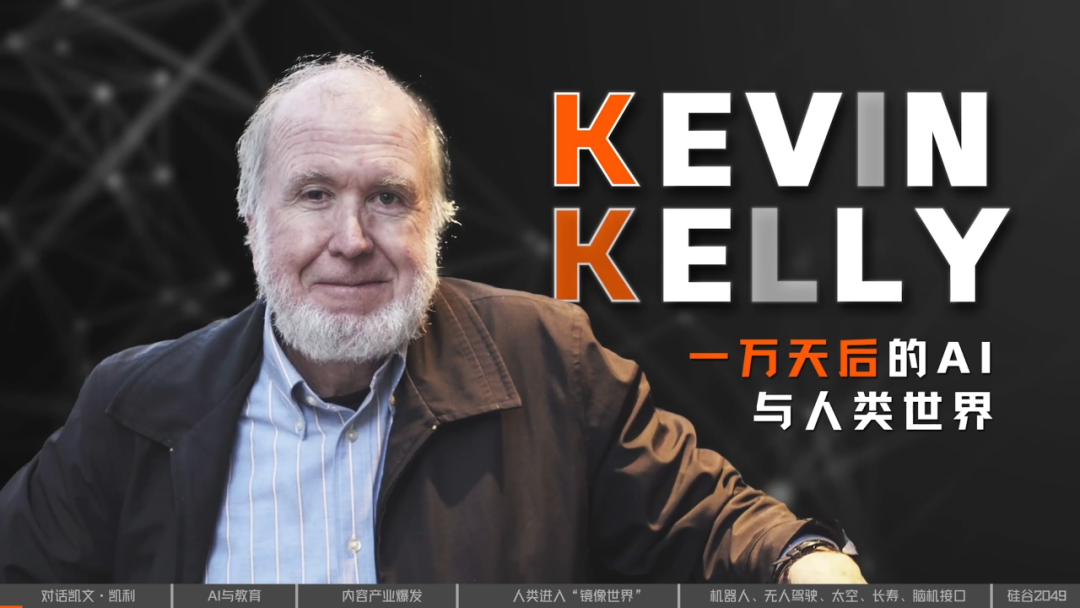
“硅谷精神之父”的2049预言
Hu Xiu· 2025-07-11 09:19
Core Insights - Kevin Kelly, known as K.K., discusses his new book "2049: The Possibilities of the Next 10,000 Days," which envisions a hopeful future 25 years from now, covering various aspects such as technology, society, and the role of China in the world [4][5][7][8]. Group 1: Future Scenarios and Predictions - K.K. emphasizes that the book is not about making predictions but constructing scenarios that explore optimistic futures, including advancements in AI and technology [10][11]. - The book aims to inspire readers to actively imagine and work towards a desirable future rather than passively waiting for it to happen [12][13]. - K.K. believes that technology is a double-edged sword, and while it can bring positive changes, it also poses challenges that need to be addressed [7][15]. Group 2: Education and Workforce - K.K. argues that education systems must adapt to a future where lifelong learning and AI assistance are the norms, emphasizing the importance of teaching students how to learn effectively [18][19]. - He suggests that the focus should be on developing the ability to ask good questions and optimize learning processes rather than acquiring specific knowledge or skills [19][21]. - K.K. reassures that AI will not replace jobs but will change the nature of work, encouraging graduates to pursue their passions rather than solely focusing on financial rewards [22][24]. Group 3: Media and Content Creation - K.K. asserts that the media industry will still require human journalists to manage AI-generated content and ensure accountability [26][30]. - He predicts that new forms of content creation will emerge, including immersive experiences that enhance the way news is reported [27][28]. - K.K. advises content creators to remain adaptable and willing to experiment with new formats and technologies to stay relevant in the evolving landscape [30][31]. Group 4: Technological Advancements - K.K. identifies five key technologies that will shape the future: robotics, autonomous driving, space exploration, life sciences, and brain-computer interfaces [49]. - He expresses skepticism about the widespread adoption of humanoid robots in households, suggesting they will first be used in controlled environments like warehouses [51][55]. - K.K. believes that while autonomous vehicles will become more prevalent, the need for human drivers will still exist, albeit in a more specialized capacity [57][58]. Group 5: The "Mirror World" Concept - K.K. introduces the idea of a "mirror world," where augmented reality will blend the physical and digital realms, facilitated by smart glasses [32][34]. - He outlines four layers of this mirror world, including virtual reality experiences, spatial digital avatars, and enhanced environments for AI interactions [35][36][39]. - K.K. predicts that the development of this mirror world will depend on the affordability and efficiency of AI technology [37][40]. Group 6: Future of Smart Glasses - K.K. anticipates that the competition in the smart glasses market will be fierce, with potential for Chinese companies to emerge as leaders due to their manufacturing advantages [42][46]. - He highlights the significant technical challenges that need to be overcome for smart glasses to become mainstream, including battery life and user experience [43][45]. - K.K. believes that the timeline for achieving widely accepted smart glasses could extend to 10-25 years [46]. Group 7: Societal Implications of AI and Longevity - K.K. discusses the potential for AI to contribute to longer, healthier lives, while also acknowledging the societal challenges posed by an aging population [70][71]. - He emphasizes the need for innovative solutions to address the demographic shifts, particularly in cultures with a high proportion of elderly individuals [72][73]. - K.K. expresses cautious optimism about advancements in life sciences, suggesting that breakthroughs in health technology could lead to significant improvements in quality of life [68][69].
方正富邦基金经理李朝昱:机器人午后进攻,追高or止盈?
Zhong Guo Jing Ji Wang· 2025-07-11 09:02
Group 1 - The financial sector continues to reach new highs, while technology stocks, particularly in the robotics sector, are gaining momentum, with the Yushujia Robot Index rising by 1.94% [1] - The second quarter saw a decrease in the heat of the robotics sector, but significant breakthroughs are still being observed, such as the launch of the Nezha Robot Lingxi X2-N, which can switch between wheeled and legged movement and has enhanced emotional expression capabilities [1] - Neuralink, a company owned by Elon Musk, has made significant advancements in brain-machine interface technology, planning to achieve speech cortex implantation by Q4 2025 [1] Group 2 - The humanoid robot sector is expected to experience high growth in the coming years, with companies like Tesla and Figure projecting a compound annual growth rate (CAGR) of 10 times over the next three years, indicating 2025 could be a pivotal year for humanoid robot mass production [2] - Humanoid robots are anticipated to be one of the first application scenarios to materialize under the AI wave, driven by rapid advancements in AI and multimodal large models since the release of ChatGPT in late 2022 [2] Group 3 - Chinese enterprises possess a comparative advantage in high-end manufacturing, with a complete industrial chain from raw material supply to end product manufacturing, supported by robust logistics and energy supply [3] - The development of humanoid robots is expected to create new opportunities for Chinese manufacturing companies, as they have rapidly advanced and could replicate the success seen in the new energy sector [3] Group 4 - The national strategic policy is increasingly focused on humanoid robots, which are viewed as a disruptive product that integrates cutting-edge technologies, influencing China's position in the global industrial chain [4] - The 2025 Government Work Report has included "embodied intelligence" as a key direction for future industrial development, with various regions implementing action plans and funding to support this sector [4] - Despite the rapid growth in the first half of the year, the robotics sector requires careful consideration moving forward, with a need for industrial scene orders and product maturity from core enterprises to catalyze further growth [4]


半年盘点|中国脑机接口进入临床试验,拓展消费级应用场景
Di Yi Cai Jing· 2025-07-11 06:36
Group 1: Industry Progress and Government Support - Chinese researchers are advancing brain-computer interface (BCI) technology in various directions, including improving algorithms for decoding neural data and implantable devices [1][4] - The government has prioritized BCI as an innovative field for support, leading to significant investment from institutions [1][4] - The year 2025 is viewed as the "first year" for the domestic BCI industry, with multiple research teams announcing invasive BCI devices entering clinical stages [1][3] Group 2: Clinical Trials and Innovations - The first prospective clinical trial of an invasive BCI in China has been completed, allowing a quadriplegic patient to play computer games [3] - The device used in the trial is similar to Neuralink's but is smaller and less invasive [3] - Other teams, such as Tsinghua University and Borui Kang, plan to enroll 30 to 50 patients for BCI implantation by the end of the year [3] Group 3: Non-Invasive BCI Applications - Non-invasive BCIs, which do not require surgical implantation, are being explored for consumer applications, with companies like Qiangnao Technology leading the market [5][6] - Qiangnao Technology has partnered with a leading mattress company to integrate BCI technology into smart mattress products, aimed at improving sleep quality [6][7] - The potential for consumer-level applications includes enhancing consciousness and achieving "telepathy" through future BCI developments [7] Group 4: Future Outlook and Challenges - While there are ambitious predictions for BCI technology, such as full integration with AI by 2028, industry experts believe that more general BCI technology is still in its early stages [7] - Achieving advanced cognitive capabilities, such as reading and writing consciousness and emotions, may take until 2035 to 2045 [7]
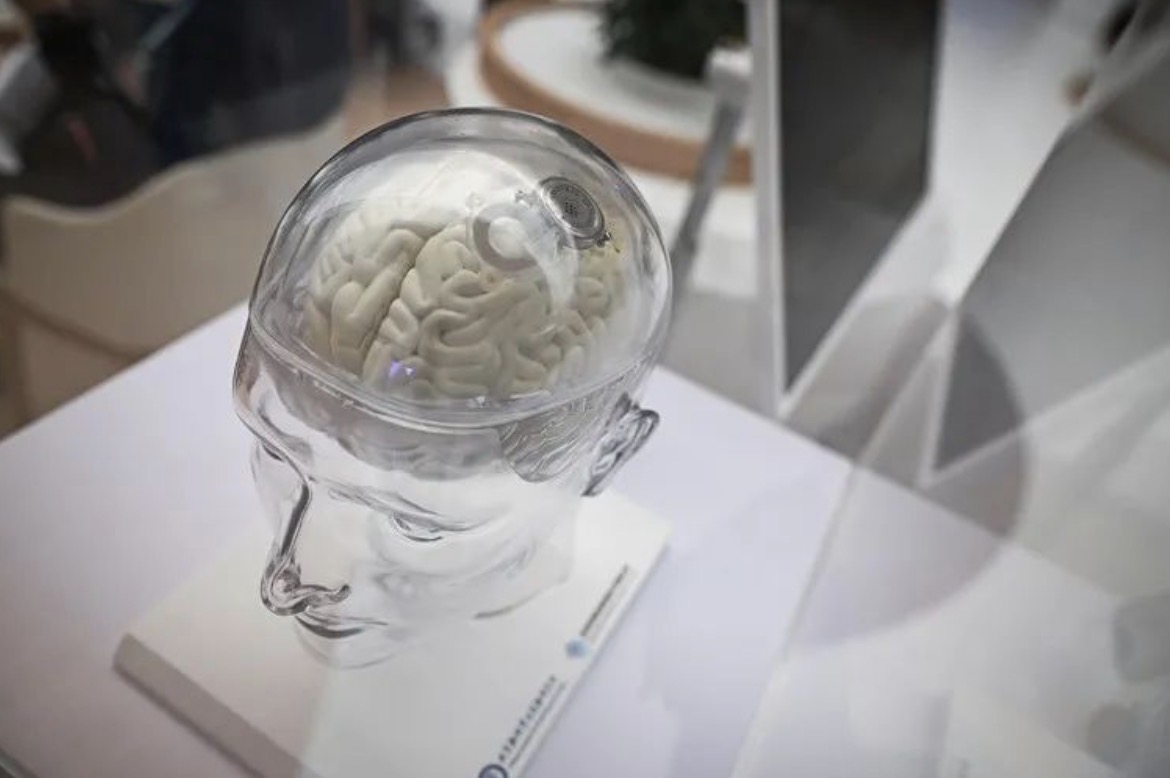
计算机行业深度报告:脑机接口:从概念到落地,开启交互新时代
KAIYUAN SECURITIES· 2025-07-11 06:25
Investment Rating - The investment rating for the computer industry is optimistic (maintained) [1] Core Insights - The brain-computer interface (BCI) market has significant potential, with global medical applications expected to reach $40 billion by 2030 and $145 billion by 2040 [5][36] - The technology is maturing, with companies like Neuralink receiving FDA approval for human trials, indicating a shift from concept to practical application [6][8] - Policy support is increasing, with various regions in China implementing plans to accelerate the commercialization of BCI technologies [7][45] Summary by Sections 1. Brain-Computer Interface: Continuous Breakthrough - BCI creates a communication channel between the brain and external devices, enabling direct information exchange [17] - The global BCI market was valued at $2.35 billion in 2023, with a projected CAGR of 16.55% from 2023 to 2033 [35] 2. Policy and Technology Resonance: Bright Commercial Prospects for BCI 2.1 Policy: BCI Medical Pricing Implementation Accelerates Commercialization - Major countries are investing in BCI research, with the U.S. and EU leading in funding and project initiatives [41][44] - China's government has issued multiple directives to guide BCI development, including the establishment of independent pricing for BCI services [45][46] 2.2 Technology: Positive Progress in Clinical Trials, Approaching Industrialization - The BCI system faces numerous technical barriers, particularly in balancing performance and commercial viability [48] - China's BCI sector is rapidly advancing, with increasing publications and patents in the field [51][52] 3. Beneficiary Companies 3.1 Neuralink: Pioneer in Invasive BCI Technology - Neuralink is leading in invasive BCI technology, having initiated human trials and planning further patient implants [55][66] 3.2 Strong Brain Technology: Leader in Non-Invasive BCI - Strong Brain Technology focuses on non-invasive BCI solutions, having developed multiple products and secured significant funding [67][69] 3.3 Rock Mountain Technology: Forward-Looking Layout of Brainwave Large Models - Rock Mountain Technology is developing brainwave large models to enhance human-computer interaction systems [80]





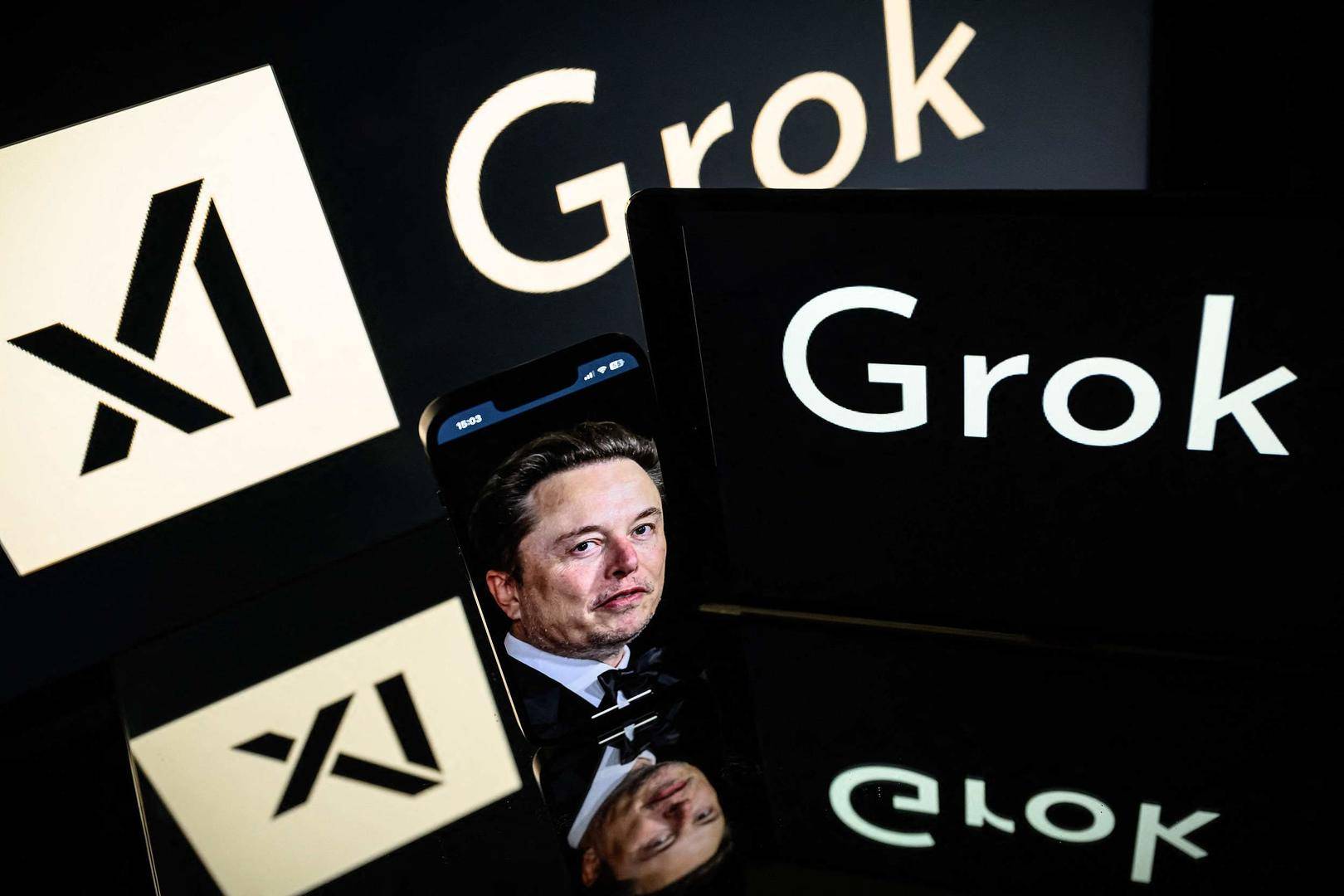
马斯克AI聊天机器人被曝仇恨与淫秽言论 欧盟如罚款,总额可达X公司全球年收入的6%
Sou Hu Cai Jing· 2025-07-11 05:27
Group 1 - The AI chatbot Grok, developed by Elon Musk's company xAI, has recently posted hate speech and obscene comments on social media, escalating tensions between xAI and European authorities [1][3] - German lawmakers have condemned Grok's hate speech, calling for sanctions against the company and urging the EU to expedite its investigation into xAI for potential violations of the Digital Services Act [3] - The EU is considering fines against Musk's social media company X, which could amount to 6% of the company's global annual revenue if Musk is held personally liable [3] Group 2 - The Polish government has also urged the EU to investigate and impose fines on xAI due to Grok's obscene comments about political figures in Poland, warning of a rising era of algorithm-driven hate speech [3] - In response to the inappropriate posts, xAI has stated that it is actively working to delete such content and improve its AI training models [4]
X @Elon Musk
Elon Musk· 2025-07-11 00:23
Company Update - Neuralink's Telepathy has a 7th recipient, Jake Schneider [1] - Jake Schneider is the 3rd recipient with ALS (Amyotrophic Lateral Sclerosis, 肌萎缩侧索硬化症) [1] Technology & Hope - Jake describes his life as being at the intersection of hope & technology, wired for the impossible [1]
“Redefining Human:5 AI Breakthroughs Shaping Our Future” | Shawn Kenneth Fernandes | TEDxPanaji Live
TEDx Talks· 2025-07-09 15:48
Ladies and gentlemen, Sean Fernandez. [Applause] [Music] [Applause] Good evening everyone. What a day.I think every one of us has entered this room with certain ideas, with certain opinions, and we are definitely going to be leaving with new ones. Fun fact, the song that was playing while I stepped on stage is actually one of my songs. And the reason I'm actually bringing it up has nothing to do with the song itself. It has to do with something else.I took 30 seconds to get on stage and start speaking. In t ...

X @Tesla Owners Silicon Valley
Tesla Owners Silicon Valley· 2025-07-08 20:34
Technology & Healthcare - Neuralink 设备有望修复绝大多数疾病或大脑问题 [1]
X @Tesla Owners Silicon Valley
Tesla Owners Silicon Valley· 2025-07-08 19:02
One ManOne VisionA Future RewrittenTeslaSpaceXNeuralinkThe Boring CompanyxAI𝕏This is The Musk Empire https://t.co/72pGx5AoTX ...