瑞幸

Search documents
谁能买下星巴克中国?
创业邦· 2025-02-28 09:50
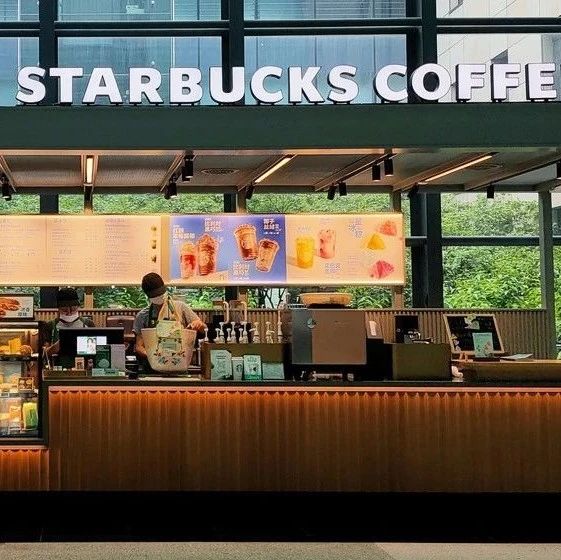
以下文章来源于零售商业财经 ,作者RBF团队 零售商业财经 . 新零售的思想者,新商业的参与者,新财经的见证者,中国零售大商业领域影响力媒体。 来源丨零售商业财经( ID:Retail-Finance ) 作者丨Annie 图源丨图虫创意 近日,一则关于星巴克中国可能出售股权的消息搅动了全球咖啡市场。 2月25日,据多家媒体报道,国际私募基金KKR、方源资本、太盟投资集团,以及中国本土企业华润集团、美团等均被列为潜在买家。目前,交易的具体架构仍 在磋商中,并可能随谈判进程动态调整。 对于将出售中国业务的说法,星巴克方面没有正面否定,而几名潜在买家则对于这一消息并未给予回应。 事实上,这场涉及全球咖啡巨头在华命运转向的传闻,恰逢星巴克全球宣布裁员1100人、星巴克中国业绩承压的关键节点。当"第三空间"的缔造者开始考虑战略 撤退,这场跨国品牌本土化的终极实验,正将中国消费市场的深层变革推至聚光灯下。 令人好奇的是,在这场资本与商业的博弈中,究竟谁能买下星巴克中国?华润、美团等潜在买家的入场,又将如何改写中国咖啡市场的格局? 潜在买家之华润集团 "全渠道优势"与本土化基因 华润集团作为最受关注的潜在买家,其商业版图 ...



Tims天好中国卢永臣:如何卖出5800万个贝果?丨36氪专访
36氪· 2025-02-27 13:48
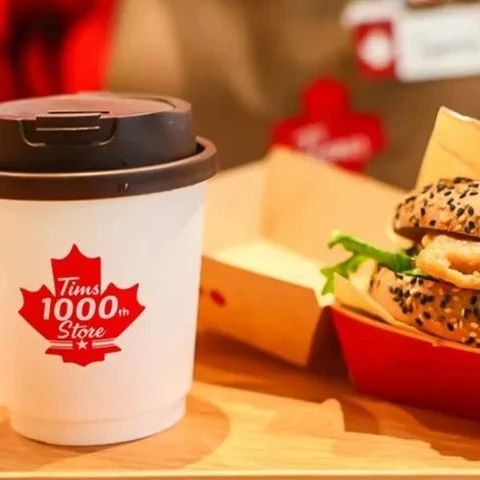
Core Viewpoint - The Chinese coffee market is undergoing a significant adjustment period, with a notable decline in the number of stores and a shift towards healthier food options, particularly bagels, as a key product for Tims [2][3][4]. Group 1: Market Dynamics - Over 45,000 coffee shops have disappeared in China in 2024, indicating a market contraction [3]. - The coffee industry is experiencing a price war, particularly with the "9.9 yuan" pricing strategy, but the situation is becoming more rational [28][29]. - The market is transitioning from rapid expansion to refined operations, focusing on new growth points such as lower-tier markets [32]. Group 2: Tims' Strategy - Tims is focusing on brand differentiation and has initiated internal reforms, including the divestment of the Popeyes brand and the closure of underperforming stores [7][26]. - The company has sold over 58 million bagels, which have become its most popular product, and aims to increase sales during lunch hours [15][16]. - Tims' warm food sales now account for over 50% of total orders, with an average transaction value stable at around 30 yuan [17]. Group 3: Product Development - Tims emphasizes the importance of bagels in its product lineup, which aligns with the health-conscious trends in the Chinese market [14]. - The company maintains a new product launch frequency of every 2 to 3 weeks, focusing on core products rather than rapid expansion [21]. - Tims is also exploring new flavors, such as tomato-flavored coffee, to cater to evolving consumer preferences [24][25]. Group 4: Operational Insights - The company has a membership base exceeding 24 million, indicating strong customer engagement [22]. - Tims has a healthy store ratio of 40% franchise to 60% company-owned, with plans to expand its franchise model [36][35]. - The average initial investment for a Tims franchise is between 600,000 to 700,000 yuan, with a payback period of 2 to 3 years for most stores [39]. Group 5: Future Outlook - Tims aims to achieve cash flow profitability by 2025, with a focus on enhancing its breakfast and lunch offerings [46]. - The company is cautious about aggressive expansion, preferring to solidify its presence in first and second-tier cities while exploring franchise opportunities [41][42].
咖啡豆价格狂飙,云南豆商却在赔钱
虎嗅APP· 2025-02-27 13:21
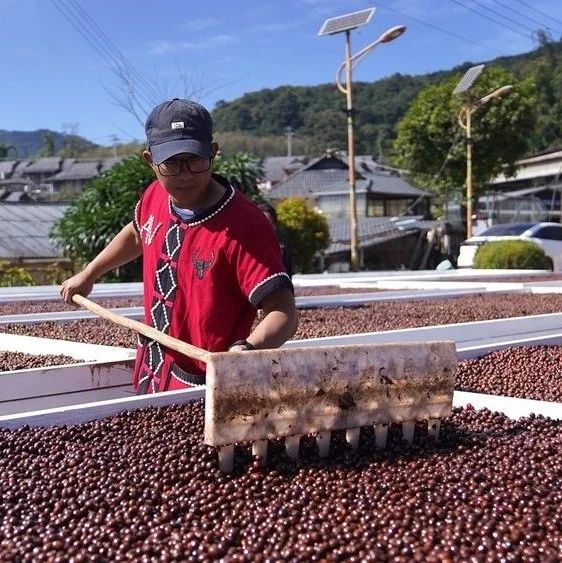
Core Viewpoint - The coffee bean market is experiencing unprecedented volatility, driven by a significant increase in prices due to supply constraints, particularly from Brazil, which has led to a surge in coffee futures prices to historical highs [1][4][14]. Group 1: Price Dynamics - Coffee futures prices have risen dramatically, reaching a peak of 440 cents per pound, up over 62% from 270.72 cents per pound in November of the previous year [1]. - In Yunnan, the purchase price for coffee beans has soared to 64.5 yuan per kilogram, nearly doubling compared to the previous harvest season [2]. - The price of fresh coffee cherries has increased to 11 yuan per kilogram, compared to only 1.2-1.3 yuan six years ago, reflecting a broader trend of rising costs in the coffee supply chain [14]. Group 2: Market Challenges - The coffee processing trade is facing significant pressure, with farmers and processing plants raising prices while buyers are reluctant to increase their purchase prices, leading to a squeezed margin for traders [3][4]. - The market is characterized by a rapid turnover of transactions, with companies needing to adapt quickly to fluctuating prices, often resulting in losses on contracts due to rising costs [5][6][16]. - The domestic demand for coffee has outstripped supply, leading to a reduction in exports and a shift in focus towards local consumption, which has further exacerbated price increases [12][13]. Group 3: Supply Chain Issues - The coffee production cycle is affected by environmental factors, with a significant reduction in yield expected this year due to adverse weather conditions, potentially leading to a 30% decrease in output [14]. - The processing time for coffee beans has increased, with companies facing longer cash flow cycles due to the need for upfront payments and the rising costs of raw materials [19]. - The competition for sourcing coffee beans has intensified, with companies needing to actively seek out suppliers rather than relying on traditional procurement methods [19][21]. Group 4: Future Outlook - The rising prices of coffee beans are making it increasingly difficult for brands to maintain low-priced products, with estimates suggesting that a cup of coffee could cost around 1.7 yuan just for the coffee powder alone, not accounting for other costs [28]. - Companies are adjusting their procurement strategies, often reducing order sizes to mitigate risks associated with price volatility, which could lead to supply shortages in the future [23][29]. - The long-term sustainability of the coffee market may be at risk if supply begins to exceed demand in the coming years, potentially leading to a price collapse [29].
精致打工人,在咖啡馆解决一日三餐
36氪· 2025-02-26 10:25
Core Viewpoint - The coffee market is evolving as brands like Tims are introducing lunch options, indicating a shift towards offering all-day dining experiences to enhance customer engagement and increase sales [4][14]. Group 1: New Product Launches - Tims has launched a "light bagel lunch box" series, focusing on the lunch segment with a balanced meal including a bagel, salad, and a healthy drink, priced around 35 yuan, which aligns with consumer expectations [5][6]. - The new product saw a sales performance of 176% of the expected target within the first three days, particularly popular in first-tier cities like Shanghai and Hangzhou [6]. Group 2: Industry Trends - More coffee shops are adding lunch items to their menus, with examples including Kudi Coffee and Manner, which offer affordable meal options [8][9]. - The trend reflects a broader strategy among coffee brands to diversify their offerings and cater to the lunch market, which has become increasingly competitive [18]. Group 3: Market Challenges - Rising coffee bean prices and increased operational costs have pressured coffee shops, leading to a shift from expansion to survival strategies [12][20]. - Starbucks has reported a decline in same-store sales, with a 4% drop globally and a 6% drop in China, indicating challenges even for leading brands [12][14]. Group 4: Strategic Implications - Analysts suggest that adding lunch options can meet core customer needs and enhance customer loyalty, potentially leading to increased average transaction values [14][15]. - However, the coffee market's competitive landscape poses risks, as brands must balance expanding their food offerings without diluting their core coffee identity [21].
星巴克中国要被卖了?
虎嗅APP· 2025-02-26 10:20
Core Viewpoint - Starbucks is facing significant challenges in the Chinese market, leading to speculation about a potential sale of its operations in the region, with various private equity firms and strategic partners showing interest [1][4][5]. Group 1: Valuation and Sale Speculation - Starbucks' valuation in China could exceed $1 billion if a franchise agreement is reached, amidst ongoing discussions about the sale of its Chinese operations [7][8]. - The company has been in talks with multiple private equity firms since the second half of 2024 regarding strategic options for its Chinese business [5][6]. - The pressure from activist investors has prompted Starbucks to reassess its strategy in China, indicating a willingness to explore partnerships or sales [6][8]. Group 2: Market Position and Competition - Starbucks has historically dominated the Chinese coffee market, holding nearly 50% market share in 2014 and expanding to over 7,000 stores by 2023 [10][12]. - Recent years have seen a decline in Starbucks' market position, losing its status as the top coffee brand in China due to increased competition and changing consumer preferences [11][12]. - The rise of local brands and a shift in consumer behavior towards more affordable options have contributed to Starbucks' declining market share [11][12]. Group 3: Leadership Changes and Strategic Initiatives - The appointment of a new CEO, Brian Niccol, marks a pivotal moment for Starbucks, as he is tasked with revitalizing the brand and addressing challenges in the Chinese market [15][16]. - Niccol's previous experience in leading companies through crises positions him as a key figure in Starbucks' potential restructuring or sale of its Chinese operations [15][16]. - The establishment of a Chief Growth Officer position within Starbucks China reflects the urgency to innovate and attract younger consumers [12][13].