
Gucci

Search documents
开云集团2025年上半年收入约76亿欧元
Cai Jing Wang· 2025-07-30 03:40
Core Insights - Kering Group reported a 16% year-on-year decline in revenue for the first half of 2025, totaling €7.587 billion, with a net income of €474 million attributed to the group [1] - The second quarter revenue also saw a 15% decrease, amounting to €3.7 billion [1] Brand Performance - Gucci experienced a significant revenue drop of 26% in the first half of 2025, generating €3 billion, with a 25% decline in the second quarter to €1.46 billion [1] - Yves Saint Laurent's revenue fell by 11% in the first half of 2025 to €1.3 billion, with a 10% decrease in comparable sales for the second quarter [1] - Bottega Veneta reported a slight revenue increase of 1% in the first half of 2025, reaching €846 million, with the same growth rate in the second quarter [1] Other Business Segments - The corporate business segment, including Kering Beauty and Kering Eyewear, saw a 2% year-on-year revenue growth in the first half of 2025, totaling €1.1 billion [1]
关税阴霾笼罩,奢侈品行业定价策略面临重新洗牌
Hua Er Jie Jian Wen· 2025-07-28 16:11
过去几年,涨价是奢侈品巨头的秘密武器。RBC数据显示,疫情后消费报复性反弹,奢侈品牌趁势提 价,从2019年到2023年,奢侈品品牌平均涨价33%。香奈儿经典翻盖包价格从2015年起至2024涨超过三 倍,迪奥手袋和路易威登Keepall旅行包价格也翻倍。 瑞银数据显示,2019年以来,奢侈品行业一半的增长来自涨价。但如今,这一招已经行不通了。咨询公 司贝恩指出,仅2024年全球奢侈品行业就有5000万消费者流失,在经济压力和"价格疲劳"双重打击下, 越来越多消费者对高价服饰与手袋失去兴趣。消费者不再盲目买单,尤其是年轻人和偶尔消费的人群, 变得更加理性。 GAM资产管理公司奢侈品牌投资策略负责人Flavio Cereda指出,那些定价策略失衡的品牌,如今遭遇的 压力最大,这本就是前期过度增长后的自然结果。 品牌分化,谁能守住高端定位? 在这场调整中,不同品牌的表现开始分化。 瑞银预计,为了消化这15%的关税,奢侈品牌平均需在美国提价约2%,全球平均提价约1%,否则将直 接影响约3%的息税前利润。但问题是现在的消费者还愿意为此买单吗? 分析称,在当前消费疲软的背景下,这种涨价可能极具挑战性。从近期各大奢侈品牌 ...
Luxury and the 'K-shaped' economy
CNBC Television· 2025-07-25 15:53
Louis Vuitton, the latest luxury name to report results, giving us some clues about how how the high-end consumer is holding up. Robert Frank is here with that story. Better than the low-end consumer, right.>> Certainly. And it was really interesting stock action this morning with LVMH. It was down initially.Now it's bouncing back after that initial fall. And that's because it was a weak quarter for the world's largest luxury company. Overall sales down 4%.Its core fashion and leather goods. That's the big ...


黄金珠宝奢侈品运营情况更新系列四—高端商圈运营专家交流
2025-07-16 06:13
Summary of Conference Call Company and Industry - The conference call primarily discusses the performance of the luxury goods industry, specifically focusing on the sales data of various stores in Beijing, Xi'an, Chengdu, and Wuhan, as well as the performance of specific brands like Cartier, Tiffany, and Bulgari. Key Points and Arguments 1. **Sales Performance in April**: - Beijing's SKP store achieved sales of 450 million, with a year-on-year growth of over 150% [1] - Xi'an's store recorded 140 million in sales with a 120% growth, while Chengdu's store approached 100 million with nearly 200% growth [2] - Wuhan's new store generated 60 million, with no year-on-year comparison available [2] 2. **Factors Influencing Sales**: - Increased promotional activity days contributed to the sales boost in April [3] - The performance of stores in Xi'an and Chengdu met expectations, while Chengdu's growth was attributed to a low base last year [3] 3. **Consumer Behavior Trends**: - There is a noticeable shift in consumer demographics, with younger consumers increasingly purchasing luxury items, including gold [4] - The phenomenon of "黄牛" (scalpers) has emerged, with scalpers contributing significantly to sales, particularly from entry-level customers [5] 4. **Customer Loyalty and Spending**: - Existing high-end customers contribute significantly to sales, with average spending reaching 200,000 [7] - The loyalty of younger, entry-level customers is lower, necessitating efforts to convert them into repeat customers [7] 5. **Store Expansion Plans**: - Plans for expanding store sizes in Beijing and other locations are underway, with expectations of increased sales following these expansions [8][30] - The anticipated increase in store size is expected to lead to proportional sales growth, although this is not guaranteed [9] 6. **Sales Forecasts**: - For the first four months of 2025, sales in Beijing are projected to reach 1.2 billion, with annual expectations of 2.1 to 2.2 billion [9] - The potential for significant sales during upcoming promotional events in August and November is highlighted, with expectations of achieving over 500 million in sales during these periods [10] 7. **Market Dynamics**: - The luxury goods market is experiencing fluctuations, with brands like Cartier and Tiffany seeing stable growth, while others like Bulgari are facing declines due to reduced promotional activities [13][14] - The overall sentiment in the luxury market remains cautious, with brands adjusting their strategies in response to changing consumer behaviors and economic conditions [36] 8. **Impact of Gold Prices**: - The recent decline in gold prices has not significantly affected the sales of luxury gold brands, as consumer confidence in gold as an investment remains high [17][18] - The perception of gold as a stable investment has led to increased purchases, particularly during price fluctuations [28] 9. **Regional Differences**: - Consumer preferences vary significantly between first-tier cities like Beijing and second-tier cities like Xi'an, with the latter showing a preference for domestic brands [29] 10. **Future Outlook**: - The luxury goods market is expected to continue evolving, with brands focusing on enhancing customer experience and expanding their reach to younger demographics [32] - The overall economic environment remains a critical factor influencing consumer spending and brand performance [36] Other Important but Overlooked Content - The discussion includes insights into the competitive landscape among luxury brands, with specific mentions of how brands are adjusting their marketing strategies to attract consumers amidst economic challenges [22][36] - The importance of experiential retail and customer service in driving sales is emphasized, particularly in the current economic climate where consumers prioritize experience [25]
从表达到共鸣:品牌与消费者的沟通之道
Bei Jing Shang Bao· 2025-07-15 16:01
Group 1: Market Trends - Several luxury brands are adjusting their strategies in the Chinese market, with Gucci closing 6 stores in a year and Burberry's sales in Greater China declining by 21% year-on-year [1] - The Zegna Group reported a 14.5% decrease in revenue in China, and a total of 14 stores were closed by six top luxury brands in mainland China throughout 2024 [1] - Bain & Company forecasts a 2% decline in global personal luxury goods consumption in 2024, marking the first drop in a decade [1] Group 2: Brand Strategy Insights - Zhang Chunyu, a brand management expert, emphasizes the importance of establishing genuine connections with consumers rather than merely focusing on product sales [1][3] - The shift from heavy flavors to lighter, more refreshing tastes in snack foods reflects changing consumer preferences, as seen in the successful launch of Lay's cucumber-flavored chips [4][5] - Cartier's strategy to reposition its wedding rings involved shifting the narrative from traditional luxury to focusing on emotional connections in relationships, leading to increased consumer engagement [6][7] Group 3: Cultural Relevance - International brands are facing challenges in connecting with Chinese consumers, as traditional marketing approaches feel disconnected [9][10] - The collaboration between Coach and the iconic Chinese brand White Rabbit represents a significant cultural crossover, allowing Coach to resonate more deeply with local consumers [10][11] - The success of this collaboration demonstrates the potential for international brands to use local cultural symbols to create emotional connections with consumers [10][11] Group 4: Brand Growth Principles - Zhang Chunyu has developed a "brand growth principles" methodology that emphasizes understanding consumer needs, establishing strategic brand positions, and ensuring consistent brand expression across all touchpoints [12][13] - This approach aims to transition brands from price competition to value-driven engagement, aligning with modern consumer expectations for brand values and experiences [12][13]


一条婴儿围脖200块,Bonpoint凭什么收割中产父母?
Xin Lang Cai Jing· 2025-07-07 07:56
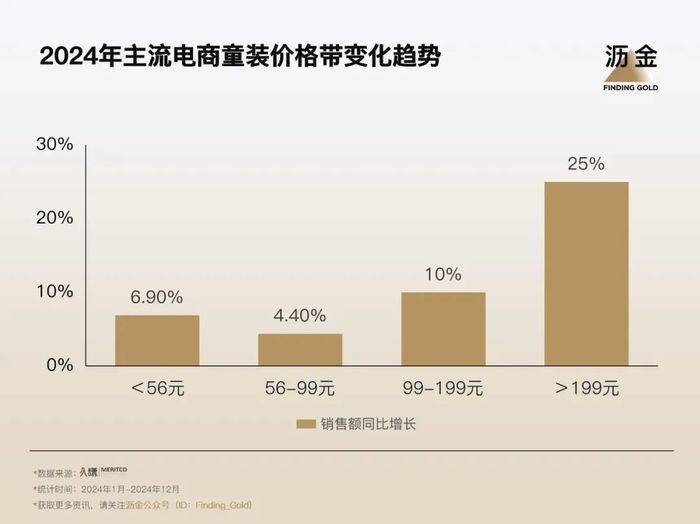
Core Insights - Bonpoint, a high-end children's clothing brand from France, has positioned itself as a luxury option in the children's apparel market, with a significant price point that reflects its premium branding [1][2] - The brand's annual revenue is approximately €150 million (around ¥1.15 billion), with 48% of its sales coming from the Asian market, indicating strong growth potential in this region [1] - The acquisition of Bonpoint by domestic apparel giant Youngor highlights a strategic shift towards high-end children's fashion amidst declining sales in traditional menswear categories [2][3] Market Dynamics - The children's clothing sector is experiencing growth in both scale and average transaction value, contrasting with the stagnation seen in traditional apparel categories [5] - Despite a declining birth rate, parents are increasingly willing to spend on high-quality children's clothing, suggesting a shift in consumer behavior towards premium products [5][11] - Bonpoint fills a market gap for true high-end children's brands, differentiating itself from mass-market players and luxury adult brands that lack tailored designs for children [8][12] Consumer Targeting - Bonpoint effectively targets affluent new middle-class families in major urban centers, with a focus on high-end retail locations [10][11] - The brand's appeal lies in its ability to combine quality, aesthetic appeal, and emotional connection for parents, who prioritize both safety and style for their children [12][13] - The unique positioning of Bonpoint allows it to command high prices while maintaining consumer perception of value, as parents are willing to invest in premium clothing for their children [13][16] Strategic Implications - Youngor's acquisition of Bonpoint is a strategic move to tap into the lucrative high-end children's apparel market, leveraging its supply chain and commercial real estate resources to enhance Bonpoint's growth [16] - The success of Bonpoint will depend on Youngor's ability to integrate its operational strengths with the brand's established market presence and unique value proposition [16]
强技术弱叙事 中国工美亟需补上“讲故事”这一课
Xiao Fei Ri Bao Wang· 2025-07-04 02:37
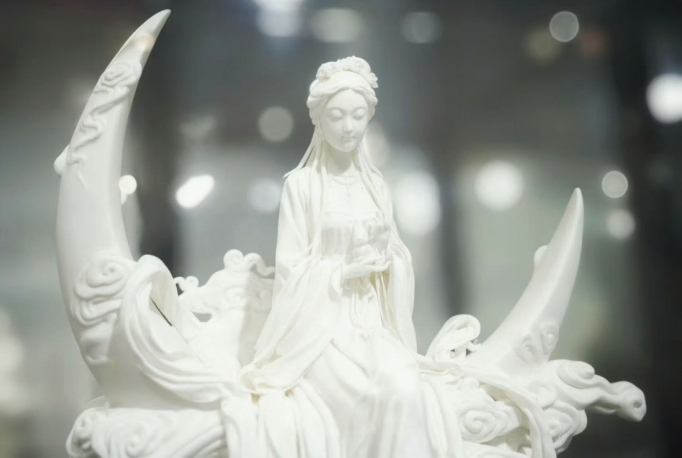
Core Insights - The definition of "luxury" has evolved beyond material possessions, encompassing a narrative system involving history, identity, art, and culture, with Western luxury brands dominating this space [1][2] - Chinese craft and art brands face challenges in establishing a strong narrative to compete in the global high-end market, despite having a rich historical background [3][4] Group 1: Western Luxury Brand Strategies - Western luxury brands like LVMH and Chanel leverage their historical craftsmanship and cultural narratives to build brand credibility and identity [2] - These brands often emphasize their long-standing traditions and artistic connections, which enhance their cultural capital and consumer appeal [2] Group 2: Challenges for Chinese Craft Brands - Chinese craft brands possess a long history but struggle with narrative construction, leading to a perception of their products as mere collectibles rather than luxury items [4][7] - The lack of a compelling story and brand identity hinders the ability of Chinese craft brands to penetrate the high-end market [4][7] Group 3: Building a New Luxury Narrative - To succeed, Chinese craft brands must draw inspiration from their cultural heritage while adopting contemporary design and global expressions to create a new luxury narrative [7][9] - Successful examples include Qeelin, which integrates traditional Chinese symbols with modern aesthetics, and brands like "观夏" that create a blend of traditional and modern experiences [8][9] Group 4: Globalization and Cultural Mission - The globalization of Chinese craft brands is not only a commercial endeavor but also a cultural mission, emphasizing the importance of storytelling in the luxury context [10] - Brands should utilize global communication mechanisms to transform local culture into an internationally understood luxury experience [9][10]

X @The Wall Street Journal
The Wall Street Journal· 2025-07-01 11:16
Company Performance - Luca de Meo revitalized Renault after financial struggles [1] Leadership Change - Luca de Meo's move to Gucci's parent company aims for a similar turnaround [1]
从Burberry到Gucci,“即看即买”重回聚光灯,奢侈品的速度革命开始了吗?
Jing Ji Guan Cha Bao· 2025-06-13 07:28
Core Insights - The article discusses the resurgence of the "see now, buy now" model in luxury fashion, particularly through Gucci's upcoming collection under new creative director Demna, which aims to shorten product launch cycles and convert media buzz into sales [1][4] - The luxury industry is undergoing a transformation, with brands like Gucci and Burberry exploring new strategies to balance speed and exclusivity in response to changing consumer preferences [5][8] Group 1: Gucci's Strategy - Gucci plans to launch its new collection in September using the "see now, buy now" model, bypassing the traditional six-month product launch cycle [1] - The initiative is supported by Gucci's new CEO Stefano Cantino and Kering Group's Francesca Bellettini, reflecting a strong commitment to the brand's transformation amid Kering's €10.5 billion debt pressure [1] - Demna's appointment marks a shift from the previous creative direction, aiming to inject a more commercially viable approach into Gucci's offerings [4] Group 2: Burberry's Experience - Burberry was the first luxury brand to implement the "see now, buy now" model in 2016, allowing immediate consumer access to runway collections [2] - While initially successful, Burberry faced challenges such as increased pressure on design teams and a dilution of the brand's exclusivity, leading to a gradual retreat from the model [2][6] - The brand's experience serves as a cautionary tale for Gucci, highlighting the need for a balanced approach to speed and brand value [8] Group 3: Industry Trends - The luxury sector is collectively rethinking its strategies, with brands like Canada Goose and Coach adapting to market changes by enhancing product offerings and brand positioning [6] - The current market environment necessitates a focus on operational efficiency and consumer engagement, with brands needing to find a balance between rapid product launches and maintaining brand prestige [7][9] - The competition in luxury fashion is shifting from design aesthetics to operational speed and market responsiveness, emphasizing the importance of a cohesive brand strategy [8]
