
联影医疗

Search documents
联影医疗(688271) - 联影医疗关于公司董事离任及选举第二届董事会职工董事的公告
2025-06-30 13:46
证券代码:688271 证券简称:联影医疗 公告编号:2025-028 (二) 离任对公司的影响 TAO CAI 先生的辞职未导致董事会人数低于法定最低人数,不会影响公司董 事会的正常运作。截至本公告披露日,TAO CAI 先生未直接持有公司股份。TAO CAI 先生确认,其与公司、董事会、监事会之间无任何意见分歧,亦无任何与辞职有 关的事项需提请公司股东注意。 二、选举第二届董事会职工董事的情况 上海联影医疗科技股份有限公司关于公司董事离任 及选举第二届董事会职工董事的公告 本公司董事会及全体董事保证本公告内容不存在任何虚假记载、误导性陈述 或者重大遗漏,并对其内容的真实性、准确性和完整性承担法律责任。 重要内容提示: 上海联影医疗科技股份有限公司(以下简称"公司"或"联影医疗")于 2025 年 6 月 30 日召开股东会审议通过《关于取消监事会及修订<公司章程>的议 案》,根据《公司章程》,公司设职工代表董事 1 名,由公司职工通过职工代 表大会民主选举产生。公司于 2025 年 6 月 30 日召开职工代表大会并做出决 议,选举 TAO CAI 先生为公司第二届董事会职工董事。 一、董事离任情况 (一 ...

联影医疗(688271) - 联影医疗2024年年度股东会决议公告
2025-06-30 13:45
证券代码:688271 证券简称:联影医疗 公告编号:2025-026 上海联影医疗科技股份有限公司 2024年年度股东会决议公告 (三) 出席会议的普通股股东、特别表决权股东、恢复表决权的优先股股东及 其持有表决权数量的情况: 本公司董事会及全体董事保证公告内容不存在任何虚假记载、误导性陈述或 者重大遗漏,并对其内容的真实性、准确性和完整性依法承担法律责任。 重要内容提示: 本次会议是否有被否决议案:无 一、 会议召开和出席情况 (一) 股东会召开的时间:2025 年 6 月 30 日 (二) 股东会召开的地点:上海市嘉定区城北路 2258 号一楼 | 1、出席会议的股东和代理人人数 | 213 | | --- | --- | | 普通股股东人数 | 213 | | 2、出席会议的股东所持有的表决权数量 | 483,992,654 | | 普通股股东所持有表决权数量 | 483,992,654 | | 3、出席会议的股东所持有表决权数量占公司表决权数量的比 | 59.0218 | | 例(%) | | | 普通股股东所持有表决权数量占公司表决权数量的比例(%) | 59.0218 | (四) 表决方式是否符 ...
联影医疗(688271) - 上海市通力律师事务所关于上海联影医疗科技股份有限公司2024年年度股东会法律意见书
2025-06-30 13:45
SHANGHAI 8 Yin Chena Road Middle 上海市通力律师事务所关于上海联影医疗科技股份有限公司 2024 年年度股东会的法律意见书 致: 上海联影医疗科技股份有限公司 上海市通力律师事务所(以下简称"本所")接受上海联影医疗科技股份有限公司 〈以下简称"公司")的委托,指派本所陈军律师、茹秋乐律师(以下简称"本所律师") 根据《中华人民共和国公司法》《中华人民共和国证券法》《上市公司股东会规则》等 法律法规和规范性文件(以下统称"法律法规")及《上海联影医疗科技股份有限公司 章程》〈以下简称"公司章程")的规定就公司 2024 年年度股东会〈以下简称"本次 股东会")相关事宜出具法律意见。 本所律师已经对公司提供的与本次股东会有关的法律文件及其他文件、资料予以了 核查、验证。在进行核查验证过程中,公司已向本所保证,公司提供予本所之文件中的 所有签署、盖章及印章都是真实的,所有作为正本提交给本所的文件都是真实、准确、 完整和有效的,且文件材料为副本或复印件的,其与原件一致和相符。 在本法律意见书中,本所仅对本次股东会召集和召开的程序、出席本次股东会人员 资格和召集人资格及表决程序、表决结 ...
6月30日工银医疗保健股票净值增长1.16%,今年来累计上涨14.61%
Sou Hu Cai Jing· 2025-06-30 12:52
Group 1 - The core viewpoint of the news is the performance and holdings of the Industrial and Commercial Bank of China Healthcare Stock Fund, which has shown a recent net value increase and varying returns over different time frames [1] - As of June 30, 2025, the fund's latest net value is 2.6120 yuan, reflecting a growth of 1.16%. The fund has a one-month return of -1.55%, a six-month return of 14.61%, and a year-to-date return of 14.61% [1] - The fund's top ten holdings account for a total of 39.79%, with significant positions in companies such as Heng Rui Pharmaceutical (8.90%), WuXi AppTec (5.12%), and Aier Eye Hospital (4.94%) [1] Group 2 - The Industrial and Commercial Bank of China Healthcare Stock Fund was established on November 18, 2014, and as of March 31, 2025, it has a total scale of 2.724 billion yuan [1] - The fund is managed by Zhao Bei and Ding Yang, both of whom have extensive experience in the healthcare sector and investment management [2]
欧盟限制中企参与医疗器械公共采购,如何应对受关注
Xin Hua Cai Jing· 2025-06-30 10:59
Core Viewpoint - The European Union has implemented the International Procurement Instrument (IPI) measures, restricting Chinese companies and products from entering the EU public procurement market for medical devices, effective June 30, 2023 [2][3]. Summary by Categories Impact of IPI Measures - The IPI measures exclude Chinese companies from participating in EU public procurement projects exceeding €5 million, and require that products and components from China do not exceed 50% in winning bids for projects below this threshold [3][4]. - The IPI measures are expected to significantly impact Chinese medical device companies, as approximately 60% of the industry procurement amount is affected by the ban on projects over €5 million [6]. Specific Restrictions - The restrictions include monetary limits, percentage limits, scope limits, and time limits. The measures cover a wide range of medical devices, including masks, protective equipment, medical imaging devices, and surgical robots [4]. - The IPI measures will be effective for five years, with the possibility of a one-time extension for an additional five years [4]. Industry Reactions - Experts believe that the IPI measures will create substantial barriers for Chinese medical device companies seeking to enter the EU market, reflecting the EU's anxiety over the competitive impact of Chinese firms [5][6]. - Some companies, like Mindray Medical, assert that the impact of the IPI measures will be limited, as they do not currently have contracts exceeding €5 million in the EU [7]. Strategic Responses - Chinese medical device companies are expected to enhance compliance management and localize production to mitigate the impact of the IPI measures [9][10]. - Companies are exploring diversified strategies, such as "China innovation + overseas production + global delivery," to avoid the restrictions imposed by the EU [10]. Market Performance - Following the announcement of the IPI measures, stock prices of leading medical device companies like Mindray Medical and United Imaging did not decline, indicating a potential resilience in the market [8].

国家药监局审议通过《关于优化全生命周期监管支持高端医疗器械创新发展的举措》,高端医疗器械发展有望提升
China Post Securities· 2025-06-30 09:38
Industry Investment Rating - The industry investment rating is "Outperform" and is maintained [1] Core Viewpoints - The report highlights the approval of measures by the National Medical Products Administration to optimize the lifecycle regulation supporting the innovation of high-end medical devices, which is expected to enhance the development of the industry [4][5][6] Summary by Relevant Sections Industry Basic Information - The closing index is at 7672.88, with a 52-week high of 8490.25 and a low of 6070.89 [1] Industry Relative Index Performance - The projected performance of the pharmaceutical and biotechnology sector shows a range of percentage changes from -9% to 27% over the specified periods, indicating a potential upward trend [3] Industry Events - The National Medical Products Administration has passed measures to support high-end medical device innovation, including optimizing special approval processes and enhancing post-market supervision [4][5] Suggested Focus Areas 1) Medical Robots: Companies such as Microbotics, Kangji Medical, Tianzhihang, Chunli Medical, and Aihua Medical [7] 2) High-end Medical Imaging Equipment: Companies like Mindray Medical, United Imaging, Aohua Endoscopy, Kaili Medical, and Xiangsheng Medical [8] 3) Artificial Intelligence Medical Devices: Companies including Jingtai Holdings, Rundat Medical, and BGI Genomics [8] 4) New Biological Materials Medical Devices: Companies such as Maipu Medical, Kangtuo Medical, Aojing Medical, Bairen Medical, and Zhenghai Biological [8]
AI医疗场景加速落地,未来“元宇宙”医院长啥样
第一财经· 2025-06-30 08:27
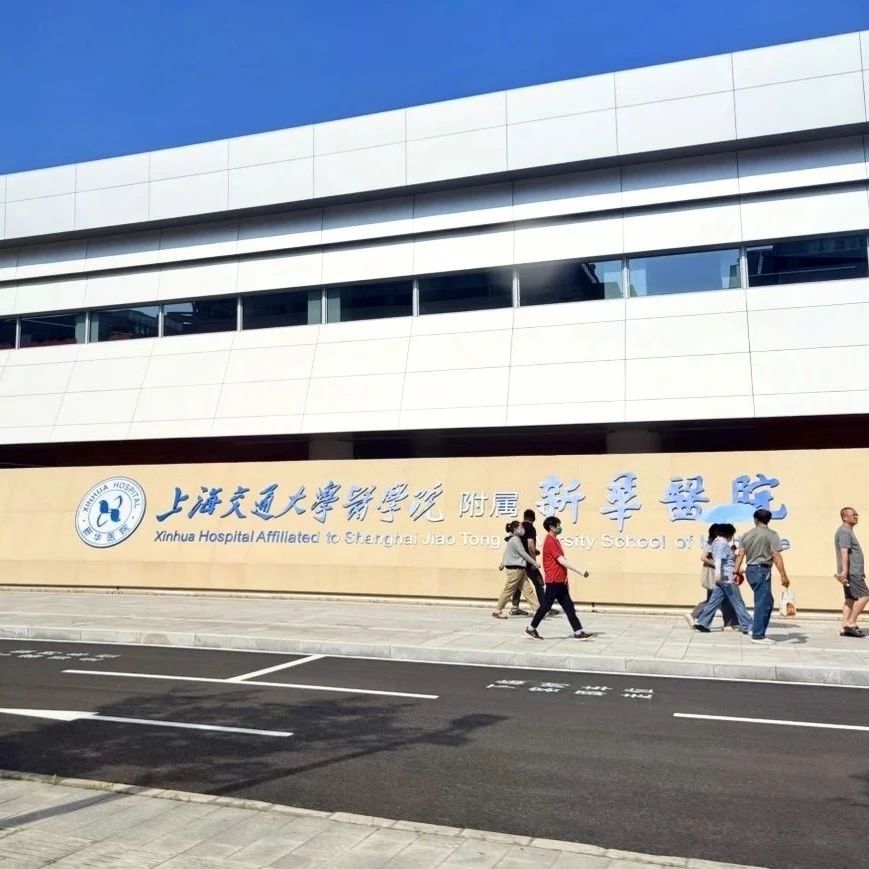
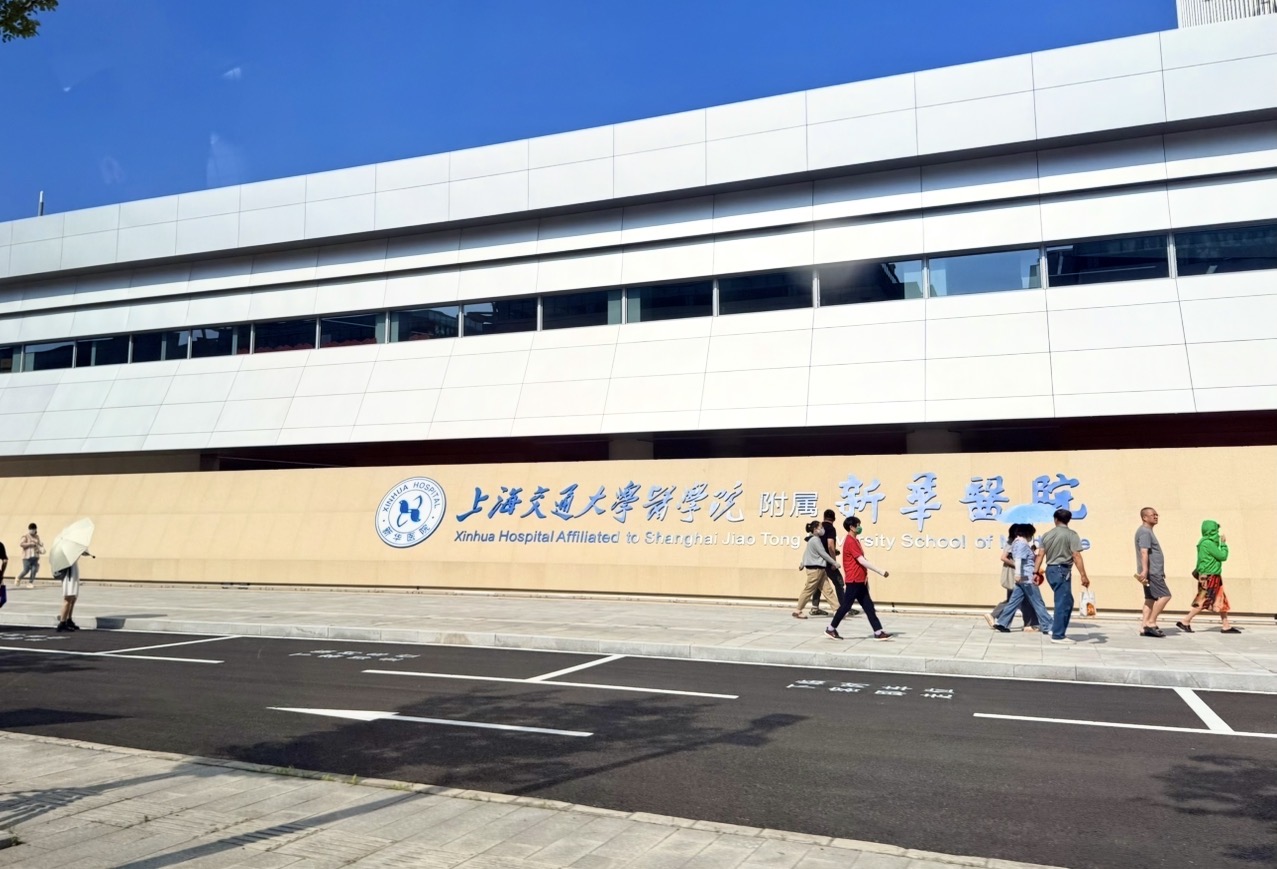
Core Viewpoint - The article discusses the establishment of the "smart hospital" at Xinhua Hospital's Fengxian campus, which aims to integrate artificial intelligence (AI) into the entire medical process, creating an innovative testing ground for AI in healthcare [1][2]. Group 1: AI Integration in Healthcare - The hospital features a digital human guide service that assists patients in navigating the hospital and provides medical advice through AI technology [2][4]. - Advanced imaging equipment, such as a three-dimensional dynamic whole-body skeletal imaging system, has been developed locally to enhance diagnostic accuracy and provide personalized treatment plans [4][5]. - The concept of "metaverse surgery" is introduced, where AI-enabled devices assist in pre-surgical planning and real-time data visualization during operations [4][6]. Group 2: Collaborative Efforts and Innovations - Xinhua Hospital is collaborating with SenseTime Medical to implement a comprehensive AI medical model, covering areas from AI-assisted diagnosis to personalized healthcare services [5][6]. - Other hospitals in Shanghai are also developing "metaverse operating rooms" and utilizing AI for real-time patient monitoring and treatment planning [8][9]. - The integration of AI in various medical fields, including pediatric cardiology, is highlighted as a promising area for future development [9][10]. Group 3: Funding and Ecosystem Development - The Shanghai Future Industry Fund, with a total scale of 10 billion yuan, has been established to support disruptive innovation and interdisciplinary research, with AI healthcare being a key focus area [10][11].
现场| AI医疗场景加速落地,未来“元宇宙”医院长啥样
Di Yi Cai Jing· 2025-06-30 07:10
Core Viewpoint - The concept of "metaverse medicine" is evolving into a comprehensive system that integrates all medical information, aiming to create a "thinking" metaverse hospital that utilizes AI throughout the healthcare process [1][5][6]. Group 1: Development of Metaverse Hospitals - The newly opened Xinhua Hospital's Fengxian branch aims to establish itself as a "smart hospital" by integrating AI into the entire medical process, starting with AI-driven digital human guidance in the outpatient hall [1][3]. - AI functionalities are being incorporated into medical imaging devices such as MRI and CT scanners, enhancing diagnostic capabilities [3][5]. - A locally developed 3D dynamic whole-body skeletal imaging system is introduced, which can assess scoliosis severity using AI algorithms, potentially offering more precise and personalized treatment options [5]. Group 2: AI Integration in Medical Procedures - The hospital showcases advanced surgical cases using digital technologies, where surgeons can access patient data through AR glasses and control robotic systems during operations [5][6]. - Xinhua Hospital is collaborating with SenseTime Medical to develop a comprehensive "metaverse smart hospital" platform that covers AI-assisted diagnosis, personalized treatment, and health services [6]. Group 3: Broader Industry Trends - Other hospitals in Shanghai are also exploring "metaverse operating rooms" and AI applications, with initiatives like digital twin technology for real-time patient monitoring in ICUs [7]. - Fudan University’s Zhongshan Hospital is developing AI models to assist in complex coronary interventions, demonstrating the potential for AI to transform surgical practices [7][8]. - The emergence of multi-modal AI models is expected to enhance the efficiency of medical diagnostics across various diseases [8]. Group 4: Funding and Ecosystem Development - The Shanghai Future Industry Fund, with a total scale of 10 billion yuan, is established to support disruptive innovations and interdisciplinary collaborations, with AI healthcare being a significant focus area [9].
重构医疗保障支付生态,商保创新药目录首次纳入医保调整方案,医疗健康ETF泰康(159760)跟踪指数盘中翻红上扬
Xin Lang Cai Jing· 2025-06-30 05:22
Core Insights - The healthcare ETF, Taikang (159760), is experiencing a stalemate, with the index tracking the National Public Health and Healthcare Index (980016) rising by 0.23% [1] - The adjustment of the medical insurance catalog in 2025 marks a shift in China's healthcare system towards a collaborative model of "basic medical insurance + commercial insurance" [1] Group 1: Policy Impact - The core value of the new policy is to reconstruct the payment ecosystem, accelerating the market entry of high-value innovative drugs by sharing payment burdens with commercial insurance [2] - The policy optimizes risk distribution, with basic medical insurance focusing on essential medications (approximately 60% coverage) and commercial insurance covering high clinical value innovative drugs (approximately 25% coverage) [2] - The success rate of negotiations for innovative drugs in 2024 exceeds 90%, compared to the overall industry rate of 76%, allowing for better pricing power in negotiations [2] Group 2: Index Composition and Performance - The National Public Health and Healthcare Index encompasses a full chain in the public health sector, including prevention, testing, and treatment, with a focus on companies benefiting from policy incentives [3] - The top ten weighted stocks in the index account for 52.4% of the total, including leading companies like Heng Rui Medicine (600276) and WuXi AppTec (603259) [3] - The Taikang healthcare ETF has three core advantages: low cost and high efficiency, strong sensitivity to policy changes, and optimized timing for stock allocation under the new insurance collaboration policy [3]


新加坡淡明资本落子上海 240亿重注中国结构性机遇
Xin Lang Zheng Quan· 2025-06-30 03:24
Core Viewpoint - The establishment of淡明(上海)私募基金管理有限公司 marks a significant step in Temasek's expansion into the Chinese market, with a focus on long-term structural trends in China [1][2]. Group 1: Company Overview -淡明资本 is a wholly foreign-owned private equity firm established on March 26, 2025, with a registered capital of 21 million RMB, located in Shanghai's Jing'an District [1][2]. - The firm has successfully raised 24 billion RMB for its first fund, True Light Fund I, which closed in October 2023, attracting global capital from sovereign wealth funds, financial institutions, and family offices [2]. Group 2: Strategic Focus -淡明资本's investment strategy revolves around four long-term structural trends in China: digitalization, aging population, sustainable lifestyles, and future consumption patterns [4]. - The investment approach consists of three layers: direct equity investments in life sciences and technology, secondary market stock investments to capture undervalued quality targets, and LP investments to penetrate local PE/VC networks [4]. Group 3: Recent Investment Activities - A notable investment includes a 1.5 billion RMB injection into维亚生物, a CRO company that has seen its market value drop from 20 billion HKD to around 2 billion HKD, representing a 90% decline [4]. -淡明资本 has also participated in significant funding rounds for robotics companies, including a 1 billion RMB investment in节卡 and further investments in high-end medical equipment through联影医疗 [4]. Group 4: Market Context - The current market conditions in Hong Kong are characterized by a historical undervaluation, with analysts suggesting limited downside and significant upside potential for quality companies [5]. - The shift of international capital towards China reflects a consensus that the Chinese capital market is undervalued, with a focus on long-term structural opportunities rather than short-term gains [6].