高端医学影像设备

Search documents
安徽省首批“新质药械”产品目录发布
Xin Hua Wang· 2025-12-29 02:49
Group 1 - The Anhui Provincial Health Commission and other authorities have released the first batch of "new quality drug and medical device" product catalog to accelerate the promotion and application of innovative medical products, fostering new productive forces in the biopharmaceutical industry [1] - A total of 60 "new quality drug and medical device" products were announced, with 45 products from Hefei, accounting for 75% of the total in the province, highlighting Hefei's strong innovation capabilities and industrial clustering effect [1] - In the biopharmaceutical sector, all three selected biopharmaceuticals in the province are from Hefei, including innovative drugs for tuberculosis/influenza prevention by Zhifei Longcom and anti-tumor drugs by Anke Bio [1] Group 2 - Hefei's Industrial and Information Technology Bureau is actively promoting the innovative development of the biopharmaceutical industry, focusing on building a collaborative industrial ecosystem involving government, industry, academia, research, application, and finance [2] - The city is nurturing local leading enterprises such as Anke Bio, Opcon Vision, and Meiya Optoelectronics while successfully attracting innovative companies like Ruisi Digital Technology through high-level platforms [2] - Collaboration with institutions like the University of Science and Technology of China and Anhui University of Traditional Chinese Medicine has led to the incubation of technology-based SMEs, creating a favorable development pattern for large, medium, and small enterprises [2]




力争突破百亿元!烟台出台医疗器械产业发展五年规划
Qi Lu Wan Bao· 2025-12-13 00:40
Core Insights - Yantai City is implementing a development plan for the medical device industry from 2025 to 2029, aiming to create a modernized medical device industry system and enhance international competitiveness [1] Group 1: Industry Goals and Scale - The plan targets a medical device industry scale exceeding 10 billion yuan by 2029, with high-value medical devices accounting for over 40% of the total [2] - The strategy includes attracting 2-3 core R&D medical device companies to establish headquarters or production bases in Yantai, while nurturing specialized and innovative enterprises [2] Group 2: Development Framework - A "1+4+N" development framework is established, focusing on one core area led by the high-tech zone, with four districts collaborating to enhance industry concentration [3] - The core area will develop an IVD medical device industrial park, while the four districts will focus on various medical device sectors, including oxygen-related devices and medical imaging equipment [3] Group 3: Policy Support and Market Activation - Yantai City will implement a "chain leader system" for the biopharmaceutical industry, coordinating strategic planning and resource integration to support industry development [4] - Policies will facilitate enterprise establishment, project approval, and land supply, creating a green channel for high-end medical device projects [4]
高端医疗器械“国产化”加速,监管如何跟上产业创新步伐?
Di Yi Cai Jing· 2025-10-25 04:15
Core Insights - The approval of innovative medical devices in China has reached a historical high, with 323 devices approved to date, reflecting a significant acceleration in regulatory innovation and support for high-end medical device development [1][2][5] Regulatory Developments - The National Medical Products Administration (NMPA) has implemented special reviews for innovative medical devices that are domestically created, internationally leading, and clinically valuable, aiming to optimize the review process [1][2] - The NMPA plans to enhance the legal and standard framework, increase support for research and development, and improve the efficiency of reviews and approvals [1][2] Industry Trends - The number of approved innovative medical devices has been increasing annually, with a 87.5% year-on-year growth in the first half of 2025 [2] - The domestic medical imaging industry has seen improvements in the supply chain and production capabilities, with many mid-to-low-end products achieving domestic substitution [2][3] Challenges in Domestic Production - Despite advancements, there are still significant challenges in foundational research, software development, and reliance on imported key components [3][4] - The overall market share of domestic high-end medical imaging equipment remains low, indicating ongoing dependency on foreign technology [3][4] Strategic Initiatives - The NMPA has established innovation cooperation platforms for artificial intelligence and biomaterials to facilitate the transformation of research into practical applications [5] - The Ministry of Industry and Information Technology and the NMPA have announced initiatives to focus on key materials and technologies to enhance domestic production capabilities [5] Expert Consultation Mechanism - The NMPA has introduced an expert consultation mechanism to guide innovative medical device companies through the development and approval process, ensuring comprehensive understanding of cutting-edge technologies [7][8] - The expert consultation process includes a diverse pool of approximately 2,500 experts across various medical and technical fields to support the review and evaluation of innovative products [8][9] Focus Areas for Future Development - Future research in artificial intelligence medical devices is expected to concentrate on wireless diagnostics, digital therapies, brain-machine interfaces, and flexible wearable devices [6]
政策引领医疗器械企业聚焦高端创新
Zheng Quan Ri Bao Zhi Sheng· 2025-08-20 16:38
Group 1 - The medical device sector has gained significant attention, with 125 out of 131 companies in the A-share market experiencing stock price increases in the past month, and Sino Medical Science Technology Co., Ltd. achieving a remarkable stock price increase of 207.59% [1] - Institutional investors are actively researching the medical device industry, indicating a reassessment of growth potential in this sector [1] - The Chinese government has introduced supportive policies to accelerate the high-quality development of the medical device industry, aiming to transition from a major pharmaceutical country to a strong one [1] Group 2 - In July, the National Medical Products Administration released measures to support innovation in high-end medical devices, including medical robots and AI medical devices, highlighting the government's focus on high-end innovation [2] - The high-end medical device market in China is projected to grow rapidly, with an estimated market size of 2.8 trillion yuan by 2030, driven by technological advancements and domestic replacements [2] - The push for high-end innovation is expected to break the "low-end lock-in" in the medical device industry, enhancing the overall value and international competitiveness of the sector [2] Group 3 - Companies like Maide Medical Industrial Equipment Co., Ltd. are expanding their overseas channels through exhibitions and customer visits, with overseas orders expected to exceed 60 million yuan by the end of 2024 [3] - Anjies Medical Technology Co., Ltd. is deepening its global layout through localized operations and overseas production bases, successfully selling products to over 60 countries [3] - The global demand for medical devices is increasing, particularly in emerging markets, providing significant opportunities for Chinese medical device companies to expand internationally [3]


曙光初现,医疗器械板块会成为下一个创新药板块吗?
市值风云· 2025-07-16 10:05
Core Viewpoint - The pharmaceutical sector is experiencing a significant recovery after over three years of deep adjustment, with the innovative drug segment leading the way. The overall performance of the sector has outpaced the A-share market due to favorable news and policies supporting innovation in drugs and medical devices [3]. Policy Support for Medical Devices - The Chinese government has significantly increased policy support for the medical device sector in 2023, with a focus on high-end medical devices such as medical robots, advanced imaging equipment, AI medical devices, and new biological materials [4][5]. - The State Drug Administration's announcement in July 2025 outlines ten support measures for high-end medical device innovation, emphasizing a full lifecycle support approach [4]. - Local policies, such as those from Shenzhen, are also promoting the development of medical robots and AI-assisted diagnostic systems, creating a comprehensive support system for innovation, approval, market entry, and international expansion [5][6]. Market Growth and Trends - The Chinese medical device market has grown from 17.9 billion yuan in 2001 to 1.3 trillion yuan in 2022, representing a compound annual growth rate (CAGR) of over 20% [9]. - Projections indicate that the market will reach approximately 1.36 trillion yuan in 2024 and exceed 1.4 trillion yuan in 2025, potentially reaching 1.63 trillion yuan by 2030 [9]. - The domestic market has become the second largest globally, with its share increasing from 8% in 2010 to 25% in 2022 [9]. Domestic Device Replacement Demand - There is a growing demand for domestic medical devices to replace imports, supported by policies that aim for a 70% localization rate in county-level hospitals by 2025 and 95% by 2030 [9]. - Companies like United Imaging Healthcare have achieved over 30% market share in core categories such as CT and MRI, benefiting from policies that restrict EU imports [10][11]. Investment Opportunities in ETFs - There are 11 medical device-related ETFs with assets over 100 million yuan, with the Medical ETF (512170.SH) leading at 26.13 billion yuan [12]. - The performance of Hong Kong medical ETFs has outpaced A-share indices, indicating potential investment opportunities in this area [14]. - Investors are advised to choose ETFs based on their outlook for the industry, with options available for those focusing on innovative drugs or pure medical device investments [24].


诸多“首创”,迎利好!助力高端医疗器械创新发展重磅措施出台 | 权威解读
Yang Shi Wang· 2025-07-11 08:44
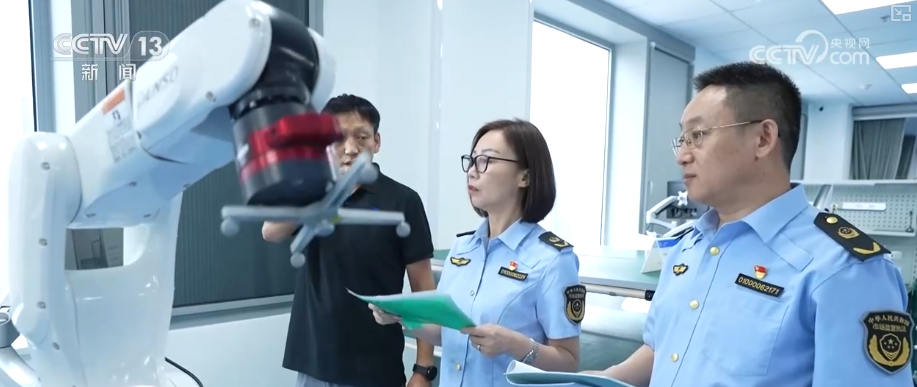
Core Viewpoint - The National Medical Products Administration (NMPA) has introduced 10 measures to support the innovation and development of high-end medical devices in China, focusing on key areas such as medical robots, advanced medical imaging equipment, new biomaterials, and artificial intelligence medical devices [1][3][4]. Group 1: Key Areas of Focus - The measures target representative products in high-end medical devices, which are crucial for shaping new productive forces in the industry [3]. - Specific products highlighted include brain-machine interface technology devices, laparoscopic surgical systems, and multi-disease AI medical devices [4]. Group 2: Market Potential and Growth - The market size for high-end medical devices in China has surpassed 800 billion yuan, with a compound annual growth rate (CAGR) of over 10% for the past decade and 18% for the last five years [4]. - The NMPA anticipates that the market could exceed 1 trillion yuan, aiming for breakthroughs in smart diagnosis and precision medicine [6]. Group 3: Policy Innovations - The new policies cover the entire lifecycle of medical devices, including pre-market and post-market phases, with several being domestic firsts and internationally leading [6][10]. - The NMPA will shift the focus of reviews to the R&D stage, simplifying registration requirements for AI products and enhancing pre-application services [8]. Group 4: Quality Management and Standards - Companies will be guided to establish robust quality management systems during the R&D phase, with inspections conducted in stages to align with their progress [12]. - The NMPA has introduced classification guidance and naming standards for medical robots, aiming to create industry standards for surgical and exoskeleton robots [16]. Group 5: International Collaboration and Standards - The NMPA plans to promote global regulatory coordination and support companies in expanding internationally, participating in international standard-setting and regulatory forums [18]. - A proposal to establish a standardization organization for medical robots and AI medical devices has been made to lead innovation in these areas [19].
政策支持高端医疗器械创新发展 企业、患者和产业将迎来这些利好
Yang Shi Xin Wen· 2025-07-11 08:01
Core Insights - The National Medical Products Administration (NMPA) has introduced ten measures to support the innovation and development of high-end medical devices in China, focusing on key areas such as medical robots, advanced medical imaging equipment, new biological materials, and artificial intelligence medical devices [2][4]. Group 1: Market Potential - The high-end medical device market in China has surpassed 800 billion yuan in 2023, with a compound annual growth rate (CAGR) of over 10% in the past decade and 18% in the last five years [2]. - The market is expected to exceed 1 trillion yuan, with aspirations for breakthroughs in smart diagnosis and precision medicine, enhancing international competitiveness [3]. Group 2: Policy Innovations - The new policies cover the entire lifecycle of medical devices, including pre-market and post-market phases, with several measures being domestic firsts or internationally leading [4]. - Key innovations include shifting the focus of reviews to the R&D stage, simplifying registration requirements for AI products, and providing enhanced pre-application services for cutting-edge technologies [4][5]. Group 3: Industry Standards and Global Expansion - The policies establish classification guidelines and naming standards for medical robots, aiming to create industry standards for surgical robots and exoskeleton robots, which will support domestic products in international competition [7]. - The NMPA plans to actively participate in international standard-setting and regulatory coordination, promoting Chinese regulatory models and facilitating the global expansion of Chinese enterprises [6][7].
热门赛道,迎重磅利好!
天天基金网· 2025-07-11 05:07
Core Viewpoint - The article emphasizes the Chinese government's commitment to enhancing pharmaceutical innovation and development, particularly in the areas of innovative drugs and medical devices, to support public health and the construction of a healthy China [1][2]. Group 1: Government Initiatives - Liu Guozhong, a member of the Political Bureau of the CPC Central Committee, highlighted the importance of strengthening collaborative efforts and policy implementation in the pharmaceutical sector to boost innovation and development [2]. - The government aims to enhance the integration of industry, academia, and research institutions to improve the level of pharmaceutical technology innovation and achieve breakthroughs in drug, vaccine, and medical device development [2][4]. - The State Drug Administration (NMPA) is working on optimizing the clinical trial review and approval process for innovative drugs, aiming to complete reviews within 30 working days for eligible applications [3]. Group 2: Regulatory Framework - The NMPA has proposed measures to support high-end medical device innovation, including optimizing special approval procedures and improving classification and naming principles [4]. - The upcoming measures will focus on enhancing the regulatory framework for high-end medical devices, which include medical robots, advanced imaging equipment, and AI medical devices [4][5]. - The government is committed to creating a favorable development environment by strengthening policy guarantees and promoting international cooperation in pharmaceutical technology [2][4]. Group 3: Industry Development - The article notes that China's pharmaceutical innovation has shown positive trends, with significant improvements in research and development capabilities, market competitiveness, and innovation vitality [2]. - The integration of new technologies such as artificial intelligence and big data is expected to accelerate the construction of health databases and improve the efficiency of pharmaceutical research and medical services [2][4]. - The measures introduced by the NMPA are seen as crucial for supporting major innovations in high-end medical devices and meeting the health needs of the population [4][5].

热门赛道 迎重磅利好!
Zheng Quan Shi Bao· 2025-07-10 15:14
Core Viewpoint - The Chinese government emphasizes the importance of strengthening pharmaceutical innovation and development to support public health and enhance the country's healthcare system [1][2]. Group 1: Pharmaceutical Innovation - The Vice Premier Liu Guozhong highlighted the need for collaboration in tackling key challenges in the pharmaceutical sector, aiming to boost innovation and high-quality development [2]. - Recent years have seen significant improvements in China's pharmaceutical research capabilities, market competitiveness, and innovation vitality [2]. - The government encourages deep integration of industry, academia, and research institutions to enhance pharmaceutical technology innovation, particularly in drug, vaccine, and medical device development [2]. Group 2: Regulatory Support - The National Medical Products Administration (NMPA) is working on optimizing the clinical trial review and approval process for innovative drugs, aiming to complete reviews within 30 working days for eligible applications [3]. - The NMPA has also approved measures to support the innovation of high-end medical devices, emphasizing the importance of a comprehensive regulatory reform in the medical device sector [4]. - Specific measures include optimizing special approval processes, improving classification and naming principles, and enhancing post-market surveillance and quality monitoring [4]. Group 3: Future Initiatives - The NMPA plans to release detailed guidelines soon, focusing on coordination and clarifying requirements to ensure the successful implementation of new initiatives [5].
热门赛道,迎重磅利好!
证券时报· 2025-07-10 13:35
Core Viewpoint - The article emphasizes the Chinese government's commitment to enhancing pharmaceutical innovation and development, focusing on the integration of research, industry, and education to improve healthcare outcomes and support the construction of a healthy China [2][3]. Group 1: Pharmaceutical Innovation - Liu Guozhong, a member of the Political Bureau of the CPC Central Committee, highlighted the importance of strengthening basic research and technological innovation in the pharmaceutical sector to support the development of innovative drugs and medical devices [2][3]. - The article notes that China's pharmaceutical innovation has shown positive trends, with significant improvements in research capabilities, market competitiveness, and innovation vitality [3]. - There is a call for deep integration of industry, academia, and research institutions to enhance the level of pharmaceutical technology innovation, particularly in drug, vaccine, and medical device development [3]. Group 2: Regulatory Support - The National Medical Products Administration (NMPA) announced measures to optimize the clinical trial review and approval process for innovative drugs, aiming to complete reviews within 30 working days for eligible applications [4]. - The NMPA is also focusing on high-end medical device innovation, with a new initiative to support the development of advanced medical technologies, including medical robots and AI medical devices [5]. - The article outlines ten specific measures to enhance the regulatory framework for high-end medical devices, including optimizing approval processes and improving post-market surveillance [5]. Group 3: Future Directions - The NMPA plans to release the new measures soon and will coordinate efforts to ensure the successful implementation of these initiatives [6]. - The government aims to expand international cooperation in pharmaceutical technology and enhance the role of commercial health insurance in supporting innovative drug financing and usage [2][3].