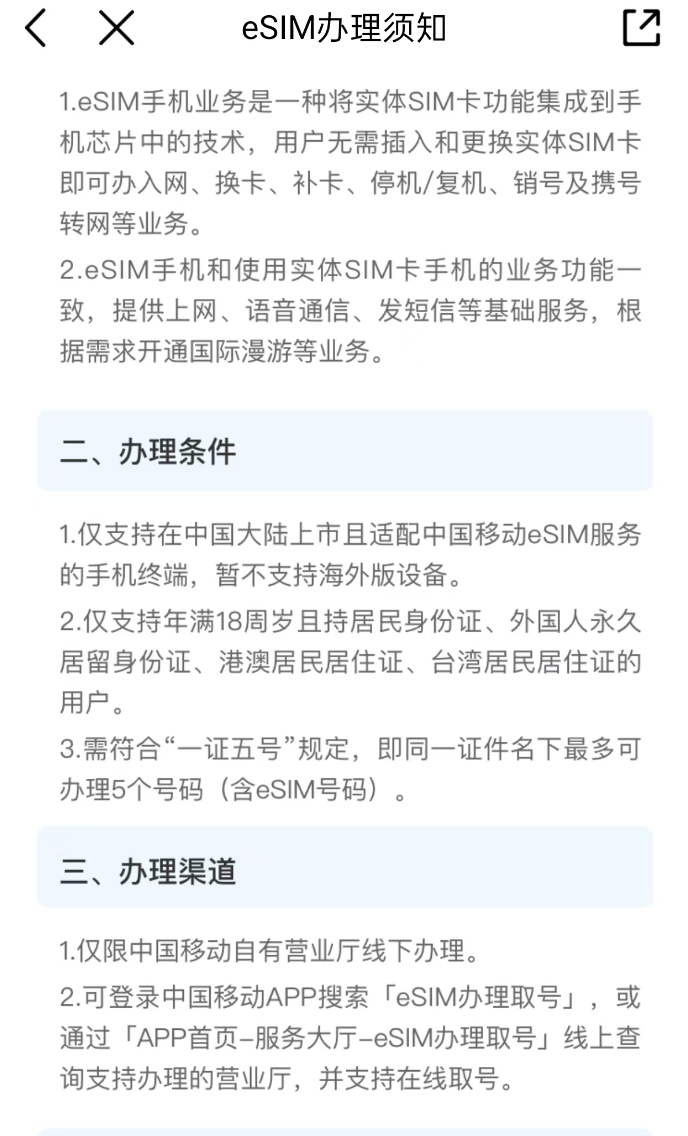
中国联通

Search documents
新华每日电讯:eSIM来了!手机“无卡时代”已近
Xin Lang Cai Jing· 2025-10-15 23:29
Core Viewpoint - The launch of eSIM mobile services by major Chinese telecom operators marks a significant shift towards eliminating physical SIM cards, enhancing user convenience and driving industry upgrades [1][2]. Group 1: eSIM Technology Overview - eSIM technology integrates the functionality of a physical SIM card into a built-in chip within the phone, allowing users to download their phone numbers over the air without needing a physical card [2]. - The introduction of eSIM will lead to lighter and thinner smartphone designs, as the eSIM chip can be directly soldered onto the motherboard, improving durability against dust, water, and shocks [2]. Group 2: User Benefits - Users will experience simplified processes for activating and changing phone numbers without the need for a physical SIM card, reducing the hassle of lost cards and the need for card eject tools [2]. - Frequent travelers will benefit from not having to change SIM cards when moving between countries, enhancing the overall user experience [2]. Group 3: Industry Impact - The rollout of eSIM services is expected to stimulate investment across the entire industry chain, leading to increased demand for eSIM-enabled devices such as smartphones, tablets, wearables, and connected vehicles [2][3]. - Telecom operators are actively innovating and upgrading eSIM-related technologies and services, with China Unicom already having adapted 75 devices for eSIM wearables and serving millions of users [4]. Group 4: Future Prospects - eSIM technology is anticipated to extend into various smart scenarios, including vehicle networking, smart cities, and consumer electronics, driving digital and intelligent upgrades across industries [3]. - The ongoing development of eSIM services aims to provide seamless experiences for users, such as card-free activation and global roaming capabilities [4].



北京信息通信业拓展AI新场景
Jing Ji Ri Bao· 2025-10-15 22:04
Core Viewpoint - Beijing is actively promoting the integration of information communication and artificial intelligence (AI) to drive high-quality development in the information communication industry, with a focus on creating innovative application scenarios and enhancing digital transformation in the economy [1][2]. Group 1: Integration of Information Communication and AI - Multiple "information communication + AI" application scenarios have been launched, aligning with the theme of "AI empowering a new quality Beijing" [1]. - Major telecommunications operators and industry players are collaborating on projects, such as Beijing Unicom's enterprise-level smart office platform and Beijing Telecom's intelligent Q&A system for education [1][2]. Group 2: Infrastructure and Development Goals - The "5G + Industrial Internet" innovation development plan aims to accelerate infrastructure construction and enhance technological innovation and industry integration [2]. - The information communication industry in Beijing is seen as a strong engine for high-quality development, leveraging AI model technology to cultivate new productive forces [2]. Group 3: Current Achievements and Future Plans - As of August 2023, Beijing has established 149,700 5G base stations and nearly 17,000 5G-A base stations, with over 1,000 residential areas capable of 10G access [3]. - The city plans to continue strengthening its intelligent computing network, deepen the integration of information technology and industrialization, and expand AI application scenarios to support the digital transformation of the real economy [3].
六载同行 顺义与HICOOL共成长
Sou Hu Cai Jing· 2025-10-15 21:25
Core Insights - HICOOL has evolved into a significant platform for innovation and entrepreneurship, marking its sixth year with a record participation of over 10,000 projects and 13,150 entrepreneurs in the 2025 Global Entrepreneur Summit [1][2][12] - The event aims to establish Beijing as a global hub for innovation and entrepreneurship, focusing on international cooperation, technological innovation, industrial integration, and youth empowerment [2][13] Participation and Achievements - This year, HICOOL attracted 10,055 projects, including 5,588 overseas projects, marking a 19% increase year-on-year, with foreign participants accounting for 30% of total entries [1][2] - Over the past six years, HICOOL has incubated 16 unicorn companies and 197 specialized enterprises, with total post-competition financing exceeding 50.8 billion [2][12] Event Structure and Activities - The 2025 summit features one main stage, eight ecological exhibition areas, and eleven sub-stages, with over 50 concurrent activities planned [2][13] - New exhibition areas include world-class universities, benchmark incubators, and international talent services, showcasing technology transfer projects and facilitating resource connections [3][14] Regional Development and Impact - HICOOL has significantly contributed to the development of Shunyi District, attracting over 400 projects across various high-tech sectors, enhancing the local talent pool [15][18] - The district has implemented a comprehensive service system for startups, including financial support, tax incentives, and a "HICOOL steward" service platform [17][18] International Collaboration - HICOOL has established deep partnerships with 165 global entities, promoting international talent exchange and collaboration through various forums and recruitment events [14][18] - The event is expected to attract over 50,000 visitors, showcasing Beijing's capacity for global innovation resource allocation [13][18] Future Outlook - HICOOL is positioned as a strategic support for Shunyi's transformation into a talent-rich and internationally integrated area, with plans to maintain a vibrant entrepreneurial ecosystem year-round [18]

新华鲜报|eSIM来了!手机“无卡时代”已近
Xin Hua She· 2025-10-15 14:12
Core Insights - The launch of eSIM mobile services by major Chinese telecom operators marks a significant shift towards eliminating physical SIM cards, enhancing user convenience and device design [1][3][4] Group 1: eSIM Technology Overview - eSIM technology integrates the functionality of a physical SIM card into a chip embedded within the phone, allowing users to download their phone number over the air without needing a physical card [3] - eSIM-enabled devices will maintain traditional communication services such as voice calls, data usage, and SMS [3] Group 2: Impact on Consumer Experience - The introduction of eSIM will simplify processes such as activating new lines and changing numbers, eliminating the need for physical SIM cards and reducing the risk of loss [3][4] - Users who travel frequently will benefit from not having to swap SIM cards, enhancing their overall experience [3][4] Group 3: Industry Implications - The rollout of eSIM services is expected to stimulate investment across the entire supply chain, leading to increased demand for eSIM-compatible devices like smartphones, tablets, wearables, and connected vehicles [4] - eSIM technology is anticipated to extend into various sectors, including vehicle networking, smart cities, and consumer electronics, driving digital and intelligent upgrades across industries [4] Group 4: Operator Initiatives - Chinese telecom operators are actively innovating and enhancing eSIM-related technologies and services, with China Unicom having launched eSIM for wearables in 2018, supporting 75 devices and millions of users [4] - China Mobile is focusing on domestic technology development for eSIM chips and operating systems, while China Telecom aims to provide seamless activation and global roaming experiences [4]
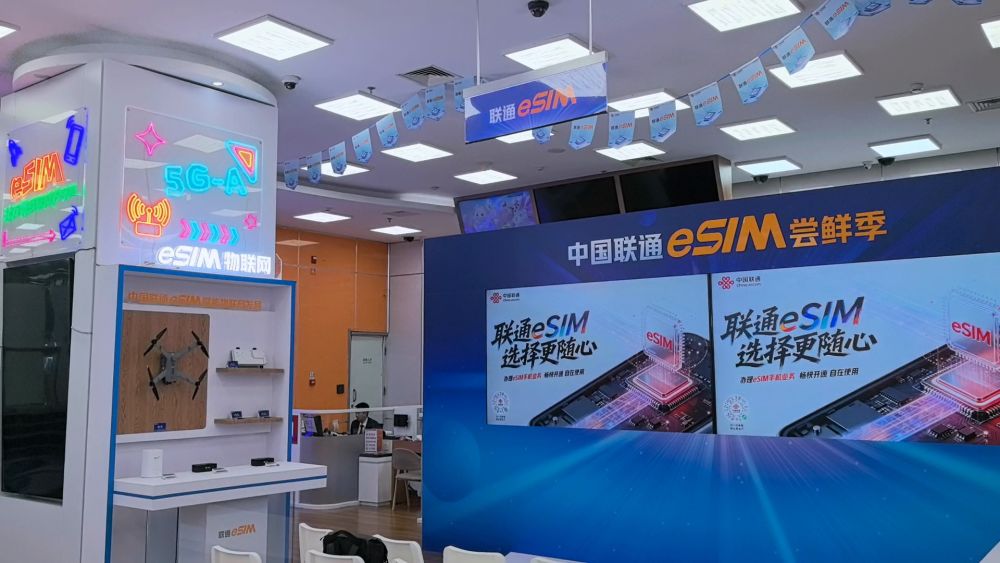
新华鲜报 | eSIM来了!手机“无卡时代”已近
Xin Hua She· 2025-10-15 13:59
Core Points - The launch of eSIM mobile services by China's three major telecom operators marks a significant shift towards eliminating physical SIM cards [1][2] - eSIM technology integrates SIM card functionality into the device's built-in chip, allowing users to download their phone numbers over the air [2] - The introduction of eSIM is expected to enhance user convenience, streamline operations, and drive upgrades across the entire industry chain [2][4] Group 1: eSIM Technology Overview - eSIM technology allows for the integration of SIM card functions into the device, eliminating the need for physical SIM cards [2] - Users can expect to perform operations such as activating and changing numbers without needing a physical card, simplifying the process significantly [2] - The technology is anticipated to enhance device design by reducing space occupied by SIM card slots, leading to thinner and more robust devices [2] Group 2: Industry Impact - The rollout of eSIM services is expected to stimulate investment across the industry chain, including smartphones, tablets, wearables, and connected vehicles [2][3] - Telecom operators are actively innovating and upgrading eSIM-related technologies and services, with China Unicom already having adapted 75 devices for eSIM wearables [4] - The shift from physical SIM cards to eSIM technology is projected to improve consumer experience and satisfaction [4]
eSIM来了!手机“无卡时代”已近
Xin Hua She· 2025-10-15 13:56
Core Viewpoint - The launch of eSIM technology in China marks a significant shift from traditional SIM cards, enhancing convenience and driving industry upgrades [1][2]. Group 1: eSIM Technology Overview - eSIM technology integrates the functionality of a physical SIM card into a built-in chip within smartphones, allowing users to download their phone numbers over the air [2]. - eSIM-enabled devices will maintain the same communication services as traditional phones, including voice calls, data, and SMS [2]. Group 2: Benefits of eSIM - The adoption of eSIM technology will lead to slimmer smartphone designs by reducing the space required for SIM card slots, enhancing durability against dust, water, and shocks [2]. - Users will benefit from simplified processes for activating and changing phone numbers without the need for physical SIM cards, addressing issues like lost cards and the hassle of swapping cards during international travel [2]. Group 3: Industry Impact - The trial launch of eSIM services is expected to stimulate investment across the entire supply chain, potentially increasing the demand for eSIM-compatible devices such as smartphones, tablets, wearables, and connected vehicles [2][3]. - eSIM technology is anticipated to extend into various smart applications, including vehicle networking and smart cities, facilitating digital and intelligent upgrades across industries [3]. Group 4: Operator Initiatives - Chinese telecom operators are actively innovating and enhancing eSIM-related technologies and services, with China Unicom already offering eSIM services for wearables since 2018, supporting 75 device models and millions of users [4]. - China Mobile is focusing on domestic technology development for eSIM chips and operating systems, while China Telecom aims to provide seamless activation and global roaming experiences for users [4].
新华鲜报丨eSIM来了!手机“无卡时代”已近
Xin Hua Wang· 2025-10-15 13:44
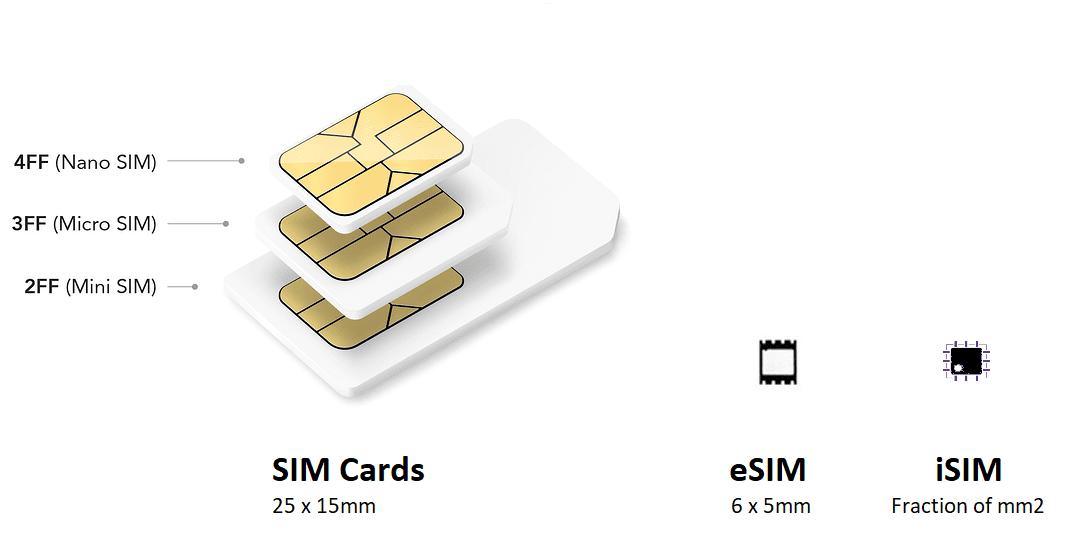
新华社北京10月15日电 题:eSIM来了!手机"无卡时代"已近 智能终端升级。随着技术升级迭代,手机SIM卡尺寸一直在缩小。eSIM技术可以进一步缩小SIM卡槽在手机等智能终端设备里的占用空间, 手机设计将更加轻薄。而且eSIM芯片将直接焊接在主板上,让手机在防尘、防水、抗震动等方面的能力变得更强。 使用更加便利。下一步,用户有望在无需实体卡的情况下进行开卡、换号等操作,显著简化业务办理流程;用户未来无需担心SIM卡遗失等 问题带来的不便,也不需要到处找卡针;对于跨国出行较多的人,也不需要频繁换卡…… eSIM落地不仅给消费者带来便利,更带来全产业链的升级契机。 新华社记者高亢、吴慧珺 无卡的eSIM来了,我们要跟手机SIM卡逐步说再见了。 近日,中国电信、中国移动和中国联通正式获得工信部eSIM手机商用试验批复许可,并在全国上线eSIM手机办理业务。 中国联通北京西单营业厅内的eSIM业务展示。(中国联通供图) 什么是eSIM? eSIM手机业务是一种将实体SIM卡功能集成到手机内置芯片中的技术。消费者购买具备eSIM功能的手机后,无需插入实体SIM卡,便可将电 话号码通过空中下载的方式写入手机内置eSI ...
港股通央企红利ETF天弘(159281)涨1.73%,成交额7884.05万元
Xin Lang Cai Jing· 2025-10-15 12:09
Core Points - The Tianhong CSI Hong Kong Stock Connect Central State-Owned Enterprises Dividend ETF (159281) closed up 1.73% on October 15, with a trading volume of 78.84 million yuan [1] - The fund was established on August 20, 2025, with an annual management fee of 0.50% and a custody fee of 0.10% [1] - As of October 14, the fund had a total of 336 million shares and a total size of 331 million yuan [1] - Over the past 20 trading days, the fund's cumulative trading amount reached 1.084 billion yuan, with an average daily trading amount of 54.22 million yuan [1] - The current fund manager is He Yuxuan, who has managed the fund since its inception, with a return of -1.76% during the management period [1] Holdings Summary - The top holdings of the Tianhong CSI Hong Kong Stock Connect Central State-Owned Enterprises Dividend ETF include: - COSCO Shipping Holdings (0.85% holding, 218,000 shares, market value of 2.9175 million yuan) [2] - Orient Overseas International (0.40% holding, 10,500 shares, market value of 1.3717 million yuan) [2] - China Foreign Transport (0.33% holding, 270,000 shares, market value of 1.1396 million yuan) [2] - China National Petroleum (0.32% holding, 162,000 shares, market value of 1.0973 million yuan) [2] - CITIC Bank (0.32% holding, 175,000 shares, market value of 1.1136 million yuan) [2] - CNOOC (0.29% holding, 58,000 shares, market value of 1.0041 million yuan) [2] - China Shenhua Energy (0.29% holding, 30,500 shares, market value of 982,600 yuan) [2] - China People's Insurance Group (0.29% holding, 164,000 shares, market value of 1.0107 million yuan) [2] - China Unicom (0.28% holding, 104,000 shares, market value of 952,800 yuan) [2] - Agricultural Bank of China (0.27% holding, 189,000 shares, market value of 933,900 yuan) [2]


继iPhone后,华为等厂商将发布eSIM机型
3 6 Ke· 2025-10-15 11:52
与之相应的,10月14日,媒体发现苹果的中国官网也同步更新了iPhone Air的发售信息。明确表示在中国大陆范围内,中国移动、中国电信、中国联通均 可为其提供eSIM支持,且消费者从官方购买的iPhone Air均为"无合约机"。 换言之,10月22日正式发售的iPhone Air(官方渠道)不仅允许消费者自由选择不同运营商所提供的网络,还支持他们根据个人的喜好在不同运营商的资 费套餐间灵活切换。在这样的背景下,已官宣获得"eSIM手机运营服务商用试验批复"的三大运营商也进入了eSIM预约的冲刺阶段,争相推出了自己的线 上预约通道。 | 中国民信合面支持eSIM虚拟卡槽 標 Phone Air全新工 | | --- | | 14 省出空间/颜值拉满 机双号/虚拟卡槽 | | eSIM取消物理卡槽 双号实用隐私保护 空间里新成就极致轻薄 握脱传统SIM卡繁琐拆装 | | 2 电信加持/安全给力 59 优惠购机/尊享权益 | | 电信反诈平台全网守护 购机最高直降10800元 严控境内外潜在威胁 享2000M宽带及5G-A高速网络 | | eSIM手机 | | 通过电子化卡数据文件 | | 替代物理卡片 | | ...

手机“无卡化”来了:三大运营商可线下办,eSIM手机赛道鸣枪
Bei Ke Cai Jing· 2025-10-15 11:34
Core Points - The launch of iPhone Air in China is set for October 17, following the approval of eSIM services by major telecom operators [2][9] - The domestic smartphone market is rapidly adapting to the eSIM technology, with companies like Huawei and OPPO planning to release eSIM-enabled devices [3][14] - The transition to eSIM technology is seen as a significant step towards a "no-card" era in mobile communications [4][12] Group 1: eSIM Launch and Adoption - Major telecom operators in China, including China Mobile, China Unicom, and China Telecom, have received approval to conduct eSIM mobile service trials [4][9] - China Telecom has confirmed that eSIM services are officially available in all 31 provinces and municipalities in China [9] - As of October 15, over 185,000 users have already registered for eSIM services through China Unicom [8] Group 2: Market Dynamics and Competition - The introduction of eSIM technology is expected to reduce the physical space required for SIM cards in devices, making them smaller and lighter [9] - The competitive landscape may shift as eSIM technology allows users to switch carriers more easily, potentially decreasing customer loyalty to specific operators [10][11] - By 2025, global eSIM smartphone connections are projected to reach 1 billion, with significant growth expected by 2030 [15] Group 3: Industry Implications - The eSIM technology is anticipated to streamline the production process for manufacturers, allowing for a unified hardware version across global markets [17] - The domestic eSIM market is still in its early stages, with many manufacturers observing consumer acceptance before fully committing to large-scale production [16][17] - The transition to eSIM is viewed as an irreversible trend, with the iPhone Air launch acting as a catalyst for further adoption [12]