自变量机器人

Search documents
云逛2025世界人工智能大会:800+企业集结,具身智能“霸馆”,人形机器人走进现实
机器人圈· 2025-08-01 11:55
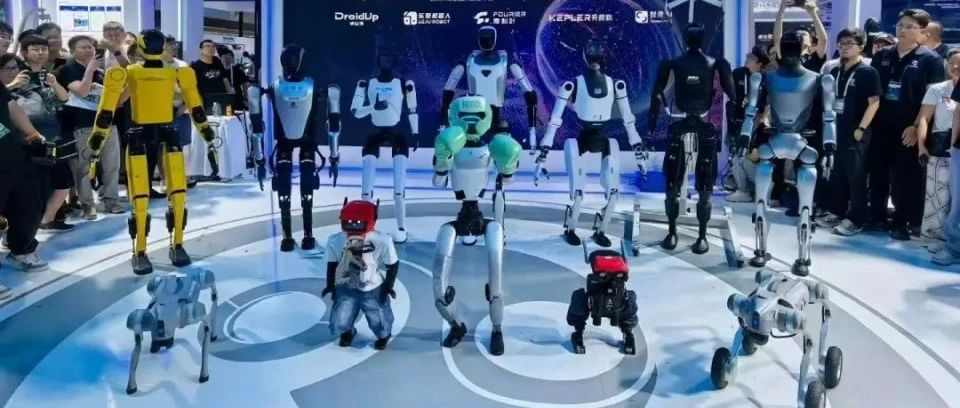
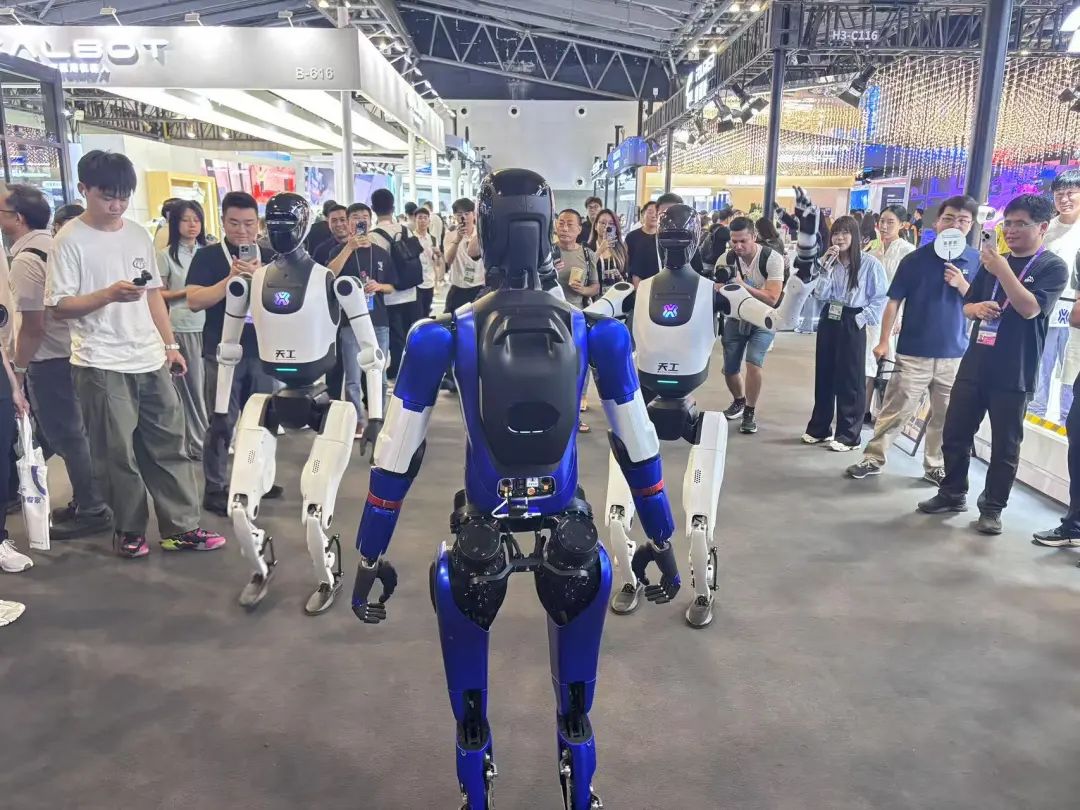
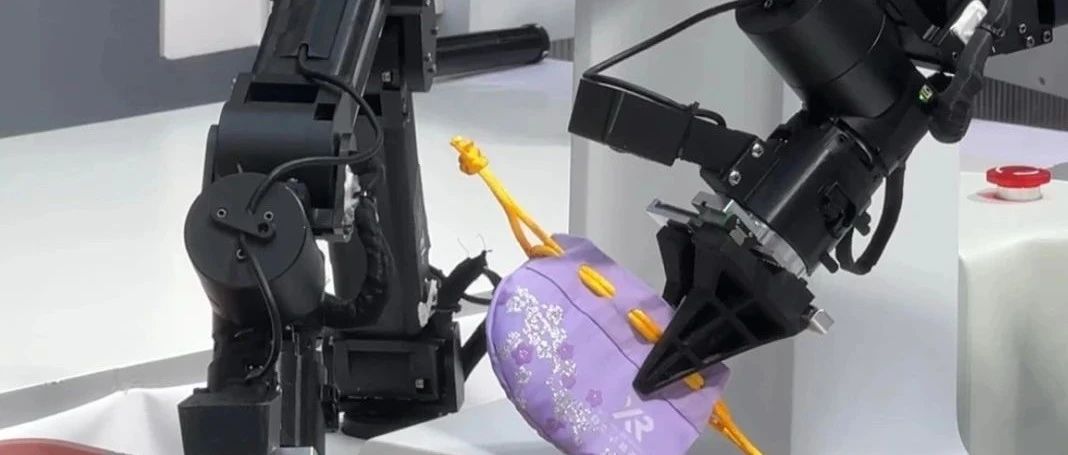
Core Insights - The World Artificial Intelligence Conference (WAIC 2025) held in Shanghai showcased the largest scale ever, featuring over 800 companies and covering more than 70,000 square meters, with significant innovations in AI models, intelligent hardware, and humanoid robots [2] Group 1: AI Models and Robotics - The self-variable robot "WALL-A" demonstrated advanced capabilities in personalized incense pouch creation, showcasing strong interference resistance and adaptability to complex environments [4] - The "Quantum 2" humanoid robot by self-variable features a flexible design with 62 degrees of freedom, capable of performing complex actions within a 0-2m workspace [6] - The "N2" high-dynamic motion platform and the emotional robot "Xiao Nuo" from Songyan Power exhibited breakthroughs in motion control and human-robot interaction [9] Group 2: Consumer Robotics - Aoshark Intelligent launched the VIATRIX exoskeleton robot, emphasizing fluid motion and a floating hip joint design, addressing common issues like energy consumption and battery life [10][62] - The RDK S100x robot showcased rapid voice recognition and visual positioning capabilities, enhancing its interaction with users [14] Group 3: Advanced Robotics and AI Integration - Lingqiao Intelligent presented products with varying finger configurations, demonstrating the ability to mimic human hand movements accurately [15] - The "Linker Hand" from Lingxin Qiaoshou displayed high precision by playing an electronic piano, highlighting advancements in dexterous manipulation [17] - The "Cyborg-R01" humanoid robot from Cyborg redefined operational standards in complex environments with its multi-modal capabilities [42] Group 4: Industrial Applications - The "DexForce W1 Pro" humanoid robot from Kuawei Intelligent successfully prepared coffee based on voice commands, showcasing practical applications in service industries [44] - The Beijing Humanoid Robot Innovation Center demonstrated a complete industrial task chain, illustrating the collaborative capabilities of multiple robots in executing complex tasks [56]

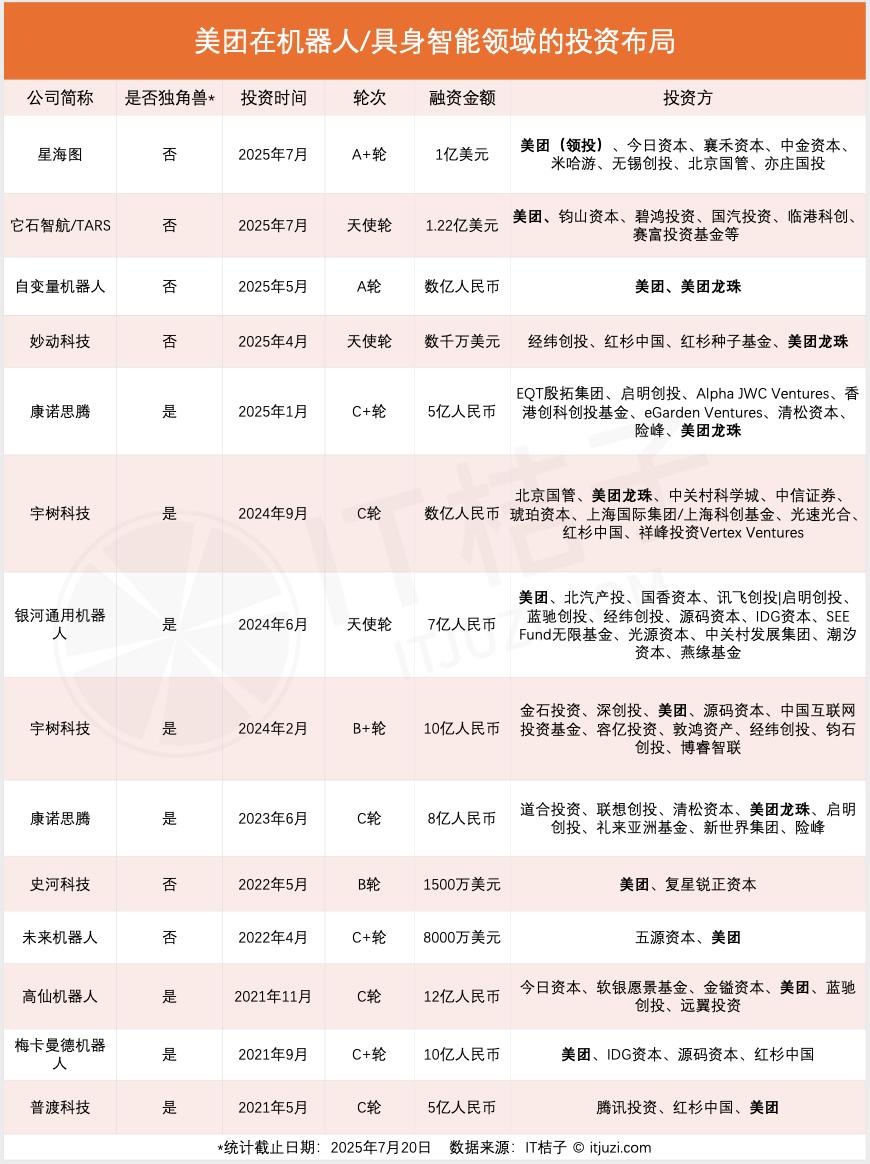
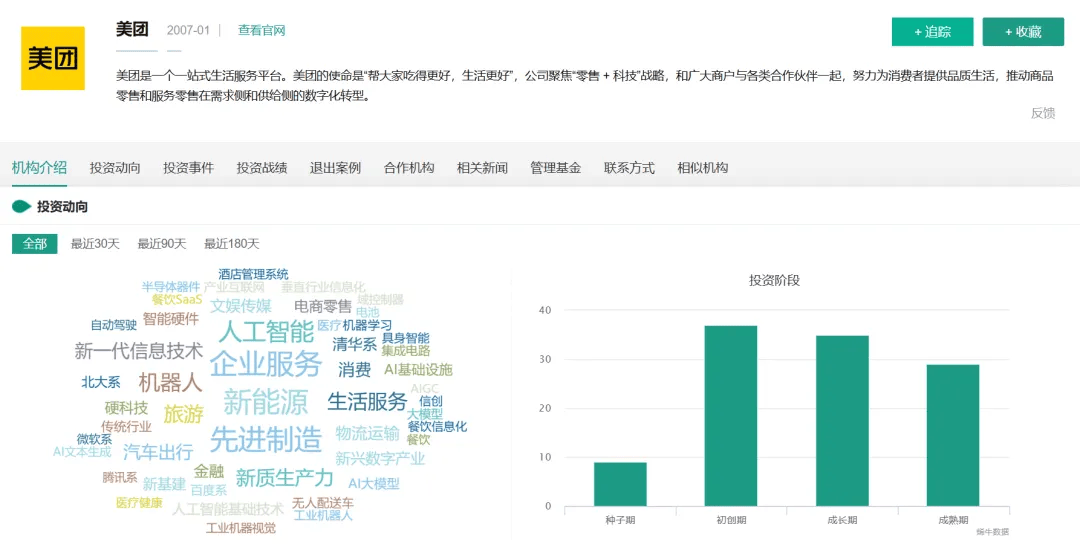
一年多时间里,美团在机器人领域连投8笔(附表)
3 6 Ke· 2025-07-30 09:39
据IT桔子统计,在2024年初至今,美团以平均 2个月出手一次的节奏,连续投下 8 笔机器人项目标的,投资金额预计超过5 亿元,覆盖天使轮、A轮、C+轮等多个轮次。 近一年重点投资案例,聚焦多场景多业态 2024年6月至2025年7月,美团在具身智能机器人领域完成7笔投资,包括星海图、它石智航、自变量机器人、妙动科技等, 涉及从核心技术研发到场景应用的多个环节,其中2025年的投资尤为密集,展现出对赛道的高度重视。 星海图(2025年7月,A+轮): 作为美团领投的重点项目,星海图聚焦于移动机器人的感知与决策系统,其核心技术可应用于复杂场景下的自主导航。本 轮融资吸引了今日资本、中金资本等10余家机构跟进,美团的领投不仅提供资金支持,更可能为其开放本地生活服务场景 的测试与落地渠道。 它石智航/TARS(2025年7月,天使轮): 成立初期便获得超1亿美元融资,创近年机器人领域天使轮新高。 TARS公司专注于低空物流无人机研发,与美团即时配送场景高度契合——其研发的小型无人机可实现3公里内"分钟级"配 送,弥补传统地面配送在交通拥堵时段的效率短板。 自变量机器人(2025年5月,A轮): 由美团及其旗下龙珠资 ...

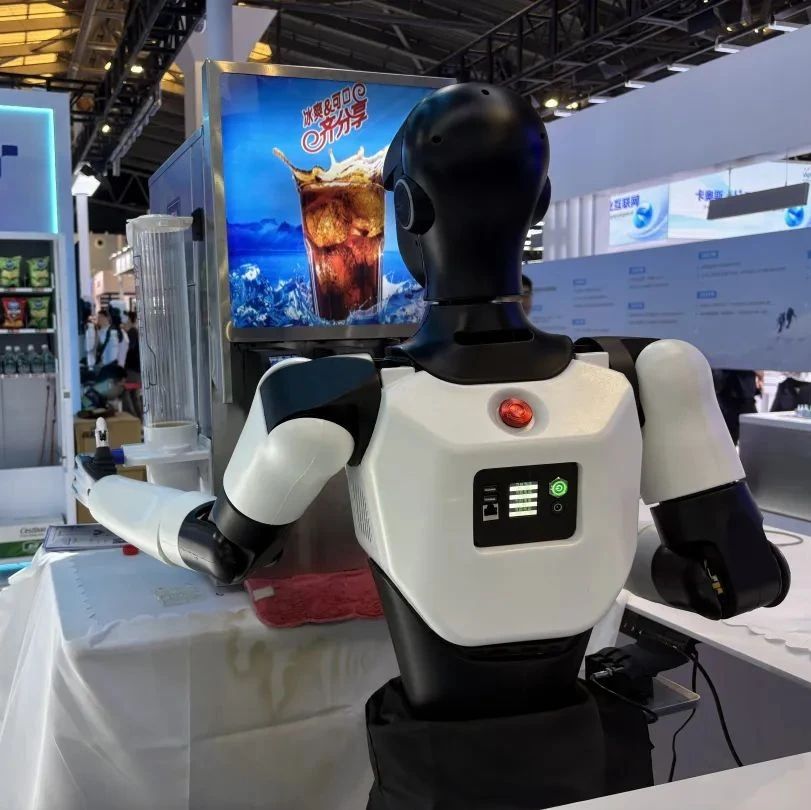
倒可乐的机器人,明天要进厂打工了
第一财经· 2025-07-29 03:39
Core Viewpoint - The trend of humanoid robots entering factories is irreversible, with a focus on how to effectively integrate them into existing systems to enhance efficiency [5][6][10]. Group 1: Necessity of Humanoid Robots in Factories - Humanoid robots are increasingly seen as necessary in factories to address labor shortages and improve flexibility in production lines [6][8]. - The current industrial landscape faces challenges such as low yield rates and slow innovation, which humanoid robots can help mitigate by replacing human labor in specific tasks [6][8]. - The integration of humanoid robots into highly automated environments requires a comprehensive approach that combines processes, data, and intelligence, rather than treating them as isolated technologies [8][10]. Group 2: Current Challenges and Limitations - Many humanoid robots currently lack the dexterity and efficiency needed for complex tasks, leading to skepticism about their effectiveness in industrial settings [7][9]. - The proof of concept (PoC) cycle for humanoid robots in industrial applications is similar to that in service sectors, but the real challenge lies in achieving commercial viability [8][9]. - Some industry leaders express low expectations for the immediate efficiency gains from humanoid robots, viewing their introduction more as a statement of technological commitment than a solution to operational challenges [9]. Group 3: Future Prospects and Development - The development of humanoid robots is expected to accelerate, with improvements in control systems, visual recognition, and operational flexibility [7][10]. - Companies are exploring the integration of humanoid robots into existing production lines without disrupting current workflows, aiming for seamless operation [12]. - The potential for humanoid robots to fill the automation gap in flexible production environments is recognized, particularly in tasks that require high levels of adaptability and decision-making [12].
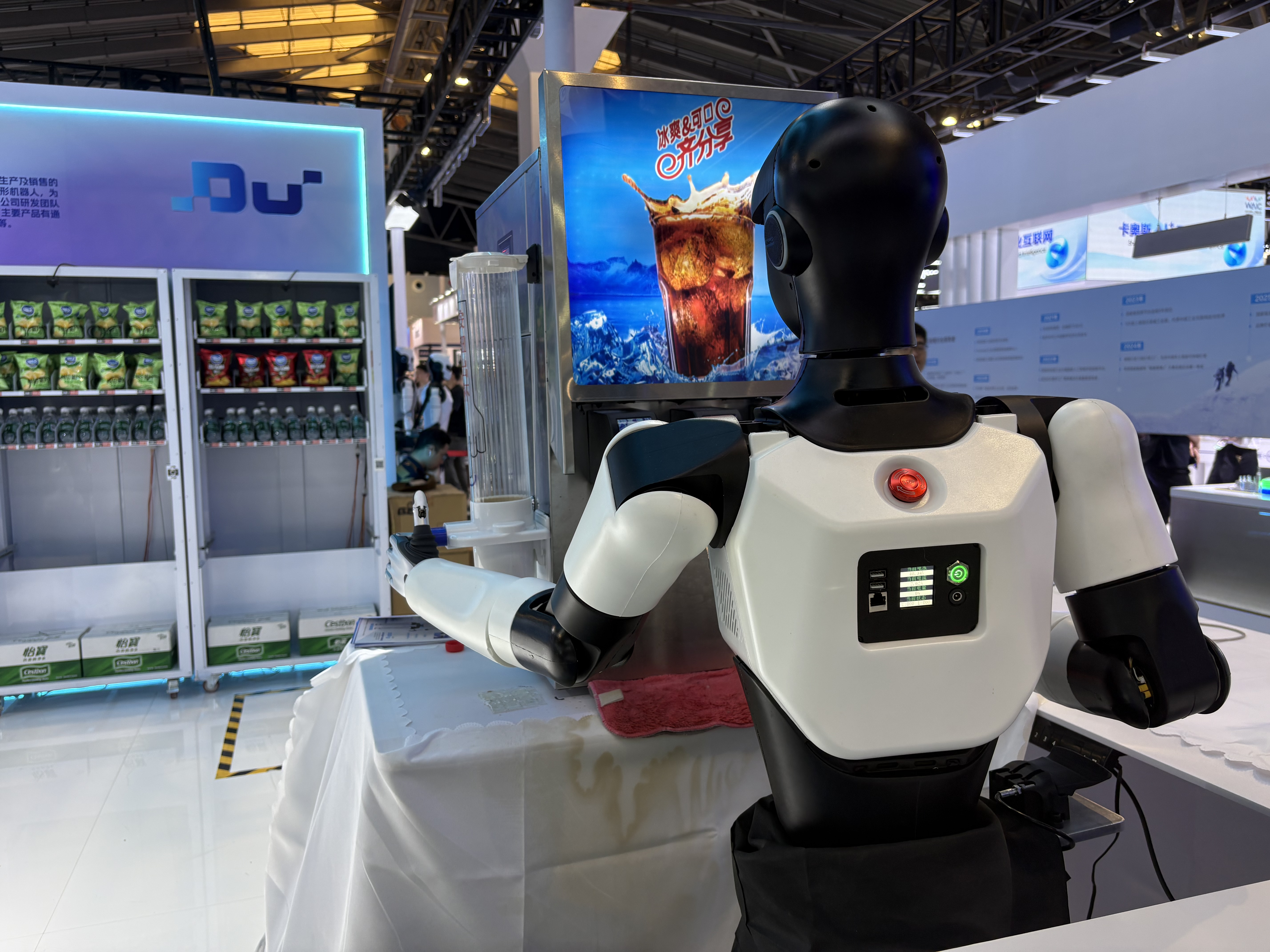
在WAIC倒可乐的机器人,明天要进厂打工了
Di Yi Cai Jing· 2025-07-28 12:15
Core Insights - The trend of humanoid robots entering factories is irreversible, with a focus on how to effectively integrate them into existing systems to enhance efficiency [6][9] - Humanoid robots are expected to address labor shortages and improve flexibility in production lines, despite current limitations in their operational capabilities [6][10] - The integration of humanoid robots into highly automated factories presents challenges, particularly in achieving seamless interaction with existing processes and data systems [8][10] Group 1: Humanoid Robots in Industry - The "Walker No. 3" humanoid robot, introduced at the WAIC, can carry 10 kg and has a dynamic endurance of 6 hours, showcasing its potential for both service and industrial applications [1] - The K2 "Wasp" humanoid robot demonstrated its capabilities in an 8-hour live work session, indicating the growing interest in humanoid robots for industrial tasks [5] - Companies are exploring the integration of humanoid robots into highly automated "dark factories," but the effectiveness of this integration remains to be fully realized [5][6] Group 2: Industry Challenges and Perspectives - Experts emphasize the need for a governance mechanism to ensure that humanoid robots can evolve alongside human workers without causing disruptions [9] - The current limitations of humanoid robots, such as their clumsiness and inability to perform complex tasks fluidly, are acknowledged, but the industry is encouraged to view these as developmental challenges rather than deterrents [7][9] - The introduction of humanoid robots is seen as a way to fill the automation gap in flexible production environments, even in factories with high automation rates [10]

我在WAIC看见了具身智能N种落地,和一个趋势
3 6 Ke· 2025-07-28 09:20
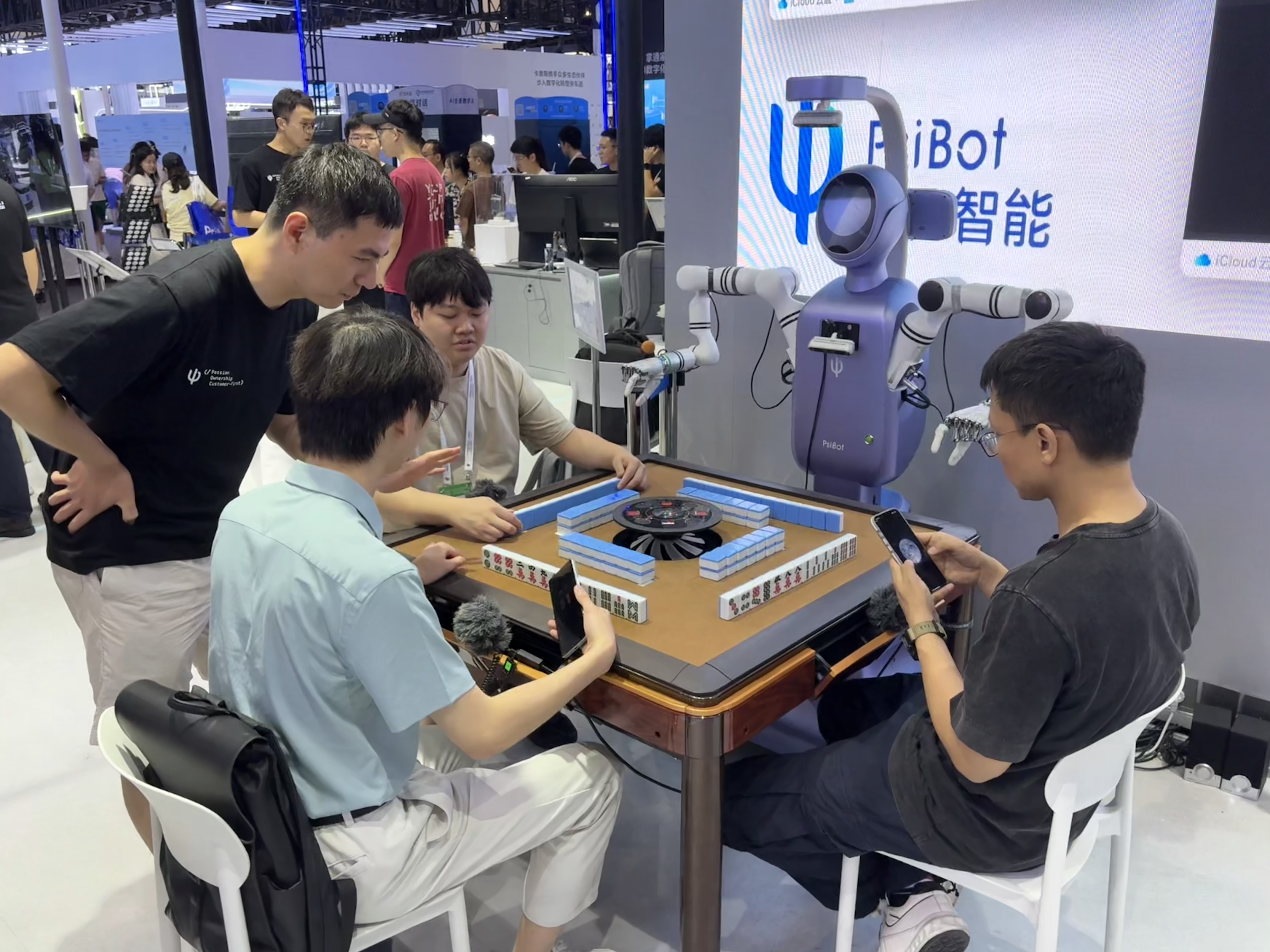
Core Insights - The core message of the article emphasizes that embodied intelligence companies are focusing on both physical durability and cognitive capabilities, recognizing that successful products must excel in both areas [1][5][12] Group 1: Event Overview - The WAIC 2025 showcased over 90 diverse embodied intelligence robots, marking a significant increase from the previous year's event, which featured only a handful of static displays [2][5] - The atmosphere at WAIC 2025 was characterized by active demonstrations of robots performing various tasks, indicating a shift from mere exhibition to practical application [5][6] Group 2: Industry Consensus - There is a shared understanding among exhibitors that the ultimate goal is to integrate robots into household scenarios, although no clear application scale has been defined yet [5][12] - The industry is exploring both industrial and retail applications, with companies recognizing the need for collaboration rather than competition in developing viable use cases [5][12][14] Group 3: Technological Advancements - Robots demonstrated a wide range of capabilities, from performing complex tasks like making ice cream to engaging in games like Mahjong, showcasing advancements in real-time perception and decision-making [10][11] - The focus on cognitive abilities is evident, as companies are working to enhance robots' reasoning and planning skills to improve their operational effectiveness [9][10] Group 4: Market Applications - The article highlights the dual focus on industrial and retail applications, with companies like Galaxy General showcasing robots in both settings, indicating a growing market for robotic solutions [12][14] - Retail environments are seen as transitional spaces for robots before they enter household settings, providing a lower-stakes environment for technology to mature [14][15] Group 5: Future Outlook - While there is no consensus on when robots will become commonplace in households, the article suggests that advancements in flexibility and navigation capabilities are paving the way for future integration [15] - The design of robots is evolving to be more approachable and safe, which is crucial for acceptance in domestic environments [15]
仿真不稳、真机太贵?机器人数据最优解出现了吗
第一财经· 2025-07-28 07:01
2025.07. 28 本文字数:2822,阅读时长大约5分钟 作者 | 第一财经 乔心怡 张甜甜 近期,加州大学伯克利分校副教授、Physical Intelligence(PI)的联合创始人Sergey Levine在一篇文 章中提到,"机器人数据训练,真实世界数据不可或缺",引起了行业讨论。 这一观点之所以引发关注,是因为它挑战了业界部分企业"以仿真数据替代真机"的做法。在训练成本高 昂、数据获取难的背景下,企业该优先依赖成本低、速度快的仿真数据,还是回归真实环境、积累高质量 的真机数据,成为摆在每一家具身智能公司面前的一道关键技术选题。 PI 曾被视为机器人领域的 OpenAI,也是国内不少企业的对标对象。7月28日,在2025年世界人工智能 大会(WAIC)现场,第一财经采访了多位机器人企业的创始人和技术负责人,试图厘清一个核心问题: 在机器人进入真实场景的关键时刻,什么样的数据才真正有价值? 业界难定孰优孰劣 "仿真数据很难涵盖所有物理世界中我们希望机器人完成的任务。"智元机器人合伙人、具身业务部总裁姚 卯青表示,Sergey Levine 提出的"叉勺理论"与公司在实验中观察到的结论高度一致:部 ...
WAIC观察|仿真不稳、真机太贵?机器人数据最优解出现了吗
Di Yi Cai Jing· 2025-07-28 02:07
Core Viewpoint - The debate between the value of real-world data versus simulation data in robot training is intensifying, with industry leaders emphasizing the necessity of real data for complex tasks while acknowledging the cost-effectiveness of simulation data for simpler tasks [1][2][4]. Group 1: Importance of Real Data - Sergey Levine, co-founder of Physical Intelligence, argues that real-world data is essential for effective robot training, challenging the reliance on simulation data [1]. - Industry experts, such as Yao Maoqing from Zhiyuan Robotics, support Levine's view, stating that while some tasks can be trained using simulation, most complex tasks require real data [1][3]. - The CEO of Qingtong Intelligent, Li Tong, emphasizes that robots must be deployed in real environments to accumulate valuable training data, suggesting that a deployment scale of tens of thousands is necessary for effective data collection [3]. Group 2: Simulation Data Advantages - Companies like Galaxy General advocate for simulation data, claiming it allows for faster learning and lower costs, even enabling training without real data [2]. - The COO of Self-Variable Robotics, Yang Qian, acknowledges the role of simulation in training lower-body movements but stresses that real-world data is crucial for tasks involving complex interactions [10][12]. - The industry faces a dilemma in balancing the use of simulation and real data, with some companies using a 7:3 ratio of simulation to real data, while others prefer a 3:1 ratio favoring real data [9][10]. Group 3: Challenges and Future Directions - The industry is grappling with the technical challenge of integrating simulation and real data effectively, as highlighted by Chen Yuanpei from Lingchu Intelligent, who notes that data from different sources must be weighted differently [9]. - The consensus is that while simulation data is beneficial for initial training phases, real data is indispensable for achieving advanced capabilities in robots [10][12]. - Companies are increasingly focusing on building extensive real-world data sets to enhance their models, with Zhiyuan Robotics aiming to create a comprehensive dataset to support embodied intelligence [10][12].
自变量机器人携多机智能群亮相WAIC 2025:制作非遗香囊、收拾家务
IPO早知道· 2025-07-27 10:59
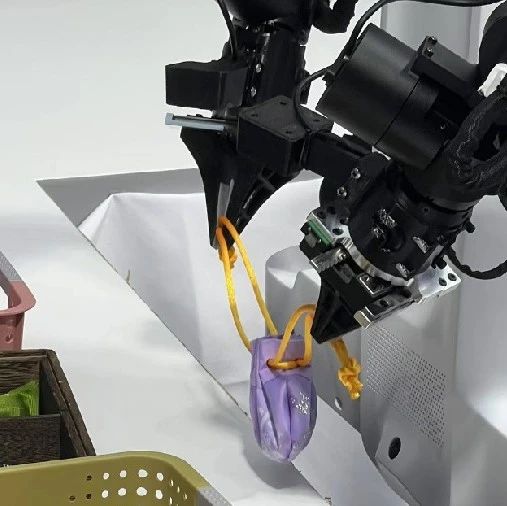
Core Viewpoint - The article highlights the advancements in embodied intelligence through the demonstration of self-developed general-purpose robots by the company, showcasing their ability to perform complex tasks autonomously in dynamic environments [2][9]. Group 1: Robot Capabilities - The self-developed general-purpose embodied model WALL-A enables the robot "Xiaoliang" to autonomously learn to make sachets within a few days, demonstrating strong anti-interference capabilities in complex sound and light environments [4]. - The robot "Xiaobai" can autonomously navigate and organize a messy living room upon receiving a simple voice command, utilizing semantic navigation and real-time visual input without prior environmental modeling [6]. - The dual-arm humanoid robot "Quantum 2" made its debut, equipped with the WALL-A model, showcasing strong collaborative capabilities between hardware and software to perform various complex actions [8]. Group 2: Industry Impact - The demonstration at WAIC 2025 is notable for the robots' ability to complete a series of complex operations autonomously in an open and random environment, achieving true autonomous perception, decision-making, and high-precision operation [9]. - The company aims to continue building an ecosystem with partners across the industry to lead the large-scale implementation and practical application of embodied intelligence [9].
美团王兴:3年狂投30家,中国具身智能最大金主
Sou Hu Cai Jing· 2025-07-25 06:02
Core Insights - Wang Xing, the founder of Meituan, has made significant investments in over 30 robotics-related companies, totaling more than 10 billion yuan, with a focus on humanoid robots [1][2] - He has emerged as the largest investor in embodied intelligence in China, actively participating in funding rounds and forming strategic partnerships with key players in the industry [2][3] - Meituan is building a comprehensive "robot army," integrating AI, hardware, and various application scenarios, indicating a shift towards a new industrial ecosystem [3][4] Investment Strategy - In 2025, Meituan's investments have been exclusively directed towards embodied intelligence companies, with significant amounts being invested in core innovators [5][6][8] - The investment frequency and amounts are substantial, with Meituan leading multiple funding rounds, including a notable $122 million investment in Itai Zhihang [6][10] - The investment strategy reflects a long-term vision, moving beyond short-term gains to establish a robust ecosystem in robotics and AI [4][19] Strategic Shift - Meituan's strategic direction has evolved from a focus on food delivery to a broader emphasis on technology and robotics, marking a significant transformation in its business model [20][21] - The company has shifted its investment focus from consumer brands to hard technology, with a notable increase in investments in robotics and AI since 2021 [21][22] - This strategic pivot is supported by the establishment of the Meituan Robotics Research Institute, which collaborates with top universities to advance key technologies [23][24] Future Outlook - The investments in robotics are seen as foundational for Meituan's future operations, aiming to create a system where services are automated and less reliant on human labor [30][38] - Wang Xing's vision includes transforming the physical world into a system that can be managed and optimized through software, positioning robotics as a critical infrastructure for the future [31][32] - Meituan's comprehensive approach to building a robotics ecosystem indicates a proactive stance in preparing for the next wave of technological advancement [36][37]

京东和美团,又在这一赛道“打”起来了!
第一财经· 2025-07-21 14:44
Core Viewpoint - JD.com and Meituan are actively competing in the humanoid robot investment sector, with both companies making significant investments to enhance their capabilities as "enablers" in the commercialization of humanoid robots [1][4][6]. Investment Activities - Since 2024, both JD.com and Meituan have invested in humanoid robot projects with amounts not less than 100 million yuan, often taking the lead in funding rounds [4][6]. - JD.com has made three significant investments in humanoid robotics on July 21, 2025, including LimX Dynamics, which is strategically led by JD.com, and the funding rounds for Zhongqing Robotics and Qianxun Intelligent, totaling nearly 10 billion yuan and 6 billion yuan respectively [5][6][7]. - Meituan has also been active, participating in six investment rounds in humanoid robotics since 2024, including leading roles in funding rounds for companies like Xinghai Map and Itstone Intelligent [7][8]. Strategic Positioning - Both companies are not only providing capital but also leveraging their sales channels and resource scenarios to support the commercialization of humanoid robots [1][9]. - JD.com has established a "Smart Robot Business" department and has signed contracts with over 30 intelligent brands to promote sales on its platform, indicating a strong focus on operational capabilities [9][10]. - Meituan's reliance on near-field e-commerce scenarios allows it to offer substantial landing resources for robot companies, enhancing their market presence [10][11]. Market Dynamics - The competition in the humanoid robot sector is characterized by the need for startups to find partners that can provide real orders, data, and scenarios, which are more critical than mere valuations [2][9]. - Real-world applications are seen as essential for driving rapid iteration and maturity of robot products, with both JD.com and Meituan expected to integrate robotics into their existing service offerings [11].