易鑫集团

Search documents
稳定币泡沫化,监管喊话“降温”
和讯· 2025-08-01 09:18
Core Viewpoint - The implementation of Hong Kong's "Stablecoin Regulation" marks a significant milestone for the sustainable development of the stablecoin and digital asset ecosystem in Hong Kong, with a comprehensive regulatory framework now in place for fiat-backed stablecoins [2][3]. Group 1: Regulatory Framework - The "Stablecoin Regulation" officially came into effect on August 1, establishing clear rules for the issuance and regulation of stablecoins, transitioning them from an unregulated state to mainstream financial markets [6]. - The regulation requires any institution issuing or promoting fiat-backed stablecoins in Hong Kong to operate under a license, with severe penalties for non-compliance [6]. - The Hong Kong Monetary Authority (HKMA) has set high entry barriers for license applicants, including a minimum paid-up capital of HKD 25 million and sufficient liquid assets, ensuring a robust foundation for the stablecoin industry [6][7]. Group 2: Market Performance and Investment Sentiment - Following the announcement of the regulation, there has been a surge in investment interest, with stablecoin-related stocks in both A-shares and Hong Kong stocks experiencing significant price increases, some doubling in value [3][11]. - The stablecoin index has risen by 60% year-to-date, reflecting strong market enthusiasm despite the fact that many companies are still in the early stages of developing stablecoin-related businesses [3][11]. - However, on the day the regulation was enacted, many stablecoin concept stocks saw a decline, indicating potential volatility and market correction [3][17]. Group 3: Future Prospects and Challenges - The stablecoin market has grown significantly, with a total market capitalization exceeding USD 260 billion, and projections suggest it could reach USD 3.7 trillion by 2030 [5]. - Despite the optimistic outlook, there are concerns about the over-conceptualization and bubble-like tendencies in the stablecoin market, as many companies lack practical applications and risk management capabilities [14][15]. - The HKMA has indicated that only a limited number of licenses will be issued initially, which may lead to disappointment among many applicants [9][15]. Group 4: Industry Developments and Innovations - The HKMA plans to launch a "Stablecoin Issuer Sandbox" in March 2024, allowing participants to demonstrate viable stablecoin issuance processes and robust internal controls [7]. - Major companies like Ant Group and JD.com are expected to apply for stablecoin licenses, leveraging their technological expertise and existing applications to enhance cross-border payment efficiency [8][9]. - The market has seen a trend where companies announcing intentions to explore stablecoin business have experienced significant stock price increases, indicating a speculative environment [14].


易鑫集团(02858.HK)8月19日举行董事会会议考虑及通过中期业绩
Ge Long Hui· 2025-08-01 09:07
格隆汇8月1日丨易鑫集团(02858.HK)公布,谨定于2025年8月19日(星期二)举行董事会会议,藉以考虑 及通过之事项包括刊发集团截至2025年6月30日止六个月的中期业绩公告,及考虑派发中期股息(如 有)。 ...
易鑫集团(02858) - 董事会会议召开日期
2025-08-01 08:47
香港交易及結算所有限公司及香港聯合交易所有限公司對本公告的內容概不負責,對其準確性 或完整性亦不發表任何聲明,並明確表示,概不對因本公告全部或任何部份內容而產生或因倚 賴該等內容而引致的任何損失承擔任何責任。 YIXIN GROUP LIMITED 易鑫集團有限公司 董事會會議召開日期 Yixin Group Limited易鑫集团有限公司(「本公司」,連同其附屬公司及併表聯屬實 體統稱「本集團」)董事(「董事」)會(「董事會」)茲通告謹定於2025年8月19日(星 期二)舉行董事會會議,藉以考慮及通過之事項包括刊發本集團截至2025年6月30 日止六個月的中期業績公告,及考慮派發中期股息(如有)。 承董事會命 Yixin Group Limited 易鑫集团有限公司 主席 張序安 香港,2025年8月1日 於本公告日期,董事包括: 執行董事 張序安先生、曾令祺先生及姜東先生 非執行董事 曾偉業先生 獨立非執行董事 袁天凡先生、郭淳浩先生、董莉女士及嚴志雄先生 (於開曼群島註冊成立的有限公司, 以「Yixin Automotive Technology Group Limited」的名義於香港經營業務) (股 ...
对话易鑫首席AI科学家、高级副总裁张磊:AI如何重塑汽车金融服务生态
3 6 Ke· 2025-07-31 03:58
Core Insights - The article discusses the transformative impact of artificial intelligence (AI) on the global economy, highlighting China's dual advantages as both a large-scale application scenario and a hub for breakthroughs in chips and algorithms [3] - The World Artificial Intelligence Conference (WAIC 2025) showcased AI's evolution from an "industrial variable" to a "civilizational constant," emphasizing its significance in various sectors [3] Company Overview - Yixin Group is an AI-driven fintech platform established in 2014 and listed in Hong Kong in 2017, focusing on providing accessible automotive financing and value-added services [4] - The company operates in over 340 cities, serving more than 100 manufacturers and financial institutions, and has partnered with 42,000 dealerships, cumulatively serving over 10 million users [4] AI Integration and Challenges - The automotive finance industry is transitioning from a labor-intensive model to an AI-intensive one, with AI expected to play a central role in decision-making processes [7] - Key challenges include making high-quality, transparent decisions and ensuring data privacy compliance while achieving effective outcomes [5] Service Efficiency - Yixin has streamlined its automotive finance service chain, achieving rapid online approval processes that can reach "second-level" efficiency in risk control, significantly enhancing user experience [6] Future Trends - The industry is expected to see a gradual shift towards AI-driven decision-making, with Yixin's proprietary "Zhixin Multi-Dimensional" AI model being a significant development, having passed regulatory approval [7] - The company aims to position itself as a technology enabler within the automotive finance ecosystem, promoting intelligent development across the industry [8] Strategic Positioning - In the next 3 to 5 years, the industry is anticipated to undergo deep integration of AI, transforming it from a tool to a strategic asset that enhances operational efficiency and user experience [11] - Yixin's strategy includes supporting Chinese automotive enterprises in their global expansion, filling a niche in the market for companies that assist Chinese firms abroad [12]
稳定币概念牛股频现,警惕炒作风险
第一财经· 2025-07-29 05:33
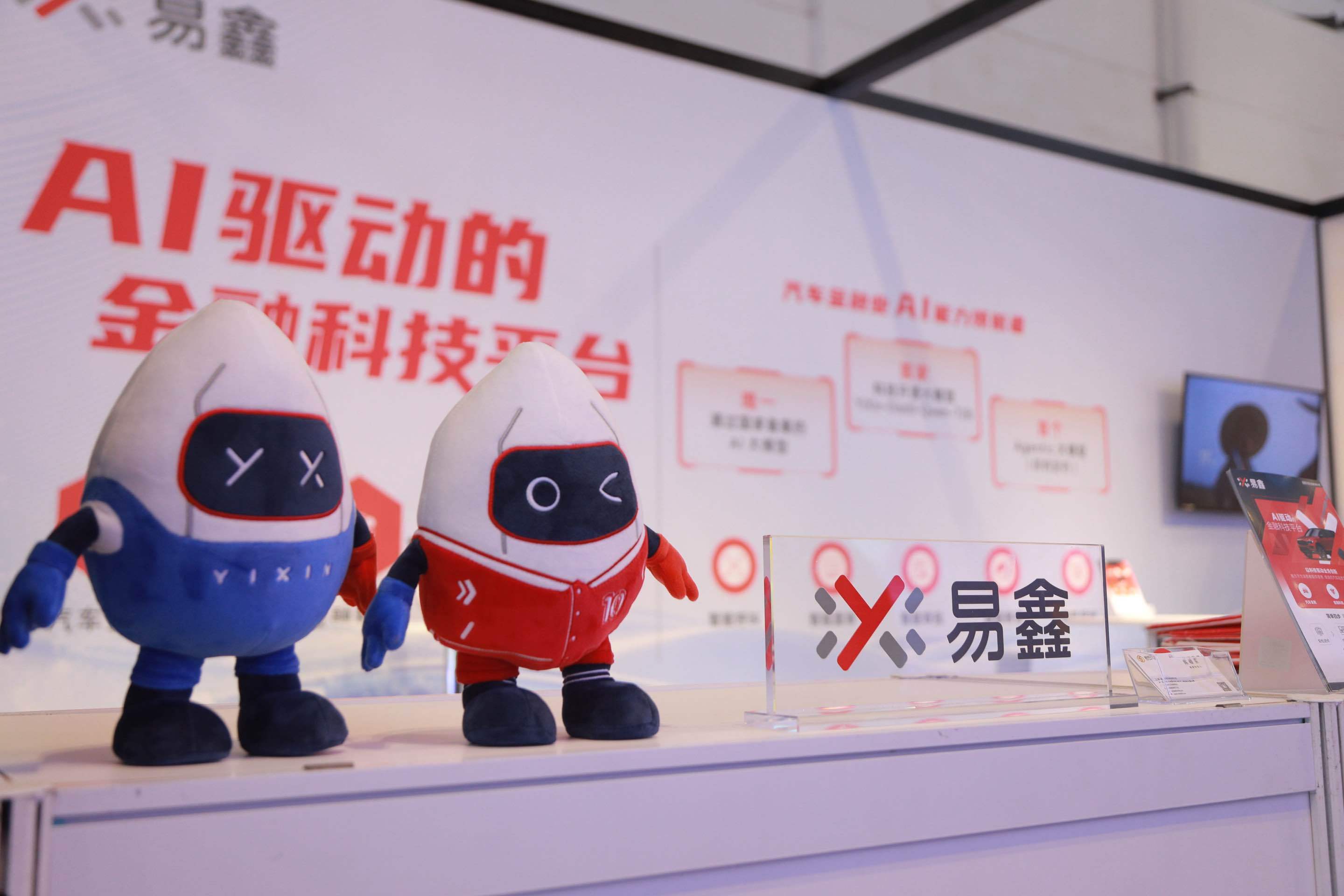
Core Viewpoint - The implementation of the Hong Kong Stablecoin Regulation on August 1 has led to a surge in digital currency concept stocks, with many experiencing significant price increases, although the underlying business support remains insufficient [1][6]. Group 1: Market Reaction - The capital market has reacted swiftly to the upcoming stablecoin regulation, with digital currency concept stocks collectively soaring [1]. - Companies like China San San Media and Jiamu Technology have seen year-to-date increases exceeding 1000% [1]. - In the A-share market, stocks such as Dongxin Peace and Sifang Jingchuang have also surged based on announcements related to stablecoin business collaborations [1][6]. Group 2: Notable Stock Performances - Guotai Junan International's stock rose by 198% on June 25 after receiving approval for virtual asset trading services, marking the largest single-day gain in the Hong Kong fintech sector [4]. - China San San Media's stock skyrocketed by 72.73% following its announcement to apply for a stablecoin license, with a year-to-date increase of 1839% [5]. - Jiamu Technology's stock increased by 22% after announcing plans to enter the stablecoin sector, with a total year-to-date rise of 1612% [5]. Group 3: Industry Sentiment and Concerns - The Hong Kong Monetary Authority has indicated that only a few stablecoin licenses will be granted initially, leading to potential disappointment among companies [11]. - Many companies are currently in the early stages of stablecoin-related business development, with little to no actual revenue generated from these initiatives [10][11]. - There is a growing concern about the speculative nature of the market, with some companies clarifying that their involvement in stablecoins does not significantly contribute to their revenues [10][12]. Group 4: Shareholder Actions - Several shareholders of concept stocks are taking advantage of the price increases to reduce their holdings, indicating a cautious approach amidst the market hype [12][13].

香港稳定币条例生效在即,十倍概念牛股频现,警惕炒作风险
Di Yi Cai Jing· 2025-07-28 12:51
Group 1 - The core viewpoint of the articles highlights the significant surge in the stock prices of companies involved in the stablecoin sector following the implementation of the Hong Kong Stablecoin Regulation on August 1 [1][2] - Companies such as China San San Media and Jiamu Technology have seen their stock prices increase by over 1000% this year, while others like Yao Cai Securities and Okex Chain have also experienced substantial gains exceeding 100% [1][5] - The A-share market has similarly witnessed a trend where companies without licenses have seen their stock prices rise due to announcements related to stablecoin business collaborations or strategic plans [1][5] Group 2 - The stock price of Guotai Junan International surged by 198% on June 25 after receiving approval from the Hong Kong Securities and Futures Commission to provide virtual asset trading services, marking the largest single-day gain in the Hong Kong fintech sector [3] - China San San Media announced its preparation for applying for a stablecoin license, leading to a 72.73% increase in its stock price on July 16, with a year-to-date increase of 1839% [4] - Jiamu Technology's stock rose by 22% after announcing that funds from a share placement would be used to enter the stablecoin market, with a year-to-date increase of 1612% [4] Group 3 - The Hong Kong Monetary Authority has indicated that only a few stablecoin licenses will be granted in the initial phase, and even with a license, the short-term profitability for companies remains uncertain due to required resource investments [1][8] - Many companies have not yet generated substantial revenue from their stablecoin-related activities, and some have issued clarifications stating that their contributions to revenue are minimal [8][9] - There is a growing concern about the speculative nature of the stablecoin market, with some companies experiencing stock price increases based solely on announcements of intentions to explore stablecoin business [5][9]
易鑫首度亮相WAIC,汽车金融首个Agentic大模型已进入攻坚阶段
Xin Lang Zheng Quan· 2025-07-27 09:06
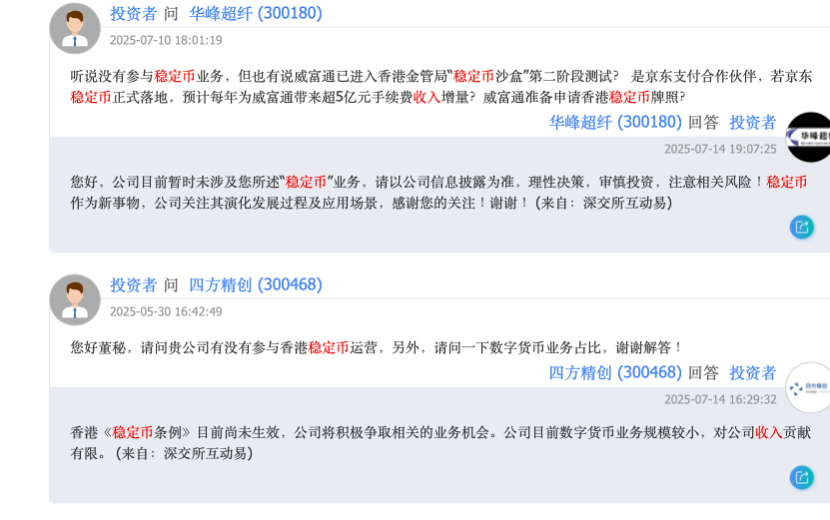
Core Insights - The World Artificial Intelligence Conference (WAIC 2025) was held in Shanghai from July 26 to 29, showcasing significant advancements in AI technology and its applications in various industries, particularly in automotive finance [2][3] - Yixin (02858.HK) made its debut at the conference, presenting its AI innovations in the automotive finance sector, including the development of the first Agentic large model in the industry, which is currently in the critical phase of development [1][4][8] Company Developments - Yixin has been advancing AI technology in risk control and business applications since 2018, establishing a decision flow platform, model platform, and multiple generations of robotic platforms, with a comprehensive layout of large models and multimodal technology in 2023 [4][6] - The company achieved several industry firsts, including being the first in China's automotive finance sector to file for a generative AI large model in 2024 and launching a high-performance inference model in March 2025 [6][10] - The Agentic large model is designed to automate and optimize the entire process of automotive finance, significantly improving efficiency and user experience by enabling dynamic decision-making and collaboration among virtual assistants [8][10] Industry Impact - The advancements in AI technology by Yixin are expected to enhance the efficiency of the automotive finance industry and drive digital transformation across the entire supply chain [10] - The focus on vertical scene deepening in AI technology indicates a shift from general capabilities to specialized applications tailored to the characteristics of the automotive finance sector [10]
香港稳定币发行“倒计时” 相关概念股大放异彩
Zheng Quan Shi Bao· 2025-07-25 18:08
Core Viewpoint - The implementation of Hong Kong's "Stablecoin Regulation" on August 1 marks a significant milestone, leading to increased market interest and notable performance in related stocks, including several "10x bull stocks" [1][2]. Group 1: Market Performance - Since June, stablecoin-related stocks have surged, with companies like China San San Media and Jiaming Technology achieving remarkable gains, including a 72.73% increase in China San San Media's stock on July 16, and a cumulative increase of 17.70 times this year [2]. - Jiaming Technology has also seen its stock price double since June, with a cumulative increase of 16.12 times this year [2]. - Other stocks such as Yao Cai Securities, OK Blockchain, Yunfeng Financial, and others have reported cumulative increases exceeding 100% this year [3]. Group 2: Strategic Moves and Financing - Companies are actively preparing for stablecoin issuance, with China San San Media announcing plans to apply for a stablecoin license and utilizing funds from new share placements [2]. - Fourth Paradigm announced a placement of 25.9 million shares to raise approximately HKD 1.308 billion, aiming to develop a "stablecoin intelligent risk control & compliance solution" [5]. - ZHONGAN Online completed a share placement to raise HKD 3.92 billion, with 30% allocated for fintech innovation, and is involved in providing banking services for stablecoin issuers [6]. Group 3: Regulatory Environment - The Hong Kong Monetary Authority (HKMA) is set to release a summary of the "stablecoin issuer licensing system," which will detail the application process for licenses [7]. - The regulatory framework is expected to clarify compliance requirements, which will be crucial for the stablecoin industry's development and may enhance the internationalization of the Renminbi [1][7].
2025年二季度非银板块基金持仓分析:非银获增配,重视配置力量带来的非银机会
GUOTAI HAITONG SECURITIES· 2025-07-23 07:47
Investment Rating - The report assigns an "Overweight" rating to the non-bank sector [1] Core Insights - In the second quarter, the non-bank sector saw an increase in allocation but remains under-allocated by 4.72 percentage points. The effect of medium to long-term institutional capital entering the market is becoming evident, with optimism surrounding profit improvement and low valuations in non-bank stocks [3][5] Summary by Sections Market Performance - The second quarter market rally led to an increase in institutional allocation to the brokerage sector, with the proportion of public fund holdings (excluding passive index funds) rising from 0.51% to 0.80%, still under-allocated by 3.02 percentage points. The Wind All A-Share Index increased by 3.86%, contributing to a 4.67% rise in the brokerage index. Notable individual stock movements include: - Dongfang Wealth's holding value proportion increased from 0.1093% to 0.1484% - China Galaxy's holding value proportion rose from 0.0285% to 0.0465% - CITIC Securities' holding value proportion decreased from 0.0889% to 0.1662% [5] Insurance Sector - The insurance sector's allocation increased from 0.84% to 1.40%, still under-allocated by 1.23%. The insurance index rose by 11.53% in the second quarter. Key stock movements include: - China Ping An's holding value proportion increased from 0.54% to 0.85% - China Life's holding value proportion rose from 0.016% to 0.019% - New China Life's holding value proportion increased from 0.05% to 0.13% [5] Multi-Financial and Fintech Sector - The allocation to the multi-financial and fintech sectors increased from 0.176% to 0.182%. Notable stock movements include: - Tonghuashun was reduced in allocation, with its holding value proportion decreasing from 0.092% to 0.063% - Zhinan Compass saw an increase in institutional holdings from 2.39 million shares to 4.36 million shares, an 82% increase - Jiangsu Jinzhong's institutional holdings decreased by 7.6% to 179 million shares [5] Investment Recommendations - The non-bank sector remains under-allocated, with a total under-allocation of 4.72 percentage points. The report recommends increasing positions in undervalued non-bank stocks, particularly those with a high discount rate relative to A-shares. Recommended stocks include: - China Life H, CICC H, New China Life, China Ping An, China Pacific Insurance - Leading consumer finance company Yixin Group - M&A targets Xiangcai Securities and Industrial Securities - Stablecoin-related stocks Zhong An Online and Lakala [5][7]
研判2025!中国汽车电商行业发展背景、市场现状及未来趋势分析:行业规模稳步扩张,市场参与者众多[图]
Chan Ye Xin Xi Wang· 2025-07-22 01:20
Core Viewpoint - The automotive e-commerce industry in China is rapidly growing, driven by technological advancements and changing consumer habits, with a market size projected to increase from 0.86 trillion yuan in 2018 to 1.41 trillion yuan by 2024, reflecting a compound annual growth rate of 8.6% [1][13][15]. Group 1: Industry Overview - Automotive e-commerce facilitates transactions between sellers and buyers through online platforms, enhancing the efficiency of automotive after-sales services and reducing costs [1][2]. - The main models of automotive e-commerce include comprehensive, C2C, C2B, B2C, B2B, and O2O [2]. - The user base for automotive e-commerce in China has grown significantly, from 46 million in 2016 to over 500 million by 2024 [15]. Group 2: Market Growth and Trends - The automotive market in China is substantial, with production and sales reaching 31.43 million vehicles in 2024, marking a year-on-year growth of 4.5% [4]. - The second-hand car market is also thriving, with a total transaction volume of 19.61 million vehicles in 2024, up 6.5% year-on-year, and a transaction value of approximately 1.29 trillion yuan, reflecting a 9.0% increase [6]. - The automotive e-commerce sector is expected to benefit from favorable government policies aimed at promoting online sales channels and digital transformation [8][10]. Group 3: Investment and Financing - The automotive e-commerce sector has attracted significant investment, with platforms like Kuaizhun Car Service and Huasheng Good Car completing financing rounds in 2024 [17][18]. - Automotive Street went public on the Hong Kong Stock Exchange in May 2024, raising approximately 153 million HKD [17]. Group 4: Future Development - The rise of new energy vehicles, expansion into overseas markets, and the application of digital marketing are anticipated to create new growth opportunities for the automotive e-commerce industry [20][22][23]. - Digital marketing is becoming a mainstream trend, utilizing big data and AI for personalized consumer experiences [22]. - The industry is expected to undergo consolidation and mergers as competition intensifies, with weaker platforms likely to be phased out [23].