德方纳米

Search documents
锂电反内卷行至深水区 头部铁锂材料企业携手“自救”
起点锂电· 2025-11-21 10:35
Core Viewpoint - The lithium battery industry is entering a new cycle characterized by a surge in demand and supply optimization, leading to a significant increase in both volume and price across various segments. However, the industry faces challenges, particularly in the lithium iron phosphate (LFP) sector, where companies have been experiencing losses despite high shipment volumes [4][5]. Group 1: Industry Overview - The demand for lithium iron phosphate batteries has surged, with shipments in China reaching 1,050 GWh from January to October 2025, accounting for 78% of total lithium battery shipments, representing a 65% year-on-year increase [4]. - Despite high production and sales, LFP companies are still operating at a loss, with upstream material costs, such as lithium carbonate and phosphate, rising sharply, potentially exacerbating losses [4][5]. Group 2: Financial Performance of Key Companies - Major LFP companies have reported significant losses over the past three years, with a cumulative loss exceeding 10.9 billion yuan among five leading firms from 2023 to Q3 2025. Notably, De Fang Nano has incurred losses exceeding 3.5 billion yuan [6][7]. - The financial outlook for these companies remains bleak, with projected net profits for 2023 showing negative figures for most, except for Hunan Youneng, which is expected to maintain a slight profit [8]. Group 3: Industry Initiatives and Solutions - The industry is advocating for a collaborative approach to address the "involution" issue, with several companies proposing initiatives to promote self-discipline, price stability, and coordinated capacity release [10][12]. - Key initiatives include rebuilding market pricing logic based on costs, promoting innovation in new technologies, and ensuring a balanced supply-demand relationship to facilitate orderly capacity release [12][13]. - Companies are encouraged to establish long-term orders with upstream suppliers, optimize production processes, and implement cost control measures to mitigate financial losses [12][13].

资金越跌越买,同类最活跃A500ETF基金(512050)近20日吸金超27亿元
Mei Ri Jing Ji Xin Wen· 2025-11-21 06:05
Group 1 - The A-shares market experienced a low opening adjustment influenced by external market sentiment, with the A500 ETF (512050) dropping over 2% at the start and recovering slightly to a decline of 1.83% by 1:44 PM, with significant declines in holdings such as Tianhua New Energy down over 18% and others like Xingyuan Material and Rongbai Technology down over 10% [1] - Despite recent market fluctuations due to decreased expectations of overseas liquidity and concerns over a technology bubble, the A-shares market is expected to recover in the long term, supported by multiple advantages in policy, capital, and industry [1] - CICC forecasts that Chinese stocks will continue to benefit from the AI technology wave and ample liquidity, with reasonable valuations, although increased volatility may be seen towards the end of the year, and no signals of a bull market peak have been observed [1] Group 2 - The new generation core broad-based A500 ETF (512050) assists investors in allocating to core A-share assets and efficiently capturing market growth dividends, precisely tracking the CSI A500 Index with a dual strategy of "industry balanced allocation + leading selection" [2] - The ETF emphasizes sectors such as the AI industry chain, pharmaceuticals, electric grid equipment, and new energy, forming a natural barbell investment structure [2] - Key highlights of the fund include a low fee rate (comprehensive fee rate of 0.2%), ample liquidity (average daily trading volume exceeding 5 billion in the past month), and a leading scale (over 19 billion), making it an efficient investment choice to seize A-share valuation enhancement opportunities [2]
磷酸铁锂“反内卷”重磅来了!行业协会将建议设成本红线
Shang Hai Zheng Quan Bao· 2025-11-21 00:07
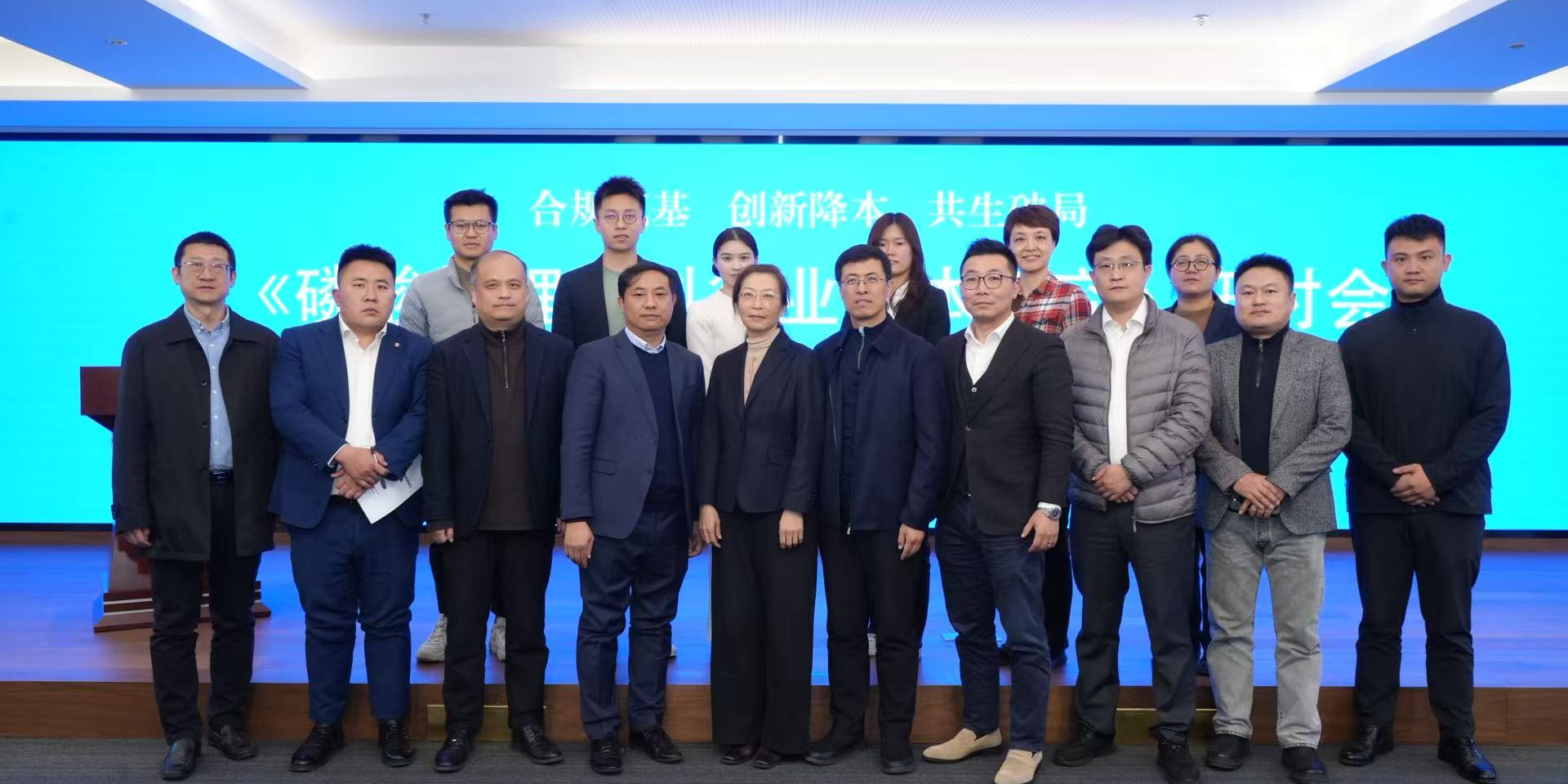
为了抵制低价竞争,行业协会将建议设成本红线?属实! 11月20日晚,上证报记者从中国化学与物理电源行业协会获悉,本月18日,该协会组织举办了"磷酸铁锂材料行业成本研究"研讨 会,共同探寻"反内卷"的有效路径。 近两年,磷酸铁锂是锂电池四大主材中正极材料的绝对主力。据中国汽车动力电池产业创新联盟数据,今年前三季度,磷酸铁锂 电池在动力电池领域装车量占比达81.5%,同比增长62.7%,稳居主流技术路线地位。在储能用锂电池领域,磷酸铁锂的占比更是 达到99.9%。 磷酸铁锂也是中国的核心优势产业之一。据韩国研究机构SNE Research发布的2025年上半年全球电池关键材料市场统计数据,在 全球磷酸铁锂正极材料的装载量中,排名靠前的供应商均为中国企业,市场份额约95%。 然而,这又是一个极度"内卷"的产业。 在11月18日举行的研讨会上,中国化学与物理电源行业协会副秘书长汤雁披露了一组数据:2024年国内磷酸铁锂正极材料产能逼 近470万吨(同比增长约34%),实际产量230余万吨,产能利用率约50%;2022年底至2025年8月,磷酸铁锂材料价格从17.3万元/ 吨暴跌至3.4万元/吨,跌幅达80.2%,全行 ...
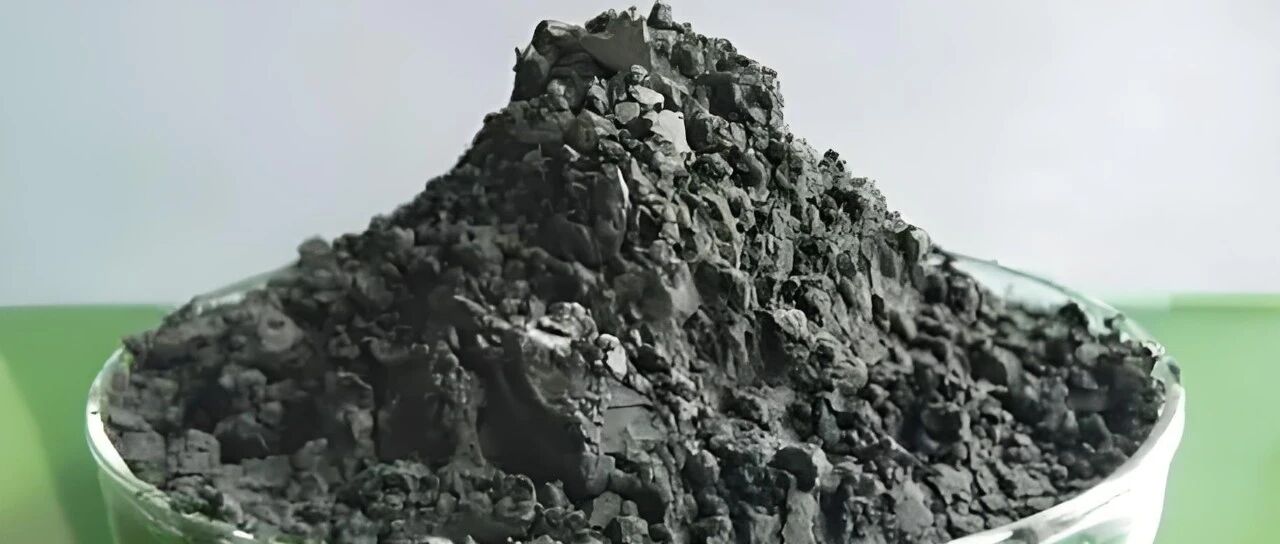
德方纳米:补锂增强剂已逐步开始实现订单交付 第五代高性能磷酸铁锂材料已进入中试量产阶段
Mei Ri Jing Ji Xin Wen· 2025-11-20 11:45
Core Viewpoint - The company, 德方纳米 (DFN), is experiencing growth in its lithium enhancement agent projects, with increasing exclusive contracts and order deliveries in various battery sectors [1] Group 1: Product Development - The company has successfully launched its fourth-generation high-pressure dense lithium iron phosphate (LFP) in bulk [1] - A fifth-generation high-performance lithium iron phosphate material has been developed, showcasing superior core performance indicators suitable for both power and energy storage applications [1] - The fifth-generation material is currently in the pilot production stage [1] Group 2: Market Applications - The company's lithium enhancement agents are being utilized in power batteries, energy storage batteries, and semi-solid batteries, indicating a broadening market application [1] - Order deliveries for these products have begun, reflecting the company's growing market presence [1]
德方纳米(300769) - 2025年11月20日投资者关系活动记录表
2025-11-20 11:16
Group 1: Company Strategy and Market Position - The company terminated its overseas partnership due to changes in market conditions, international policies, and company strategy, which affected the project's economic viability [1] - The company is focusing on optimizing resource allocation and reducing investment risks [1] - The company aims to enhance its core competitiveness and improve operational performance to increase overall company value [2] Group 2: Product Pricing and Sales - The company will adjust its sales strategy based on market and product conditions, indicating potential price adjustments for lithium iron phosphate products [2][6] - Current downstream demand is strong, and the company's production capacity utilization remains high [2][6] - The company has developed new products, including a fifth-generation high-performance lithium iron phosphate material, which is expected to positively impact operational performance once mass production is achieved [4][8] Group 3: Financial Performance and Investor Relations - The company is currently facing challenges due to price fluctuations in raw materials and declining product prices, which have pressured overall performance [7] - The company is committed to technological innovation and cost reduction strategies to improve profitability [7] - There is a call for more effective communication between the company and investors, emphasizing the need for substantial engagement rather than generic responses [4][7] Group 4: Project Developments - The company is in the preparatory stage for the Shen-Shan project, with updates to be disclosed as they meet reporting standards [3][4] - The company is actively pursuing mining rights to secure upstream resource guarantees [6][7] - The company has a significant ongoing project for an annual production capacity of 80,000 tons of phosphate-based cathode materials, with an investment of 1.6 billion [8]
德方纳米(300769) - 关于对外担保的进展公告
2025-11-20 11:06
证券代码:300769 证券简称:德方纳米 公告编号:2025-079 深圳市德方纳米科技股份有限公司 关于对外担保的进展公告 本公司及董事会全体成员保证信息披露的内容真实、准确和完整,没有虚假 记载、误导性陈述或重大遗漏。 一、 对外担保概述 深圳市德方纳米科技股份有限公司(以下简称"公司")于2025年4月25日 召开第四届董事会第十七次会议,并于2025年5月19日召开2024年年度股东大会, 会议分别审议通过了《关于向金融机构申请综合授信额度的议案》《关于对外担 保额度预计的议案》,公司及合并报表范围的子公司(含授权期限内新设立或纳 入合并范围的全资子公司、控股子公司)拟向银行、融资租赁公司等金融机构申 请综合授信额度,总额度合计不超过人民币1,500,000.00万元(不包含低风险业 务额度),最终额度以金融机构实际审批的授信额度为准,授信品种包括但不限 于本外币借款、银行承兑汇票、信用证、保函等,各金融机构实际授信额度可在 总额度范围内调剂。公司拟为合并报表范围的子公司向业务相关方(包括但不限 于银行、融资租赁公司等金融机构及其他业务合作方)申请综合授信额度(包括 但不限于本外币借款、银行承兑汇票 ...
全行业亏损3年!反内卷达到高潮!七大磷酸铁锂企业聚首工信部抗议电芯龙头霸权!
起点锂电· 2025-11-20 10:49
Core Viewpoint - The lithium iron phosphate (LFP) battery industry is experiencing a paradox of soaring demand and continuous losses, with companies facing significant financial strain despite increased shipments [3][5]. Group 1: Industry Overview - The demand for electric vehicles and energy storage has surged, leading to a dramatic increase in LFP battery shipments, yet the industry has faced over 36 months of consecutive losses [3][5]. - The price of LFP materials has plummeted from 173,000 yuan/ton at the end of 2022 to 34,000 yuan/ton by August 2025, representing a decline of over 80% [5]. - Six listed companies in the sector have an average debt ratio of 67.8%, indicating severe financial pressure [5]. Group 2: Current Challenges - The average cost of LFP production has reached 15,600 yuan/ton, while market prices hover around 14,000 yuan/ton, resulting in losses of nearly 10% per ton sold [7]. - Companies are caught in a dilemma of either accepting orders at a loss or not taking orders and still incurring losses, exacerbated by intense competition and rising raw material costs [8]. - The industry is facing a lack of new investment and increased bargaining power from battery manufacturers, which further complicates pricing dynamics [7][8]. Group 3: Technological Developments - Despite the financial challenges, companies are focusing on technological advancements, particularly in high-pressure LFP products, which are seen as crucial for survival [11]. - Leading companies have begun to master third-generation technologies, with some reporting significant increases in production and sales of new product lines [11]. - The performance of companies varies widely, with some like Hunan YN and Fengyuan Lithium Energy showing profitability, while others continue to struggle [10][11]. Group 4: Strategic Initiatives - Industry representatives have proposed three key initiatives to combat the current challenges: rebuilding market pricing logic based on costs, promoting innovation in new technologies, and ensuring balanced supply and demand [14]. - Cost control measures discussed include establishing long-term orders with suppliers, optimizing production processes, and reducing operational expenses [14]. - The focus on high-pressure LFP and manganese iron phosphate technologies is seen as a pathway to improve performance while managing costs effectively [14].

磷酸铁锂成本指数落地,行业定价有了“科学标准”
鑫椤锂电· 2025-11-20 08:04
Core Viewpoint - The article highlights the rapid growth and dominance of lithium iron phosphate (LFP) batteries in the Chinese electric vehicle and energy storage markets, while also addressing the paradox of increasing demand coupled with significant financial losses in the LFP materials sector [2][4][12]. Market Overview - From January to October this year, China's installed capacity of new energy vehicle power batteries reached approximately 578 GWh, with LFP batteries accounting for about 470.2 GWh, representing a staggering 81.3% market share [2]. - In the energy storage sector, LFP batteries hold a near-total market share of 99.9% [2]. - The installed capacity of LFP batteries in the new energy vehicle sector grew by 59.7% year-on-year during the first ten months of the year, while the installed capacity of ternary batteries decreased by three percentage points [2]. Industry Challenges - Despite strong demand, the LFP materials industry faces severe profitability challenges, with many companies unable to achieve profitability [3][12]. - The average market price of LFP materials from January to September was only 14,177.1 yuan per ton, which is below the industry average cost of 16,201.8 yuan per ton [8][12]. - The LFP materials sector has been experiencing continuous losses for over 36 months, with prices plummeting from 173,000 yuan per ton at the end of 2022 to 34,000 yuan per ton by August 2025, a decline of 80.2% [13][18]. Cost and Pricing Dynamics - The cost of LFP materials is significantly impacted by rising prices of raw materials such as lithium, iron, and phosphorus, which have seen substantial increases [15][16]. - Companies in the LFP materials sector struggle to pass on these cost increases to downstream customers, leading to a situation where they must accept orders at a loss [16][17]. - The average asset-liability ratio of six listed LFP materials companies is as high as 67.81%, indicating financial strain [18]. Future Directions - A new cost index for LFP materials is being developed to provide a transparent reference for pricing and to guide the industry towards healthier competition [6][20]. - The establishment of this cost index aims to help companies rebuild pricing logic, curb excessive competition, and promote innovation and quality over mere scale [21][22]. - The association plans to expand this initiative to other critical materials in the lithium battery supply chain to address similar issues of overcapacity and price competition [22].




铁锂“七雄”谋涨价,聚首工信部抗议电芯“霸权”
经济观察报· 2025-11-19 11:11
Core Viewpoint - The lithium iron phosphate (LFP) industry is facing significant challenges, including continuous losses for over three years, rising raw material costs, and pressure from downstream battery manufacturers, leading to a critical need for resolution in the industry [2][3][4]. Industry Challenges - The LFP material prices have plummeted from 173,000 yuan/ton to 34,000 yuan/ton from the end of 2022 to August 2025, a decline of over 80%, while the average debt ratio of six listed companies in the sector is 67.8% [3][4]. - The industry is experiencing a dual squeeze, with upstream raw material prices rising while downstream battery manufacturers refuse to accept price increases, creating a situation where companies face losses regardless of whether they accept orders or not [8][10]. Demand Growth - The core application scenarios for LFP are expanding, with the penetration rate of new energy vehicles exceeding 45% in China, and a projected demand increase of over 30% for LFP materials in the coming year [6][8]. - The energy storage sector is expected to see a 60% year-on-year increase in installed capacity by 2025, with global energy storage battery shipments predicted to grow by 30% in 2026 [6][8]. Competitive Landscape - Chinese LFP products hold a dominant position in the global market due to technological, cost, and supply chain advantages, despite attempts by other countries to reduce reliance on Chinese products [7][8]. - The average cost of LFP production is around 15,600 to 16,200 yuan/ton, while the current market price is approximately 14,770 yuan/ton, leading to losses of nearly 1,000 yuan for every ton sold [9][10]. Industry Response - The establishment of the LFP Materials Subcommittee aims to address industry challenges by auditing costs and providing transparent pricing data to help companies set reasonable prices and curb destructive competition [13][14]. - Companies are exploring collective price increases to counteract the pressure from battery manufacturers, with some firms already controlling production capacity to stabilize prices [14][15]. Future Outlook - The anticipated demand from both domestic and international markets suggests that LFP prices are likely to rise, with projections indicating potential price increases by the end of this year and into the first half of next year [15].



铁锂“七雄”谋涨价,聚首工信部抗议电芯“霸权”
Jing Ji Guan Cha Wang· 2025-11-19 08:50
Core Insights - The lithium iron phosphate (LFP) industry is facing a critical dilemma with a surge in demand for electric vehicles and energy storage, contrasted by over three years of continuous losses among material companies [2][3] - LFP materials account for nearly 74% of the cathode material shipments, with a 99.9% share in the energy storage sector, making it a crucial material in China's lithium battery landscape [2] - The price of LFP materials has plummeted from 173,000 yuan/ton at the end of 2022 to 34,000 yuan/ton by August 2025, representing a decline of over 80% [2] - The average debt ratio of six listed companies in the sector stands at 67.8%, indicating significant financial strain [2] Industry Challenges - The current cost of LFP production has reached 15,600 yuan/ton, while market prices hover around 14,000 yuan/ton, leading to losses of nearly 10% per ton [2] - Rising costs of upstream raw materials like ferrous sulfate and sulfur are exacerbating the situation, while downstream battery manufacturers are pressuring material suppliers to keep prices low [8][9] - The industry is experiencing a capacity utilization rate of less than 50%, with actual production at around 230,000 tons against a capacity nearing 470,000 tons [8] Demand Growth - The demand for LFP is expected to grow significantly, with projections of approximately 370 million tons in 2023 and an increase to between 510 million and 530 million tons in 2024 [5] - The penetration rate of electric vehicles in the domestic market has surpassed 45%, and stringent safety standards for battery performance are expected to further boost LFP demand [4] - The energy storage sector is anticipated to see a 60% year-on-year increase in installed capacity by 2025, with global demand for energy storage batteries projected to rise by 30% in 2026 [4] Competitive Landscape - Chinese LFP products maintain a dominant position globally due to advantages in technology, cost, and supply chain, despite attempts by other countries to reduce reliance on Chinese products [6] - In the first nine months of 2025, China's lithium-ion battery exports reached $55.38 billion, a year-on-year increase of 26.75%, with Europe, Asia, and North America accounting for 90% of exports [6] - New entrants from traditional industries are increasing competition, with some companies planning larger production capacities and benefiting from better financing options [9] Technological Advancements - Ongoing advancements in LFP technology, including high-density and cobalt-free variants, are expected to enhance market offerings, with a shift from fourth-generation to fifth-generation products underway [7] - The industry is also focusing on improving production efficiency and reducing costs through technological innovations [7] Strategic Responses - The establishment of the LFP Materials Subcommittee aims to address industry challenges by auditing costs and providing transparent pricing data to help companies set reasonable prices [11] - There is a consensus among industry players that collective price increases are necessary to counteract losses and improve financial health [12][13] - Companies are beginning to control production capacity to stabilize prices, with some already implementing self-restraint in output [12]