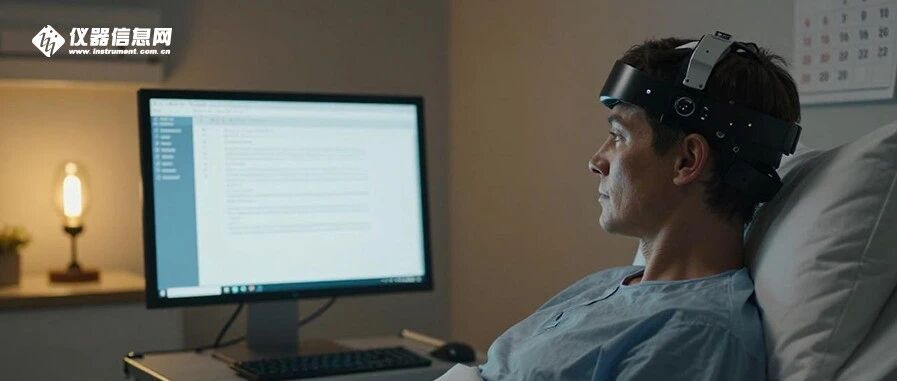
Neuralink

Search documents
马斯克量产预告 脑机接口迎商业化元年?
Sou Hu Cai Jing· 2026-01-09 01:31
Core Viewpoint - Elon Musk's Neuralink plans to start mass production of brain-machine interfaces by 2026, marking a significant step towards the commercialization of this technology [2] Industry Developments - The brain-machine interface sector in China is accelerating, with the country becoming the second to enter clinical trials for invasive brain-machine interfaces after the United States [2] - In 2025, there were 24 financing events in the domestic brain-machine interface field, a 30% year-on-year increase [3] - Hubei Province has set a price for invasive brain-machine interface medical services at approximately 6,552 yuan, indicating a move towards making this technology more accessible [3] Technology and Market Segmentation - Brain-machine interfaces serve as a bridge between the brain and external devices, with three main technological approaches: invasive, non-invasive, and semi-invasive [4][5] - The largest market segment for brain-machine interfaces is currently in healthcare, accounting for over 56% of applications, particularly for neurological diseases like epilepsy and Parkinson's [6] - McKinsey predicts that the global market for medical applications of brain-machine interfaces could reach $40 billion by 2030 and $145 billion by 2040 [6] Investment Opportunities - While the brain-machine interface sector shows promise, most companies are still far from profitability, with significant time needed for medical applications to gain approval [7] - Instead of focusing on individual companies, it may be more prudent to consider the broader medical device industry, particularly through medical device ETFs that encompass leading firms in this space [8]

马斯克的中国竞对,一把融了20亿
创业邦· 2026-01-09 00:08
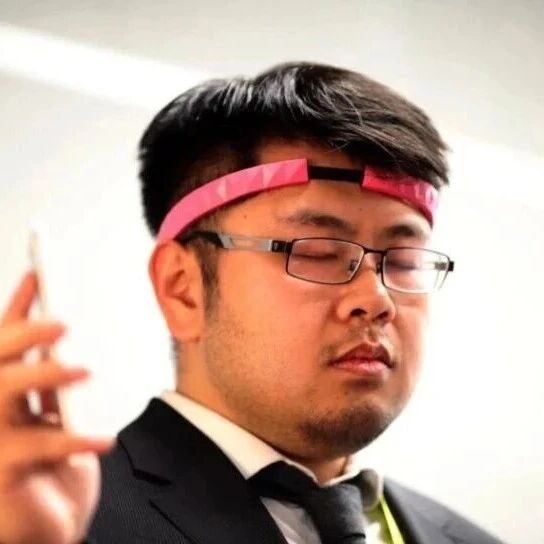
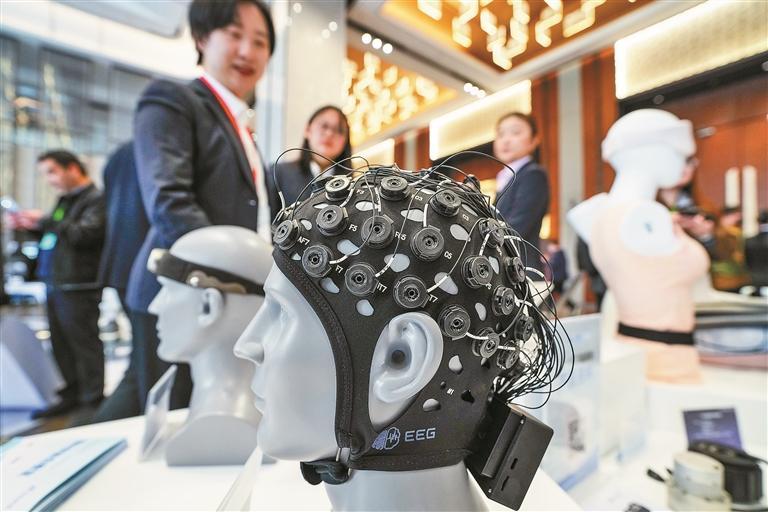
Core Viewpoint - The article discusses the significant financing of 2 billion RMB for BrainCo, positioning it as a leading player in the non-invasive brain-computer interface (BCI) sector, contrasting it with Neuralink's invasive approach, highlighting the ongoing technological rivalry in the BCI industry [5][18]. Financing and Growth - BrainCo completed a financing round of approximately 2 billion RMB, led by IDG and Huaden International, making it the second-largest BCI company in terms of funding globally, after Neuralink [5][18]. - Since 2019, BrainCo has completed four financing rounds, accumulating a total of 4.684 billion RMB [15]. Technology Pathways - BrainCo focuses on non-invasive BCI technology, utilizing devices like EEG caps to collect signals, which offers safety and ease of acceptance, while facing challenges in signal precision [6][12]. - Neuralink represents the invasive BCI route, which involves surgical implantation of electrode arrays in the brain, allowing for high-resolution signal collection but poses risks and ethical concerns [5][12]. Product Development and Market Position - BrainCo has developed several products, including smart prosthetics and sleep regulation devices, with some receiving FDA and CE certifications for international sales [6][14]. - The company achieved a milestone in 2022 by producing 100,000 units of a portable high-precision BCI product, breaking the long-standing experimental phase in the industry [14]. Competitive Landscape - The BCI market is characterized by three main technological pathways: invasive, semi-invasive, and non-invasive, each balancing performance, safety, and accessibility differently [20][22]. - Non-invasive BCIs, led by companies like BrainCo, dominate the market, accounting for approximately 82% of the BCI market share, while invasive technologies hold about 18% [22].
一言千金!马斯克引爆脑机接口
Shen Zhen Shang Bao· 2026-01-08 18:02
Core Viewpoint - The announcement by Elon Musk regarding Neuralink's plans for large-scale production of brain-machine interface (BMI) devices by 2026 has ignited significant interest in the capital markets, indicating a shift from experimental to industrial-scale applications of this technology [3][5]. Industry Developments - Brain-machine interfaces (BMIs) are categorized into three types: invasive, semi-invasive, and non-invasive, each with varying levels of signal quality and risk [4]. - Neuralink has achieved rapid advancements, including a 1.5-second implantation process and successful trials on both animals and humans, with seven patients receiving implants as of mid-2025 [4][5]. - The Chinese government has shown support for the BMI industry, with policies and plans aimed at fostering innovation and development in this field [8][10]. Market Reaction - Following Musk's announcement, the A-share market saw a surge in BMI-related stocks, with significant gains observed in various companies within this sector [6]. - Strong Brain Technology, a company focused on non-invasive BMI technology, secured approximately 2 billion yuan in funding, highlighting investor confidence in the BMI market [6]. Future Outlook - Experts predict that 2026 could be a pivotal year for BMIs, marking the transition of this technology from laboratory settings to commercial viability [7][10]. - The advancements in BMI technology are expected to lead to a broader range of applications in the medical field, moving from experimental tools to widely available products [10].
心玮医疗20260108
2026-01-08 16:02
Summary of New Wei Medical Conference Call Company Overview - New Wei Medical focuses on interventional brain-machine interface technology, utilizing a minimally invasive approach through the jugular vein to access brain vessels for signal collection, differentiating itself from invasive technologies like those developed by Musk's company [2][5] Key Points and Arguments - **Product Development Timeline**: New Wei Medical plans to complete type testing and animal experiments by mid-2026, initiate clinical enrollment in the second half of 2026, and expects to finish all patient enrollment and submit for regulatory approval by 2028 [2][3][4] - **Independent Subsidiary**: The company has established an independent subsidiary named "Wei Brain Technology" to focus on the development of interventional brain-machine interfaces and related investment collaborations, with plans to expand the team to 20 members [2][9] - **Technical Specifications**: The interventional brain-machine interface device uses a nickel-titanium alloy stent with electrode configurations of 4 or 16 channels, with signal processing chips placed subcutaneously beneath the clavicle [2][8] - **Animal Testing Results**: Animal experiments have shown stable signal strength, with a small-tailed sheep experiment maintaining 97%-98% signal strength after 18 months, validating the feasibility of the technology [2][11] Competitive Landscape - **Comparison with Musk's Technology**: New Wei Medical's approach avoids the need for craniotomy, which is required by Musk's invasive technology. This results in lower surgical risks and higher patient acceptance. The company claims its method ensures stable signal transmission due to the encapsulation of the electrode stent by the vessel wall, preventing displacement issues [5][10] Clinical Trial Plans - **First Patient Enrollment**: The company plans to conduct its first clinical trial in 2026, targeting 30-50 patients primarily for limb rehabilitation indications, with a follow-up period of approximately six months [4][10] - **Regulatory Recognition**: New Wei Medical is the only approved project for interventional technology routes in a national initiative co-hosted by the Ministry of Industry and Information Technology and the National Medical Products Administration, indicating recognition of its innovative technology [4][6] Challenges and Future Directions - **Technical Limitations**: The interventional approach may face challenges in accessing smaller, more distal blood vessels, necessitating the design of smaller electrode stents for broader brain area applications [11][12] - **Future Applications**: The company aims to extend its technology from motor function areas to visual and auditory functions, as well as explore emotional management and other research directions [11][12] Additional Insights - **Market Potential**: With 2,500 hospitals in China capable of performing the minimally invasive procedure, New Wei Medical is positioned to leverage a broad market for its technology [5] - **Investment and Collaboration**: The subsidiary aims to attract external partnerships and capital to enhance its operational capabilities and cover more consumer-level application scenarios [9]
美股异动 | 脑再生科技(RGC.US)盘前续涨近20% 三个交易日累涨157%
智通财经网· 2026-01-08 14:14
Core Insights - Brain-computer interface (BCI) technology is rapidly moving towards commercialization and industrialization due to technological breakthroughs, policy support, and global industry resonance [1] Company Developments - Neuralink, a brain-machine interface company founded by Elon Musk, plans to begin large-scale production of its brain interface devices in 2026 [1] - The company is focusing on streamlining and automating surgical procedures, with a significant breakthrough allowing electrode wires to penetrate the dura mater without needing to remove it [1] Industry Trends - The Chinese Ministry of Industry and Information Technology, along with eight other departments, issued a directive on January 7 to accelerate the industrialization and commercialization of new terminals like brain-computer interfaces [1] - The convergence of technological advancements and supportive policies is propelling the BCI sector from a cutting-edge scientific concept to a critical leap towards commercial viability [1]
跨界脑机接口遭监管警示 亚辉龙信披问题业绩暗藏持续隐忧
Di Yi Cai Jing· 2026-01-08 13:52
Core Viewpoint - The in vitro diagnostic company, YHLO (688575.SH), has announced its entry into the brain-computer interface (BCI) sector, but faced immediate regulatory scrutiny due to inconsistent disclosures regarding its partnership with Shenzhen Brain Machine Starlink Technology Co., Ltd. [1][2] Group 1: Regulatory Scrutiny - The Shanghai Stock Exchange issued an inquiry and warning to YHLO for inaccurate and incomplete information disclosure regarding its collaboration with Brain Machine Starlink, particularly concerning the technical pathways and risks associated with the partnership [2][3] - YHLO's initial announcement described Brain Machine Starlink as a company utilizing both non-invasive and invasive technologies, but later retracted this statement under regulatory pressure, clarifying that the partner only focuses on non-invasive technology [2][3] Group 2: Company Performance - YHLO's financial performance has been under pressure, with a net profit decline of 72.36% year-on-year for the first three quarters of 2025, continuing a downward trend that began in 2023 [1][5] - The company reported a revenue of 1.287 billion yuan, a decrease of 7.69% year-on-year, and has experienced a continuous decline in revenue and net profit over the past three years [5][6] Group 3: Strategic Move into BCI - The partnership with Brain Machine Starlink appears to be a strategic attempt to revitalize market confidence amid declining performance, with the BCI sector being a trending technology area [4][6] - YHLO plans to invest no more than 15 million yuan in Brain Machine Starlink, with total estimated project costs around 30 million yuan, indicating a low financial commitment relative to its cash reserves [5][6] - The company has stated that the collaboration will not yield significant performance improvements in the short term, with potential revenue generation not expected before November 2026 [6]

20亿!强脑科技再获融资,工程化与量产全面提速
Guan Cha Zhe Wang· 2026-01-08 10:56
Group 1 - The core viewpoint of the news is that Qiangnao Technology, a brain-computer interface company, has completed a financing round of approximately 2 billion yuan, marking the second-largest financing record in the brain-computer interface field globally, after Neuralink [1] - The funds raised will be used to accelerate the research and development of core technologies, extreme engineering breakthroughs, and the mass production of products [1] - The investor lineup for this financing includes prominent institutions such as IDG, Huaden International founded by Intel CEO Chen Liwu, and major companies like Lens Technology and Lingyi Technology [1] Group 2 - Qiangnao Technology aims to help 1 million disabled individuals regain daily life through neural-controlled prosthetics and improve the conditions of 10 million patients suffering from brain diseases like autism and Alzheimer's within the next five to ten years [2] - The company, founded in February 2015, focuses on non-invasive brain-computer interface technology and has achieved significant milestones, including FDA and CE certifications [2] - The industry landscape shows that Neuralink remains the highest-valued company in the brain-computer interface sector, with a valuation of 9 billion USD expected after its Series E financing in 2025 [2] Group 3 - According to a recent report from Kaisheng Securities, the brain-computer interface technology is expected to commercialize by 2026, transitioning from medical necessities to AI applications [3] - Qiangnao Technology has significant potential for expansion in overseas markets, as highlighted by its founder's participation in the China-Korea Innovation and Entrepreneurship Forum [3] - With increased investment in brain science and the launch of the "Brain Plan" in China, the sector is entering a new phase of technological realization and commercial explosion [3]

脑机接口"独角兽"强脑科技斩获20亿融资,全球融资规模仅次于Neuralink!
机器人圈· 2026-01-08 10:13
Core Viewpoint - BrainCo, a leading company in the brain-computer interface (BCI) sector, has successfully completed a financing round of approximately 2 billion RMB, marking it as the second-largest financing in the global BCI market, following Neuralink [2] Financing and Investment - The recent financing attracted a prestigious lineup of investors, including IDG, Huaden International, and major industry players like Lens Technology and Lingyi iTech [2] - BrainCo's financing history shows a consistent increase in capital recognition, with significant rounds including 400 million USD in Series A in 2019 and 30 million USD in Pre-B and 20 million USD in Series B in 2025 [3] - The company is preparing for an IPO, potentially in Hong Kong or mainland China, with a valuation exceeding 1.3 billion USD anticipated for the upcoming round [3] Company Background and Product Development - Founded in February 2015 by Han Bicheng, BrainCo focuses on non-invasive BCI technology, having developed products like smart prosthetics and sleep improvement devices [3][4] - The company has received FDA and CE certifications, making it one of the few globally to achieve large-scale production of BCI products [4] Future Plans and Market Potential - BrainCo aims to assist 1 million individuals with physical disabilities and 10 million patients suffering from Alzheimer's, autism, and insomnia over the next 5 to 10 years [5] - The company is committed to advancing non-invasive BCI solutions for mental health issues like depression and Alzheimer's, aligning with China's increased investment in brain science [5] Industry Landscape - Neuralink remains the highest-valued BCI company globally, with a valuation of 9 billion USD post-E round financing in 2025 [5] - The BCI sector is gaining traction in the capital market, with several A-share companies experiencing significant stock performance related to BCI concepts [6] - Companies like Aihuilong and Kefu Medical are entering the BCI space, indicating a growing interest and investment in this emerging field [6] Investment Opportunities - The BCI industry is in its early commercialization phase, with a focus on thematic investment strategies [6] - There is potential for significant revenue generation in non-invasive BCI products, as well as opportunities in software, hardware, and experimental materials related to BCI [6]
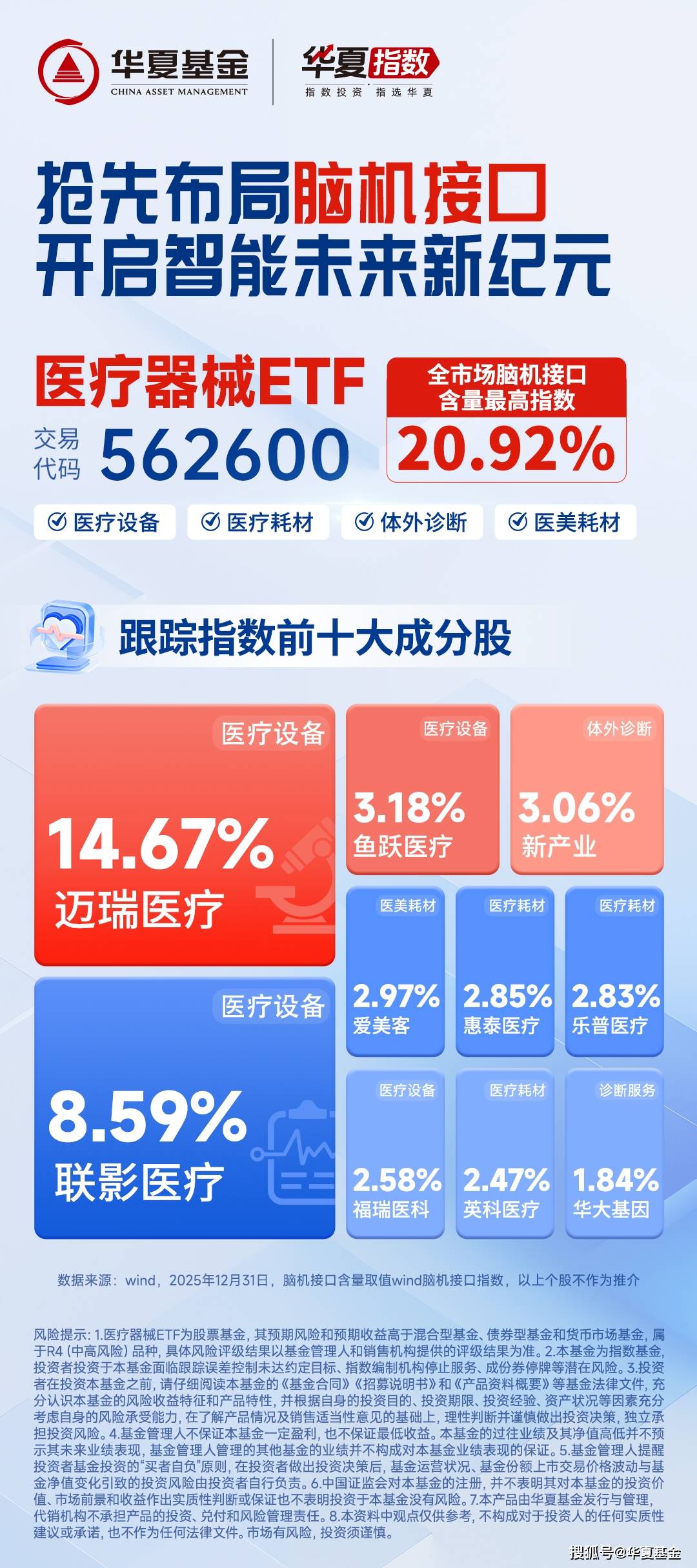
强脑科技完成20亿元融资,马斯克按下脑机接口“量产键”!同类费率最低档的医疗器械ETF基金(159797)再涨超1%!
Sou Hu Cai Jing· 2026-01-08 09:37
Core Viewpoint - The brain-computer interface (BCI) sector is experiencing significant growth, driven by technological advancements, increased investment, and supportive policies, indicating a promising future for the industry [3][6][9]. Market Performance - The Shanghai Composite Index recorded a 15-day consecutive rise, with the brain-computer interface concept continuing to surge, and the medical device ETF (159797) rising by 1.26% [1]. - The medical device ETF has seen a net inflow of over 27 million yuan in the past 20 days [1]. Investment and Financing - Strong Brain Technology has completed approximately 2 billion yuan in financing, becoming the second-largest financing project in the global BCI field [3]. - Neuralink, led by Elon Musk, plans to initiate large-scale production this year, with 12 severely paralyzed patients already implanted with their devices [3]. - Neuralink raised 650 million USD in a recent funding round, with plans to advance a "full-brain interface program" by 2028 [3]. Policy Developments - Sichuan Province has set clear pricing for BCI medical services, with the highest implantation fee at 6,583 yuan per procedure [4]. - The Chinese government is increasingly prioritizing brain science, with various policies being introduced to support the BCI industry [9]. Industry Growth Projections - The BCI market in China is projected to reach 3.2 billion yuan in 2024 and exceed 5.5 billion yuan by 2027 [11]. - Globally, the BCI market in the medical application sector is expected to reach 40 billion USD by 2030 and surpass 145 billion USD by 2040 [11]. Company Developments - Domestic companies are actively entering the BCI market, with over 200 firms reported, including Shanghai Ladder Medical and Beijing Brain Science Institute, which have made significant advancements in clinical trials [10]. - The medical device ETF (159797) covers a wide range of sectors, including high-value consumables and diagnostic equipment, with the top ten weighted stocks accounting for 45.04% of the fund [11].

20亿融资带火脑机接口,哪些仪器能“吃”到红利?
仪器信息网· 2026-01-08 09:00
特别提示 微信机制调整,点击顶部"仪器信息网" → 右上方"…" → 设为 ★ 星标,否则很可能无法看到我 们的推送。 摘要 : 脑机接口(BCI)领域需要整合神经科学、生物医学工程、材料科学等多领域的科学仪器,本 文带你解锁脑机接口背后的科学仪器清单。 2 0 2 5年1 2月3 1日,马斯克通过社交媒体宣布,其脑机接口公司Ne u r a li n k将于 2 0 2 6 年 启 动 脑 机接口设备的"大规模生产" , 同时 计划将植入物的电极通道 数 量 提 升 至 3 0 0 0 个 , 并 帮 助 首 位"盲视"项目参与者恢复低分辨率视觉。 马斯克的言论直接点燃了资本市场的热情。2 0 2 6年A股开年首个交易日,脑机接口相关概念股 出现涨停潮,显示出市场对该技术商业化的强烈预期。 同样,在中国市场,2 0 2 6年1月7日, 脑机接口企业强脑科技宣布完成约2 0亿元新一轮融资, 创下该领域除Neur a link外的全球第二大单笔融资纪录。 资本重金押注,足以印证脑机接口 ( BCI ) 赛道的巨大潜力,要实现从实验室到产业化的跨 越,科学仪器作为核心技术载体的作用至关重要。 脑机接口 ( BCI ...