
睡眠仪

Search documents
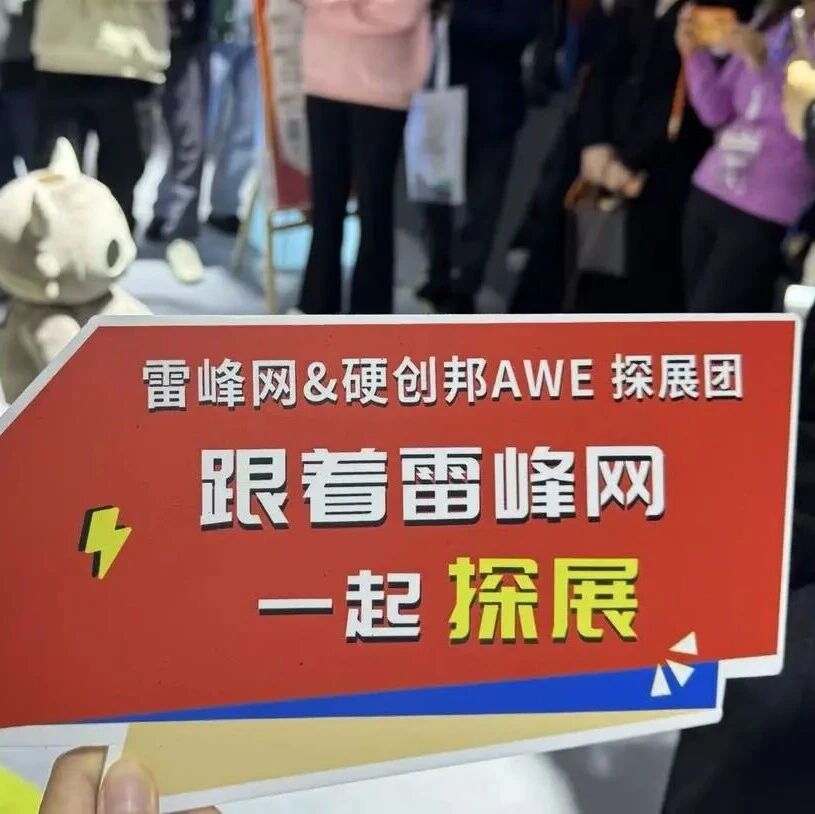
AWE 2026 探展回顾:30人大佬团,0距离对话明星企业CXO
雷峰网· 2026-03-20 11:11
Group 1 - The article discusses the exploration of AI hardware opportunities and trends through a visit to AWE 2026, involving 30 industry leaders and 20 core companies [2][3] - The exploration team included professionals from various sectors such as technology finance, industrial decision-making, and research, highlighting the diverse backgrounds of participants [2] - Key companies visited during the exploration included Qingxin Yichuang, Aoshark Intelligent, Qiangnao Technology, and others, showcasing innovations in AI hardware [4] Group 2 - Qingxin Yichuang introduced a small home robot named Amoo, which focuses on emotional value output and is expected to reduce its price from 20,000-50,000 yuan to around 10,000 yuan after mass production [6] - Aoshark Intelligent showcased its consumer and industrial exoskeleton products, priced at 6,000-7,000 yuan, designed for outdoor sports and featuring AI-driven algorithms [7] - Qiangnao Technology presented a prosthetic limb utilizing brain-machine interface technology, allowing users to perform activities like playing the piano, and a sleep device that significantly reduces sleep onset time [9] Group 3 - Yingling displayed the world's first panoramic drone, Antigravity A1, which features 360-degree viewing capabilities and supports 8K material export [13] - SenseTime introduced its multimodal large model applications in both home and commercial scenarios, including an intelligent robot guide for exhibitions [13][14] - Xiaopeng Huitian presented a "land aircraft" with a price under 2 million yuan, designed for personal use and featuring advanced driving capabilities [16] Group 4 - The exploration highlighted the popularity of embodied intelligent robots, with companies like Zhiyuan Robotics and Jingshi Technology showcasing their innovative robotic designs and functionalities [18] - iRobot presented its development history and new products, including the AI-enhanced cleaning robot capable of identifying various stubborn stains [20] - The exploration also included discussions on the technological advancements in real-time interaction and high-precision sensors for cleaning robots by companies like Agora and Lingtu [21] Group 5 - Post-exploration feedback indicated that participants found the experience valuable, with insights into industry trends and product innovations shared during closed-door dinners [23] - Suggestions for improvement included expanding the exploration scope and enhancing audio clarity during presentations [25] - The exploration team plans to continue engaging in future events, such as the Beijing Auto Show and CES, to further explore new opportunities in the hardware sector [25]

马斯克量产预告 脑机接口迎商业化元年?
Sou Hu Cai Jing· 2026-01-09 01:31
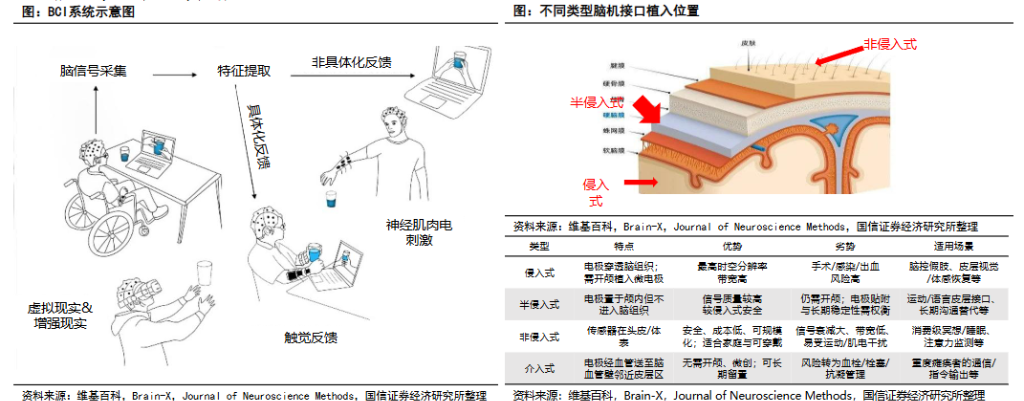
Core Viewpoint - Elon Musk's Neuralink plans to start mass production of brain-machine interfaces by 2026, marking a significant step towards the commercialization of this technology [2] Industry Developments - The brain-machine interface sector in China is accelerating, with the country becoming the second to enter clinical trials for invasive brain-machine interfaces after the United States [2] - In 2025, there were 24 financing events in the domestic brain-machine interface field, a 30% year-on-year increase [3] - Hubei Province has set a price for invasive brain-machine interface medical services at approximately 6,552 yuan, indicating a move towards making this technology more accessible [3] Technology and Market Segmentation - Brain-machine interfaces serve as a bridge between the brain and external devices, with three main technological approaches: invasive, non-invasive, and semi-invasive [4][5] - The largest market segment for brain-machine interfaces is currently in healthcare, accounting for over 56% of applications, particularly for neurological diseases like epilepsy and Parkinson's [6] - McKinsey predicts that the global market for medical applications of brain-machine interfaces could reach $40 billion by 2030 and $145 billion by 2040 [6] Investment Opportunities - While the brain-machine interface sector shows promise, most companies are still far from profitability, with significant time needed for medical applications to gain approval [7] - Instead of focusing on individual companies, it may be more prudent to consider the broader medical device industry, particularly through medical device ETFs that encompass leading firms in this space [8]
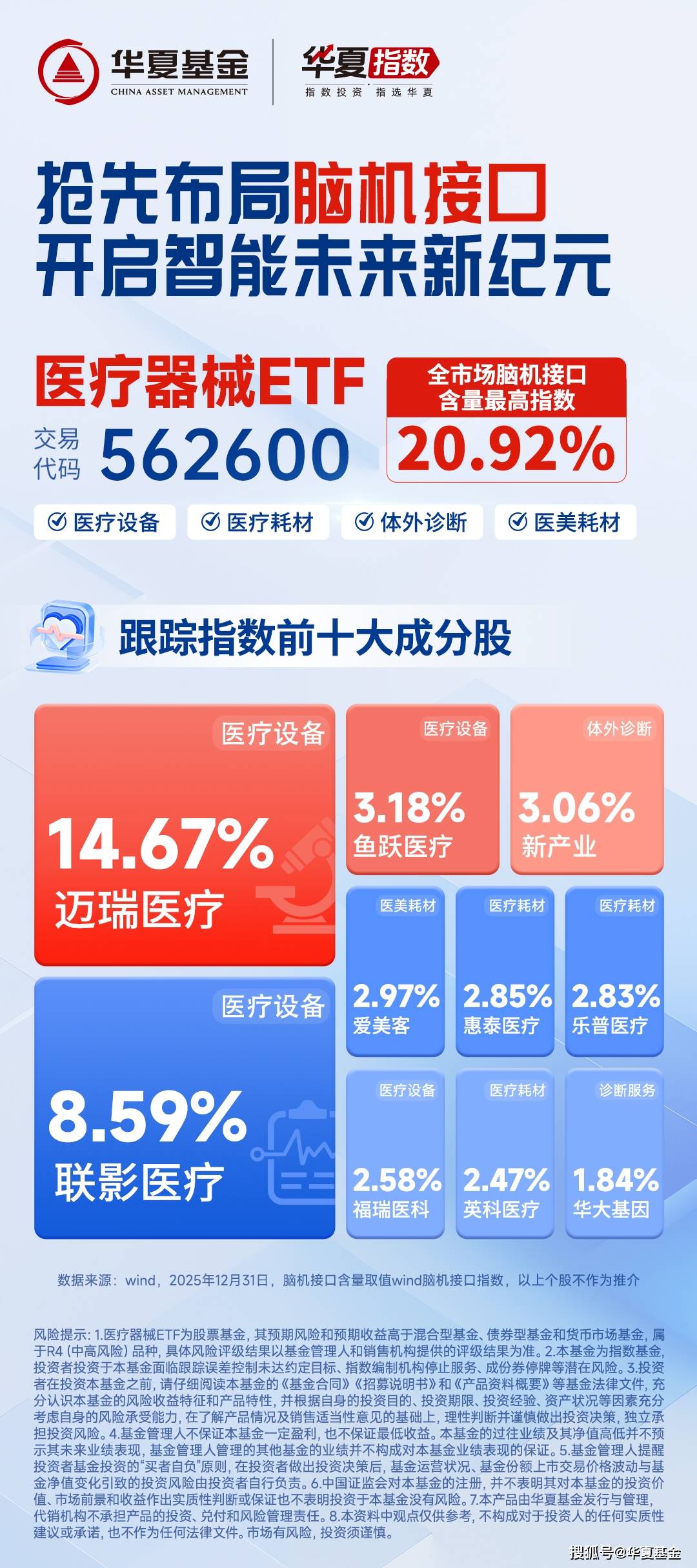
可孚医疗20260106
2026-01-07 03:05
Key Points Summary of Kefu Medical Conference Call Company Overview - Kefu Medical has made strategic investments in NeuLink Medical (5.83% stake) and LiZhi Intelligent (12.45% stake) to strengthen its position in the brain-computer interface (BCI) sector, aiming for business synergy and future technological integration [2][4] Core Industry Insights - **Brain-Computer Interface (BCI) Technology**: - Divided into invasive and non-invasive types, with different application scenarios. Non-invasive BCIs are widely used in neurology and neurosurgery [2][6] - Kefu Medical is collaborating with its own medical division to integrate BCI technology into products like ventilators and sleep devices, enhancing product value and expanding into overseas markets such as Hong Kong and Southeast Asia [2][6] Investment Rationale - Kefu Medical views the BCI sector as a future source of disruptive technology. The company aims to achieve long-term strategic synergy and innovation reserves through these investments, despite focusing on core products like posture correctors, ventilators, hearing aids, and blood glucose monitors [3][18] NeuLink Medical and LiZhi Intelligent - **NeuLink Medical**: Focuses on implantable BCI technology, particularly in developing bionic eye and ear products, which synergize with Kefu's hearing aid business. The bionic ear project addresses congenital hearing loss [3][10] - **LiZhi Intelligent**: Established in 2012, it covers the entire BCI chain from sensors to algorithms. It has obtained 7 registration certificates and plans to apply for 10 to 20 more by mid-2025. Current orders exceed 500 million yuan [5][6] Market Potential and Applications - BCI technology is primarily applied in orthopedic rehabilitation, psychiatry, and sleep medicine, with a focus on enhancing clinical outcomes through robotic integration [7][15] - The B-end market is rapidly developing, with significant government collaborations and plans for establishing BCI medical centers across various provinces [5][6] Financial Performance - Kefu Medical currently holds orders totaling approximately 500 million yuan, with a gross margin of 70%-80% and a net margin of 40%-50%. A recent price increase of 30% has further improved profitability [16][17] Future Development Strategy - The company will continue to focus on core products while leveraging channel advantages to boost sales. It has achieved success in overseas expansion and has partnered with Royal Philips for brand licensing, which will broaden its product range and geographical reach [18]
海外准备量产,国内脑机接口进度到哪了?
Hua Er Jie Jian Wen· 2026-01-06 13:02
Core Insights - The brain-computer interface (BCI) industry is transitioning from "scientific experiments" to "commercialization," with Neuralink planning large-scale production by 2026, igniting market expectations [1] - China is accelerating its progress in the BCI field through supportive policies and technological breakthroughs, with significant investments being made in the sector [1][12] - The market is characterized as a "0 to 1" incremental market, driven by short-term sentiment from Neuralink's production expectations and favorable domestic policies [1] Investment Landscape - Strong Brain Technology recently completed approximately 2 billion yuan in financing, marking the second-largest funding round in the BCI sector after Neuralink [1] - Investors are advised to focus on companies with core technological advantages, such as self-developed chips and flexible electrodes, as well as those that can achieve commercial closure in rehabilitation and consumer electronics [1] Technology Comparison - The BCI technology landscape is divided into invasive, semi-invasive, and non-invasive routes, each with distinct differences in signal quality, safety, and commercialization timelines [2] - Invasive methods, like those used by Neuralink, involve surgical implantation of electrodes for high-resolution signal acquisition but come with high costs and long development cycles [5] - Non-invasive methods utilize external sensors for signal collection, offering lower costs and safety but facing challenges with signal attenuation [8] Competitive Landscape - The U.S. leads in invasive BCI technology by 2-5 years, while China is catching up, particularly in non-invasive applications where both countries are on par [9][11] - Chinese companies are making significant strides in clinical trials, with several achieving notable milestones in both invasive and non-invasive technologies [12] Company Developments - Companies like BrainCo and Huashan Hospital have completed pioneering clinical trials in invasive BCI systems, demonstrating the ability to control devices through thought [12][13] - Strong Brain Technology has received FDA and CE certifications, positioning itself as a leader in the commercialization of BCI products [12] - Other companies, such as Beijing Chip Intelligence and ZhiDian Medical, are also advancing in the invasive BCI space, with various clinical trials and product developments underway [13][14] Regulatory Environment - The Chinese government has included BCI in its national strategic emerging industries, with plans for independent billing standards and industry regulations to facilitate commercialization [11]



海南本周封关!120万家企业已前往淘金,哪些行业最能挣钱?
Yang Zi Wan Bao Wang· 2025-12-16 13:12
Core Insights - Hainan Free Trade Port will officially enter a new phase of full island closure on December 18, 2025, implementing a customs supervision special area with liberalization policies characterized by "one line open, one line controlled, and free movement within the island" [4] Group 1: Economic Impact - As of December 9, 2025, Hainan has 3.6645 million existing business entities, with nearly 50% of the 1.21 million enterprises belonging to the wholesale and retail sector, accounting for 46.29% [1] - The closure will significantly reduce trade costs for businesses, attract investments, and provide residents with cheaper access to imported goods, increasing employment and entrepreneurial opportunities [6] - The wholesale and retail sector has seen the largest growth in business entities, with increases of 328.04%, followed by cultural, sports, and entertainment industries at 264.61%, and scientific research and technical services at 238.66% compared to 2020 [5] Group 2: Policy Changes - A series of regulatory documents will be implemented upon the full closure, including tax policies for goods entering and exiting the island, and a list of prohibited and restricted goods [4] - The zero-tariff policy will expand to approximately 6,600 tax items, covering about 74% of all goods, which is an increase of nearly 53% compared to before the closure [7] - The new policies will allow for the sale of various domestic products in duty-free shops, including clothing, ceramics, and electronics, with tax exemptions on these items [7] Group 3: Sectoral Opportunities - Industries such as import-export trade, international shipping, and logistics will directly benefit from customs facilitation and tax incentives [6] - High-value industries like high-end manufacturing, biomedicine, and green technology are expected to gain from the zero-tariff and low-tax policies, presenting significant market opportunities [6] - The concentration of A-share listed companies in Haikou exceeds 80%, indicating a strong local economic presence [5]

消费回流初步显现 免税行业焕发新活力
Sou Hu Cai Jing· 2025-12-12 09:05
Core Viewpoint - The recent policy issued by multiple Chinese government departments aims to enhance the duty-free shop framework to stimulate consumption and attract foreign spending, with significant changes set to take effect from November 1, 2025 [1][2]. Policy Implementation and Effects - The policy aims to optimize the management of domestic tax refunds and support the sales of domestic products in duty-free shops, thereby encouraging the inclusion of culturally significant Chinese products [2][3]. - The expansion of duty-free product categories now includes popular items such as mobile phones, mini drones, and sports goods, enhancing shopping options for travelers [2][3]. - The policy is expected to drive significant consumption recovery through tax incentives and management innovations, benefiting both domestic brands and the overall market [2][3]. Market Dynamics - The opening of the first city duty-free shops in Tianjin and Xi'an marks a significant milestone, allowing for greater market autonomy and consumer choice [3][8]. - The new duty-free shops are designed to incorporate local cultural elements, enhancing the shopping experience and attracting more visitors [8][9]. - The Tianjin city duty-free shop is strategically located in popular tourist areas, aiming to become a key hub for international consumer spending in northern China [9][10]. Performance Metrics - The first month of the upgraded Hainan offshore duty-free policy saw sales reach 2.38 billion yuan, a 27.1% increase year-on-year, indicating a positive initial impact on consumer behavior [5]. - The introduction of new product categories, such as portable musical instruments and small household appliances, aligns with evolving consumer preferences for diverse and personalized shopping experiences [6][7]. Regulatory Enhancements - The policy simplifies the approval processes for duty-free shops, enhancing operational efficiency and allowing local governments to tailor shop layouts to regional needs [3][7]. - The implementation of a comprehensive regulatory framework aims to ensure the smooth operation of the duty-free industry while maximizing the benefits of the new policies [7].
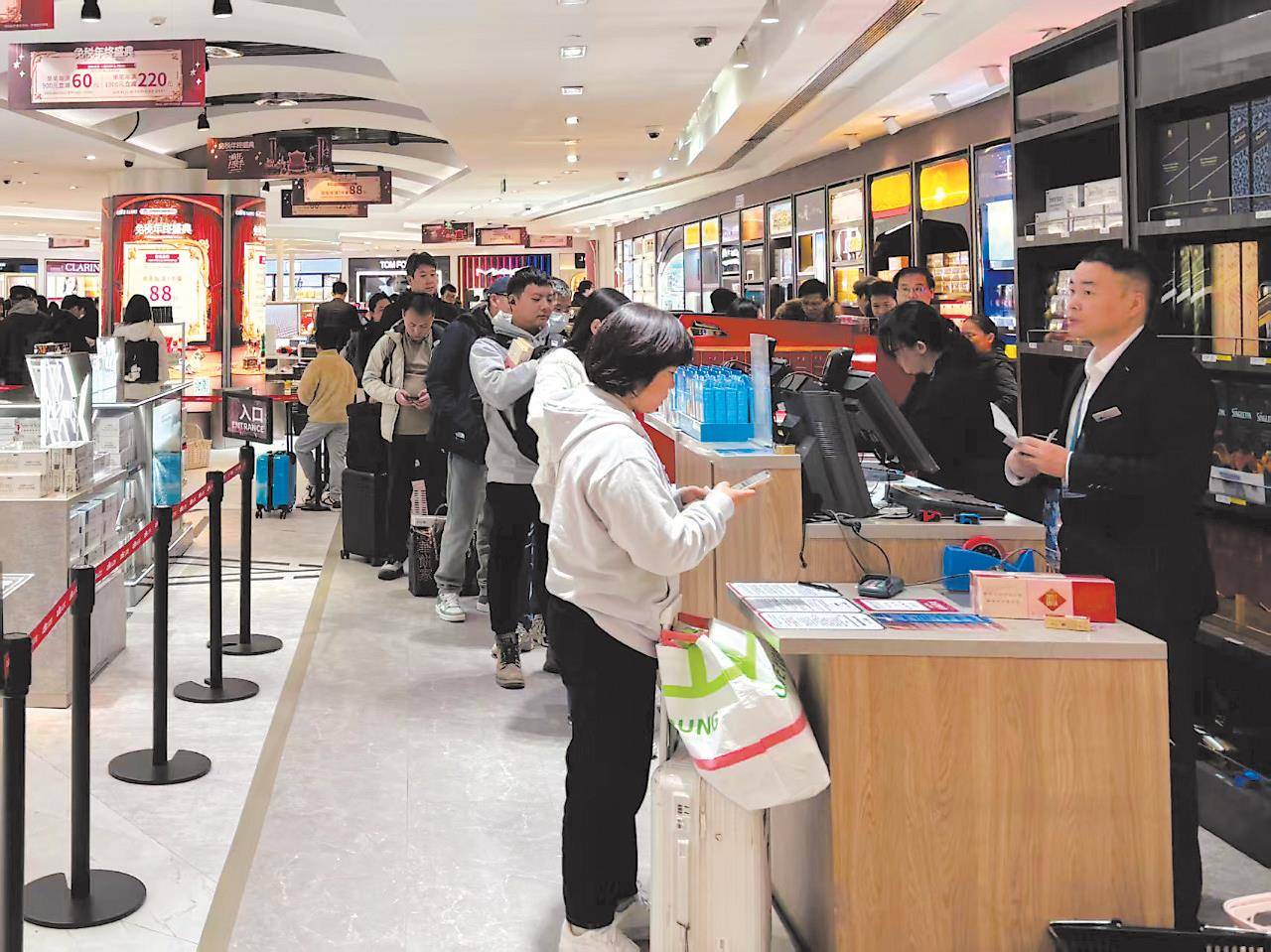
海南离岛免税新政实施首周揽金5.06亿元
Hai Nan Ri Bao· 2025-11-09 01:55
Core Insights - The new duty-free policy in Hainan officially took effect on November 1, leading to significant increases in shopping amounts and visitor numbers within the first week [1][2] - The policy allows both departing and departing international travelers to enjoy duty-free shopping, with purchases counting towards an annual limit of 100,000 RMB, which is unlimited in frequency [2] - The introduction of new product categories, such as portable musical instruments and smart home appliances, caters to evolving consumer preferences for diverse and high-quality shopping experiences [2] Group 1 - Hainan's duty-free shopping amount reached 506 million RMB with 72,900 visitors from November 1 to 7, marking year-on-year increases of 34.86% and 3.37% respectively [1] - New product categories sold during the first week included 1,488 items worth 2.7468 million RMB, with 886 items purchased by departing travelers totaling 2.2047 million RMB [1] - Local residents benefited from the "immediate purchase and pick-up" option, enhancing their shopping experience [1] Group 2 - The new policy aligns with consumer demand for personalized and experiential shopping, as highlighted by the addition of portable musical instruments [2] - The introduction of high-tech home appliances, such as sleep aids and robotic vacuum cleaners, reflects a trend towards quality and health-conscious living [2] - Hainan's customs authority has implemented a comprehensive and efficient regulatory service model to support the smooth execution of the new policy [3]
从“规模增长”到 “品质升级”——浙江消费新观察
Sou Hu Cai Jing· 2025-10-29 08:32
Core Insights - Zhejiang province is experiencing a consumption boom driven by new consumption trends such as "technology + cultural tourism" and "national tide" [1][4] - In the first three quarters of this year, the total retail sales of social consumer goods in Zhejiang reached 28,408 billion yuan, reflecting a year-on-year growth of 5.2% [1][8] Group 1: New Consumption Trends - The "first launch economy" is a key strategy for revitalizing commercial vitality, focusing on introducing first stores and hosting first exhibitions to enhance consumer experiences [1][4] - The X-SPACE Fujifilm Imaging Space in Hangzhou has become a popular destination, attracting over 5,000 visitors on its opening day, showcasing a blend of product experience and artistic interaction [3][4] Group 2: Diverse Consumption Upgrades - The "Wenshan Digital Life Block" has transformed from a traditional computer street into a digital lifestyle hub, featuring over 300 tech products that appeal to young consumers [5][7] - Smart consumption is on the rise, with retail sales of wearable smart devices and smartphones increasing by 105.6% and 62.6% respectively in the first three quarters [7][8] Group 3: Policy Support and Market Activation - Zhejiang's consumption market is bolstered by a combination of policy initiatives and promotional activities, with nearly 2,500 events held to stimulate consumer spending [8][10] - The province has allocated 278 billion yuan for trade-in subsidies and issued approximately 3 billion yuan in consumption vouchers, significantly boosting retail sales in various categories [8][10] Group 4: Future Consumption Landscape - The "2025 Golden Autumn Shopping Festival" aims to enhance consumer experiences and promote new consumption models, with nearly 500 events planned to engage consumers [10] - The focus on quality upgrades in consumption is expected to be a dominant theme in the upcoming "15th Five-Year Plan" period, driven by both policy and market forces [8][10]
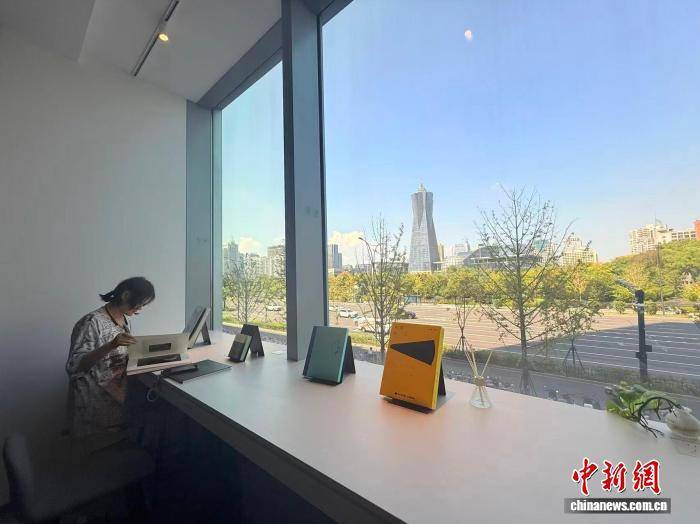
海南产经新观察:离岛免税政策何以再调整?
Zhong Guo Xin Wen Wang· 2025-10-23 02:20
Core Viewpoint - The new round of adjustments to Hainan's offshore duty-free shopping policy will be implemented starting November 1, aiming to enhance consumer experience and support the development of Hainan as an international tourism consumption center [1][4]. Group 1: Policy Adjustments - The adjustments include "one new addition" and "three optimizations," expanding the product range to include pet supplies and portable musical instruments, while also allowing six categories of domestic products to be sold duty-free [4][5]. - The duty-free shopping limit has been significantly increased from 30,000 RMB to 100,000 RMB per person annually, and the number of product categories has expanded from 18 to 45 since 2020 [3][4]. Group 2: Market Impact - From 2020 to August 2025, the cumulative sales of Hainan's offshore duty-free shopping are projected to reach 206.9 billion RMB, which is 3.8 times the total sales from 2011 to 2019 [3][4]. - Hainan's offshore duty-free sales now account for over 8% of the global duty-free market, highlighting its significance as a key player in the industry [3]. Group 3: Consumer Demand - The adjustments are designed to meet the diverse shopping needs of consumers, reflecting a trend towards experiential and personalized consumption, with new categories like tech gadgets and home appliances being introduced [6][7]. - The policy aims to enhance the shopping experience for both domestic and international travelers, with a focus on integrating duty-free shopping into daily consumption for local residents [7][8]. Group 4: Future Outlook - The upcoming full closure operation of Hainan Free Trade Port on December 18 is expected to further stimulate the consumption market and provide new opportunities for growth [8].
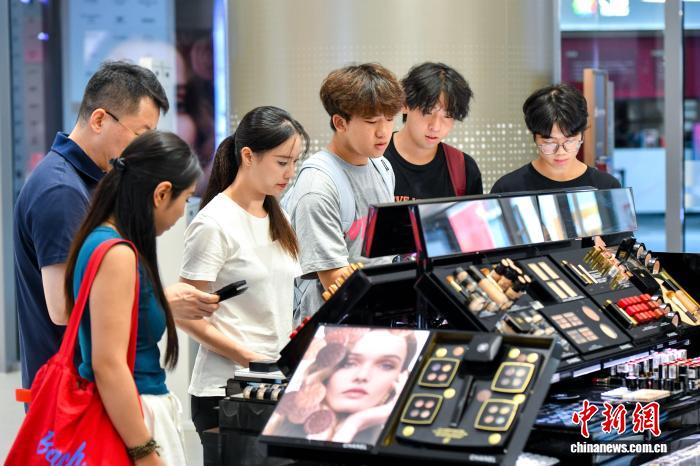
海南离岛旅客免税购物政策调整 更好满足多元化购物需求
Sou Hu Cai Jing· 2025-10-20 22:26
Core Points - The new duty-free shopping policy for Hainan Island travelers will be implemented starting November 1, aimed at promoting the construction of Hainan Free Trade Port and meeting diverse consumer shopping needs [1] - Since the pilot program began in 2011, the cumulative duty-free shopping amount has reached approximately 195.8 billion, with around 28.58 million shoppers and 240 million items purchased over the past five years [1] - The policy adjustments focus on expanding consumer demand and enriching product supply, making the duty-free shopping experience more convenient and beneficial for travelers [1] Group 1: Policy Adjustments - The policy now allows departing travelers to shop at duty-free stores on the island, enhancing shopping convenience and promoting inbound consumption [2] - The range of duty-free products has been expanded from 45 to 47 categories, including new additions like pet supplies and musical instruments, catering to personalized and diverse consumer demands [2] - Technology and smart products have been added to the existing categories, including items like robotic vacuum cleaners and digital photography equipment, aligning with consumer trends and enhancing market competitiveness [2] Group 2: Support for Domestic Products - The new policy permits certain domestic products to be sold duty-free in island stores, including clothing, ceramics, and local specialties, supporting the promotion of domestic goods and providing consumers with more choices [2] - The adjustments aim to balance the expansion of product range, shopping convenience, and regulatory oversight, enhancing the international competitiveness of the duty-free policy [3] - The policy is expected to attract more domestic and international consumers, boosting consumption and tourism, and furthering the development of Hainan Free Trade Port [3]