SanDisk

Search documents
Lam Research (LRCX) FY Conference Transcript
2025-05-13 19:30
Summary of Lam Research (LRCX) FY Conference Call Company Overview - Lam Research is the third largest semiconductor capital equipment company globally, specializing in etch deposition and benefiting from trends in next-generation transistors, memory cells, and advanced packaging [2][6][10]. Industry Insights - Wafer equipment spending has shown a steady increase, with a CAGR of 11% over the past eleven years, compared to 7% for the semiconductor industry. Lam's revenue has outpaced this growth with a 14% CAGR [6][9]. - The company targets $25 billion to $27 billion in revenues by 2028, with a goal of achieving 50% gross margins and 34-35% operating margins [7][10]. Financial Performance - Lam reported the highest gross margin since 2012 and guided for the highest operating margin since the late 1990s [10]. - The company aims for a revenue outlook of 13% per year and an 18% EPS CAGR through 2028 [6][10]. Market Dynamics - The shift from 2D to 3D architectures in semiconductor manufacturing is a significant trend, with Lam positioned to benefit from this transition [11][12]. - The company has diversified its business mix, increasing its foundry logic exposure from 20-30% to over 50% in recent years, anticipating a long-term split of two-thirds foundry logic and one-third memory [13][16]. Technology Migration - Lam is focusing on technology migrations such as gate-all-around and advanced packaging, which are expected to drive significant growth [30][40]. - The NAND upgrade cycle is projected to create a $40 billion upgrade opportunity as customers transition to higher layer counts [52][55]. Customer Engagement and Market Strategy - Despite trade and tariff uncertainties, customer plans have remained stable, with strategic investments continuing in advanced technology areas [19][20]. - Lam's geographic manufacturing strategy allows it to respond effectively to shifts in customer locations, particularly in Asia and the U.S. [21][27]. Operational Efficiencies - The company has improved operational efficiencies, contributing to a consistent increase in gross margins from 45-46% to 49% over the past decade [63][66]. - Lam is undergoing a digital transformation to enhance operational efficiency, expected to yield significant benefits by 2028 [67][69]. Conclusion - Lam Research is well-positioned to capitalize on emerging trends in the semiconductor industry, with a strong focus on technology migration, operational efficiency, and a balanced business mix. The company anticipates continued growth and profitability in the coming years, driven by strategic investments and market dynamics [10][30][36].

Western Digital(WDC) - 2025 Q3 - Earnings Call Transcript
2025-04-30 12:30
Financial Data and Key Metrics Changes - For the third fiscal quarter, the company reported revenue of $2.3 billion, down 5% sequentially but up 31% year over year [15] - Non-GAAP gross margin was 40.1%, reflecting a sequential improvement of 1.7 percentage points [17] - Non-GAAP earnings per share (EPS) was $1.36, driven by disciplined cost management and tax benefits [15][17] - Free cash flow for the quarter was $436 million [20] Business Line Data and Key Metrics Changes - Cloud business represented 87% of total revenue at $2 billion, down 4% sequentially but up 38% year over year [16] - Client business accounted for 6% of total revenue at $137 million, down 2% sequentially and year over year [16] - Consumer segment represented 7% of revenue at $150 million, down 13% sequentially and 4% year over year [17] Market Data and Key Metrics Changes - Nearline bit shipments decreased by 6% sequentially to 145 exabytes, while average price per unit increased by 4% sequentially to $179 [16] - Demand from hyperscale customers remains robust despite broader market uncertainties [12][13] Company Strategy and Development Direction - The company is focused on three pillars for capital allocation: reinvestment in the business, debt reduction, and returning cash to shareholders [11] - The introduction of a quarterly dividend of $0.10 per share reflects confidence in long-term cash generation ability [21] - The company is addressing tariff-related challenges through cross-functional teams and strategic evaluations of supply chain shifts [12] Management's Comments on Operating Environment and Future Outlook - Management acknowledged the current uncertain environment driven by tariffs and global trade tensions but remains optimistic about data center demand [12][14] - The company expects sequential revenue growth in the fiscal fourth quarter, driven by sustained strength in data center demand [14] - Management emphasized the importance of long-term agreements with hyperscale customers for better visibility and planning [13][32] Other Important Information - The company successfully redeemed $1.8 billion of its 2026 senior notes, strengthening its balance sheet [11][20] - The effective tax rate for the fiscal third quarter was 2%, lower than expected due to one-time deferred tax benefits [19] Q&A Session Summary Question: Inquiry about capital allocation and dividend growth - Management stated that once net leverage is reduced to the target range of 1.0-1.5x, they intend to return 100% of excess cash to shareholders through dividends and share buybacks [28] Question: Visibility on revenue margins and EPS growth - Management indicated that long-term agreements with customers provide greater visibility and confidence in strong demand through 2025 and into 2026 [32] Question: Clarification on tariff impacts - Management noted that while there is demand uncertainty in certain segments due to tariffs, they do not anticipate direct tariff impacts on pricing or costs in Q4 [36] Question: Discussion on gross margin expectations - Management highlighted that strong gross margins are driven by technology value and operational discipline, with potential for continued expansion [40][73] Question: Insights on LTAs and their benefits - Management explained that LTAs provide critical visibility and help maintain supply-demand balance, with agreements extending from three to six months to nine to twelve months [87] Question: Commentary on exabyte growth and capacity - Management stated that exabyte growth is primarily driven by technology improvements, allowing for capacity increases without significant capital expenditures [46] Question: Future of non-enterprise and non-cloud markets - Management confirmed that these markets remain a material part of the business, with ongoing efforts to drive growth in those areas [98]

Phison Electronics Corp_ Positive Read from Reported China YMTC NAND Price Hike for April
2025-03-19 15:50
Summary of Phison Electronics Corp Conference Call Company and Industry - **Company**: Phison Electronics Corp - **Industry**: Greater China Technology Semiconductors, specifically focusing on NAND flash memory Key Points and Arguments 1. **NAND Price Increase**: YMTC's retail brand, Zhitai, plans to raise its channel price in April, potentially exceeding 10%, marking the third NAND player to announce a price hike since January, following SanDisk and Micron Technology [1][3] 2. **Market Response**: Following the news of the price hike, Phison's stock rose by 6%, while the TAIEX index remained flat, indicating positive market sentiment towards Phison amidst the price increase [1][3] 3. **Supply and Demand Dynamics**: The anticipated price hike is attributed to disciplined supply management, increasing demand for NAND in AI applications, and early pull-in due to US tariffs [1][3] 4. **TrendForce Estimates**: TrendForce revised its NAND pricing estimate for 2Q25 from a projected decline of 2.5% Q/Q to an increase of 2.5% Q/Q, reflecting a more optimistic outlook for NAND pricing [1][3] 5. **Financial Metrics**: - Phison's stock rating is Overweight with a price target of NT$688.00, representing a 14% upside from the closing price of NT$605.00 on March 14, 2025 [4] - Revenue projections for Phison are NT$58,936 million for FY24 and NT$69,404 million for FY25, with an expected EPS of NT$35.68 and NT$35.72 respectively [4] 6. **Valuation Methodology**: The valuation is based on a residual income model with key assumptions including a cost of equity of 9.0% and a medium-term growth rate of 7.5% [7] 7. **Risks**: - Upside risks include faster-than-expected growth in the SSD market and market share gains in ultrabooks [9] - Downside risks involve weaker-than-expected NAND demand and potential non-acceptance of price hikes on NAND modules [9] Additional Important Information - **Market Capitalization**: Phison's current market cap is NT$136,614 million [4] - **Average Daily Trading Value**: NT$1,418 million [4] - **52-Week Stock Range**: NT$403.00 to NT$785.00 [4] - **Analyst Coverage**: The report includes multiple analysts from Morgan Stanley, indicating a collaborative research effort [3][4] This summary encapsulates the essential insights from the conference call regarding Phison Electronics Corp and the NAND flash memory market dynamics.
存储芯片大厂:涨价,扩产
半导体行业观察· 2025-03-19 00:54
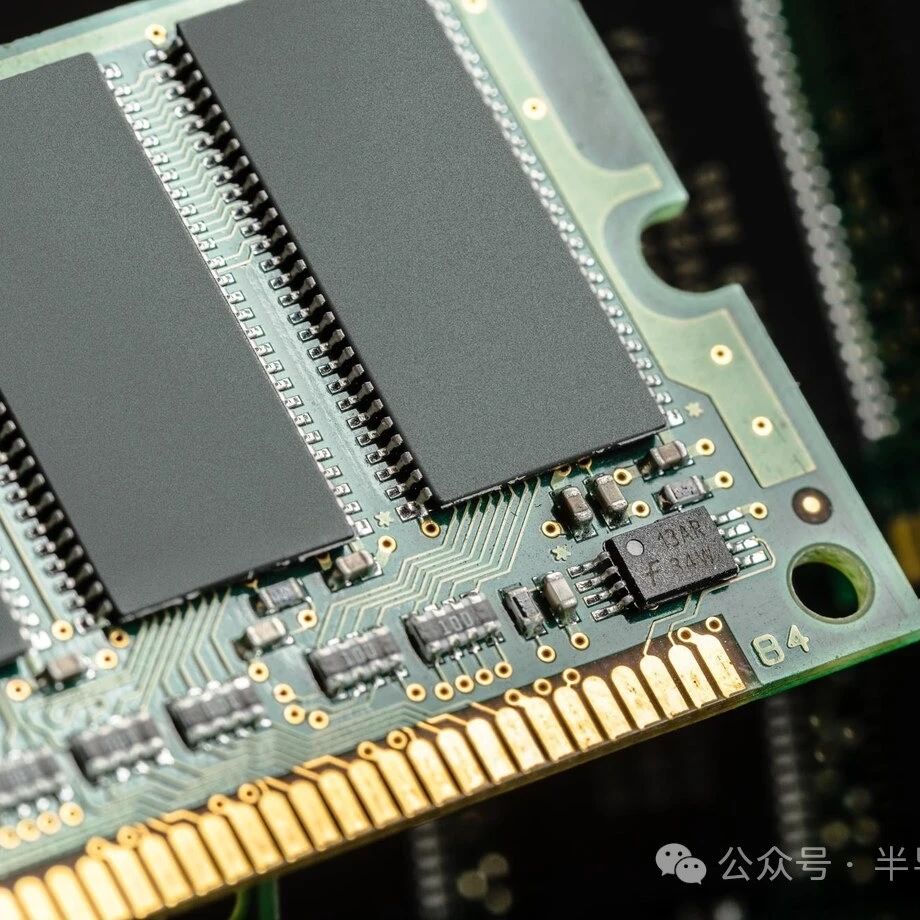
Core Viewpoint - Major semiconductor companies like Samsung Electronics and SK Hynix are accelerating facility investments to increase the production capacity of advanced DRAM and NAND, driven by rising demand for these products [1][2]. Group 1: Investment Strategies - Samsung Electronics is transforming and investing in key regions, introducing equipment for DRAM production since Q1 this year, and is constructing a new production line for 10nm-class DRAM in Pyeongtaek [2]. - SK Hynix is focusing on building the M15X facility in Cheongju, which will be responsible for advanced DRAM and HBM, with a total investment of 20 trillion KRW, expected to start operations in Q4 this year [2][3]. - The investment pace for SK Hynix's M15X has accelerated, with infrastructure investments moved up to Q2 early [3]. Group 2: Market Trends - The DRAM market is experiencing a significant turnaround, with general DRAM prices rebounding due to increased demand from PC and smartphone markets, supported by China's subsidy policy [5]. - The average spot price for DDR4 8Gb products rose to $1.762, while DDR5 prices increased from $4.773 to $5.088, reflecting a 6.6% rise [5][6]. - The recovery in the RAM market is occurring earlier than expected, with predictions of a surge in AI PC market size from 43.02 million units last year to 114.22 million units this year, driving further DRAM demand [6]. Group 3: Price Adjustments - NAND price increases are becoming a consensus in the industry, with reports indicating a potential 10% price hike from major manufacturers like Micron and SanDisk [8][9]. - Micron's price increase is attributed to supply tightness caused by a factory outage, while other manufacturers are also expected to follow suit to stabilize supply-demand balance [9][10].

存储复苏了?
半导体芯闻· 2025-03-14 10:22
Core Insights - The memory semiconductor market is experiencing a significant transformation due to the recovery in demand for IT devices like smartphones and personal computers, leading to price increases for key components such as D-RAM and NAND flash memory [1][2] - The resurgence is primarily driven by the global AI boom and improved economic conditions, reigniting consumer interest in high-performance semiconductors [1] - Last year, the semiconductor industry faced a dilemma with oversupply in general memory due to economic downturns, but signs of recovery began to emerge early this year [1] Group 1 - The average spot price for general D-RAM DDR4 8Gb products has risen to $1,466, marking a continuous increase over five days since March 7 [2] - The average spot price for 16Gb DDR5 products increased by over 6% to $5,068 as of March 12, with expectations for this upward trend to continue [2] - Micron Technology expressed optimism about market trends, noting improvements in inventory levels for personal computers and smartphones, anticipating a return to healthy levels by spring [2] Group 2 - Gartner predicts that the market for AI computers will surge by 165.5% this year, reaching 114.22 million units from 43.02 million units last year, which is expected to boost demand for memory semiconductors [2] - Samsung Securities analysts suggest that there is potential for price increases in low-power D-RAM (LPDDR5) in the second quarter, indicating a shift from pessimism to optimism in the general product market [3] - SK Hynix's president also noted that the industry is working to stabilize the NAND market, with expectations for improvement by the end of the year [2][3]
半导体_存储芯片更新:对 NAND 闪存模块前景转乐观,结构性特种动态随机存取存储器(DRAM)仍存隐忧
2025-03-13 06:57
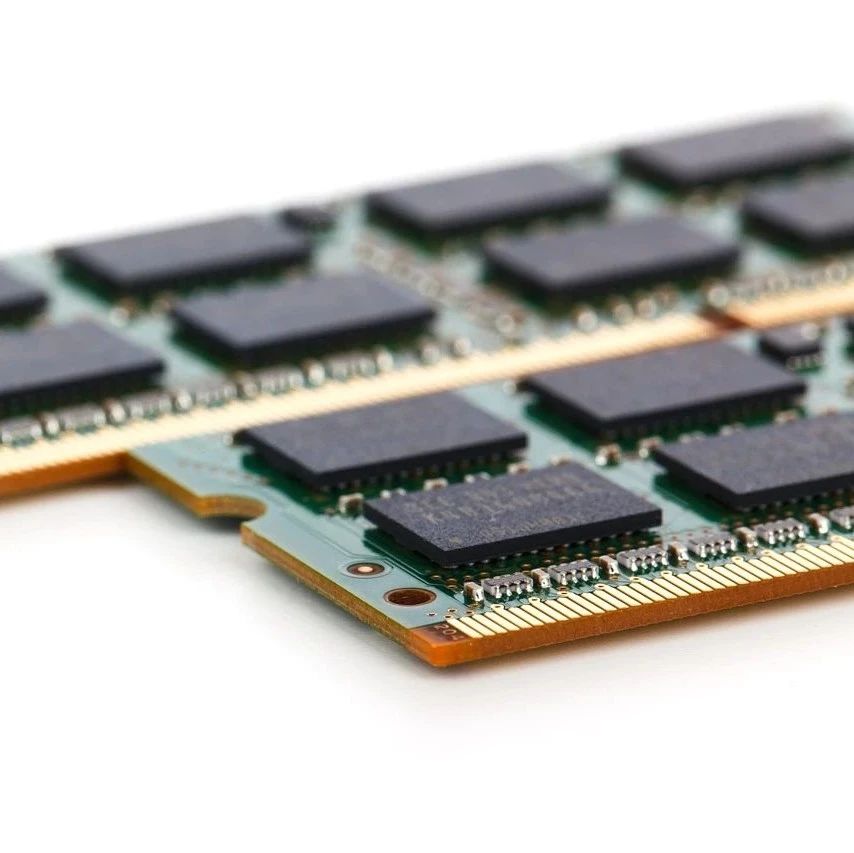
Summary of Conference Call on Greater China Semiconductors Industry Overview - The NAND module market is showing signs of recovery, with a positive outlook on companies like Phison and Longsys, while maintaining an overweight (OW) rating on SIMO. Concerns regarding structural specialty DRAM persist, with week-over-week (WoW) project wins being crucial for differentiation [1][4][9]. Key Points on NAND Modules - **Price Increases**: After the Lunar New Year, two NAND suppliers raised wafer prices by 9-11%, and SanDisk announced price hikes for channels and consumer customers starting April 1. Phison noted that NAND prices in China are the highest in the region due to strong demand [2][9]. - **Demand Recovery**: The bottom for NAND modules is believed to have passed, with expectations of price stabilization in Q2 2025 due to improved supply controls. Phison reported shipment increases in February and anticipates strong demand throughout 2025, with concerns about insufficient NAND supply in the second half of the year [3][9]. - **Inventory Management**: Phison plans to accumulate inventories in the first half of 2025, indicating a cyclical recovery based on historical patterns. A price rebound for NAND modules is expected in Q1 2025 if demand from PC OEMs and smartphones continues [3][9]. Specialty DRAM Insights - **Market Sentiment**: Long-term concerns regarding CXMT's specialty DRAM remain unchanged, but recent project wins have helped identify key players. NTC's share price has increased by 37% year-to-date, driven by DDR4 sentiment and PC demand ahead of tariffs [4][9]. - **Price Trends**: Specialty DRAM spot discounts are currently at 33%, down from 35% a month ago, primarily due to weak consumer electronics demand and oversupply. TrendForce predicts a 10-15% quarter-over-quarter price decline for DDR4 in Q1 2025, followed by another 5-10% decline in Q2 2025 [14][9]. Stock Recommendations - **Upgrades and Downgrades**: - Phison and Longsys are upgraded to OW due to disciplined supply and strong SSD demand. - Winbond is also upgraded to OW based on bottoming fundamentals, while NTC is rated underweight (UW) due to competition from CXMT and lack of project wins [9][48]. - **Preferred Stocks**: SIMO, Phison, and Longsys are highlighted as preferred investments in the Greater China memory sector, with expectations of a recovery in NAND module prices and demand driven by edge AI [13][9]. Additional Insights - **China's Memory Investment**: China's aggressive memory investment is expected to continue into 2025, positively impacting wafer fabrication equipment (WFE) players. CXMT and YMTC are planning significant capacity expansions [52][53]. - **Market Dynamics**: The competitive landscape is shifting, with global suppliers like Samsung and SK Hynix beginning to cut production, which may lead to a new upcycle for specialty DRAM [35][9]. This summary encapsulates the key insights and recommendations from the conference call regarding the Greater China semiconductor industry, particularly focusing on NAND modules and specialty DRAM.

TransPerfect Announces First-of-Its-Kind Integration for Adobe Journey Optimizer
GlobeNewswire News Room· 2025-03-05 15:00
Core Insights - TransPerfect has announced a new GlobalLink integration for Adobe Journey Optimizer (AJO), enhancing personalized marketing campaigns across various channels [1][2] - The integration utilizes Adobe's Globalization Content Service, completing TransPerfect's support for the full Adobe Experience Cloud suite [3][4] - TransPerfect has been an Adobe partner for over 15 years, pioneering multiple integrations with Adobe products [4][5] Company Overview - TransPerfect is the world's largest provider of language and AI solutions, operating in over 140 cities and offering services in 200+ languages [6] - The company serves more than 6,000 global organizations with its GlobalLink technology, which simplifies multilingual content management [6] - TransPerfect is ISO 9001 and ISO 17100 certified, indicating a strong commitment to quality and client service [6]


NAND新出路是什么?
半导体芯闻· 2025-03-03 10:17
Core Viewpoint - NAND manufacturers are often overlooked in the AI boom, as their growth potential in AI applications is limited compared to DRAM, particularly HBM, which is essential for AI computing needs [1][2][3] NAND Market Dynamics - The NAND market has experienced significant fluctuations, with a notable recovery in early 2024 driven by increased demand from the smartphone sector and AI server construction [6][8] - Global smartphone shipments rose by 8.2% year-on-year in Q1 2024, with a shift towards larger capacity models [6] - AI server demand led to a 32% quarter-on-quarter increase in enterprise SSD procurement, with North America's top three cloud service providers accounting for 58% of global orders [6][7] - Strategic production cuts by major manufacturers have resulted in a 17% increase in NAND Flash contract prices in Q1 2024 [6][9] AI Demand and Pricing Trends - AI server SSD demand is projected to exceed 45EB in 2024, with an average annual growth rate of over 60% expected in the coming years [7][9] - The average selling price (ASP) of NAND products has increased by approximately 15% due to AI demand, despite a 1% decline in shipment volume [9][10] - The enterprise SSD contract price has seen an accumulated increase of over 80% from Q4 2023 to Q3 2024 due to heightened AI server demand [7][9] Technological Innovations - SanDisk has introduced a new storage technology called High Bandwidth Flash (HBF), aimed at providing high bandwidth and capacity for AI inference applications [15][19] - HBF technology allows for parallel access to multiple high-capacity 3D NAND arrays, potentially offering a solution to compete with HBM in specific applications [15][19] - The first generation of HBF technology can provide up to 4TB of VRAM capacity, with plans for further enhancements [15][19] Future Outlook - NAND manufacturers are exploring various strategies to adapt to market changes, including enhancing storage density and dynamic capacity adjustments [22][23] - The introduction of HBF could signify a new opportunity for NAND manufacturers to capture a share of the AI market, although competition remains fierce [24][25] - The industry's recovery is evident, but ongoing challenges in the consumer electronics market continue to exert pressure on NAND manufacturers [11][24]
NAND Flash价格下行压力大,厂商加速减产
半导体芯闻· 2025-03-03 10:17
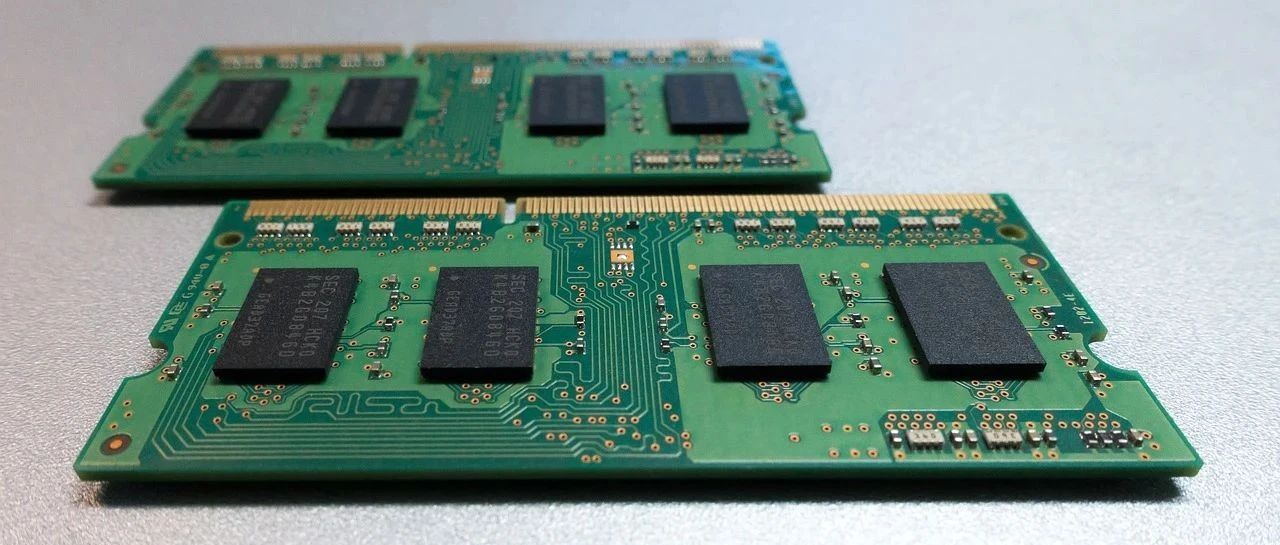
Core Viewpoint - The NAND Flash market is experiencing a downward price trend due to inventory reduction by consumer electronics manufacturers, with a projected revenue decline of up to 20% in Q1 2025, but a recovery is expected in the second half of the year as production cuts take effect and prices stabilize [3][4]. Group 1: Market Overview - In Q4 2024, NAND Flash average selling prices decreased by 4%, and overall shipments fell by 2%, leading to total industry revenue of $16.52 billion, a 6.2% quarter-over-quarter decline [3]. - The NAND Flash industry is anticipated to see a revenue drop of up to 20% in Q1 2025 due to reduced order volumes and contract prices, despite suppliers actively cutting production [3][4]. Group 2: Company Performance - Samsung, the leading supplier, reported a 9.7% revenue decline to $5.6 billion in Q4 2024, primarily due to weak demand in consumer electronics. The company plans to focus on enterprise SSD development and adjust production plans accordingly [3]. - SK Group, including SK hynix and Solidigm, experienced a 6.6% revenue decrease to $3.39 billion in Q4 2024, as overall market orders were revised downwards. The company aims to adjust capacity dynamically to maximize profits [4]. - Kioxia's revenue in Q4 2024 was $2.66 billion, only a 0.2% decline, supported by increased enterprise SSD shipments that offset weak demand in smartphones and PCs [5]. - Micron's NAND Flash revenue fell by 9.3% to $2.28 billion in Q4 2024, despite strong enterprise SSD performance. The company plans to reduce capital investment in NAND Flash and focus on high-capacity products in 2025 [5]. - Western Digital/SanDisk maintained revenue at $1.88 billion in Q4 2024, benefiting from better-than-expected shipments in consumer electronics, with expectations for gradual revenue growth starting in Q2 2025 due to the resurgence of AI PC demand [5].
NAND,也要迎来HBM时刻?
半导体行业观察· 2025-03-01 00:57
Core Viewpoint - NAND manufacturers are often overlooked in the AI boom, as their growth potential in AI applications is limited compared to DRAM, which is essential for AI computing needs [1][2][3] NAND Market Dynamics - AI computing primarily relies on DRAM due to its high bandwidth (up to 1TB/s) and low latency, while NAND's bandwidth (7-14GB/s) and higher latency make it less suitable for core AI tasks [1][2] - In AI training, NAND is mainly used for data storage rather than computation, leading to reduced demand once data is loaded into GPU DRAM [2] - The overall NAND market faces challenges such as easier capacity expansion and a larger number of competitors compared to DRAM, resulting in a more volatile market [3] Recent Market Trends - The NAND market experienced significant fluctuations in 2023, with a recovery in early 2024 driven by increased smartphone shipments and enterprise SSD demand due to AI server construction [5][6] - Global smartphone shipments rose by 8.2% year-on-year, and enterprise SSD procurement increased by 32% quarter-on-quarter, with North American cloud service providers accounting for 58% of global orders [5] - Strategic production cuts by major manufacturers like Samsung and Micron have led to a 17% increase in NAND Flash contract prices in Q1 2024 [5][6] Future Outlook - AI server SSD demand is expected to grow significantly, with predictions of over 45EB in procurement capacity in 2024 and an average annual growth rate exceeding 60% in the coming years [6][7] - The introduction of high-bandwidth flash (HBF) technology by SanDisk aims to provide a solution for AI inference applications, potentially positioning NAND to compete with HBM in the future [12][14] - The NAND industry is exploring various strategies, including enhancing storage density with QLC technology and dynamic capacity adjustments to address inventory issues [21][22] Competitive Landscape - The NAND market is characterized by a duality where enterprise demand is rising while consumer electronics face a downturn, leading to a stark contrast in performance across segments [8][9] - Companies are increasingly focusing on collaborative ecosystems and technology advancements to maintain competitiveness, with SK Hynix and Samsung leading in enterprise SSD markets [22][23]