信泰人寿

Search documents
浙商银行,突遭举牌!
Zheng Quan Shi Bao Wang· 2025-08-12 23:51
险资举牌不停步! 港交所披露易最新信息显示,民生保险于8月11日增持100万股浙商银行H股股份后,于当日达到该行H 股股本的5%,根据港股市场规则,触发举牌。 截至目前,今年已有7家银行被险资举牌,包括邮储银行、招商银行、农业银行、杭州银行、中信银 行、郑州银行、浙商银行。其中,招商银行是唯一一家被三度举牌的上市银行。 业内人士分析,多重因素作用下,险资对于权益资产尤其是红利资产的配置比例处于上升通道,而银行 股这类发展稳健的高股息股票是非常重要的配置标的。 民生保险举牌 港交所披露易信息显示,8月11日,民生保险在场内增持100万股浙商银行H股股份,耗资约277万港 元。 增持完成后,民生保险以"实益拥有人"身份持有2.96亿股浙商银行H股,占该行H股股本突破5%,触发 举牌。 民生保险是国内首家以民营资本为投资主体的全国性专业人身保险公司,2003年6月成立,总部位于上 海,注册资本60亿元。截至去年底,公司总资产超过1400亿元。 其中,知名浙江民企万向控股及其关联方上海冠鼎泽合计持有民生保险43.84%股权,为民生保险第一 大股东。 万向控股也是浙商银行的创始股东之一,一度位居并列第一大股东。2012 ...

上半年非上市险企保费净利双增背后:寿险分化、产险回暖
Bei Jing Shang Bao· 2025-08-11 13:55
Group 1: Performance Overview - Non-listed life insurance companies achieved a significant profit increase, with a total net profit exceeding 20 billion yuan in the first half of the year, doubling from less than 10 billion yuan in the same period last year [1][3] - The total insurance business revenue for 59 non-listed life insurance companies reached approximately 763.4 billion yuan, reflecting a year-on-year growth of about 4.8% [3] - In the non-listed property insurance sector, 76 companies reported a total insurance business income of approximately 259.49 billion yuan, with a year-on-year increase of about 7.48% [5] Group 2: Key Players and Market Dynamics - The top three non-listed life insurance companies by insurance business revenue are Taikang Life, Zhongyou Life, and Xintai Life, with Taikang Life leading at 130.97 billion yuan [3] - Non-listed property insurance companies showed a marked improvement in profitability, with 68 out of 76 companies reporting profits, a significant increase from the previous year [5][6] - The "Matthew Effect" is becoming more pronounced in the non-listed insurance sector, with a concentration of premium income among leading companies [6] Group 3: Investment and Strategic Adjustments - Investment returns have rebounded, contributing to the profit growth of life insurance companies, with over half of the companies reporting an increase in investment yield [4][6] - Companies are focusing on optimizing product structures and reducing costs associated with high-guarantee products, promoting more flexible cost products [4][12] - The overall insurance industry is transitioning from high-speed growth to high-quality development, with larger companies leveraging their scale and brand advantages [4][6] Group 4: Future Outlook - The life insurance sector is expected to face changes in product and market dynamics as the preset interest rate enters a new phase, with the current research value at 1.99% [8][9] - Profit growth for life insurance companies may slow down in the second half of the year, while property insurance companies are likely to continue benefiting from cost control [12][13] - The competitive landscape in the auto insurance market may pressure profit margins, while non-auto insurance could emerge as a new growth point [12][13]


上半年盈利近300亿,非上市人身险公司赚麻了
Sou Hu Cai Jing· 2025-08-11 09:48
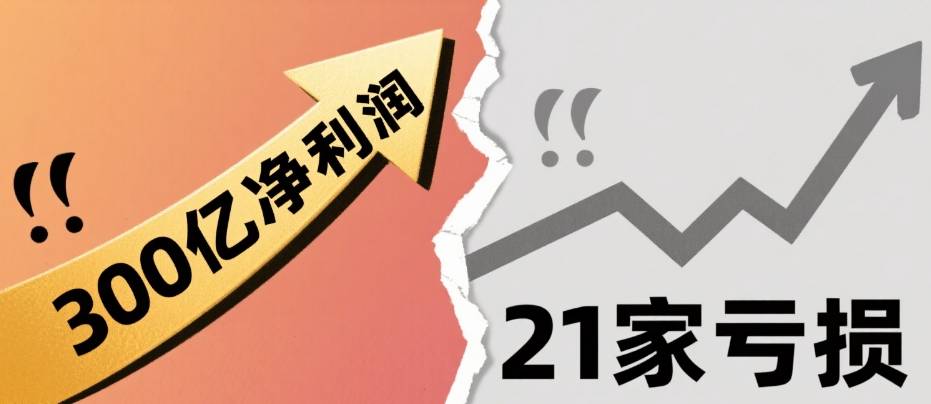
Core Insights - The non-listed life insurance industry is showing signs of recovery, with a total net profit of nearly 30 billion yuan in the first half of 2025, representing a year-on-year increase of over 230% [1][7] - The industry is experiencing a significant disparity between leading companies and smaller firms, with some smaller companies still facing substantial losses [1][14] Premium Growth - The total insurance business income for over 60 non-listed life insurance companies reached approximately 763.37 billion yuan in the first half of 2025, marking a year-on-year growth of 4.79% [3][4] - The top two companies, Taikang Life and Zhongyou Life, surpassed 100 billion yuan in premium income, with Taikang Life at 130.97 billion yuan (a 5.8% decrease year-on-year) and Zhongyou Life at 118.07 billion yuan (a 12.07% increase year-on-year) [3][5] - The market is characterized by a "head-heavy" distribution, with the top ten companies accounting for 62.33% of the total premium income [4] Profitability - The total net profit for the industry reached 29.35 billion yuan, with the top ten companies contributing 95% of this profit [7][8] - Taikang Life led with a net profit of 15.998 billion yuan, a year-on-year increase of 164.55%, while Zhongyou Life's profit slightly decreased by 9.01% to 5.177 billion yuan [7][9] - Among 38 profitable companies, 14 turned losses into profits, with notable improvements from companies like Yingda Life and Taikang Pension [8] Investment Performance - Investment returns are showing increased differentiation, with a range of 0.96% to 4.67% for 59 companies, and only 14 companies reporting an increase in comprehensive investment returns [11][12] - Junlong Life achieved the highest investment return at 4.67%, a significant increase from the previous year [12] - The overall investment environment remains challenging, with many companies experiencing pressure on their asset performance [11][14] Market Outlook - The industry is expected to face both opportunities and challenges in the second half of the year, driven by aging demographics and increased demand for health and pension insurance [14] - Companies need to optimize their business structures and enhance investment capabilities to navigate the competitive landscape [14] - The "Matthew Effect" may become more pronounced, favoring companies with strong brand recognition and risk management capabilities while posing survival challenges for poorly managed firms [14]
今年险资举牌已达22次,重点盯上这些领域
21世纪经济报道· 2025-08-09 12:14
编辑丨杨希 险资举牌越战越勇。 近日,弘康人寿通过港股通二级市场,买入港股上市公司港华智慧能源股票,持股比例达到5%,触发举 牌。 中国保险行业协会披露信息显示,今年以来,险资举牌已经达到22次。梳理举牌标的可以发现,险 资偏好较低估值、较低波动、较高分红、较高业绩确定性等资产。 | 今年以来险资举牌一览 记者 叶麦穗 编辑 | | | --- | --- | | 险企 | 举牌公司 | | 平安人寿 | 邮储银行H股2次、农业银行H股2次、招商银行H股 3次 | | 瑞众人寿 | 中信银行H股、中国神华H股 | | 长城人寿 | 中国水务H股、大唐新能源H股、秦港股份H股 | | 新华保险 | 杭州银行、北京控股H股 | | 中国人寿 | 电投产融 | | 中邮人寿 | 东航物流、绿色动力环保H股 | | 阳光人寿 | 中国儒意H股 | | 利安人寿 | 江南水务 | | 信泰人寿 | 华菱钢铁 | | 弘康人寿 | 港华智慧能源H股 | | 泰康人寿 | 峰昭科技H股 | 记者丨叶麦穗 弘康人寿今年首次举牌 8月7日,弘康人寿公告称,公司参与举牌港华智慧能源。弘康人寿表示,本次举牌前,公司直接持有港 华智 ...

拍卖槌下的保险股权:折价、流拍与接盘者
经济观察报· 2025-08-09 08:57
Core Viewpoint - The insurance industry is experiencing a significant shift, with private enterprises increasingly selling their equity stakes in insurance companies, while state-owned capital is stepping in to stabilize the sector [2][3][15]. Group 1: Current Market Dynamics - A growing number of insurance equity stakes are being listed for sale on platforms like Alibaba and JD.com, as well as on property exchange websites in Beijing and Shanghai [2]. - Despite multiple attempts to sell these stakes, including price reductions and repeated listings, many potential buyers remain elusive [2]. - The insurance sector has transitioned from a phase of rapid growth, characterized by a surge in applications for insurance licenses, to a more challenging environment marked by stricter regulations and declining interest rates [2][12]. Group 2: Shift in Ownership - Since 2020, nearly 20 insurance companies have seen changes in their largest shareholders, with an increasing proportion of ownership being transferred to state-owned entities [3][15]. - The trend of private capital exiting the insurance sector is evident, with state-owned capital becoming a crucial stabilizing force [15][16]. - The ownership structure of companies like Guobao Life is shifting significantly, with state-owned shareholders potentially increasing their stake from 33.5% to over 75% [15]. Group 3: Financial Challenges and Responses - Many insurance companies are struggling with capital adequacy and operational profitability, leading to a rise in equity sales as a means to raise necessary funds [8][15]. - A significant number of insurance firms reported losses, with 18 out of 75 life insurance companies disclosing negative earnings in 2024 [8]. - The regulatory environment has tightened, emphasizing risk management and the need for insurance companies to maintain adequate capital levels [12][14]. Group 4: Historical Context and Future Outlook - The rapid expansion of the insurance industry from 2015 to 2017 was fueled by regulatory changes and a favorable market environment, which has since reversed [10][11]. - The shift from a growth-oriented to a risk-oriented regulatory framework has led to a decrease in new insurance license applications and a focus on stabilizing existing firms [14][17]. - The ongoing changes in ownership and capital structure reflect broader economic shifts in China, indicating a more coordinated development within the insurance sector [17].

上半年保险业被罚近1.7亿元
Jin Rong Shi Bao· 2025-08-08 07:05
Core Insights - The total penalties imposed by the financial regulatory authority on various insurance entities in the first half of the year amounted to approximately 169 million yuan, representing an 11% decrease compared to the same period last year [1] - There has been a noticeable increase in large fines and maximum penalties within the insurance industry, particularly in June, where four insurance institutions received fines exceeding one million yuan each [2][3] Regulatory Actions - In the first half of the year, nearly 20 fines exceeding one million yuan were issued, with two institutions having their business licenses revoked and 12 individuals losing their qualifications [1] - Specific cases include Tianan Insurance being fined for governance discrepancies and improper financial practices, leading to the revocation of its business license and penalties for 16 responsible personnel totaling 2.53 million yuan [2] - Tianan Life was similarly penalized for governance issues and improper asset management, resulting in the revocation of its business license and fines totaling 990,000 yuan for 12 responsible personnel [2] Industry Challenges - The frequency of penalties for property insurance companies has been significantly higher than for life insurance companies, attributed to the broader range of services and more complex operations in property insurance [5] - Common violations in property insurance include the "five fakes": false underwriting, false cancellations, fictitious premiums, fictitious expenses, and false claims, which have become prevalent due to intense market competition and internal company weaknesses [5][6] Market Reform and Oversight - Since 2022, there has been an increase in reports of misconduct among insurance personnel, including fraudulent reimbursements and misrepresentation of products, which have severely impacted consumer rights and the industry's reputation [6] - The financial regulatory authority has intensified its efforts to address these market irregularities, with new regulatory frameworks and guidelines aimed at promoting high-quality development in the insurance sector [7]
今年险资已举牌21次上市公司 超去年全年
Jin Rong Shi Bao· 2025-08-08 07:04
Group 1 - The insurance capital market is experiencing a wave of shareholding activities, with 21 instances of insurance companies taking stakes in listed companies this year, surpassing the total of 20 for the entire year of 2024 [1][2] - Major insurance companies involved in this trend include China Post Insurance, Taikang Life, and several others, indicating a strong interest in equity investments [1][2] - The surge in shareholding activities is attributed to adjustments in asset allocation strategies by insurance companies, driven by supportive policies for long-term capital market investments [1][2] Group 2 - The companies targeted for shareholding include major banks and firms across various sectors, with bank stocks being the most frequently targeted [2] - Ping An Life has notably made 7 investments in bank stocks this year, indicating a focused strategy on this sector [2] - The regulatory environment has been favorable, with policies encouraging insurance funds to increase their equity investments, leading to a significant rise in the market value of equity holdings [2][3] Group 3 - The Ministry of Finance has adjusted the assessment methods for insurance fund performance, emphasizing long-term investment strategies [3] - This change is expected to enhance the role of insurance funds in providing long-term capital to the market, aligning asset investments with insurance liabilities [3] - Industry experts predict that the trend of insurance capital shareholding will continue in the second half of the year, supported by ongoing policy initiatives [3]


险资举牌热潮仍在持续,平安人寿已7次举牌银行股
Jin Rong Shi Bao· 2025-08-06 00:13
Group 1 - The insurance capital market is experiencing a wave of shareholding activities, with 21 instances of insurance companies acquiring stakes in listed companies this year, surpassing the total of 20 for the entire year of 2024 [1][2] - Major insurance companies involved in this trend include China Post Insurance, Taikang Life, and several others, indicating a strong interest in equity investments [1][2] - The surge in shareholding activities is attributed to adjustments in asset allocation strategies by insurance companies, driven by supportive policies for long-term capital market investments [1][2] Group 2 - The companies targeted for shareholding include major banks and firms across various sectors, with bank stocks being the most frequently acquired [2] - Ping An Life has notably made seven acquisitions of bank stocks this year, indicating a focused strategy on this sector [2] - The regulatory environment has been favorable, with policies encouraging insurance funds to increase their equity investments, leading to a significant rise in the market value of equity holdings [2][3] Group 3 - The Ministry of Finance has adjusted the assessment methods for insurance fund performance, emphasizing long-term investment strategies, which is expected to enhance the role of insurance capital in the market [3] - The outlook for the second half of the year suggests that the trend of insurance capital acquiring stakes will continue, supported by ongoing policy initiatives [3]
举牌21次!入市热情仍在高涨!
Jin Rong Shi Bao· 2025-08-05 08:00
Group 1 - The core viewpoint of the articles highlights a continuing trend of insurance funds actively participating in the capital market through share acquisitions, with a total of 21 instances reported this year, surpassing the 20 instances recorded for the entirety of 2024 [1][2] - The surge in insurance companies' share acquisitions is attributed to adjustments in asset allocation strategies, driven by supportive policies aimed at encouraging long-term capital market investments [1][2] - In July alone, four insurance companies, including Lianan Life and Taikang Life, engaged in share acquisitions, indicating sustained enthusiasm among insurers [1] Group 2 - The companies targeted for acquisitions include major banks and various sectors such as public utilities, energy, transportation, and technology, with bank stocks being the most frequently acquired [2] - Ping An Life has notably acquired bank stocks seven times this year, with multiple instances of re-acquisition for Postal Savings Bank and Agricultural Bank [2] - The regulatory environment has significantly boosted insurance funds' market participation, with a reported fund utilization balance of 34.93 trillion yuan as of the end of Q1, reflecting a 5.03% increase from the end of 2024 [3] Group 3 - Recent policy adjustments by the Ministry of Finance aim to enhance the assessment of insurance fund performance, promoting a longer-term investment approach and increasing equity investment ratios [3] - The outlook for the second half of the year suggests that the trend of insurance funds acquiring shares will continue, supported by ongoing policy initiatives that facilitate long-term investments [3]




【金融头条】保险业换帅潮
Jing Ji Guan Cha Wang· 2025-08-01 14:40
Group 1 - The insurance industry is experiencing an unprecedented wave of leadership changes, with over 50 companies undergoing management transitions since 2025, reflecting a shift towards long-term operational stability [2][3][12] - In the first half of 2025, more than 40 executives received approval for their positions, surpassing the previous year's figures, indicating a trend of increased executive turnover [3][12] - The changes in leadership are driven by the need for companies to adapt to a challenging market environment characterized by declining traditional growth models and regulatory pressures [3][17] Group 2 - The management reshuffles are not limited to smaller firms; major players like China Life, China Pacific, and AIA have also seen significant personnel changes, highlighting a broader industry trend [18][19] - The leadership changes are seen as opportunities to restart strategic planning, optimize governance structures, and rebuild organizational culture [8][20] - The insurance sector is at a critical juncture, with a focus on high-quality transformation, necessitating leaders who possess strategic vision and the ability to integrate resources effectively [9][20] Group 3 - The frequent turnover in management, particularly in property and casualty insurance companies, reflects the industry's struggle with business model limitations and competitive pressures [15][17] - Companies like Qianhai Insurance have faced challenges with high executive turnover, indicating instability within their leadership [6][7] - The need for new leadership is often driven by internal pressures to align with evolving market demands and external competitive dynamics [17][20]