远大医药

Search documents
远大医药(00512)创新诊断核药冲刺中国上市 TLX591-CDx积极顶线临床数据惊艳 开启国内前列腺癌诊疗新篇
智通财经网· 2026-01-19 10:23
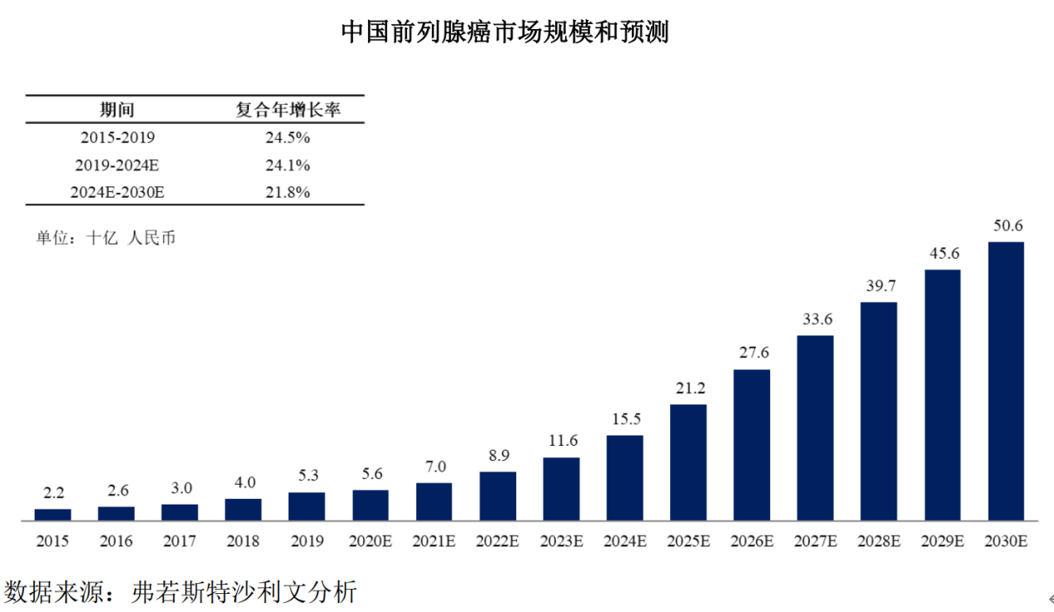
Core Insights - The submission of the New Drug Application (NDA) for TLX591-CDx by YuanDa Pharmaceutical marks a significant advancement in the field of nuclear medicine for prostate cancer diagnosis, indicating the potential for a leading global diagnostic tool for early detection and treatment optimization [1][12] Industry Overview - Prostate cancer is one of the most common cancers among men in China, with increasing incidence and mortality rates due to factors such as population aging. The number of new cases is projected to reach nearly 200,000 by 2030, with the drug market expected to grow at a compound annual growth rate (CAGR) of approximately 21.8%, reaching nearly 50.6 billion RMB [2][4] - The early detection rate of prostate cancer in China is low, with only 30% diagnosed at an early stage, leading to significantly lower five-year survival rates compared to the US and Japan [6] Product Advantages - TLX591-CDx has demonstrated a high positive predictive value (PPV) of 94.8% in clinical trials, confirming its diagnostic efficacy comparable to studies conducted on non-Chinese patients. The product maintains high diagnostic accuracy across various lesion types, even in patients with low PSA levels [9][10] - Over 67.2% of patients had their treatment plans adjusted based on TLX591-CDx PET imaging results, highlighting its significant impact on clinical decision-making [9] Technological Edge - The product's unique design features a targeted agent, PSMA-11, which binds specifically to PSMA expressed in prostate cancer, offering advantages such as high affinity, biological stability, and effective tumor penetration [10][11] - TLX591-CDx's characteristics of "precise targeting, efficient imaging, and safety" meet clinical needs for prostate cancer diagnosis and monitoring, providing strong evidence for its market application [11] Market Potential - TLX591-CDx has been approved for commercialization in 24 countries, including the US, Australia, and Canada, achieving impressive sales figures of approximately $517 million in 2024 and $461 million in the first three quarters of 2025, reflecting over 25% year-on-year growth [11] - The acceptance of the NDA for TLX591-CDx is a crucial step in YuanDa Pharmaceutical's strategy to build an integrated diagnostic and therapeutic nuclear medicine product portfolio for prostate cancer [12] Strategic Development - YuanDa Pharmaceutical has established a comprehensive global layout in the nuclear medicine sector, with R&D and production bases in Boston and Chengdu, and a sales network covering over 50 countries [13] - The company has a pipeline of 16 innovative products targeting various cancers, including prostate cancer, and aims to provide integrated treatment options through its diagnostic and therapeutic products [13][17] Future Outlook - The successful NDA submission and ongoing development of TLX591-CDx and other innovative products are expected to enhance YuanDa Pharmaceutical's competitive edge in the global nuclear medicine market, contributing to improved treatment options for cancer patients worldwide [17]

远大医药:创新放射性核素偶联药物TLX591-CDx的 新药上市申请获中国药监局受理
Zhi Tong Cai Jing· 2026-01-19 10:14
Core Viewpoint - The company has made significant progress in the development of innovative radiopharmaceuticals for prostate cancer diagnosis and treatment, with the recent submission of a New Drug Application (NDA) for TLX591-CDx to the National Medical Products Administration of China, marking a key milestone in its oncology pipeline [1][2]. Group 1: Product Development and Clinical Trials - TLX591-CDx has shown a positive predictive value (PPV) of 94.8% in a clinical study involving over 100 prostate cancer patients, indicating its effectiveness in diagnosing the disease [2]. - The NDA submission includes data from a clinical study that demonstrated the impact of TLX591-CDx on treatment decisions, with 67.2% of patients experiencing changes in their treatment plans based on PET imaging results [2]. - The company has a total of six innovative RDC products approved for clinical research, with four currently in Phase III trials, including TLX591-CDx and TLX591 [8]. Group 2: Strategic Partnerships and Collaborations - The company signed a strategic cooperation agreement with Telix Pharmaceutical Limited in November 2020, securing exclusive rights to several innovative RDC products in Greater China [3]. - Collaborations with Sirtex Medical Pty Ltd and ITM Isotope Technologies Munich SE have established a world-class tumor intervention research and development platform [5]. Group 3: Market Expansion and Sales Performance - TLX591-CDx has been approved in multiple countries, including Australia, the United States, and Canada, with projected sales of approximately $517 million in 2024 and $461 million in the first three quarters of 2025, reflecting over 25% year-on-year growth [4]. - The company has established a global sales network covering over 50 countries, enhancing its market presence in the oncology sector [4]. Group 4: Infrastructure and Production Capabilities - The company’s radiopharmaceutical research and production base in Chengdu, China, is the first of its kind to cover the entire nuclear medicine supply chain, from isotope preparation to commercialization [9]. - The facility is designed to meet international standards with advanced automation and safety measures, ensuring high-quality production and operational efficiency [9]. Group 5: Commitment to Innovation and Future Development - The company emphasizes innovation and advanced technology development, focusing on unmet clinical needs and expanding its product pipeline [10]. - Plans are in place to strengthen the research and development of its oncology products, aiming to solidify its position as a leader in the global radiopharmaceutical market [9][10].
远大医药(00512):创新放射性核素偶联药物TLX591-CDx的 新药上市申请获中国药监局受理
智通财经网· 2026-01-19 10:07
智通财经APP讯,远大医药(00512)发布公告,本集团用于诊断前列腺癌的创新在研放射性核素偶联药物 (RDC) TLX591-CDx (Illuccix®, gallium Ga 68 PSMA-11)近日正式向中华人民共和国国家药品监督管理局 (药监局)递交了新药上市申请(NDA)并获得了受理,这是本集团在核药抗肿瘤诊疗领域的重要研发进 展。此外,本集团用于治疗前列腺癌的 RDC 产品 TLX591 已在中国获批加入国际多中心III期临床研 究,未来,两款产品组合蓄势待发,有望为中国前列腺癌患者带来更为精准、高效的诊疗方案。 本次NDA申请包含了TLX591-CDx中国临床研究的数据,该研究于2025年12月公布了积极的初步结果, 该研究是一项单臂、开放标签的III期临床研究,在超过100例前列腺癌生化复发患者中使用 TLX591- CDx 并进行正电子发射断层成像/电脑断层扫描(PET/CT)或正电子发射断层成像/磁共振成像(PET/MRI) 检测,以评估产品的诊断有效性,同时评估产品在中国人群中的安全性和耐受性。根据临床顶线结果, TLX591 CDx 检测肿瘤的总体阳性预测值(PPV)达94.8%( ...
远大医药(00512.HK):创新放射性核素偶联药物TLX591-CDx新药上市申请获药监局受理
Ge Long Hui· 2026-01-19 10:04
本次NDA申请包含了TLX591-CDx中国临床研究的数据,该研究于2025年12月公布了积极的初步结果, 该研究是一项单臂、开放标签的III期临床研究,在超过100例前列腺癌生化复发患者中使用TLX591- CDx并进行正电子发射断层成像/电脑断层扫描(PET/CT)或正电子发射断层成像/磁共振成像(PET/MRI) 检测,以评估产品的诊断有效性,同时评估产品在中国人群中的安全性和耐受性。根据临床顶线结果, TLX591-CDx检测肿瘤的总体阳性预测值(「PPV」)达94.8%(置信区间,CI:85.9%-98.2%),证实了中国 患者使用TLX591-CDx诊断的临床经验与非中国患者的研究结果相当,即使在前列腺特异性抗原(PSA) 值极低的患者中,以及在不同的转移部位,其PPV也始终保持在较高水平。 格隆汇1月19日丨远大医药(00512.HK)公告,集团用于诊断前列腺癌的创新在研放射性核素偶联药物 (「RDC」)TLX591-CDx (Illuccix®, gallium Ga 68 PSMA-11)近日正式向中华人民共和国国家药品监督管 理局(「药监局」)递交了新药上市申请(「NDA」)并获得了受理, ...
远大医药(00512) - 自愿性公告: 本集团创新放射性核素偶联药物TLX591-CDx的新药上市...
2026-01-19 09:53
自願性公告 香港交易及結算所有限公司及香港聯合交易所有限公司對本公告之內容概不負責,對 其準確性或完整性亦不發表任何聲明,並明確表示概不就因本公告全部或任何部分內 容而產生或因倚賴該等內容而引致的任何損失承擔任何責任。 Grand Pharmaceutical Group Limited 遠大醫藥集團有限公司* ( 於百慕達註冊成立之有限公司 ) (股份代號:00512) 此外,超過三分之二(67.2%)的患者在 TLX591-CDx 的 PET 成像檢測後,其治療方案 較基線時的初始方案發生了調整。這表明 TLX591-CDx 的 PET 成像檢測對臨床決策具 有重要影響,可優化疑似生化復發的前列腺癌患者的臨床治療策略。 此前,本集團於二零二零年十一月與 Telix Pharmaceutical Limited (ASX: TLX; NASDAQ: TLX,與其全球子公司統稱「Telix」)簽署了產品戰略合作協議,並獲得其開發的包括 TLX591、TLX591-CDx、TLX250-CDx 在內的多款創新 RDC 產品在大中華區(中國大 陸、中國香港特別行政區、中國澳門特別行政區、中國台灣地區)的獨家權益。 ...
大咖在蓉“头脑风暴”
Xin Lang Cai Jing· 2026-01-15 22:30
Core Insights - The first China Particle Medical and Equipment Industry Development Conference was held in Chengdu, focusing on using particle technology for more precise and gentle cancer treatment [1] - Particle therapy, including proton and heavy ion therapy as well as emerging BNCT (Boron Neutron Capture Therapy), is a cutting-edge treatment method in the nuclear medical industry [1] - The particle medical industry is emerging as a trillion-yuan market, with Sichuan province, particularly Chengdu, playing a central role in developing a complete nuclear medical industry chain [1] Industry Development - Chengdu is attracting leading companies like Yuan Da Pharmaceutical and Newray, forming a collaborative industrial hub in Tianfu International Biocity, which focuses on targeted drugs, high-end equipment, and core software [2] - The future development of nuclear medicine in Chengdu will focus on three main directions: enhancing research and clinical translation of new targeted therapies and high-end diagnostic equipment, attracting corporate headquarters and R&D platforms, and providing one-stop services through policy support and platform construction [2]
锐康迪退出中国市场,罕见病患者陷“断供”危机
Guo Ji Jin Rong Bao· 2026-01-15 14:01
Group 1 - Recordati's subsidiary in China, Ruikangdi, has officially exited the Chinese market, ceasing the supply of three rare disease drugs, which may disrupt treatment for patients [1][2] - The drug with the most significant impact from the exit is the innovative drug Shireza, which has no domestic generic alternatives, potentially leaving Cushing's syndrome patients without medication [1][2] - Approximately 40,000 to 50,000 patients in China suffer from Cushing's syndrome, with only about 3,000 requiring drug treatment [1] Group 2 - Ruikangdi, a small enterprise focused on rare diseases, is a subsidiary of Recordati, which operates in around 150 countries and has been involved in the rare disease sector since 1990 [2] - The direct reason for the market exit was a failure in health insurance negotiations, as two of its drugs did not make it into the 2025 health insurance directory [2] - The challenges faced by rare disease drug companies in China include high investment costs with low returns, as the development cost for a single orphan drug is approximately 260 million yuan, while the rare disease drug market in China accounts for only 3% of the global market [3] Group 3 - The Chinese rare disease patient population exceeds 20 million, with over 200,000 new patients added each year [3] - The industry is facing insufficient health insurance coverage, with 83% of rare disease drugs having annual treatment costs exceeding 300,000 yuan, and only 50% being included in health insurance [3] - Policy initiatives are being explored to address these challenges, such as the Boao Lecheng Pilot Zone allowing expedited approval for unapproved drugs and encouraging local innovation in the rare disease sector [3]
他们的救命药,退出了中国市场
经济观察报· 2026-01-15 03:54
Core Viewpoint - Recordati's subsidiary, Recondi, unexpectedly announced its exit from the Chinese market, citing recent market and regulatory dynamics, including the rejection of its drug Ozagrel for inclusion in the national medical insurance drug list [1][2]. Company Overview - Recondi, established in 2021, focused on rare diseases and had three approved drugs in China, with two commercialized. The company experienced rapid expansion but faced challenges in achieving profitability [3][16]. - The company had been actively hiring and promoting its products for inclusion in medical insurance while conducting education for doctors and patients [2][3]. Market Dynamics - The National Healthcare Security Administration has been increasing support for rare diseases, with approximately 100 rare disease drugs included in the national medical insurance drug list since 2018 [3]. - Despite the growing support for rare diseases, Recondi's products, including Ozagrel, did not make it into the insurance list, leading to their withdrawal from the market [3][7]. Product Details - Ozagrel, a key product for treating Cushing's syndrome, was priced at 8,008 yuan per box, significantly lower than global prices but still high for patients [6][7]. - The other product, Karglutan, had limited sales due to the availability of generic alternatives and high costs, making it unaffordable for many patients [6][10]. Patient Impact - The exit of Recondi has left many patients without access to critical medications, with some patients expressing regret and concern over the lack of alternatives [2][11]. - The high cost of Ozagrel and the absence of insurance coverage have made it difficult for patients to afford the treatment, with many waiting for it to be included in the insurance list [10][11]. Industry Challenges - The rare disease sector faces significant challenges, including high research and development costs, limited patient populations, and the need for extensive education and market cultivation [16][18]. - Recondi's experience reflects broader industry difficulties, as companies specializing in rare diseases often struggle to achieve sustainable business models without the support of insurance coverage [17][18].

他们的救命药,退出了中国市场
Jing Ji Guan Cha Wang· 2026-01-15 03:37
Core Viewpoint - Recordati's subsidiary, Recondi, has announced its exit from the Chinese market, ceasing all operations and services, which has raised concerns among patients and healthcare professionals regarding the availability of rare disease medications [2][3][4]. Company Overview - Recondi, established in 2021, focused on rare diseases and had three approved drugs in China, two of which were commercialized [19][20]. - The company experienced rapid expansion but faced challenges in achieving profitability, leading to its decision to exit the market [4][21]. Market Dynamics - The exit was influenced by recent market and regulatory developments, particularly the rejection of the application for the inclusion of the drug Ozolisat in the national medical insurance directory [2][3][9]. - Despite the government's efforts to increase support for rare diseases, including the inclusion of approximately 100 rare disease drugs in the national insurance directory since 2018, Recondi's products did not gain entry [9][19]. Product Details - Ozolisat, a key product for treating Cushing's syndrome, was priced at 8,008 yuan per box, significantly lower than global prices but still unaffordable for many patients [8][10]. - The other product, Kaguamin, had already faced competition from generic alternatives, impacting its sales performance [4][7]. Patient Impact - The withdrawal of Recondi has left many patients without access to critical medications, with some expressing disappointment and concern over the lack of alternatives [2][4][14]. - The high costs of available treatments have made it difficult for patients to afford necessary care, with many relying on insurance coverage that has not materialized [10][11][12]. Future Considerations - Recondi's exit highlights the challenges faced by companies in the rare disease sector, including high development costs, limited patient populations, and the need for effective market education [21][22]. - The company has stated it will continue to collaborate with healthcare professionals and patient advocacy groups to mitigate the impact of its exit on patients [18].

远大医药TLX250-CDx中国临床数据登国际顶刊,FDA突破性疗法认定有望改写透明细胞肾细胞癌诊疗格局
Zhi Tong Cai Jing· 2026-01-12 09:31
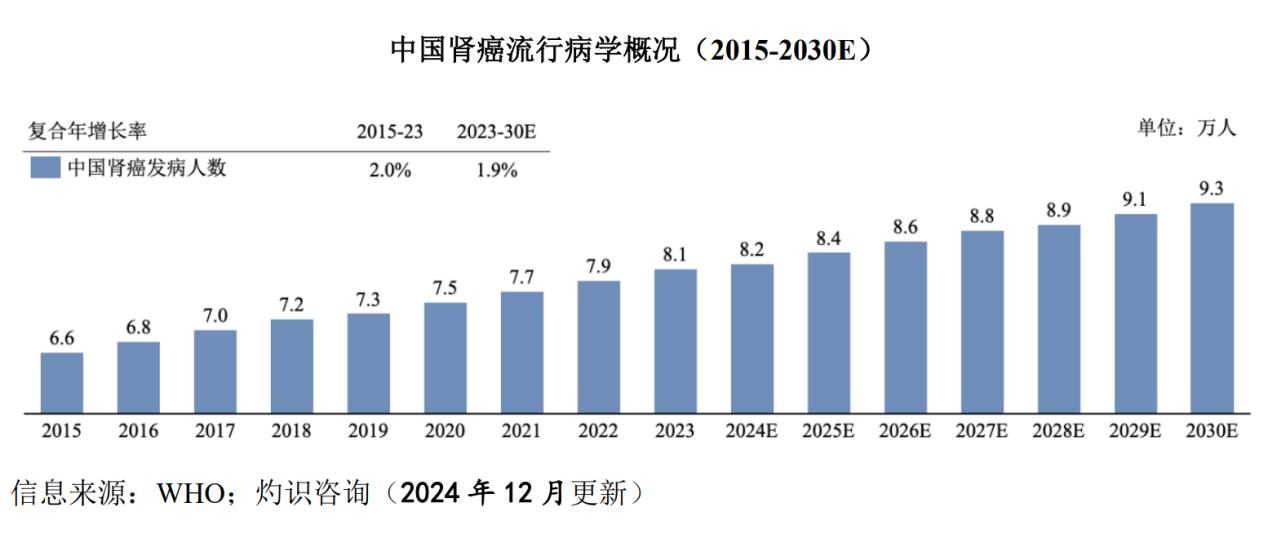
Core Insights - The company has achieved significant breakthroughs in the field of nuclear medicine, particularly with the successful completion of the Phase I clinical trial of TLX250-CDx for diagnosing clear cell renal cell carcinoma (ccRCC) in China, which has been published in a leading international journal [1][6] - TLX250-CDx is expected to provide a non-invasive and accurate diagnostic option for millions of suspected ccRCC patients in China, enhancing the diagnostic landscape [1][6] Group 1: Clinical Research and Results - The ZIRDOSE-CP clinical study is a single-arm, open-label, prospective Phase I trial assessing the safety, tolerability, and pharmacokinetics of TLX250-CDx in 10 Chinese patients with uncertain renal masses or suspected recurrence of ccRCC [2] - The study demonstrated good safety and tolerability of TLX250-CDx in Chinese patients, with organ and tumor dosimetry similar to previous reports in other populations, supporting its clinical value [6][10] Group 2: Market Potential and Growth - The ccRCC market is expanding, with the number of patients in China increasing from 66,000 in 2015 to 81,000 in 2023, reflecting a compound annual growth rate (CAGR) of 2.0%, and projected to reach 93,000 by 2030 [2] - The global renal cancer diagnostic market is expected to grow from USD 5.37 billion in 2024 to USD 8.36 billion by 2035, with a CAGR of 4.11%, indicating a strong demand for more precise diagnostic methods [5] Group 3: Company Capabilities and Innovations - The company has established a comprehensive nuclear medicine industry chain, covering research, production, distribution, and sales, with over 900 employees globally [7][14] - The company has a robust pipeline with 16 innovative products in the registration phase, including five key radioactive isotopes, and aims to provide integrated treatment options for various cancers [7][10] - The company’s production facility in Chengdu is the world's first closed-loop platform for nuclear medicine, ensuring 100% self-production and addressing import dependency issues [12][14]