傅利叶

Search documents
多城密集出手!机器人跑马拉松刷屏了,背后信息量很大
21世纪经济报道· 2025-05-15 02:18
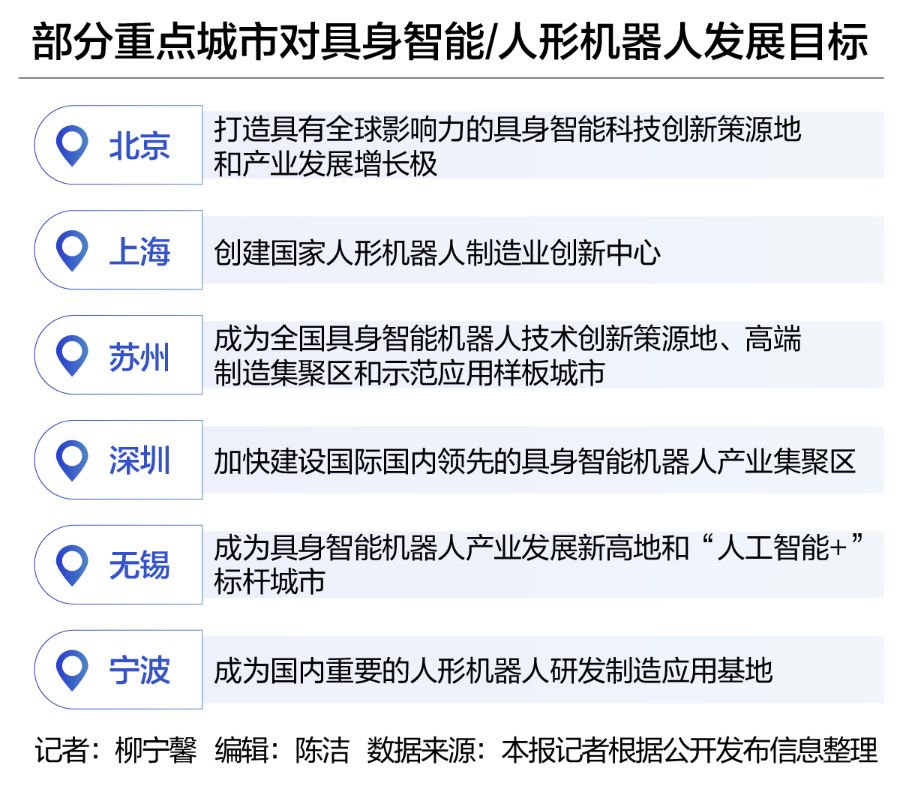
Core Viewpoint - The humanoid robot industry is facing challenges due to a lack of application scenarios, despite significant interest and investment from various cities and regions in China [2][9]. Industry Development - Various cities have initiated humanoid robot competitions and events to test the intelligence of humanoid robots in complex scenarios, with notable events such as the first humanoid robot half marathon in Beijing and the first embodied intelligent robot sports meeting in Wuxi [1][11]. - The Ministry of Industry and Information Technology has set ambitious goals for the humanoid robot industry, aiming for a preliminary innovation system by 2025 and a competitive industrial ecosystem by 2027 [5][9]. Regional Plans - Shenzhen aims to achieve an industry scale exceeding 100 billion yuan within three years, with plans to cultivate over 10 companies valued at over 10 billion yuan by 2027 [5][6]. - Beijing's plan includes producing over 10,000 humanoid robots and establishing at least 50 scalable applications across various sectors by 2027 [6]. - Suzhou targets a core industry scale of 10 billion yuan and aims to support a total robot industry scale of 200 billion yuan by 2027 [7]. - Wuxi plans to develop a new highland for humanoid robot industry, with a target of exceeding 300 billion yuan in AI industry scale within three years [7][8]. - Ningbo aims to become a significant R&D and manufacturing base for humanoid robots by 2027, expanding its application scenarios [8]. Application Scenarios - The humanoid robot industry is currently focused on applications in industrial, commercial, and household settings, with a need for long-term optimization of application scenarios [2][11]. - Recent competitions have showcased humanoid robots in various tasks, including athletics, soccer, and interactive activities, highlighting their potential in real-world applications [11][12]. - Current commercial applications are primarily in sectors like food service, tourism, and education, with a focus on intelligent interaction and task automation [12][14]. Collaborations and Innovations - Companies are increasingly collaborating with local manufacturing firms to explore more industrial and service scenarios [13]. - Notable partnerships include Huawei's collaboration with UBTECH to advance humanoid robot applications in various sectors [13]. - The industry is witnessing the introduction of humanoid robots in factories, with companies like Dongfeng Liuzhou Auto purchasing humanoid robots for batch operations [13][14]. Future Outlook - The humanoid robot sector is viewed as a trillion-yuan industry, but it faces challenges that require breakthroughs in technology and market adaptation [14]. - The industry is at a critical juncture, transitioning from experimental phases to real-world applications, necessitating ongoing technological advancements [9][14].

人形机器人竞速:城市的野心与一场技术长跑
2 1 Shi Ji Jing Ji Bao Dao· 2025-05-14 13:17
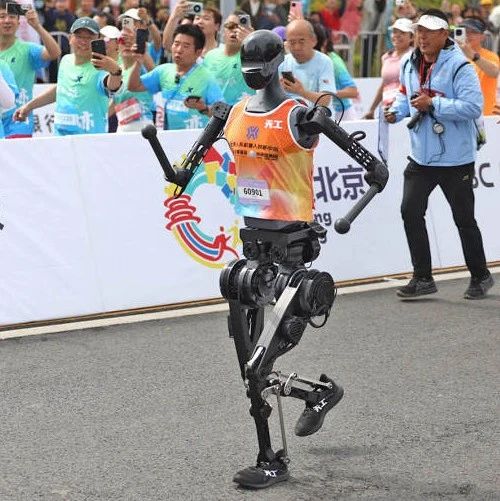
21世纪经济研究院研究员柳宁馨 实习生王梓欣 人形机器人如何破解应用场景匮乏的挑战? 今年以来,多城市举行人形机器人运动会和马拉松,测试人形机器人在复杂场景中的智能化水平,同时,支持人形机器人企业 和本地制造业企业合作,关注工厂、商业场景下的作业场景以及复杂任务。 比如,4月19日,全球首个人形机器人半程马拉松赛在北京亦庄举行。4月24—26日,无锡举办了首届具身智能机器人运动会。 而在8月15—17日,2025世界人形机器人运动会将在北京举办。 人形机器人上赛道、进工厂的背后,是行业的多路径测试,但应用场景匮乏成为当前人形机器人产业面临的挑战。 21世纪经济研究院分析认为,当前,各地抢抓人形机器人产业发展机遇,出台相关产业规划,积极推动人形机器人落地应用。 从产业规划落地过程看,工业和泛工业场景、商业和家庭场景的人形机器人应用仍需逐步推进。面对人形机器人智能化水平和 实际需求的差距,行业需要长时间优化应用场景适配。 城市开启人形机器人"竞速" 人形机器人行业火热,城市的"竞速"也不断展开。2024年以来,深圳市、无锡市、苏州市、重庆市、浙江省、河南省、北京 市、上海市、安徽省、山东省等多个省份和城市已出台具 ...

人形机器人行业周刊:成都人形机器人创新成果再突破,宇树科技订单爆满
Chan Ye Xin Xi Wang· 2025-05-14 05:36
Key Policies - Shandong Province has introduced a series of policies to accelerate the development of artificial intelligence, aiming to create a high-quality development model by 2027, including the cultivation of 20 foundational AI models and over 100 typical application cases [4][5] - The policies focus on enhancing technological innovation, optimizing industrial ecology, and providing resource guarantees to support the entire AI industry chain [5] Key Regions - Shenzhen's "Robot Valley" has established a complete industrial ecosystem from core components to application scenarios, with significant advancements in collaborative robots and autonomous navigation technologies [6][7][8] - The number of robot companies in Shenzhen is projected to reach 74,000 by 2024, with a total industrial output value exceeding 201.2 billion yuan, marking a 39.64% year-on-year growth [10] Key Events - The Chengdu Humanoid Robot Innovation Center has achieved a breakthrough in technology, enabling humanoid robots to perform complex tasks across different spaces [33][37] - The 2025 China (Zhengzhou) Robot and Artificial Intelligence Industry Conference will focus on the integration of AI and robotics, showcasing application potential across various sectors [38][40] - A 5 billion yuan robot headquarters project has been signed in Changshu, expected to generate an annual output value of 10 billion yuan upon completion [42][43] Key Companies - Amazon has launched a new warehouse robot named Vulcan, capable of performing 75% of item picking and storage tasks previously done by humans [50] - Yushutech's CEO reported a surge in orders and a talent shortage, indicating a booming humanoid robot market driven by favorable policies [51][52] - Fourier has introduced a new generation of bionic robots with advanced interaction capabilities, emphasizing the importance of human-like features in future robotics [54][66] Industry Dynamics - The integration of AI and humanoid robots is accelerating, with companies like Ruishun Technology and Aifute focusing on enhancing robot capabilities through AI [47][48] - The demand for humanoid robots in urban services is increasing, with strategic partnerships being formed to develop solutions for various applications [57][58] - The industry is witnessing a shift towards quality and innovation, with companies aiming to reduce reliance on imported components and enhance local production capabilities [24][25][28]

人形机器人行业专题研究周报:华为哈勃入股千寻智能,大厂加速人形机器人布局-20250512
CHINA DRAGON SECURITIES· 2025-05-12 13:47
执业证书编号:S0230523110001 邮箱:yangy@hlzq.com 证券研究报告 人形机器人 报告日期:2025 年 05 月 12 日 华为哈勃入股千寻智能,大厂加速人形机器人布局 ——人形机器人行业专题研究周报 华龙证券研究所 执业证书编号:S0230124020003 邮箱:lihy@hlzq.com 相关阅读 《整机&零部件&应用场景,车企多环节 布局机器人赛道—人形机器人行业专题 研究周报》2025.04.14 《应用端逐步落地,短期调整不改长期 趋势—人形机器人专题周报》2025.03.24 《智元推出通用具身大模型,重视人形 机器人大脑发展—人形机器人行业专题 研究周报》2025.03.11 请认真阅读文后免责条款 摘要: 5 . 投资评级:推荐(维持) 最近一年走势 行情回顾:2025 年 5 月 6 日至 2025 年 5 月 9 日,人形机器人指 数涨跌幅+2.63%。同期沪深 300 涨跌幅+2.00%,上证综指涨跌幅 +1.92%,深证成指涨跌幅+2.29%,创业板指涨跌幅+3.27%,科创 50 涨跌幅-0.60%。 分析师:杨阳 美的人形机器人进厂,单台可替代 3 名熟 ...


王兴兴放话“人形机器人订单爆了” 受制于产能 行业总体出货量谨慎乐观
Xin Lang Cai Jing· 2025-05-12 12:07
Group 1 - The humanoid robot industry is experiencing a surge, with component manufacturers reaping early benefits from the market boom [1][2] - Companies like Tuosida and Wuzhou Xinchun have seen their stock prices soar, with several stocks hitting the daily limit [1] - Wang Xingxing mentioned that humanoid robot companies, including Yushu, are in a strong growth phase, with many firms overwhelmed by orders [1][2] Group 2 - Major players in the humanoid robot market, such as Zhiyuan Robotics and Leju Robotics, are leading in shipment volumes, with Zhiyuan planning to maintain thousands of units in shipments this year [2] - Fourier Robotics aims to deliver over 10,000 robots by Q1 2025, with a target of 300 biped humanoid robots [2] - Fourier has partnered with Shanghai International Medical Center to establish a rehabilitation demonstration base for humanoid robots [2] Group 3 - Huawei and Ubtech signed a comprehensive cooperation agreement to innovate in humanoid robots, focusing on product development and application scenarios [3] - Ubtech has secured a contract for large-scale humanoid robots, marking a significant step in the industrial application of humanoid robots [3] Group 4 - Despite the growth, industry experts express caution regarding the current shipment situation due to limited production capacity and the stability of components [4] - Many humanoid robot companies are struggling to meet real customer value demands, hindering the formation of a commercial closed loop [4] Group 5 - The concept of embodied intelligence is gaining traction, with a focus on integrating AI with physical space, presenting potential breakthroughs in various applications [4][5] - The development of humanoid robots is limited by challenges in motion control and the need for enhanced capabilities in unstructured environments [5]
康复医疗训练 人形机器人何时有用武之地?
Nan Fang Du Shi Bao· 2025-05-12 04:42
Core Viewpoint - Fourier, a humanoid robot company, is focusing on the healthcare sector as a key area for its embodied intelligence strategy, leveraging its background in rehabilitation robotics [1][3]. Group 1: Company Strategy - Fourier has launched two models of its GR series humanoid robots in 2023 and 2024, marking its 10th anniversary and signaling a shift towards healthcare applications [3]. - The founder and CEO, Gu Jie, emphasized that the company has extensive experience in product development through collaboration with medical teams and patients, making healthcare a natural fit for its technology [5]. - Fourier's rehabilitation robots are already deployed in over 3,000 hospitals globally, showcasing its established presence in the healthcare market [5]. Group 2: Market Demand and Challenges - The healthcare sector has a significant demand for embodied intelligence robots, particularly due to uneven distribution of healthcare resources and varying levels of professional care in different regions [8]. - Gu Jie highlighted that robots can standardize treatment quality and training intensity, addressing disparities in human therapists' methods and effectiveness [8]. - The successful implementation of embodied intelligence robots in healthcare hinges on two critical factors: efficacy in clinical outcomes and safety in medical-grade quality [8]. Group 3: Industry Outlook - The adoption of embodied intelligence technology in healthcare is more challenging than in other industries due to a lack of interdisciplinary talent and high regulatory barriers [9]. - Medical institutions are currently cautious, preferring to observe the development of humanoid rehabilitation devices before fully committing to their use [9]. - Gu Jie anticipates that it will take approximately three to four years for these robots to transition from prototype to clinically viable products, including the time needed for regulatory approvals [9].
成立十周年,傅利叶要把人形机器人带进康养场景 | 最前线
3 6 Ke· 2025-05-11 11:53
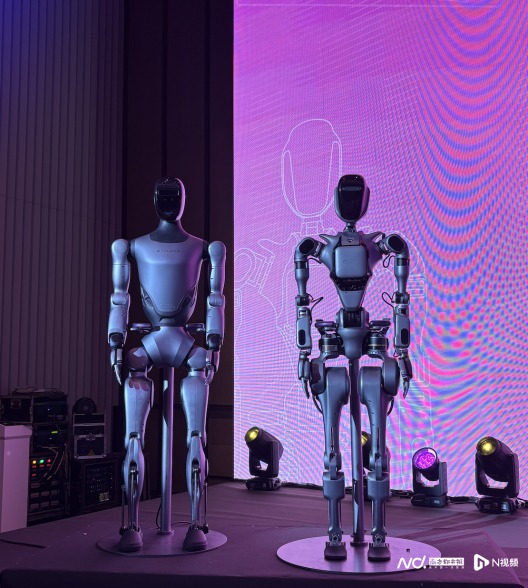
Core Insights - The focus of the current embodied intelligence companies is on commercialization across various industries, including industrial production, reception, and high-risk operations [1] - Fourier, an embodied intelligence unicorn, announced a comprehensive collaboration with Shanghai International Medical Center to establish the first domestic demonstration base for rehabilitation using embodied intelligent robots [1] - The CEO of Fourier, Gu Jie, emphasized a core strategy for the next decade centered on "human-centered embodied intelligence," aiming to integrate this technology into hospitals, community homes, and broader scenarios [1] Company Developments - Fourier was founded in 2015, initially focusing on medical rehabilitation robots, and has recently shifted towards building a general-purpose robotics technology platform, launching its first general-purpose humanoid robot, GR-1 [1] - As of now, Fourier has released two self-developed GRx series humanoid robots, with hundreds of units shipped to various applications, including AI research, manufacturing, reception, and hazardous material protection [1] Industry Trends - The CEO of SenseTime Medical highlighted that while pure medical scenarios are limited, there are broader commercial opportunities in health, rehabilitation, and elderly care due to a shortage of professional caregivers [2] - The importance of interactivity in rehabilitation scenarios was noted, with the potential for humanoid robots equipped with general models to provide emotional value [2] Challenges and Considerations - The deployment of embodied intelligence in healthcare faces challenges such as technology, clinical application, and regulatory issues, including the need for medical licenses [3] - The transition from traditional rehabilitation robots to humanoid robots is at a critical stage, with potential limitations in clinical use despite the robots being operational [3] Future Directions - The unique requirements of rehabilitation, such as cognitive training and interaction, necessitate robots with sensory capabilities to understand human needs and emotions [4] - Fourier's long-standing experience in human-machine interaction positions it well to address the core challenge of how humans and machines coexist [4] - The company has initiated the "Embodied Intelligent Rehabilitation Technology Development Initiative" to further promote the application of this technology in healthcare [4] Key Requirements for Implementation - For rehabilitation robots to be effective, they must demonstrate clinical efficacy and ensure safety, meeting medical-grade quality standards [5] - The demand for rehabilitation robots often originates from community and hospital needs, requiring collaboration among doctors, engineers, and research institutions to innovate and build an embodied intelligence ecosystem [5]
傅利叶顾捷:一个医疗级人形机器人产品落地要三到四年
虎嗅APP· 2025-05-11 09:36
Core Viewpoint - The article discusses the evolution and future prospects of Fourier, a company specializing in humanoid robots, particularly in the context of healthcare and rehabilitation, highlighting its journey from inception to becoming a key player in the field of embodied intelligence [3][5][6]. Company Development - Fourier was founded ten years ago, initially focusing on rehabilitation robots and later expanding into humanoid robots, with the first prototype being developed in 2022 [3][5]. - The company has launched several humanoid robots, including GR-1 and GR-2, and plans to release more products by the end of the year [5][6]. Market Environment - The market for humanoid robots faced skepticism in the past, with many investors viewing them as mere toys; however, recent advancements in large model technology have transformed the perception of embodied intelligence into a new growth area [4][6]. - The healthcare sector is seen as a critical application area for humanoid robots, with Fourier's existing presence in over 3,000 medical institutions providing a strong foundation for future developments [6][10]. Technological Advantages - Fourier's expertise in core components from rehabilitation robots is leveraged in humanoid robot development, maintaining a focus on dual-legged designs [6][10]. - The company emphasizes the importance of interactivity and human-centric design in both industrial and healthcare applications, aiming to enhance robots' perception and decision-making capabilities [7][10]. Future Applications - Humanoid robots are expected to play significant roles in rehabilitation, elderly care, and companionship, with a focus on interactive and cognitive training [8][10]. - The timeline for bringing a medical-grade humanoid robot from concept to market is estimated to be three to four years, considering the necessary validation and regulatory processes [9][10]. Competitive Differentiation - Fourier differentiates itself through its technological advancements, including force feedback technology and AI-driven motion capabilities, which allow for adaptive interactions with users [10][12]. - The company has accumulated a wealth of rehabilitation data, enabling it to understand user needs and refine its robots' functionalities [10][12]. Collaboration and Ecosystem - Fourier recognizes the need for collaboration within the industry, particularly in sensor technology and AI model development, to enhance the capabilities of humanoid robots [12][13]. - The company aims to build partnerships with AI firms to leverage existing infrastructures and adapt models for specific applications [13][15]. Market Strategy - Fourier intends to maintain its focus on the B2B market while exploring potential C2C opportunities as technology evolves, emphasizing the importance of efficiency and user empowerment [15][16]. - The company views its rehabilitation and humanoid robot segments as interconnected, with plans for diverse robot forms to meet various user needs [16].

傅利叶顾捷:一个医疗级人形机器人产品落地要三到四年
Hu Xiu· 2025-05-11 05:12
Core Viewpoint - Fourier has evolved from a rehabilitation robotics company to a general humanoid robotics company, marking its tenth anniversary with significant advancements in humanoid robot development, including the launch of GR-1 and GR-2 [1][2][3] Company Development - Founded ten years ago in Zhangjiang, Fourier initially focused on rehabilitation robots, becoming one of the first teams in China to commercialize exoskeleton robots for medical rehabilitation [1][2] - The first humanoid robot prototype was developed in 2022, with the official launch of GR-1 in July 2023 at the World Artificial Intelligence Conference [2][3] Market Environment - The humanoid robotics market faced skepticism from investors initially, with many viewing humanoid robots as mere toys [2] - The landscape has changed, with advancements in large model technology driving interest and investment in embodied intelligence as a new frontier [2][3] Technological Focus - Fourier's strategy emphasizes the integration of core components from rehabilitation robots into humanoid robots, maintaining a bipedal design and achieving mass production of bipedal humanoid robots in 2023 [3][7] - The company has accumulated extensive data and experience from over 3,000 medical institutions, enhancing its understanding of user needs [3][7] Future Applications - Humanoid robots are expected to play significant roles in rehabilitation, elderly care, and companionship, with a focus on interaction, perception, and decision-making capabilities [5][8] - The company envisions a range of applications in the medical field, from patient guidance to night ward companionship, and extending into community and home settings [8][9] Product Development Timeline - The development timeline for a medical-grade humanoid robot from concept to market is approximately three to four years, including prototype validation and regulatory approval [6][12] Competitive Advantage - Fourier's competitive edge lies in its early focus on force feedback technology, advanced algorithms for motion capabilities, and a deep understanding of human-robot interaction [7][10] - The company aims to collaborate with partners for sensor development and leverage existing AI infrastructure to enhance its robotic capabilities [9][10] Market Strategy - While currently focused on B2B applications, Fourier is open to exploring C2C opportunities as technology evolves, although no immediate plans for C2C products exist [11][12] - The company does not view its rehabilitation and humanoid robotics segments as separate but rather as interconnected within the broader field of embodied intelligence [12][13]
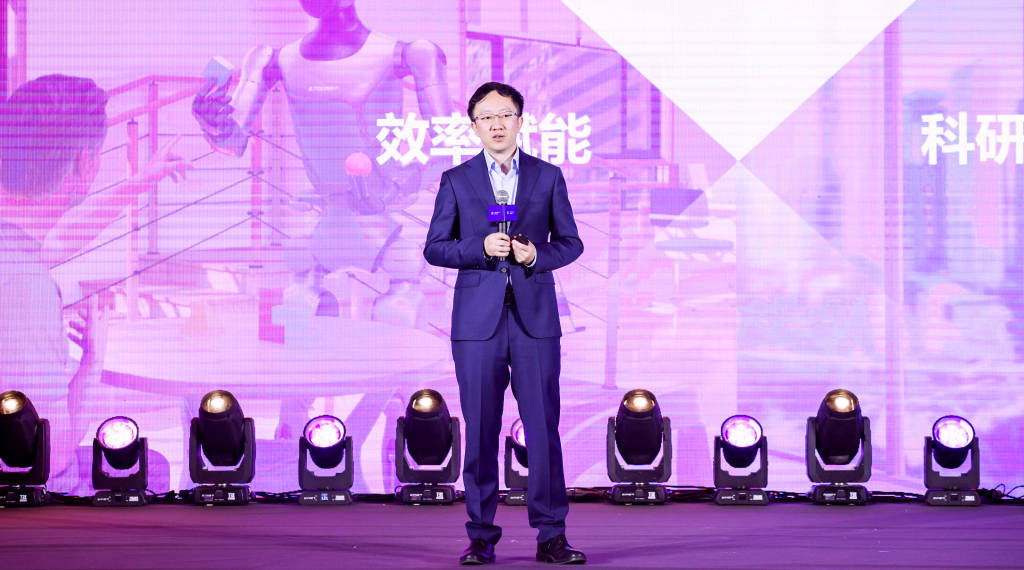
傅利叶提出下个十年战略,CEO顾捷:机器人要有温度,要用实际价值来定义形态
Sou Hu Cai Jing· 2025-05-10 14:42
"人形机器人,其技术本质上也是在解决'人和机器怎么相处'这个核心命题。" 5月9日,在上海具身智能独角兽傅利叶的十周年庆暨首届具身智能生态峰会上,傅利叶创始人兼CEO顾捷分享了自己的创业体会,并提出了立足 康养、聚焦交互、服务于人的下一个十年核心战略。 顾捷表示,傅利叶要做的,是最懂交互、最有温度的机器人,"机器人是能够去照顾人的,是最终要服务到人的,无论是陪伴,还是枯燥的康复训 练,还是终究有一天的进入家庭、进入各种各样的场景,机器人一定是要有温度的,会和人类一起交互的。" 未来的机器人需要能够真正帮助到人,需要具备感知能力,感知环境、人类的需求以及周边的情绪,然后利用现在的大模型AI技术进行思考,最 后做出相应的反馈,这与其他一些行业在技术路线上存在差异。 傅利叶创始人兼CEO顾捷 顾捷强调,傅利叶一边做康复一边做人形,二者并不冲突,反而是一体两面,相辅相成的。 顾捷在接受采访时表示,交互性和温度,用英文表述是"human",更准确地说是以人为本。在很多生产制造过程中,其实并不太需要与零件、工 件进行大量复杂的交互。 他表示,傅利叶并不是简单地分为康复板块和人形板块,而是基于以人为本的具身智能赛道。不同形 ...