
LG

Search documents
周期反转,650亿电解液龙头,“熬”过至暗时刻
3 6 Ke· 2025-10-27 04:18
Core Insights - The article discusses the journey of Tianqi Materials, highlighting its evolution from a small player in daily chemical materials to a leading company in the lithium battery electrolyte market, driven by strategic decisions and market dynamics [1][3][4]. Company Development - Xu Jinfeng, the founder of Tianqi Materials, initially ventured into entrepreneurship in the 1980s, focusing on daily chemical products and later pivoted to high-tech materials, establishing Tianqi Materials in 2000 with an investment of 5.1 million yuan [1][3]. - The company became a hidden champion in the domestic daily chemical raw materials sector, securing contracts with major international brands like Procter & Gamble and L'Oréal [3]. - In 2011, Tianqi Materials became the first domestic company to achieve large-scale production of lithium hexafluorophosphate, breaking the long-standing monopoly held by Japanese and Korean firms [4]. Market Dynamics - The demand for lithium battery electrolytes surged with the growth of the electric vehicle industry, leading to significant revenue growth for Tianqi Materials, with sales to CATL increasing from 457 million yuan in 2018 to 997 million yuan in 2020 [5]. - By 2022, Tianqi Materials reported peak revenues of 22.32 billion yuan and a net profit of 5.714 billion yuan, benefiting from strong demand and strategic partnerships [7]. Price Fluctuations - The electrolyte market faced a downturn in 2023 due to oversupply and intense price competition, with lithium hexafluorophosphate prices plummeting from a peak of 590,000 yuan per ton to below 60,000 yuan [8][9]. - Tianqi Materials' net profit dropped significantly, from 5.714 billion yuan in 2022 to 1.891 billion yuan in 2023, reflecting the impact of falling prices on profitability [8][9]. Recovery Signs - In 2024, there are indications of recovery, with lithium hexafluorophosphate prices rebounding to 73,800 yuan per ton, driven by strong demand in the battery sector [10][11]. - The company reported a revenue increase of 28.97% in the first half of 2024, with net profit rising by 12.79% compared to the previous year [11]. - Significant long-term contracts, including an agreement with Ruipu Lanjun for 800,000 tons of electrolyte products, have bolstered Tianqi Materials' market position [12]. Strategic Moves - Tianqi Materials is pursuing a listing on the Hong Kong Stock Exchange, aiming to enhance its capital base and expand its international market presence [12]. - The company is focusing on increasing exports as the domestic electrolyte market becomes saturated, indicating a strategic shift in its business model [12].



HMD Fusion 2续作来了,然而用户并不需要模块化手机
3 6 Ke· 2025-10-27 01:20
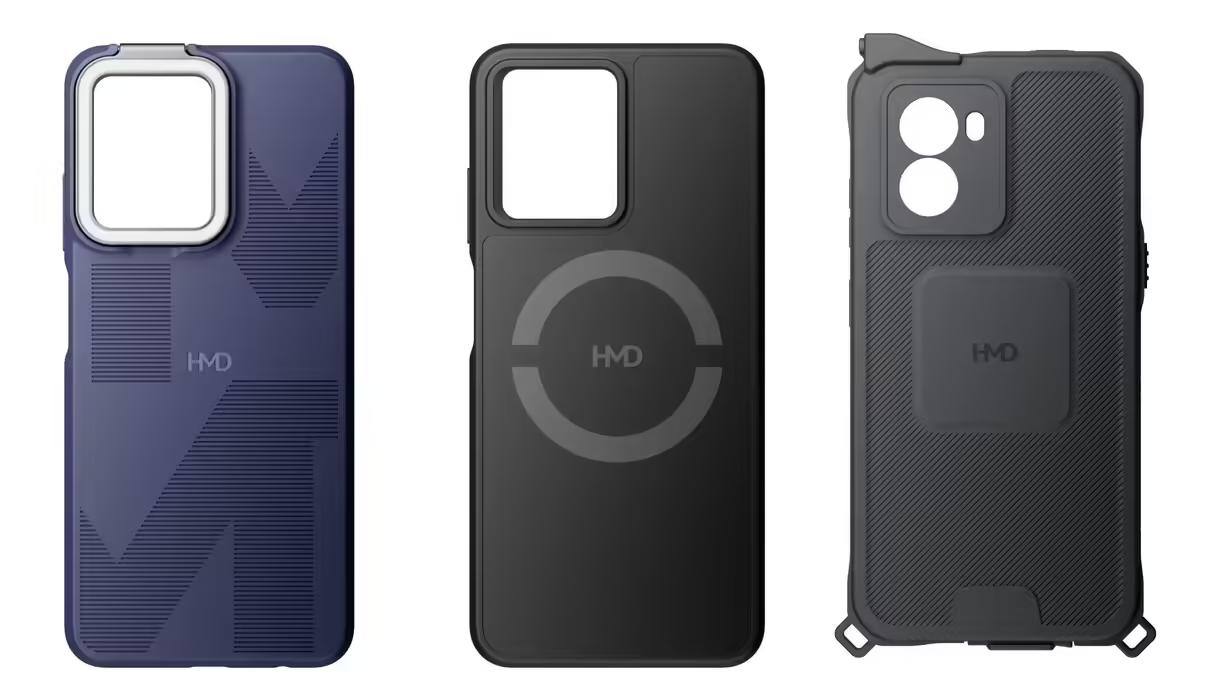
Core Viewpoint - HMD is launching its second modular smartphone, HMD Fusion 2, which continues the modular design concept of its predecessor, aiming to enhance device longevity and reduce electronic waste through user-replaceable components [1][3][11]. Group 1: Product Features - HMD Fusion 2 will allow users to easily replace camera modules, batteries, back covers, and some interface modules, promoting a more sustainable approach to smartphone usage [3][11]. - The modular design aims to address issues like battery aging and damaged components without requiring a full device replacement [11][13]. Group 2: Market Context - The concept of modular smartphones has been around for over 20 years, with early attempts like Google's Project Ara aiming to create customizable hardware ecosystems [3][5]. - Previous modular phones, such as LG G5 and Moto Z, faced poor sales and ultimately abandoned their modular features, indicating a lack of market acceptance [5][6][19]. Group 3: Challenges and Considerations - The high production and maintenance costs associated with modular designs, along with the complexity of smartphone internals, pose significant challenges for HMD Fusion 2 [6][13]. - The current market trend favors integrated designs that prioritize thinness, compactness, and durability, which conflict with the modular concept [17][19]. Group 4: Environmental and Consumer Trends - The rise of "repairability" and "sustainability" concepts in the tech industry, particularly in Europe and North America, has influenced HMD's approach to modularity [9][11]. - Despite the push for repairable devices, consumer habits lean towards convenience, with many preferring to replace rather than repair their smartphones [17][19].
预算3000,如何手搓一台“苹果显示器”?
3 6 Ke· 2025-10-27 00:21
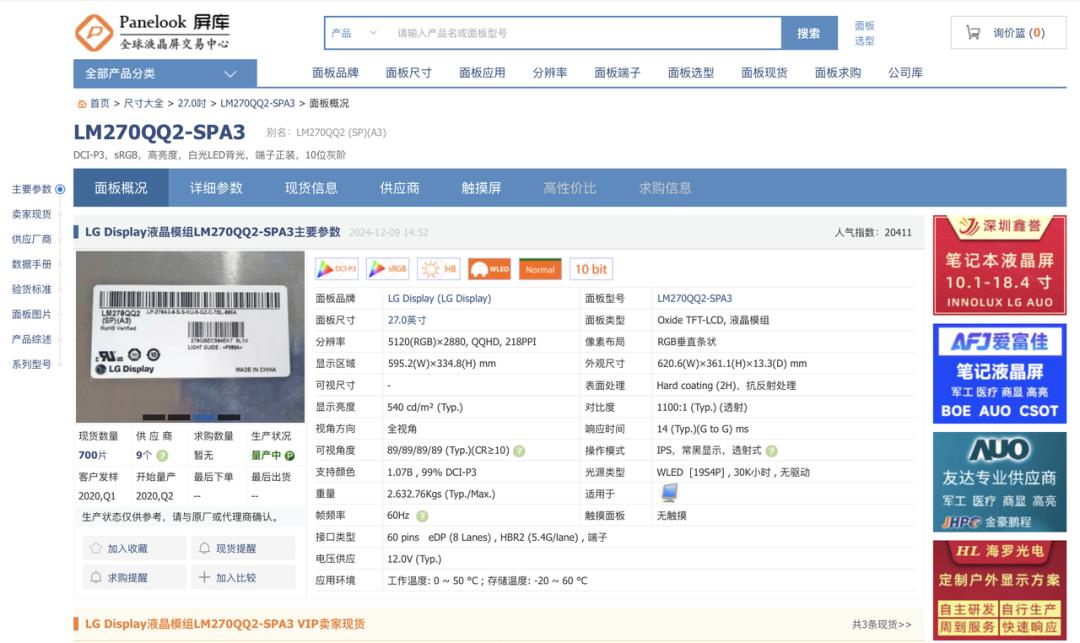
Core Insights - The article discusses the concept of assembling monitors similar to building a custom PC, highlighting the potential for significant cost savings while achieving high-quality displays [3][7][28]. Pricing and Components - Monitor prices vary widely, especially for 4K displays, ranging from just over 1,000 to over 10,000 [2]. - The primary cost differences in monitors stem from the panel and driver board, with cheaper models typically using standard LCDs with lower specifications [4][5]. - High-end monitors utilize advanced materials, larger sizes, and superior specifications, such as LG and Samsung's high-priced 4K OLED displays [5][6]. Assembly Process - The assembly of a monitor involves selecting key components: the panel, driver board, power supply, and casing [3][7]. - For example, the LG LM270QQ2 panel, used in Apple's Studio Display, can be purchased separately for under 2,000, compared to the Studio Display's price of over 10,000 [8]. - The driver board can be sourced based on specific requirements, with options available for various resolutions and refresh rates [11][13]. Customization and Challenges - Customization allows users to tailor their monitors to specific needs, such as gaming or design work, by selecting appropriate panels and driver boards [10][22]. - However, challenges include sourcing compatible casings and ensuring quality control, as DIY monitors may not match the build quality of branded products [22][24]. Market Trends - There is a growing trend of brands offering DIY monitors that provide similar specifications to high-end models at a fraction of the cost, often with warranty support [25][26]. - Some brands have successfully created 6K monitors that closely resemble high-end models like the Pro Display XDR, priced significantly lower [28].

双十一显示器杀疯了:MiniLED狂降、OLED跌破2000元
3 6 Ke· 2025-10-26 01:20
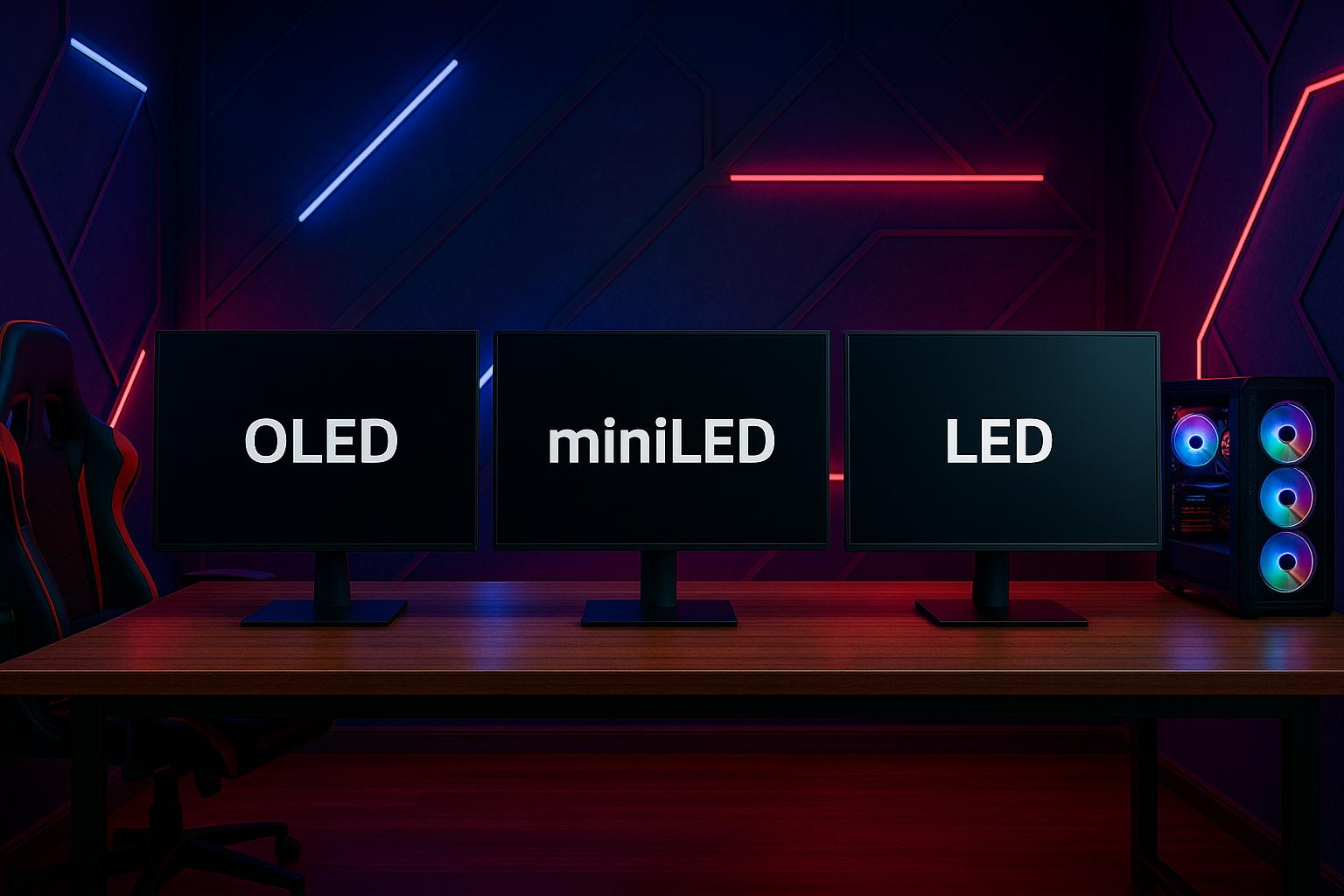
Group 1 - The core point of the article highlights the significant price reductions for monitors during this year's Double Eleven shopping festival, making it an ideal time for consumers to purchase [1][30] - The article emphasizes the importance of understanding personal needs before selecting a monitor, as the market has diversified with various technologies such as miniled, OLED, and LED [2][4] - It discusses the differences between various panel types, including IPS, VA, and TN, and their respective advantages and disadvantages [6][7] Group 2 - The article categorizes monitor needs into three types: gaming-focused, a balance of gaming and daily use, and purely for daily use, providing tailored recommendations for each category [7][8] - Specific monitor recommendations are provided, including models from brands like 雷神, LG, HKC, and 海信, with details on their specifications and pricing during the Double Eleven event [10][12][15][22] - The article notes that the current decline in monitor prices is influenced by a sluggish PC market and excess inventory from manufacturers, leading to competitive pricing [30]
Japanese electronics giants tiptoe back to India with a rewired gameplan
MINT· 2025-10-24 10:53
Core Insights - Japanese consumer electronics brands are making a cautious return to India, focusing on niche markets rather than mass markets dominated by Chinese and Korean competitors [1][2] - The Indian consumer electronics market, valued at $75 billion, is expected to grow to $130-150 billion by 2029, with Japanese companies currently holding less than 5% market share [2] Company Strategies - OM System has re-entered India with a range of cameras and lenses, emphasizing the importance of the Indian market for future growth [3][4] - Akai is targeting the air-conditioner market, positioning itself in the premium value space and focusing on long-lasting products and consumer trust [6][7] - JVC has partnered with Super Plastronics Pvt Ltd to launch made-in-India smart TVs, marking its comeback after a decade [8] Incumbent Adjustments - Companies like Sony, Panasonic, and Hitachi are reshaping their strategies by focusing on profitable categories and avoiding low-margin segments [10][11] - Panasonic has exited certain product categories and reported sales of ₹9,872.8 crore in FY24, with a focus on future-ready growth segments [12][13] - Sony India reported sales of ₹7,663 crore in FY24, facing pressure from aggressive discounting by Chinese brands [15] Market Dynamics - Analysts note that Japanese companies are repositioning in India to regain market share after losing ground globally [16] - Unlike Chinese competitors, Korean brands have avoided irrational discounting while broadening their product portfolios [17] - The challenge for Japanese brands lies in establishing a sustainable foothold in a rapidly changing market, focusing on reliability and design to differentiate from discount-driven rivals [19]

昔日电池霸主LG,为何惨败于中国?
Hu Xiu· 2025-10-23 06:06
Core Viewpoint - The company LG, once a dominant player in the global battery market with a 27% share, has faced a significant decline due to competition from Chinese firms, marking a dramatic fall from its previous status as a leader in the industry [1] Group 1 - LG held a 27% share of the global battery market and was associated with 13 out of the top 20 automotive brands [1] - The company successfully competed against Japanese giant Panasonic, achieving a notable turnaround in its market position [1] - The current situation reflects a complete collapse of LG's battery business, indicating a significant shift in the competitive landscape [1]
投资295亿元 TCL华星印刷OLED产线广州落地
2 1 Shi Ji Jing Ji Bao Dao· 2025-10-22 23:05
Core Insights - The groundbreaking of the world's first G8.6 generation printed OLED production line in Guangzhou marks a significant milestone for TCL Huaxing and the Chinese display industry [1][4] Investment and Project Overview - The T8 project, with an investment of approximately 29.5 billion yuan, is a collaboration between TCL Huaxing, the Guangzhou Municipal Government, and the Guangzhou Economic and Technological Development Zone Management Committee [1] - The T8 project is expected to accelerate the mass production of printed OLED technology, which is anticipated to reduce costs and enable large-scale production of full-size screens [1][2] Technology and Production Capacity - The T8 project is designed to process approximately 22,500 glass substrates (2290mm x 2620mm) per month, enhancing the capacity for high-generation printed OLED production [2] - The T12 G5.5 generation printed OLED production line has already achieved mass production and product delivery since November 2024, providing valuable experience for the T8 project [2][6] Market Position and Competitive Landscape - The global AMOLED panel shipment is projected to reach 1.01 billion units in 2024, with an expected increase to 1.33 billion units by 2030, indicating a growing market for OLED technology [6] - Major competitors in the OLED market, including Samsung, BOE, and Visionox, have also established G8.6 generation OLED production lines, intensifying competition [6][7] Strategic Importance and Ecosystem Development - The T8 project is positioned to strengthen the semiconductor display industry in the Guangdong-Hong Kong-Macao Greater Bay Area, which is recognized for its comprehensive electronic information industry ecosystem [4][5] - TCL Huaxing aims to create a complete ecosystem covering materials, equipment, panels, and terminal products, with a focus on domestic supply chain development [5][7] Future Outlook - The first products from the T8 project are expected to focus on the mid-size high-end OLED display market, with mass production anticipated in the second half of 2027 [3][8] - The company forecasts a 15% cost advantage over existing OLED technologies, positioning itself favorably in the competitive landscape [7]

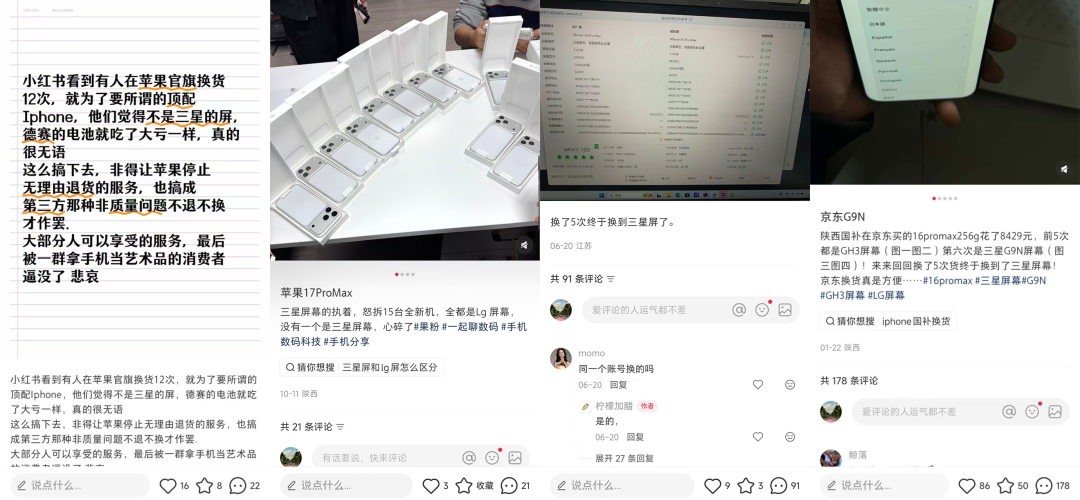
苹果用户把好好的手机退换十几次,就为了个“三星屏”
Hu Xiu· 2025-10-22 08:35
Core Viewpoint - The article discusses the phenomenon of iPhone users frequently returning and exchanging their devices to obtain models with Samsung screens, which are perceived to have superior display quality compared to LG screens. This behavior is driven by a combination of consumer dissatisfaction with display quality and the perceived advantages of Samsung's display technology over LG's [1][4][15]. Group 1: Reasons Behind Returns - The motivation for returning and exchanging iPhones is not solely about minor defects but rather the pursuit of a better display, specifically the Samsung screen [5][15]. - Users believe that Samsung screens offer better color accuracy, wider viewing angles, and clearer text compared to LG screens, leading to a preference for Samsung displays [6][8][10]. Group 2: Technical Differences - Samsung's proprietary "Diamond Pixel" technology enhances text clarity and reduces color fringing, making it more effective in rendering sharp edges compared to LG's pixel arrangement [16][19][22]. - The phenomenon of "Mura effect," which refers to uneven brightness in displays, is more prevalent in LG screens, contributing to user dissatisfaction [24][25][31]. Group 3: Quality Control and Production Variability - Apple's stringent quality control standards ensure that all screens, regardless of supplier, meet a minimum quality threshold, making differences between Samsung and LG screens less noticeable to the average consumer [34][35][43]. - Variability in production can lead to random quality differences within the same model, meaning that even devices with the same screen type can exhibit different performance [37][38][45]. Group 4: Consumer Behavior and Risks - The practice of returning multiple devices to find the "perfect screen" is legally supported by Apple's return policies, but it poses risks of being flagged as a high-risk account by Apple or e-commerce platforms [46][50][51]. - Consumers face a dilemma between the desire for an ideal device and the potential consequences of excessive returns, which could affect their purchasing capabilities in the future [52].
Liquidmetal Technologies (OTCPK:LQMT) Conference Transcript
2025-10-21 20:02
Liquidmetal Technologies Conference Summary Company Overview - **Company**: Liquidmetal Technologies (OTCPK:LQMT) - **Founded**: 1987, with technology originating from Caltech in 1962 - **IPO**: 2002 on NASDAQ with initial orders from Samsung for flip phone hinges [2][3] - **Current Focus**: Manufacturing and commercialization of liquid metal technology, particularly for hinges and other applications in various industries [1][9] Key Technology Insights - **Liquid Metal Technology**: Utilizes amorphous alloys, primarily a zirconium-based alloy, which is 70% zirconium and includes titanium, nickel, and aluminum [4][5] - **Manufacturing Process**: Involves a hybrid die-cast injection molding machine, allowing for the production of parts that are stronger than titanium and have superior hardness and elasticity [5][6] - **Unique Selling Proposition**: Capable of producing parts that are thinner (0.3 mm) and lighter, making them ideal for modern mobile devices [6][7] Target Industries - **Medical Devices**: High potential for complex, high-tolerance parts such as surgical tools and pacemaker housings [7][15] - **Robotics and Electric Vehicles (EVs)**: Applications in robotics (e.g., Tesla Optimus) and EV components, including parts for Tesla Model X [8][15] - **Consumer Products**: Prototyping for various consumer items, including health rings, credit cards, earbuds, and sunglasses [8][15] Future Growth and Manufacturing Plans - **New Manufacturing Plant**: Set to open in Hangzhou, China in 2026, leveraging local innovation and manufacturing expertise [9][10] - **Chairman’s Role**: Professor Lugee Li, who invested $63 million in 2016, is leading the operations and has a strong background in manufacturing [10][11] Market Potential - **Foldable Devices Market**: Estimated to grow from $1 billion in 2024 to $7 billion in 10 years, with significant revenue potential from hinge production [12][13] - **Revenue Opportunities**: Potential to manufacture millions of parts, translating to substantial revenue from single applications [12][13] Competitive Landscape - **Main Competitors**: CNC machining and metal injection molding (MIM) processes, with Liquidmetal's technology being more cost-effective and precise [19][20] - **Cost Structure**: Parts priced between $1 to $10, depending on complexity and production volume, making them competitive against traditional manufacturing methods [19][20] Intellectual Property and Market Position - **Patents**: Approximately 40 patents held, with plans to focus on developing additional patents to protect technology [22] - **Market Leadership**: Positioned as the foremost authority in amorphous alloy technology, with a strong brand recognition compared to smaller players in China [15][22] Financial Health - **Current Stock Price**: Ranges from $0.13 to $0.15, with a healthy balance sheet showing about $40 million in liquid cash and assets [17] - **Future Plans**: Aiming for potential re-listing on NASDAQ by 2026, with no immediate plans to raise additional funds [17][18] Conclusion - **Outlook**: The future appears bright for Liquidmetal Technologies, with numerous revenue opportunities and a strong focus on innovation and market expansion in various high-demand industries [18][23]
投资295亿元!TCL华星印刷OLED产线广州落地
2 1 Shi Ji Jing Ji Bao Dao· 2025-10-21 12:47
Core Insights - The groundbreaking of the world's first G8.6 generation printed OLED production line by TCL Huaxing in Guangzhou marks a significant milestone for both the company and China's display industry on a global scale [1][6][9] - The T8 project, with an investment of approximately 29.5 billion yuan, aims to enhance the production capacity of printed OLED technology, which is expected to reduce costs and enable mass production of full-size screens [1][2][9] Company Development - TCL Huaxing has been developing printed OLED technology for 12 years, starting research in 2013 and achieving mass production with the G5.5 generation line in 2024 [2][10] - The T8 project is designed to process approximately 22,500 glass substrates per month, accelerating the global rollout of printed OLED technology in mid-to-high-end markets [2][3] Product Strategy - The first printed OLED terminal product, a medical display, has already been launched, with plans to expand into PC products and automotive displays [3][4] - The T8 project is expected to begin mass production in the second half of 2027, focusing on high-end OLED displays in the mid-size segment [4][10] Technological Advancements - TCL Huaxing holds over 9,700 OLED patents, with more than 1,200 related to printed OLED technology, establishing a strong technological barrier in the industry [5][8] - The T8 project will leverage innovations such as industrial robots, AI models, and new materials to enhance production quality and efficiency [1][7] Industry Context - The global AMOLED panel shipment is projected to reach 1.01 billion units in 2024, with an expected increase to 1.33 billion units by 2030, indicating a growing demand for OLED technology [9] - The T8 project is strategically located in the Guangdong-Hong Kong-Macao Greater Bay Area, which is recognized for its comprehensive electronic information industry ecosystem [6][7] Supply Chain and Collaboration - The T8 project aims to foster a complete ecosystem covering materials, equipment, panels, and terminal products, with several leading global suppliers already committed to deep collaboration [7][8] - The project is expected to achieve a 50% localization rate for equipment in its first phase, with further increases anticipated in subsequent phases [8]