
乐聚机器人

Search documents
王兴兴的最佳拍档
投资界· 2025-08-14 08:16
Core Viewpoint - The article highlights the significant role of Chen Li, co-founder of Yushu Technology, in the commercialization of the company, emphasizing the importance of having market-oriented talent alongside technical expertise in a startup team [1][7]. Group 1: Background of Founders - Wang Xingxing and Chen Li share a similar educational and professional trajectory, both hailing from Ningbo, Zhejiang, and having studied mechanical engineering at Zhejiang University of Technology and later at Shanghai University [3][4]. - Their strong friendship and complementary skills led to Chen Li joining Yushu Technology after leaving a stable position at Hikvision, where he brought valuable sales experience [4][9]. Group 2: Commercialization Efforts - Chen Li transitioned from product development to focusing on commercialization after Yushu's launch of the quadruped robot Laika Go in October 2017, leading sales, marketing, and customer engagement efforts [4][9]. - The company has achieved significant global market penetration, with a market share of approximately 70% in 2023 and projected sales of 23,700 quadruped robots in 2024, representing a market share of 69.75% [9]. Group 3: Investment and Growth - Yushu Technology has seen a series of successful funding rounds, particularly since 2022, with Chen Li playing a crucial role in investor relations [5][9]. - The company has maintained profitability for five consecutive years, distinguishing itself as one of the few positive cash flow cases in the robotics industry [9]. Group 4: Industry Trends - The article notes a growing emphasis on commercialization in the robotics sector, with companies increasingly focused on securing orders and demonstrating return on investment (ROI) [11][13]. - Recent collaborations and contracts in the industry indicate a competitive landscape where companies are actively pursuing large-scale commercial projects [12][13].


东方精工(002611):主业智能装备业绩高增长 布局机器人开拓第二增长曲线
Xin Lang Cai Jing· 2025-08-14 00:32
Core Insights - The company, established in 1996, is a pioneer in the development and production of intelligent corrugated paper packaging equipment and has diversified into two main business segments: intelligent packaging equipment and marine power equipment since its IPO in 2011 [1] - In the first half of 2025, the company reported a total revenue of 2.159 billion yuan, a slight decrease of 0.1% year-on-year, while net profit attributable to shareholders reached 397 million yuan, marking a significant increase of 142.5% [1] - The company has a global market share of approximately 15% in the corrugated paper packaging sector, ranking first among domestic peers and second globally [1] - The company has made strategic investments in the "Artificial Intelligence + Robotics" sector, acquiring a 2.83% stake in Leju Robotics and establishing partnerships with multiple robotics firms [2] Financial Performance - For the first half of 2025, the company achieved a net profit of 397 million yuan, which is a 142.5% increase year-on-year, and a non-recurring net profit of 257 million yuan, up 12.1% [1] - The company is projected to achieve net profits of 806 million yuan, 999 million yuan, and 1.223 billion yuan for the years 2025, 2026, and 2027, respectively, with corresponding price-to-earnings ratios of 28.68, 23.13, and 18.89 [3] Strategic Initiatives - The company signed a strategic cooperation agreement with Leju Robotics to collaborate on manufacturing humanoid robots, skill training, and market expansion across various sectors [2] - The company has invested in three projects in the AI and robotics field, including Leju Robotics, which focuses on core robotics technology and product development [2] Market Position - The company is recognized as the first in China to mass-produce a 300-horsepower gasoline outboard motor, enhancing its position in the marine power equipment market [1] - The company is actively expanding its footprint in the robotics sector, aiming to leverage its resources to assist partners in penetrating industrial manufacturing, commercial services, and educational sectors [2]

广东东方精工科技股份有限公司2025年半年度报告摘要
Shang Hai Zheng Quan Bao· 2025-08-13 19:02
Core Viewpoint - The company reported a stable growth in operating performance for the first half of 2025, with a slight decrease in overall revenue but a significant increase in net profit and net profit excluding non-recurring items [5][6]. Financial Performance - For the first half of 2025, the company achieved total operating revenue of approximately 2.159 billion yuan, a year-on-year decrease of 0.1% [5]. - The net profit attributable to shareholders was approximately 397 million yuan, representing a year-on-year increase of 142.52% [5]. - The net profit attributable to shareholders after deducting non-recurring gains and losses was approximately 256 million yuan, showing a year-on-year growth of 12.12% [5]. Business Segment Overview Waterborne Power Equipment Segment - The subsidiary, Baisheng Power, achieved operating revenue of 485 million yuan, a year-on-year increase of approximately 28%, and a net profit of 58 million yuan, up 13% [6]. - Baisheng Power became the first company in China to mass-produce a 300-horsepower gasoline outboard motor, marking a significant milestone in the industry [6][7]. - The company launched its first intelligent top-flow machine product, which is the first foldable structure top-flow machine in China, entering mass production [7][10]. - Operational efficiency improved significantly with the implementation of the U9 EPR system, leading to a notable decrease in inventory turnover days and a substantial increase in operating cash flow [8]. Intelligent Packaging Equipment Segment - The Fosber Group maintained a stable order intake in the first half of 2025, with a focus on expanding into emerging markets like Latin America and Africa [11][12]. - Fosber Asia achieved record-high performance in the domestic market, with significant growth in new orders and revenue [13]. - The new factory of Fosber Asia, with an annual production capacity of 40 lines, was successfully launched, supporting the growth of its business [13]. Digital Printing Equipment Segment - The subsidiary, Wande Digital, launched an upgraded "digital printing all-in-one machine," which gained popularity in the domestic market [15]. External Business Development - The company is focusing on external growth through strategic investments, particularly in the fields of "artificial intelligence + robotics" and "controlled nuclear fusion key structural materials + nuclear power equipment" [16][18]. - The company increased its stake in Guizhou Aerospace New Power Technology Co., Ltd. to 19.89%, recognizing its strong technological capabilities in nuclear power components [21][23]. - The company is also investing in sectors with significant technological barriers and future growth potential, such as aerospace and new materials, to explore new directions for development [24].

人形机器人行业快评报告:世界机器人大会于北京亦庄开幕
Wanlian Securities· 2025-08-12 09:35
Investment Rating - The industry investment rating is "Outperform the Market," indicating an expected relative increase of over 10% in the industry index compared to the broader market within the next six months [7]. Core Insights - The World Robot Conference held in Beijing marks a significant milestone for the humanoid robot industry, showcasing over 1,500 exhibits from more than 200 domestic and international companies, with over 100 new products launched [2]. - The conference theme emphasizes making robots smarter and more capable, reflecting a shift from conceptual demonstrations to practical applications in real-world scenarios [2]. - The humanoid robot industry is expected to enter a phase of mass production in 2025, with China poised to lead globally due to advantages in supply chain cost reduction and innovative applications [3]. - Key challenges include insufficient AI generalization capabilities, high costs of training real-world data, and a gap between consumer price expectations and current costs [3]. - The next 3-5 years are seen as a critical window for scaling up production, particularly in industrial applications, while household adoption will depend on breakthroughs in general AI and cost reductions [3]. Summary by Sections Event Overview - The World Robot Conference opened on August 8, 2025, in Beijing, showcasing advancements in humanoid robotics [1]. Investment Highlights - The conference highlighted a transition from "conceptual showcases" to practical scenario validations, with significant orders received by companies like UBTECH and ZhiYuan, validating the feasibility of humanoid robots in industrial tasks [2]. - Major investments from giants like JD.com and Meituan are driving the development of embodied intelligence, facilitating the penetration of technology into logistics, healthcare, and commercial services [2]. Industry Challenges - The humanoid robot industry faces three main challenges: inadequate AI capabilities, high training costs for real-world data, and a disparity between consumer price expectations and current production costs [3]. Future Outlook - The report suggests that the acceleration of the humanoid robot industry, along with breakthroughs in domestic core components, will be key investment themes moving forward [3].
世界机器人大会洞察:机器人智能化进阶,应用场景持续拓展
Bei Ke Cai Jing· 2025-08-12 06:25
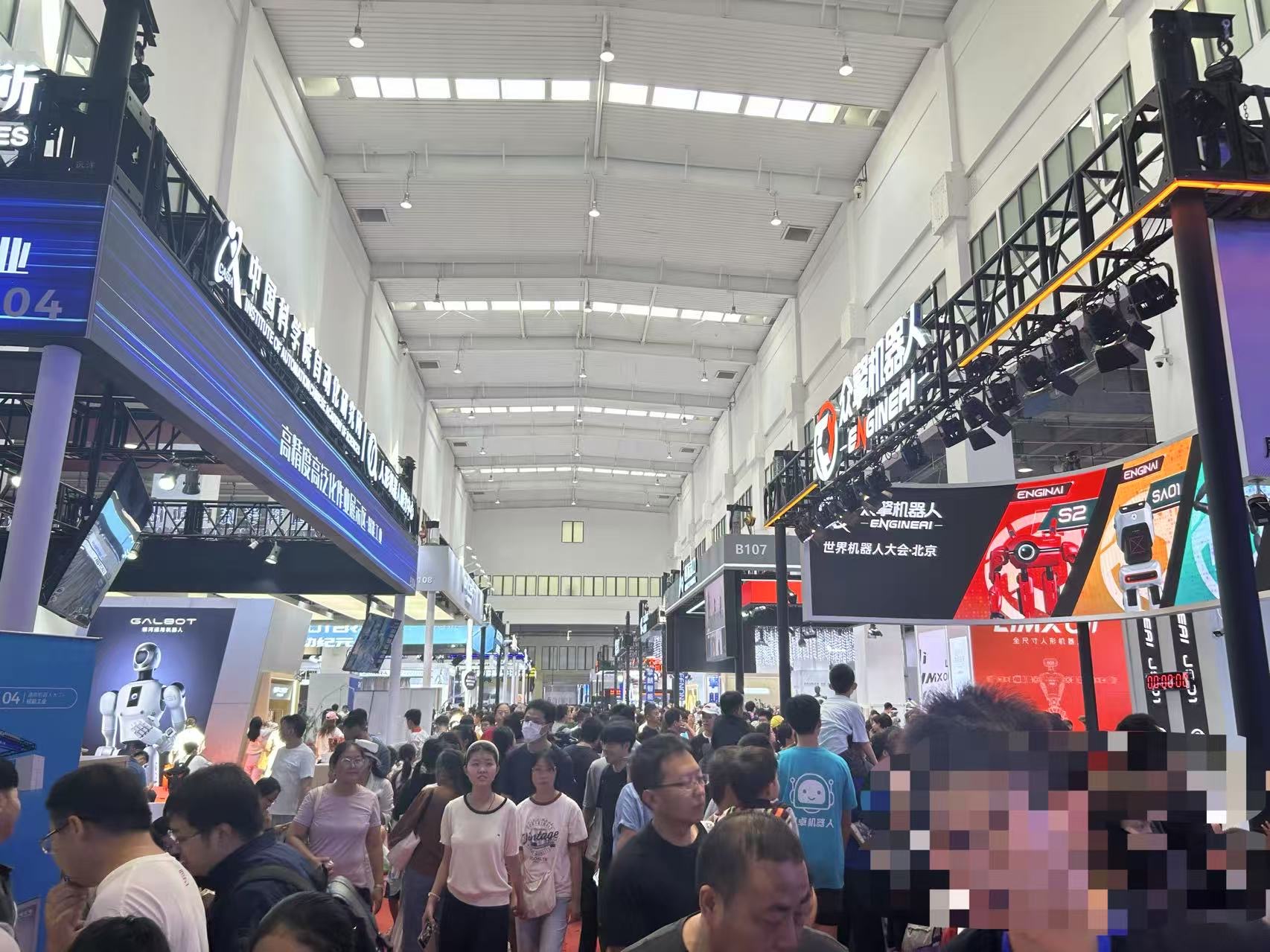
Core Insights - The 2025 World Robot Conference (WRC) held in Beijing focuses on enhancing robot intelligence and physical capabilities, highlighting the growing importance of humanoid robots in various sectors such as manufacturing, logistics, security, and healthcare [1][4][12] - The conference showcases advancements in embodied intelligence and the commercialization of humanoid robots, with companies emphasizing the need for suitable application scenarios to integrate technology and products effectively [4][11] Industry Trends - The application scenarios for humanoid robots are expanding, with companies like Zhiyuan and Qingbao Robotics demonstrating various robots capable of performing tasks in simulated environments, indicating a shift towards practical applications [4][5][10] - The market demand is evolving from experimental research to practical implementation, with a focus on robots solving specific industry pain points and adapting to complex environments [11][12] Technological Developments - Significant advancements in humanoid robot capabilities were showcased, including improved interaction features such as facial expressions and tactile sensing, which enhance user engagement [10][11] - Companies are addressing challenges such as battery life and operational stability, with innovations like automatic battery swapping and enhanced durability being introduced to improve robot reliability [10][11] Investment and Financing - Investment activity in the robotics sector is robust, with companies like Zhongqing Robotics securing nearly 1 billion yuan in funding, indicating strong investor confidence in the industry's growth potential [4][5] Future Outlook - The future of humanoid robots is expected to evolve into a platform-level ecosystem, similar to the development of smartphone ecosystems, emphasizing the importance of supply chain capabilities and customer willingness to pay [12]

撕掉“花瓶”标签! 人形机器人商业化元年来了
Mei Ri Jing Ji Xin Wen· 2025-08-11 12:46
Core Insights - The 2025 World Robot Conference held in Beijing showcased over 1,500 exhibits from more than 200 companies, emphasizing the theme of making robots smarter and more intelligent [1][3] - The commercial breakthrough of humanoid robots is evident as companies like UBTECH, ZhiYuan Robotics, and YuShu Technology secured significant contracts, indicating strong market demand in sectors like automotive and logistics [3][4] Industry Developments - Humanoid robots have transitioned from experimental applications to real industrial scenarios, with expectations of significant changes in shipment volumes and the emergence of large enterprises within 3 to 5 years [3][4] - The pricing of humanoid robots has become more transparent, with prices ranging from tens of thousands to nearly a million yuan, reflecting a shift from "no market" to actual sales [4][5] - The establishment of the world's first humanoid robot 4S store, featuring over 100 products from more than 40 manufacturers, marks a significant milestone in the commercialization of humanoid robots [4] Market Trends - There is a notable increase in smaller orders for service applications as prices decrease, with companies exploring various business models, including leasing [5][6] - The launch of a robot-operated restaurant during the conference highlights the growing integration of humanoid robots in service industries [6] Company Strategies - Different companies are targeting various market segments, with some focusing on industrial applications while others cater to service scenarios [7][8] - The path to household applications for humanoid robots is still seen as a long-term goal, with estimates suggesting it may take at least another decade due to the complexity of home environments [8][9] Challenges and Opportunities - The industry faces challenges related to AI development and data training, which are critical for advancing humanoid robot capabilities [13][14] - The potential for humanoid robots to fill labor gaps in factories is significant, especially in tasks that require flexibility and adaptability [9][10] - The need for a more optimized supply chain and cost reduction is essential for making humanoid robots more accessible to consumers [14]
人形机器人撕掉“花瓶”标签还要多久?亿元大单“破冰”,商业化元年终于来了
Mei Ri Jing Ji Xin Wen· 2025-08-10 23:59
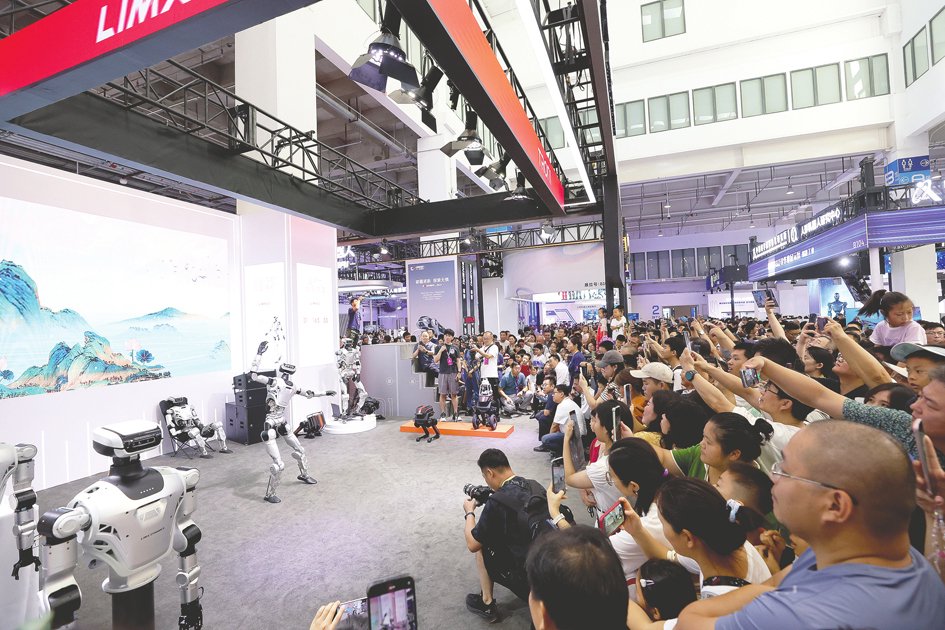
Group 1 - The core viewpoint of the article highlights the significant progress in the commercialization of humanoid robots, with major orders indicating strong market demand and technological advancements [2][4][20] - Humanoid robots are now entering practical application scenarios, with expectations of substantial changes in the next 3 to 5 years, reflected in increased shipment volumes and the growth of major companies in the field [2][4] - Companies like UBTECH and others have secured landmark contracts worth nearly 100 million yuan, validating the demand in industrial settings such as automotive and logistics [4][19] Group 2 - The 2025 World Robot Conference showcased a shift in the market, with manufacturers openly pricing humanoid robots, ranging from tens of thousands to nearly a million yuan, indicating a move away from the previous "price-sensitive" approach [4][6] - The emergence of the first physical store for humanoid robots, featuring over 100 products from more than 40 manufacturers, marks a significant step in the commercialization process [4][6] - Companies are exploring various business models, including using humanoid robots in service scenarios, such as robot restaurants and cultural tourism complexes, to enhance consumer engagement [6][7] Group 3 - Different companies are targeting various application scenarios, with some focusing on industrial uses while others cater to service-oriented markets, indicating a diverse approach to commercialization [7][9] - The consensus among industry players is to prioritize deploying humanoid robots in workplaces before expanding into home environments, as the latter presents more complex challenges [7][9] - The timeline for humanoid robots entering home environments is estimated to be at least ten years due to the complexities involved [9][10] Group 4 - Humanoid robots are seen as a solution to fill a 30% labor gap in advanced manufacturing, where traditional robotic solutions may not suffice [13][14] - The flexibility of humanoid robots allows them to adapt to existing factory layouts without requiring significant changes, making them a viable option for many industries [14][19] - The long-term cost of humanoid robots is expected to be lower than human labor, as they can operate continuously with minimal operational costs after initial investment [14][19] Group 5 - The industry faces challenges related to AI development and data training, which are critical for advancing humanoid robot capabilities [18][19] - Current hardware capabilities are sufficient, but the lack of breakthroughs in AI models limits the functionality of humanoid robots [18][19] - The need for a robust ecosystem and optimized supply chain costs is essential for making humanoid robots more affordable and accessible to consumers [19][20]
江苏不止有“苏超” 苏企争霸世界机器人大会
Zheng Quan Shi Bao· 2025-08-10 17:33
Group 1 - Jiangsu enterprises showcased innovative products and solutions at the 2025 World Robot Conference (WRC2025), including companies like Magic Atom, Uliqi, Leju Robotics, and Cancer Intelligent [1][2] - Suzhou provides a strong industrial foundation, a complete intelligent manufacturing supply chain, and a favorable business environment, attracting leading companies and accelerating the transition from research and development to mass production of embodied intelligence technology [1][2] - Leju's KUAVO humanoid robot demonstrated various applications such as outdoor delivery and human-machine interaction, integrating 5G-A remote control and collaborative control [1][2] Group 2 - Magic Atom presented its family of robots, showcasing capabilities in industrial, commercial, and household applications, including the "Wheat" dual-hand dispensing and smart guiding [2][3] - Luming Robotics introduced its LUS2 humanoid robot and the 50kg load MOS series robots, highlighting their full-stack technical strength and product vision in embodied intelligence [2][3] - Zhixing Robotics and Ruierman Robotics jointly exhibited core products like the collaborative hands 90C and 120S, emphasizing their high precision and adaptability in complex scenarios [3][4] Group 3 - Tianqi Co., Ltd.'s subsidiary UQI showcased its autonomous robot operating system UPilot and core controllers, aiming to create an end-to-end unmanned logistics system [4] - Cancer Intelligent, established in Wuxi, has rapidly become a key player in Jiangsu's intelligent manufacturing sector, successfully developing a humanoid robot with a payload capacity increased from 5kg to 50kg [4] - Huibo Robotics displayed its Astra Pro platform, integrating multi-modal perception and AI technology, aimed at providing an open platform for algorithm validation and interdisciplinary experiments in academic research [4][5]

人形机器人撕掉“花瓶”标签还要多久?亿元大单“破冰”,商业化元年终于来了!
Mei Ri Jing Ji Xin Wen· 2025-08-10 15:48
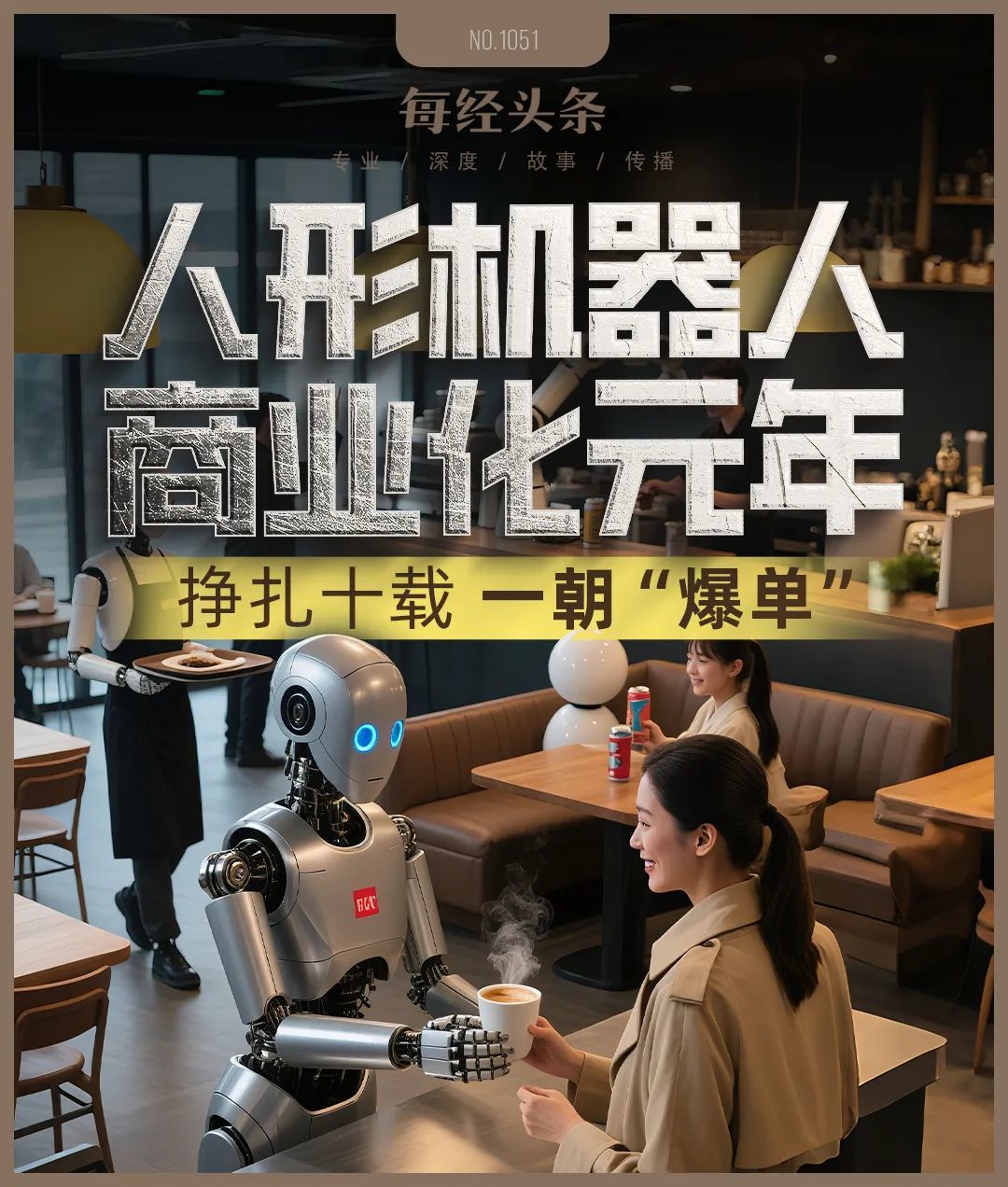
Core Viewpoint - The 2025 World Robot Conference highlights significant advancements in humanoid robots, marking a turning point in their commercialization and practical applications in various industries [2][3]. Group 1: Commercialization Breakthrough - Humanoid robots have finally begun to see substantial commercial orders, with companies like UBTECH and ZhiYuan securing significant contracts, indicating strong market demand [2][3]. - The shift from experimental applications to real industrial scenarios represents a major progress in the humanoid robot sector, with expectations of dramatic changes in the next 3 to 5 years [2][3][4]. - The establishment of the world's first intelligent robot 4S store showcases the growing acceptance and pricing transparency of humanoid robots, with prices ranging from tens of thousands to nearly a million yuan [3]. Group 2: Market Trends and Applications - There is a noticeable increase in smaller orders for service applications, driven by decreasing prices and the establishment of new ecosystems, including rental markets for humanoid robots [4]. - Companies are exploring various business models, such as using humanoid robots in consumer spaces, exemplified by the launch of a robot-operated restaurant during the conference [5]. - Different companies are targeting various market segments, with some focusing on industrial applications while others cater to service-oriented scenarios [6]. Group 3: Industry Challenges and Future Outlook - The humanoid robot industry faces challenges related to AI development and data training, which are crucial for enhancing the capabilities of these robots [15][16]. - The need for humanoid robots in factories is emphasized, as they can fill a significant labor gap that traditional industrial robots cannot address [11][12]. - The industry anticipates that humanoid robots will eventually replace traditional industrial robots, but this transition will take time, with estimates suggesting a timeline extending to 2030 for widespread adoption [12].
从好玩到好用 全球机器人北京论“智”
Zhong Guo Xin Wen Wang· 2025-08-09 13:32
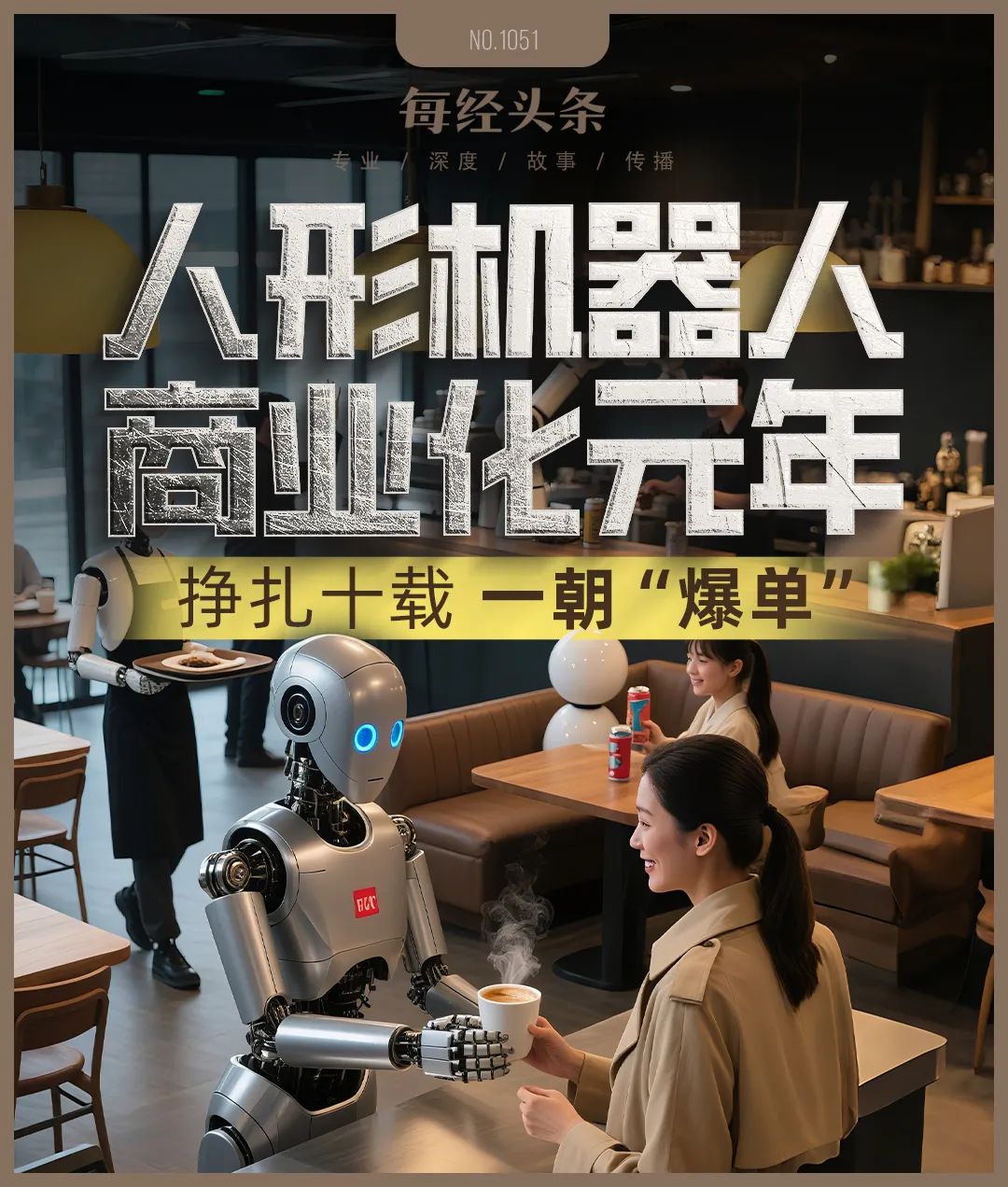
Group 1 - The 2025 World Robot Conference is being held in Beijing, showcasing over 1,500 exhibits from more than 200 domestic and international robot companies, with over 100 new products launched [1][2] - The theme of the conference is "Making Robots Smarter and Bodies More Intelligent," highlighting advancements in robot capabilities and applications across various sectors [1][2] - Companies are focusing on enhancing the efficiency and intelligence of robots, with some achieving operational efficiency of 40% to 50% compared to human workers, and aiming to increase this to 70% to 80% [2][3] Group 2 - ABB's new generation OmniCore controller allows robots to achieve high precision of 0.6 mm while operating at speeds of up to 1,600 mm per second, demonstrating advancements in both speed and accuracy [2] - The "Follow me" AI application solution enables robots to learn from human operators, streamlining the programming process and making automation more accessible for small and medium enterprises [2][3] - Cloud-based AI systems are facilitating the transition from single-function robots to collaborative systems capable of performing multiple tasks in various environments, such as hotels and hospitals [3][4] Group 3 - The modular design of the UP robot allows for flexible task switching, enhancing operational efficiency and reducing costs by enabling a single robot to perform multiple roles throughout the day [3][4] - The Hospitality Digital Operation System (HDOS) enables robots to operate collaboratively, improving service delivery in complex environments through intelligent decision-making and feedback loops [4] - Cloud-based service robots have been deployed in over 30,000 hotels and 100 hospitals globally, completing over 500 million service tasks in 2024 [4]