迈瑞医疗

Search documents
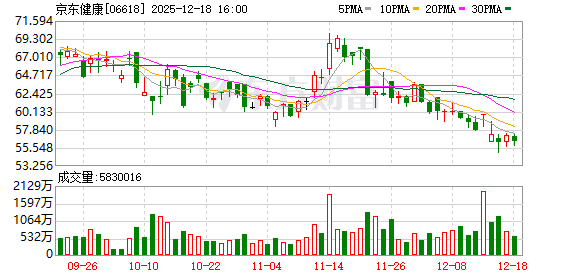
京东健康发起亿元品牌联盟 深耕企业健康消费市场
Bei Jing Shang Bao· 2025-12-18 13:52
Group 1 - The core theme of the event was "Gathering Strength for New Beginnings, United for Health," focusing on the digital upgrade and ecological co-construction of the corporate health consumption market [2] - JD Health's CEO highlighted that "employee health is corporate productivity," indicating a shift in corporate health management from a welfare option to a key support for organizational development [2] - By 2025, JD Health's corporate business is expected to achieve high-quality growth with over 800 cooperative brands, including more than 20 brands with sales exceeding 10 million and over 200 brands with sales exceeding 1 million [2] Group 2 - JD Group has been deeply involved in the government and enterprise procurement sector for over ten years, serving more than 8 million government and enterprise clients, including over 30,000 large enterprises [2] - In 2023, health product categories such as nutrition, health supplements, and medical devices have seen explosive growth in government and enterprise procurement, with over 100 subcategories experiencing year-on-year growth exceeding 100% [2] - JD Health's corporate business has outlined three development directions for 2026: "Foundation Action" focusing on supply chain and product capability construction, "Wildfire Plan" aimed at large-scale replication of centralized procurement models, and "Doubling Battle" concentrating on expanding the corporate medical insurance sector [2] Group 3 - The establishment of the 2026 JD Health Corporate Business Billion Brand Alliance aims to consolidate leading brand power and deepen ecological cooperation [3] - Representatives from five companies, including Haishi Hainuo, Mindray Medical, Yiyue E-commerce, Tongrentang Health, and Xiangyu Medical, participated in the launch ceremony [3]


京东健康发起2026年亿元品牌联盟
Xin Lang Cai Jing· 2025-12-18 13:19
Core Insights - JD Health has established the "2026 Billion Brand Alliance" with five brands to accelerate market expansion in the government and enterprise sectors [1][3] - The CEO of JD Health emphasized that employee health is now recognized as a key driver of organizational productivity, shifting health management from a welfare option to a foundational element of development [1][3] - JD Health aims to become the most trusted partner in the corporate health consumption sector, leveraging JD Group's extensive market scale and supply chain capabilities [1][3] Company Performance - By 2025, JD Health's partner merchants exceeded 150,000, with over 800 brands collaborating in the enterprise market [1][3] - More than 20 brands have achieved sales exceeding 10 million, while over 200 brands have surpassed 1 million in sales within the enterprise sector [1][3] - JD Group has served over 8 million government and enterprise clients, including more than 30,000 large enterprises, with significant growth in health-related product categories [1][3] Strategic Directions - JD Health has outlined three core development strategies for 2026: "Foundation Action," "Prairie Fire Plan," and "Doubling Battle" [4][5] - "Foundation Action" focuses on strengthening product and supply chain foundations, enhancing B2B supply chain collaboration, and improving customer satisfaction and repurchase rates [5] - "Prairie Fire Plan" aims to innovate centralized procurement models and scale them, addressing various corporate health needs [5] - "Doubling Battle" targets the rapidly growing corporate medical fund sector, offering integrated health benefits and claims solutions to create competitive advantages [5]
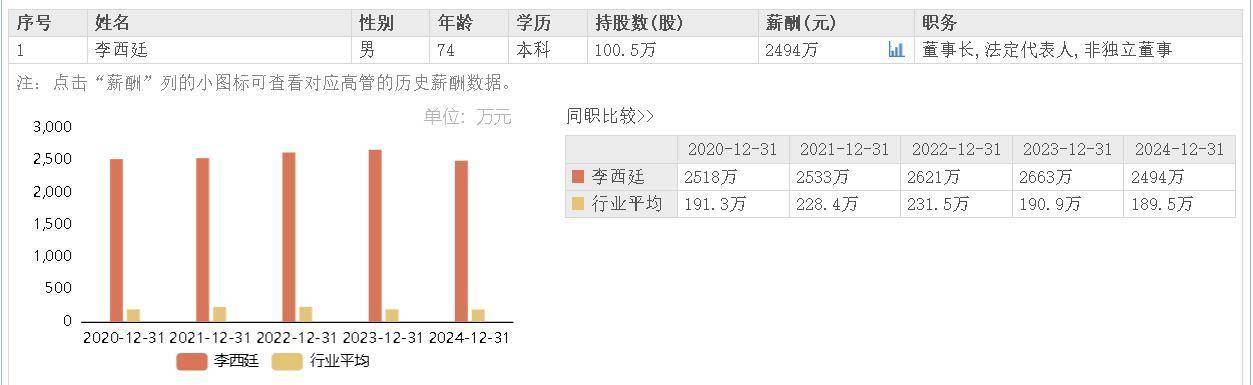
迈瑞医疗74岁董事长李西廷2亿元增持完毕,去年领薪近2500万元
Sou Hu Cai Jing· 2025-12-18 11:44
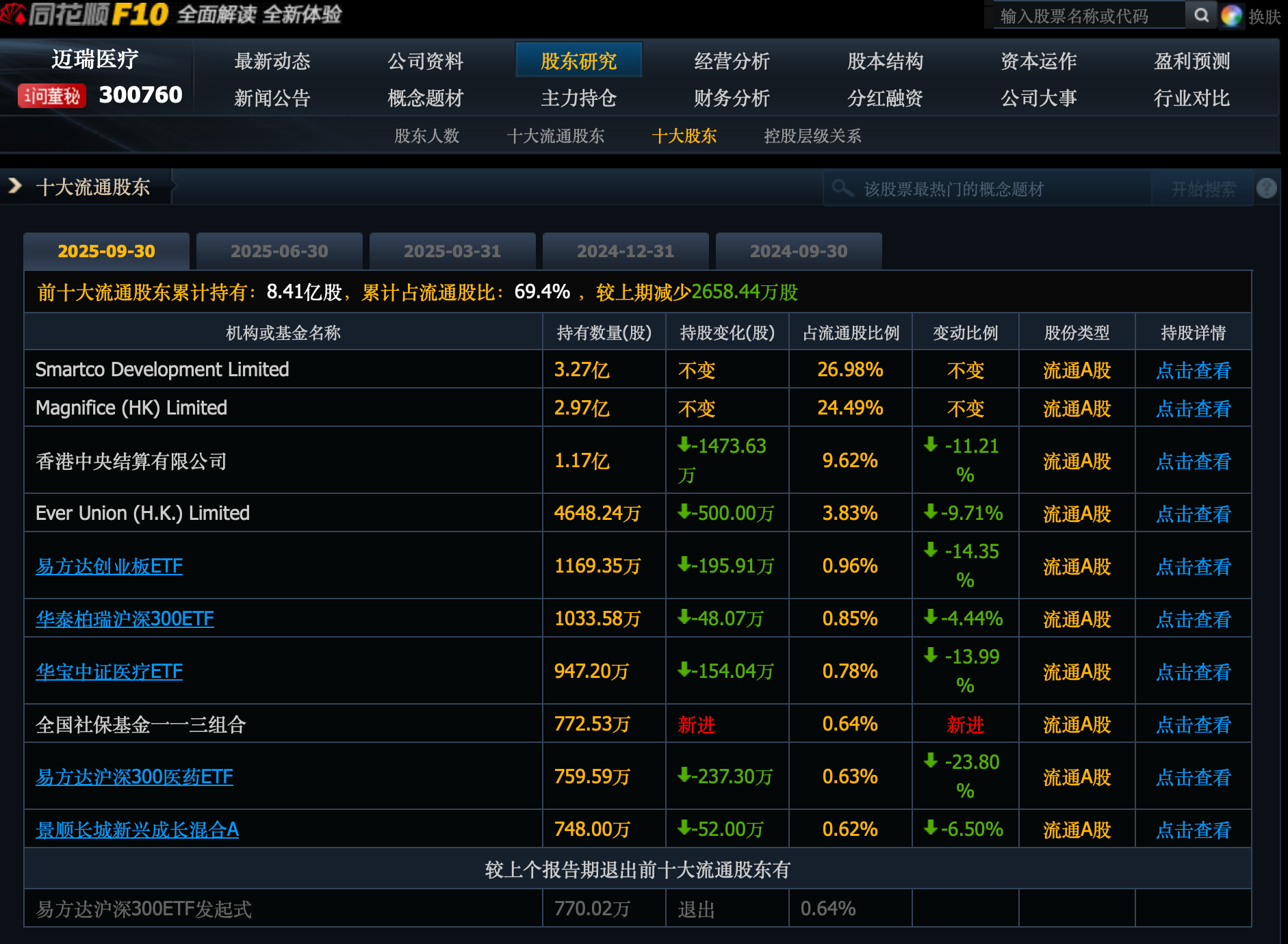
Core Viewpoint - Mindray Medical (SZ300760) announced the completion of a share buyback plan by its chairman, Li Xiting, who invested 200 million yuan in the company, reflecting confidence in its intrinsic value and future development [1][2]. Group 1: Share Buyback Details - Li Xiting's share buyback plan was initiated on November 27, 2025, and completed ahead of schedule by December 12, 2025, during which he acquired 1,005,381 shares, representing 0.08% of the company's total shares [1]. - The total investment for the buyback was 200 million yuan, including transaction fees, and there is a lock-up period of six months following the completion of the buyback [1]. Group 2: Shareholding Structure - Prior to the buyback, Li Xiting did not hold shares directly but controlled 327,072,335 shares (26.98%) indirectly through Smartco Development Limited, while his associate Xu Hang controlled 296,951,000 shares (24.49%) through Magnifice (HK) Limited [2]. - After the buyback, Li Xiting directly holds 1,005,381 shares, while the indirect holdings of Smartco Development and Magnifice (HK) remain unchanged, resulting in a total control of 625,028,716 shares (51.55%) by Li Xiting and his associates [2]. Group 3: Financial Performance - Mindray Medical reported a decline in both revenue and profit for the first three quarters of 2025, with total revenue of 25.834 billion yuan, a year-on-year decrease of 12.38%, and a net profit of 7.570 billion yuan, down 28.83% [4]. - The basic earnings per share for the same period were reported at 6.25 yuan [4]. Group 4: Company Background - Mindray Medical, established on January 25, 1999, is located in Shenzhen, Guangdong Province, and specializes in the research, manufacturing, marketing, and service of medical devices [5].

迈瑞医疗:2025年前三季度公司营收达258.34亿元
Zheng Quan Ri Bao Zhi Sheng· 2025-12-18 11:42
(编辑 任世碧) 证券日报网讯 12月18日,迈瑞医疗在互动平台回答投资者提问时表示,2025年前三季度,公司营收达 258.34亿元,净利润75.70亿元。前三季度国际业务占公司整体收入的比重已经超过了一半,随着持续深 入的本地化平台建设,未来几年国际收入占整体收入的比重将不断提升,尤其发展中国家将维持快速增 长的趋势,并且伴随收入结构中高端客户占比持续提升,国际业务的盈利水平有望稳步提升。通过提高 试剂核心原料自制率、提升高毛利业务和高端客户收入占比,以及发展中国家持续高增长,公司有能力 在一个竞争激烈的环境中维持较高的盈利水平,同时确保各业务线的市场份额进一步扩大。 ...
迈瑞医疗:截至2025年9月30日公司股东总数为108835户
Zheng Quan Ri Bao Wang· 2025-12-18 11:10
证券日报网讯12月18日,迈瑞医疗(300760)在互动平台回答投资者提问时表示,截至2025年9月30 日,公司股东总数为108835户。 ...
千余款“黑科技”闪耀鹏城,引领全球药械创新浪潮
Nan Fang Du Shi Bao· 2025-12-18 10:35
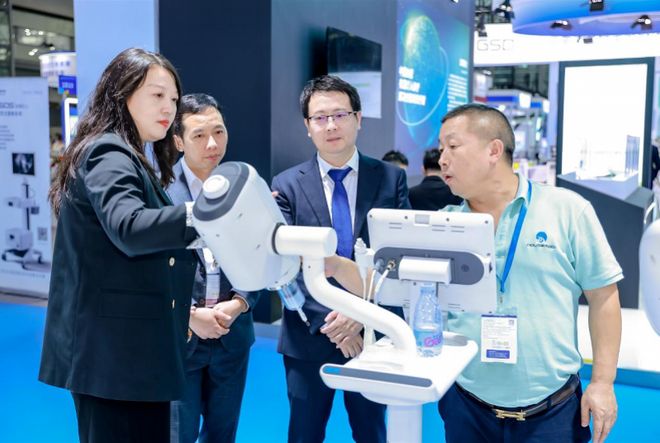
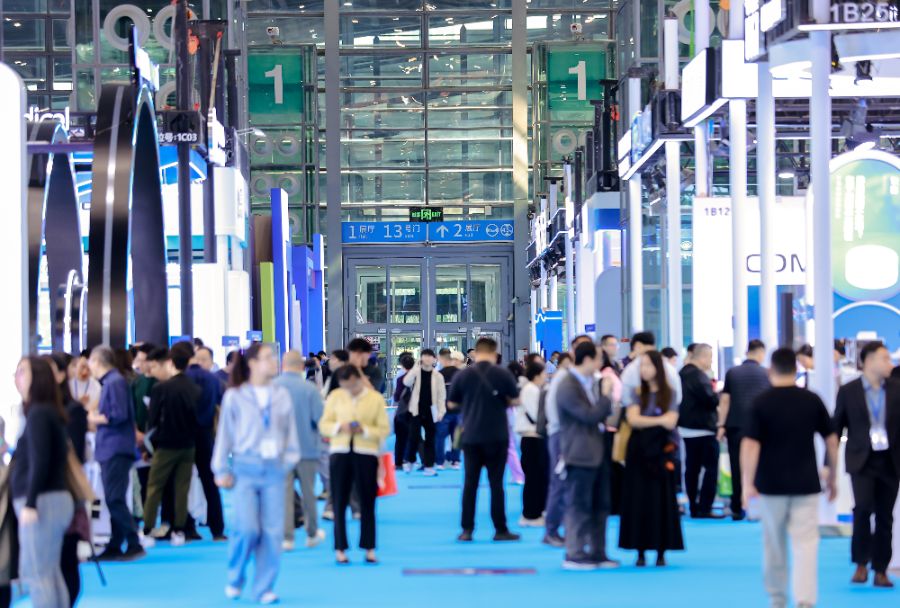
Core Insights - The 2025 Shenzhen International High-Performance Medical Device and Innovative Pharmaceutical Exhibition showcases the future of healthcare technology, highlighting advancements in surgical robotics, brain-computer interfaces, and innovative pharmaceuticals [1][3] Group 1: Exhibition Overview - Over 300 companies and institutions participated in the exhibition, covering an area of 30,000 square meters and presenting over 1,000 products that define the future of the medical device and pharmaceutical industry [3][5] - The exhibition emphasizes the acceleration of healthcare technology towards more intelligent, precise, and integrated solutions [3][5] Group 2: Key Innovations - Notable innovations include the intelligent autonomous experimental platform by Crystal Technology, the Class I new drug "Xinglitin" by Xinlitai, and the fully automated cell morphology analyzer by Mindray Medical, showcasing a range of advancements from AI-driven drug development to high-end medical devices [5][12] - Surgical robots have evolved from single-procedure tools to comprehensive intelligent surgical platforms that cover multiple departments and integrate various modalities, marking a revolutionary change in the surgical field [5][7] Group 3: Brain-Computer Interface Developments - Brain-computer interface products are gaining attention, with companies like Qiangnao Technology showcasing smart bionic hands and feet that translate neural and muscle signals into movement, demonstrating the potential for enhanced health interventions [9][11] - Weiling Medical presented a full-implantable brain-computer interface system and other core technologies, indicating a strong focus on high-end implantable solutions [9][11] Group 4: Diagnostic Innovations - The in vitro diagnostic sector is advancing towards multi-disciplinary approaches, with companies like New Industry Biology and Yihuilong presenting fully automated laboratory solutions that significantly enhance testing efficiency and quality [11][12] - The collaboration between pharmaceuticals and medical devices is becoming a crucial trend, exemplified by the Hezhi® proton therapy system from CGN Medical, which applies nuclear technology to improve cancer treatment outcomes [11][12] Group 5: Industry Ecosystem and Collaboration - The exhibition also highlighted the entire industry chain of medical device design and manufacturing, showcasing a wide range of resources and solutions for research and production [12][14] - The integration of academia and industry was evident, with institutions like the Chinese University of Hong Kong (Shenzhen) presenting numerous medical devices and clinical applications, reflecting the latest achievements in medical research and technology innovation [14]
深圳创新药械不断加速 重点布局四大新兴赛道
2 1 Shi Ji Jing Ji Bao Dao· 2025-12-18 10:05
Market Overview - The Chinese medical equipment market is projected to reach 1.35 trillion yuan in 2024, with an average growth rate exceeding 12% over the past decade, making it the second-largest market globally [2][6] - Shenzhen's pharmaceutical and medical device industry is expected to achieve a production value of 157.6 billion yuan in 2024, with medical devices alone surpassing 102.8 billion yuan, maintaining its position as the leading region in China for ten consecutive years [3] Industry Innovation - China is increasingly focusing on quality improvements in its medical equipment sector, with one-third of global medical equipment patents originating from the country, indicating a strengthening of domestic innovation capabilities [2][6] - Shenzhen has nurtured 35 listed companies in the pharmaceutical and medical device sectors, along with over 1,000 enterprises above designated size, showcasing a robust industrial ecosystem [3] Recent Developments - Notable recent collaborations include a 47 billion HKD (approximately 5.99 billion USD) partnership between Crystal Technology and DoveTree for AI drug development, marking a significant milestone in the commercialization of AI in pharmaceuticals [4] - Health元's innovative drug, Marpacisavir capsules, has received approval for market launch, representing a breakthrough in flu treatment with a unique mechanism requiring only one oral dose [5] Future Directions - Shenzhen aims to focus on four emerging sectors: cell and gene therapy, biomanufacturing, AI in pharmaceuticals, and health consumer products, to enhance its competitive edge in the medical equipment industry [6][7] - The establishment of an "AI + Biomanufacturing Public Service Platform" is set to accelerate the R&D cycle for biomanufacturing companies, significantly reducing development time from years to months [7]
李西廷2亿元增持迈瑞医疗,李西廷名下持股平台曾套现超百亿
Di Yi Cai Jing· 2025-12-18 08:30
Group 1 - The core viewpoint of the article highlights that despite a significant drop in the stock price of Mindray Medical, its actual controller, Li Xiting, has recently increased his stake by approximately 200 million yuan, which is relatively minor compared to previous large-scale reductions [1] - Since the beginning of 2023, Li Xiting and his holding platforms have significantly reduced their stakes, cashing out around 2.5 billion yuan in a single quarter, totaling over 10 billion yuan [1] - Industry insiders believe that the domestic medical and consumables procurement continues to face challenges, and the fundamental aspects of the industry have not yet bottomed out, while overseas operations are facing tariff-related risks [1] Group 2 - As of June 2023, the four holding platforms still collectively held 50 million shares of Mindray Medical, but by June 2025, they are expected to disappear from the list of the top ten shareholders [2] - The estimated cash-out amount from these reductions over the two-year period could exceed 10 billion yuan based on average stock prices [2]
李西廷2亿增持迈瑞医疗,名下持股平台曾套现超百亿
第一财经· 2025-12-18 08:19
Core Viewpoint - The stock price of Mindray Medical (300760.SZ) has fallen below 200 yuan, significantly down from its historical high of nearly 500 yuan, indicating a substantial decline in market value. The actual controller, Li Xiting, has recently increased his stake by approximately 200 million yuan, but this is minor compared to the over 10 billion yuan he has cashed out through significant reductions in shareholding over the past three years. Analysts suggest that while the company faces ongoing challenges in the domestic medical supply market and overseas tariff risks, there may be potential for a turnaround in both stock price and fundamentals after four years of adjustment [3][4][5][9]. Group 1: Shareholding Changes - From November 27 to December 12, Li Xiting used 200 million yuan to acquire 1.005 million shares of Mindray Medical, representing 0.08% of the total share capital. This buyback was completed ahead of the originally planned six-month period [4]. - Following the buyback, Li Xiting and his associates hold a total of 625 million shares, accounting for 51.55% of the company [4]. - Over the past three years, Li Xiting's platforms have significantly reduced their holdings, cashing out approximately 25 billion yuan in a single quarter and over 10 billion yuan in total [5]. Group 2: Financial Performance - In the first three quarters of the year, Mindray Medical reported revenue of 25.834 billion yuan, a year-on-year decrease of 12.38%, and a net profit of 7.57 billion yuan, down 29%. However, the third quarter showed signs of recovery with a revenue of 9.091 billion yuan, a year-on-year increase of 1.53% [8]. - Analysts predict that with the recovery of domestic bidding and accelerated overseas expansion, the company's revenue and profit may gradually stabilize. However, the sales net profit margin has decreased to 30.2%, down 6.1 percentage points year-on-year [8]. Group 3: Market Outlook and Challenges - Mindray Medical has submitted an application for H-share issuance and main board listing, indicating a strategic move to enhance its market position [9]. - Despite the recent increase in shareholding by Li Xiting, analysts express concerns that this may signal a reduction in future support for share buybacks or increases. The ongoing pressure from domestic medical supply procurement and overseas tariff risks could further impact the company's profitability [9]. - The company faces challenges from pricing pressures and increased competition due to healthcare reforms and policies that may lead to price reductions in medical devices, which could affect future profitability [9].

李西廷2亿增持迈瑞医疗,名下持股平台曾套现超百亿
Di Yi Cai Jing· 2025-12-18 07:57
Core Viewpoint - The recent share buyback by the actual controller of Mindray Medical, Li Xiting, is seen as a weak response to the significant share reduction that has occurred over the past few years, with the company's stock price dropping sharply from nearly 500 yuan to around 200 yuan, indicating a potential undervaluation in the market [1][2][8]. Group 1: Share Buyback and Ownership - Li Xiting has increased his stake in Mindray Medical by approximately 200 million yuan, acquiring 1.005 million shares, which represents only 0.08% of the total share capital [2][3]. - After the buyback, Li Xiting and his associates hold a total of 625 million shares, accounting for 51.55% of the company [4]. - The buyback was completed ahead of the planned six-month period, indicating a swift response to the declining stock price [3]. Group 2: Historical Share Reduction - Since the beginning of 2023, Li Xiting and his holding platforms have significantly reduced their stakes, cashing out approximately 2.5 billion yuan in a single quarter and over 10 billion yuan in total [2][5]. - In the second quarter of 2023, while the stock price hovered around 300 yuan, Li Xiting's platforms collectively sold 8 million shares [4]. Group 3: Financial Performance - For the first three quarters of the year, Mindray Medical reported revenues of 25.834 billion yuan, a year-on-year decrease of 12.38%, and a net profit of 7.57 billion yuan, down 29% [6]. - The third quarter showed a slight recovery with revenues of 9.091 billion yuan, reflecting a year-on-year growth of 1.53%, although net profit still declined by 19% [6][7]. Group 4: Market Outlook and Challenges - Analysts suggest that with the recovery of domestic bidding and accelerated overseas expansion, the company's revenue and profit may gradually stabilize [7]. - However, the company faces ongoing price pressures and rising costs, with a projected decline in net profit margins for the year [7][8]. - The competitive landscape is intensifying due to increased supply and demand challenges, which may impact the company's future profitability [8].