
和黄医药

Search documents
医药生物行业2026年投资策略:关注创新出海,重视新技术方向
Guoxin Securities· 2026-01-26 15:27
Core Insights - The report emphasizes the importance of innovation in the pharmaceutical and biotechnology industry, particularly focusing on the overseas expansion of innovative drugs and the adoption of new technologies [1][4]. - The investment rating for the sector is maintained at "outperform the market" [2]. Group 1: Market Overview and Trends - The overseas market for innovative drugs and the CXO industry is expected to perform exceptionally well in 2025, driven by continuous business development (BD) activities, strong clinical data, and supportive policies [4]. - The domestic supply and demand remain stable, with a shift in payment systems favoring innovation. National health expenditure increased by 4.7% year-on-year in the first 11 months of 2025, marking a recovery after two years of decline [4]. - The report highlights the significant growth potential in new drug forms such as dual antibodies and small nucleic acid drugs, as well as innovations in AI healthcare and brain-machine interfaces [4]. Group 2: Investment Recommendations - The report recommends focusing on companies with global competitiveness and differentiated innovation capabilities, as well as domestic CXO leaders with high barriers in cost control, technology accumulation, and production capacity [4]. - Recommended stocks include Mindray Medical, WuXi AppTec, Kelaiying, Aier Eye Hospital, and several others, with specific mention of H-shares like Kelun-Bio and CanSino Biologics [4][5]. Group 3: Financial Performance and Projections - The report provides a detailed strategy portfolio for 2026, listing companies along with their projected net profits and price-to-earnings (PE) ratios, indicating a generally positive outlook for the sector [5]. - The pharmaceutical sector's overall performance in 2025 was strong, with significant gains in sub-sectors such as medical services and chemical pharmaceuticals, driven by BD collaborations and clinical data releases [12][23]. Group 4: Fund Holdings and Market Sentiment - As of Q4 2025, the net asset value of pharmaceutical funds decreased by 9.0%, with a notable shift where passive funds surpassed active funds for the first time since 2019 [25][32]. - The report indicates a decline in the proportion of pharmaceutical holdings in both active and non-pharmaceutical funds, with a concentration in chemical preparations and other biological products [32][40].




CK Hutchison explores split sale of global ports, Bloomberg News reports
Reuters· 2026-01-23 08:58
Core Viewpoint - CK Hutchison is considering a restructured sale of multiple ports to a global consortium by dividing the transaction into smaller parcels with various ownership structures [1] Group 1 - The company is exploring options to optimize the sale process of its port assets [1] - The potential restructuring aims to attract a wider range of investors by offering different ownership models [1] - This strategy may enhance the overall value of the ports being sold [1]

从“灵魂砍价”到“价值共赢” 医保与创新药的双向奔赴
Zhong Guo Jing Ji Wang· 2026-01-21 09:18
Core Insights - The new national medical insurance drug list and the first commercial insurance innovative drug list will be implemented nationwide starting January 1, 2026, marking the largest expansion of innovative drugs in the history of the medical insurance directory [1] - The adjustment of the medical insurance directory represents a dual benefit for the innovative drug industry in China, with significant changes in the inclusion of innovative drugs and the establishment of a commercial insurance innovative drug directory [1][2] Summary by Sections Innovative Drug Inclusion - A total of 114 new drugs have been added to the national medical insurance drug list, including 111 new products launched within the last five years and 50 Class I new drugs, both of which set historical highs in terms of quantity and proportion [1][2] - The newly included drugs generally possess three common characteristics: they either fill a treatment gap, are superior alternatives, or offer better cost-effectiveness [2] Commercial Insurance Innovative Drug Directory - The first commercial insurance innovative drug directory includes 19 drugs, covering treatments for various conditions such as CAR-T therapies for tumors, rare diseases like Gaucher disease, and Alzheimer's disease, complementing the basic medical insurance [2][3] - The selection mechanism for the commercial insurance directory emphasizes high innovation, significant clinical value, strong irreplaceability, and adaptability to a multi-tiered payment system [3] Payment System and Market Impact - The medical insurance fund has paid over 460 billion yuan for negotiated drugs by the end of October 2025, benefiting 1 billion patients and driving related drug sales exceeding 670 billion yuan [4] - The new dual-directory system aims to clarify the boundaries of basic medical insurance coverage while allowing space for commercial insurance development, thus supporting a multi-tiered payment system [3][4] Innovation Ecosystem - The integration of the commercial insurance innovative drug directory with the national medical insurance drug list is crucial for building a multi-layered medical security system, focusing on high-innovation and clinically significant drugs that exceed basic insurance coverage [5] - The successful inclusion of breakthrough therapies like Alpelisib not only provides hope for patients but also signals strong support for genuine innovation within the pharmaceutical industry [5]
外企高管转型中国创新药“推销员”,黄仁勋也来共享顶级资本盛宴
第一财经· 2026-01-17 17:47
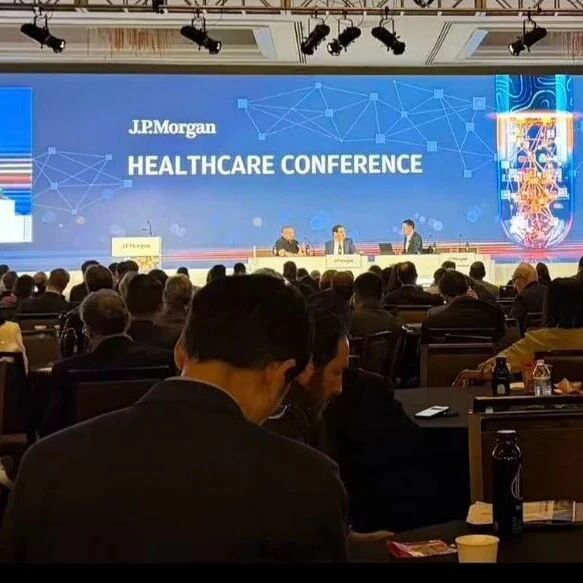
Core Insights - The JPMorgan Healthcare Conference, known as the "Spring Festival of the Pharmaceutical Industry," has increasingly highlighted the role of Chinese biopharmaceutical companies and investors, indicating a shift towards recognizing China's innovation capabilities in drug development [3][11]. Group 1: Conference Highlights - The conference showcased a growing interest in Chinese innovation, with discussions frequently focusing on collaboration opportunities and the competitive landscape involving China [3][11]. - Many multinational pharmaceutical companies organized closed-door sessions specifically for Chinese innovation, reflecting a significant engagement with Chinese projects [10][11]. - The overall sentiment towards Chinese biopharmaceutical companies has improved, with global capital increasingly viewing them as equal partners in technology output rather than just recipients of foreign investment [13][14]. Group 2: Industry Trends - The trend of multinational pharmaceutical executives transitioning to roles in Chinese biopharmaceutical firms is notable, as they bring valuable experience and networks to the industry [8][10]. - The urgency for multinational companies to acquire innovative assets from China is driven by the impending patent cliffs for blockbuster drugs, creating a historical opportunity for Chinese innovations to enter global markets [14]. - The number of licensing agreements for innovative drugs from China is expected to rise, with over one-third of such agreements in 2025 already coming from Chinese companies [14][15]. Group 3: AI in Biopharmaceuticals - The integration of AI in drug discovery is becoming a focal point, with predictions that AI could significantly reduce the time and cost of early drug development [19][24]. - Major pharmaceutical companies are increasingly collaborating with AI firms to enhance their drug development processes, as seen in partnerships announced during the conference [21][23]. - The AI pharmaceutical market is projected to grow from over $1 billion in 2022 to nearly $3 billion by 2026, indicating a robust future for AI-driven drug discovery [24].
外企高管转型中国创新药“推销员”,黄仁勋也来共享顶级资本盛宴
Di Yi Cai Jing· 2026-01-17 12:16
Group 1 - The core message of the news is that Chinese innovative drugs are transitioning from dawn to a breakthrough moment, with the development cycle of drug research expected to be significantly shortened due to advancements in AI and other technologies [1][21] - The JPMorgan Healthcare Conference, known as the "Spring Festival of the Pharmaceutical Industry," has increasingly featured Chinese investors and biopharmaceutical companies, indicating a growing focus on China in global discussions [1][6] - Many discussions at the conference highlighted the speed and efficiency of Chinese biotechnology companies in advancing projects, positioning them as equal technology exporters in global competition [29][30] Group 2 - Josh Smiley, president of Zai Lab, emphasized the need for more effort in promoting their story to investors, reflecting the increased intensity of the conference compared to a decade ago [23][26] - Chen Feng, CEO of Bole Capital, noted that many multinational pharmaceutical companies arranged closed-door meetings specifically for Chinese innovation, indicating a strong interest in collaboration [5][27] - The conference showcased a significant presence of Chinese companies, with over 100 CEOs from domestic biotech firms attending, highlighting the active engagement of Chinese enterprises on the international stage [5][27] Group 3 - The acquisition of a new dual-antibody drug by AbbVie for up to $5.6 billion from Rongchang Biotech marked a significant transaction, indicating a robust trend in Chinese innovative drug licensing expected to continue through 2026 [30] - The global pharmaceutical market is increasingly recognizing Chinese innovation as a vital source for their pipelines, with a notable shift in attitudes towards collaboration with Chinese firms [29][30] - The AI pharmaceutical market is projected to grow from over $1 billion in 2022 to nearly $3 billion by 2026, reflecting the industry's increasing reliance on AI technologies for drug discovery [41] Group 4 - AI technologies for drug discovery have become a major focus in the investment community, with significant collaborations announced at the conference, such as the $1 billion partnership between NVIDIA and Eli Lilly [37][40] - The success rate of AI-generated drug molecules in Phase I clinical trials is expected to reach 80-90% by 2025, surpassing historical averages, indicating a breakthrough in the clinical validation of AI-driven drug development [41][42] - The shift in AI pharmaceutical competition is moving from models and algorithms to data quality and generation, emphasizing the importance of high-quality data in drug development [40]


深度|外企高管转型中国创新药“推销员”,黄仁勋也来共享顶级资本盛宴
Di Yi Cai Jing· 2026-01-17 12:12
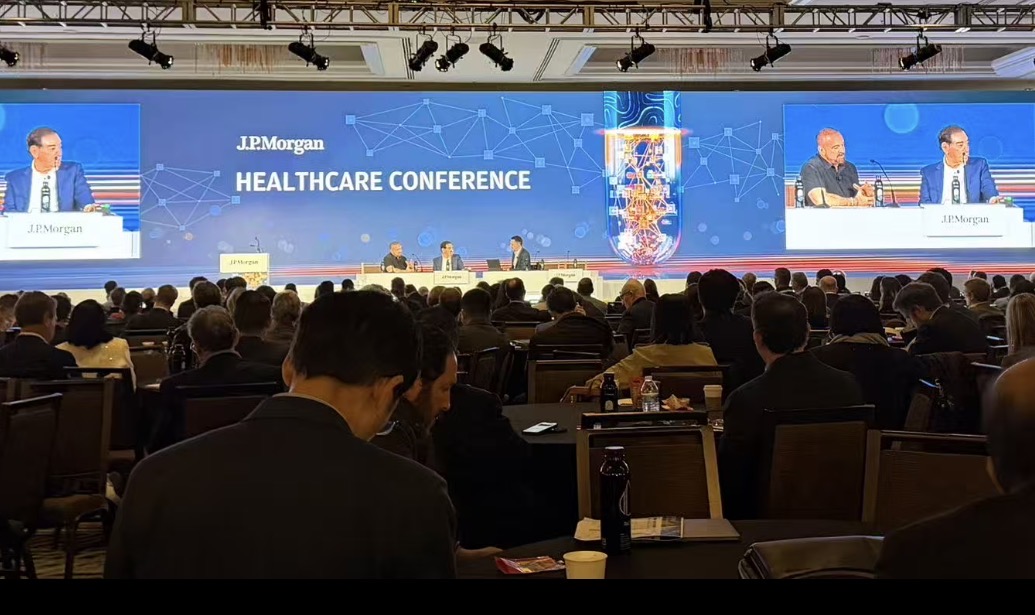
Group 1: JPM Conference Overview - The JPMorgan Healthcare Conference, known as the "Spring Festival of the Pharmaceutical Industry," concluded this weekend, highlighting its status as a premier global healthcare investment event and a barometer for investment trends [1] - This year's conference saw a significant presence of Chinese investors and biopharmaceutical companies, with discussions frequently focusing on China, covering innovation pipelines, collaboration opportunities, and global competition [1][8] - The conference signaled a positive outlook for Chinese innovative drugs, indicating a transition from dawn to dawn, with advancements in AI technology expected to significantly shorten drug development cycles [1] Group 2: Executive Insights - Josh Smiley, President of Zai Lab, participated in the JPM conference, emphasizing the increased effort required to keep pace with the event's demands, having held 14 meetings in one day [3][4] - Smiley noted the shift from a multinational pharmaceutical executive to leading a smaller Chinese company, highlighting the need for more effort in "selling" the company's story to investors [6] - Chen Feng, CEO of Boying Capital, also attended the conference, bringing nearly 20 projects from Chinese companies to connect with multinational pharmaceutical firms and global capital [7] Group 3: Chinese Innovation and Global Perception - The term "China" emerged as a key theme at the conference, with major pharmaceutical companies actively seeking to incorporate Chinese innovative assets into their research pipelines [8][9] - There is a growing recognition of Chinese biotechnology companies as equal partners in global competition, with many multinational firms viewing Chinese innovation as a vital source for their pipelines [9] - The conference featured closed-door sessions specifically for Chinese innovation, organized by companies like Pfizer and Roche, indicating a strong interest in Chinese projects [7] Group 4: Market Dynamics and Opportunities - The acquisition of a new dual-antibody drug by AbbVie for up to $5.6 billion from Rongchang Biotech marked a significant transaction, reflecting the increasing momentum of Chinese innovative drugs in global markets [10] - Over one-third of the announced innovative drug licensing agreements in 2025 are expected to originate from China, indicating a robust trend in international collaborations [10] - Despite the enthusiasm in the biopharmaceutical capital market, challenges remain, particularly regarding geopolitical risks and regulatory uncertainties that could impact investment decisions [12] Group 5: AI in Drug Development - AI technology has become a focal point at the conference, with companies increasingly leveraging AI to enhance drug discovery and development processes [17] - A partnership between Nvidia and Eli Lilly was announced, involving a $1 billion investment to establish a joint research lab aimed at accelerating AI-driven drug development [17][18] - The global AI pharmaceutical market exceeded $1 billion in 2022 and is projected to approach $3 billion by 2026, highlighting the rapid growth and potential of AI in the industry [21] Group 6: Future Trends and Challenges - The success rate of AI-generated drug molecules in Phase I clinical trials is projected to reach 80-90% by 2025, surpassing historical averages, indicating a significant breakthrough in drug development [21] - The transition of AI pharmaceutical development from early research to clinical validation is seen as a critical milestone for the industry [22] - Companies are increasingly focused on generating high-quality data and building robust AI models to maintain a competitive edge in drug development [20]
和黄医药(HCM.US)涨逾5% SACHI III期研究结果于《柳叶刀》发表
Zhi Tong Cai Jing· 2026-01-16 15:24
Core Viewpoint - HCM (HCM.US) shares rose over 5% to $16.12 following the publication of SACHI III trial results in The Lancet, highlighting the potential of savolitinib and osimertinib combination therapy for specific lung cancer patients [1] Group 1: Company Overview - HCM announced the results of the SACHI III trial, which focuses on the combination therapy of savolitinib and osimertinib for treating EGFR mutation-positive locally advanced or metastatic non-small cell lung cancer patients who progressed after first-line EGFR TKI treatment [1] - Savolitinib is a potent and highly selective oral MET TKI co-developed by AstraZeneca and HCM, with AstraZeneca responsible for commercialization [1] - Osimertinib is an irreversible third-generation EGFR TKI [1] Group 2: Research and Approval - The SACHI study data supports the approval of the savolitinib and osimertinib combination therapy, which is expected to be granted in China by June 2025 [1]
美股异动 | 和黄医药(HCM.US)涨逾5% SACHI III期研究结果于《柳叶刀》发表
智通财经网· 2026-01-16 15:18
Core Viewpoint - Hutchison China MediTech (HCM.US) shares rose over 5% to $16.12 following the publication of SACHI III trial results in The Lancet, indicating positive developments in cancer treatment [1] Group 1: Company Developments - Hutchison China MediTech announced the results of the SACHI III trial, which studied the combination therapy of savolitinib and osimertinib for treating EGFR mutation-positive locally advanced or metastatic non-small cell lung cancer patients who progressed after first-line EGFR TKI treatment [1] - Savolitinib is a potent and highly selective oral MET TKI co-developed by AstraZeneca and Hutchison China MediTech, with AstraZeneca responsible for commercialization [1] - Osimertinib is an irreversible third-generation EGFR TKI [1] Group 2: Regulatory Approval - Based on the data from the SACHI study, the combination therapy of savolitinib and osimertinib is expected to receive approval in China by June 2025 [1]
和黄医药再涨超4% 月内累涨逾两成 SACHI III期研究结果于《柳叶刀》发表
Zhi Tong Cai Jing· 2026-01-16 03:14
Core Viewpoint - Hutchison China MediTech (00013) has seen its stock price increase by over 20% in the month, with a current rise of 3.68% to HKD 24.8, and a trading volume of HKD 142 million. This surge is attributed to the publication of the SACHI III study results in The Lancet, which highlights the efficacy of a combination therapy for specific lung cancer patients [1]. Group 1 - Hutchison China MediTech announced the results of the SACHI III study, which focuses on a combination therapy of savolitinib and osimertinib for treating EGFR mutation-positive locally advanced or metastatic non-small cell lung cancer patients who have progressed after first-line EGFR TKI treatment [1]. - The SACHI study data indicates that the combination therapy of savolitinib, a potent and selective oral MET TKI co-developed with AstraZeneca, and osimertinib, an irreversible third-generation EGFR TKI, has shown promising results [1]. - Based on the findings from the SACHI study, the combination therapy is expected to receive approval in China by June 2025 [1].
港股异动 | 和黄医药(00013)再涨超4% 月内累涨逾两成 SACHI III期研究结果于《柳叶刀》发表
智通财经网· 2026-01-16 03:05
Core Viewpoint - Hutchison China MediTech (00013) has seen its stock price increase by over 20% in the month, with a current rise of 3.68% to HKD 24.8, and a trading volume of HKD 142 million, following the publication of SACHI III trial results in The Lancet [1] Group 1: Company Developments - Hutchison China MediTech announced the results of the SACHI III trial, which studied the combination therapy of savolitinib and osimertinib for treating EGFR mutation-positive locally advanced or metastatic non-small cell lung cancer patients who progressed after first-line EGFR tyrosine kinase inhibitor (TKI) treatment [1] - The SACHI trial results indicate that the combination therapy of savolitinib, a potent and selective oral MET TKI co-developed with AstraZeneca, and osimertinib, an irreversible third-generation EGFR TKI, has shown promising outcomes [1] - Based on the data from the SACHI study, the combination therapy is expected to receive approval in China by June 2025 [1]