
医保目录调整

Search documents
肿瘤药断供数月,患者“自费1万多元1瓶还买不到”
Mei Ri Jing Ji Xin Wen· 2026-02-15 04:12
Core Viewpoint - Shanghai Yingli Pharmaceutical Co., Ltd. is facing operational challenges, including relocation due to disputes with the landlord, despite claiming that all business activities are proceeding normally [1][5][6]. Group 1: Company Operations - The company has confirmed that it is undergoing a relocation process primarily due to rental disputes, not operational issues [2][3]. - As of the latest reports, the company has around 30 employees remaining, and it is in the process of packing and moving equipment [3][4]. - Yingli Pharmaceutical has stated that all research, production, and operational activities are progressing as planned, with no abnormal circumstances affecting normal operations [5][6]. Group 2: Product Supply Issues - The core product, Linpulise (also known as "因他瑞"), has been experiencing supply shortages since the fourth quarter of 2025, affecting patients who rely on this medication [7][8]. - Patients have reported that the promised drug donation programs have not been fulfilled, leading to further distress among those dependent on Linpulise [8]. - The drug's price is set at 11,040 yuan per bottle, and its removal from the national medical insurance directory has significantly impacted its market accessibility [10]. Group 3: Legal and Financial Challenges - Yingli Pharmaceutical has been involved in over 30 lawsuits since 2025, primarily related to contract disputes with suppliers and service providers [11]. - The company has been ordered to pay approximately 2.25 million yuan due to a service contract dispute, which has also led to restrictions on its legal representative [11]. - The financial strain from these legal issues and operational challenges has raised concerns about the company's future viability and its reliance on a single product [10][11].
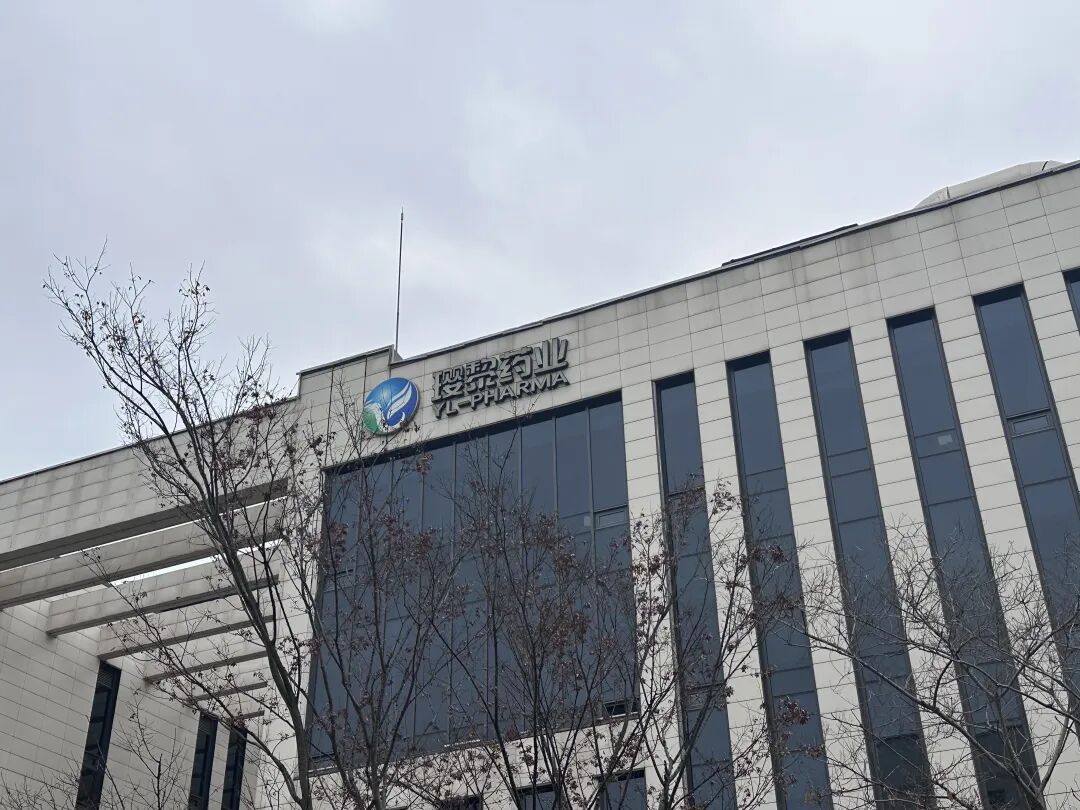
肿瘤药断供数月,患者“自费1万多元1瓶还买不到”!知名药企大门被贴封条,部分办公室已清空,员工:整体搬迁,与房东有些纠纷
Mei Ri Jing Ji Xin Wen· 2026-02-15 03:46
Core Viewpoint - Shanghai Yingli Pharmaceutical Co., Ltd. is facing operational challenges, including relocation and supply issues with its key product, Linpulise, which has led to concerns among patients and stakeholders [1][12][14]. Group 1: Company Operations - Yingli Pharmaceutical has announced that all business activities are proceeding normally, with research, production, and operations on schedule despite rumors of operational disruptions [2][12]. - The company is currently undergoing relocation due to disputes with its landlord, not due to significant operational issues [2][9]. - As of the latest reports, the company has around 30 employees remaining at its current location, with some staff involved in packing and moving equipment [3][8]. Group 2: Product Supply Issues - Linpulise, a critical drug for patients, has been in short supply since the fourth quarter of 2025, with reports of unfulfilled patient assistance programs [14][15]. - Patients have expressed difficulties in obtaining Linpulise, which has led to a search for alternative treatments [15][16]. - The drug was previously included in the national medical insurance directory but was removed in the latest update, limiting its market access and increasing its retail price to 11,040 yuan per bottle [17][18]. Group 3: Legal and Financial Challenges - Yingli Pharmaceutical has been involved in over 30 lawsuits since 2025, primarily related to contract disputes with suppliers and service providers [18]. - The company has been ordered to pay approximately 2.25 million yuan due to a legal ruling related to a service contract dispute [18]. - The financial strain from these legal issues and operational challenges has raised concerns about the company's future viability and its ability to meet obligations to suppliers and patients [18]. Group 4: Future Prospects - The future of Yingli Pharmaceutical may hinge on its partnership with Heng Rui Medicine, which has invested in the company and holds commercialization rights for Linpulise [18]. - Heng Rui Medicine has stated that it is actively assisting with related matters and that discussions regarding future cooperation are ongoing [18].


生物谷2025年业绩减亏,原实控人获刑及股东变动引关注
Jing Ji Guan Cha Wang· 2026-02-13 07:49
Core Viewpoint - The company experienced a reduction in losses for 2025, but revenue and gross margin were under pressure due to price reductions from core products in centralized procurement [1][2]. Financial Performance - In 2025, the company achieved operating revenue of 433 million yuan, a year-on-year decrease of 16.12% - The net profit attributable to shareholders was -55.85 million yuan, representing a year-on-year reduction in losses of 24.94% - The performance changes were primarily influenced by price reductions of core centralized procurement products (Dengzhanxixin capsules and Dengzhanxixin injections) and a decline in gross margin, although the company managed to lower expenses through optimized sales strategies [2]. Recent Events - On December 22, 2025, the company announced that the former actual controller, Lin Yan, was sentenced to three years in prison and fined for breaching trust and harming the interests of the listed company, with related illegal gains being recovered - Despite the conclusion of this legal matter, the long-term impact on the company's governance structure remains a concern for the market [3]. Industry Policy and Environment - The biopharmaceutical industry continues to face pressures from policy adjustments in medical insurance directories and price reductions from centralized procurement - In 2025, the National Medical Insurance Administration added a directory for innovative drugs under commercial insurance, providing new pathways for payment of innovative drugs, but competition intensifies challenges for traditional Chinese medicine companies - The company must continuously address profitability pressures arising from price declines [4]. Capital Movements - In December 2025, the high-tech Jia partnership among the top ten shareholders completed a full exit after five years, potentially leading to a loss - Changes in major shareholders may affect the stability of the company's equity structure, necessitating attention to future changes in shareholder composition [5].
复星国际陈启宇:打通前沿技术转化通道,赋能药物研发范式变革
2 1 Shi Ji Jing Ji Bao Dao· 2026-02-02 05:53
Group 1: Core Insights - Shanghai is positioned to build a globally influential technology innovation center and health city, with a focus on the "Three Medical Collaborations" in the health industry [1] - The biopharmaceutical industry in Shanghai is transitioning from "following" to "running alongside" and "leading," but faces challenges such as disconnection between innovation and industry chains, and imbalances in supply and demand due to aging [1] - The implementation of new regulations and policies, such as the "818 Regulation" and the first version of the "Commercial Health Insurance Innovative Drug Directory," presents opportunities for Shanghai to leverage its role as a pioneer in reform and opening up [1] Group 2: Biopharmaceutical Technology Transfer - The rapid advancement of technology and interdisciplinary integration in life sciences and biotechnology presents unprecedented opportunities for biopharmaceutical development [2] - Despite significant progress in patent applications and high-quality publications, China's source innovation capability remains weak, and resource allocation needs improvement [2] Group 3: Regulatory Challenges - The "death valley" of biopharmaceutical technology transfer remains a challenge, with the need for more refined and scientific regulation of new biomedical technologies [3] - The "818 Regulation" lacks clarity on pricing standards for approved biomedical technologies, which could lead to inefficiencies in resource allocation [3] Group 4: Dual-Track System - The current dual-track system for biomedical technologies lacks clear pathways for integration between technology and drug approval processes [4] - Recommendations include piloting refined regulatory practices in Shanghai and establishing mechanisms for data sharing and integration between different regulatory pathways [4][5] Group 5: High-Value Drug Accessibility - High costs of innovative therapies and limited access to specialty drugs are ongoing issues, prompting suggestions to expand commercial health insurance coverage and optimize reimbursement levels [6][7] - The 2025 National Medical Insurance Directory will include 114 new drugs, significantly enhancing medication security in key areas [7][8] Group 6: AI in Drug Development - The average R&D cost for new drugs has risen to $2.229 billion, with development cycles exceeding 100 months, necessitating a shift towards digital transformation and AI integration in pharmaceutical companies [9][10] - Major pharmaceutical companies are investing heavily in AI to enhance drug development efficiency and reduce time to market [10] Group 7: Data Infrastructure for Biomedicine - Recommendations include establishing a "data factory" for biomedicine in Shanghai to integrate clinical data and enhance research capabilities [11] - The goal is to create a world-class biomedicine database by 2030, aiming to shorten preclinical research cycles by over 30% [11]

从“灵魂砍价”到“价值共赢” 医保与创新药的双向奔赴
Zhong Guo Jing Ji Wang· 2026-01-21 09:18
Core Insights - The new national medical insurance drug list and the first commercial insurance innovative drug list will be implemented nationwide starting January 1, 2026, marking the largest expansion of innovative drugs in the history of the medical insurance directory [1] - The adjustment of the medical insurance directory represents a dual benefit for the innovative drug industry in China, with significant changes in the inclusion of innovative drugs and the establishment of a commercial insurance innovative drug directory [1][2] Summary by Sections Innovative Drug Inclusion - A total of 114 new drugs have been added to the national medical insurance drug list, including 111 new products launched within the last five years and 50 Class I new drugs, both of which set historical highs in terms of quantity and proportion [1][2] - The newly included drugs generally possess three common characteristics: they either fill a treatment gap, are superior alternatives, or offer better cost-effectiveness [2] Commercial Insurance Innovative Drug Directory - The first commercial insurance innovative drug directory includes 19 drugs, covering treatments for various conditions such as CAR-T therapies for tumors, rare diseases like Gaucher disease, and Alzheimer's disease, complementing the basic medical insurance [2][3] - The selection mechanism for the commercial insurance directory emphasizes high innovation, significant clinical value, strong irreplaceability, and adaptability to a multi-tiered payment system [3] Payment System and Market Impact - The medical insurance fund has paid over 460 billion yuan for negotiated drugs by the end of October 2025, benefiting 1 billion patients and driving related drug sales exceeding 670 billion yuan [4] - The new dual-directory system aims to clarify the boundaries of basic medical insurance coverage while allowing space for commercial insurance development, thus supporting a multi-tiered payment system [3][4] Innovation Ecosystem - The integration of the commercial insurance innovative drug directory with the national medical insurance drug list is crucial for building a multi-layered medical security system, focusing on high-innovation and clinically significant drugs that exceed basic insurance coverage [5] - The successful inclusion of breakthrough therapies like Alpelisib not only provides hope for patients but also signals strong support for genuine innovation within the pharmaceutical industry [5]
114种新药入医保 平均降价超60%
Xin Lang Cai Jing· 2026-01-12 16:57
Core Points - The new "Chongqing Drug Directory (2025)" has been officially implemented since January 1, 2025, which includes 3,253 drugs in the National Drug Directory and additional local supplements [1] - The updated medical insurance directory has added 114 new drugs with an average price reduction of over 60%, significantly alleviating the financial burden on patients [2] - The new insurance directory for commercial health insurance has included 19 innovative drugs, enhancing treatment options for patients with various conditions [7] Group 1: National Drug Directory Changes - The National Drug Directory (2025) includes 3,253 drugs and 892 traditional Chinese medicine pieces, with Chongqing adding 201 traditional Chinese medicine pieces and 87 medical institution preparations [1] - The average price reduction for newly added drugs is over 60%, benefiting patients with conditions such as cancer and chronic diseases [2] - Specific examples include the price drop of the targeted drug for lung cancer from 12,900 yuan to 4,000 yuan per box [2] Group 2: Chronic Disease Treatment - The new directory has expanded the coverage of 65 drugs, including new indications for existing treatments, such as the inclusion of new targets for non-small cell lung cancer [4] - The price of the drug for Crohn's disease has been reduced from 22,045.02 yuan to 8,130.49 yuan for the intravenous form [3] - The expanded reimbursement range allows for more personalized treatment plans for early-stage breast cancer patients [4] Group 3: Commercial Health Insurance Innovations - The "Commercial Health Insurance Innovative Drug Directory (2025)" includes 19 new drugs, such as targeted therapies for various cancers and CAR-T products for blood cancers [7] - The directory serves as a reference for insurance companies, potentially increasing patient enrollment in commercial health insurance [7] - A new multi-layered medical insurance settlement platform has been launched to streamline the claims process for patients [8]
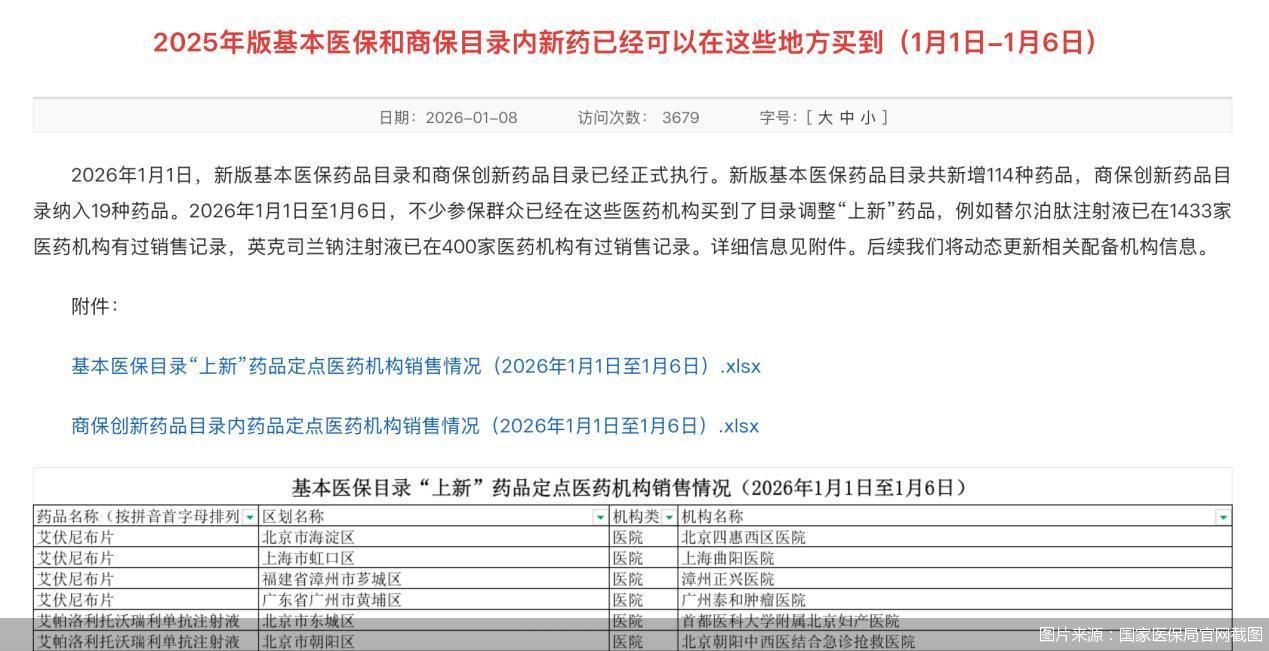
新医保目录实施一周:创新药“首单”频现
Bei Jing Shang Bao· 2026-01-08 15:45
Core Insights - The new medical insurance directory has entered a substantial implementation phase, with multiple innovative drugs, including Tislelizumab and Fuzhengzhu, being covered by insurance in various hospitals, indicating a rapid reduction in access barriers for patients [1][3] - The adjustment includes 114 new drugs and introduces a commercial health insurance innovative drug directory for 2025, marking a significant shift towards a multi-tiered insurance payment system [1][3] Group 1: Innovative Drug Inclusion - The new medical insurance directory reflects increased support for "true innovation" with 124 unique products included, showcasing a strong emphasis on high clinical value [3][4] - Notable drugs like Tislelizumab, the first targeted therapy for thyroid eye disease, and Fuzhengzhu, a biological agent for psoriasis, have been rapidly integrated into the insurance system, filling long-standing treatment gaps [3][4] - Heng Rui Medicine is highlighted as a major beneficiary, with 20 products and indications adjusted, including 10 new drugs, enhancing patient access to innovative therapies [3][4] Group 2: Biotech Sector Impact - Companies like BeiGene, Innovent Biologics, and Kangfang Biotech are also benefiting from the new directory, accelerating their commercialization processes [4] - BeiGene is the only company with two products included in the first commercial insurance innovative drug directory, addressing unmet needs in cholangiocarcinoma and neuroblastoma [4] - Innovent Biologics has expanded its offerings to 12 innovative drugs under the new directory, creating a robust product matrix [4] Group 3: Shift in R&D Strategies - The introduction of the commercial insurance innovative drug directory is seen as a solution to the payment challenges faced by high-value innovative drugs, encouraging companies to focus on true innovation rather than me-too products [5][6] - The directory allows for a second market for high-priced therapies, with price reductions between 15% and 50%, which is less severe than the typical cuts seen in basic insurance [6][7] - This dual-directory model is expected to drive pharmaceutical companies to align their R&D strategies with real-world clinical needs, particularly in oncology and rare diseases [7][9] Group 4: Drug Exclusions - The adjustment also involved the removal of 29 drugs from the insurance directory, including Benalutide injection, which faced competition from more effective alternatives [8][9] - This "one in, one out" approach aims to enhance the efficiency of insurance fund usage by prioritizing high-demand and effective medications [9]
新版医保目录实施一周:创新药“首单”频现,患者用药门槛降低
Bei Jing Shang Bao· 2026-01-08 08:10
Core Insights - The new medical insurance directory has entered a substantial implementation phase, with several innovative drugs, including Tislelizumab and Fuzhengzhu, being prescribed under insurance in various hospitals, indicating a reduction in access barriers for patients [1] - The adjustment includes 114 new drugs and introduces a commercial health insurance directory for innovative drugs, marking a significant shift towards a multi-tiered insurance system [1][5] - The rapid inclusion of innovative drugs in the insurance directory reflects increased support for "true innovation" with high clinical value [5] Group 1: New Drug Inclusion - The new medical insurance directory has added 124 unique products, including Tislelizumab, the first targeted drug for thyroid eye disease, and Fuzhengzhu, a biological agent for psoriasis [5] - Heng Rui Medicine is a major beneficiary, with 20 products and indications adjusted, including 10 new drugs entering the directory for the first time [5][6] - Other biotech companies like BeiGene and Innovent Biologics have also benefited, with multiple products included in the new directory, enhancing their commercialization prospects [7] Group 2: Commercial Health Insurance Directory - The introduction of the commercial health insurance directory provides a secondary market for high-value innovative drugs, with price reductions ranging from 15% to 50%, which is less severe than the basic insurance cuts [9] - The directory aims to improve accessibility for high-priced drugs while ensuring adequate returns for pharmaceutical companies [9] - Notable CAR-T therapies have been included in the commercial directory, overcoming previous barriers to entry, with prices for these therapies exceeding 1 million yuan [8][10] Group 3: Market Dynamics and Drug Exits - The adjustment process has also seen the removal of 29 drugs from the insurance directory, including Benarutide, which faced competition from more effective alternatives [12][14] - The dynamic adjustment mechanism emphasizes the need for drugs to demonstrate clinical value, reinforcing a "can enter, can exit" policy [14] - Companies are encouraged to shift from "me-too" products to genuine innovations, focusing on high-value areas such as oncology and rare diseases [10][14]


中新健康丨一针少花两千,新版医保目录调整能省多少钱
Zhong Guo Xin Wen Wang· 2026-01-08 01:45
Core Insights - The recent adjustment to the National Medical Insurance Drug List has significantly reduced the costs of long-acting growth hormone treatments, benefiting many families [1] - The new drug list includes a high proportion of innovative drugs and aims to enhance drug accessibility for patients in urgent clinical need [2] Group 1: New Drug Additions - A total of 114 new drugs have been added to the insurance list, covering critical areas such as oncology, chronic diseases, and rare diseases [2] - The average price reduction for newly added drugs exceeds 60%, significantly alleviating the financial burden on patients [2] - Notable new drugs include innovative treatments for triple-negative breast cancer and pancreatic cancer, as well as long-acting growth hormone for children [2] Group 2: Optimization of Existing Drugs - The payment scope for 65 existing drugs has been optimized, including expanded indications for certain medications [3] - Adjustments have been made to ensure that the descriptions of drug payment scopes align more closely with clinical realities [3] Group 3: Policy Measures - The government has implemented a series of policies to ensure that negotiated drugs are effectively integrated into hospitals and accessible to patients [3] - Medical institutions are required to hold pharmacy meetings to incorporate new drugs into their procurement lists by February 2026 [3] Group 4: Industry Impact - The adjustment has led to the removal of 29 drugs that have lower efficacy or better alternatives available, thereby optimizing the use of medical insurance funds [4] - The inclusion of numerous innovative drugs indicates a strengthening of domestic pharmaceutical companies' research and development capabilities [4][5] - Major companies like Heng Rui Medicine and Innovent Biologics have successfully introduced multiple innovative drugs into the new insurance list [5]
医保商保“双目录”大力支持创新——好药新药加速惠及百姓
Jing Ji Ri Bao· 2026-01-06 02:11
Core Viewpoint - The new National Basic Medical Insurance, Maternity Insurance, and Work Injury Insurance Drug Catalog (2025) and the first Commercial Health Insurance Innovative Drug Catalog (2025) will be implemented nationwide starting January 1, 2026, adding 114 new drugs to the basic insurance catalog and 19 to the commercial insurance catalog, aimed at enhancing drug accessibility and supporting innovation in the pharmaceutical industry [1][2]. Group 1: Drug Catalog Adjustments - The updated basic medical insurance catalog includes 114 new drugs, with significant representation from oncology (36 drugs), chronic diseases like diabetes (12 drugs), anti-infective drugs (13 drugs), and rare diseases (10 drugs), while 29 drugs were removed due to better alternatives [2]. - The total number of drugs in the national medical insurance catalog has increased to 3,253, comprising 1,857 Western medicines and 1,396 traditional Chinese medicines [2]. - The adjustment reflects a comprehensive coverage of diseases, addressing clinical pain points and improving access to previously unavailable treatments for conditions like triple-negative breast cancer and pancreatic cancer [2]. Group 2: Policy Implementation and Access - To address the issue of new drugs being listed but not available in hospitals, the policy mandates that all designated medical institutions must include new drugs in their procurement catalogs by the end of February 2026, with provisions for temporary green channels if necessary [3]. - Negotiated drugs will not be subject to administrative restrictions such as "one drug, two regulations" or overall medical insurance caps, allowing for more flexible access [3]. Group 3: Support for Innovative Drugs - Among the new drugs added to the basic medical insurance catalog, 50 are classified as category 1 innovative drugs, with an overall success rate of 88%, up from 76% in 2024, indicating a shift towards strategic purchasing and value-based reimbursement [4]. - The catalog includes both domestic innovative products and foreign original research products, enhancing the diversity of available treatments [4]. Group 4: Commercial Health Insurance Innovations - The newly established commercial health insurance innovative drug catalog includes 19 drugs, focusing on high-innovation, clinically valuable treatments that fill gaps in existing coverage, such as CAR-T cell therapies and treatments for rare diseases prevalent in children [7]. - This catalog complements the basic medical insurance, allowing pharmaceutical companies to expand their market reach while reducing the financial burden on patients [7]. Group 5: Industry Impact and Future Directions - The policy signals strong government support for independent innovation and encourages pharmaceutical companies to invest more in original and differentiated research and development [8]. - The National Medical Insurance Bureau plans to refine policies and enhance management to ensure effective implementation of the drug catalogs, ultimately improving the clinical medication needs of insured individuals [8].

