宝洁公司

Search documents
[DowJonesToday]Dow Jones Slumps as Hot Inflation Data Sparks Rate Concerns
Stock Market News· 2026-02-19 22:09
Market Overview - The Dow Jones Industrial Average closed down 267.50 points (-0.5386%) at 49,395.16, with Dow Futures also declining by 300.00 points (-0.6034%) to 49,422.00, indicating a cautious market sentiment [1] - The decline was primarily driven by a hawkish shift in monetary policy expectations following a higher-than-expected Producer Price Index (PPI) report, raising concerns about delayed interest rate cuts by the Federal Reserve [1] Sector Performance - The financial sector experienced significant volatility, with Goldman Sachs leading the decline, falling 2.92% to $906.73. Other major financial institutions like American Express and JPMorgan Chase also saw declines of 2.18% to $338.65 and 1.14% to $305.32, respectively [2] - Technology stocks faced pressure as well, with IBM down 2.19% to $255.20, while Apple and Nvidia slipped 1.01% and 0.91%, respectively. Boeing and Sherwin-Williams both decreased by 2.10% amid concerns over industrial growth [2] Defensive Stocks - Investors shifted towards defensive equities to mitigate macroeconomic uncertainty, with Verizon emerging as the top performer, gaining 1.72% to finish at $48.84 [3] - Consumer staples and healthcare sectors saw modest inflows, with Procter & Gamble rising 0.89% to $158.16 and McDonald's advancing 0.86% to $330.74. Other gainers included Cisco Systems, up 0.61% to $78.67, and Chevron, which climbed 0.57% to $184.96 [3] - Caterpillar managed a 0.50% increase, closing at $755.87, while Johnson & Johnson also saw slight gains [3]



[DowJonesToday]Dow Jones Retreats as Hot Inflation Data Sparks Rate Concerns
Stock Market News· 2026-02-19 19:10
Market Overview - The Dow Jones Industrial Average decreased by 281.36 points (-0.57%) to 49,381.30, while Dow Futures fell by 322.00 points (-0.65%) to 49,400.00, primarily driven by a hotter-than-expected Producer Price Index (PPI) report [1] - The PPI report raised concerns that the Federal Reserve may keep interest rates high for an extended period, leading to a spike in Treasury yields and negatively impacting growth-oriented sectors and major financial institutions [1] Sector Performance - The financial and industrial sectors experienced the most significant losses, with Goldman Sachs declining by 2.92% to $906.73, followed by IBM down 2.19% and American Express down 2.18% [2] - Boeing and Sherwin-Williams both fell by 2.10%, reflecting concerns over industrial demand and rising input costs [2] - Other notable decliners included Salesforce, down 1.44%, and The Walt Disney Company, down 1.32% [2] Defensive Stocks - Defensive stocks gained traction as investors sought safety, with Verizon Communications rising by 1.72% to $48.84 [3] - Consumer staples outperformed, with Procter & Gamble up 0.89% and McDonald's up 0.86% [3] - Cisco Systems increased by 0.61%, and Chevron rose by 0.57%, indicating a rotation into low-beta assets and dividend-paying equities during the session [3]

Apple drops ESG links from top executives’ pay packages
The Economic Times· 2026-02-18 18:43
Core Insights - Apple Inc. has removed the "ESG modifier" from its 2025 executive pay packages, which allowed for a bonus adjustment of up to 10% based on environmental performance metrics [1][11] - The percentage of S&P 500 companies linking executive compensation to environmental metrics has decreased to 46.7% in 2025 from a peak of 52.6% two years prior [1][11] - This trend reflects a broader retreat from environmental and diversity-linked pay metrics among major corporations [1][11] Executive Compensation Trends - The removal of the ESG modifier is part of a larger trend where companies like Starbucks, Salesforce, Mastercard, and Procter & Gamble have also weakened ties between environmental performance and executive pay [1][11] - Experts argue that linking pay to environmental performance is crucial as environmental risks can lead to significant financial challenges [6][7] - Political opposition and changing regulatory environments have contributed to companies distancing themselves from environmental performance metrics in executive compensation [7][8][11] Investor and Market Reactions - Investor pressure regarding environmental concerns has diminished, leading to a reduced focus on these issues by companies and their boards [8][11] - Some companies, like Xcel Energy, continue to maintain a strong link between executive pay and environmental goals, with greenhouse gas targets accounting for about 20% of executive compensation [9][11] - The decline in environmental metrics in executive pay plans indicates that many companies may not have fully integrated these goals into their core business strategies [8][11]


Nestlé proposes Ma. Fatima D. Francisco and Thomas Jordan for election to its Board of Directors; updates its governance practices
Globenewswire· 2026-02-18 17:00
Core Viewpoint - Nestlé is proposing Ma. Fatima D. Francisco and Thomas Jordan for election to its Board of Directors, aiming to enhance governance practices and leverage their leadership experience for the company's success [2][3]. Board Candidates - Ma. Fatima D. Francisco is the CEO of Procter & Gamble's Global Baby, Feminine and Family Care sector, recognized for her leadership and inclusion in Fortune's Top 50 Most Powerful Women International list from 2018 to 2020 [7]. - Thomas Jordan served as Chairman of the Swiss National Bank's Governing Board from 2012 to 2024, with extensive experience in international financial markets and macroeconomics [8][9]. Governance Enhancements - The Board will implement several changes to governance practices, including additional meetings to increase engagement and revised committee structures to better utilize directors' diverse skills [4]. - The current Sustainability Committee will be renamed the Science, Technology and Sustainability Committee, expanding its advisory role to include science and technology [5]. - The Chair's and Corporate Governance Committee will be dissolved, with responsibilities transferred to the new Audit and Finance Committee and the combined Nomination and Corporate Governance Committee [5]. Board Structure - Each Board member will serve on two committees, enhancing participation and supporting well-founded recommendations to the full Board, which retains overall governance responsibility [6]. - With the proposed nominees, the Nestlé Board will consist of 13 independent directors, further strengthening its governance framework [9].

Walmart and Costco Are 1/3 of XLP’s Defensive Portfolio, Creating A Huge Risk For A Defensive Holding
Yahoo Finance· 2026-02-18 13:27
Core Insights - The Consumer Staples Select Sector SPDR Fund (XLP) focuses on essential goods, holding 99.3% of its portfolio in companies that produce groceries, household goods, and beverages, with net assets of $16.2 billion and an expense ratio of 8 basis points [2][3] Group 1: Fund Characteristics - XLP is designed for stability during economic uncertainty, featuring a 2.67% dividend yield and an 8% portfolio turnover, indicating a buy-and-hold strategy aimed at income generation rather than capital appreciation [3] - The fund allocates 28.73% of its assets to three major companies: Walmart, Costco, and Procter & Gamble, which dominate their categories and provide predictable cash flows [3] Group 2: Market Performance - Retail sales reached $735 billion in December 2025, growing 3.3% year-over-year, despite a pessimistic consumer sentiment reading of 52.9, indicating continued consumer spending on staples [4][6] - XLP has returned 15.2% year-to-date through February 13, 2026, outperforming its 12.9% one-year return, with Walmart achieving 20.2% year-to-date returns, Costco at 18.3%, and PepsiCo at 15.6%, while Procter & Gamble lagged behind [5][6]


Disinfectant Chemicals Market to Surpass USD 10.60 Billion by 2033 | SNS Insider
Globenewswire· 2026-02-18 04:00
Austin, Feb. 17, 2026 (GLOBE NEWSWIRE) -- The Disinfectant Chemicals Market size was valued at USD 6.57 Billion in 2025 and is expected to reach USD 10.60 Billion by 2033 and grow at a CAGR of 6.18% from 2026 to 2033. The market for disinfectant chemicals is expanding due to rising healthcare-associated infection cases, rising public awareness of cleanliness and hygiene, and strict sanitation laws in hospitals, food processing facilities, and commercial buildings. Download PDF Sample of Disinfectant Chemic ...

从米兰巨幅广告到快闪店,冬奥迎来史上最多中国顶级赞助商
第一财经· 2026-02-16 15:09
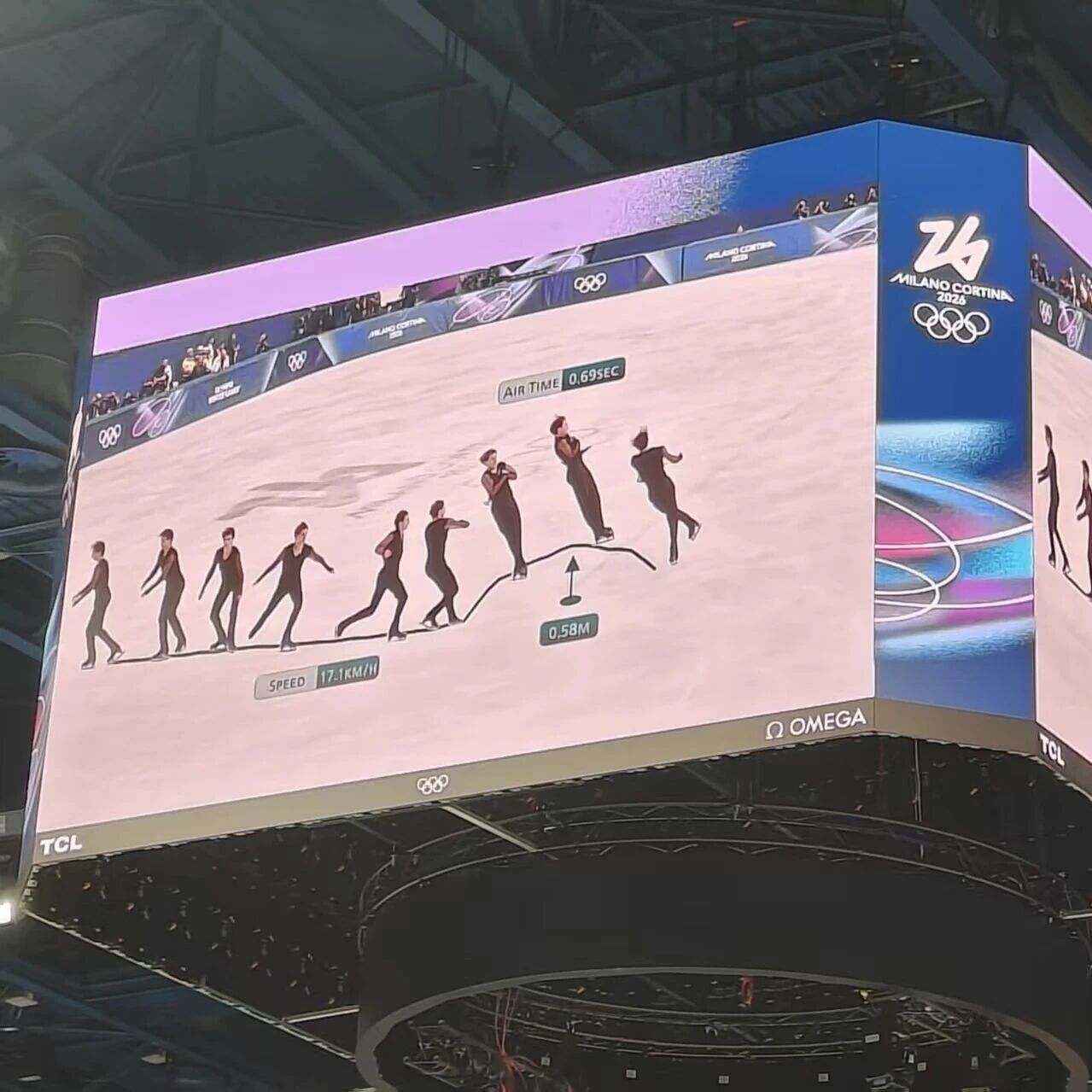
Core Viewpoint - The article highlights the significant presence and impact of Chinese brands as TOP sponsors at the Milan-Cortina Winter Olympics, showcasing the evolving landscape of sports marketing and sponsorship dynamics in the context of global events [5][15]. Group 1: Sponsorship Dynamics - The Milan-Cortina Winter Olympics features the highest number of Chinese TOP sponsors, including TCL, Alibaba, and Mengniu, marking a notable increase in Chinese brand representation compared to previous Olympics [5][15]. - The TOP sponsorship program is crucial for the financial support of the Olympics, with companies paying over $300 million per cycle, contributing significantly to the International Olympic Committee's revenue [12]. - The article notes that the TOP sponsorship program has seen a shift in participants, with traditional sponsors like Panasonic and Toyota exiting, while new entrants like TCL and Budweiser are filling the gaps, reflecting changes in commercial power [17][18]. Group 2: Marketing Strategies and Brand Visibility - TOP sponsors utilize various marketing strategies, including prominent outdoor advertising in Milan, to enhance brand visibility during the Olympics, with TCL securing a major outdoor advertising space [7][10]. - The presence of sponsors extends beyond advertising, as they provide services and products within the Olympic Village, enhancing the overall experience for athletes and staff [10][11]. - The article emphasizes the role of technology in enhancing viewer experience, with AI and cloud technologies being utilized for broadcasting and event management, showcasing the integration of new technologies in sports marketing [18][20]. Group 3: Market Expansion and Brand Recognition - Companies like TCL are leveraging the Olympic platform to expand their global business, with TCL reporting a 50% increase in market share in Italy, indicating successful brand recognition efforts [20]. - The article discusses the competitive landscape in the European market, where Chinese brands are gaining market share from traditional Japanese brands, highlighting a shift in consumer preferences [20]. - The need for companies to adapt their strategies to local market conditions in Italy is emphasized, as the market presents unique challenges and opportunities for growth [20].



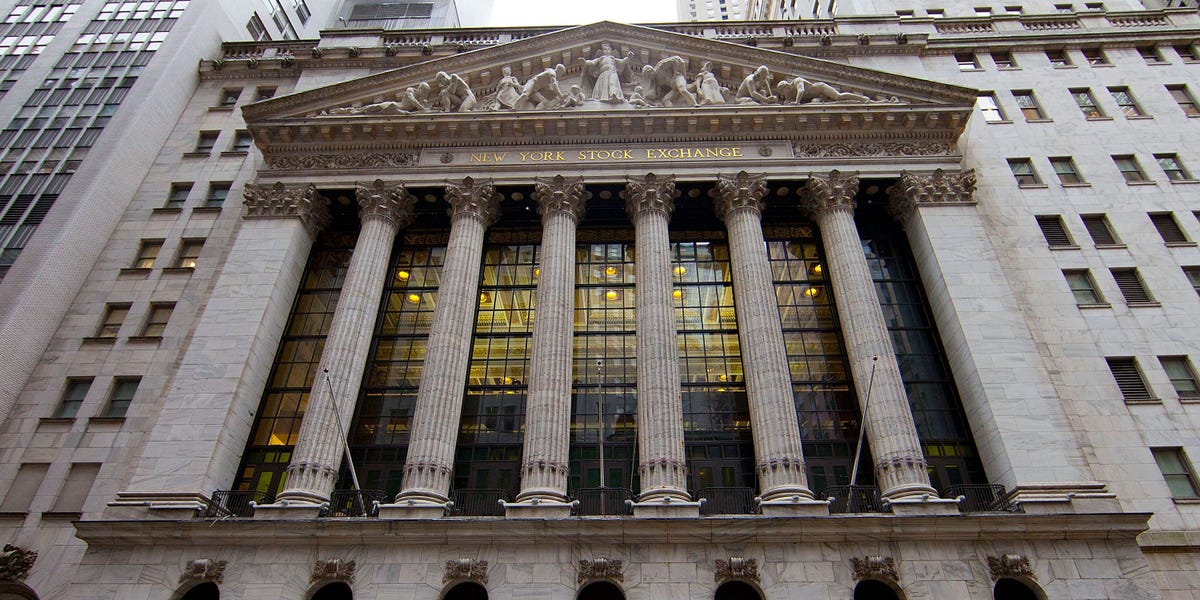
JPMorgan says investors looking for safety should shift into this unloved corner of the stock market
Business Insider· 2026-02-16 10:30
Group 1 - JPMorgan Asset Management recommends focusing on the quality factor in the stock market as AI disrupts various industries, defining quality stocks as those with strong cash flow, consistent earnings, experienced management, and competitive advantages [1][3] - The quality factor has underperformed the broader market over the past year, with quality stocks lagging behind by almost 5% in 2025, marking one of the worst stretches in nearly two decades [2][4] - Historical trends suggest that periods of quality underperformance can lead to sharp reversals, with quality stocks often outperforming during market downturns [3][4] Group 2 - The period from 2003 to 2008 exemplifies this trend, where higher-quality companies lagged for four years before outperforming by 7 percentage points in 2007 and 2008 as the economy entered recession [4] - Over the last 30 years, developed market stocks have experienced nine drawdowns of 10% or more, during which quality stocks outperformed 78% of the time, with a median excess return of 3.4 percentage points [4] - Examples of quality factor funds include the iShares MSCI Global Quality Factor ETF (AQLT) and the Vanguard US Quality Factor ETF (VFQY) [4] Group 3 - Investors leaning into quality stocks should be cautious of those with high exposure to AI stocks, as this theme could trigger the next market drawdown [5] - The Invesco S&P 500 Quality ETF (SPHQ) is highlighted as a quality fund with limited exposure to AI hyperscalers and software stocks, featuring top holdings such as Costco, Visa, and Apple [5]
XLP vs. FTXG: The Clash of Consumer Staple ETFs
Yahoo Finance· 2026-02-15 21:45
Core Insights - The comparison between State Street Consumer Staples Select Sector SPDR ETF (XLP) and First Trust Nasdaq Food & Beverage ETF (FTXG) highlights differences in cost, returns, risk, liquidity, and portfolio construction for investors to consider Cost & Size - XLP has a significantly lower expense ratio of 0.08% compared to FTXG's 0.60% [2][3] - As of February 14, 2026, XLP's one-year return is 11.12%, while FTXG's is 6.87% [2] - XLP offers a dividend yield of 2.14%, slightly lower than FTXG's 2.60% [2] - XLP has assets under management (AUM) of $17.24 billion, significantly higher than FTXG's $20.1 million [2] Performance & Risk Comparison - Over five years, XLP has a maximum drawdown of (16.31%), while FTXG's is (21.71%) [4] - A $1,000 investment in XLP would grow to $1,332 over five years, compared to $925 for FTXG [4] Portfolio Composition - FTXG tracks a smart beta index with 31 holdings, including major companies like PepsiCo, Archer-Daniels-Midland, and Mondelez International [5] - XLP, launched in 1998, has 39 holdings and includes top companies like Walmart, Costco, and Procter & Gamble [6] Investment Implications - XLP's lower expense ratio, higher returns, and established market presence make it a more competitive option compared to FTXG [7] - FTXG, being a younger fund, may have potential for scalability as it continues to develop its portfolio [7] - The focus of XLP on retail stores contrasts with FTXG's emphasis on food and beverage products, which may appeal to different investor preferences [8] Market Stability - Both funds provide stability during market volatility, as consumer defensive assets are essential regardless of economic conditions [9]
大摩Q4持仓维持核心科技主线 苹果荣登榜首、指数ETF仓位下降
美股IPO· 2026-02-15 04:09
Core Viewpoint - Morgan Stanley's Q4 2025 holdings report indicates a strategy focused on maintaining core technology positions, reducing index exposure, and enhancing active selection capabilities [1]. Group 1: Overall Holdings Summary - Morgan Stanley's total market value for Q4 is $1.67 trillion, up 1.2% from $1.65 trillion in the previous quarter [3][4]. - The fund added 454 new stocks, increased holdings in 4,007 stocks, reduced holdings in 3,028 stocks, and completely sold out of 415 stocks [3][4]. - The top ten holdings account for 22.15% of the total market value [4]. Group 2: Top Holdings and Changes - The top five holdings include Apple (AAPL) at 3.74%, NVIDIA (NVDA) at 3.6%, Microsoft (MSFT) at 3.5%, Alphabet Class A (GOOGL) at 2.28%, and Amazon (AMZN) at 2.23% [5]. - Apple has risen to the first position with an increase of approximately 1.38 million shares, while NVIDIA remains second with an increase of nearly 780,000 shares [4][6]. - Microsoft dropped from first to third but still saw an increase of about 980,000 shares [4]. Group 3: Sector Allocation and Adjustments - Morgan Stanley has not significantly reduced its allocation to the technology sector but has rebalanced internally, favoring companies with strong profit certainty and stable cash flows [7]. - The firm reduced its holdings in healthcare stocks such as Johnson & Johnson (JNJ), AbbVie (ABBV), and Thermo Fisher Scientific (TMO), as well as consumer staples like Walmart (WMT), Procter & Gamble (PG), and Coca-Cola (KO) [7]. - Energy stocks like ExxonMobil (XOM) and Chevron (CVX) were also reduced, reflecting a potential decrease in the attractiveness of defensive and high-dividend sectors as interest rate paths become clearer [8]. Group 4: New Purchases and Sales - Morgan Stanley increased positions in JPMorgan (JPM), Uber (UBER), and gold ETFs (GLD) [9]. - New purchases included Medline (MDLN), Total (TTE), Qnity Electronics (Q), Solstice (SOLS), and Dreamlong (MICC) [9]. - The top five purchases were Alphabet Class C (GOOG), Eli Lilly (LLY), Apple, Micron (MU), and Vanguard FTSE Developed Markets ETF (VEA) [10]. Group 5: ETF Exposure - The decrease in ETF positions indicates a preference for stock selection to achieve excess returns rather than relying on broad index exposure [11].